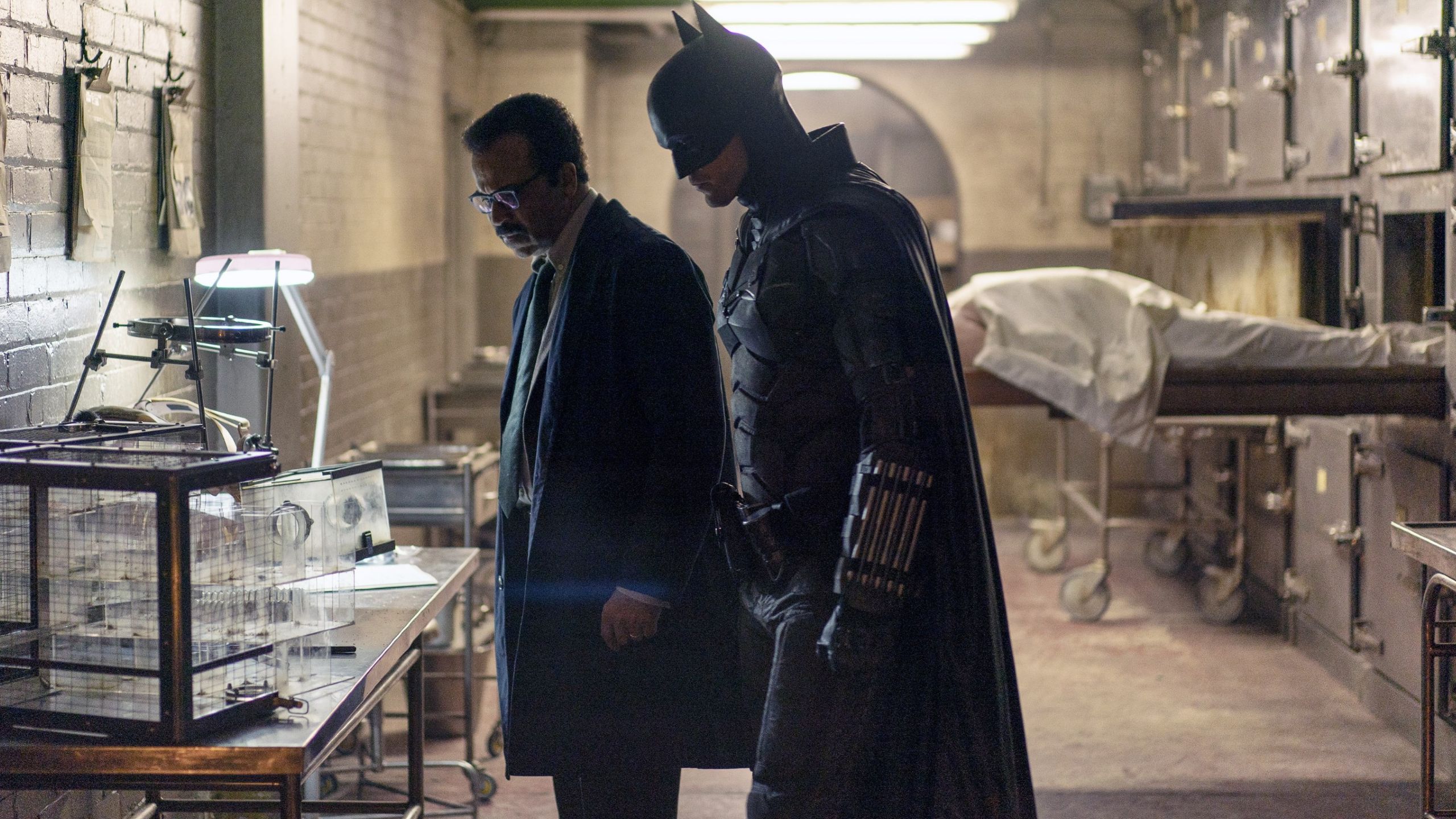
Batman films are incredibly popular and frequently adapted from the comics. Some, like The Batman and The Dark Knight, are considered among the greatest superhero movies ever made. One particularly notable film was initially very dark and required censorship, but an unedited version became available a few years later. Because of these movies, Batman is now a widely recognized and iconic character.
As a big Batman fan, I always check Rotten Tomatoes scores, and it’s honestly really hard for any Batman movie to get a perfect rating. Even The Dark Knight, which almost everyone agrees is the best live-action Batman film, only has a 94% approval rating. But did you know there’s one Batman project that did manage a perfect score? It’s Batman Beyond: Return of the Joker, the animated movie connected to the Batman Beyond series. It’s got a 100% rating, which is amazing!
Batman Beyond: Return of the Joker centers on Terry McGinnis, the new Batman in the year 2019, and his investigation into the surprising reappearance of the Joker, who everyone believed was dead. The story also reveals, through flashbacks, how the Joker previously kidnapped, tortured, and brainwashed Tim Drake.
Despite being highly praised by critics, Batman Beyond: Return of the Joker originally contained some very intense scenes. According to CBR, the initial version of the movie was so dark that it needed to be edited before its release. This censorship was largely due to the 1999 Columbine High School shooting, which led to public discussion about violence in media, particularly for younger audiences. Warner Brothers responded by removing the most graphic content from the film.
The Censored Version Of Batman Beyond: Return Of The Joker Changed Joker’s Death Scene

The most significant change Warner Brothers made when editing Batman Beyond: Return of the Joker happened during the flashback showing how the Joker originally died. In the original version, Tim Drake was briefly transformed into a smaller version of the Joker, mimicking his laugh, makeup, and purple suit. The Joker then gave him a harpoon gun and told him to kill Batman. However, Tim refused and instead pushed the Joker into some electrical wires, electrocuting him, and the scene cut to black.
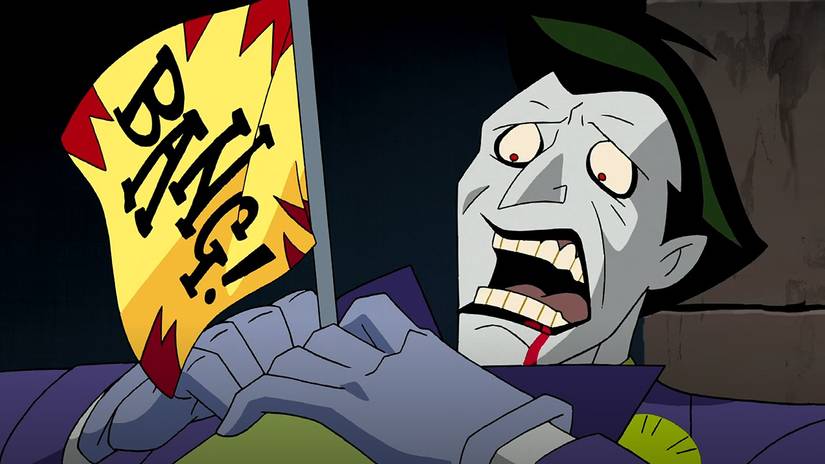
The first cut of the movie showed Tim shooting the Joker with a toy harpoon gun that fired a flag saying “BANG!” The Joker would then react with a bloody mouth, saying “That’s not funny,” before dramatically falling. This scene was changed, likely because it featured a child using a weapon-like object and depicted gun violence, which was a sensitive issue following the Columbine school shooting.
Surprisingly, the censored version of Joker’s death is actually more unsettling than the original. It extends the fight scene with Tim and focuses on Joker being soaked with water before he electrocutes himself. The addition of a chilling scream from Mark Hamill further amplifies the horror. Though the censored cut doesn’t show Joker dying, it allows viewers to imagine a particularly gruesome end.
The alterations in the censored version go beyond simply reducing the violence of the Joker’s death; they significantly alter the scene’s deeper meaning. In the original, the Joker’s line, “That’s not funny,” reflects his disturbed perspective, and Tim directly causes his death. However, the censored version portrays the Joker’s death as accidental, removing any challenge to his beliefs and lessening Tim’s involvement.
Batman Beyond: Return Of The Joker Is Still One Of The Darkest Batman Stories Ever
As a huge Batman fan, I still think Batman Beyond: Return of the Joker – even the version they toned down for TV – is one of the most genuinely disturbing Batman stories out there. Seriously, even with the edits, the way they handle the Joker’s death is incredibly unsettling. And beyond that, the whole movie is just really mature and deals with some seriously dark themes. The flashback sequences, in particular, are packed with moments that feel really intense and complex.
Throughout the story, Bruce repeatedly attempts to kill the Joker, breaking his own rule against it. There’s even a scene where he throws a knife at the Joker’s head, though he doesn’t hit. The plot also centers around the Joker’s abuse and manipulation of a young Tim Drake. This version of Bruce, set in 2019, is notably more grim, intense, and prone to violence – at one point, he appears to relish the thought of destroying a Two-Face statue.
The movie Batman Beyond: Return of the Joker offers a surprisingly deep look at how lasting trauma can affect a person. The film reveals that after seemingly dying, the Joker survived by implanting a chip in Tim Drake’s brain. For decades, the Joker lived inside Tim’s mind, and Tim was never able to fully recover from the ordeal.
What makes Batman Beyond: Return of the Joker so good isn’t just its dark tone—it truly has it all. The animation is beautiful, the voice acting by Mark Hamill and Kevin Conroy is fantastic, and the story is a gripping mystery with plenty of surprises. Plus, it explores some surprisingly thoughtful and complex ideas. If you’re a Batman fan, you’ll absolutely love Batman Beyond: Return of the Joker.
Read More
- Gold Rate Forecast
- 10 Most Powerful Versions of Superman, Ranked
- GBP CNY PREDICTION
- 007 First Light: Release Date, Story, Gameplay, Cast, Editions, and Platforms
- Forza Horizon 6 Car List So Far: Confirmed Highlights, Cover Cars, DLC, and Rewards
- DOGE PREDICTION. DOGE cryptocurrency
- Superman’s 7 Best Power-Ups, Ranked
- 10 Greatest Wii U Games of All Time, Ranked
- What happened to Soldier Boy in The Boys?
- Kingdom Come Deliverance Update 1.002 Enables Trophies to Be Transferred
2026-04-21 00:48