Audiences have always admired the unique qualities that Quentin Tarantino brings to filmmaking and storytelling, no matter the project. While his earlier screenplays, even those he didn’t direct, are well-respected, his best work comes from the films he both writes and directs – these are his true masterpieces.
Despite his reputation, Quentin Tarantino isn’t perfect and can make a movie that doesn’t quite hit the mark. His films tend to strongly divide audiences – people either love them, hate them, or feel something in between – which is understandable given his unique and recognizable style. While he’s often considered a director’s director, a true film lover, even his biggest fans recognized that Death Proof in 2007 wasn’t one of his strongest efforts.
Death Proof Is Quentin Tarantino’s Most Flawed Yet Entertaining Movie
The 2007 film Grindhouse, a collaboration between Quentin Tarantino and Robert Rodriguez featuring the movies Death Proof and Planet Terror, was always intended as a playful project for the two directors. Both films are a clear tribute to a bygone era of filmmaking, and the directors were simply having fun with the concept. While considered a personal project by Tarantino and many fans, Death Proof isn’t necessarily one of his most important or defining works – and that was perfectly alright with everyone involved.
Fans love this 2007 film because it perfectly recreates the gritty, energetic vibe of 1970s grindhouse movies – the kind that inspired directors like Quentin Tarantino. These low-budget, independent films were famous for pushing boundaries with their genres, style, and even tackling social issues. Death Proof nails that same feel, and that’s why it’s such a fun, engaging movie from beginning to end.
For fans of Quentin Tarantino, Death Proof is unique – it’s the only time he’s directed a classic car chase/action B-movie and a slasher film. While both genres have seen far worse movies, Death Proof remains one of Tarantino’s weaker efforts. The film has both strengths and weaknesses, and whether or not it works really depends on the viewer.
The movie’s black and white scene around the midpoint feels largely like a stylistic indulgence for director Quentin Tarantino. However, it also effectively introduces Stuntman Mike, presenting him as a menacing figure who stalks his victims in the shadows. This sequence also serves as a visual transition, highlighting the contrast between the past and present, a technique Tarantino frequently uses. The scenes with the first victims are intentionally shot to resemble low-budget films from the 1970s, specifically mimicking the grainy look of older 16mm or 35mm film.
The film shifts to a black and white style to introduce the “final girls” – a new generation of strong, capable female characters who are able to confront their attacker. When the film returns to color, a grainy filter is gone, highlighting the contrast between these women and those seen earlier, and offering a commentary on how female characters have evolved in film. Tarantino intentionally includes these details, leaving it to the audience to interpret their meaning, though not every creative choice is successful.
It’s well known that Tarantino films rely heavily on dialogue, but Death Proof takes this to an extreme. While these scenes usually enhance his movies by adding depth and varying the rhythm, Death Proof stretches them out, leaving less space for action. Ultimately, the film feels more like a celebration of movies themselves than a story with profound meaning. It’s fairly standard in its structure and suffers from slow pacing, but the exciting final sequence almost makes up for these flaws.
Death Proof Is A Mess Of a Movie That Says A Lot About Cinema
Most viewers, even big Tarantino fans, consider Death Proof his weakest film, though dedicated fans can certainly explain why they like it. This might be intentional, as Tarantino often appeals to film buffs who appreciate his unique style. Death Proof feels specifically made for those cinephiles, blending a lot of different movie references and styles into a fun, chaotic experience. Beneath all the stylistic choices, the film offers a surprisingly thoughtful look at the art of filmmaking itself.
Quentin Tarantino consistently pays tribute to the art of filmmaking by borrowing from and building upon classic movie techniques and themes, always adding his unique style. Death Proof is especially focused on this approach, functioning as a deliberate homage to a particular style of filmmaking and a specific time in cinema history. While Tarantino aims for originality here, the film doesn’t quite reach the same heights as his other work, though it remains thoroughly entertaining.
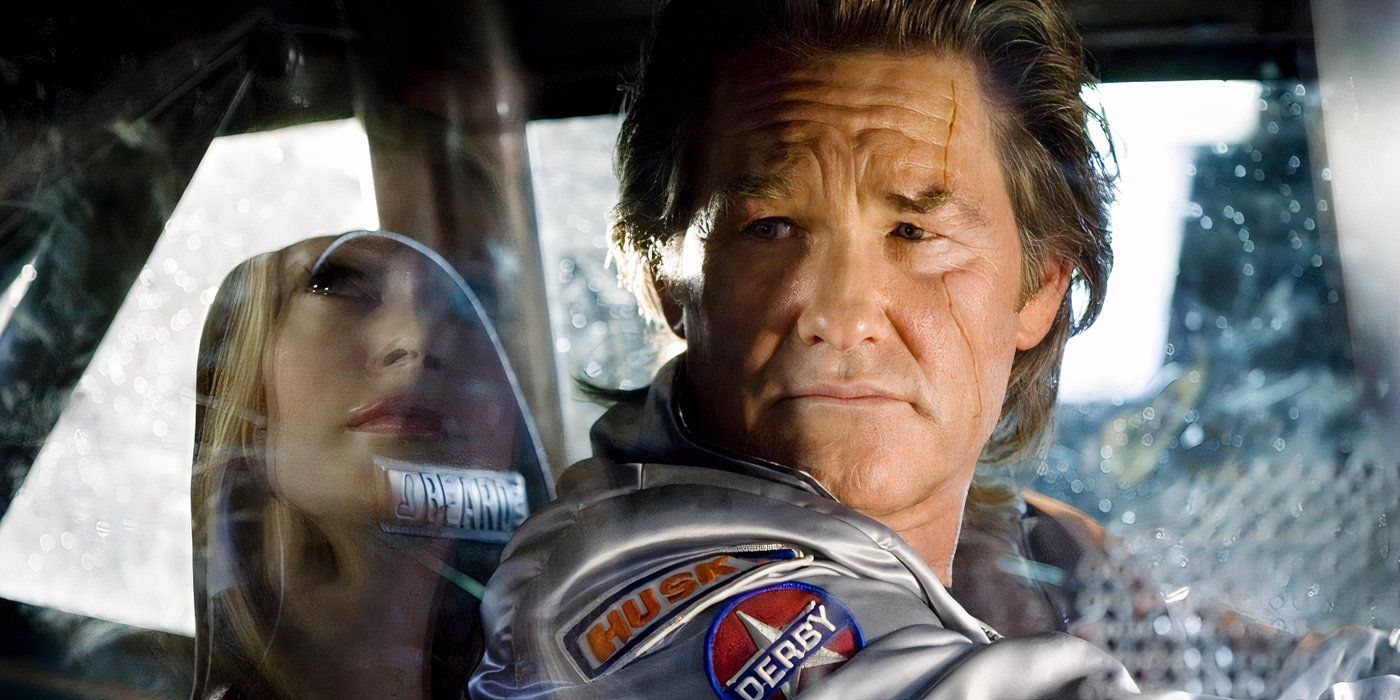
Though the movie is slow-paced for much of its runtime, it culminates in a thrilling car chase that rivals any action sequence of the last twenty-five years. The car stunts are clearly inspired by classic films, and the same is true for the movie’s horror elements, which borrow heavily from slasher films. Kurt Russell delivers a surprisingly effective performance as the villain, channeling iconic slasher villains with his portrayal of Stuntman Mike – it’s potentially one of his best, yet most overlooked, roles.
The performances in this film are stronger than many realize, and they all stem from Quentin Tarantino’s natural passion and inventive approach. A key theme is the portrayal of women and how that’s evolved throughout film history. Tarantino specifically draws on 1970s exploitation films, a period when women were often confined to predictable roles, particularly in horror. By consistently examining the balance of power between men and women, he adds depth and meaning to his characters.
The film presents a complex dynamic between men and women. While the powerful character of Stuntman Mike appears to diminish the women around him, the female characters often discuss their ability to control the men in their lives. This creates a conflict between traditional gender roles, ultimately leading to tragedy for one group of women. However, Tarantino subverts expectations with a second group of women, portraying some as skilled stunt performers. This highlights how female representation in film, particularly in slasher movies, has evolved, and reflects changing roles for women within the film industry itself. Tarantino emphasizes that these stuntwomen are just as capable as their male counterparts, and he doesn’t shy away from showing it.
Ultimately, the female stunt performers are responsible for defeating Stuntman Mike. The film portrays a significant power shift, making him seem like a relic of the past who unleashed his deadly vehicle at the wrong moment. This effect is amplified by the film’s strong focus on sexuality, including the way Stuntman Mike’s violence is presented. Beyond simply paying tribute to classic cinema, Tarantino explores how far filmmaking has evolved – what we can show and discuss on screen, and how we show and discuss it, has changed dramatically. This is the deeper meaning behind Death Proof.
Death Proof Is One Of Quentin Tarantino’s Most Personal Films
Even though it’s often seen as Tarantino’s weakest film, Death Proof is still worth watching. Beyond its place in pop culture, the 2007 movie is a very personal project for Tarantino, where he explores and pays tribute to the kinds of films he loves. He’s clearly influenced by the era and pop culture, and fans can pick up on that. Essentially, Death Proof is a modern take on classic low-budget car chase and slasher films – a Southern-style B-movie updated for today’s audiences. It’s a film where Tarantino shares his passion for cinema and subtly educates viewers along the way.
Quentin Tarantino’s love for classic exploitation and action films shines through in Death Proof. He pays tribute to movies like Vanishing Point, early slashers such as Drive-In Massacre, and even Death Race 2000, demonstrated through choices like casting Rose McGowan (despite publicly criticizing Scream) and incorporating details like the iconic “Wilhelm Scream.” The film’s car stunts are fantastic, the over-the-top violence is surprisingly effective, and it’s delightfully campy. While not flawless, Death Proof is a unique and rare cinematic experience – a film unlike anything being made today, and that’s what makes it stand out.
Read More
- The Super Mario Galaxy Movie: 50 Easter Eggs, References & Major Cameos Explained
- Surprise Isekai Anime Confirms Season 2 With New Crunchyroll Streaming Release
- 10 Best Free Games on Steam in 2026, Ranked
- ‘Project Hail Mary’: The Biggest Differences From the Book, Explained
- Preview: Sword Art Online Returns to PS5 as a Darker Open World Action RPG This Summer
- Sydney Sweeney’s The Housemaid 2 Sets Streaming Release Date
- Skate 4 – Manny Go Round Goals Guide | All of the Above Sequence
- Why is Tech Jacket gender-swapped in Invincible season 4 and who voices her?
- What happened to Soldier Boy in The Boys?
- WTH?! Twitter Drops Fake Daredevil: Born Again Season 2 Spoilers as Character Return Confirmed
2026-03-01 08:11