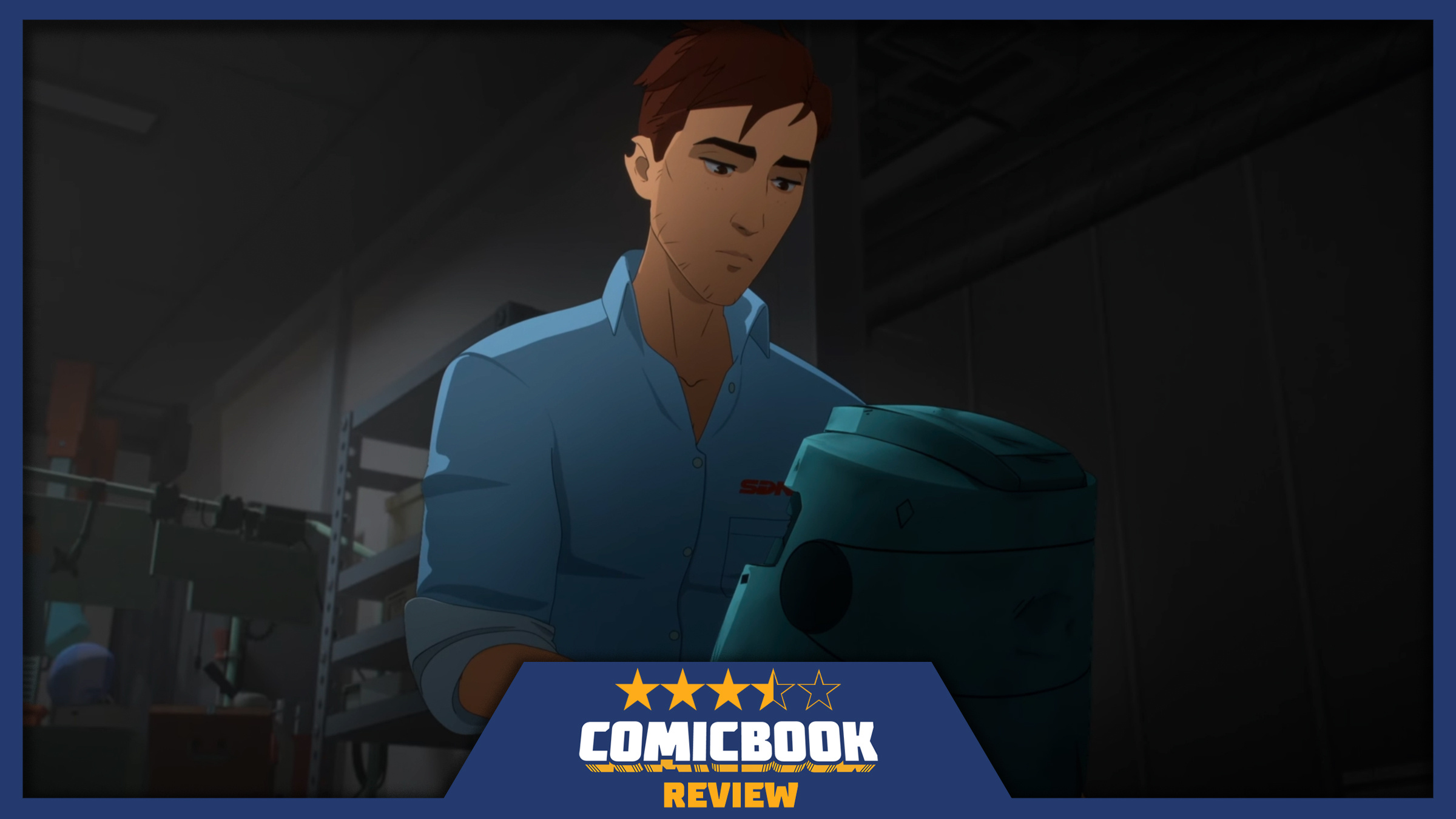
Telltale Games created many fantastic games after the huge success of The Walking Dead. But the studio consistently struggled with one problem: the second-to-last episode of each season was often weak. While this didn’t destroy their best games, it meant the season often ended on a high note after a disappointing installment. Dispatch, made in the style of classic Telltale games, has fallen into the same pattern, with episodes five and six being the least compelling so far.
However, episodes 5 and 6 aren’t terrible enough to ruin the entire season of Dispatch. The game still shines with its detailed animation and vibrant, comic book-inspired art style, which is better than what most games offer. Because these episodes rely so heavily on cutscenes, the quality of those scenes is especially important to the overall experience.
Rating: 3.5/5
| Pros | Cons |
|---|---|
| The beautiful art style and animation still bring the game to life | While a few jokes are great, there are a noticeable amount of iffy ones here |
| Action scenes are goofy and edited well | The villain reintroduction has come too late |
Dispatch Episodes 5 and 6‘s Humor Is Inconsistent
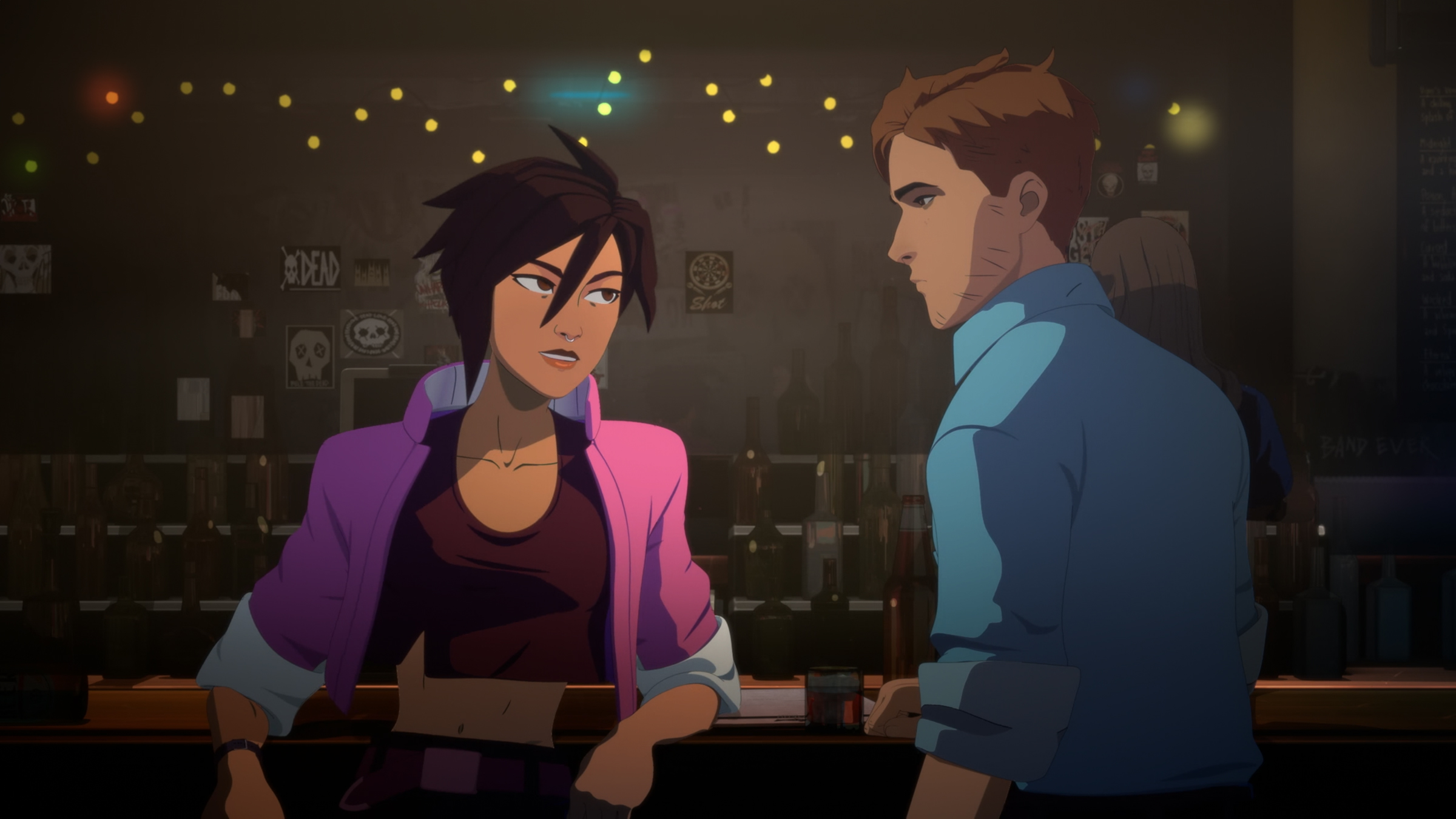
The show still manages to be genuinely funny, with several moments that are truly hilarious, like Flambae’s karaoke performance of Meredith Brooks’ “Bitch.” However, these recent episodes show some cracks in what was previously a very strong comedic foundation. While a show focused on jokes is bound to have a few misses, episodes 5 and 6 contain a noticeable number of weak gags. The first two episodes were consistently hilarious, and though nothing is quite as cringeworthy as the “Big Chungus” joke in episode 3, it’s clear these new episodes don’t quite hit the same comedic high notes.
Even though the show has its flaws, Dispatch still manages to center around its characters. Episodes 5 and 6 show the team – a group of people trying to turn their lives around – spending a lot of time together outside of work. This is a common trope in workplace comedies, where we see the people behind the professional facades. Episode 5 is particularly well-done, using flashbacks and flash-forwards to create a visually engaging experience, a technique the episode successfully uses multiple times.
With such a large team, the show couldn’t fully develop every character – a drawback given the season’s length. However, the team members are likable enough that their limited screen time still effectively establishes a support network for the main character, Robert. While it would have been great to see characters like Punch Up and Prism get more depth beyond their initial traits, they don’t hinder the main storyline.
Dispatch Episodes 5 and 6 Finally Bring Back the Main Villain
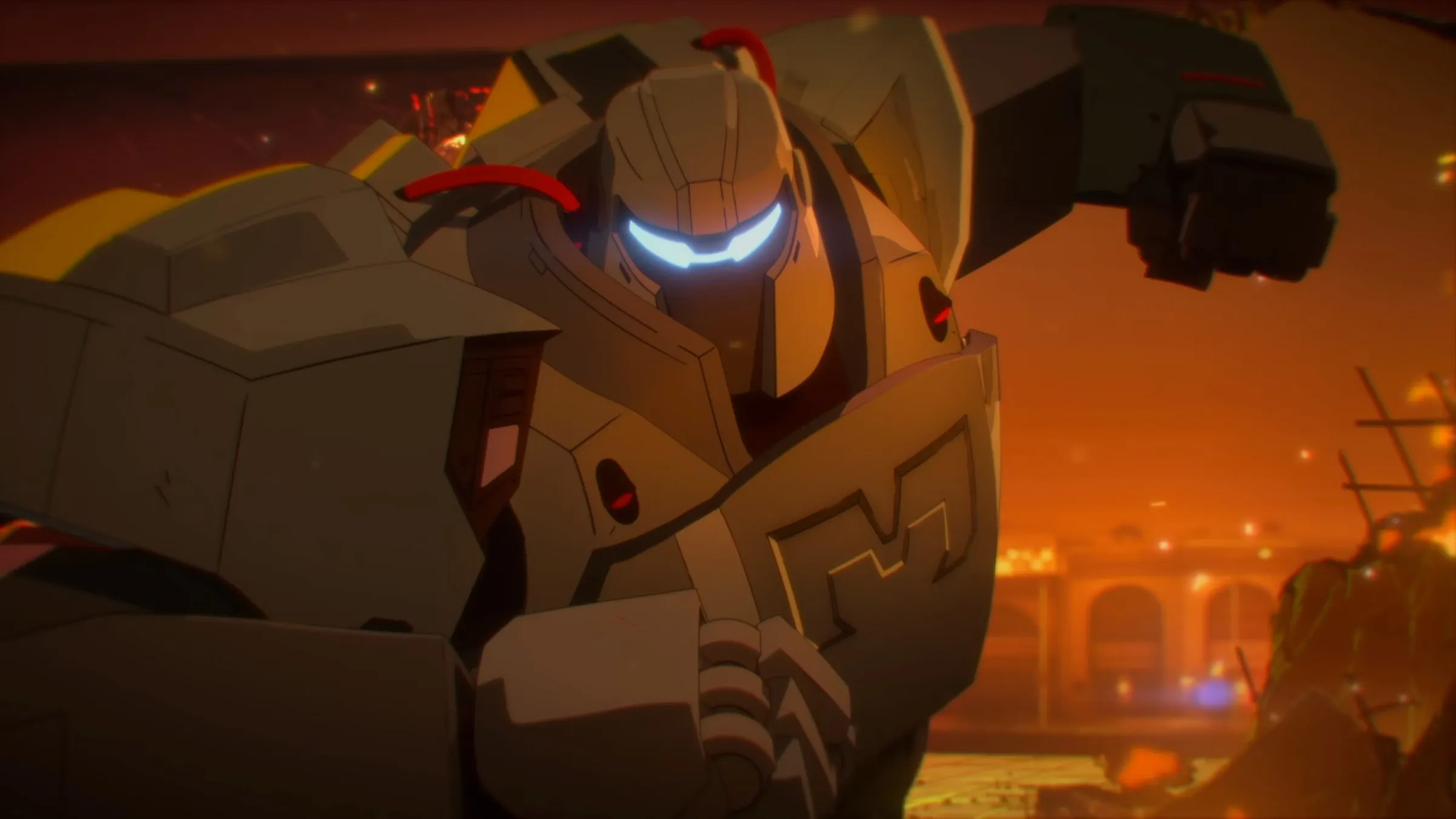
The story hints at bigger plans for Robert, and his internal conflict – wanting to find meaning while working as Mecha Man – is a good starting point. However, the villain, Shroud, isn’t very compelling. He only appeared briefly in the first episode and then again in Episode 6, making it hard to feel any real threat or understand his goals. While he’s searching for something called the Astral Pulse, his motivations remain vague, and he hasn’t presented a strong challenge to Robert. The series seems to have lost track of its initial villain setup. Although Shroud’s return in Episode 6 adds some tension, the season hasn’t done enough to build up this conflict, making his reappearance less impactful than it could be.
Sending out teams on missions is still a fun part of the game, especially because it’s a strategic system that focuses on planning, not quick reactions, and it feels connected to the story – a welcome change from simple puzzles. However, this system is starting to feel less impactful. Missions don’t really have consequences, whether you succeed or fail, which makes the initial enjoyment fade. It’s satisfying to choose the right team member for a task, but it doesn’t matter in the long run. Early on, it seemed like team performance might affect the story, but it’s now clear that these missions and the main narrative are separate, and that’s a letdown.
While episodes 5 and 6 of Dispatch aren’t as strong as they could be, they still have some good qualities. The show looks great, and there are a few funny moments and well-executed action scenes that show its potential. However, the villain isn’t well-developed, and some of the humor falls flat, making the story feel a bit shaky as it heads towards the end. The final episodes will reveal whether these recent shortcomings were just temporary bumps in the road, or signs of bigger problems to come.
A PS5 copy of Dispatch was provided by the publisher for the purpose of this review.
https://comicbook.com/gaming/feature/dispatchs-strategy-game-great/embed/#
Read More
- What Song Is In The New Supergirl Trailer (& What It Means For The DC Movie)
- TV legend Carol Kirkwood reveals the reasons why she decided to retire after 28 years with BBC
- Highly Anticipated Strategy RPG Finally Sets Release Date (And It’s Soon)
- Dune 3 Gets the Huge Update Fans Have Been Waiting For
- Way of the Hunter 2 adds PS5, Xbox Series versions
- The Most Surreal Moments From the O.J. Simpson Murder Trial
- Grab These Resident Evil PSN Avatars for Free This Month
- Gold’s March Madness: Plumbing, Panic, and Polish Central Banks
- Whales, Channels, and the Inevitable Dance of Folly
- The War Film Harrison Ford Completely Disowned Finally Returns to Streaming – “A Terrible Experience”
2025-11-06 22:12