As a researcher tracking the tech industry, it’s becoming clear that generative AI will likely continue to be the biggest focus for major companies in 2026. However, I’m also seeing a lot of warnings that the current excitement around this technology might be unsustainable and could potentially lead to a downturn.
Microsoft and Google are heavily investing in artificial intelligence, adding it to all their products and services. But some users are worried about privacy and safety, and have started calling the results poorly made or unreliable – referring to it as “AI slop.”
NVIDIA’s CEO, Jensen Huang, has suggested that the widespread negativity surrounding AI is actually counterproductive. He believes this “doom and gloom” is discouraging investments that could make the technology more secure. Microsoft CEO Satya Nadella appears to agree, expressing hope that people will focus on the benefits of AI rather than just its potential downsides.
Artificial intelligence is starting to change the job market. As AI technology improves and becomes more widespread, it’s automating many simple, repetitive tasks. Anthropic CEO Dario Amodei estimates that this could lead to the loss of up to half of all entry-level office jobs in the next five years, potentially creating significant employment challenges for young people.
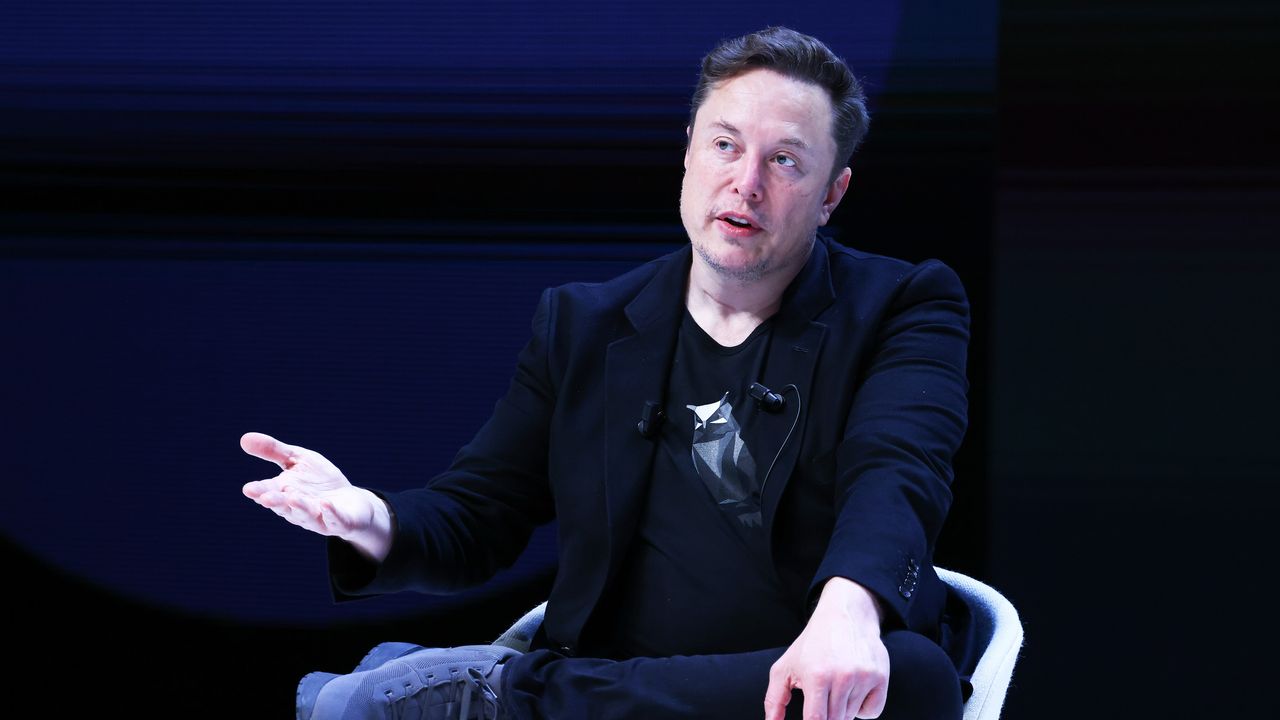
Recently, Elon Musk suggested that AI could soon play a bigger role in healthcare, even going so far as to say that medical school might become unnecessary within three years (according to a post by unusual_whales on X).
Becoming a skilled doctor requires a significant amount of time and dedication. Plus, the field of medicine is always advancing, so staying current with the latest information can be a real challenge.
Elon Musk
In a recent podcast interview with Peter Diamandis, Tesla CEO and billionaire Elon Musk predicted that AI robots, like Tesla’s Optimus, will be able to perform surgery better than human doctors within three years. He believes this technology will make top-quality medical care accessible to everyone, even better than what‘s currently available to the President.
This news arrives as leading AI companies increase their efforts in healthcare. OpenAI, for example, recently launched ChatGPT Health, a version of ChatGPT focused on health and wellness. However, OpenAI has made it clear that this tool isn’t meant to replace doctors or provide medical diagnoses and treatments.
Anthropic has also added new features to its Claude AI chatbot focused on health and life sciences. These features allow users to upload their medical records so the AI can help them understand the information and answer any questions they may have.

Read More
- The Super Mario Galaxy Movie: 50 Easter Eggs, References & Major Cameos Explained
- 10 Best Free Games on Steam in 2026, Ranked
- Surprise Isekai Anime Confirms Season 2 With New Crunchyroll Streaming Release
- Skate 4 – Manny Go Round Goals Guide | All of the Above Sequence
- Why is Tech Jacket gender-swapped in Invincible season 4 and who voices her?
- Preview: Sword Art Online Returns to PS5 as a Darker Open World Action RPG This Summer
- Every Real Housewives Series Ranked: Worst to Best
- Best coins for today
- 10 Best Supporting Actress Oscar Wins That Are Indisputable
- The Punisher: One Last Kill Trailer Review: MCU Special Could Be a Game Changer
2026-01-14 15:39