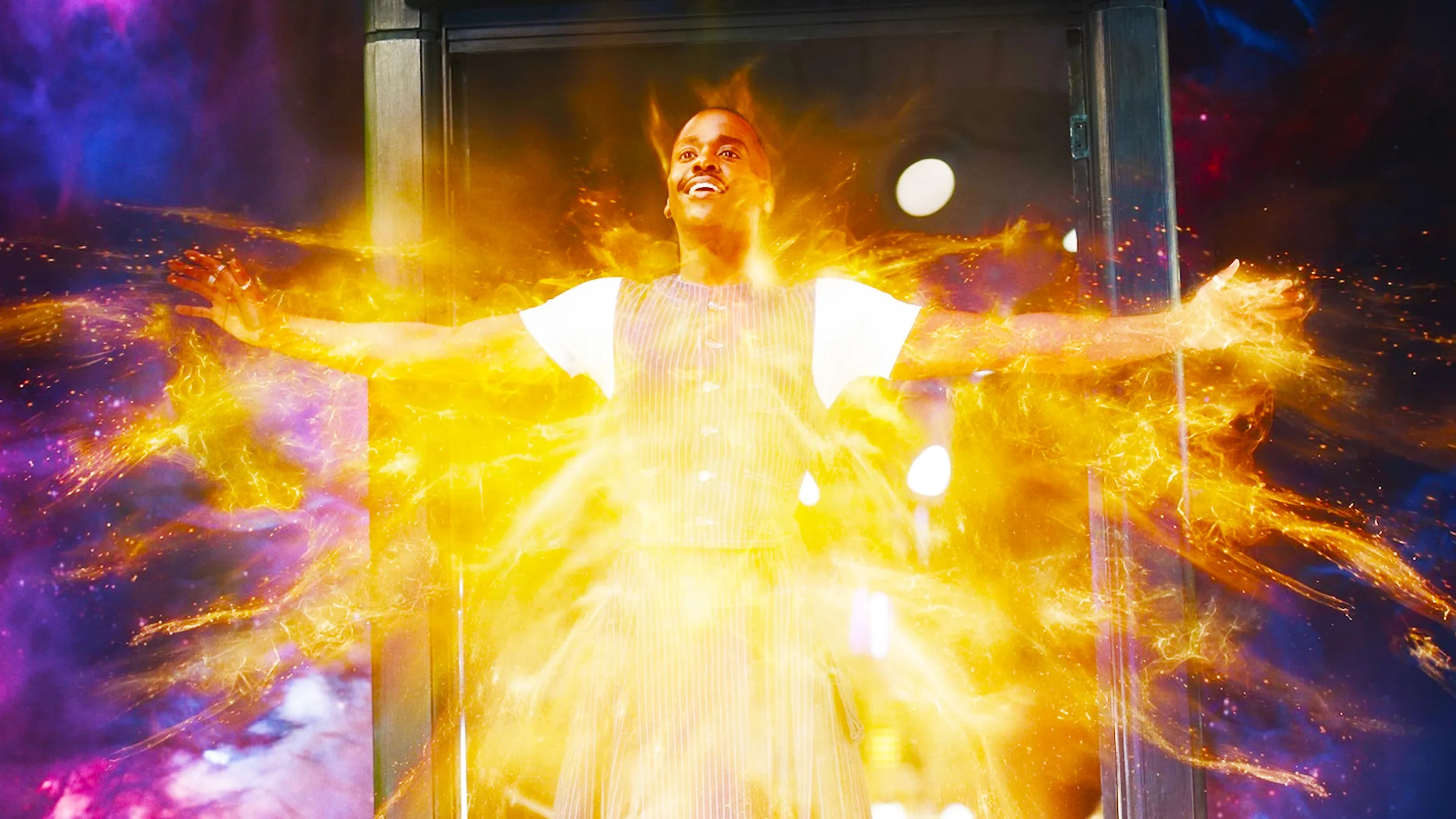
Doctor Who, the longest-running science fiction show ever, recently marked its 62nd anniversary. A key to its success is the Doctor’s unique ability to ‘regenerate’ – essentially changing into a new body and with a new personality when seriously ill, injured, or facing death. This allows the show to continue with different actors in the lead role; so far, 17 actors have portrayed various versions of the Doctor, who is known as the Timeless Child adopted into Time Lord society. This makes the Doctor one of the most iconic characters in television history.
As a lifelong fan of Doctor Who, I’ve seen a lot of regenerations – ever since William Hartnell became Patrick Troughton way back in 1966 with “The Tenth Planet.” Over the years, what used to be a fairly simple transition has become a huge event. Now, when a Doctor regenerates, it’s often a really dramatic, energetic, and sometimes even violent process, totally changing their appearance and personality – and it always impacts whoever happens to be traveling with them! There have been sixteen regeneration scenes throughout the show’s history, but some are just far more iconic, visually impressive, and emotionally powerful than others.
16) Sixth Doctor in “Time and the Rani”
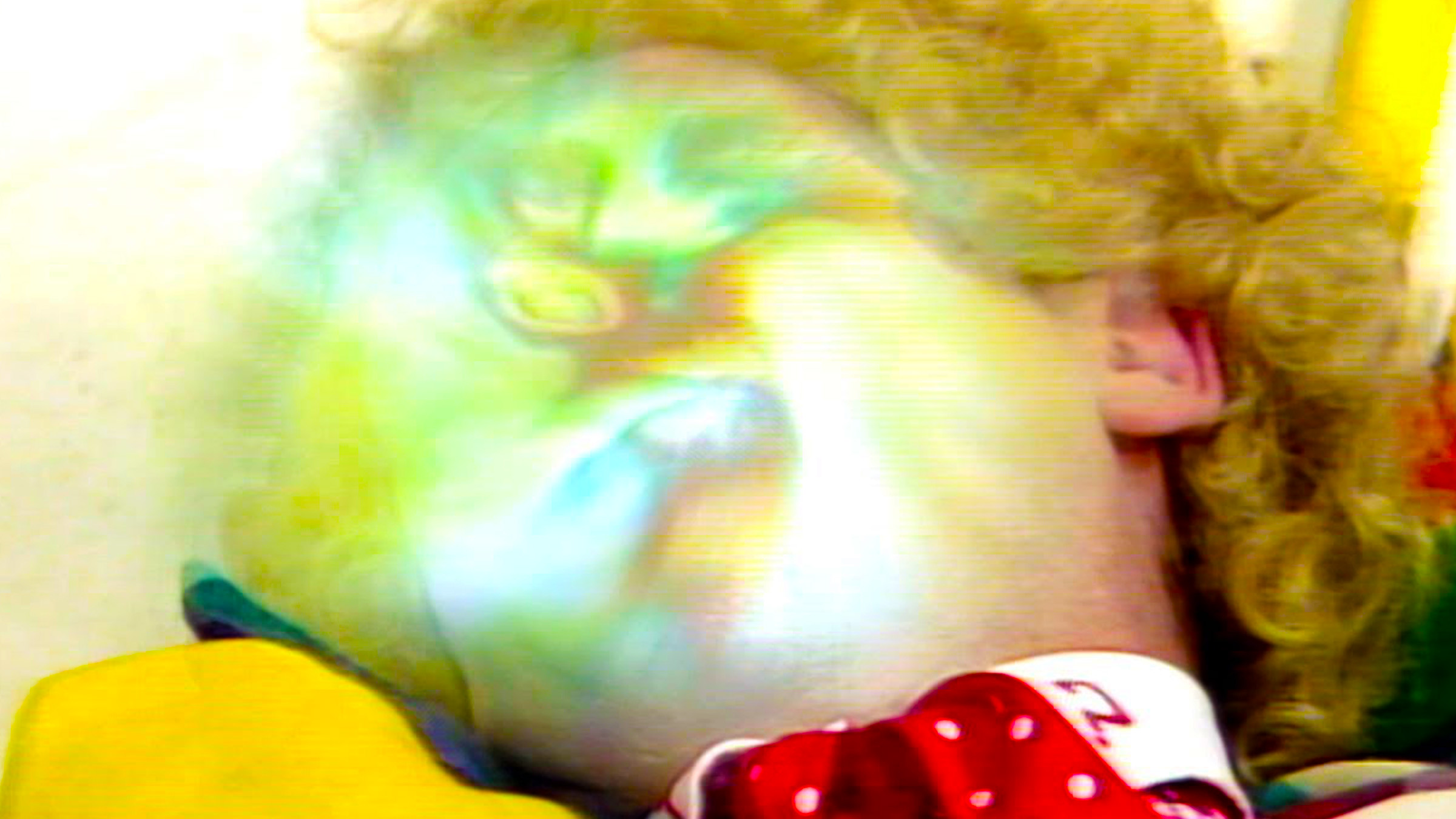
It was a really strange time when the Sixth Doctor regenerated into the Seventh. Colin Baker, who played the Sixth Doctor, left under difficult circumstances, and things got messy behind the scenes. He wouldn’t even film the regeneration scene! So, Sylvester McCoy, who was taking over the role, actually wore a blonde wig and his new costume, and they used some pretty unconvincing special effects to cover his face during the change. The whole thing happened after the Rani attacked the TARDIS. Honestly, a lot of fans weren’t sad to see the Sixth Doctor go – his portrayal often came across as harsh, and he was often quite unkind to his companions. While the regeneration was a bit awkward, many of us felt it was a change for the better.
15) Third Doctor in “Planet of the Spiders”
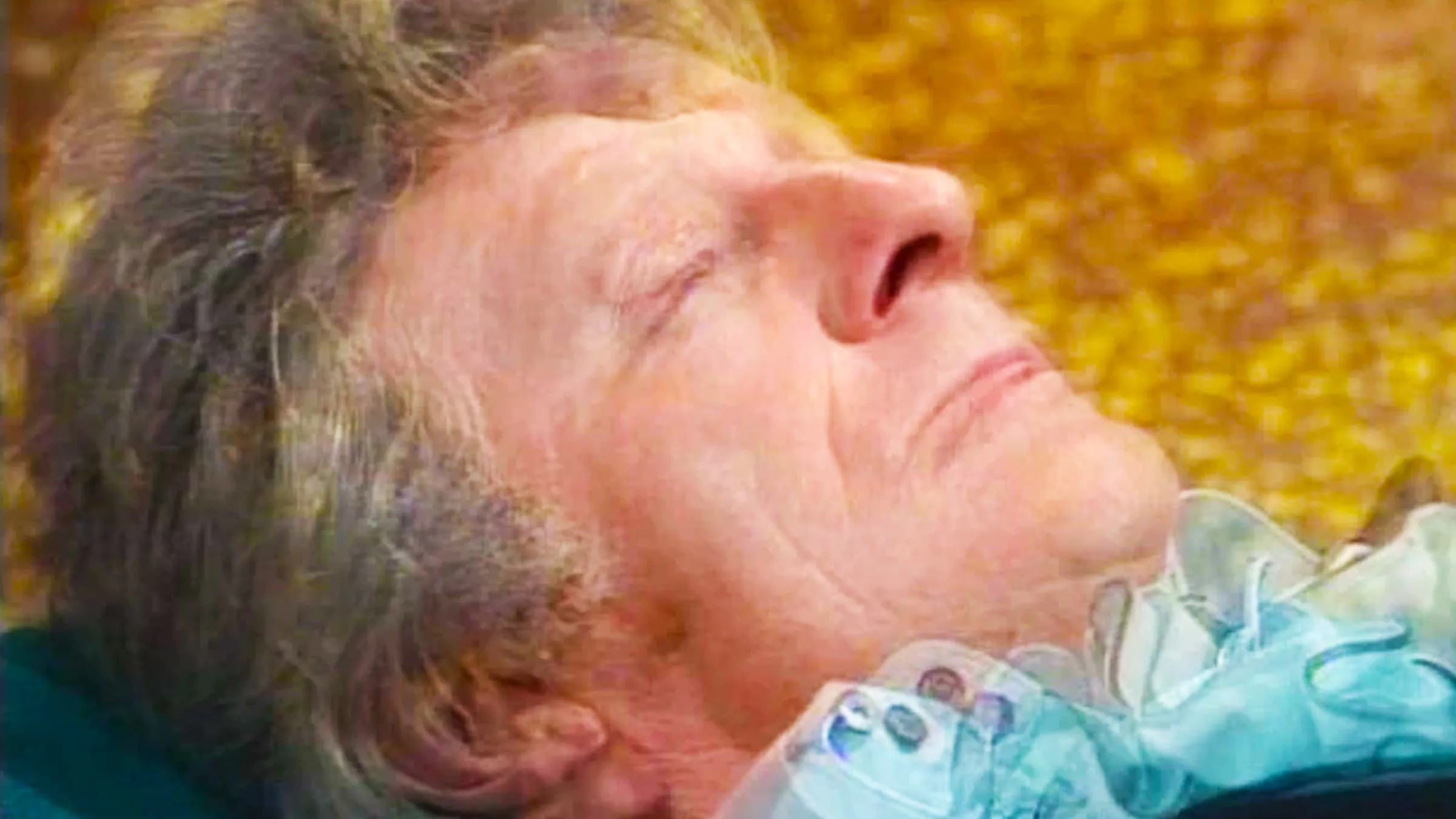
Jon Pertwee is fondly remembered as the third Doctor, appearing in the role from 1970 to 1974. However, his final scene in “Planet of the Spiders,” where he transformed into the next Doctor, is considered one of the show’s weakest. The Third Doctor began to change after being exposed to dangerous radiation in spider caves, and his companion Sarah Jane Smith and Brigadier Lethbridge-Stewart were there when he seemingly died. Strangely, the regeneration wasn’t natural – it required help from another Time Lord, K’anpo Rimpoche. This was the only time the Doctor ever needed assistance to change forms, and it didn’t quite fit with the usual story.
14) Seventh Doctor in the Doctor Who TV Movie
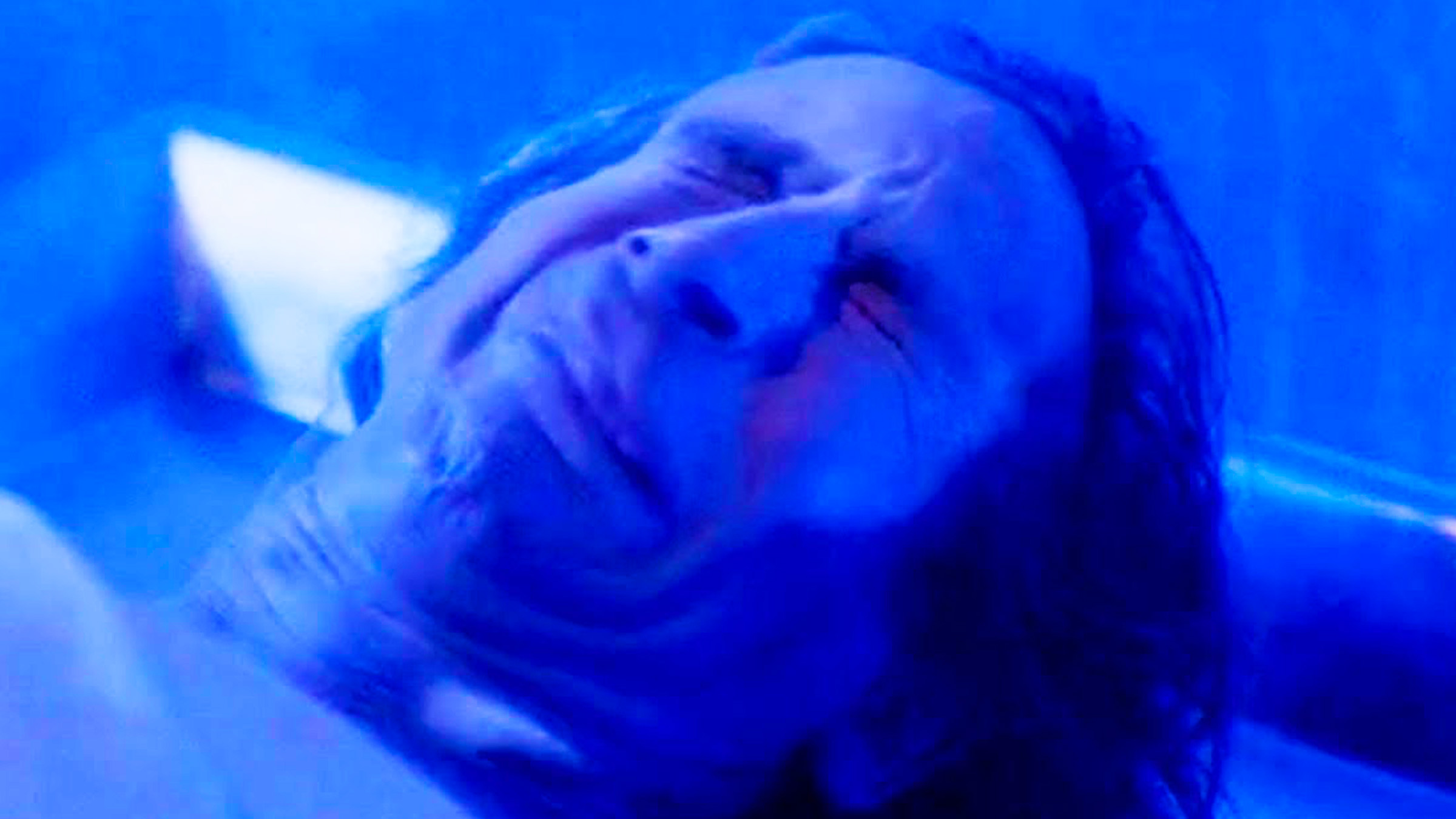
Though Doctor Who ended in 1989 with Sylvester McCoy as the Seventh Doctor, a 1996 TV movie offered him a chance to regenerate into a new form. However, it appears the BBC and Universal Pictures were eager to replace McCoy with Paul McGann, who they considered more appealing. In the film, the Seventh Doctor is fatally shot by a gang in San Francisco, leading to a somewhat awkward and unimpressive regeneration scene in a morgue. Many fans felt this ending didn’t do justice to Sylvester McCoy’s portrayal of the Doctor.
13) Fourteenth Doctor in “The Giggle”

David Tennant made a comeback as the Doctor in 2023 for three special episodes celebrating the show’s 60th anniversary. His appearance served as a transition, moving from the era with Chris Chibnall and Jodie Whittaker to the return of Russell T. Davies and the introduction of Ncuti Gatwa as the new Doctor. The episode “The Giggle” introduced a new concept called bi-generation, which allowed both Tennant’s Fourteenth Doctor and Gatwa’s Fifteenth Doctor to exist at the same time. This unexpected twist wasn’t universally loved by fans, and many feel it left the Fourteenth Doctor’s storyline unresolved, as he’s now simply living a normal life on Earth.
12) Fourth Doctor in “Logopolis”

Tom Baker holds the record for the longest time playing the Doctor, appearing as the Fourth Doctor from 1974 to 1981. His final story, “Logopolis,” saw him briefly team up with his old enemy, the Master, to save the universe. However, the story ended with the Doctor falling from a great height, which triggered his transformation into a new form. This regeneration was unusual because of the addition of a character called the Watcher, who assisted with the process. While Tom Baker’s time on Doctor Who is fondly remembered, his regeneration was strange, though not particularly debated by fans.
11) War Doctor in “The Day of the Doctor”
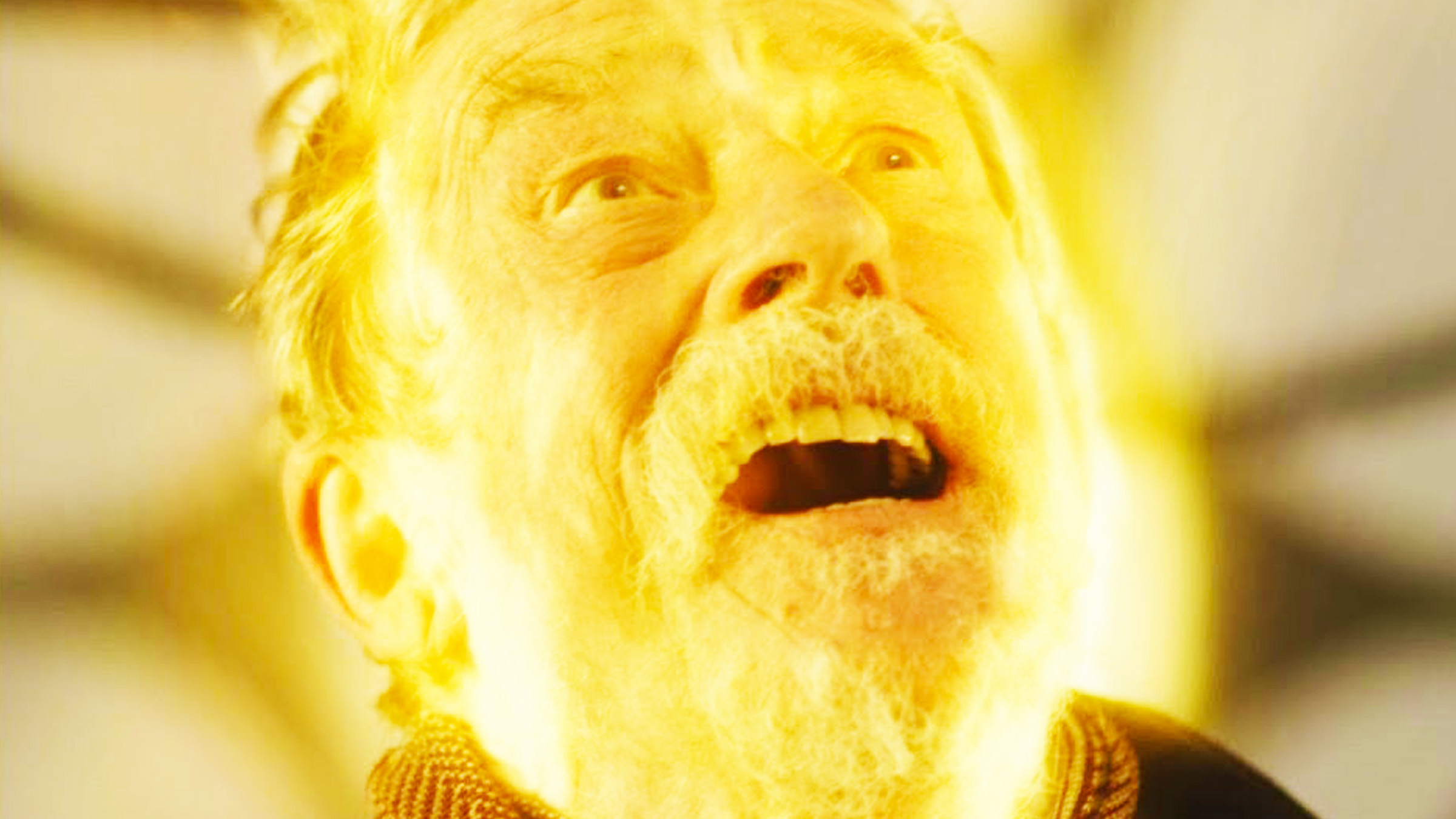
Though we only saw John Hurt as the War Doctor briefly, his portrayal connected the classic and modern eras of Doctor Who. We originally thought the Eighth Doctor regenerated directly into Christopher Eccleston’s Ninth Doctor, but it turned out the War Doctor saved Gallifrey with future versions of himself and then peacefully regenerated in his TARDIS. We caught a quick look at what Eccleston would become before the scene ended. While short and simple, this regeneration was a crucial moment in the show’s history.
10) Twelfth Doctor in “Twice Upon a Time”
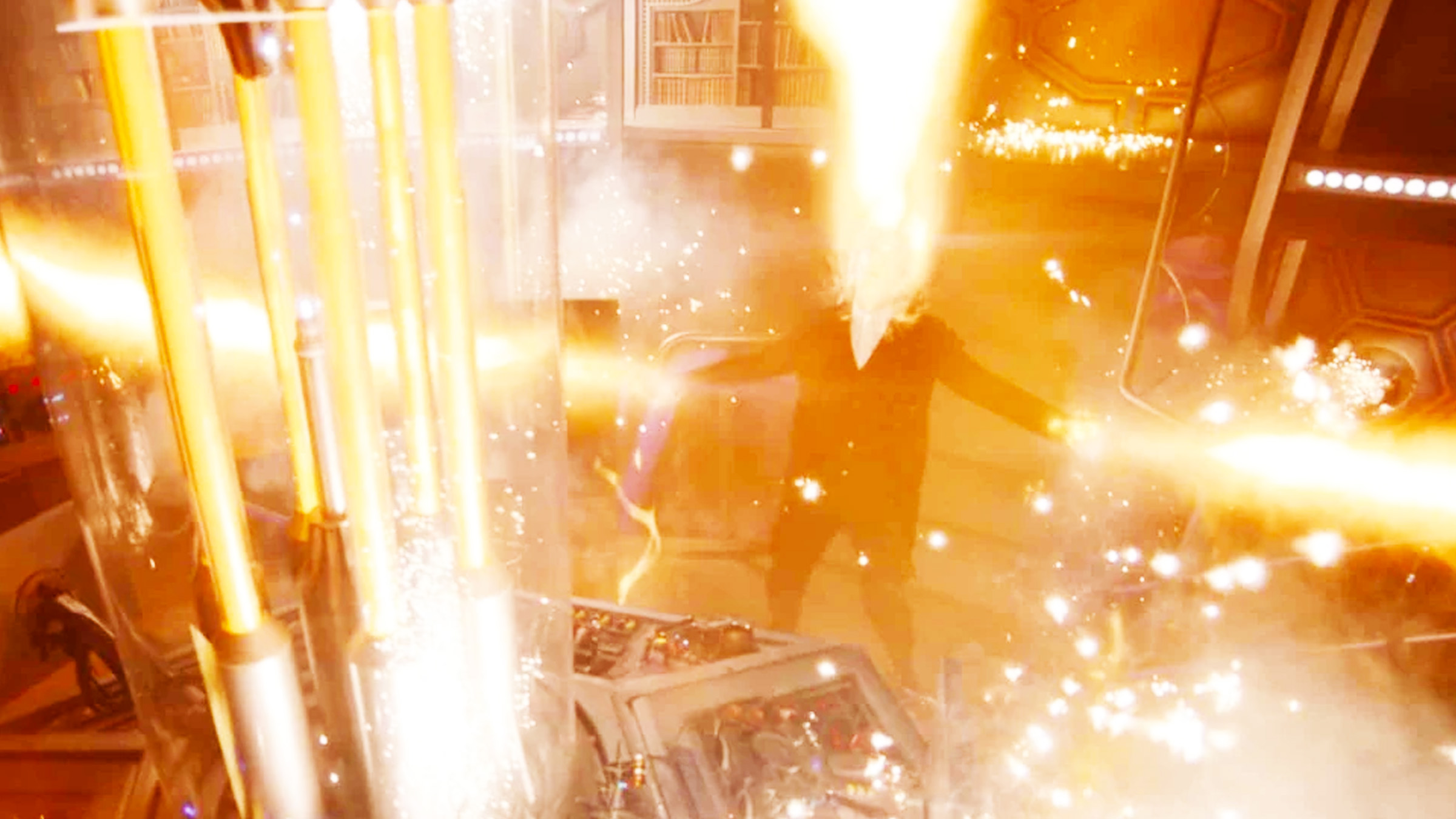
Peter Capaldi’s final episodes as the Twelfth Doctor were incredibly moving for many fans of Doctor Who. The season featured heartbreaking moments, including the transformation of his companion, Bill Potts, into a Cyberman, and the Doctor being shot, which began his regeneration. He delayed the regeneration as long as possible, going on one last adventure with the First Doctor (played by David Bradley) where he remembered Clara Oswald and came to terms with his past. This marked not only Capaldi’s departure, but also the end of Steven Moffat’s time as the showrunner, truly signaling the end of an era for the series.
9) Fifteenth Doctor in “The Reality War”

The latest transformation in Doctor Who is arguably more stunning than even the Twelfth Doctor’s regeneration. In the finale of “The Reality War,” the Fifteenth Doctor sacrificed himself to save Poppy Chandra, bringing her back to life. However, this ending felt hurried and lacked sufficient explanation, which was a disappointing conclusion to Ncuti Gatwa’s time as the Doctor and left viewers wanting a more complete resolution. Despite this, the visual of the Doctor’s energy exploding into space was breathtaking, and Billie Piper’s unexpected return – hinting at her becoming the next Doctor – was a major surprise.
8) First Doctor in “The Tenth Planet”
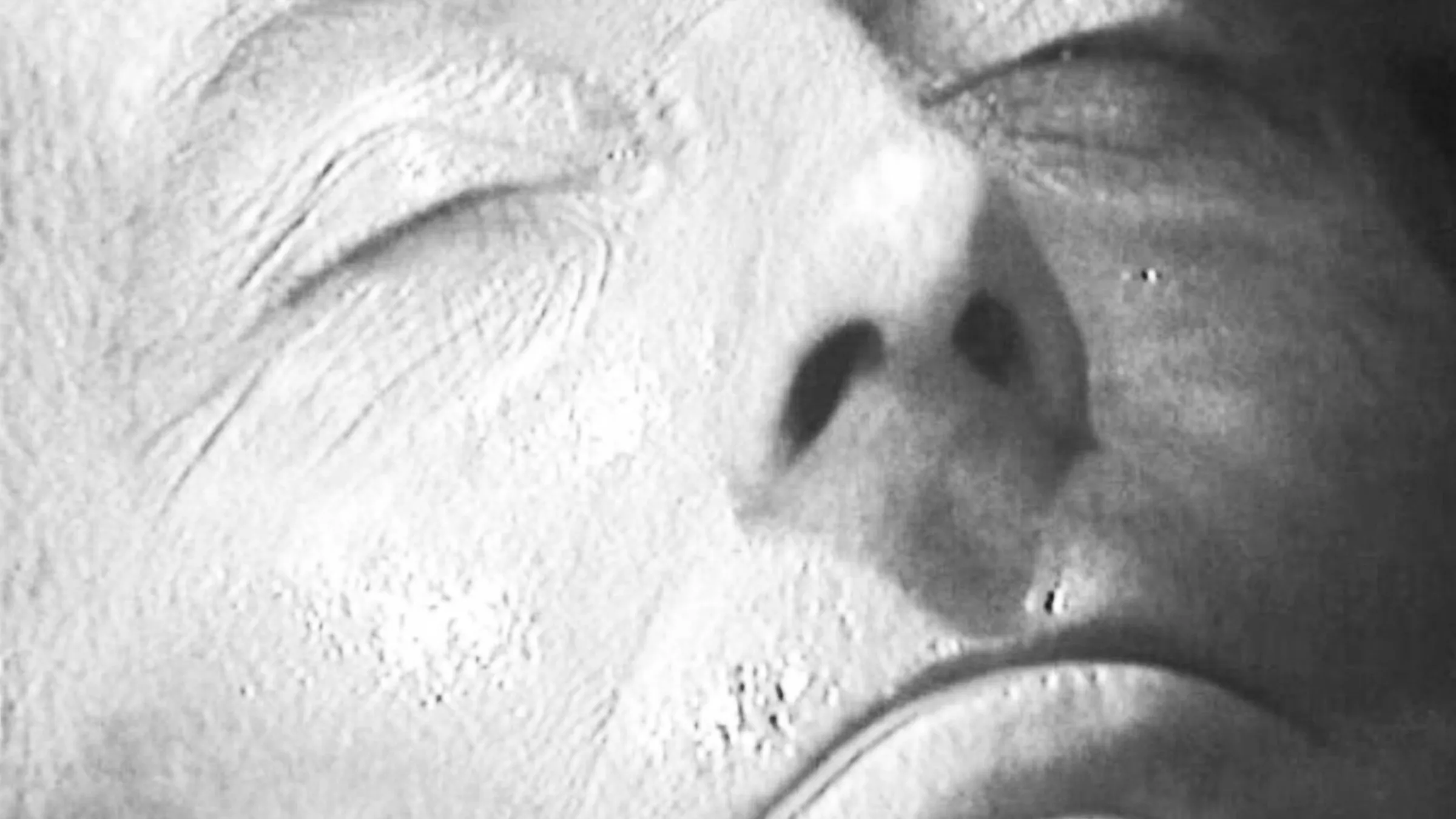
William Hartnell’s exit from Doctor Who in 1966, and the very first regeneration, was a groundbreaking event despite its simplicity. The First Doctor regenerated after fighting the Cybermen in “The Tenth Planet,” and later, in retrospect, after encountering the pilots on the Testimony in “Twice Upon a Time.” The real reason for the change was Hartnell’s declining health, which led the show’s creators to find a way to continue with a new actor. This regeneration also subtly highlighted the Doctor’s alien nature. While it’s one of the most iconic moments in television history, it doesn’t have the visual spectacle of later regenerations.
7) Eleventh Doctor in “The Time of the Doctor”
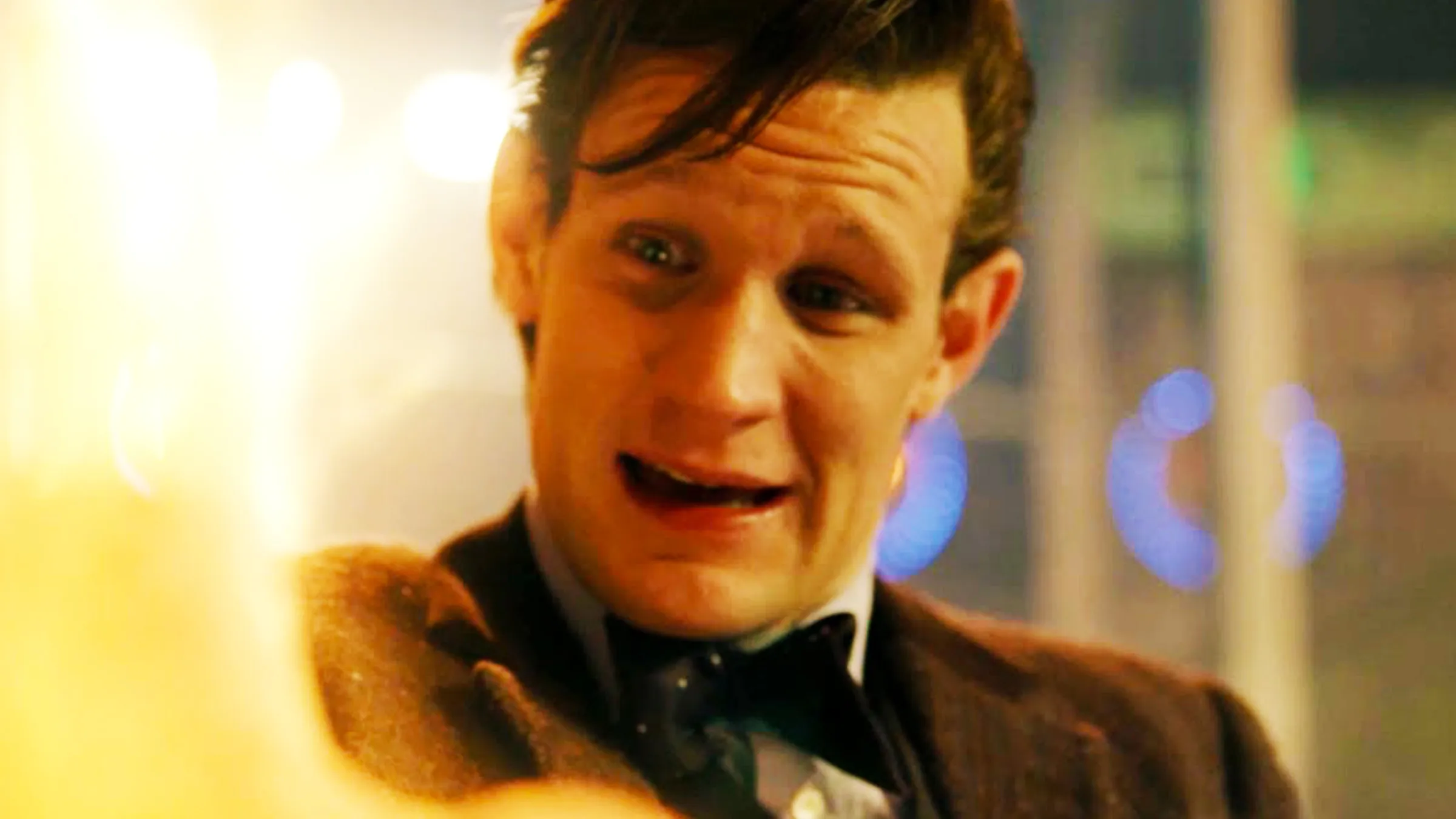
As a big Doctor Who fan, the emotional goodbyes always get to me, and the Twelfth Doctor’s wasn’t the first! I really loved Matt Smith as the Eleventh Doctor, and his departure in “The Time of the Doctor” was so powerful. It seemed like the Time Lords gave him a whole new set of regenerations, though the show has since changed that to say he actually has an unlimited number. What made it even more poignant was saying goodbye to not just Clara, but also seeing Amy Pond – his very first companion – appear to him in a vision as he was changing. It was a perfect way to bring his time as that Doctor full circle, honestly.
6) Fifth Doctor in “The Caves of Androzani”
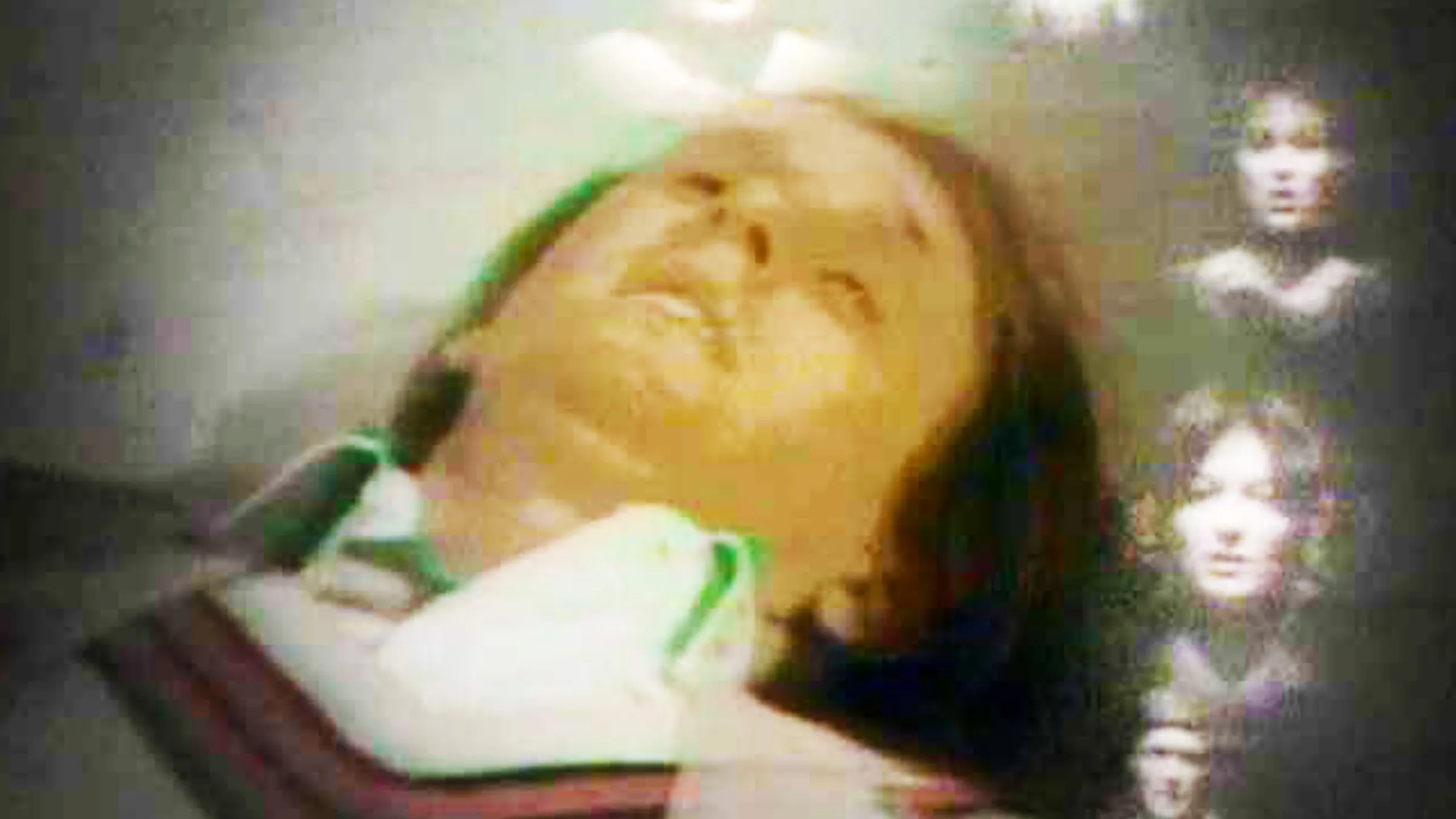
While many past regenerations in Doctor Who were weak, unclear, or simply dull, Peter Davison’s final scene as the Fifth Doctor in 1984 was exceptionally moving. In the story “The Caves of Androzani,” both the Doctor and his new companion, Peri, were poisoned, but only one dose of the antidote was available. Showing his commitment to protecting his companions, the Doctor gave the cure to Peri, even though they hadn’t known each other long, ultimately sacrificing himself. Before changing into a new form, he had visions of his most cherished friends, much like previous Doctors, in one of the show’s most emotionally resonant moments.
5) Eighth Doctor in “The Night of the Doctor”
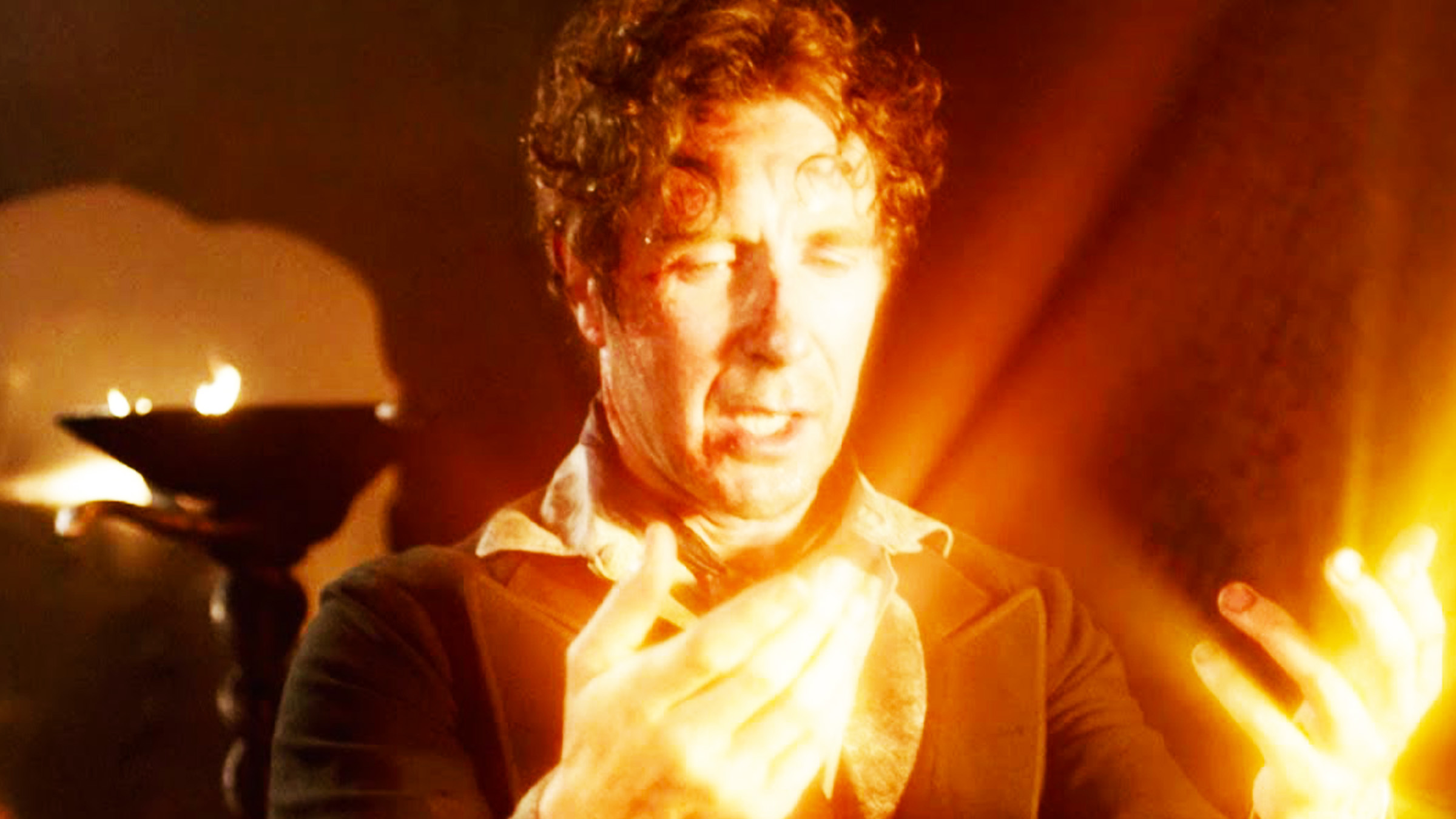
As a huge fan, it’s always bothered me that Paul McGann didn’t get the chance to play the Eighth Doctor on TV again after that initial movie in ’96. He’s been brilliant voicing the role for years in audio dramas, and it was amazing to finally see him as the Doctor again in that short prequel to the 50th anniversary special, “The Night of the Doctor.” Seeing him choose his next qualities with the help of the Sisterhood of Karn was fantastic, and it finally made sense why we met John Hurt as the War Doctor. But honestly, we all want more! We want to see Paul McGann back on our screens as the Eighth Doctor – he deserves it!
4) Second Doctor in “The War Games”
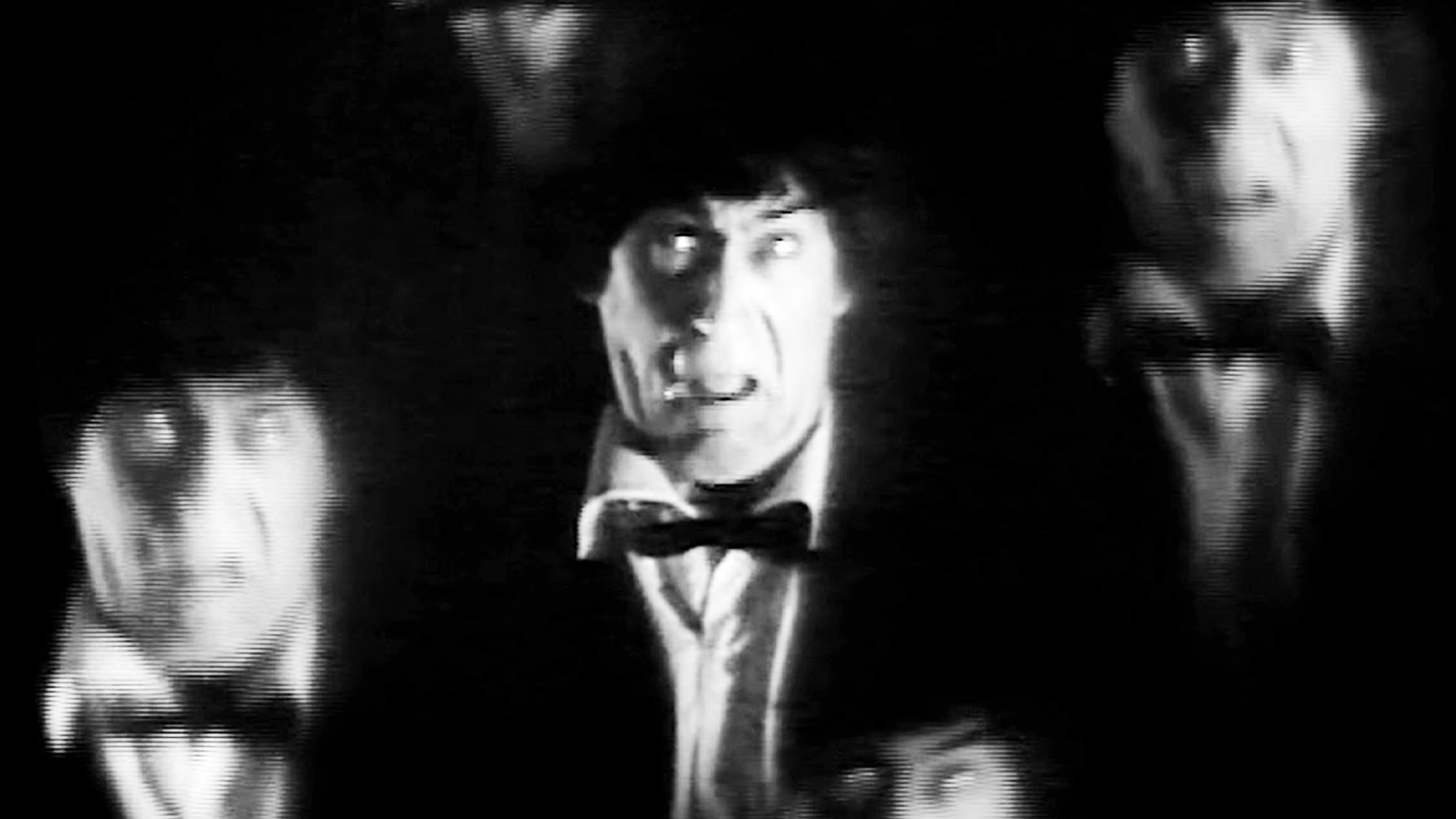
While Patrick Troughton was widely praised for taking over the role of the Doctor after William Hartnell, his departure was surprisingly complex. Instead of simply changing into a new form, the Second Doctor was put on trial by the Time Lords for interfering with history and traveling without permission. Though they acknowledged he’d often done good, the Time Lords punished him by forcing him to regenerate into the Third Doctor and exiling him to Earth. This idea of a forced regeneration hadn’t been seen before, and it first happened in 1969, though it would reappear in later stories.
3) Ninth Doctor in “The Parting of the Ways”
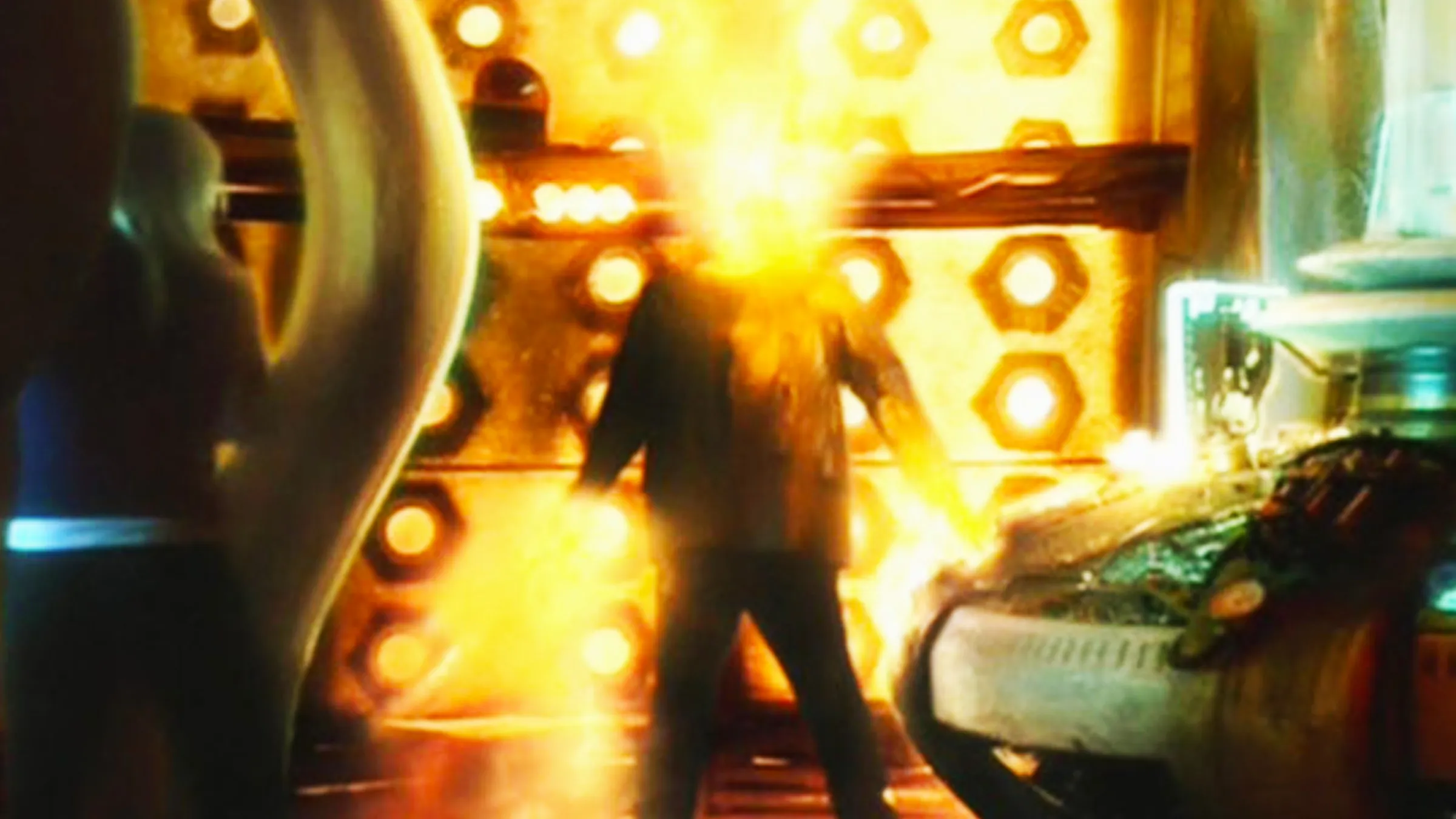
While the Ninth Doctor’s regeneration in “The Parting of the Ways” doesn’t feel as impactful by today’s standards, it was a landmark moment for the show. It marked the first time audiences saw the Doctor regenerate with the now-iconic yellow energy effect. The revival of Doctor Who had made regenerations a more significant event, and the use of hazy energy cleverly masked the transition between actors with early CGI. Despite some behind-the-scenes difficulties with Christopher Eccleston, the scene remains powerful – the Doctor sacrificed himself to save Rose Tyler by taking the energy of the Heart of the TARDIS into his body.
2) Thirteenth Doctor in “The Power of the Doctor”
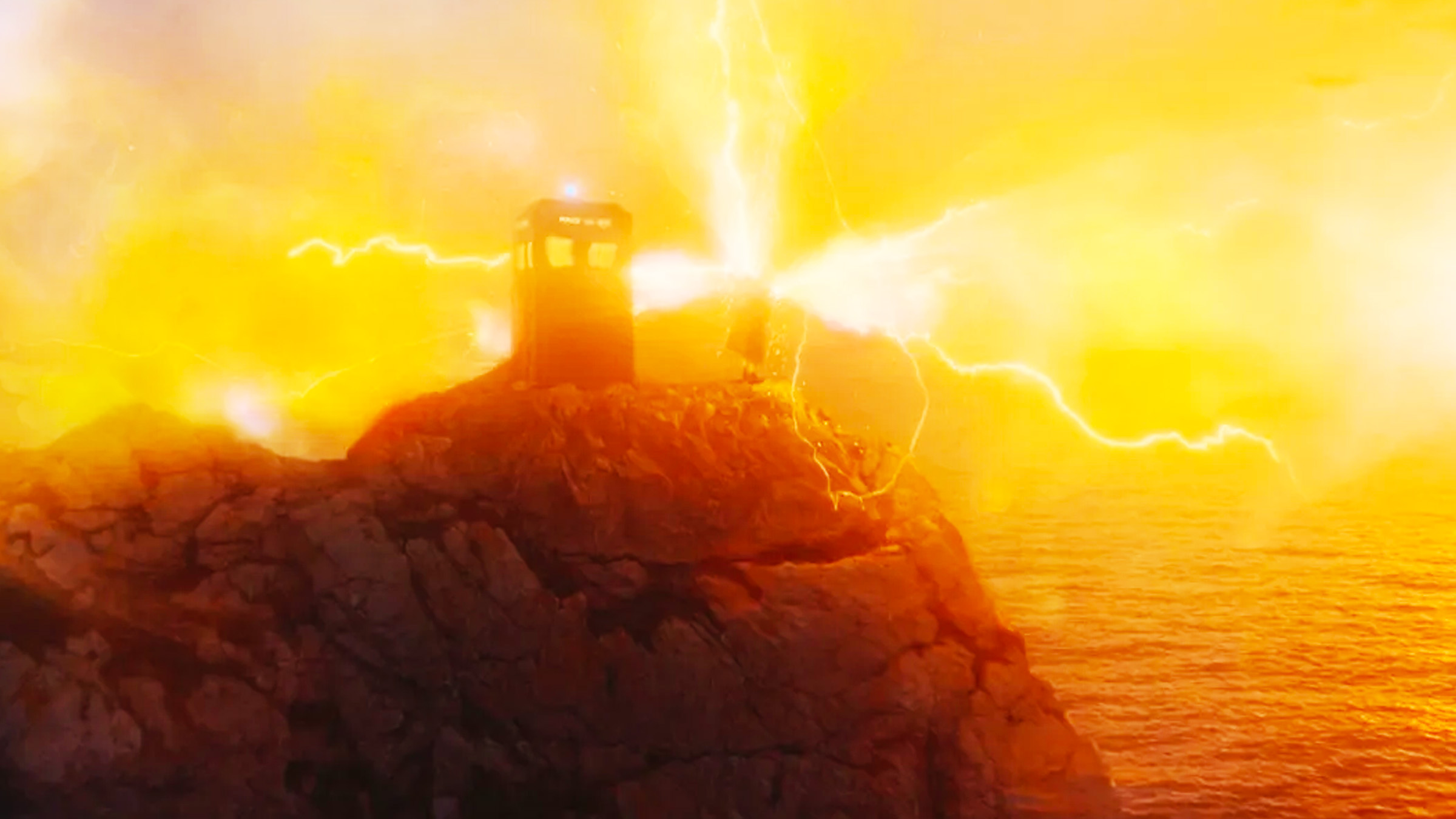
Despite facing ongoing criticism regarding the writing, directing, acting, and overall leadership of the show during Jodie Whittaker’s time as the Thirteenth Doctor, her regeneration scene stands out as one of the most visually impressive in Doctor Who history. Following a battle with the Master in “The Power of the Doctor,” she brought Yaz home and then regenerated at Durdle Door in a particularly explosive and striking sequence. The scene was even more surprising and memorable because of the unexpected return of David Tennant, as most fans were anticipating Ncuti Gatwa’s first appearance.
1) Tenth Doctor in “The End of Time — Part 2”

The Thirteenth Doctor’s regeneration was moving, but it’s hard to beat the emotional impact of the Tenth Doctor’s final moments in “The End of Time — Part 2.” That episode marked David Tennant’s last regular appearance as the Doctor, and he once again made the ultimate sacrifice to save a friend, this time Wilfred Mott (the beloved Bernard Cribbins). Because the Tenth Doctor was a favorite for many viewers, his regeneration was particularly heartbreaking, especially after his extended farewell to his companions and his poignant final words, “I don’t want to go.” It’s not just one of the best scenes in Doctor Who history, but a truly unforgettable moment in television.
What do you think? Leave a comment below and join the conversation now in the ComicBook Forum!
Read More
- The Super Mario Galaxy Movie: 50 Easter Eggs, References & Major Cameos Explained
- All 13 Smash Bros. Characters in the Super Mario Galaxy Movie
- 10 Best Free Games on Steam in 2026, Ranked
- Highly Anticipated Strategy RPG Finally Sets Release Date (And It’s Soon)
- Dune 3 Gets the Huge Update Fans Have Been Waiting For
- Sydney Sweeney’s The Housemaid 2 Sets Streaming Release Date
- Why is Tech Jacket gender-swapped in Invincible season 4 and who voices her?
- Welcome to Demon School! Iruma-kun season 4 release schedule: When are new episodes on Crunchyroll?
- WTH?! Twitter Drops Fake Daredevil: Born Again Season 2 Spoilers as Character Return Confirmed
- Supergirl Director Breaks Down Kara Zor-El & Superman’s ‘Older-Sibling Dynamic’
2025-12-18 01:42