As a big fan of classic TV, I’ve always been fascinated by how *The Twilight Zone* consistently delivered such memorable stories. With so many episodes – over 150 across five seasons! – it’s clear they had a formula they relied on. Even when the show moved to longer, hour-long episodes, you could still feel that familiar structure. Most of us who watch a lot of film and TV are used to stories being built around three or five acts, but *The Twilight Zone* really perfected it. Every episode not only fit those structures, and the time constraints of a short TV show, but it was the little details *within* each story that made them so captivating.
Buck Houghton, who worked as a producer on the original *The Twilight Zone* for three seasons, wrote a book explaining the formula the show used for its episodes. Published in 1991, *What a Producer Does: The Art of Moviemaking (Not the Business)* details his forty years in Hollywood and reveals the surprisingly consistent structure of each *Twilight Zone* installment. Houghton dedicated the book to the show’s creator, Rod Serling, calling him a truly exceptional talent. However, once you understand how the show was constructed, it can change the way you watch it.
Almost Every The Twilight Zone Episode Starts the Same
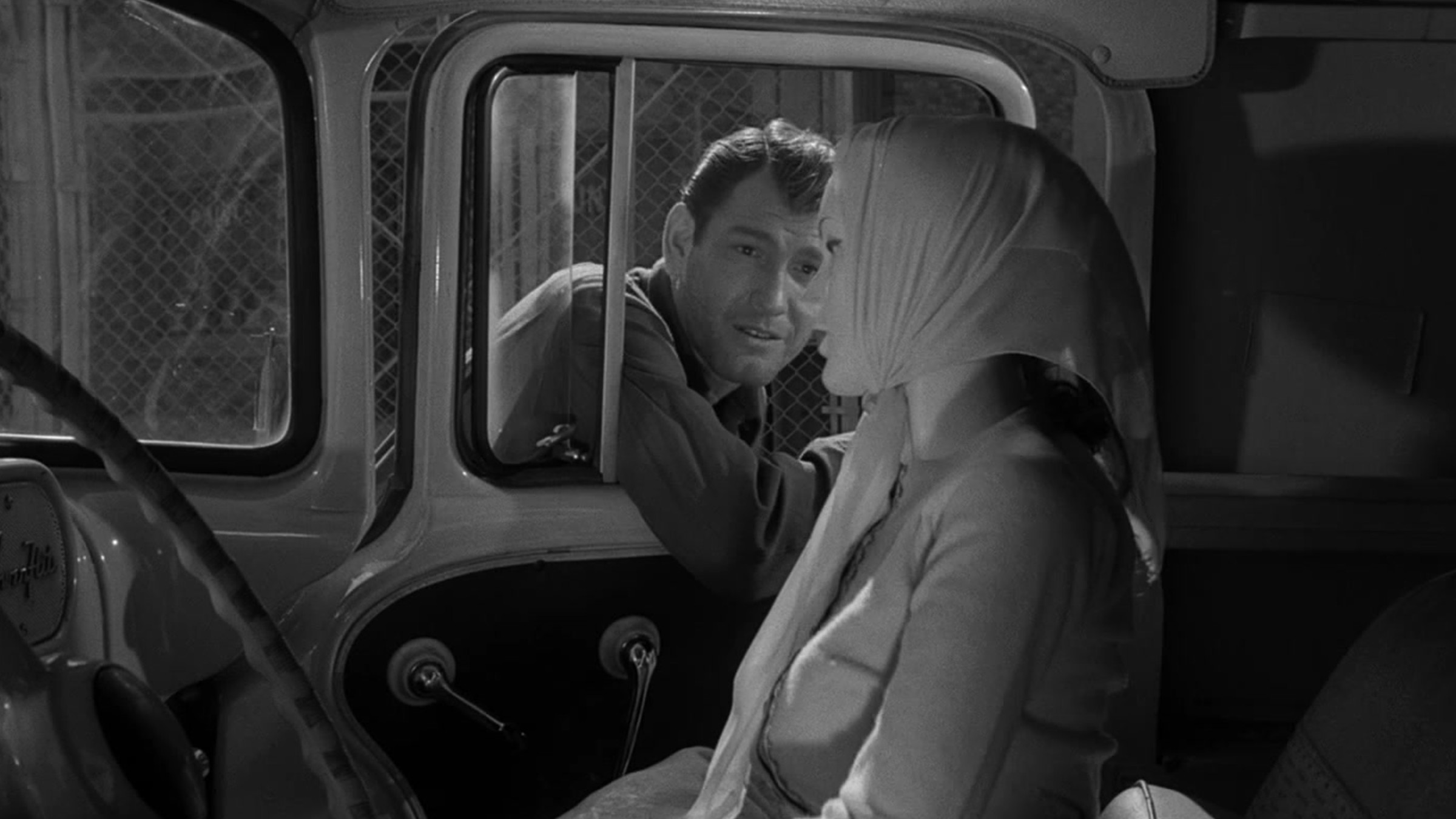
Houghton’s analysis of *The Twilight Zone* shows that Rod Serling established a consistent pattern right from the beginning. We’ll use this pattern to understand each episode. Houghton highlights the first key element: start with a compelling character or group facing an immediate crisis, and then introduce a touch of the fantastical.
The very first episode of *The Twilight Zone* introduces us to Earl Holiman playing Mike Ferris, a solitary traveler walking down a highway. He comes across a gas station that appears completely deserted. There’s no one around – not at the pumps, inside the store, or even in the back room. Ferris calls out, hoping for a response, but is met only with silence and a growing sense of isolation.
The next important element is that the show’s fantastical elements need to be cleverly used and create a surprising, ironic twist at key moments. We see this in the scenes where Ferris walks from the gas station to an empty town. This ‘twist’ will be explained later, but it involves some humorous situations where Ferris is fooled, like mistaking mannequins for real people.
The Twilight Zone Only Allows One “Miracle” Per Episode
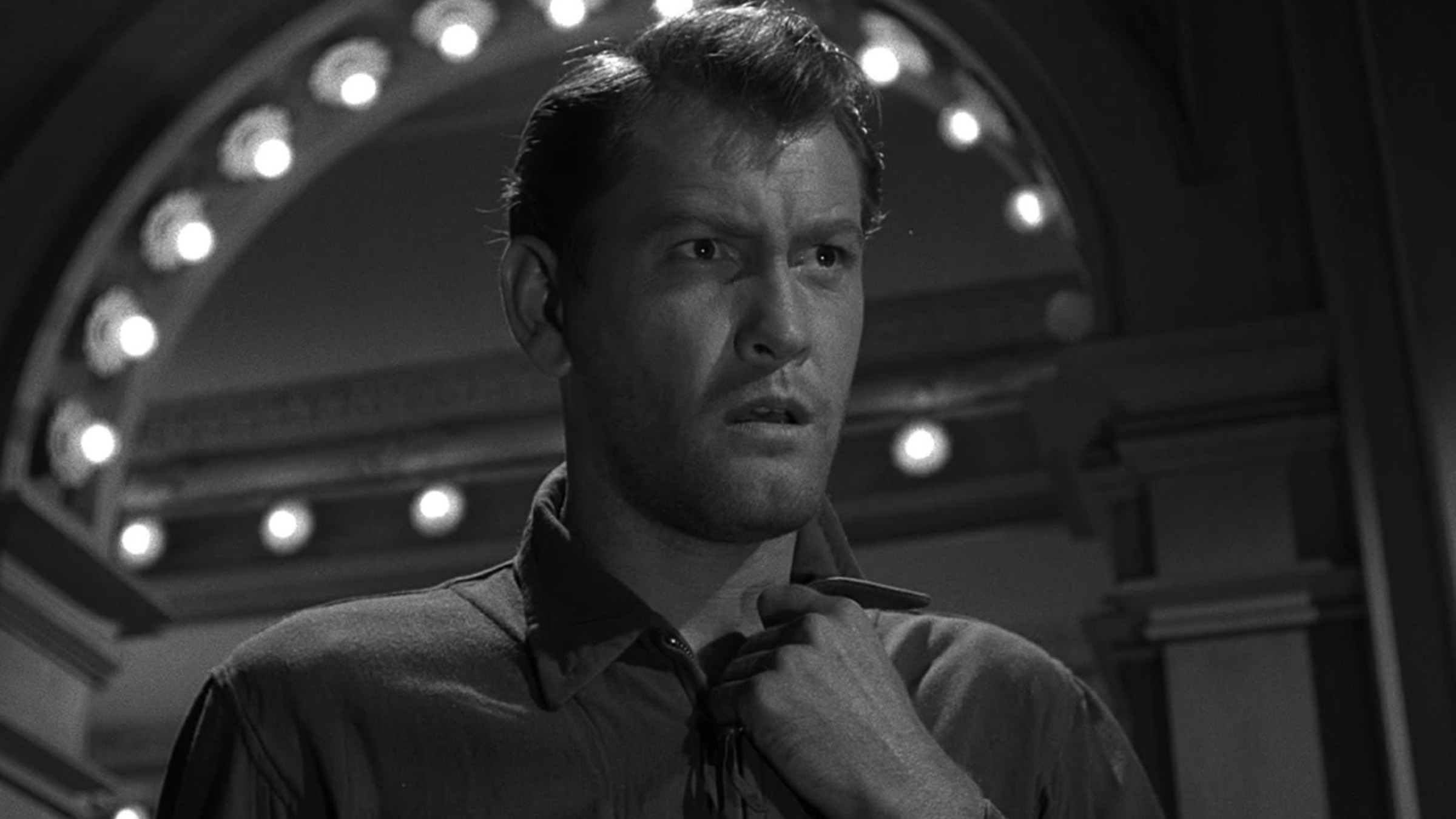
The third key to the formula is that the character(s) should be relatable – ordinary people living in the modern world, facing everyday problems. This is what made ‘The Twilight Zone’ so effective: viewers saw themselves in the characters and connected with their struggles, fears, hopes, and dreams.
Ferris is a relatable character, mostly a modern person who clearly feels isolated and craves connection with others. Although the specific problem he faces in this episode is unusual, it represents a very common and personal fear.
A key rule for *The Twilight Zone* is surprisingly simple: limit each episode to just one extraordinary event, unique ability, or unusual situation. Introducing more than that, the show’s creator believed, would frustrate viewers and strain their willingness to believe the story.
The show’s most remarkable element is Ferris being completely cut off from everyone else. While the episode occasionally hints that someone might be nearby, it always reinforces what Ferris thinks is real: he’s utterly alone.
The Most Important Twilight Zone Rule Was It Couldn’t Happen
The most crucial element, and the final piece of what makes this work, is that the story absolutely *cannot* be realistic. The series relies on asking the audience to willingly accept unbelievable things – in fact, author Malcolm Houghton believes only a handful of shows even *could* have happened in the real world. When he says “I,” he’s referring to himself.
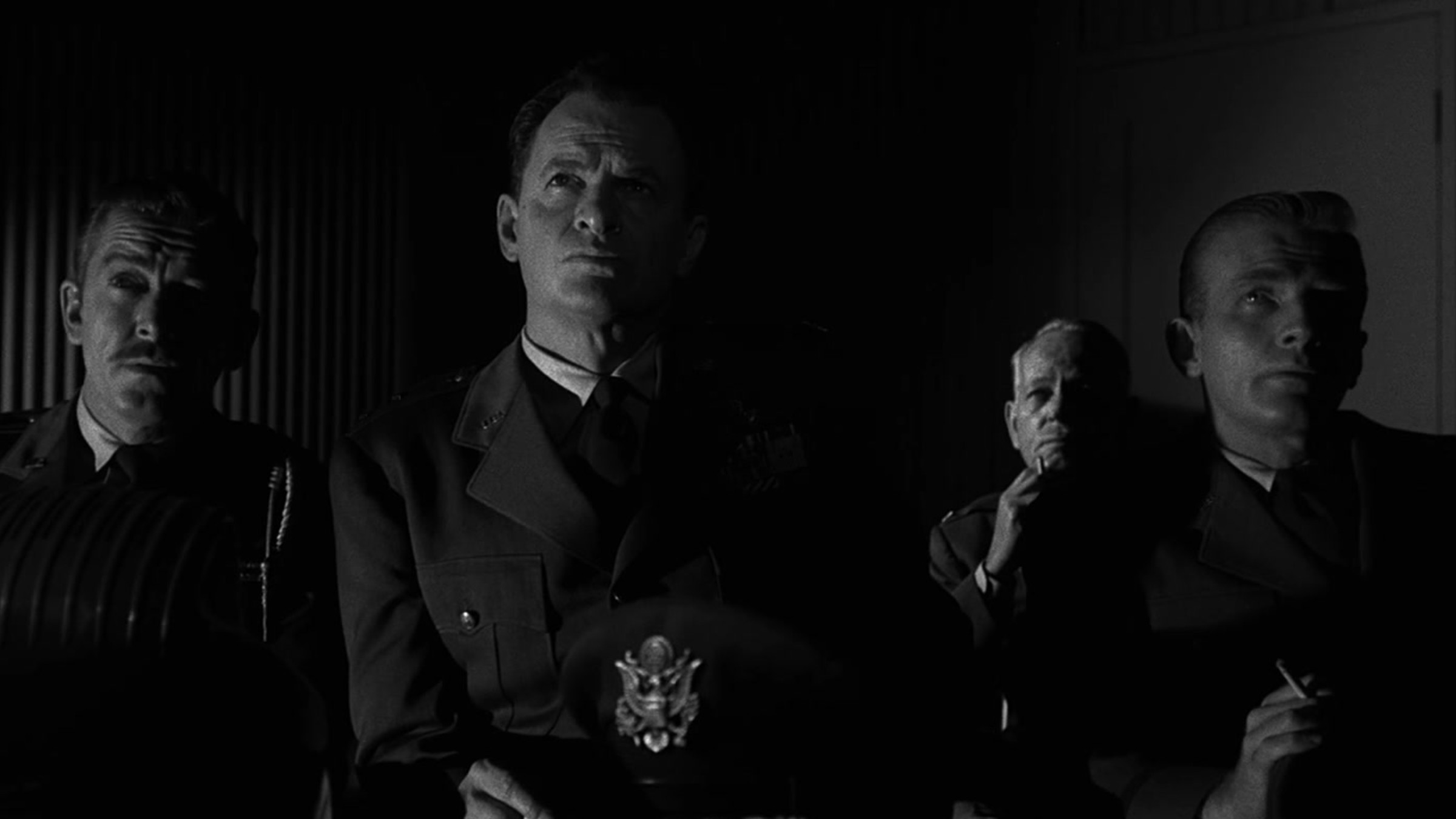
The opening episode of *The Twilight Zone* reveals that Ferris isn’t just a man stranded in a deserted town, suffering from loneliness. He’s actually an Air Force pilot participating in a rigorous isolation test. Officials are monitoring him as he’s placed in a pod, experiencing a 1960s-style simulation designed to assess his suitability for a potential mission to the moon. During the simulation, he’s lost most of his memory, including why he’s there in the first place.
The last two points are less about a strict pattern and more like observations. They state that simply trying to frighten people isn’t enough, and having impressive technology isn’t the core of a good story-as seen with ‘The Twilight Zone,’ which wasn’t purely science fiction.
While some fans might disagree, Houghton was right about the show. Though it used elements of science fiction, the series was fundamentally about delivering a message and prompting viewers to think. The storytelling techniques it employed, even when common, effectively conveyed the overall story each time.
We’ll explore both of these ideas in the first episode. While it has its share of frightening moments, the episode really succeeds by focusing on one character’s growing paranoia and steadily increasing the tension. The high-tech equipment is present, but it mainly serves the story. Ultimately, it’s a tale about sacrifice-both personal and collective-and emphasizes the importance of human connection.
Next time you’re enjoying a *Twilight Zone* marathon – and SYFY’s year-end marathon is sure to happen – remember these things while you watch.
What do you think? Leave a comment below and join the conversation now in the ComicBook Forum!
Read More
- Gold Rate Forecast
- 10 Best Buffy the Vampire Slayer Characters Ranked
- Chill with You: Lo-Fi Story launches November 17
- Best X-Men Movies (September 2025)
- Every Creepy Clown in American Horror Story Ranked
- Spider-Man: Brand New Day’s Trailer Release Date Officially Confirmed & The MCU’s Strategy Is Perfect
- Arknights: Endfield – Everything You Need to Know Before You Jump In
- Hazbin Hotel Secretly Suggests Vox Helped Create One of the Most Infamous Cults in History
- 22 actors who were almost James Bond – and why they missed out on playing 007
- Blue Protocol Star Resonance: Goblin Lair Dungeon Guide
2025-09-23 00:44