Each Pokémon game is shaped by the region where the adventure takes place. These regions are inspired by real-world locations, with fictional landscapes designed to capture the feel of specific areas. You’ll typically find bustling cities and diverse environments, all filled with new Pokémon to discover. A region really defines a Pokémon game, and some stand out as more iconic than others.
The Pokémon series features many distinct regions, including the historical Hisui region in Pokémon Legends: Arceus, which is a past version of the Sinnoh region from earlier games. While this list focuses on the main Pokémon games, spin-off titles and fan-made versions often have impressive environments to discover. Certain regions are especially beloved, making them enjoyable to revisit through remakes or other projects that bring players back to those familiar places.
9. Galar Region (Gen 8)
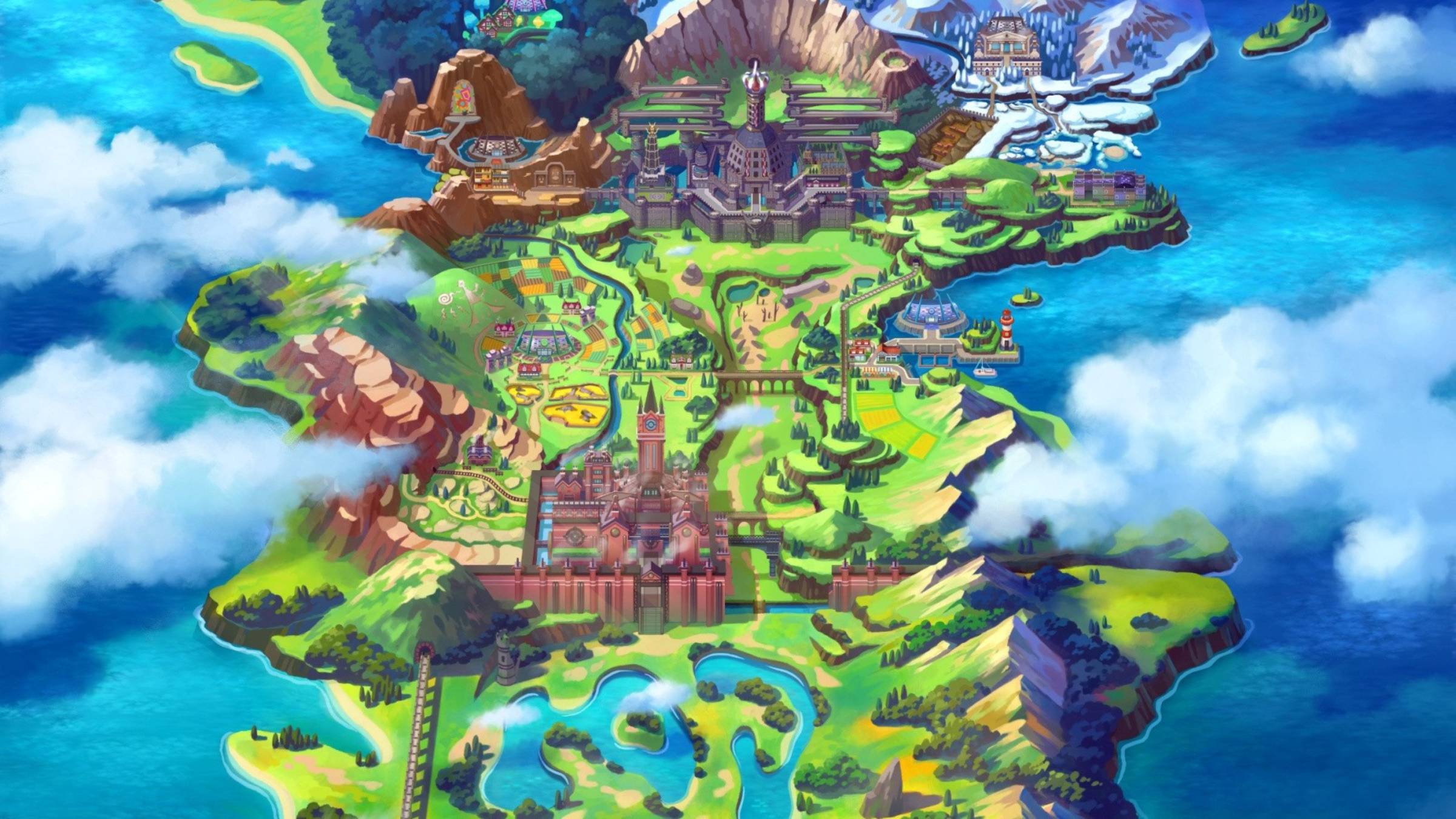
The Galar region in Pokémon Sword and Shield is inspired by the United Kingdom, with landscapes of hills and impressive structures built for the region’s giant Pokémon. While the area is filled with large stadiums and castles, it doesn’t offer much incentive for exploration compared to previous Pokémon games. The game is very straightforward, and routes lack the hidden secrets and rewards that encouraged players to venture off the main path in earlier titles.
One reason for this feeling is the way the region is designed – it’s structured like a tall, vertical landscape that you travel through from the bottom up. While this concept is neat, actually moving through the region feels limited. Even the expansive Wild Area doesn’t offer much to do. Plus, even though the Galar region introduces some cool new Pokémon from Generation 8, their stories and backgrounds aren’t explained well, making them feel like an added thought and potentially confusing players as they explore.
8. Paldea Region (Gen 9)
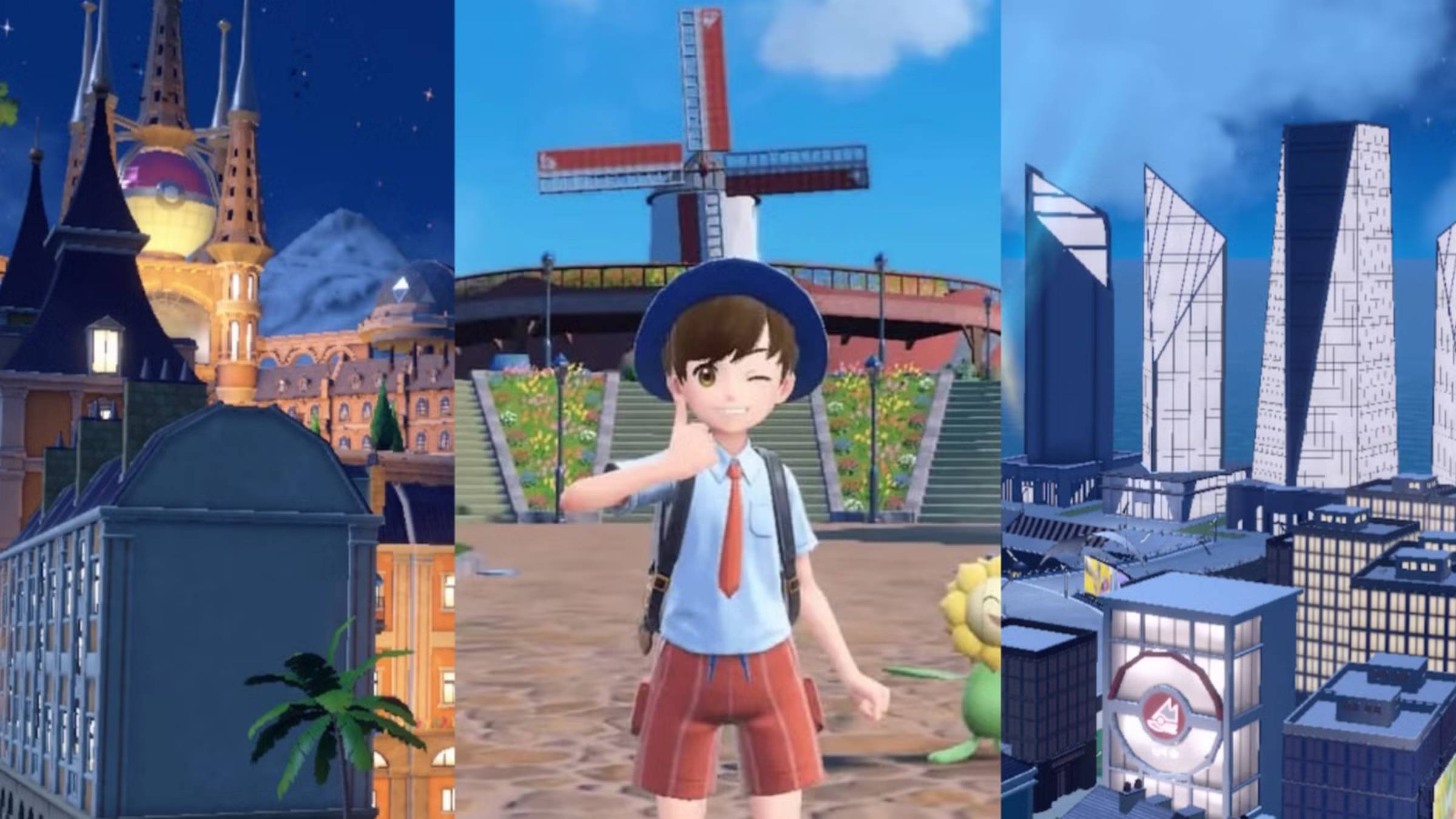
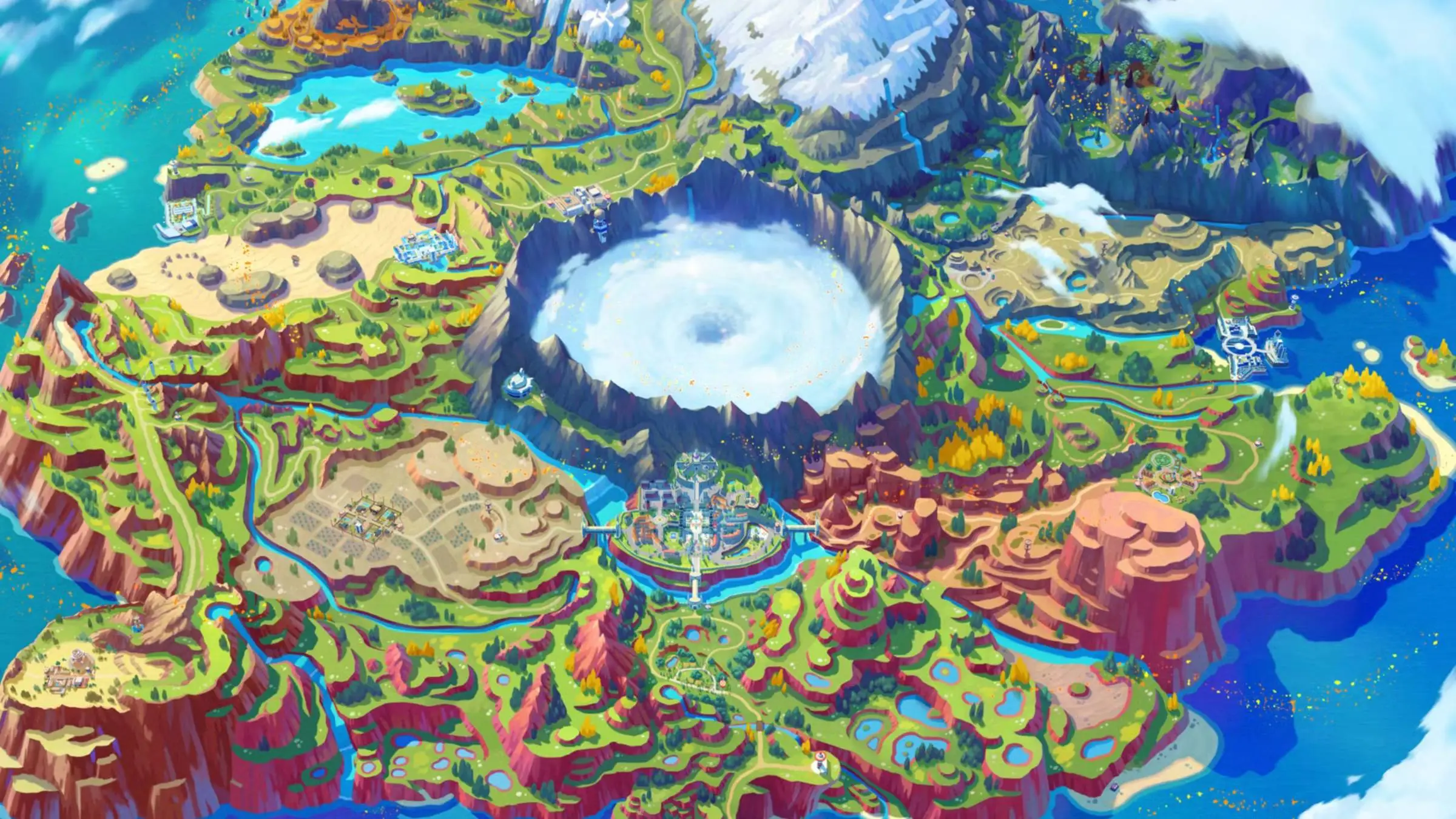
As a big Pokémon fan, I was really excited about the Paldea region in Scarlet and Violet, especially with the DLC adding The Teal Mask and The Indigo Disk. It’s clearly inspired by places like Spain and Portugal, and it looks amazing, with some really beautiful landmarks. It was the first time Pokémon tried a truly open-world feel, which was cool in theory. But honestly, I found that openness made a lot of the places feel a little empty. It was hard to really feel connected to the world, which was a bit disappointing.
With the upcoming Pokémon Winds and Waves looking to use a similar approach to the Paldea region, it’s worth remembering some of the issues with that design. While Paldea was presented as an open world, enemies weren’t always appropriately leveled, which limited true exploration and pushed players along specific routes. Despite this, Paldea still offers a good variety of interesting locations, like the large Great Crater. However, performance problems and the need to revisit areas repeatedly prevent Paldea from fully realizing its potential, even with the convenience of having a rideable mount.
7. Kanto Region (Gen 1)
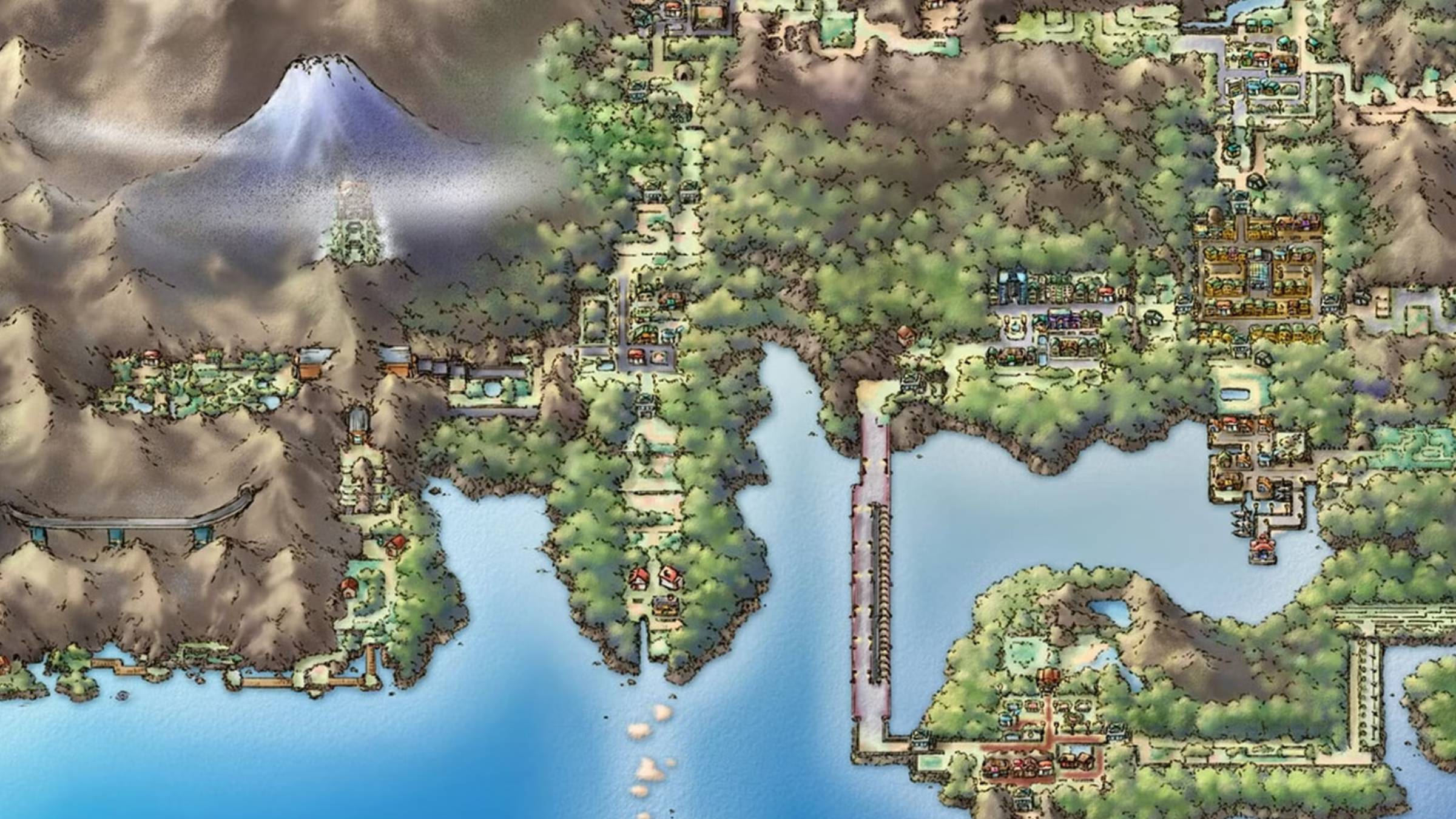
The Kanto region, inspired by eastern Japan’s Honshu area, is famous as the setting for the very first Pokémon games and features many recognizable places. It’s known for having a lot of towns and cities spread throughout the map. However, because it was the first region created, it doesn’t have as much content as later regions in the series.
Kanto has a simple, classic appeal, and places like Lavender Town and the Sevii Islands add interesting details to its history. However, because we’ve returned to Kanto so many times in different games, it doesn’t feel as special as it used to. The switch from 2D to 3D graphics also made it harder to navigate in games like Pokémon: Let’s Go Pikachu and Let’s Go Eevee. While Kanto’s straightforward layout is good for new players, the region as a whole isn’t particularly remarkable.
6. Johto Region (Gen 2)
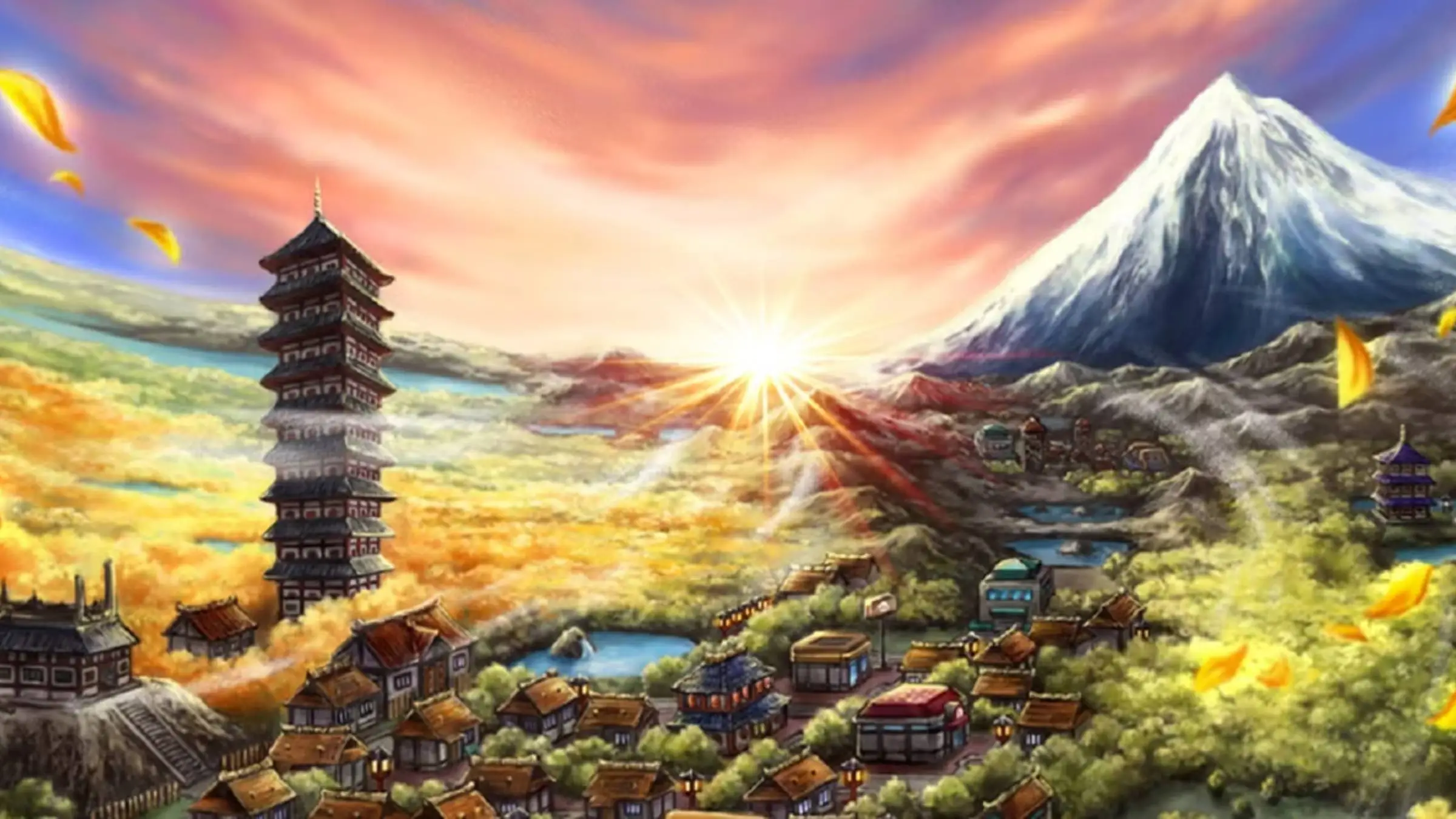
Okay, so Johto, the region from Gen 2, definitely built on what Kanto started, but honestly, it really came into its own with the HeartGold and SoulSilver remakes. It’s based on a real place in Japan – the Kansai region – and you can tell they put a lot of thought into making it feel authentic. What I love is how much the culture shines through. Places like the Bell Tower in Ecruteak City or the Lake of Rage aren’t just locations, they’re memorable spots that really stuck with me as a player. It’s way more noticeable than in some of the other generations, you know?
As a huge Pokémon fan, I always loved how Johto really leaned into Japanese culture – the towns felt so thoughtfully designed and reminded me of real places. But honestly, looking back, the region itself felt pretty small! The original Johto map just wasn’t as expansive as the ones we got in later games. Luckily, being able to go back to Kanto helped make it feel bigger, even though Johto really relied on that connection to the past. The world-building was fantastic, but it couldn’t totally hide how limited the space was.
5. Kalos Region (Gen 6)
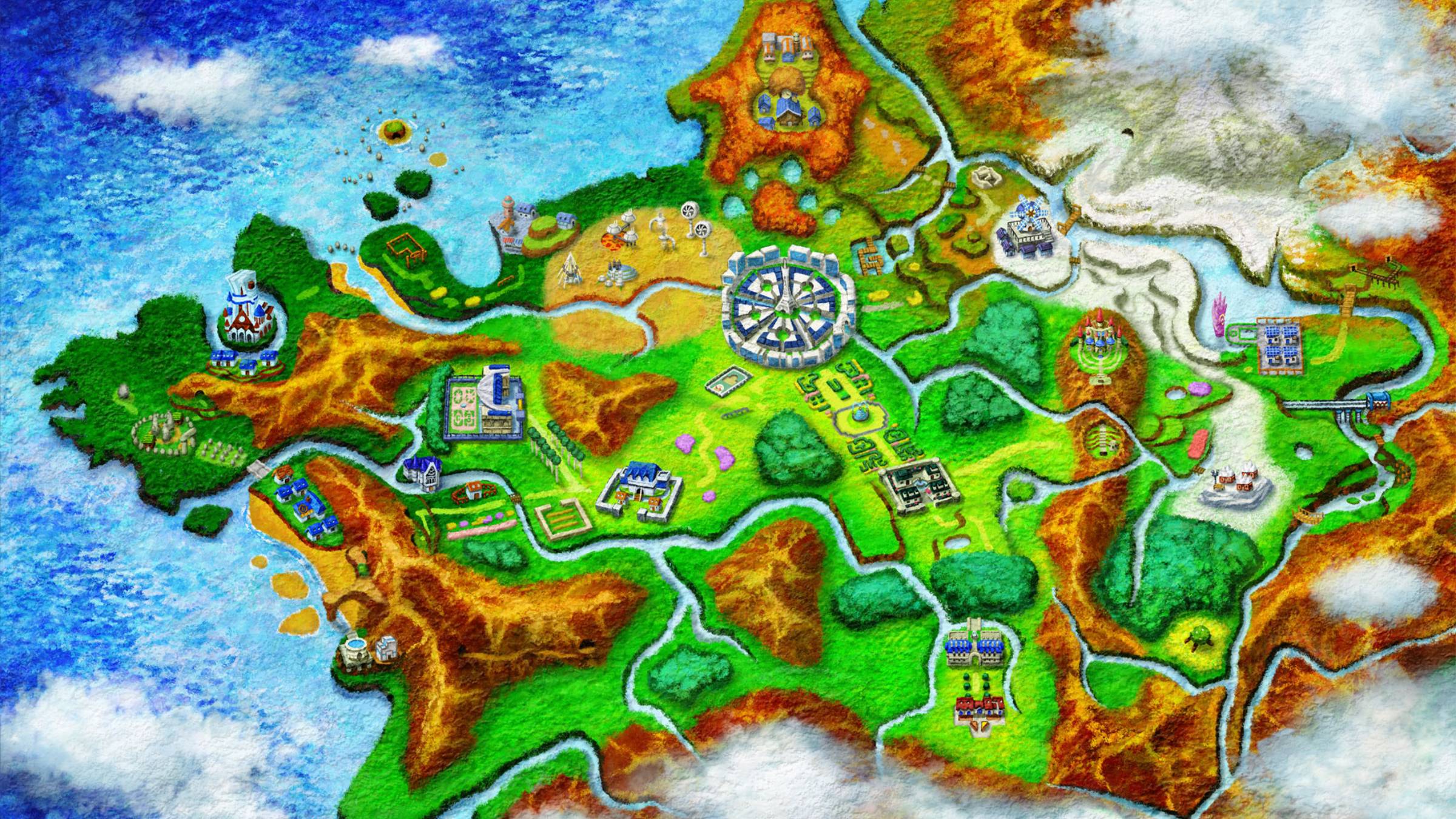
Despite some criticisms of Pokémon X and Y, the Kalos region’s design was a major step forward, particularly its transition to 3D graphics. Kalos, based on France, features locations like Lumiose City, which is modeled after Paris and includes a landmark tower inspired by the Eiffel Tower. Lumiose City will also return as a key location in the upcoming Pokémon Legends: Z-A. Overall, Kalos is a beautifully crafted region that’s a joy to explore.
Kalos is a region brimming with detailed history and unique areas to discover. The move to 3D graphics allowed for stunning natural locations like Glittering Cave and Santalune Forest, filled with intricate details. Getting around is easy thanks to a taxi system that lets players revisit places whenever they want, encouraging exploration. Kalos also stands out for its focus on city life, featuring detailed shops and cafes that make the region instantly memorable.
4. Unova Region (Gen 5)
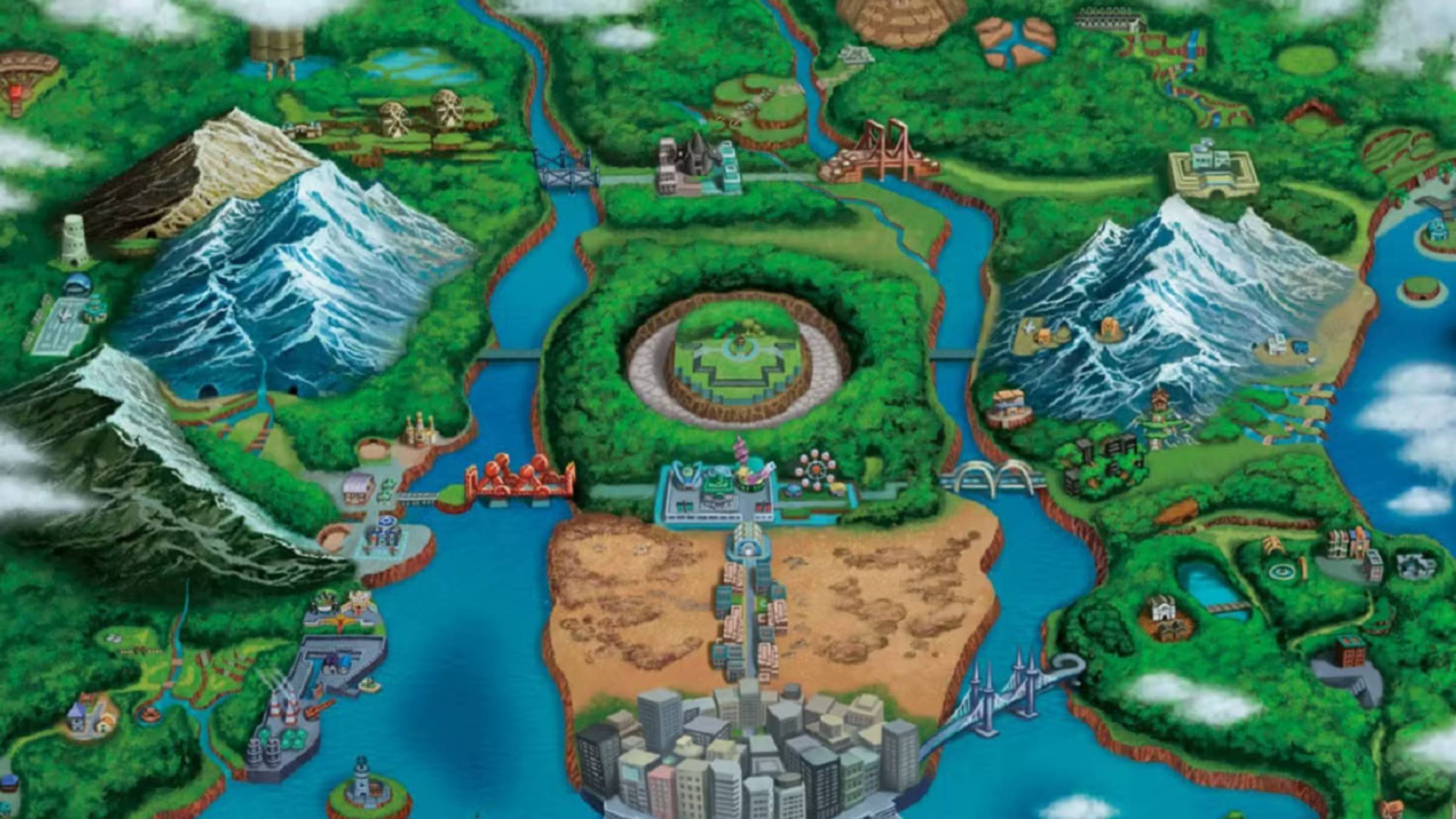
The Unova region, introduced in Pokémon Black and White, marks a significant departure for the series as the first region not based on Japan. It draws heavy inspiration from North American locales, particularly New York City. Unova is the most developed region in the Pokémon games, and its design reflects a fresh start for the franchise. Instead of traditional grassy paths connecting towns, players travel along roads, through bustling cities, airports, and cultural hubs, creating a uniquely vibrant experience in Generation 5.
As a huge Pokemon fan, I always felt like Unova was special. It wasn’t just pretty landscapes; it felt like a place with a history. You could practically sense the past conflicts woven into the ruins and castles. What really struck me was how alive Unova felt. Unlike some other regions, the cities weren’t empty – people were always walking around, going about their lives. Even when I was exploring forests or old ruins, I rarely felt alone. The region was just so densely populated with characters, which really made it feel lived-in and believable. It’s easily one of the most immersive regions in any Pokemon game.
What really sets the Unova region apart is its use of camera angles to make the world feel massive and impressive. For example, Castelia City’s buildings tower like skyscrapers, and your character feels incredibly small in comparison. This sense of scale continues in other areas, like when crossing long bridges or exploring winding mountain caves, adding a lot of personality to the region. The biggest drawback of Unova, though, is that the game pushes you along a very direct path, rarely encouraging you to explore off the beaten track.
3. Hoenn Region (Gen 3)
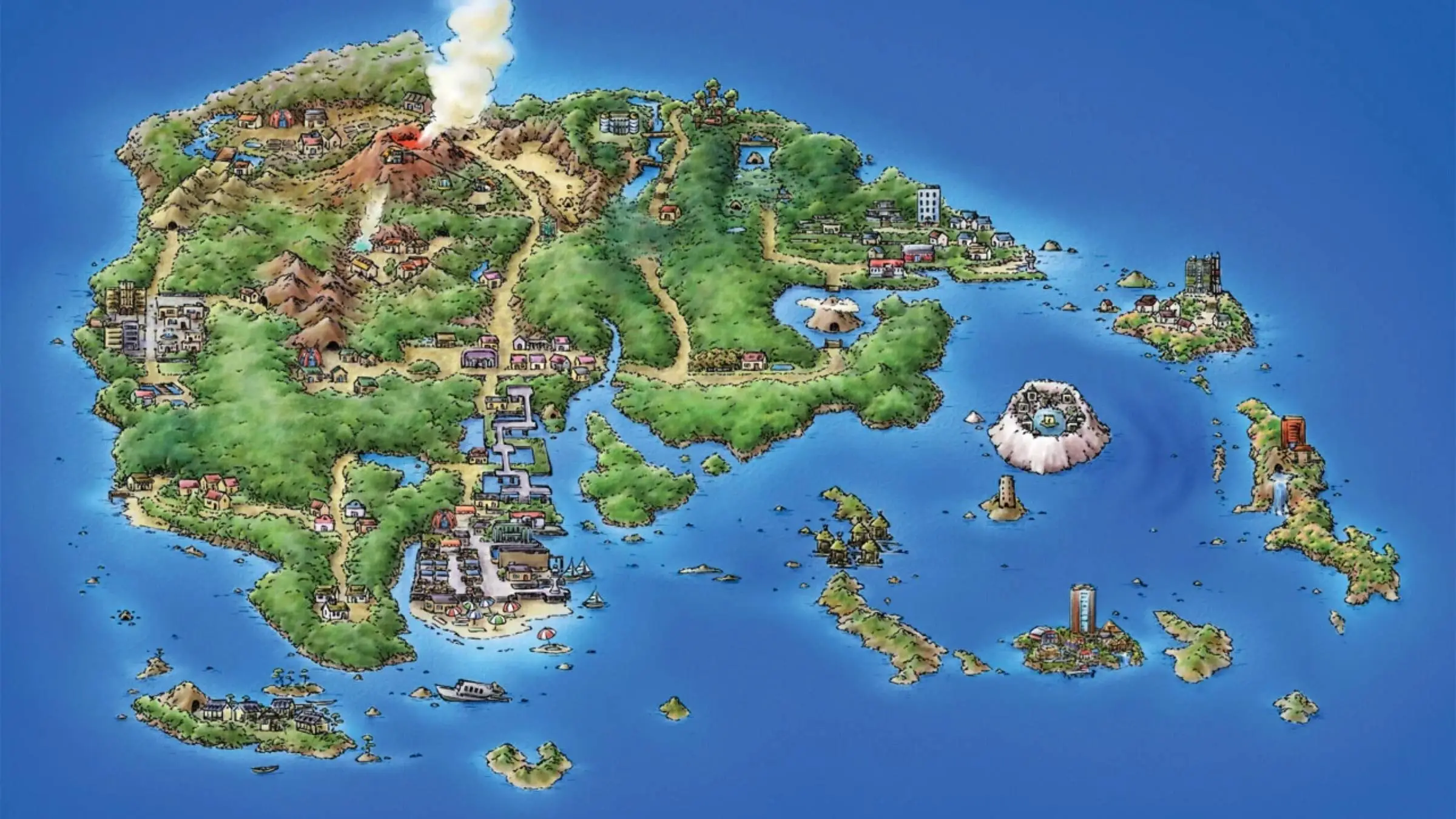
People often say the Hoenn region from the third generation of Pokémon games has “too much water,” but that’s actually a misunderstanding. The abundance of water actually strengthens the region’s core themes and doesn’t make it boring. The conflict between land and sea is central to Hoenn’s story, especially with the legendary Pokémon Kyogre and Groudon, as seen in Pokémon Ruby, Sapphire, and Emerald. The remakes, Omega Ruby and Alpha Sapphire, explore this idea even more deeply and make the region even more vibrant with new ways to get around.
The Hoenn region in Pokémon is heavily inspired by Kyushu, the southernmost of Japan’s main islands, and even includes elements of Okinawa. Hoenn features almost tropical environments, with towns like Sootopolis and Pacifidlog Town built right on the ocean, creating a unique feel compared to other Pokémon regions. From volcanic wastelands to lush jungles and ever-changing weather, Hoenn feels like a living, breathing force of nature, mirroring the powerful Pokémon that inhabit it.
2. Alola Region (Gen 7)
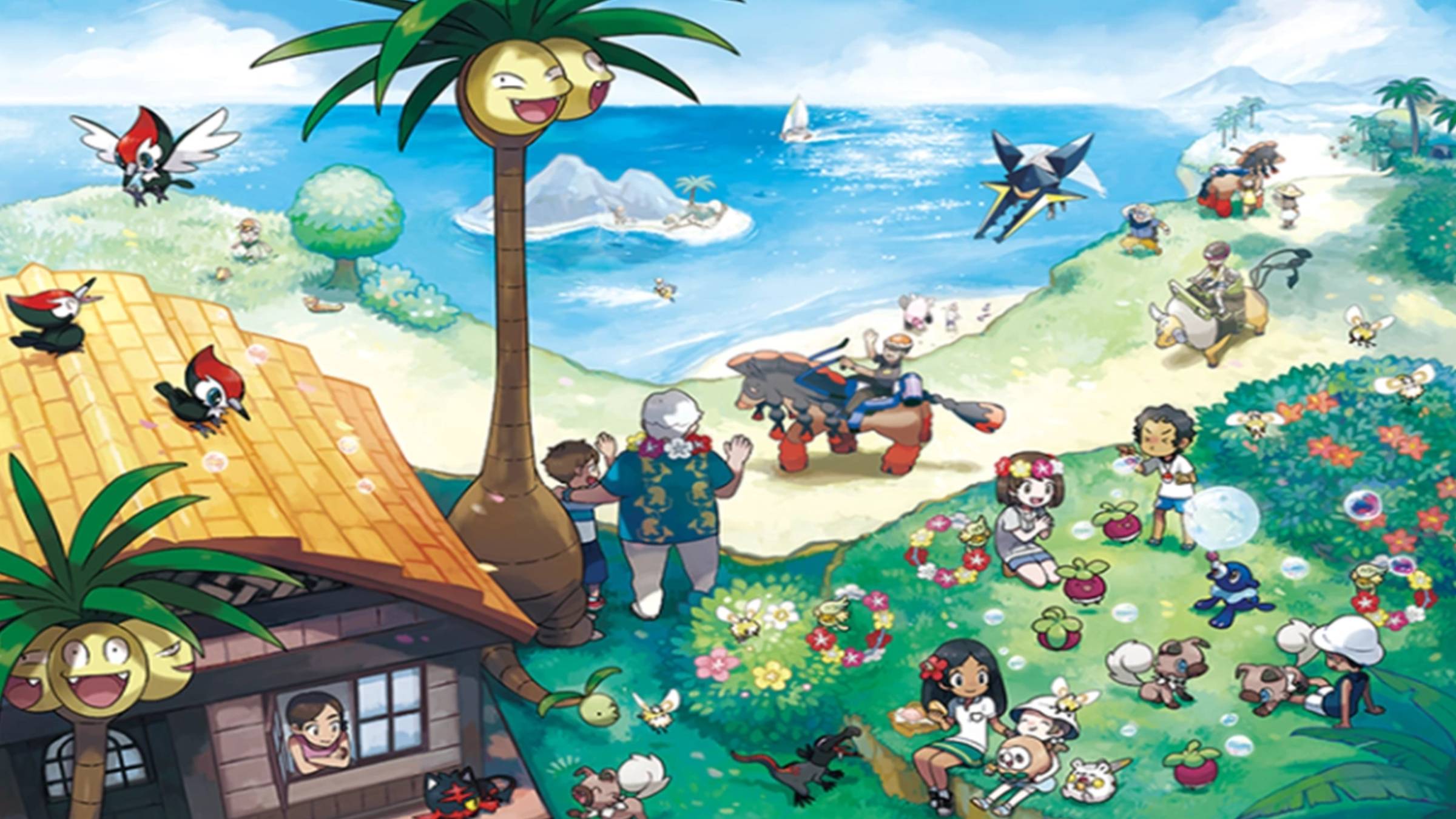
The Alola region is perhaps the most innovative location in the Pokémon series so far. Instead of one large land, it’s made up of several islands, inspired by Hawaii. Alola broke with tradition in many ways, replacing the usual Gyms with new challenges and introducing unique regional forms of familiar Pokémon in Pokémon Sun and Moon. This creates a really fun and open world for players to explore at their own speed.
The Alola region in Pokémon games built upon the foundations laid by the previous generation, improving the visual style and creating a truly unique setting. Pokémon Ultra Sun and Ultra Moon expanded on these ideas, though the islands themselves were fairly straightforward to navigate. What sets Alola apart is how deeply its traditions and culture are woven into the experience, gradually revealed to the player. This strong connection between the classic Pokémon story and the region’s identity makes Alola particularly immersive, arguably more so than any other region in the series.
1. Sinnoh Region (Gen 4)
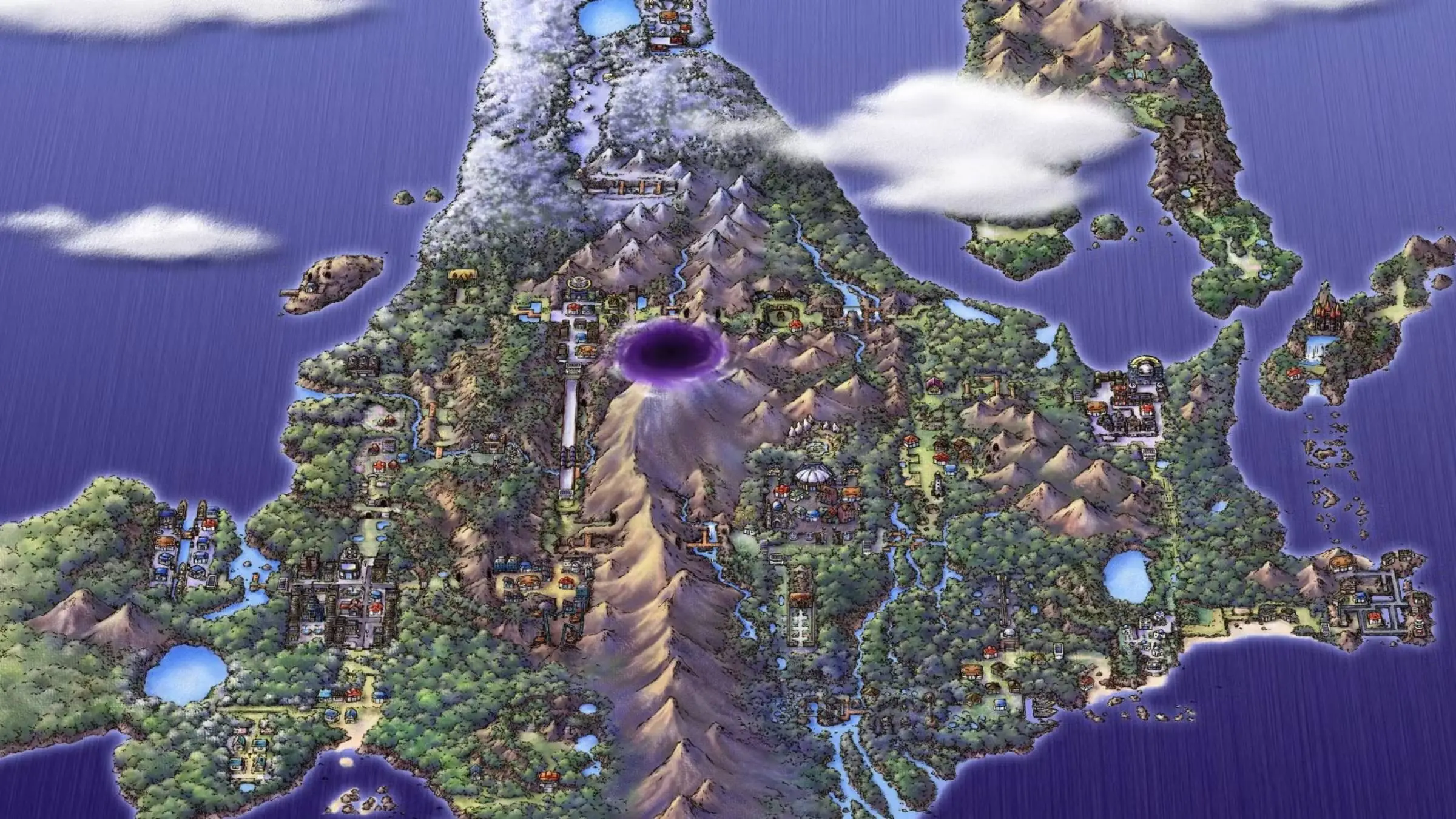
The Sinnoh region in Pokémon is likely the most varied, offering almost every kind of environment imaginable and appealing to a wide range of players. In Pokémon Diamond, Pearl, and Platinum, Sinnoh feels incredibly well-developed, constantly revealing how the land has changed over time. There are countless hidden areas and details to discover, particularly after completing the main story, which adds even more to explore in Sinnoh.
Sinnoh is a region filled with amazing places to explore, thanks to its Legendary Pokémon and impressive landmarks. The towering Mount Coronet cuts through the center of the region, creating diverse areas, each with its own unique feel. Whether you prefer the snowy landscapes of Snowpoint City or the peaceful atmosphere of Eterna Forest, Sinnoh offers something for everyone, and players will quickly find their own special places within it.
Like Unova and Kalos, Sinnoh boasts vibrant cities and towns. Jubilife City is a center for commerce and technology, Hearthome City is the lively heart of Sinnoh’s culture, and Sunyshore City is a bustling port powered by solar energy. Each location in Sinnoh is unique and unforgettable, making it arguably the best region in the Pokémon series when it comes to interesting places to explore.
Read More
- Gold Rate Forecast
- 10 Most Powerful Versions of Superman, Ranked
- GBP CNY PREDICTION
- 007 First Light: Release Date, Story, Gameplay, Cast, Editions, and Platforms
- Superman’s 7 Best Power-Ups, Ranked
- 10 Best Free Games on Steam in 2026, Ranked
- Forza Horizon 6 Car List So Far: Confirmed Highlights, Cover Cars, DLC, and Rewards
- DOGE PREDICTION. DOGE cryptocurrency
- 10 Greatest Wii U Games of All Time, Ranked
- What happened to Soldier Boy in The Boys?
2026-05-10 21:18