
For over a decade, The Walking Dead was a hugely popular show that demonstrated the real danger in an apocalypse wasn’t the zombies themselves, but other survivors. However, across its 11 seasons, the show also showed how quickly a great story can become frustrating. While some seasons featured unforgettable episodes and impactful character deaths, with villains who truly drove the narrative, others felt repetitive and needlessly prolonged conflicts, ultimately testing viewers’ patience.
We’ve ranked each season of the show based on how well it delivers a compelling story with good pacing, strong character growth, and memorable moments. Here’s the list, from worst to best.
11) Season 8
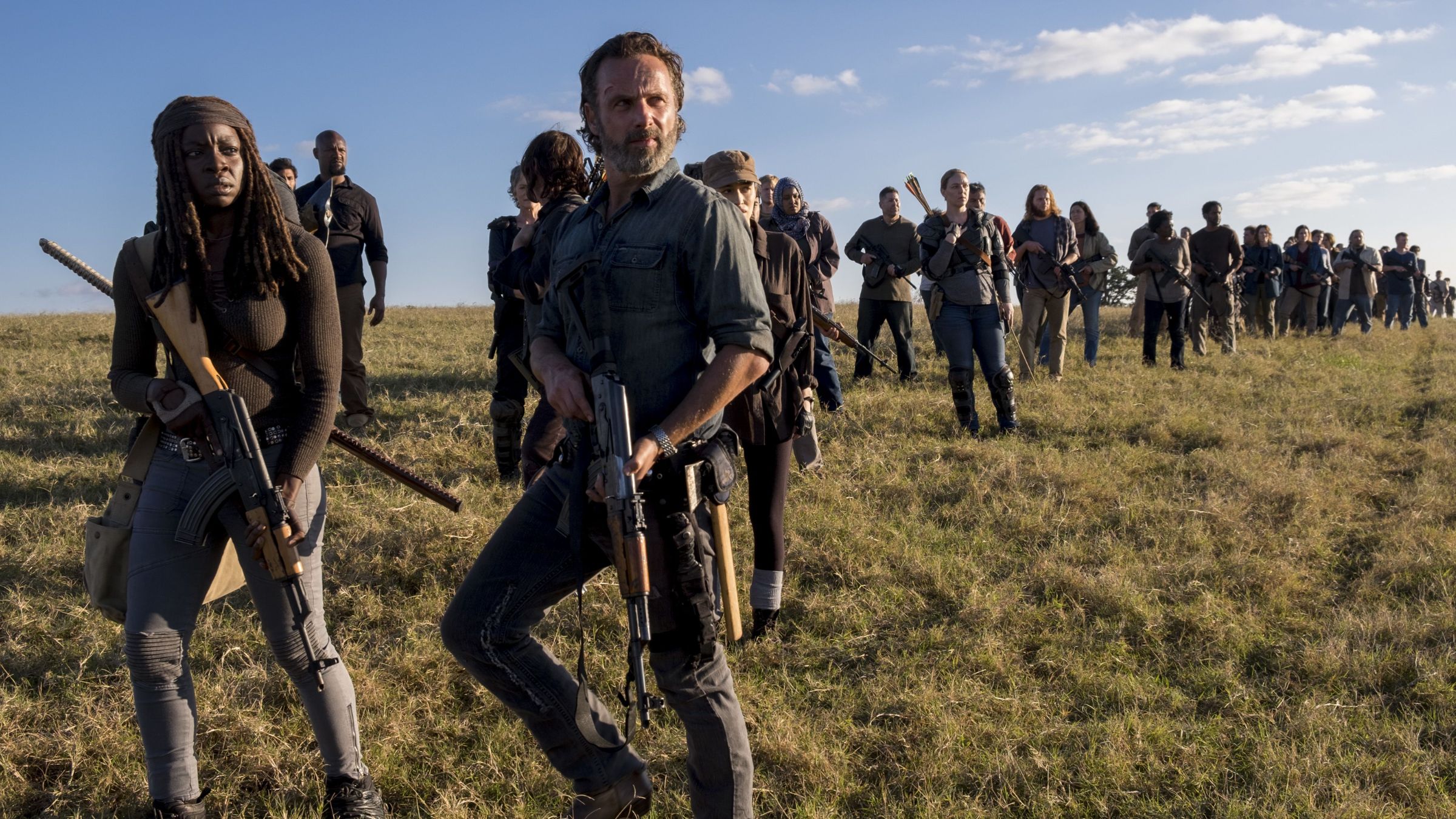
Season 8 was intended to be the epic conclusion to the fight against Negan, but it unfortunately feels slow and drawn out. While a large-scale war between communities sounded great in theory, especially given how dangerous Negan was, the season’s pacing is inconsistent and doesn’t deliver the emotional punch fans anticipated. We see Rick strategizing, Daryl motivating the team, and some surprising moments with Dwight, but it doesn’t create a strong sense of suspense. Adding to this, Carl’s death, which should have been a major turning point, feels rushed and disrupts the group without leading to meaningful changes.
This season is the weakest because many episodes feel unnecessary, filled with repetitive action sequences and underused supporting characters. It often feels like the story is dragging without a clear direction. While there’s plenty of action, it doesn’t make up for the unbalanced and ultimately less impressive storytelling compared to other seasons. It simply lacks the grand scale of its predecessors.
10) Season 7
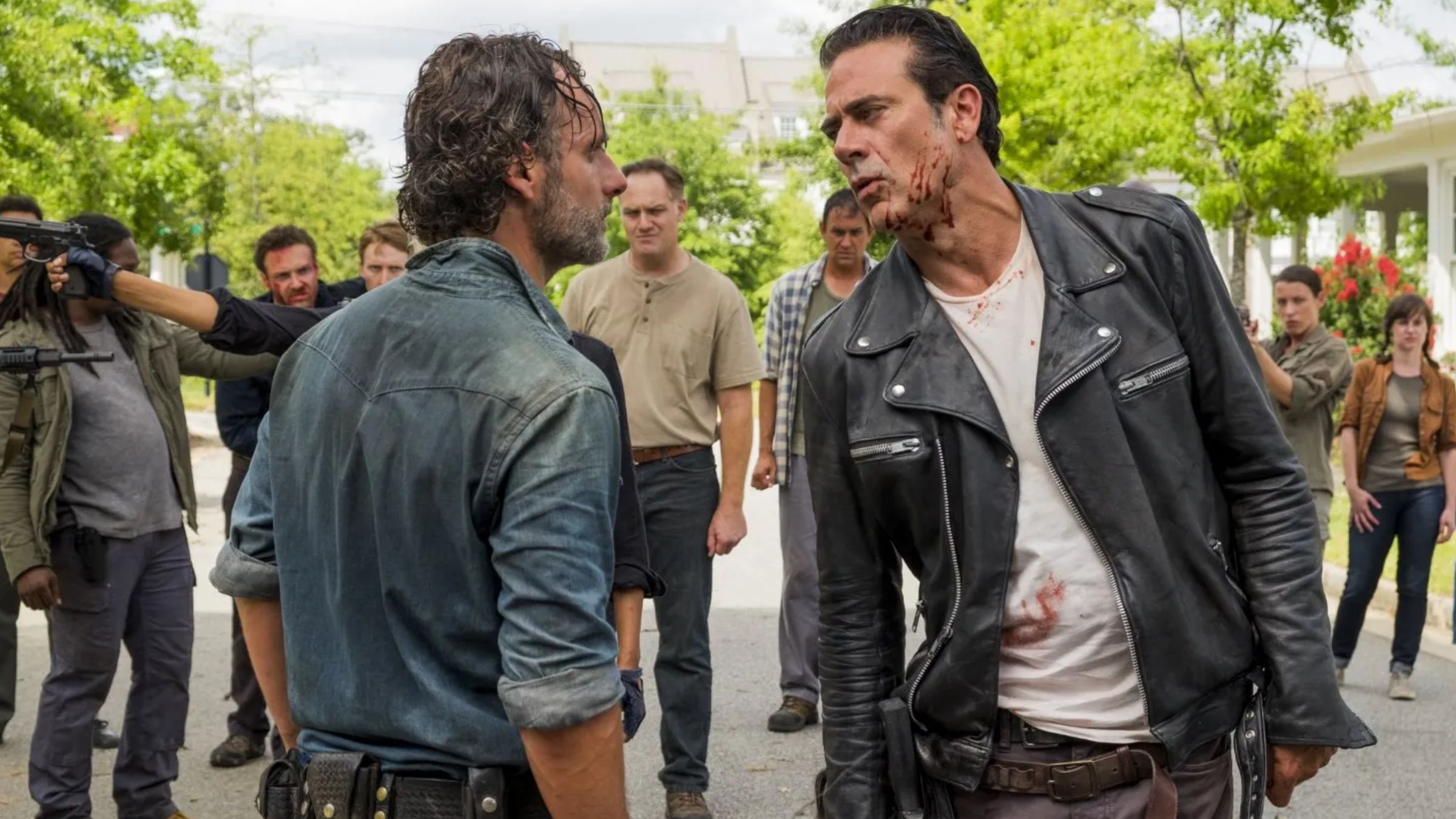
Season 7 is known for its shocking start – the deaths of Glenn and Abraham – and for establishing Negan as a terrifying villain who breaks Rick’s spirit. While the season has some unforgettable moments, it relies too heavily on oppression and violence without moving the story forward much, which is when many fans began to lose interest. You definitely feel the impact of Negan and the fear he inspires, but watching Rick constantly be forced to submit becomes draining after a while. The tension is present, but the season doesn’t quite deliver a compelling enough story to keep viewers fully engaged.
Despite its flaws, the season isn’t without merit. It gave us one of the most memorable villains in TV history and demonstrated that The Walking Dead was raising the stakes for its characters’ survival. Strong moments include Maggie coping with loss, Carol overcoming trauma, and Michonne taking on more leadership. However, these compelling storylines are overshadowed by repetitive struggles and a lack of significant progress. Ultimately, the season is mostly remembered for its shocking violence, rather than its strong storytelling.
9) Season 6

Season 6 has some great episodes, and it introduces important groups like the Wolves and the Saviors. Episodes like “Last Day on Earth” showcase the show’s potential. However, the season often feels like it’s teasing a major payoff that never quite arrives, with a lot of the middle episodes feeling unnecessary. While the cliffhanger ending is effective, the entire season feels like a setup for that single moment.
Although Season 6 isn’t perfect, it’s a crucial stepping stone for the rest of the series. It sets up major events like the fall of Alexandria, Rick and Morgan becoming strong leaders, and Daryl coping with loss – all of which lead directly into the war with Negan. Considering how much it builds towards the future, it wouldn’t be fair to rank this season any lower, even if some episodes aren’t the strongest.
8) Season 11

Season 11 focuses on bringing the story to a close, blending action, political intrigue, and personal struggles. It’s most satisfying when viewed as a practical ending to a large, expanding story, rather than a flawless finale. The introduction of the Commonwealth storyline is a strong move, adding genuine tension and danger. It puts the characters within a complex political system defined by unfair advantages, disparity, and deceit, and allows The Walking Dead to deliver the social commentary it always intended, but with greater effectiveness.
Okay, let’s talk about this season. Honestly, it felt a bit overstuffed. They tried to wrap up so many storylines, and it suffered for it. Some felt pointless, just there to fill space, while others really needed to be trimmed down. That said, it wasn’t a total loss. Seeing Eugene really come into his own was great, and finally getting some closure on Maggie and Negan’s relationship was satisfying. The way they handled Daryl and Carol figuring out their next steps in the final episodes was well done too. It’s a solid ending – better than many are giving it credit for – but it just didn’t quite hit those truly iconic highs the show was once known for. Consistency was the main issue, it just wasn’t there throughout.
7) Season 10
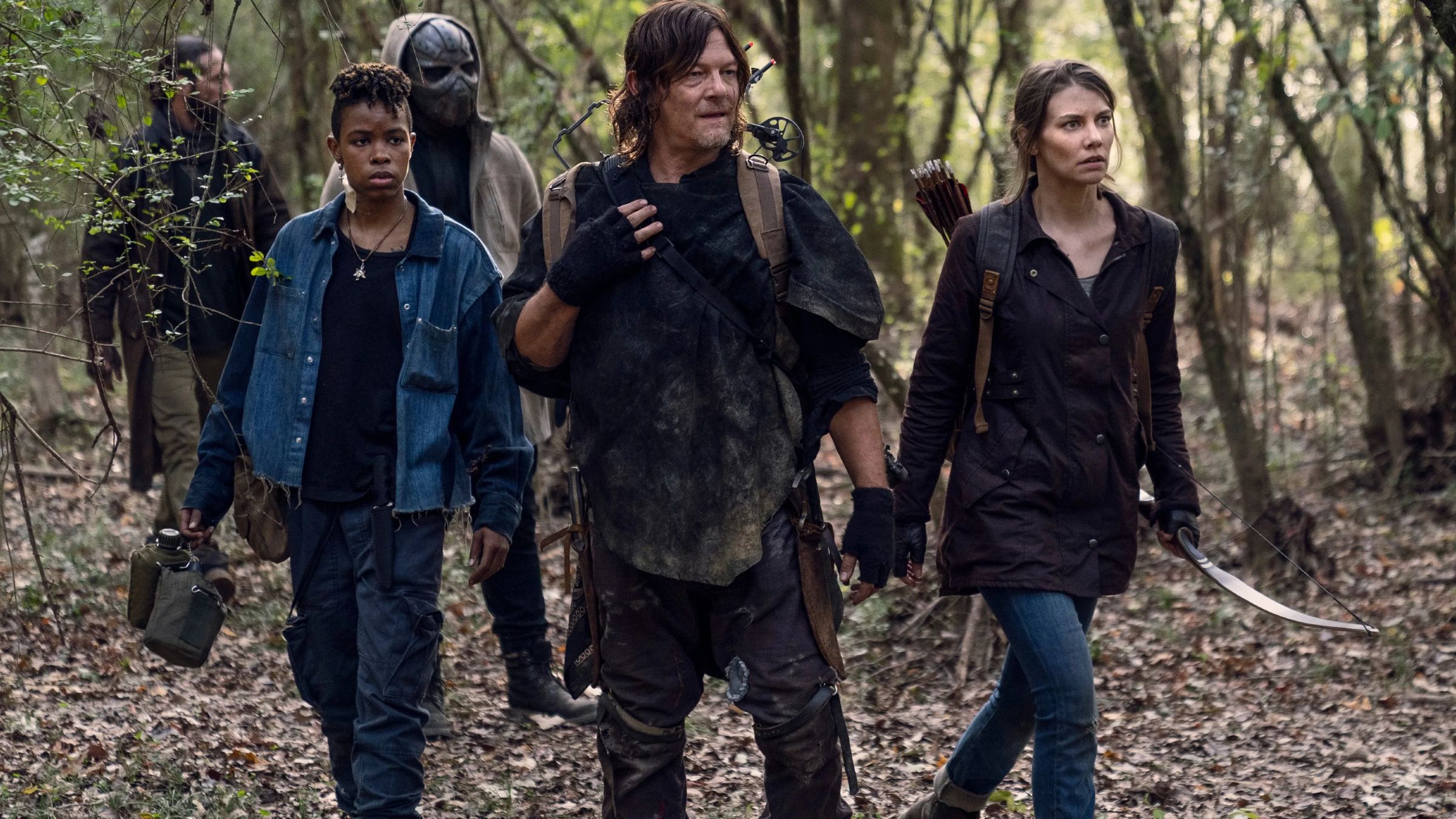
Most fans associate the Whisperers with Season 10, a period where The Walking Dead really leaned into psychological thrills, paranoia, and genuine horror, particularly in episodes like “The Tower.” Presenting Alpha’s group as a cult, rather than simple villains, was a clever choice, making them truly disturbing. And bringing Negan into the Whisperers was a brilliant move – it used his natural charm effectively, instead of just relying on shocking moments. Because of this, Alpha’s death wasn’t just a dramatic event; it fundamentally changed the show and proved The Walking Dead could still deliver unexpected twists.
Season 10 is uneven – some episodes are powerful, while others feel like they’re going nowhere. Carol’s storyline illustrates this well; she has compelling moments, particularly with her focus on revenge, but the show pushes her downward spiral for so long without immediate repercussions that it becomes predictable. This season shows the show could still create real suspense, but not consistently enough to rank higher. It’s not a poor season, but it doesn’t quite deserve a higher spot on the list.
6) Season 2
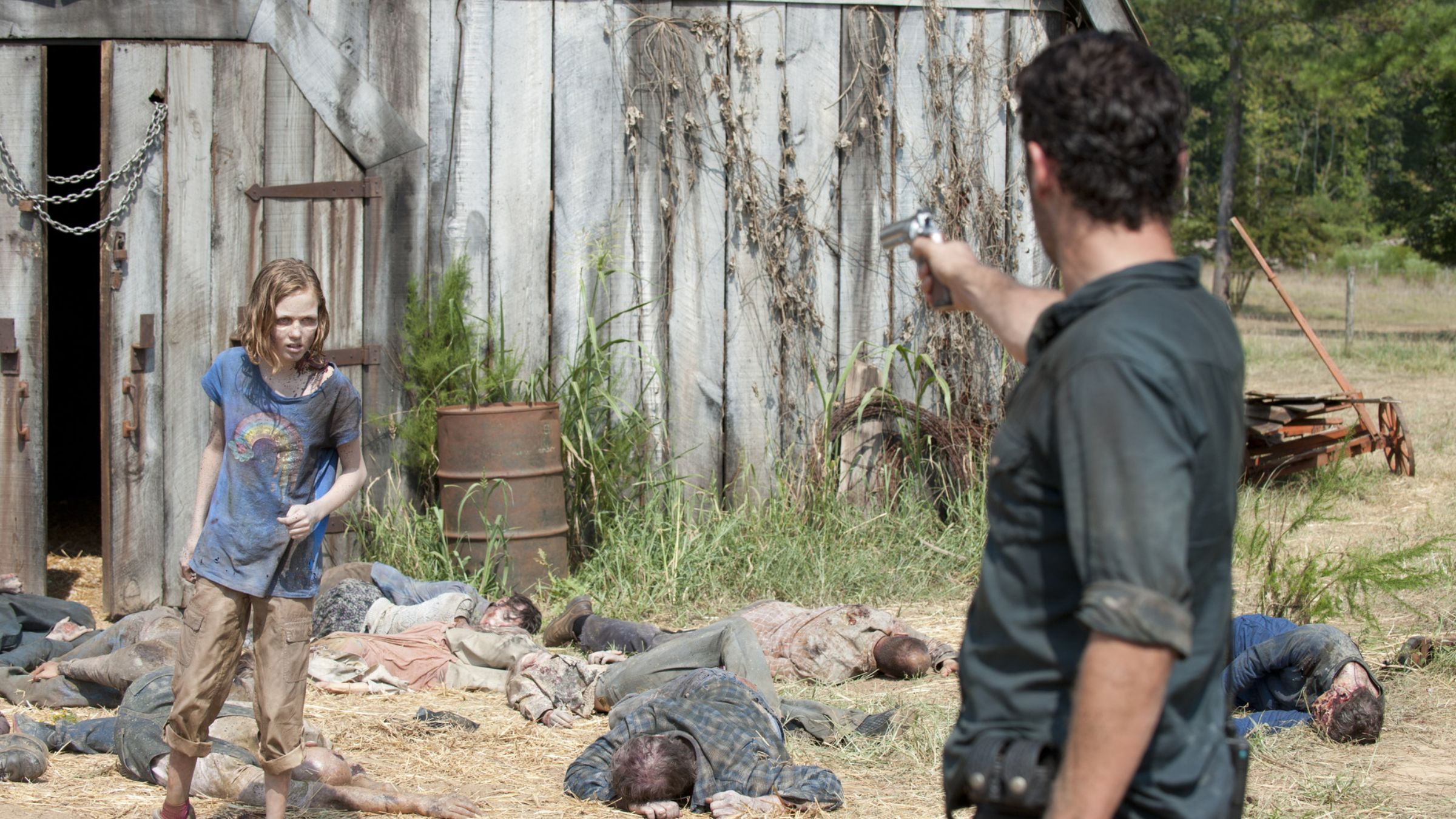
Season 2 doesn’t get enough credit. It’s where the show really shifts focus from action and thrills to a more personal, character-focused story. The farm storyline might seem slow at first, but it’s actually building intense emotional tension – the group is safe for a moment, but they’re starting to crumble internally. The conflict between Rick and Shane is particularly compelling: one embraces a savage side in the apocalypse, while the other desperately tries to maintain some humanity. It’s like a silent battle happening within the group itself.
The Sophia storyline is truly the highlight of Season 2, showcasing everything the season does well. It transforms a straightforward search into a deeply unsettling and emotionally painful experience. Her departure from the barn remains a powerfully tragic moment – both expected and heartbreaking. This season is crucial for developing the characters and essentially explains how the group evolves. However, it does have some weaknesses, with repetitive conflicts and a pace that occasionally drags.
5) Season 9

Honestly, I went into Season 9 expecting a mess. Losing Rick was huge, but I was really surprised by how good it turned out to be, especially if you really watch it. The whole vibe of the show changed, and that six-year jump forward was exactly what it needed. Everyone felt different, the communities had evolved, and there was this great sense of distrust – it felt like the early seasons again, full of tension. What really struck me was how focused the stories were. Finally, each episode felt like it was going somewhere, instead of just being about getting through another week.
The introduction of the Whisperers is a major highlight, and while they truly come into their own in Season 10, Season 9 expertly sets the stage for this new, darker direction of The Walking Dead. The infamous pike scene is a defining moment for the show – shocking not just for its violence, but because it demonstrates the series’ willingness to take risks. Season 9 is a strong turning point, revitalizing the show creatively, but it’s still somewhat weighed down by the aftermath of Rick’s departure and the ongoing effort to establish a new normal.
4) Season 1
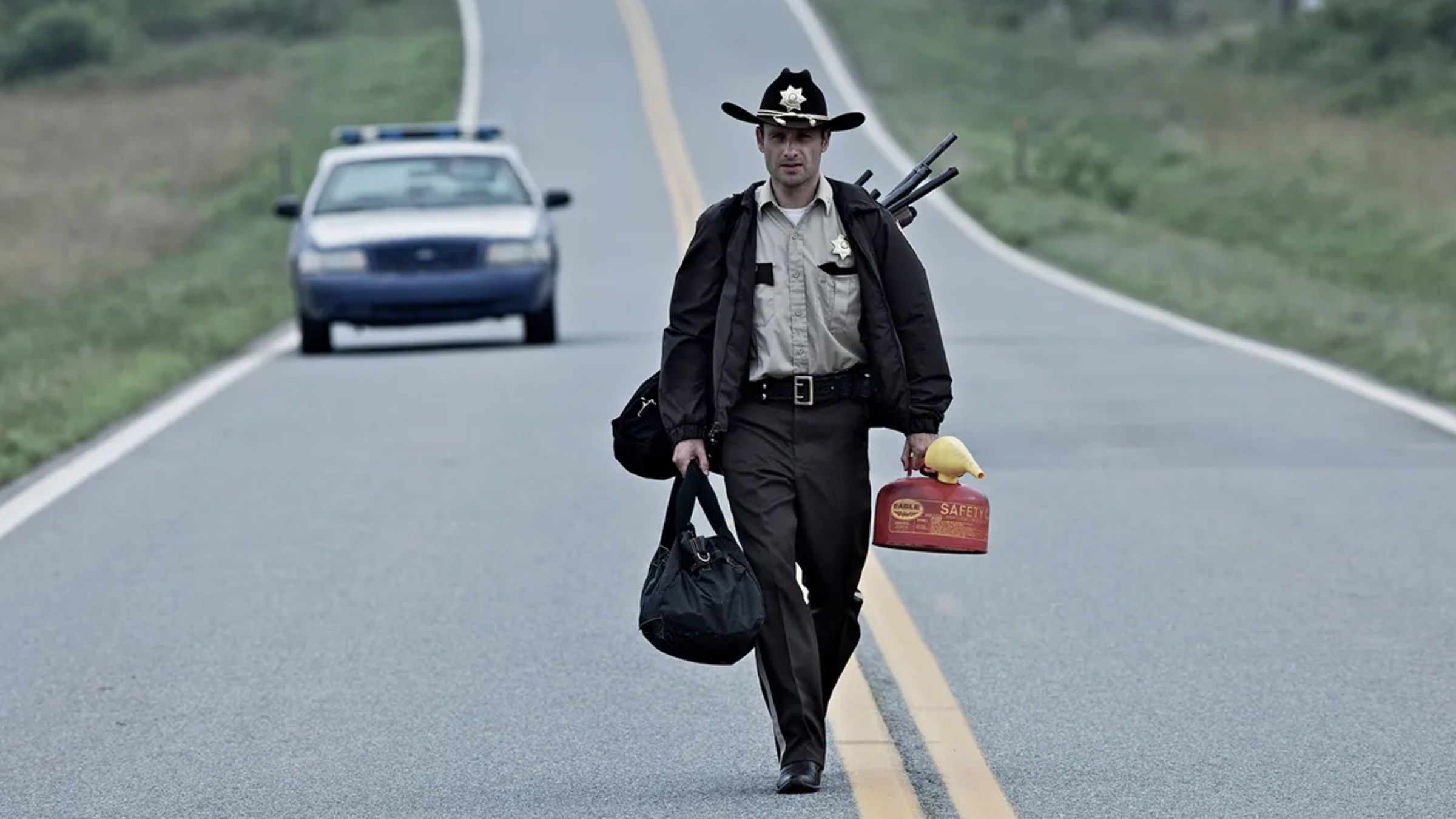
Many fans consider Season 1 the best, and for good reason – it’s where the story starts and gets everything right from the beginning. It’s fast-paced and doesn’t waste any time, clearly made by creators with a strong vision. The episodes blend seamlessly, immediately establishing a vast and frightening post-apocalyptic world. The opening scenes, with Rick waking up in the hospital and exploring empty Atlanta, remain incredibly memorable. What’s impressive is that the season creates tension and keeps you engaged simply through the struggle to survive, without needing complex villains. Plus, the characters are well-developed, so you quickly become invested in their stories.
We’re introduced to compelling characters right away – like Shane, who seems on the verge of a breakdown, and Lori, who immediately creates conflict. The group quickly feels like a makeshift family, making any loss particularly impactful. The season finale, set at the CDC, is controversial for comic book fans, but it’s a strong ending because it both offers and then takes away answers. However, the early episodes are relatively simple and focused on introductions, and don’t quite have the same power as later seasons of the show.
3) Season 3
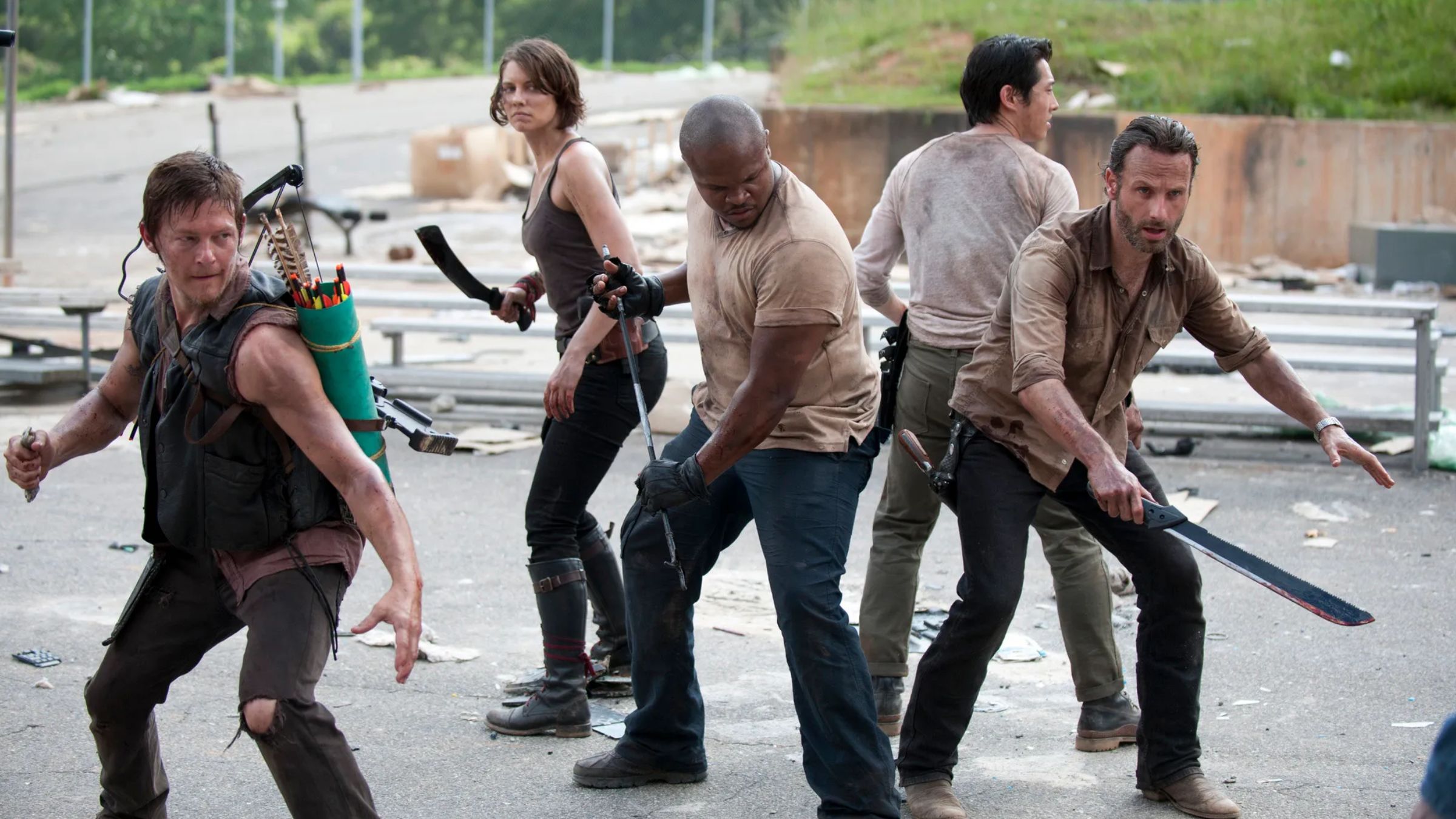
Many fans consider Season 3 to be the peak of The Walking Dead. Who could forget the prison storyline? It provided a fantastic setting – cramped, risky, but with the potential to feel like a safe haven. The Governor stands out as a compelling villain because he’s not simply a crazed killer; he’s cunning, manipulative, and a master performer. While the characters later adapt to the harsh realities of the world, Woodbury is genuinely frightening because it appears almost normal. This storyline is so effective because it contrasts two different approaches to rebuilding society: Rick’s attempt to create something authentic within the prison walls, and the Governor’s carefully constructed facade of security in his town.
Season 3 marks a turning point, introducing Michonne as a major player and escalating the conflict into a full-blown war. We also see Rick struggling deeply after Lori’s death. While the season isn’t perfect – some storylines, particularly those involving Andrea, feel weak – it more than compensates with its powerful moments. It’s a huge, gripping, and unforgettable season, showcasing the show at its best, though a few frustrating plot choices hold it back from perfection.
2) Season 4
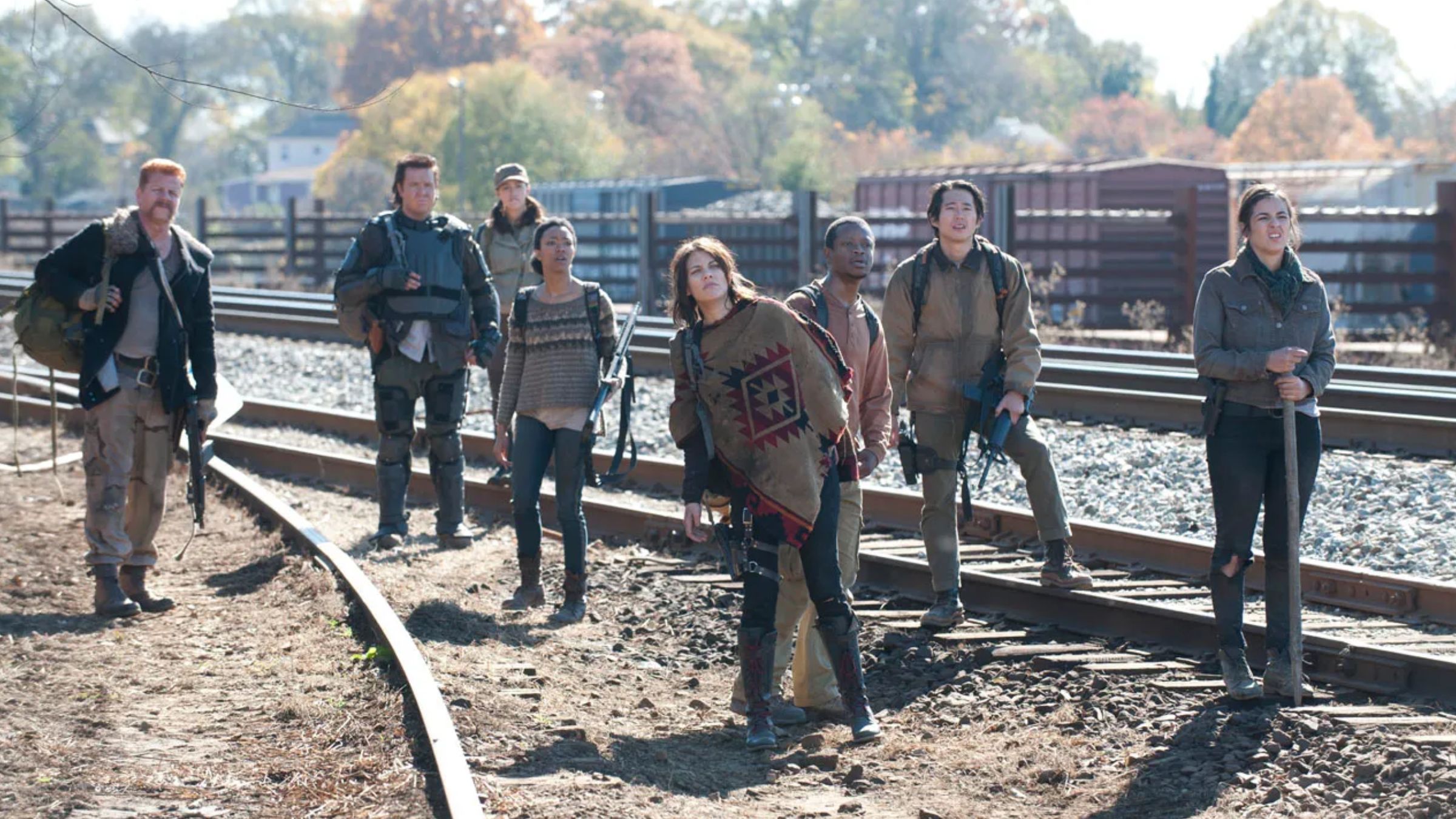
Season 4 of The Walking Dead really hits its stride by expertly blending dramatic moments with thrilling suspense. The first half, focused on a sickness spreading within the prison, is particularly strong because it introduces a unique challenge – the threat isn’t just zombies or a single enemy, but the apocalyptic world itself turning against them. This allows characters like Hershel to stand out and creates relatable, intimate scenes that make the group feel more real. Just as the prison begins to feel secure, the Governor returns and shatters everything, delivering a genuinely shocking blow that feels earned and dramatically shifts the story’s direction.
The second half of the season feels like a series of powerful, individual stories. We see Rick and Carl navigating things on their own, Michonne trying to rebuild connections, an unlikely bond forming between Daryl and Beth, and Tyreese taking on a protective role with the children. This shift creates a more intense and realistic sense of survival, reminiscent of the show’s early days. Introducing Terminus as a potential safe haven is a clever move, immediately hinting that something isn’t right. Overall, Season 4 is consistently strong, with each episode contributing to both the plot and meaningful character growth. It’s a perfect blend of storytelling and emotional impact.
1) Season 5
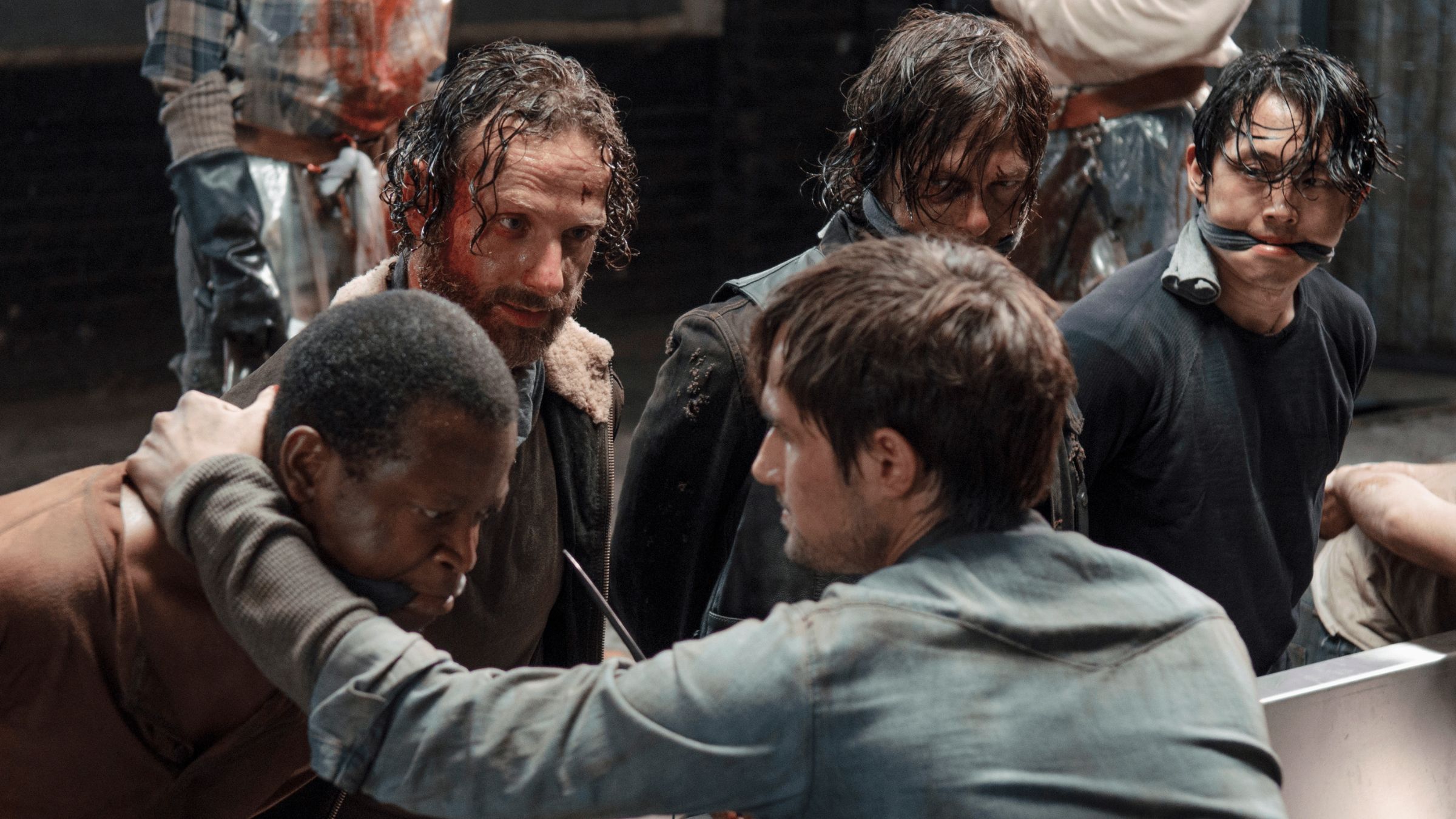
I truly think this is where the show really hits its stride, like everything finally clicked into place. The beginning of Season 5, with Terminus, is honestly one of the most gripping stretches of the whole series. What I loved is that it didn’t drag things out – it gave us the shock, the escape, the mayhem, and then moved on, which is already a huge win compared to some other seasons. Seeing the group afterwards, completely fractured and on edge, was also fascinating – it felt like a really raw and compelling take on these characters. And then Alexandria arrives, and it’s a game changer! It wasn’t just about if they would survive anymore, but about what it meant to actually live after everything they’d been through.
For a stretch, Rick struggles with his own trauma, almost becoming a villain, while Carol rapidly transforms into a formidable fighter. These events force the group to question their own humanity. Alongside standout episodes like “Them” and the storyline involving Pete and Reg – which demonstrates that safety is never guaranteed – this period lays the foundation for everything that happens in The Walking Dead later on. It’s a powerful phase with real stakes, character growth, and a compelling narrative that truly comes together.
What do you think? Leave a comment below and join the conversation now in the ComicBook Forum!
Read More
- What Song Is In The New Supergirl Trailer (& What It Means For The DC Movie)
- One of Hulu’s Best New Shows Lands on Disney+ Ahead of Season 2
- Gold Rate Forecast
- Eurogamer Gives ARC Raiders 2/5 Over AI Voices, Dropping Metacritic Score from 94 to 84
- Why Gideon Emerges as Resident Evil Requiem’s Most Compelling Character
- One of the Best PS3 Games Released Today 17 Years Ago, but Sony Pulled the Plug
- Spaceballs 2 Finally Gets the Major Update Fans Have Been Waiting For
- Ariana Grande and More Celebs React to Golden Globes 2026 Nominations
- Dust Bunny: Bryan Fuller Reveals Influences Behind New Mads Mikkelsen Horror Movie
- Christian Siriano Teases Iconic Looks for Emmys 2025
2026-04-03 01:13