During the 1980s and 90s, Nintendo and Sega were fierce rivals in the video game console market. Nintendo ultimately came out on top, continuing to make consoles, while Sega shifted its focus to creating games instead. Sega launched six main home consoles – not counting educational systems like the Sega Pico or add-ons like the 32X and Sega CD. We’ve reviewed those six consoles and ranked them based on how popular they were, the quality of their games, and their overall influence on the gaming world.
6) SG-1000
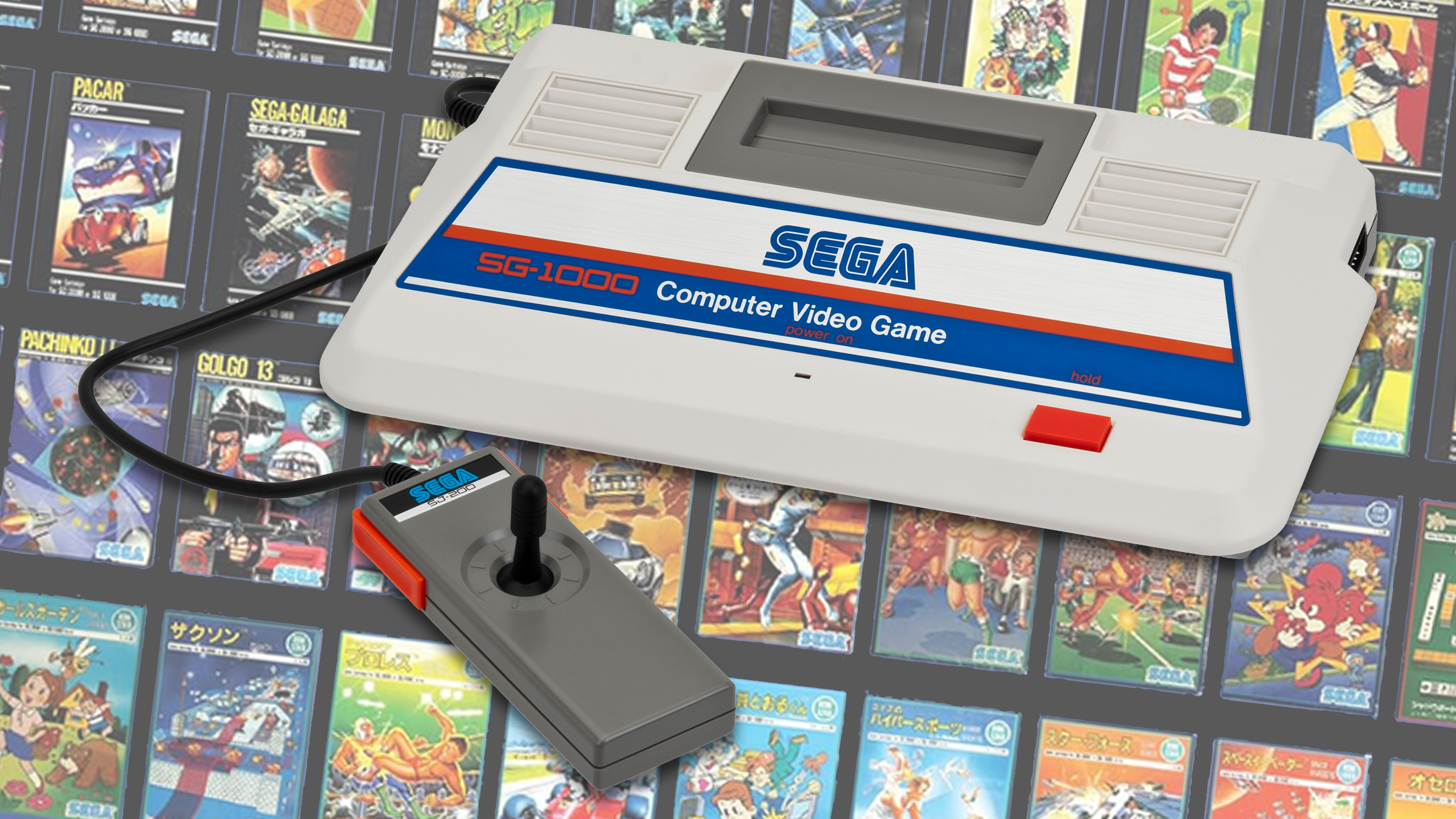
Sega’s initial home video game console was the SG-1000, which launched in Japan and select other countries, but never made it to North America. Because of this, it didn’t directly compete with the Nintendo Entertainment System in the US, and it remains largely unknown to many gamers. Over a few years, the SG-1000 was released in various designs. It offered a collection of 51 game cartridges and 29 Sega My Card games. While reasonably popular, the console had some technical drawbacks and ultimately finished last in the market. However, it does feature some enjoyable titles, such as Safari Race, Star Force, Wonder Boy, Sega-Galaga, and more.
5) Game Gear
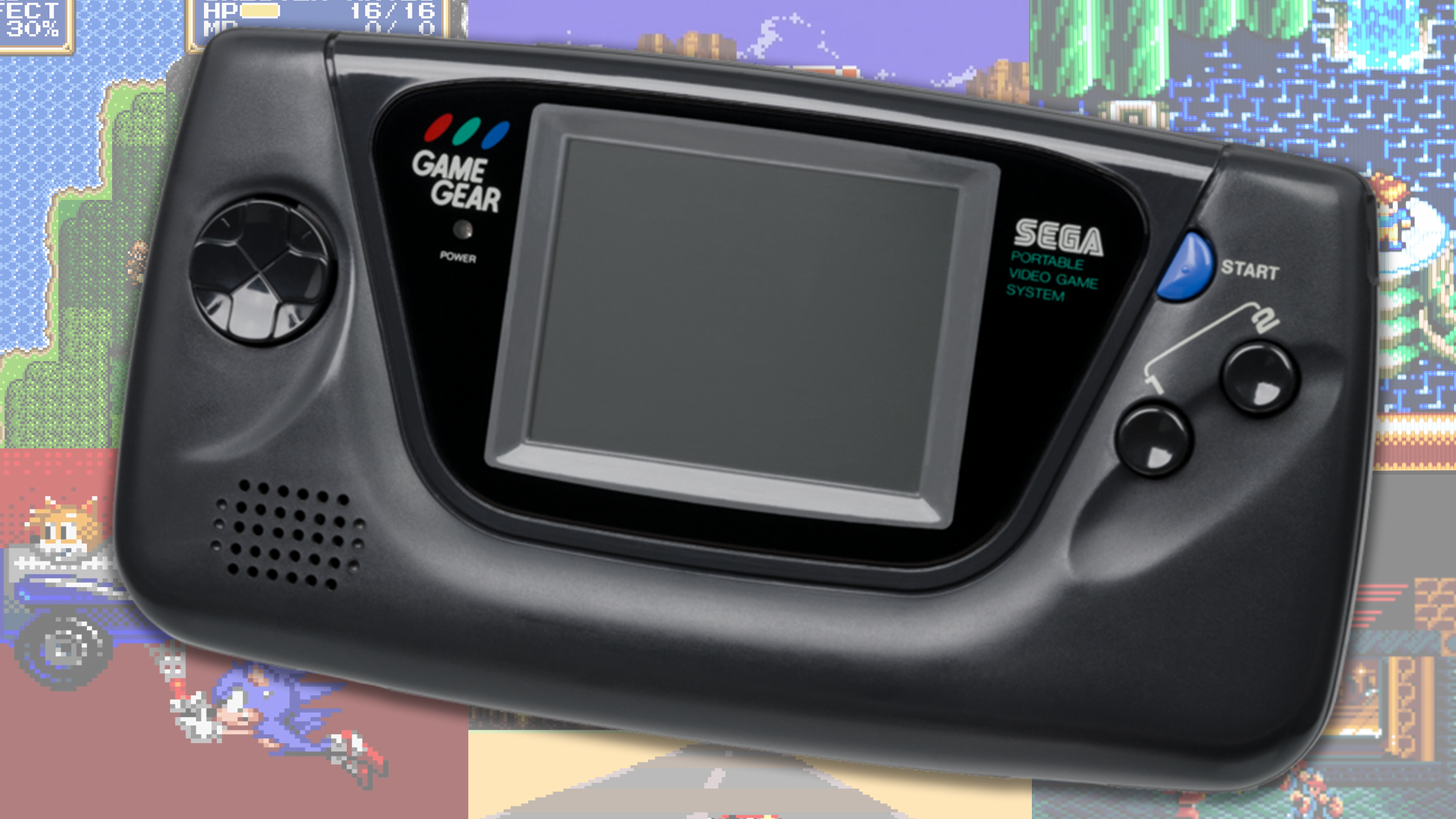
In 1990, Sega entered the handheld gaming market with the Game Gear, offering a significant improvement over the Nintendo Game Boy. While both were 8-bit systems, the Game Gear boasted a color screen with a backlight, a faster processor, and a good selection of games. However, Nintendo’s decision to use a black-and-white screen wasn’t because of technical constraints—it was a choice to save money and extend battery life. Sega’s Game Gear, while more advanced, suffered from very poor battery life, needing six AA batteries for just three to five hours of playtime, compared to the Game Boy’s impressive 30 hours on four batteries.
4) Sega Saturn
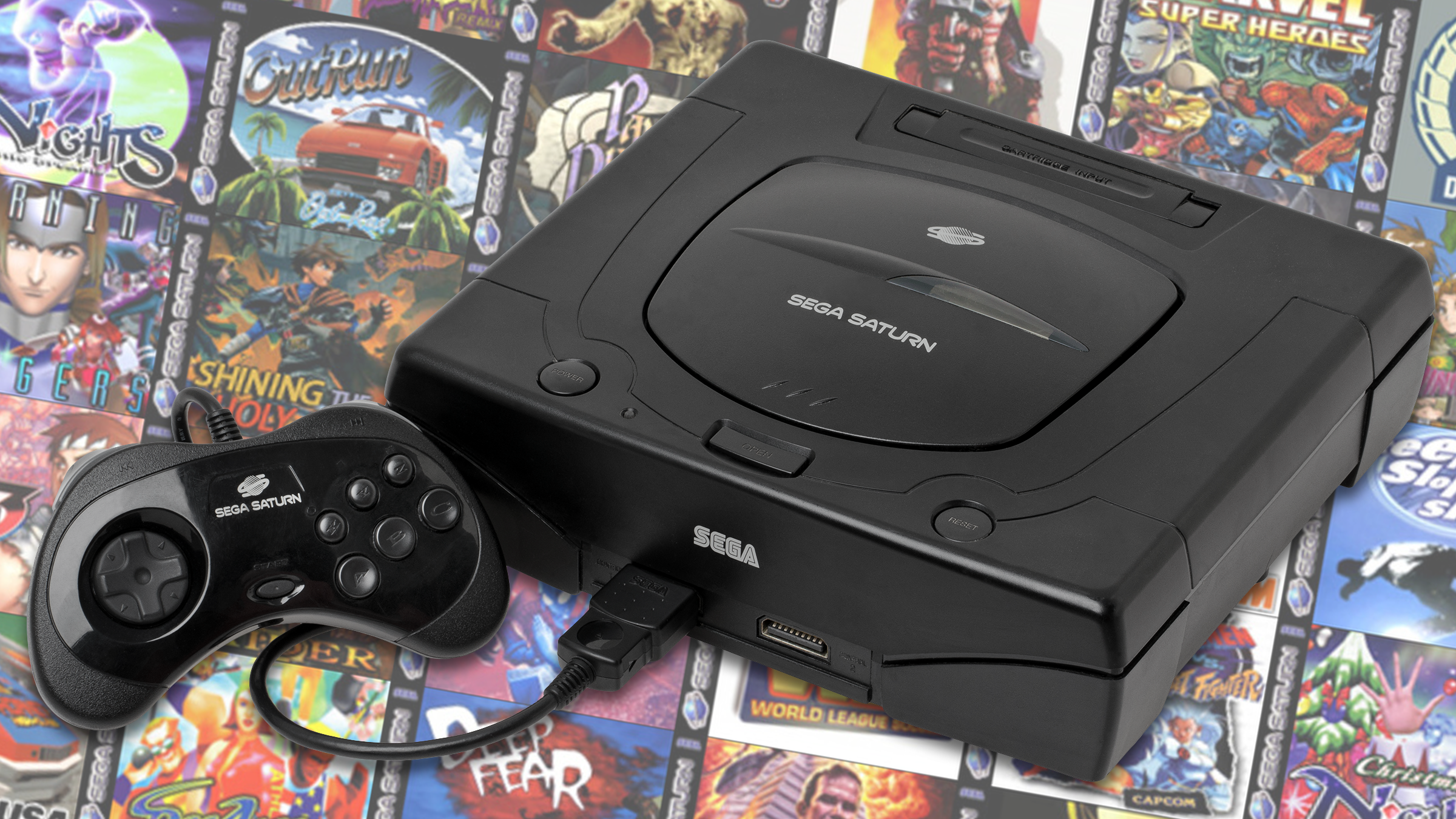
In 1995, Sega launched the Saturn, its first game console that only used CD-ROMs. While the older Genesis could connect to a CD-ROM drive, the Saturn was built entirely around the format. The Saturn did well in Japan, but it struggled in the US, facing tough competition from Sony’s PlayStation. Because of this, Sega discontinued the Saturn after just three years, despite it having some great games like Virtua Fighter. Ultimately, strong competition prevented the Sega Saturn from gaining a foothold and it faded from the market relatively quickly.
3) Master System

Although Sega didn’t release the SG-1000 in the United States, they redesigned it and launched the Master System. This was Sega’s attempt to compete with the Nintendo Entertainment System (NES) in North America. Like the NES, it offered accessories such as a light gun and 3D glasses. The Master System originally used both cards and cartridges for games, but Sega eventually stopped using cards. While the system sold decently, it didn’t reach the sales numbers of the NES, and it boasted a strong collection of games, including several titles in the Sonic the Hedgehog series, among others.
2) Dreamcast
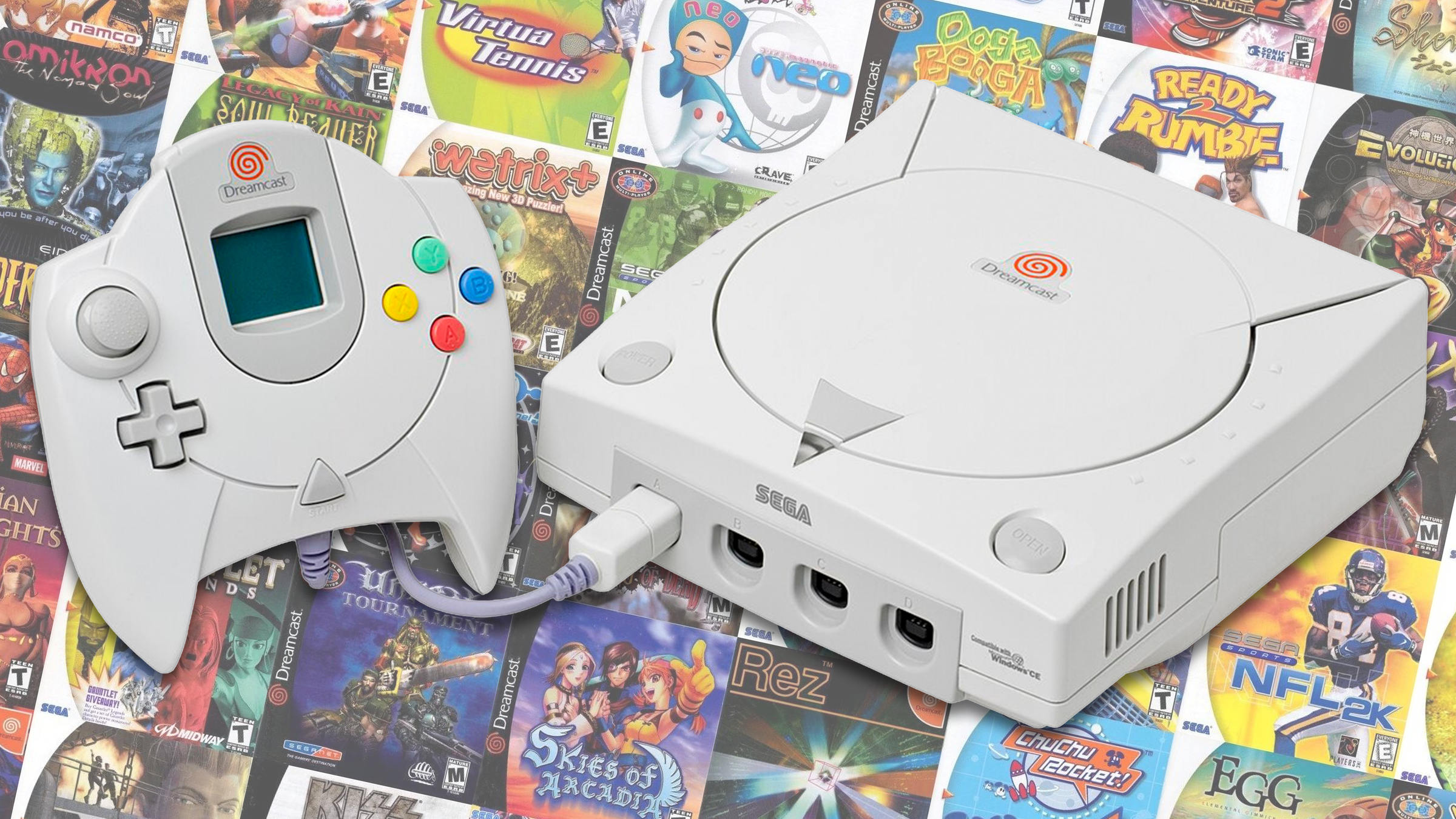
As a long-time Sega fan, I remember being so excited for the Dreamcast when it came out in 1999. It was Sega’s last real console, and they packed it with cool stuff – it even had a modem built in for online play, which was way ahead of its time! It was meant to go head-to-head with the PlayStation 2, GameCube, and Xbox. I still have my Dreamcast and love it, and it has a fantastic library of games. Sadly, it just couldn’t compete with Sony’s power. It sold almost 10 million units and had over 600 games released for it, but it wasn’t enough. After the Dreamcast didn’t succeed, Sega started letting other companies use their characters and focused entirely on making games themselves.
1) Genesis
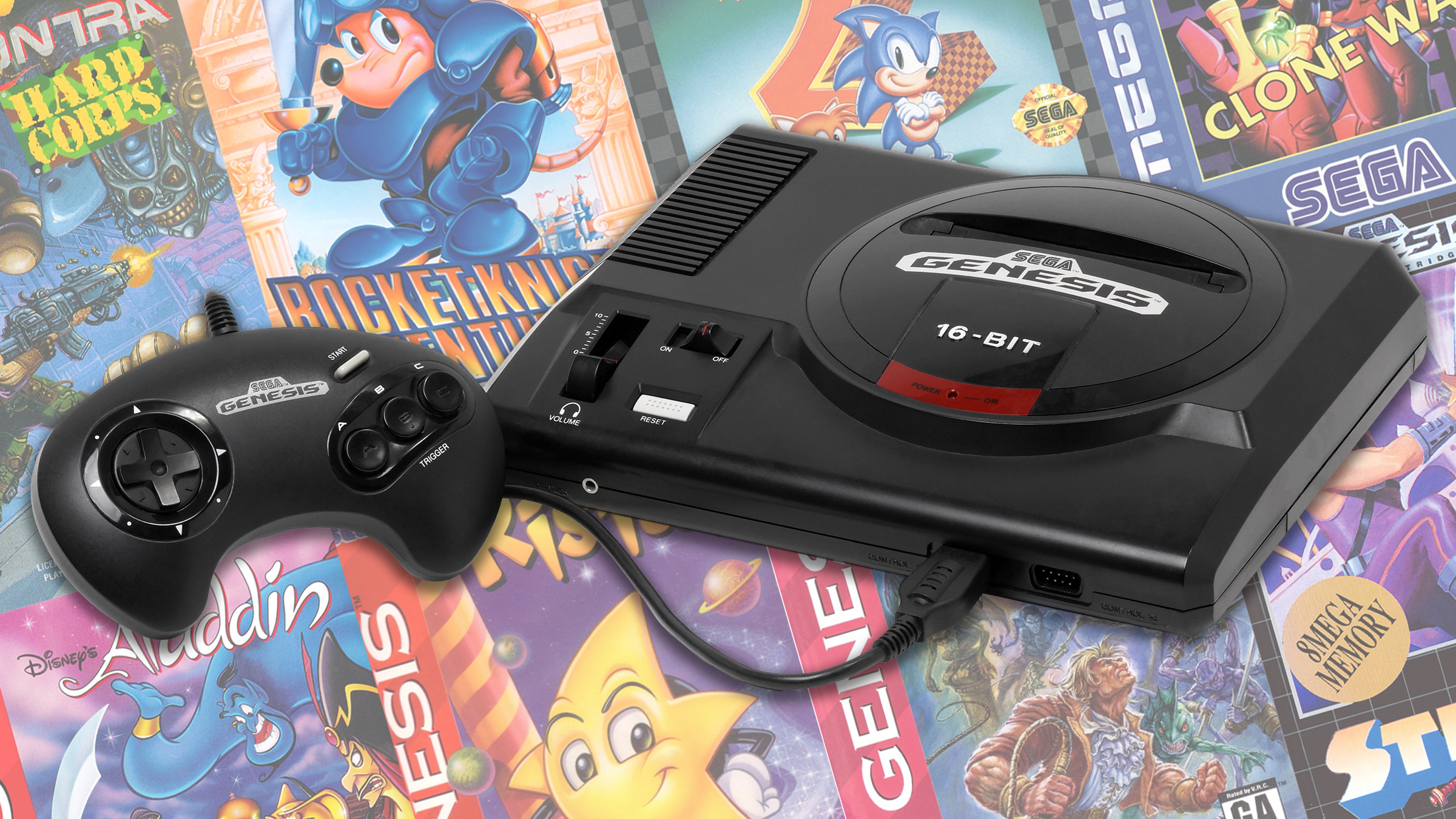
The Sega Genesis was Sega’s competitor to the Super Nintendo, and many fans consider it the better system. It was a powerful console that launched the famous slogan, “Sega does what Nintendon’t.” While best known for Sonic the Hedgehog, the Genesis actually had over 800 games created for it. To remain competitive, Sega released several add-ons like the Sega CD, 32X, and LaserActive, which broadened the game selection and helped pave the way to the next generation of consoles. Ultimately, Sega sold almost 31 million Genesis consoles, making it their most successful product.
What’s your all-time favorite Sega console? Share your thoughts in the comments below and join the discussion on the ComicBook Forum!
https://comicbook.com/gaming/list/every-nintendo-console-ranked/embed/#
Read More
- Dune 3 Gets the Huge Update Fans Have Been Waiting For
- Looks Like SEGA Is Reheating PS5, PS4 Fan Favourite Sonic Frontiers in Definitive Edition
- Pluribus Star Rhea Seehorn Weighs In On That First Kiss
- Gold Rate Forecast
- Kelly Osbourne Slams “Disgusting” Comments on Her Appearance
- Antiferromagnetic Oscillators: Unlocking Stable Spin Dynamics
- Action Comics #1096 is Fun Jumping-On Point for Superman Fans (Review)
- Arknights: Endfield – Everything You Need to Know Before You Jump In
- Tomodachi Life: Living the Dream ‘Welcome Version’ demo now available
- 10 Steamiest Erotic Thriller Movies of the 21st Century
2026-03-07 20:18