
Adventure games have changed a lot since they first appeared in the 1970s. They began as simple text-based experiences, relying on players to visualize the story. Over time, the genre grew and branched out, but most adventure games still focus on solving puzzles, following a compelling story, exploring environments, playing as a hero, and interacting with objects. We’ve looked back at the history of adventure games and chosen ten titles that really pushed the boundaries with new features and gameplay options.
1) Colossal Cave Adventure (1976)

The adventure game genre started in 1976 with Colossal Cave Adventure, which included some of the earliest elements of role-playing. Though not the very first game to use text, Colossal Cave Adventure is widely considered the first true adventure game. Players explored a cave system, looking for treasure, by typing simple text commands to navigate dozens of different locations. It’s a hugely important game for the genre – in fact, it’s where the genre gets its name! It went on to inspire many other text-based games, including the more famous Zork.
2) Mystery House (1980)
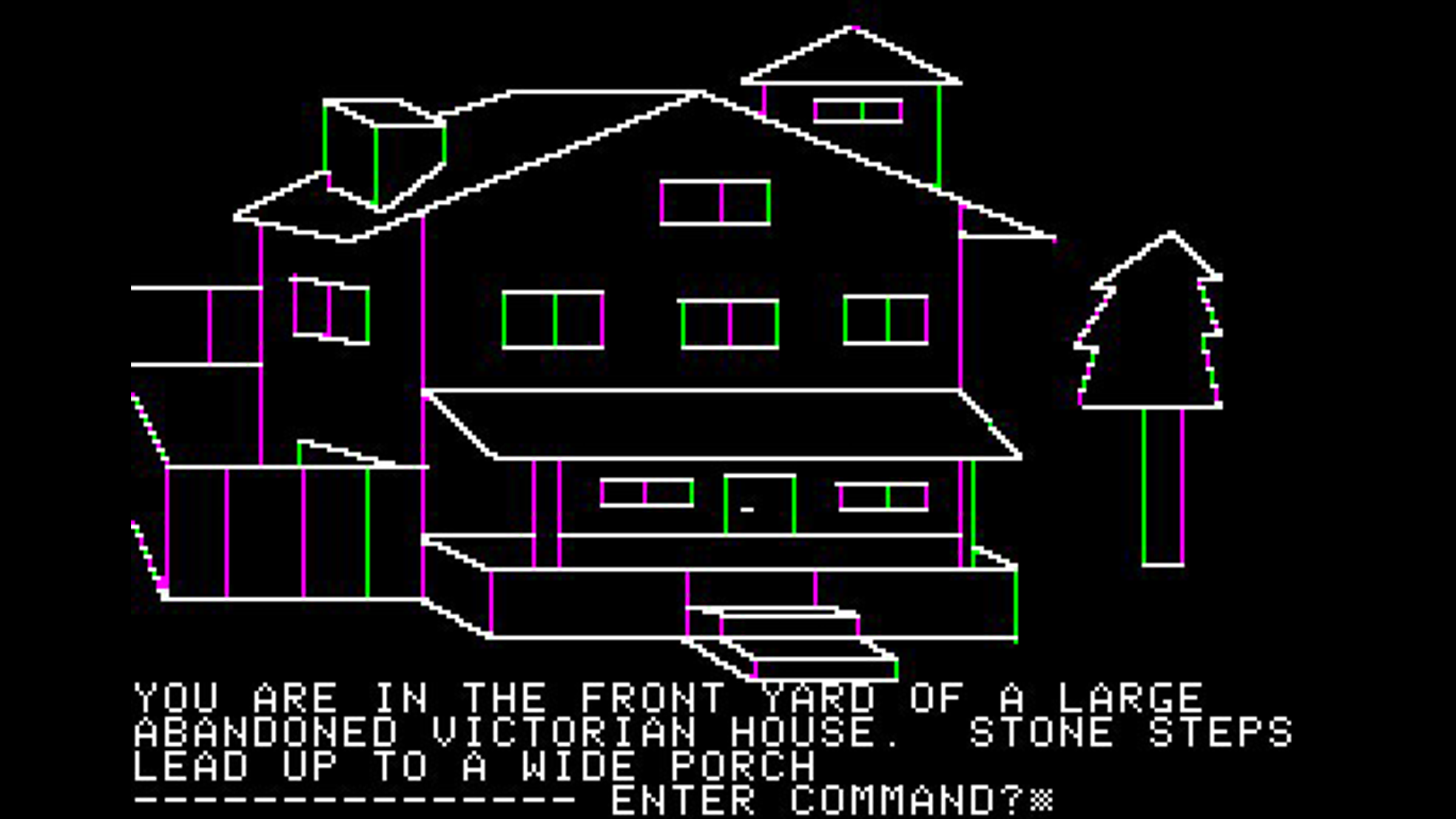
As game technology improved and allowed for graphics, developers began to create graphical adventure games. One of the first was Mystery House, which borrowed ideas from earlier text-based games like Colossal Cave Adventure. The game starts with the player entering a mansion and getting locked inside. You explore to find clues, people, and even bodies, as a mystery unfolds. The objective is to figure out who the killer is before they get to you. Mystery House combined simple line drawings with text commands, bridging the gap between text-only and fully visual games. Like its predecessor, Mystery House was a very important game, and it’s also considered one of the earliest examples of a horror game.
3) Dragon’s Lair (1983)
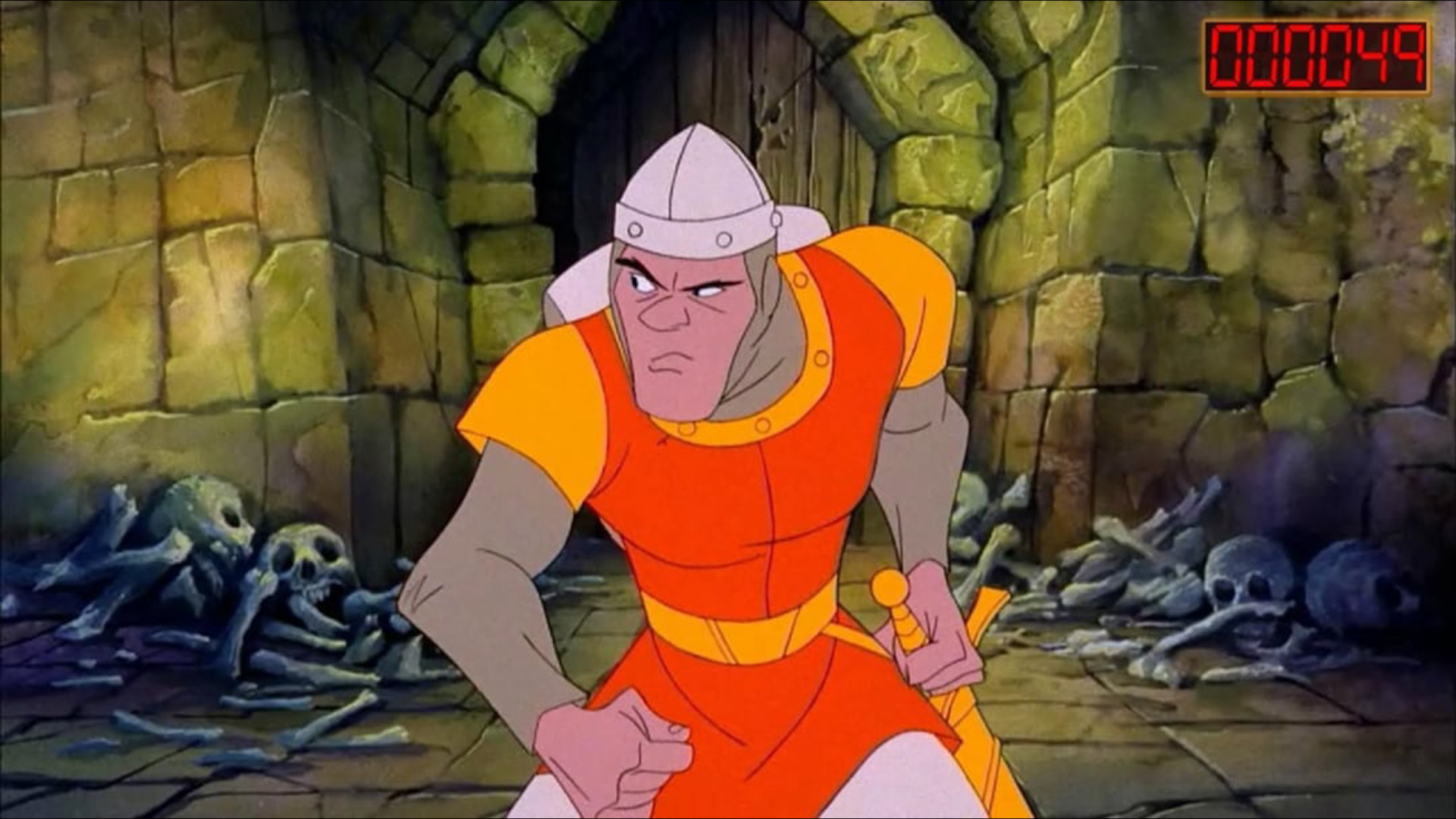
Early computer games in the 1980s were quite simple, but arcades were starting to offer something new. In 1982, LaserDisc games began with Astron Belt, and the following year, Dragon’s Lair became a huge hit. It stood out with its stunning animation by Don Bluth, an engaging story, and an unusually large number of ways to fail. Dragon’s Lair was famous for drawing crowds who loved to watch others play, and many arcades even added a second screen just for spectators. The game was innovative, proving that adventure games could be fast-paced and exciting, and it had a major impact on the industry.
4) King’s Quest: Quest for the Crown (1984)
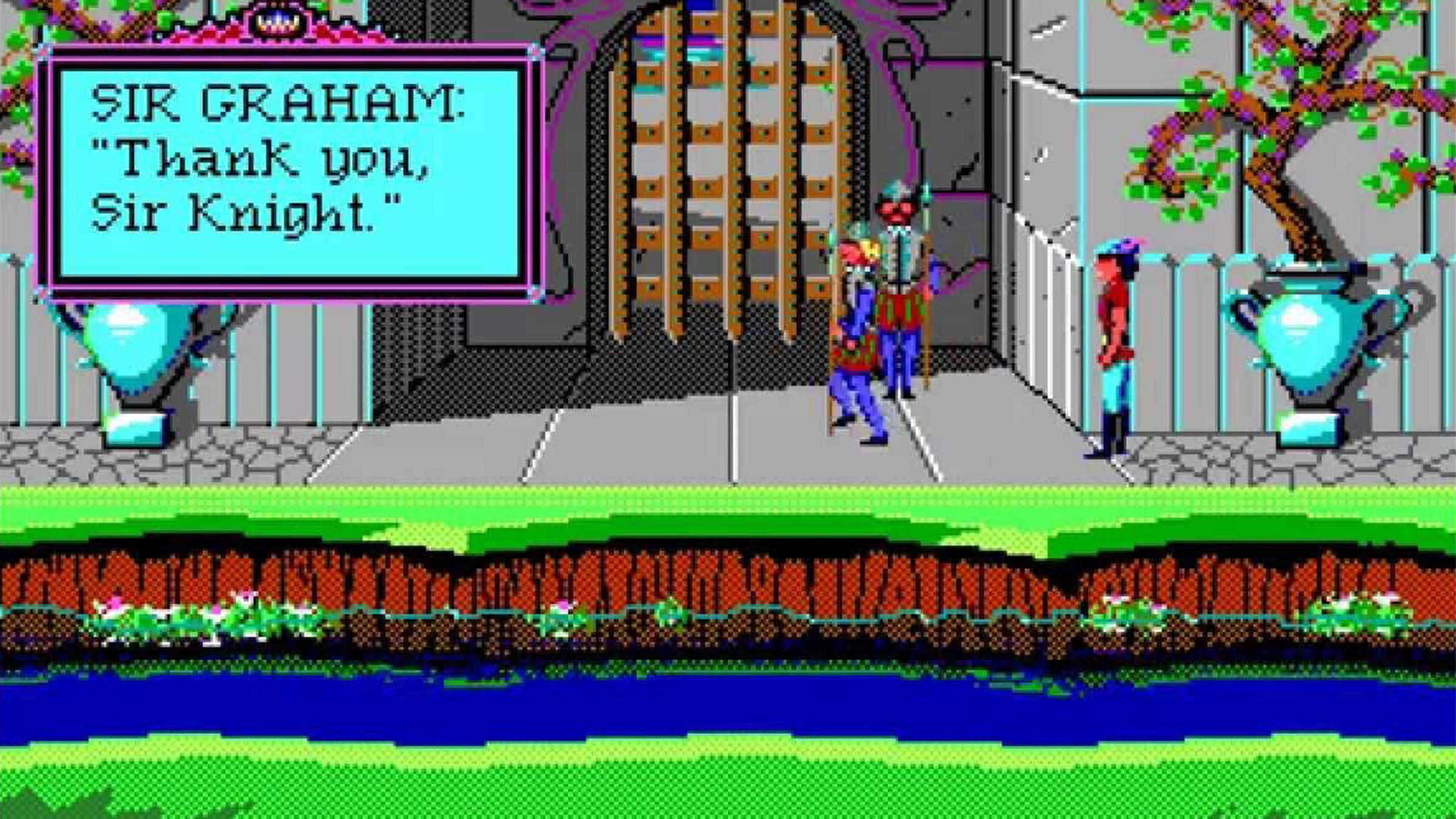
Computer graphics evolved from simple lines to more detailed sprites, allowing for 16-color images and smoother animations. King’s Quest: Quest for the Crown was a prime example of this progress and became a key game in the adventure genre. These better graphics gave developers more freedom to create richer stories, more engaging interactions, and more complex overall narratives. The popularity of King’s Quest I led to a whole series of games, and it was one of the first adventure games to really succeed commercially. This success allowed Sierra to create even more groundbreaking and impactful titles.
5) Enchanted Scepters (1984)
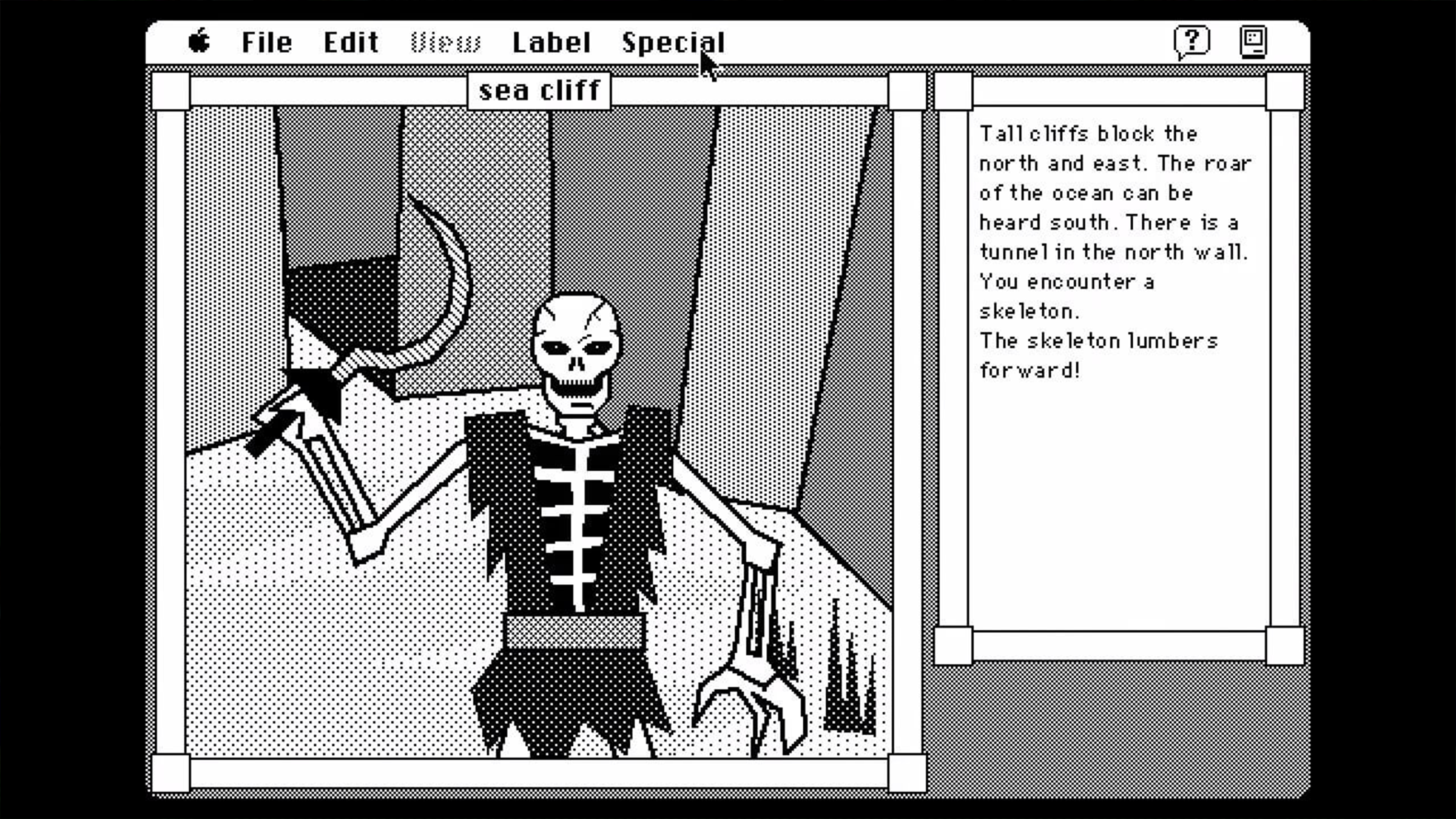
The adventure game Enchanted Scepters was a breakthrough title, pioneering the now-familiar point-and-click style of gameplay. This approach, where players interacted with the game world by clicking on objects, became hugely popular throughout the 1980s and 90s. The game displayed a scene with a descriptive text box, highlighting interactive elements. Players used drop-down menus to choose actions – a novel feature at the time – and this innovative design helped point-and-click adventures quickly become the dominant style in the genre.
6) Maniac Mansion (1987)
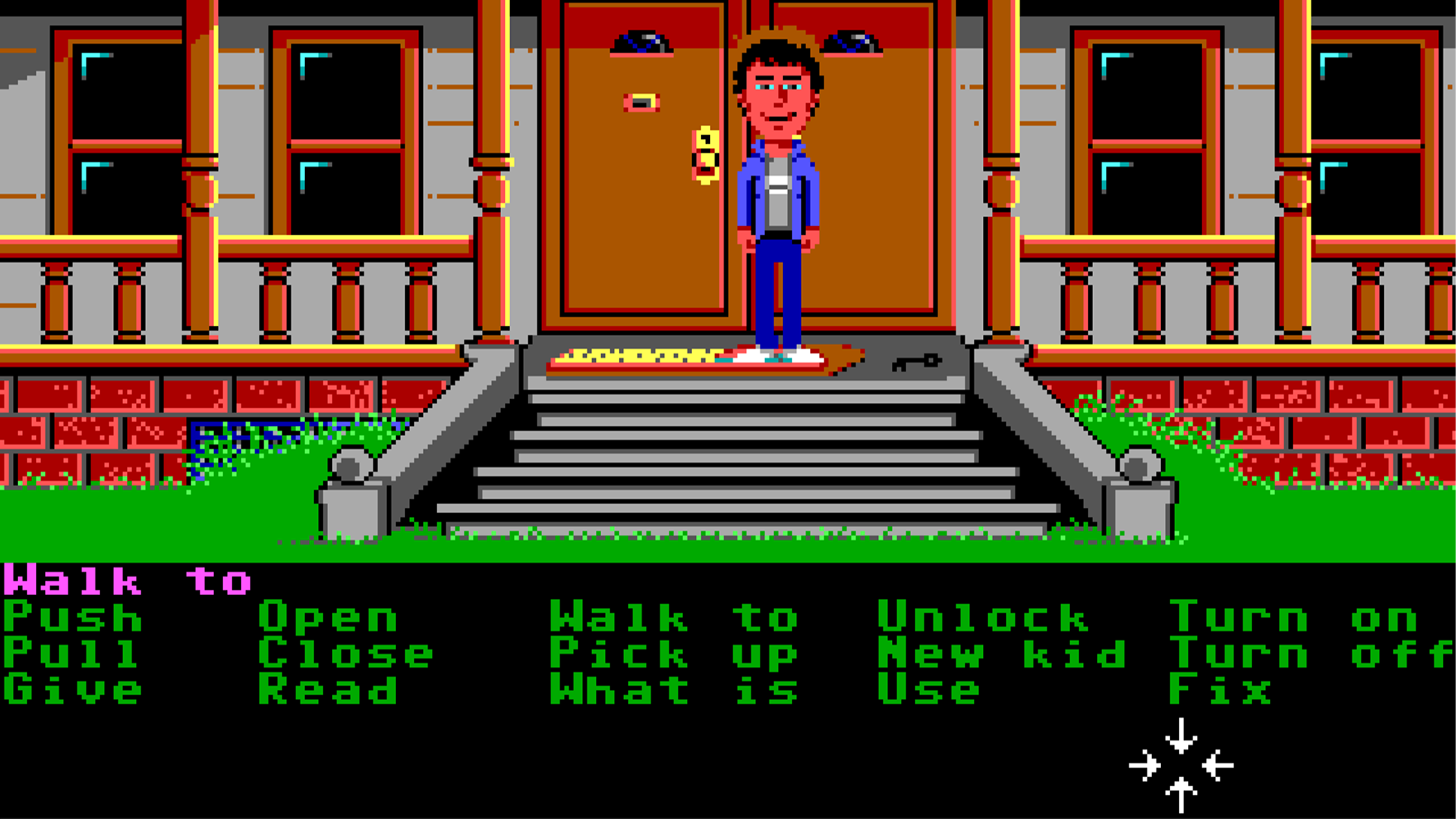
After Enchanted Scepters, many point-and-click adventure games emerged, and Maniac Mansion quickly became one of the most popular and groundbreaking. Critics loved its cutscenes, graphics, animation, and funny writing. But what really set Maniac Mansion apart was how players interacted with the game. It introduced a new system called “verb object,” which solved a common problem in older games. Instead of guessing the right command and getting stuck, Maniac Mansion showed you all the possible actions you could take with an object. This made the game much smoother and influenced the design of adventure games for years to come.
7) Myst (1993)
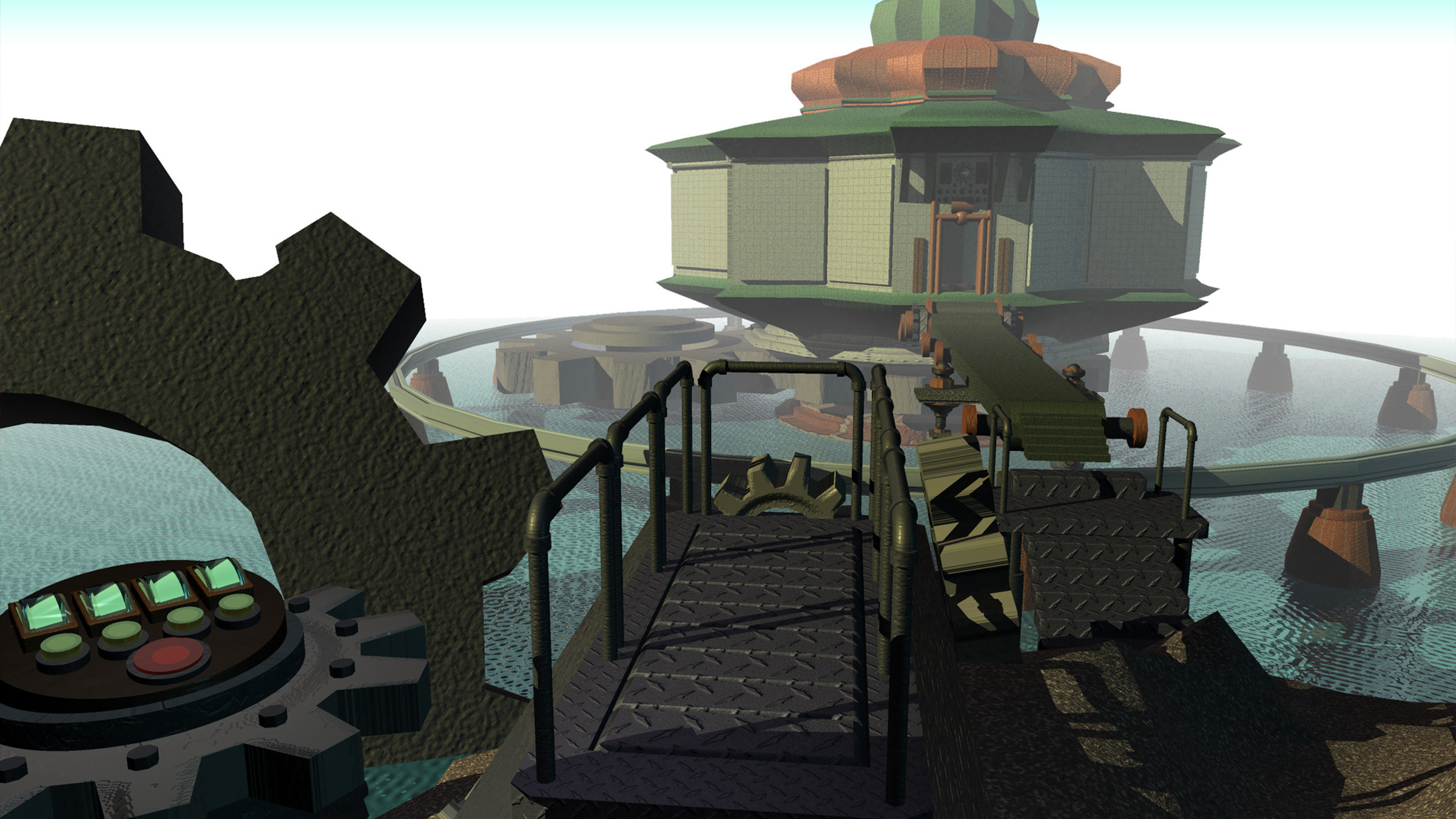
Released in 1993, Myst quickly became a huge hit, attracting players worldwide with its stunning graphics for the time. The game involves exploring environments, interacting with objects, and solving puzzles to reveal the story. With immersive music and detailed pre-rendered visuals, it offered an experience unlike anything players had seen before. While the graphics may not seem impressive today, they were revolutionary in the early 90s. Myst proved that adventure games could appeal to adults as well as children, and it remained the best-selling computer game for almost ten years. It has since been updated and even released in virtual reality, but when it originally came out, Myst was a truly groundbreaking title.
8) Grim Fandango (1998)

I remember being blown away by the graphics in Myst, even though I later learned they weren’t truly 3D – they were pre-rendered images. But one of the first adventure games to really use 3D graphics was Grim Fandango, and honestly, it was one of the best adventure games I’d ever played at that time. It’s a shame it didn’t sell well, though. Critics loved it, but adventure games were starting to fall out of favor around the year 2000, and even good ones weren’t making much money. It reminded me a bit of Alone in the Dark, which was the first to try 3D in the genre, though most people now think of that as a horror game. Grim Fandango was just so much fun, so innovative, and looked amazing, but its failure led LucasArts to stop making adventure games altogether, which was a real loss.
9) Bone: Out from Boneville (2005)

Telltale Games’ second game, Bone: Out from Boneville, was a groundbreaking title – the first adventure game released in chapters. This format, now popular in games like Dispatch, tells the story of Fone Bone, Phoney Bone, and Smiley Bone as they’re forced to flee their hometown and become lost in the desert. The game closely follows the first volume of Jeff Smith’s acclaimed Bone comic series and features excellent animation. While not Telltale’s most famous episodic adventure, Bone: Out from Boneville was a pioneer, setting the stage for future hits like The Walking Dead and other popular Telltale series.
10) Dear Esther (2012)
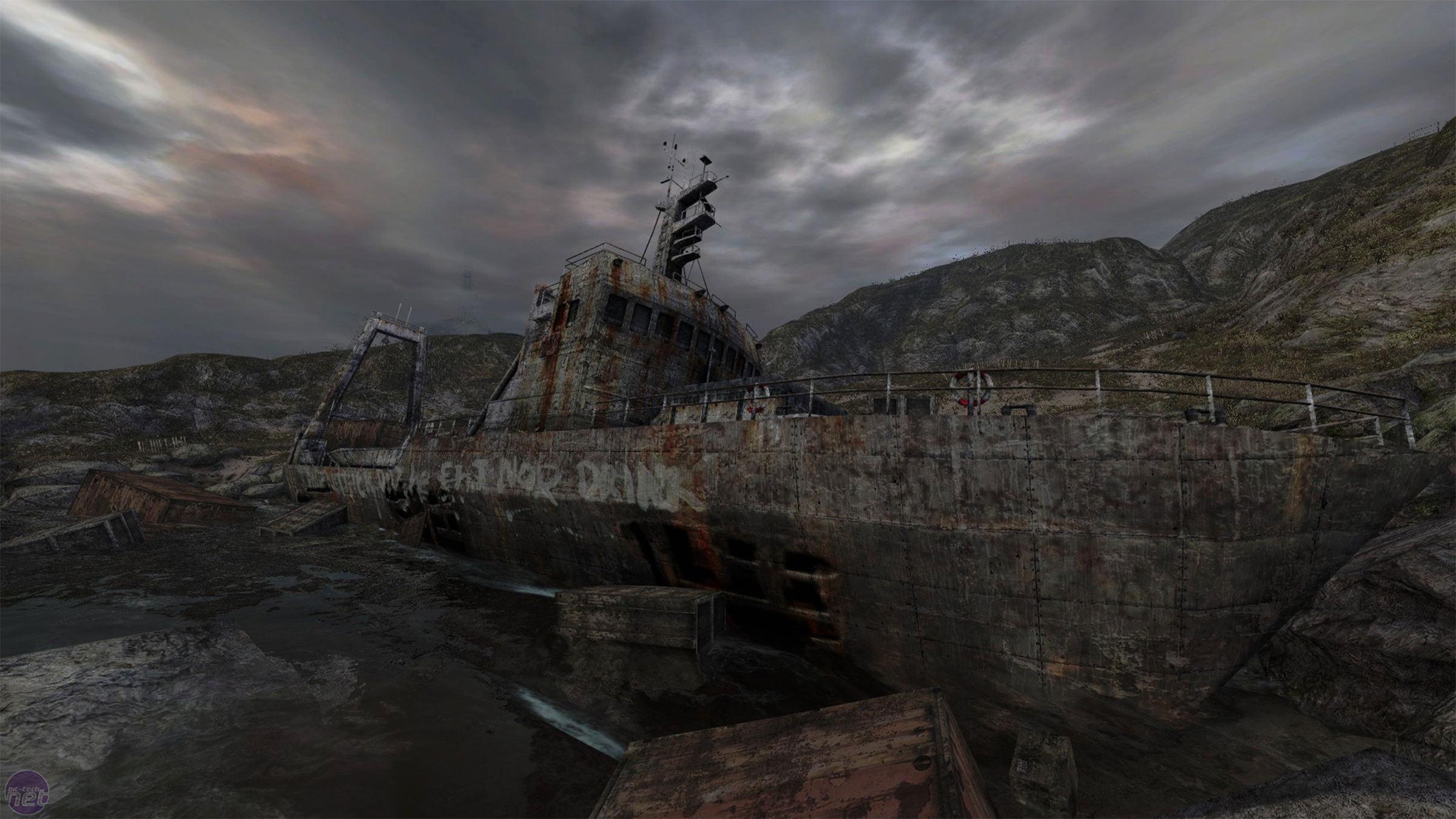
For a long time, the adventure game genre hadn’t seen many new ideas. That changed in the early 2010s with Dear Esther, a game focused on telling a story rather than traditional gameplay. Players mostly explore the environment with very little interaction, which was a controversial approach at the time. However, Dear Esther is credited with making the “walking simulator” genre popular. The game involves exploring an island and listening to letters from a man to his deceased wife, gradually revealing the circumstances surrounding her death. It broke away from what players expected in adventure games and went on to inspire titles like Firewatch, The Stanley Parable, and the Discovery Mode found in several Assassin’s Creed games.
What adventure game had the biggest impact on the genre with its new ideas? Share your thoughts in the comments and join the discussion on the ComicBook Forum!
Read More
- Pluribus Star Rhea Seehorn Weighs In On That First Kiss
- Kelly Osbourne Slams “Disgusting” Comments on Her Appearance
- Gold Rate Forecast
- Looks Like SEGA Is Reheating PS5, PS4 Fan Favourite Sonic Frontiers in Definitive Edition
- Arknights: Endfield – Everything You Need to Know Before You Jump In
- Goat 2 Release Date Estimate, News & Updates
- Dune 3 Gets the Huge Update Fans Have Been Waiting For
- ’90s Cartoon Reboot & TMNT Connection!
- ‘Marty Supreme’ Ending, Explained
- Guardians of the Globe Members We Want to See in Invincible Season 4
2026-02-17 18:15