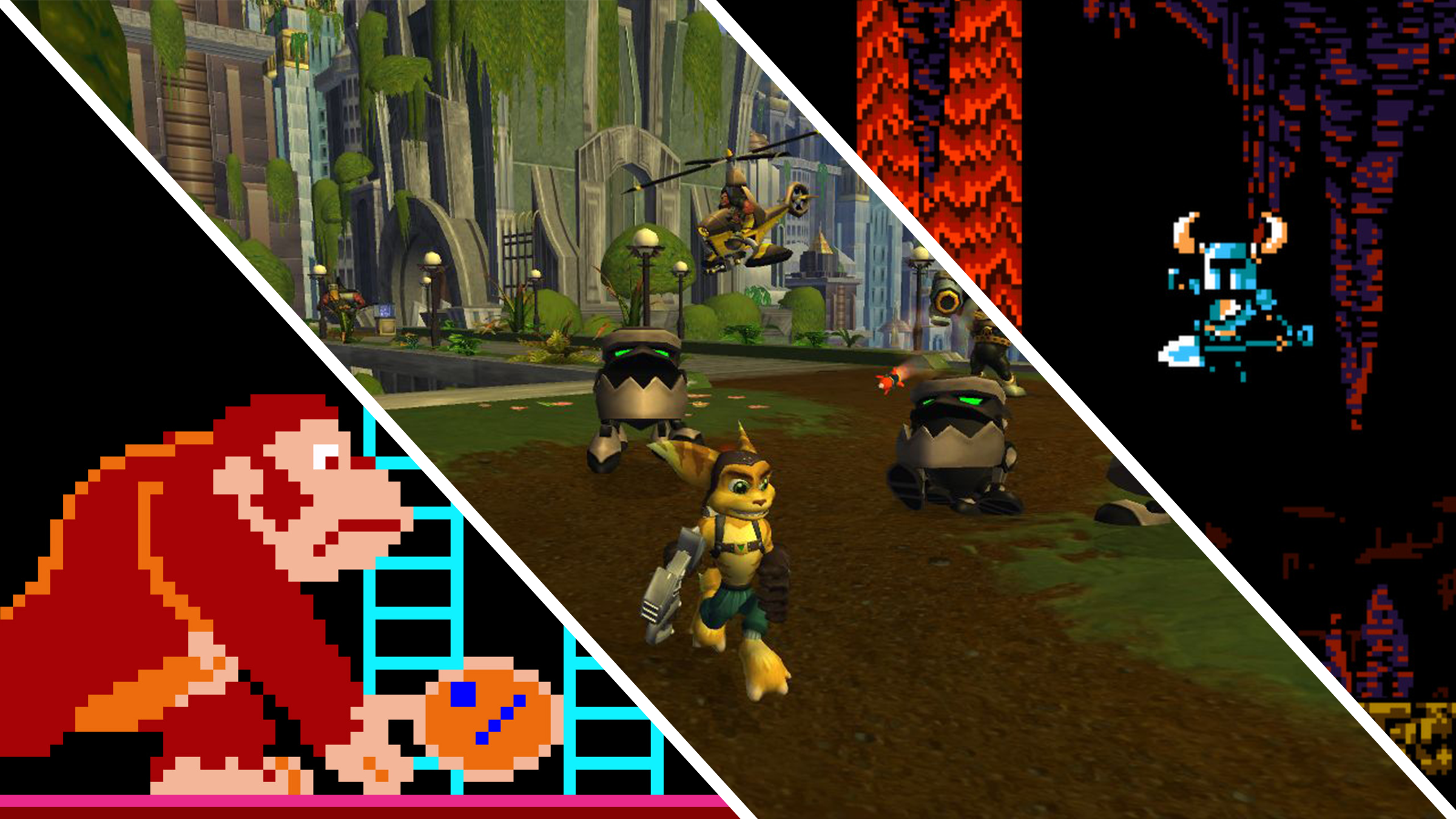
As a gamer, I think platformers are seriously one of the most important genres out there. They weren’t the very first video games, but back in the early 80s, a ton of great platformers really kicked off the home console scene, introducing gameplay that felt totally new and exciting. Like everything else, platformers have changed a lot over the years – the games we play now are way more complex than what we had decades ago. I’ve been digging into the history of the genre, and I’ve picked out ten games that really pushed things forward and helped shape platformers into what they are today.
1) Space Panic (1980)
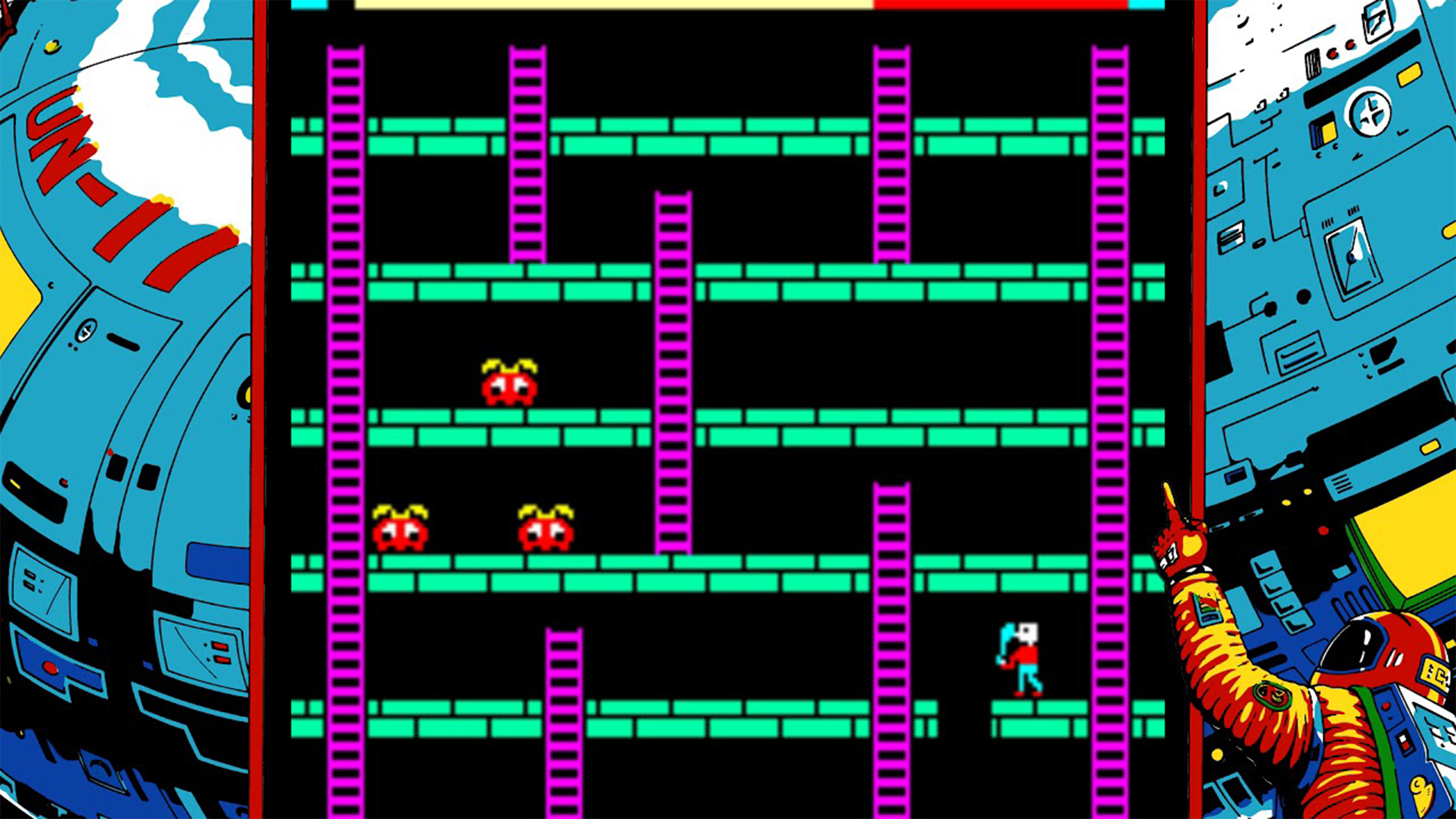
It’s often debated which game truly started the platformer genre, but many consider Space Panic, released in 1980, to be the first. While it doesn’t have a jumping feature – a key element for some – it does have platforms you reach with ladders. Because of this, it’s often called an early, or “proto-,” platformer. In the game, you dig holes in platforms to trap aliens and then shovel them away. At first, games like Space Panic were called “climbing” or “ladder” games, but by the end of 1980, most people had started referring to them as “platform” games.
2) Donkey Kong (1981)
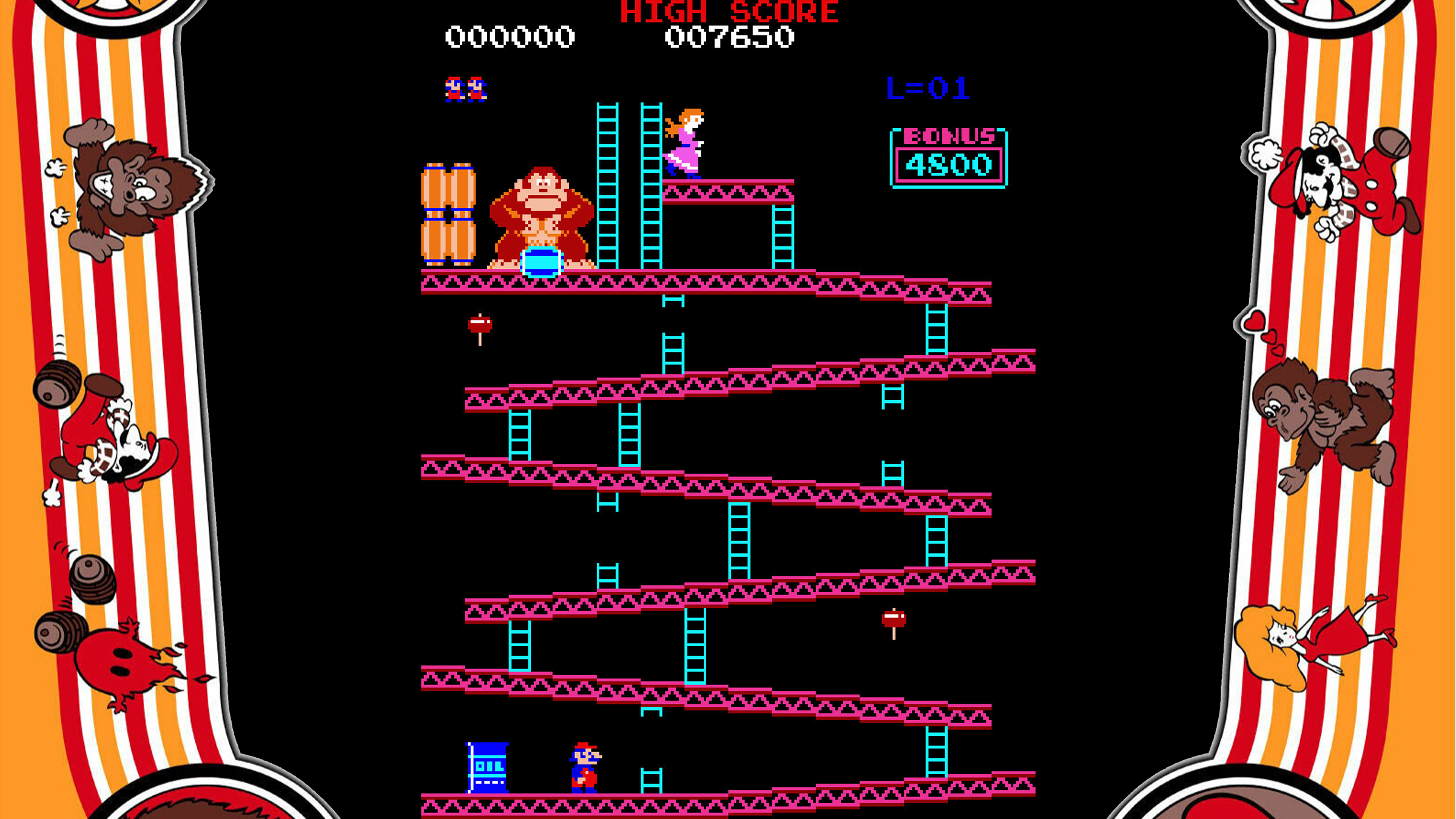
Released in 1981, Donkey Kong revolutionized video games. It’s widely considered the first true platformer, introducing key elements like jumping, climbing, and varied landscapes. Beyond its gameplay, Donkey Kong was groundbreaking for including a story and cinematic sequences, making it the most sophisticated arcade game of its time. It not only established the foundation for all future platformers but also rescued Nintendo from financial hardship. Donkey Kong‘s success pushed developers to constantly improve and innovate, leading to the rapid expansion and evolution of the platformer genre.
3) Pitfall! (1982)
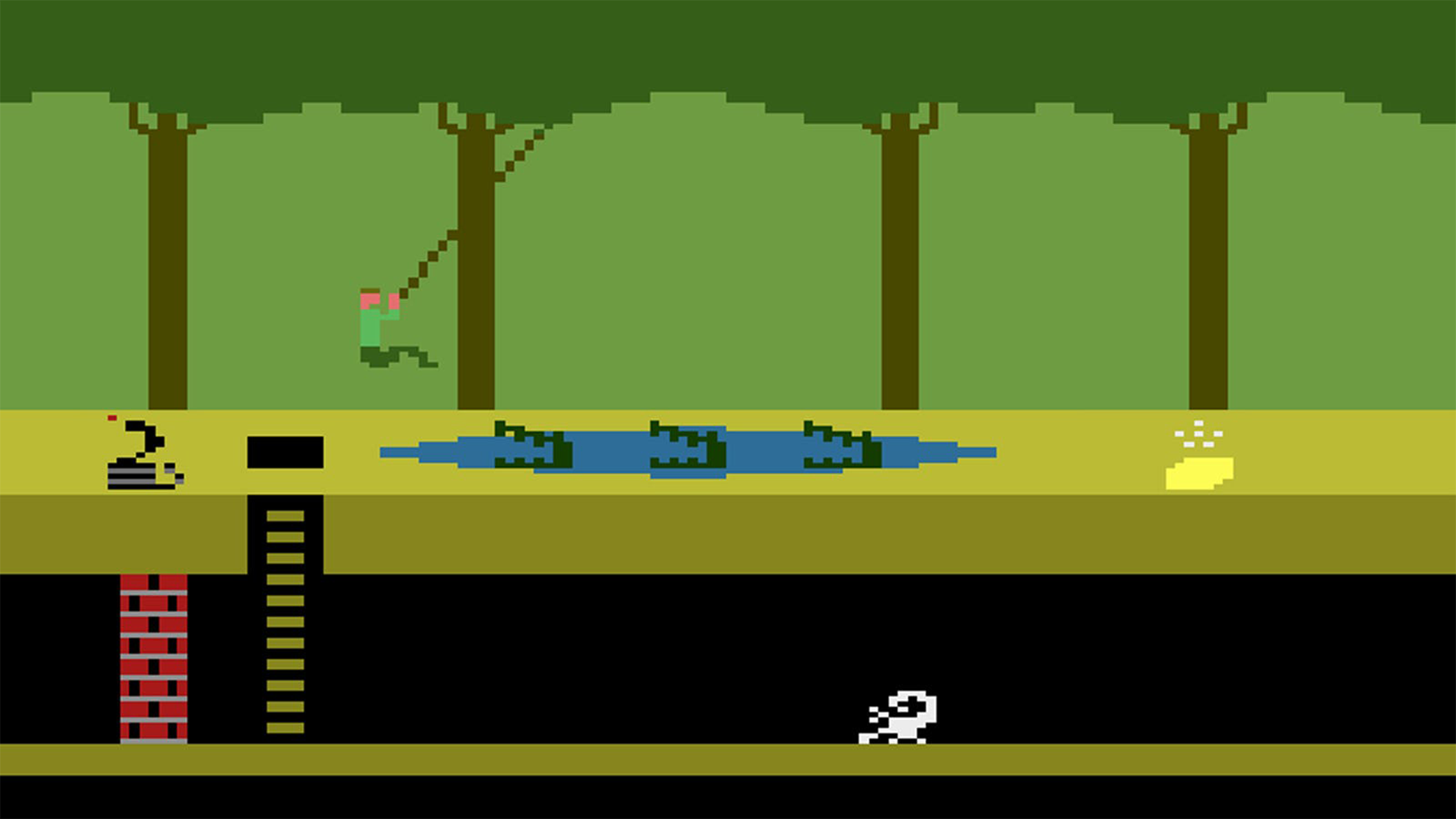
In 1982, Activision raised the bar for video games with the release of Pitfall! for the Atari 2600. Building on the success of Donkey Kong, which had four vertical levels, Pitfall! offered an impressive 255 interconnected screens. This was a major step forward considering Donkey Kong was released just a year before. Players control Pitfall Harry as he navigates jungle stages to find treasure, all within a 20-minute time limit. The game also stood out for its smooth animations of Harry’s movements, which was quite an accomplishment given the Atari 2600’s technical limitations.
4) Super Mario Bros. (1985)
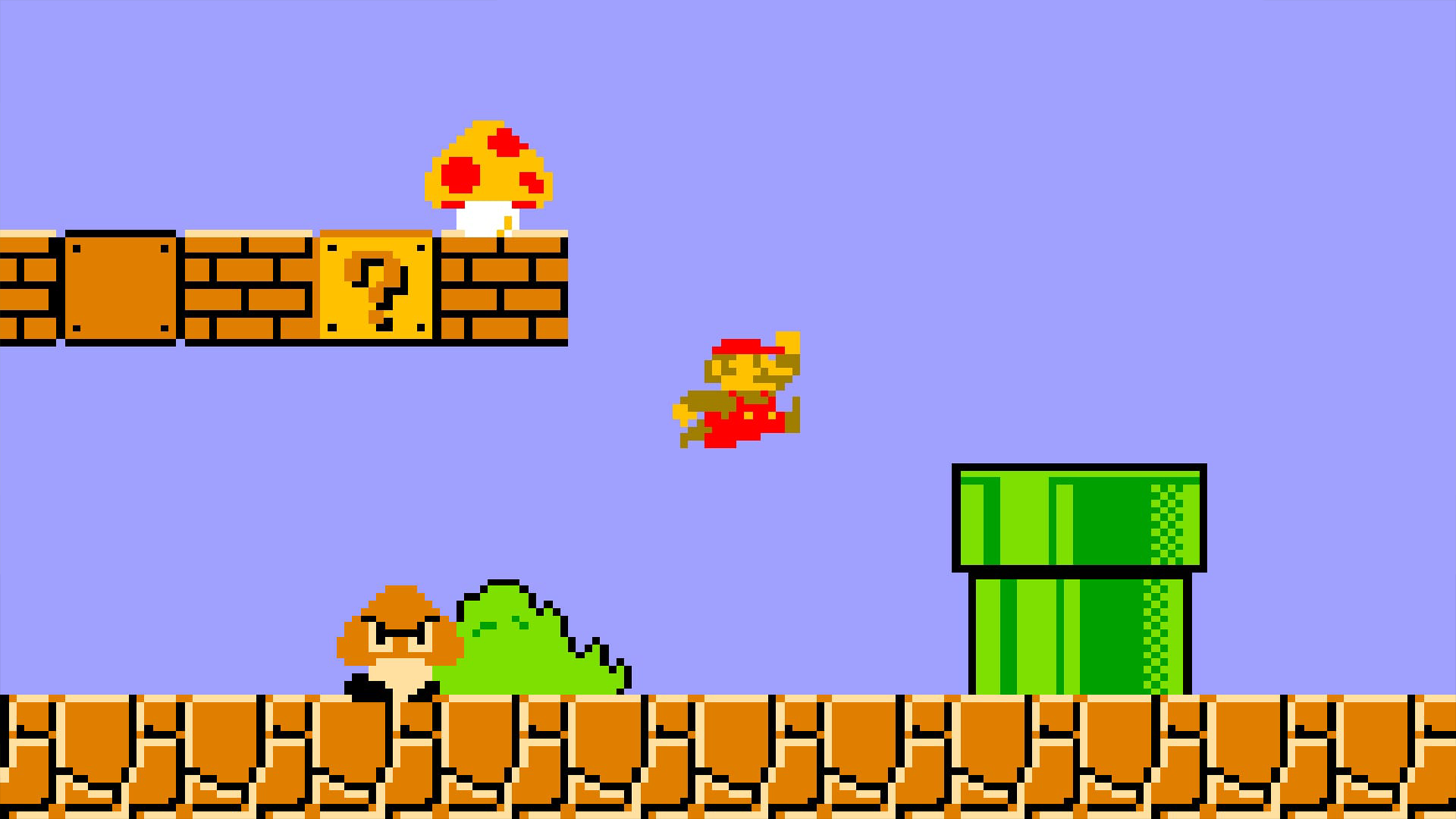
Although many platformer games came out between 1980 and 1985, Super Mario Bros. for the Nintendo Entertainment System was a game-changer. It was a huge success for Nintendo and really set a new standard for the genre by building on existing ideas and adding innovative features. The game’s popularity showed other companies that platformers could drive sales, leading to even more development in the genre. Super Mario Bros. introduced several key improvements, like multiple worlds with various levels, increasing difficulty, better controls, and enhanced gameplay.
5) Sonic the Hedgehog (1991)
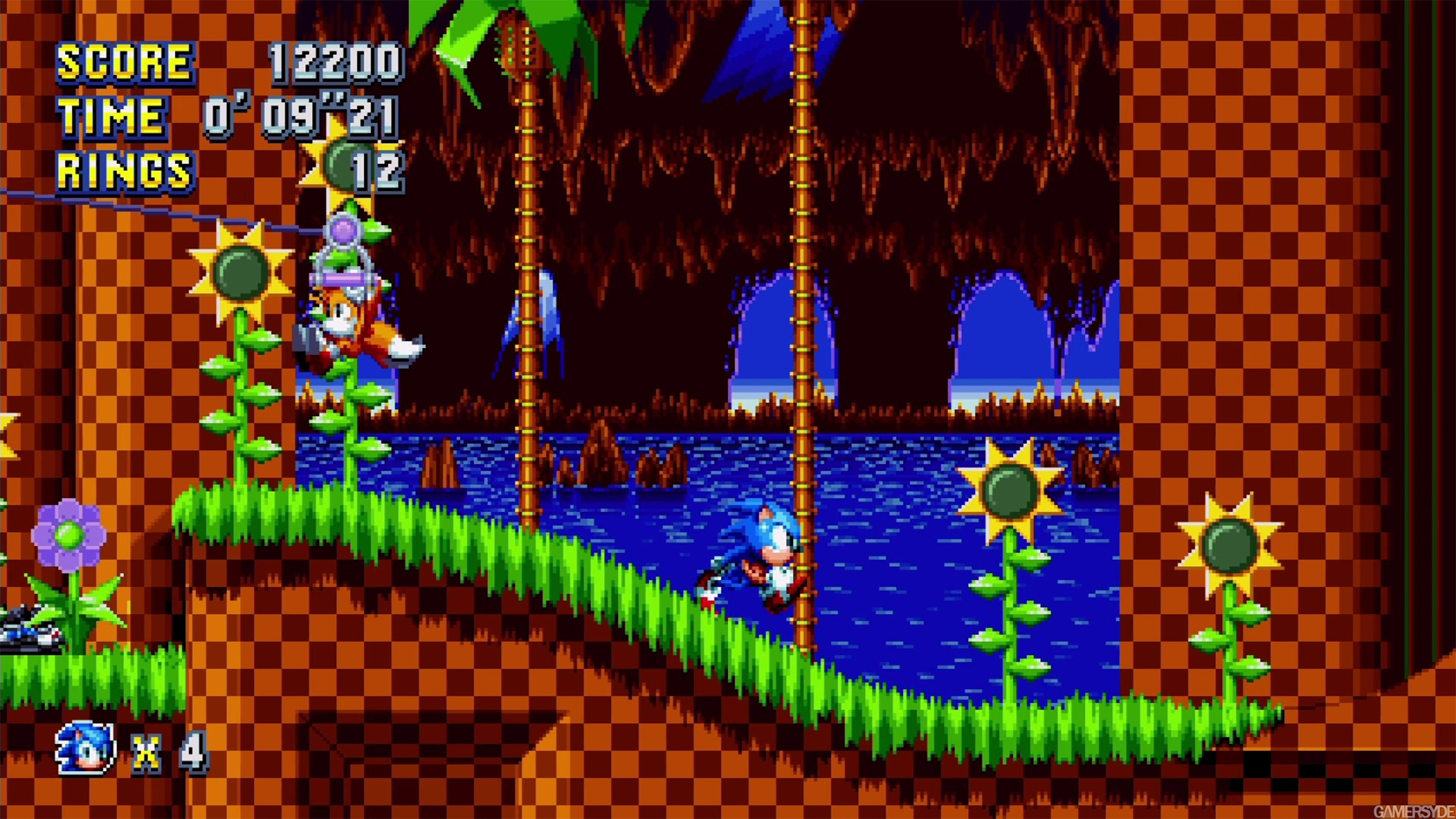
Platformer games remained incredibly popular throughout the 1980s. In the early 1990s, with the arrival of the Sega Genesis, a new star appeared: Sonic the Hedgehog. Sonic wasn’t just a successful game for Sega; it showed off fast-paced gameplay and controls that were impossible on older 8-bit systems. The game featured bigger levels, scrolling in multiple directions, and took full advantage of the Genesis’ powerful hardware. This was largely because the Genesis had a faster processor than the Super Nintendo, another console known for its great platformers.
6) Clockwork Knight (1994)
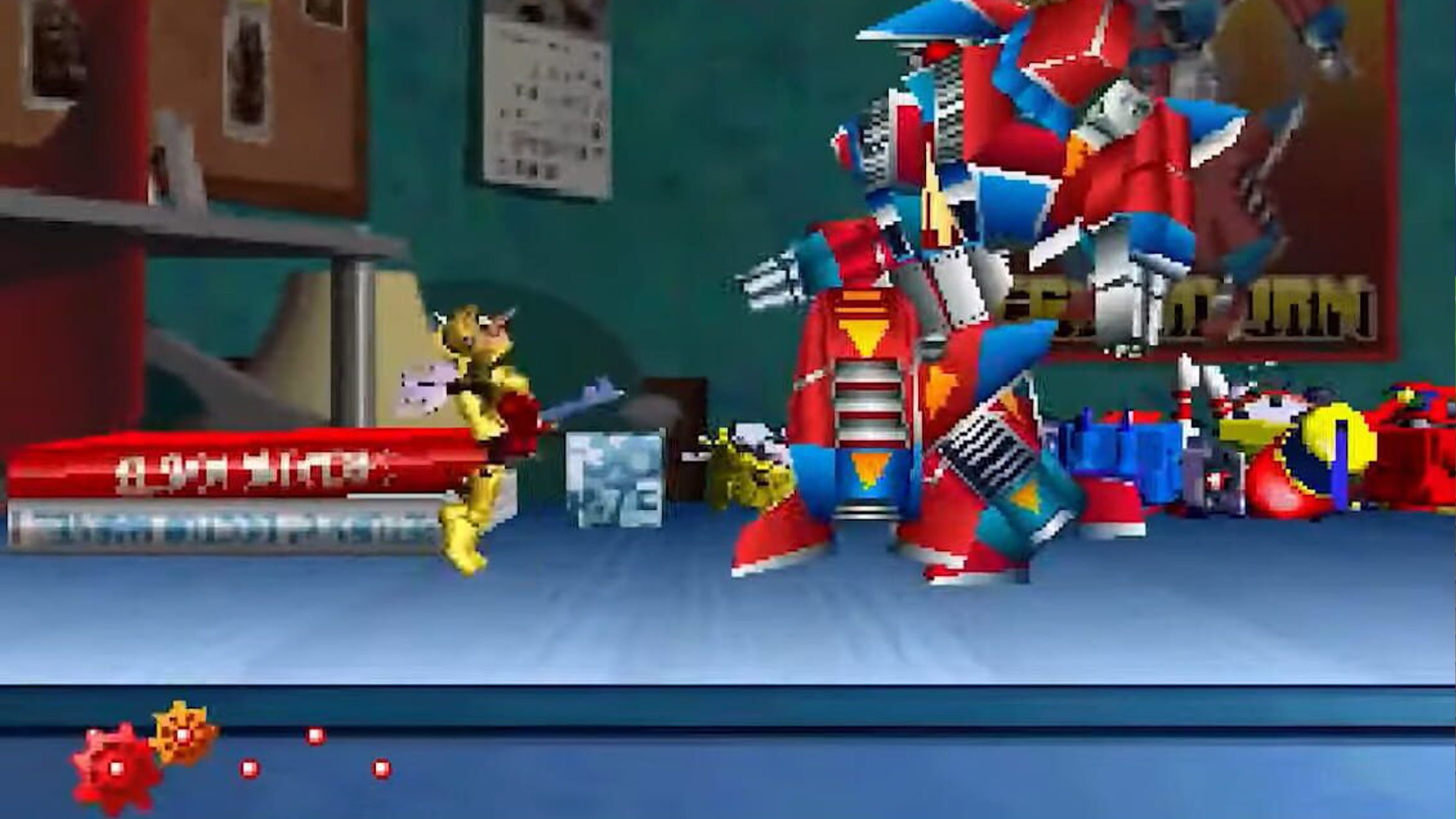
Although games like Donkey Kong Country pushed the boundaries of graphics, Clockwork Knight really innovated the platforming genre. As a launch title for the Sega Saturn, it was the first game labeled a “2.5D platformer,” meaning it used 3D-rendered levels and enemies alongside 2D sprites – a technique similar to Donkey Kong Country. While the term “2.5D” isn’t used much anymore, these games were important because they paved the way for fully 3D platformers that moved beyond traditional side-scrolling and created more immersive gaming experiences.
7) Jumping Flash! (1995)
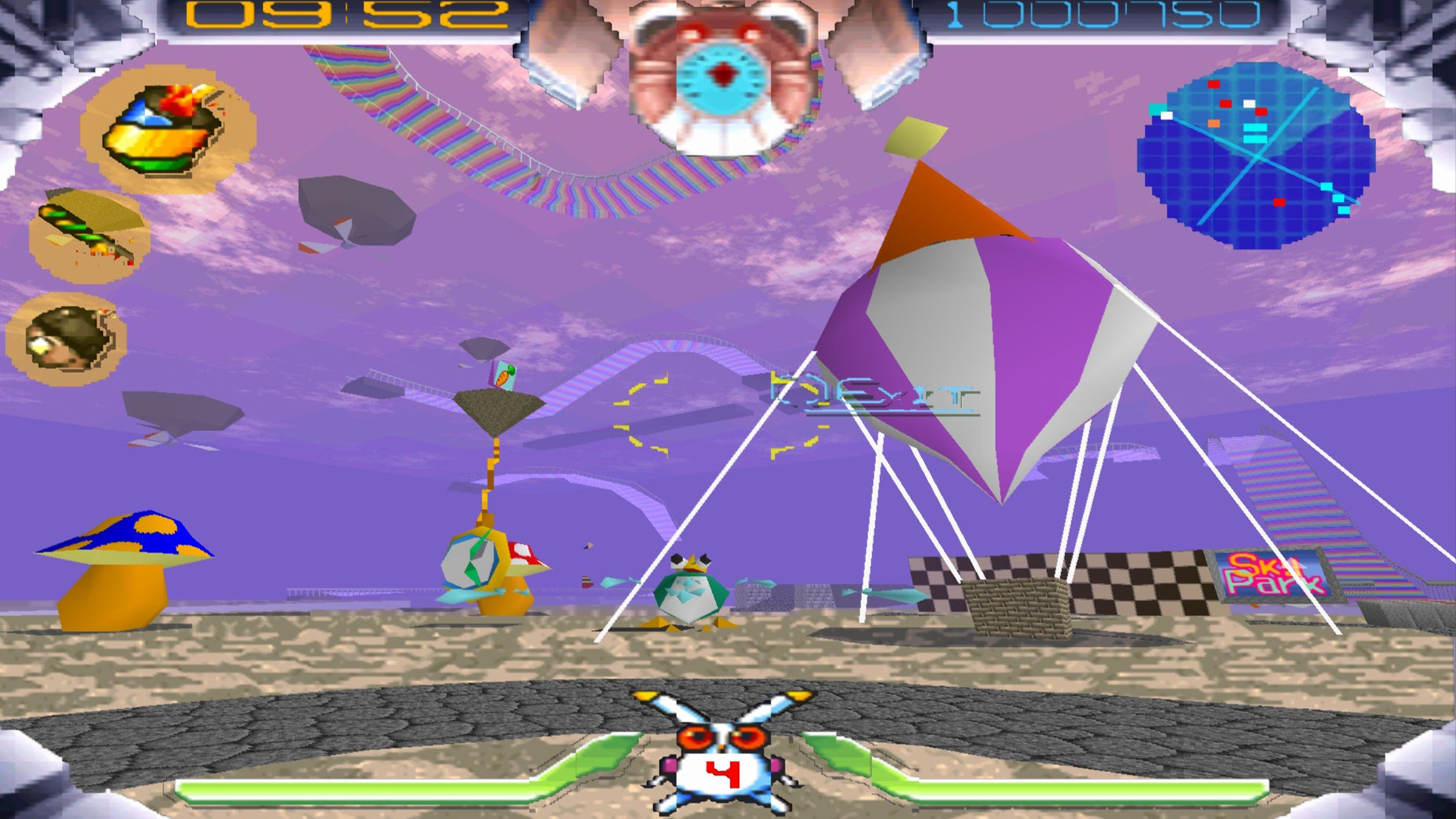
Platforming games began experimenting with 3D graphics in the 1980s, using basic shapes to create early 3D worlds in games like 3D WorldRunner and Alpha Waves. This technology spread to other game types, even first-person shooters like Geograph Seal. However, while Super Mario 64 is much more famous, the first true 3D platformer was actually Jumping Flash!, released for PlayStation in 1995. In fact, it earned a Guinness World Record as the first platform game in “true 3D.” Players experience the game from a first-person perspective, controlling a robotic rabbit named Robbit as he searches for scattered jet pods.
8) Ratchet & Clank (2002)
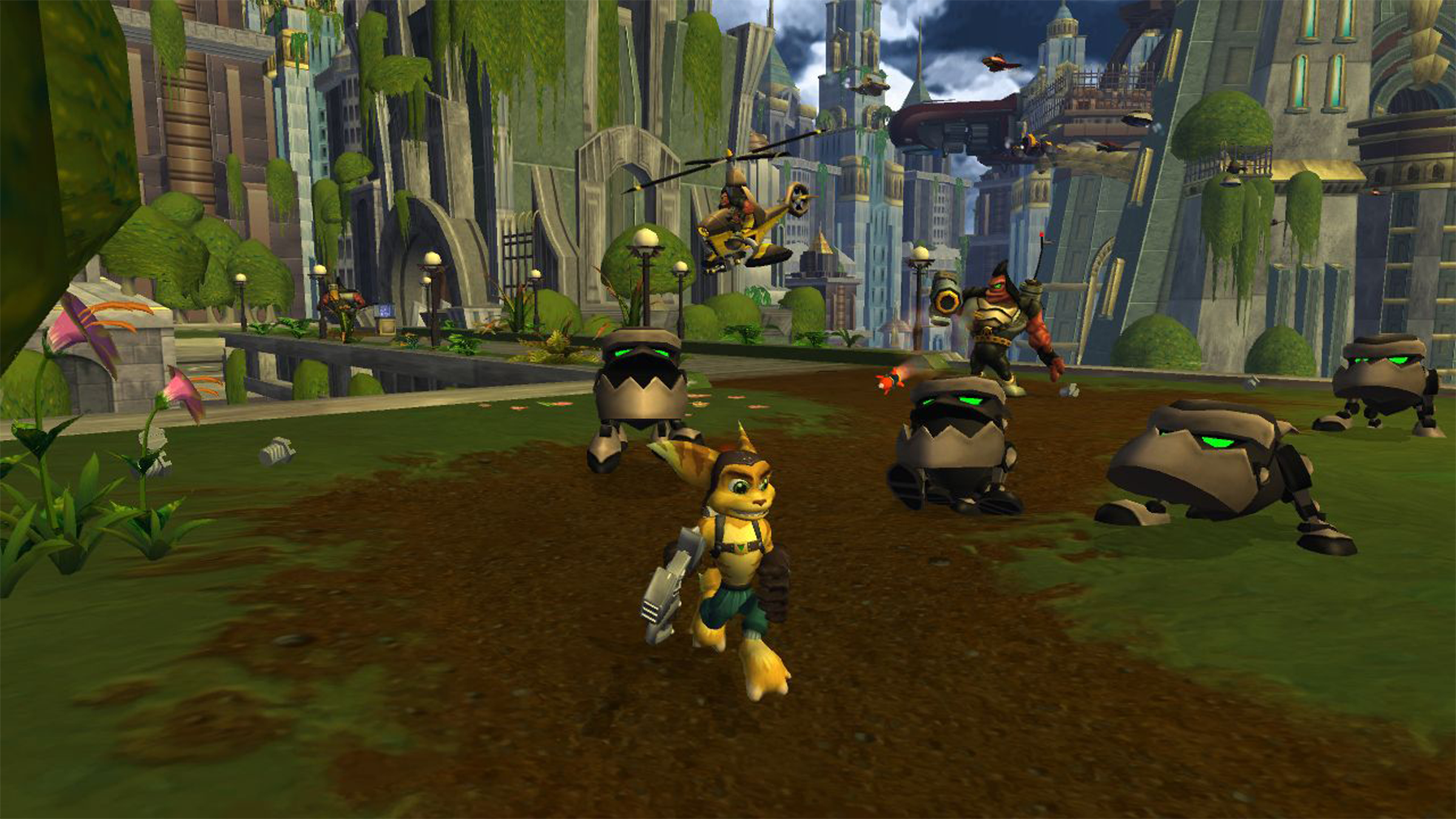
The shift to 32- and 64-bit systems sparked a wave of creativity in 3D platforming games. Titles like Banjo-Kazooie and Spyro the Dragon really pushed the genre forward, setting the stage for games like Ratchet & Clank. Ratchet & Clank blended platforming with third-person shooter elements and built upon the existing formula with new gameplay features, impressive visuals, a compelling story, and engaging puzzles. While it didn’t completely redefine the platformer, it made the experience more exciting and immersive.
9) Super Mario Galaxy (2007)
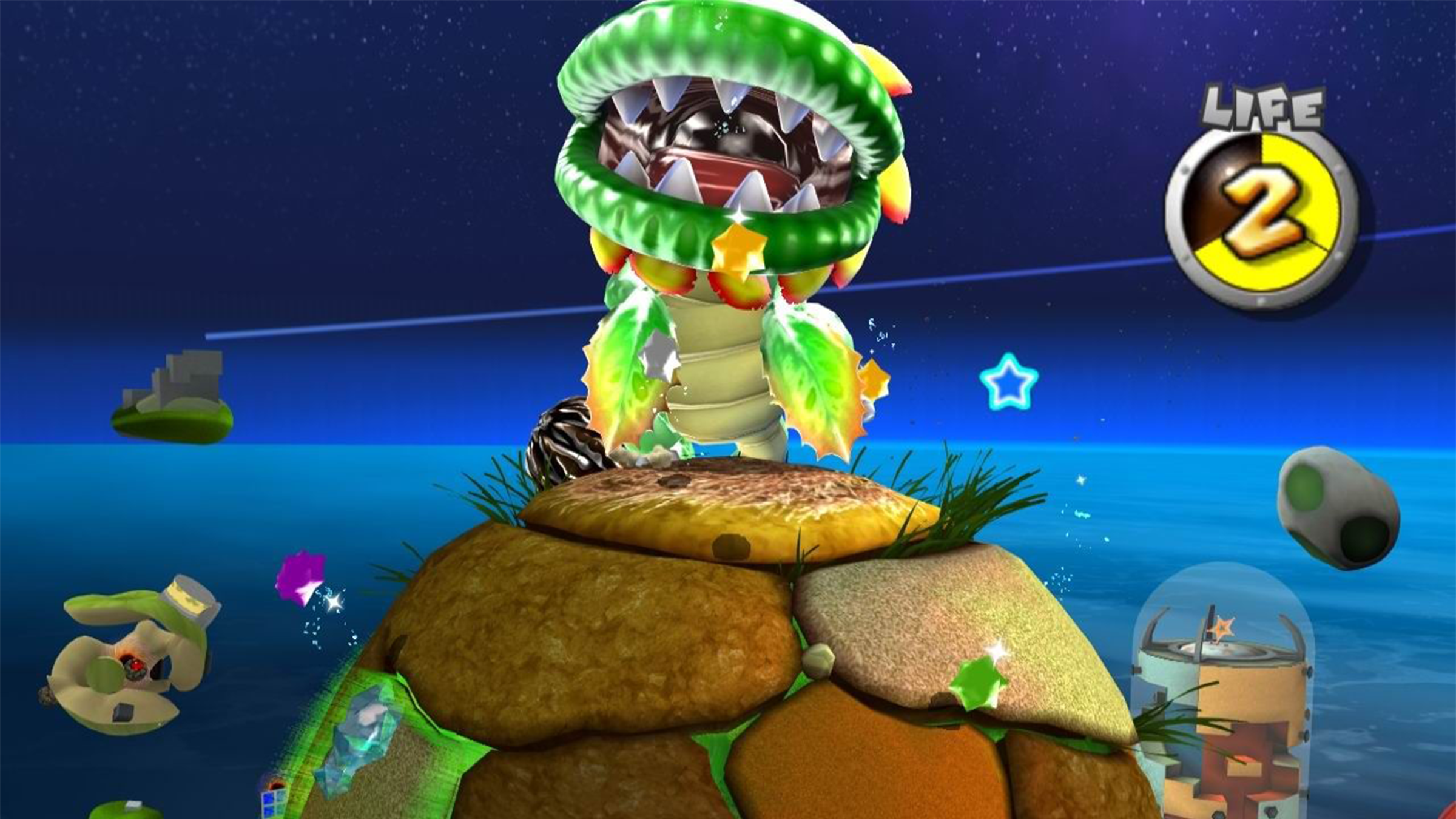
Released in 2007, Super Mario Galaxy was a huge hit with critics and won many awards. It reinvented the classic Mario formula, setting a new standard for platformer games. Players travel between planets, asteroids, and other celestial bodies, each with its own unique gravity. While it utilized the Wii’s motion controls, Super Mario Galaxy truly stood out as a 3D platformer that pushed the boundaries of the genre. No game has quite matched its innovation since.
10) Mirror’s Edge (2008)
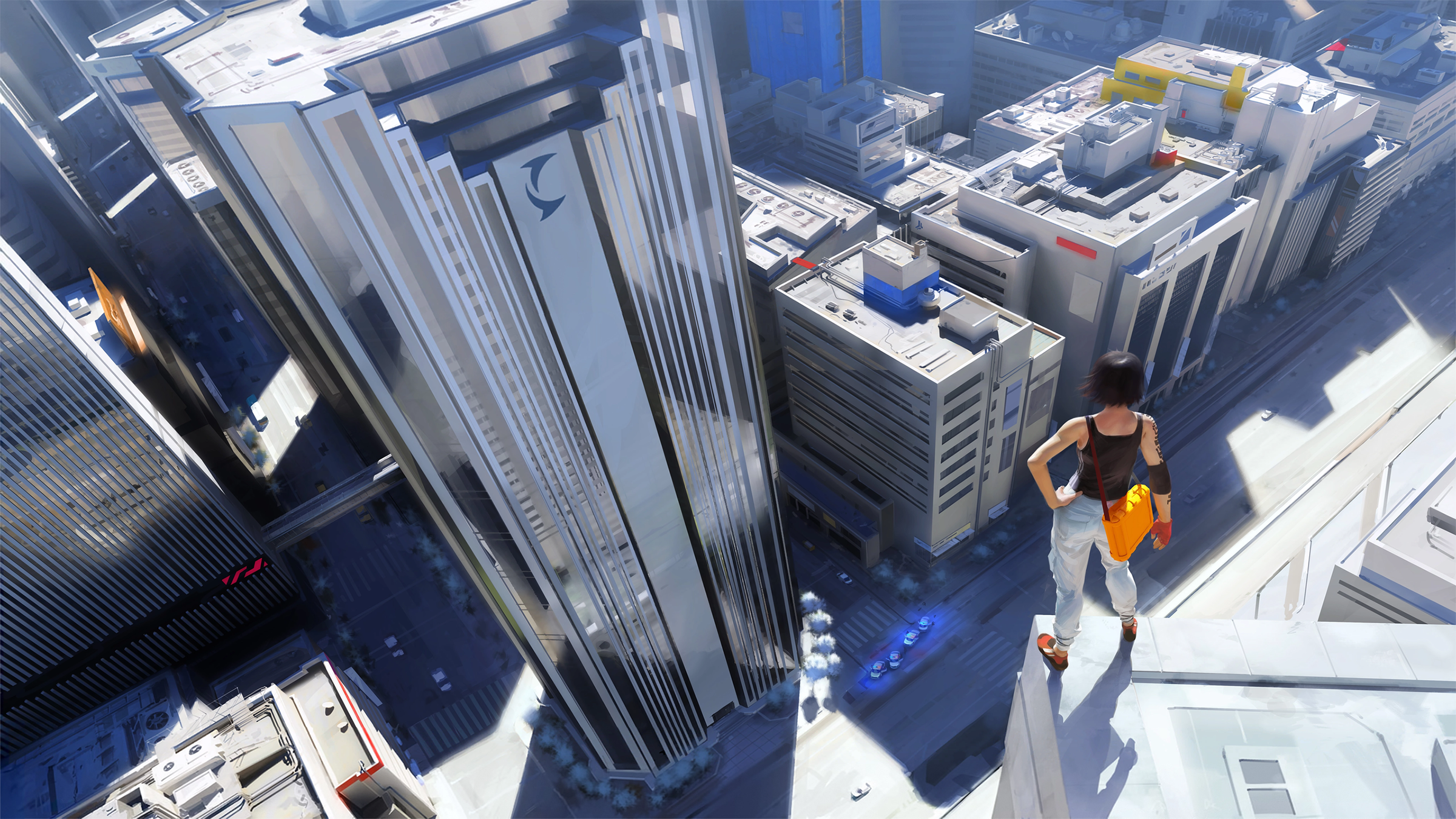
When people think of platformer games, they often imagine classics like Mario. However, the genre is much more diverse than that. Mirror’s Edge, released in 2008, is a great example. It’s an action-adventure game where you navigate a fully 3D world using parkour – running and jumping across rooftops. Although it looks like a first-person shooter, it’s actually a platformer that completely redefined the genre. It proved that platformers had evolved significantly from the 2D games of the 1980s. While some recent platformers have gone back to those 2D roots, many others are experimenting with new ways to play, and Mirror’s Edge is a prime illustration of that innovation.
What platforming game introduced the most groundbreaking new idea? Share your thoughts in the comments and discuss it with other fans in the ComicBook Forum!
https://comicbook.com/gaming/list/every-significant-innovation-in-fps-games/embed/#
Read More
- Gold Rate Forecast
- Dune 3 Gets the Huge Update Fans Have Been Waiting For
- Guardians of the Globe Members We Want to See in Invincible Season 4
- Kelly Osbourne Slams “Disgusting” Comments on Her Appearance
- Eurogamer Gives ARC Raiders 2/5 Over AI Voices, Dropping Metacritic Score from 94 to 84
- Hideo Kojima Says He Was Never Told About The Matrix Creators Wanting Him to Make a Game
- One of Hulu’s Best New Shows Lands on Disney+ Ahead of Season 2
- ’90s Cartoon Reboot & TMNT Connection!
- What Song Is In The New Supergirl Trailer (& What It Means For The DC Movie)
- Disney Has Only Launched 10 New Franchises in the 21st Century
2026-01-30 17:16