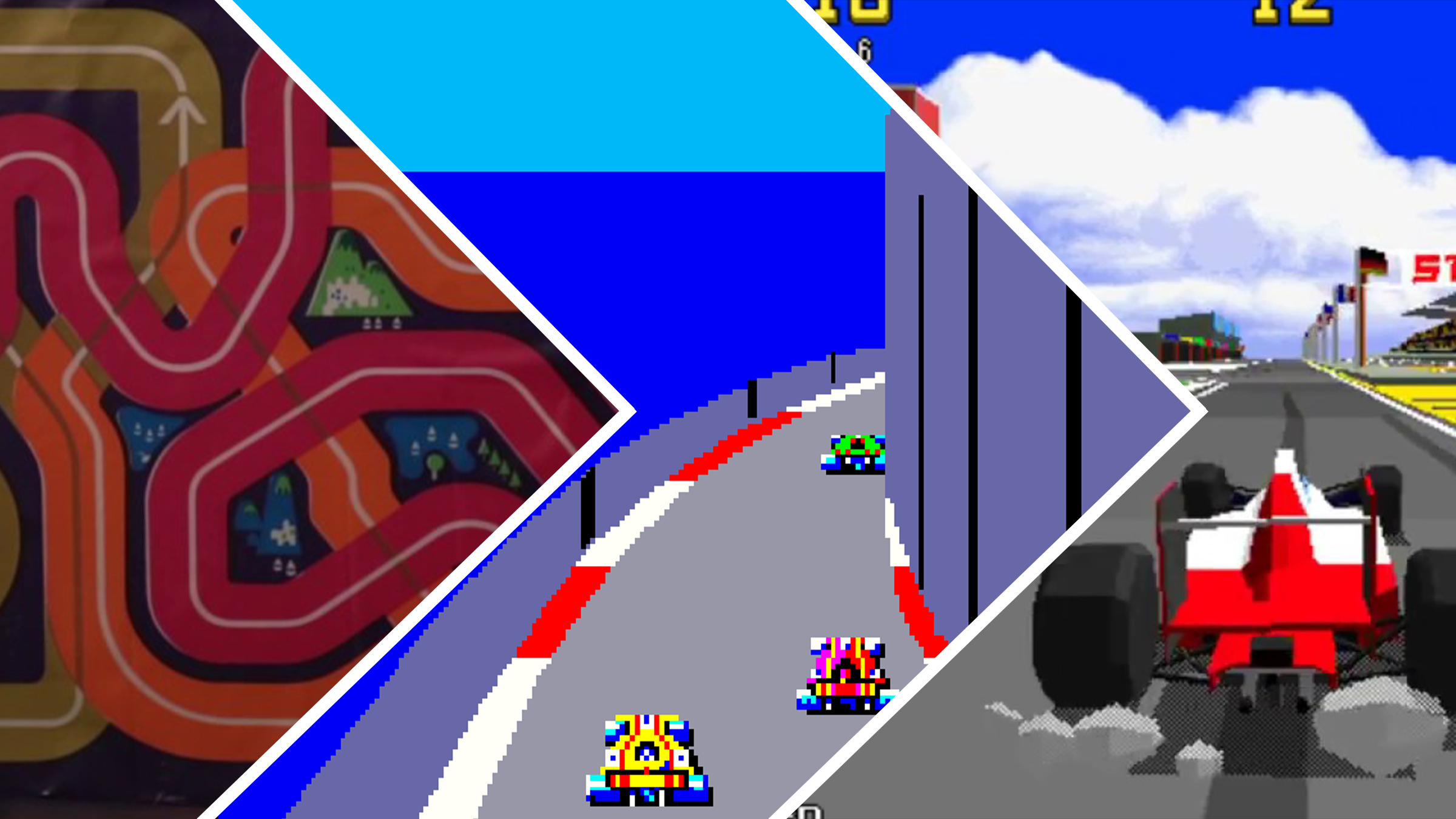
Racing games have a long history, starting in the early 1970s and continuing to be popular on both arcade machines and home consoles. Over time, they’ve changed dramatically – today’s racing games are very different from the originals. We decided to highlight ten games that were particularly innovative, pushing the genre forward with new features, improved graphics, and exciting gameplay. We specifically focused on games that really changed things, and we’ve left out kart racers, as they deserve their own separate look.
1) Wipeout (1972)
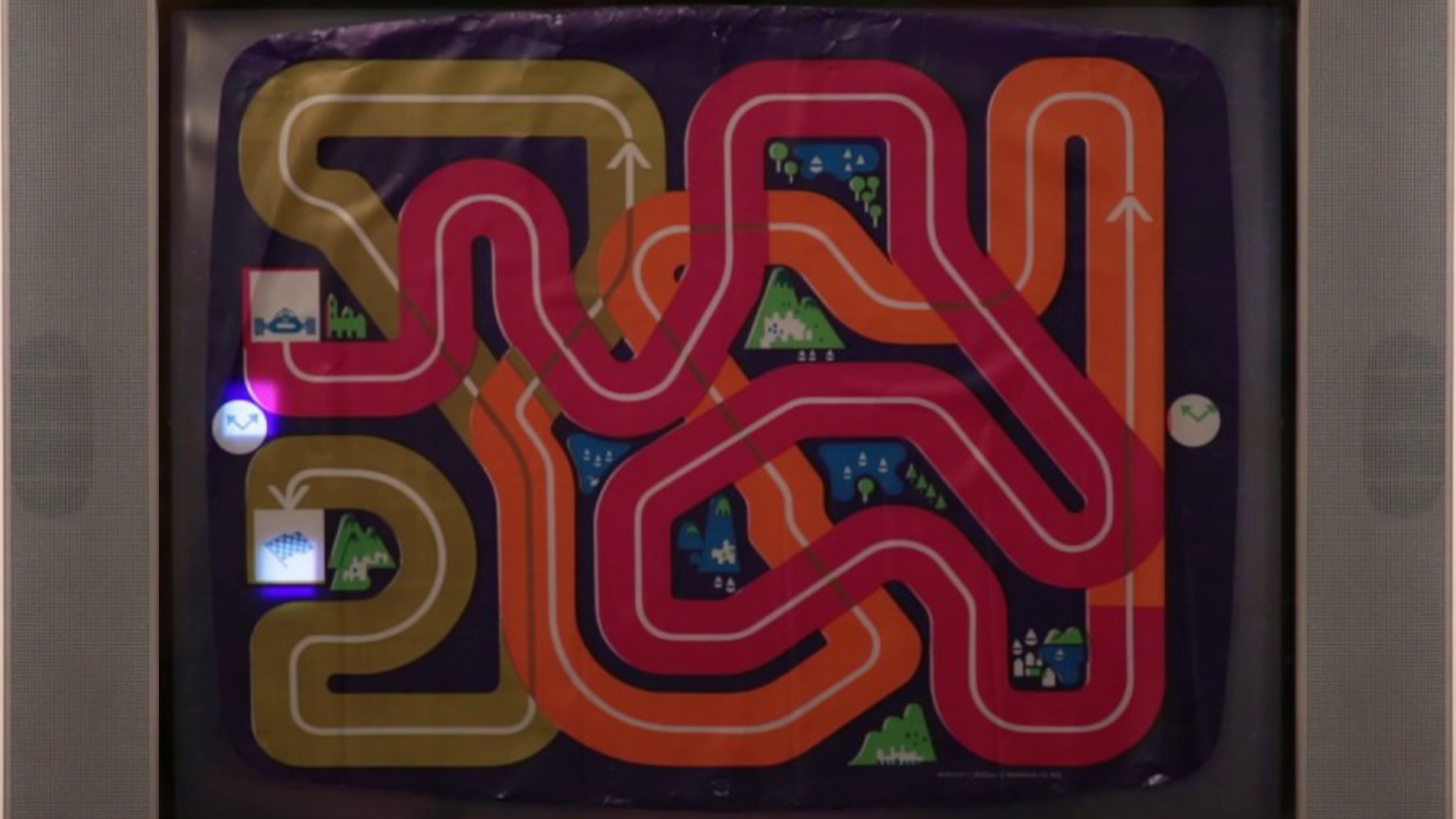
Surprisingly, the earliest example of a racing game wasn’t found in arcades. It actually appeared on the Magnavox Odyssey, the very first home video game console. This system was quite simple, showing basic images in black and white on a TV screen – just three squares and a line. To add detail, players needed to attach plastic sheets to the screen, and some games even used a separate game board. One game, called Wipeout, used a colorful overlay and a board to track laps, with one player’s dot acting as a timer. While incredibly basic, it was, in essence, a racing game.
2) Gran Trak 10 (1974)
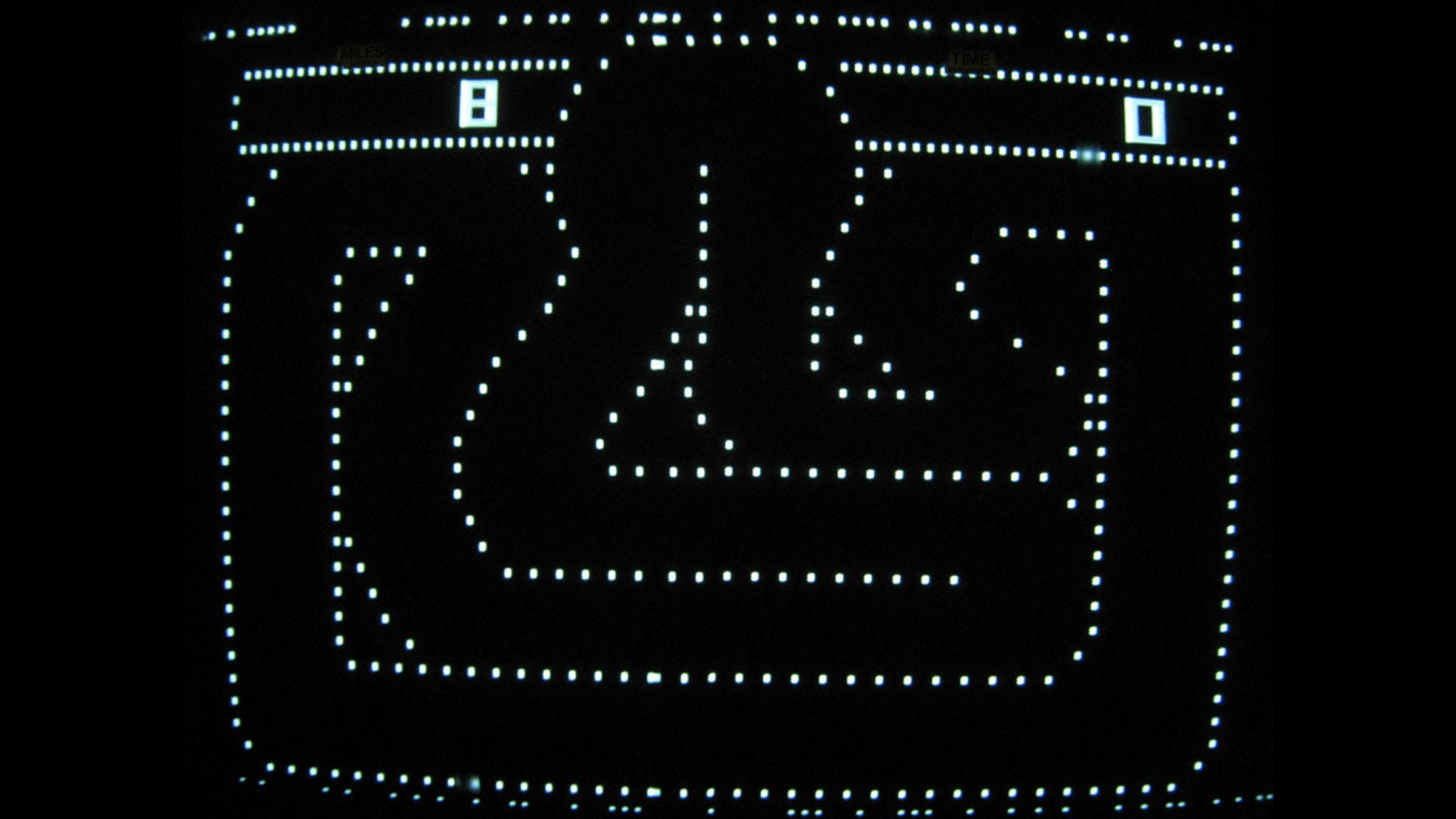
Atari’s Gran Trak 10 is widely considered the first driving game for arcades. Its cabinet included a steering wheel, gas and brake pedals, and a gear shift – features that greatly improved the gaming experience and became standard in racing games. Players saw the track from above and raced to pass checkpoints before time ran out. Gran Trak 10 was popular and led to sequels, including a two-player version called Gran Trak 20. While the 1973 game Space Race is sometimes mentioned as an early competitor, it didn’t have the same interactive controls and hardware that made Gran Trak 10 so innovative.
3) Speed Race (1974)
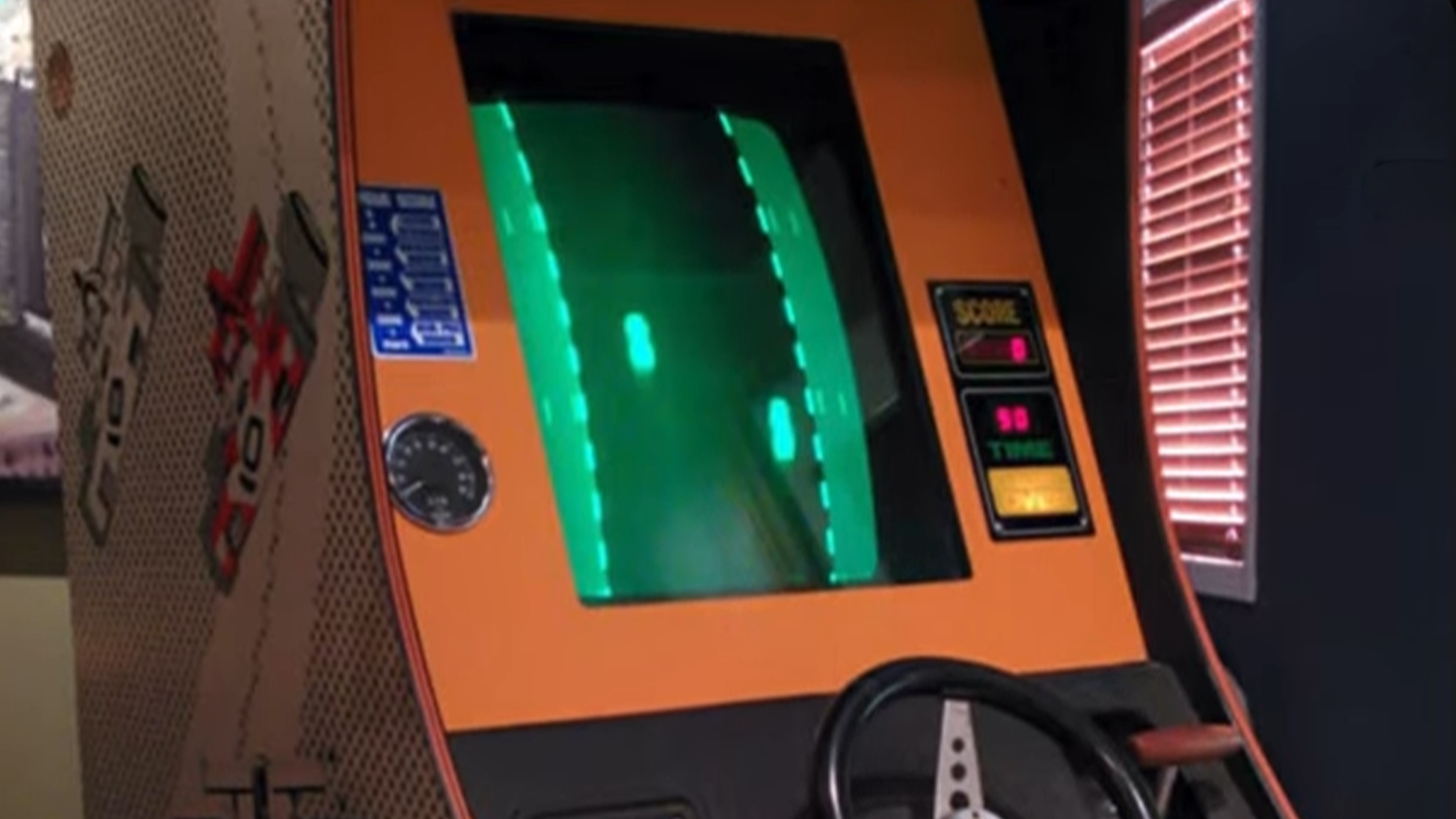
In 1974, the racing game Speed Race introduced a new approach to the genre by switching from top-down tracks to a vertical scrolling perspective. The original arcade machine was a traditional upright cabinet, but it was quickly updated to a more comfortable sit-down model—a design that became standard for most racing games. Players steered their car along a rapidly moving road, dodging obstacles while trying to finish the race within 90 seconds. Inspired by older electromechanical games, Speed Race popularized vertical scrolling, and it soon became a common feature in both racing and shooting games after its release.
4) F-1 (1976)
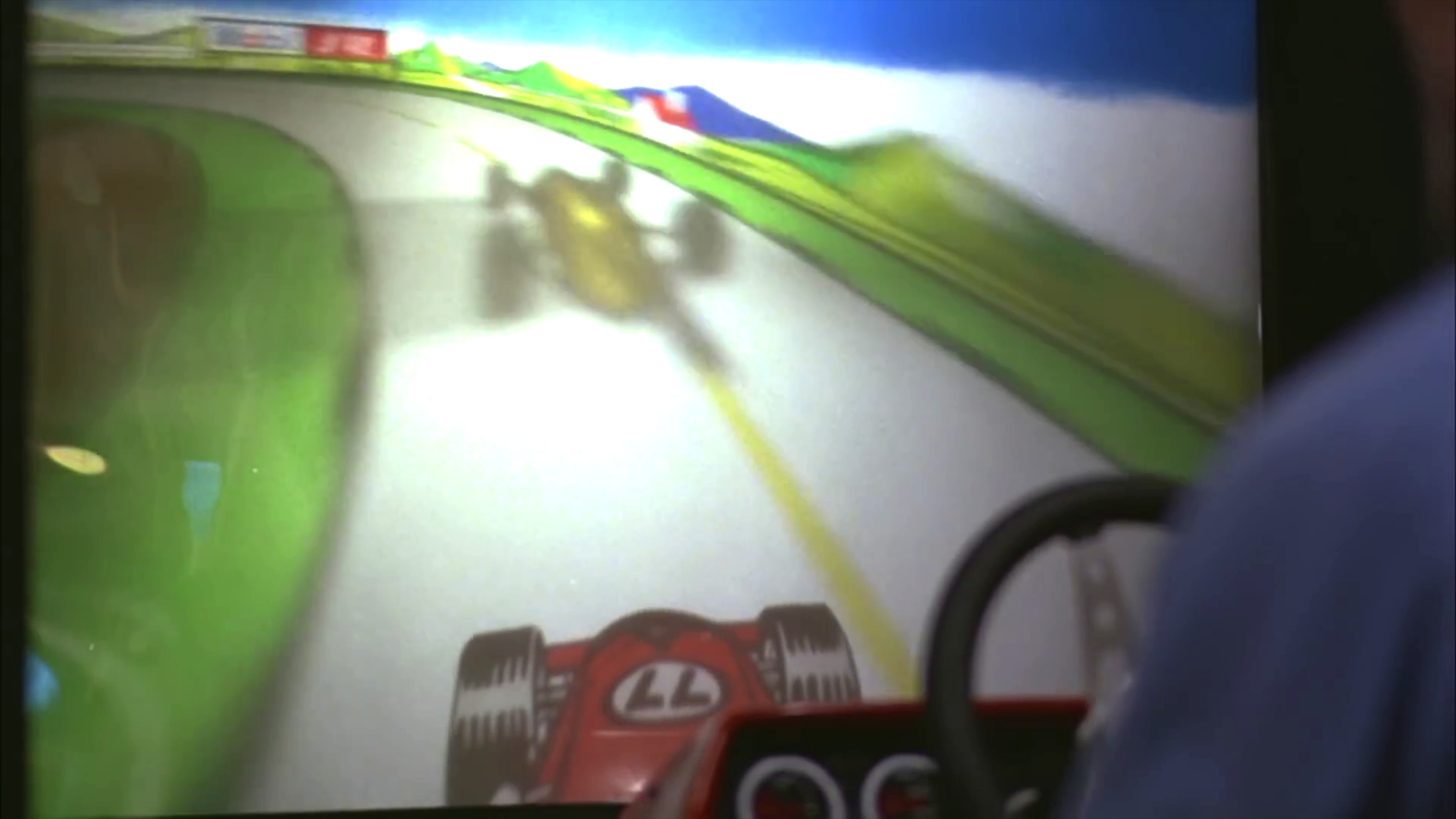
Released in 1976, F-1 was a unique arcade game that simulated Formula One racing. Though technically electromechanical—using physical parts instead of computer code—it played much like an early video game. Players steered a small, plastic F-1 car around a track, avoiding other racers, and experienced the race from the driver’s seat. The game was housed in a cabinet designed like a cockpit, with the action projected onto a large screen. F-1’s popularity and innovative design, offering a video game feel through mechanical means, made it influential and inspired later racing games.
5) Super Bug (1977)
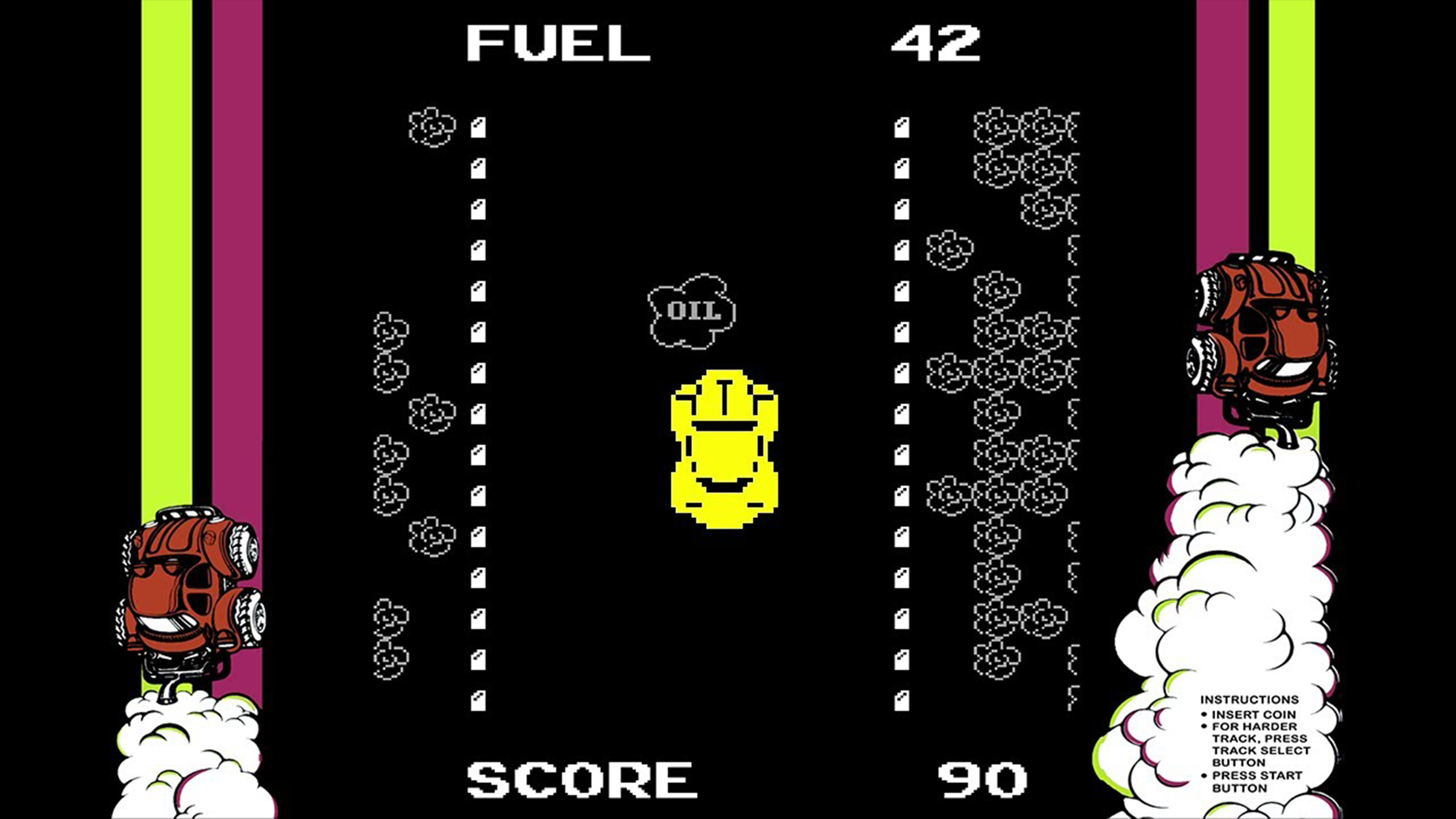
Released in 1977, Atari’s Super Bug revolutionized racing games. Unlike previous titles, it featured a screen that smoothly scrolled in all directions, creating a more dynamic experience. Players controlled a Volkswagen Beetle, navigating a scrolling track while dodging obstacles, using a steering wheel and single pedal setup. While Super Bug was a commercial hit, its real impact came from its innovative design, which heavily influenced future racing games and cemented its place in gaming history. The following year, Atari built on this success with Fire Truck, a similar game that used the same technology but with enhanced features.
6) Rally-X (1980)
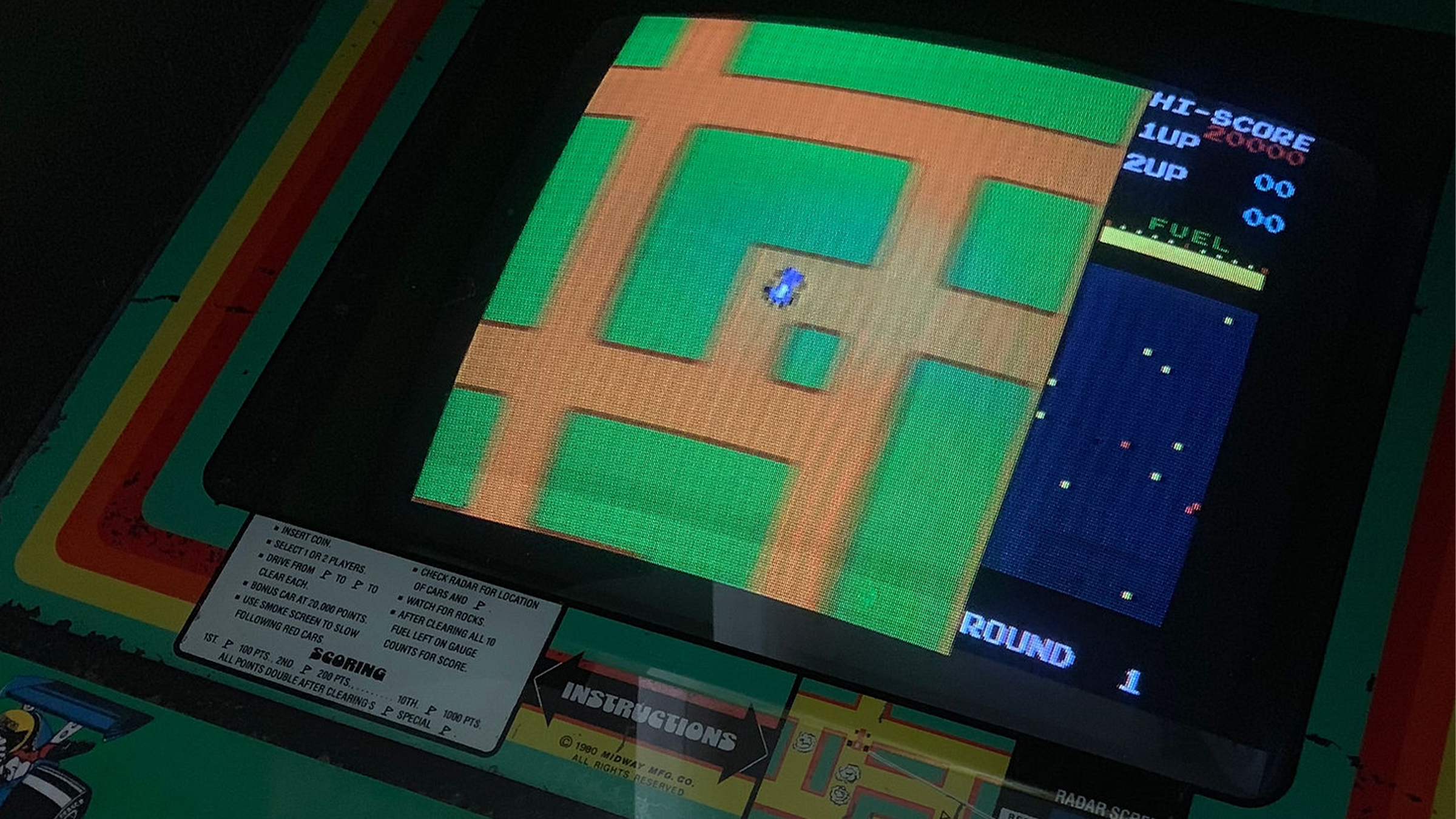
As a racing game fan, Rally-X is a bit different – it’s not a traditional racer at all! It’s more like a chase game set in a maze. Instead of racing against the clock on a track, you drive a Formula One car through a scrolling maze, grabbing yellow flags and dodging obstacles. And to make things even more exciting, other cars are chasing you, trying to ram you off the road! What I really love about Rally-X is how innovative it was. It was one of the first arcade games to have bonus stages and background music! It sounds crazy now, but back then, music wasn’t standard in games. Rally-X really helped set the standard for racing games – and a lot of other genres – by proving how much music could add to the experience.
7) Pole Position (1982)
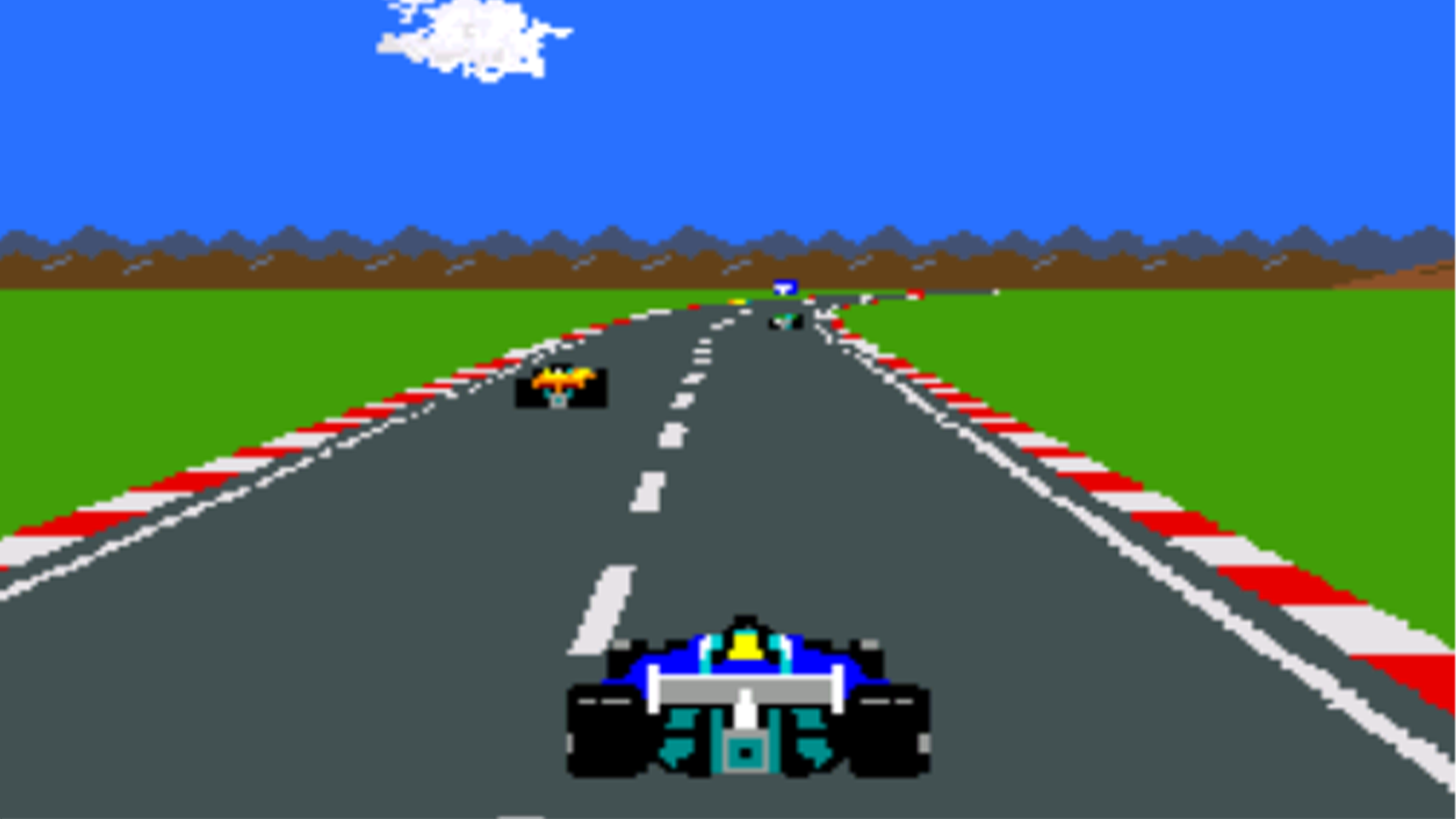
When it comes to racing games that shaped the genre, Pole Position stands out as the most important and groundbreaking. Released in arcades by Namco in 1982, it built upon their earlier F-1 game, created by a key developer who also worked on Pole Position. It was the first racing game to feature a real-world race track and introduced the concept of a qualifying lap – players had to complete it before competing in the main race. Even the opening audio prompt, “Prepare to qualify,” was a novel feature for the time. Pole Position‘s massive popularity and success significantly impacted the racing game genre, proving it could be both enjoyable and highly profitable.
8) Hang-On (1985)
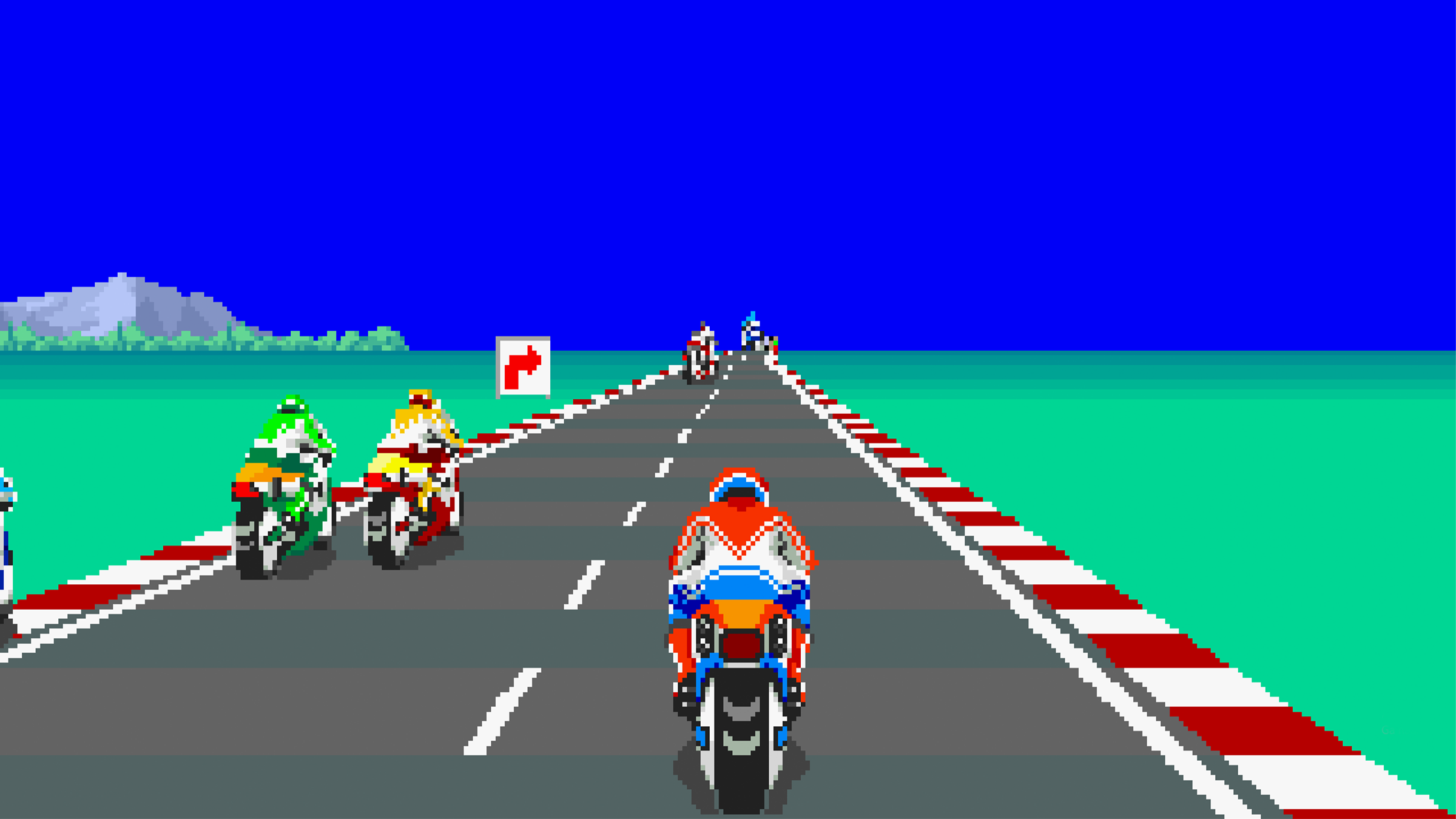
Hang-On is a classic motorcycle racing arcade game by Sega that was a real game-changer. It was among the first arcade games to use 16-bit graphics, but it’s best known for its deluxe cabinet – a full-sized motorcycle you actually sat on to play! Instead of a joystick or buttons, you steered by leaning the bike, making it one of the earliest motion-controlled games. The game also featured realistic force feedback and used Sega’s advanced Super Scaler technology to create a fast-paced, near-3D experience without any slowdown. Because of its innovations, Hang-On had a big impact on racing games that came after it.
9) Out Run (1986)
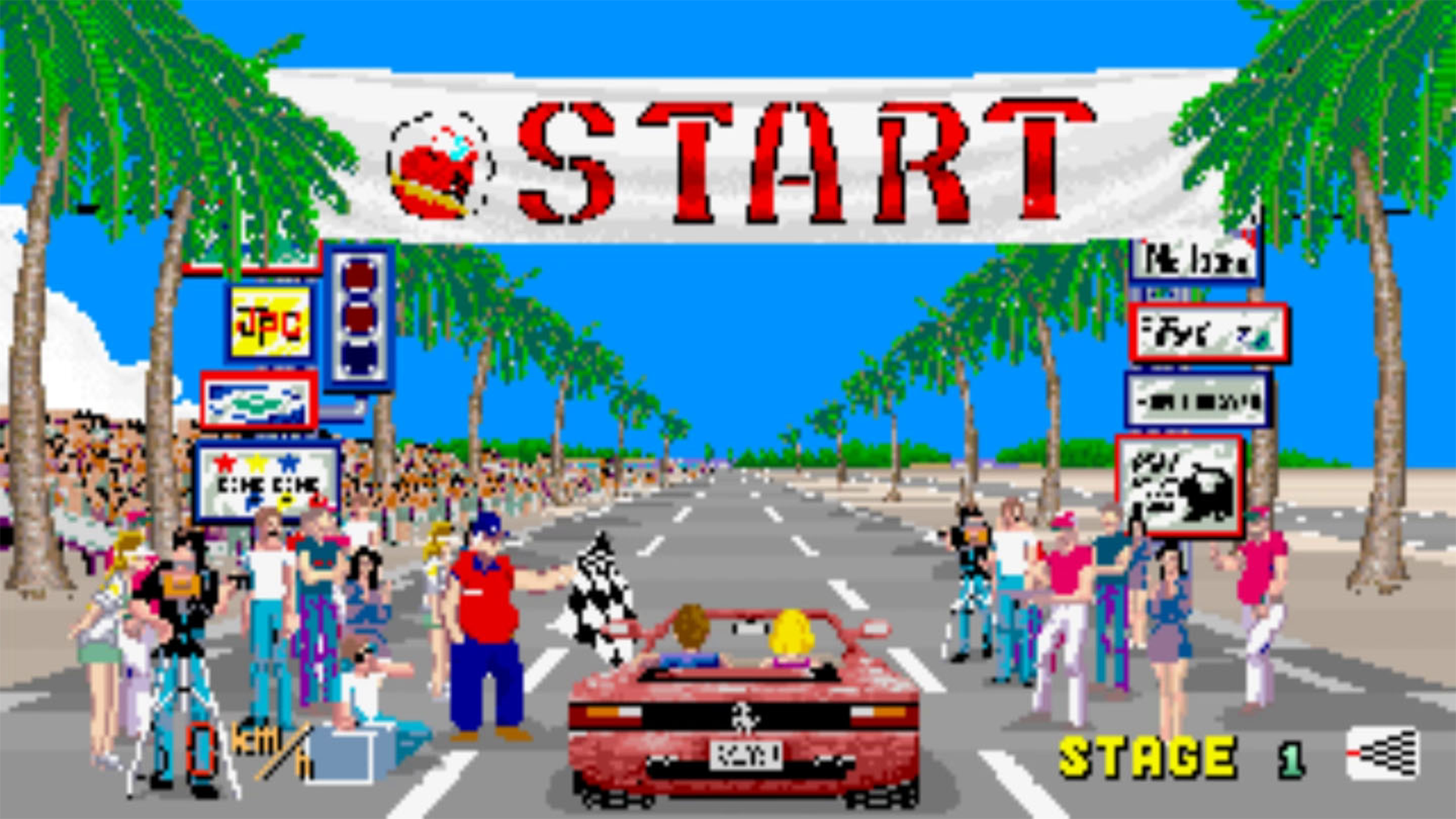
Sega consistently innovated its racing games, using new technology to achieve more. Out Run, a hugely popular title from the 1980s, became a long-running series. It introduced features like the ability to directly select a track, rather than unlocking it by completing others. Players could also customize their driving experience by choosing from different songs presented as radio stations. Out Run was also notable for having multiple endings based on the player’s route choices.
10) Virtua Racing (1992)
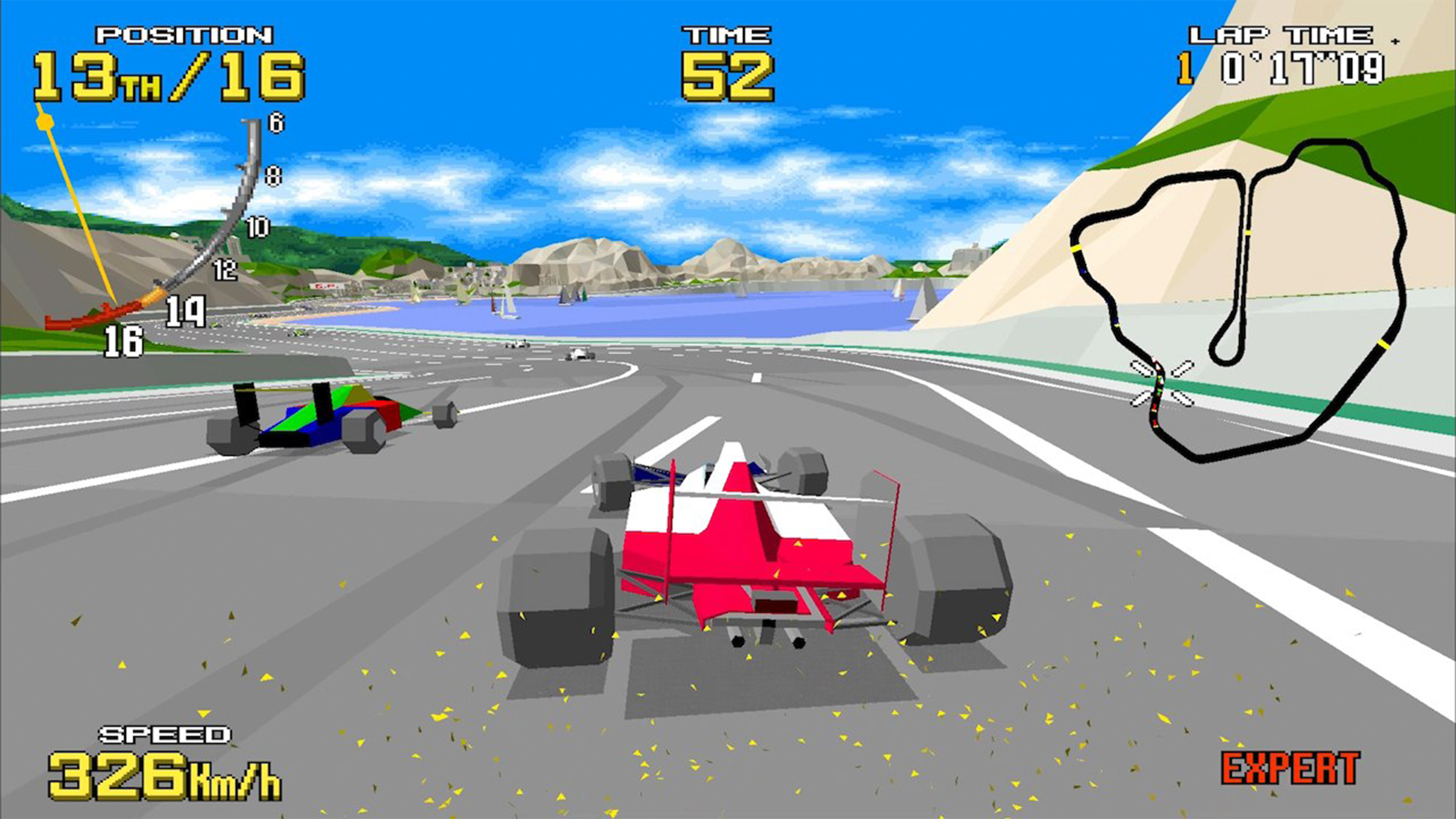
By 1992, arcades were full of great racing games. While Virtua Racing didn’t introduce anything completely new in terms of 3D graphics or how the games played, it was special because it brought all the best features from previous games together into one standout racing experience. It offered linked multiplayer, 3D visuals, and a smooth framerate. Virtua Racing became a hugely influential game of the decade, paving the way for popular series like Ridge Racer, Cruis’n USA, and Gran Turismo, among others. The nineties also saw the rise of kart racing, and racing games continue to be a popular arcade attraction around the world.
What racing game advancement do you think had the biggest impact? Share your thoughts in the comments and join the discussion on the ComicBook Forum!
Read More
- What Song Is In The New Supergirl Trailer (& What It Means For The DC Movie)
- Gold Rate Forecast
- Eurogamer Gives ARC Raiders 2/5 Over AI Voices, Dropping Metacritic Score from 94 to 84
- 10 Best Connie Episodes of King of the Hill
- Netflix’s Run Away is the latest show to fail the Gen Z social media test
- The Simpsons Makes Major Change to Patty and Selma After 36 Years (And Includes a Big Makeover)
- Jujutsu Kaisen Is Returning With a Special Release After Sequel’s Finale
- How to Get the Bloodfeather Set in Enshrouded
- Why High on Life 2 added skateboarding, explained by the developer
- Robinhood’s Tokenized Stock Fiasco: A Tale of Tokens and Tussles
2026-02-01 18:13