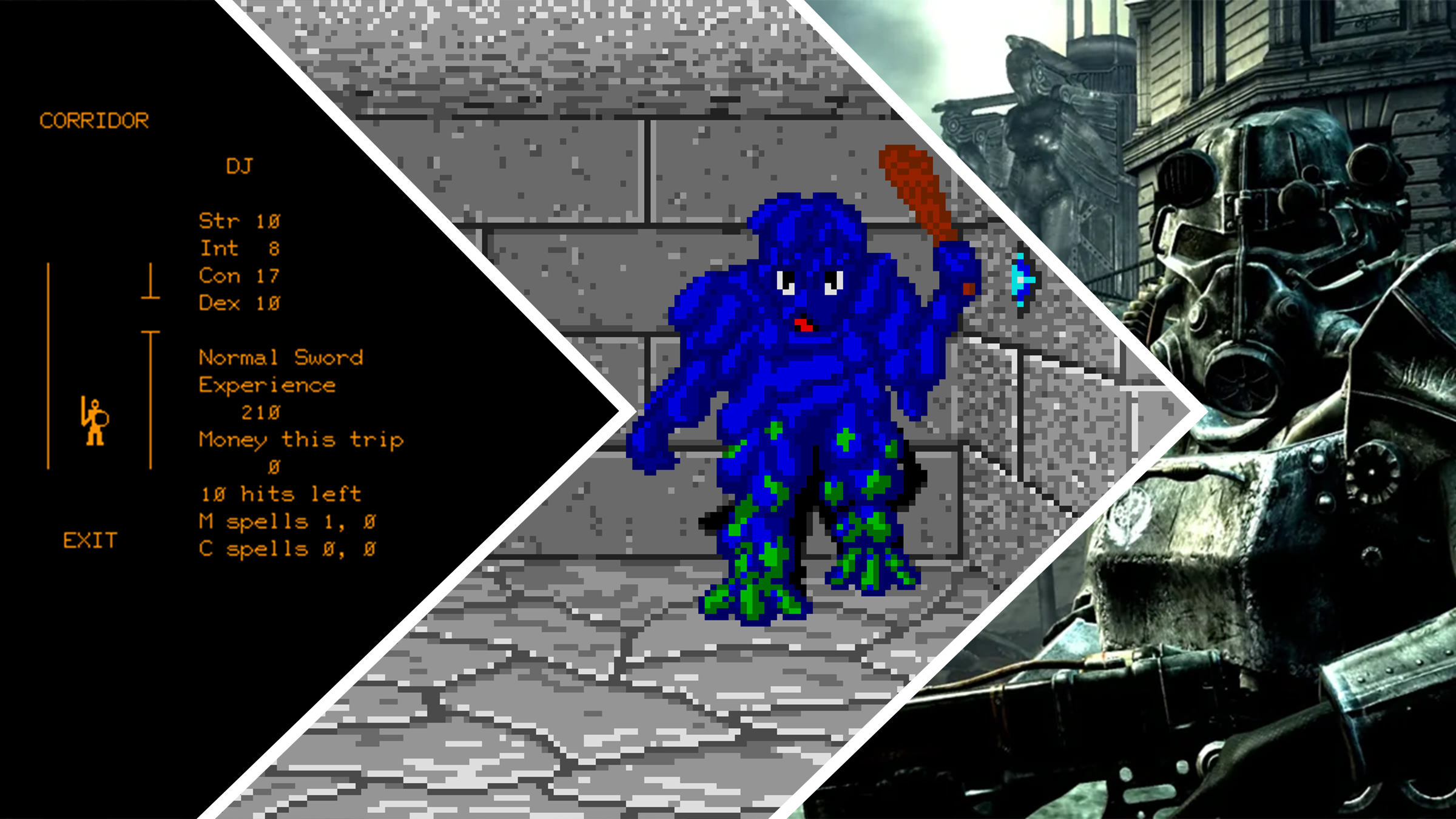
Role-playing games, or RPGs, have a long and rich history, dating back to the early 1970s – even before home computers were common. They grew naturally out of tabletop games, keeping the best parts like character development, detailed stories, exploration, quests, collecting items, and battles. Since those early days, the RPG genre has exploded in popularity and continues to evolve thanks to creative game designers. In this article, we’ll explore some of the most groundbreaking RPGs that helped shape the genre. While we couldn’t cover every game – that would be far too extensive – we’ve highlighted the most important ones, and focused on single-player RPGs, leaving massively multiplayer online RPGs (MMORPGs) for another discussion.
1) pedit5 & dnd (1975)
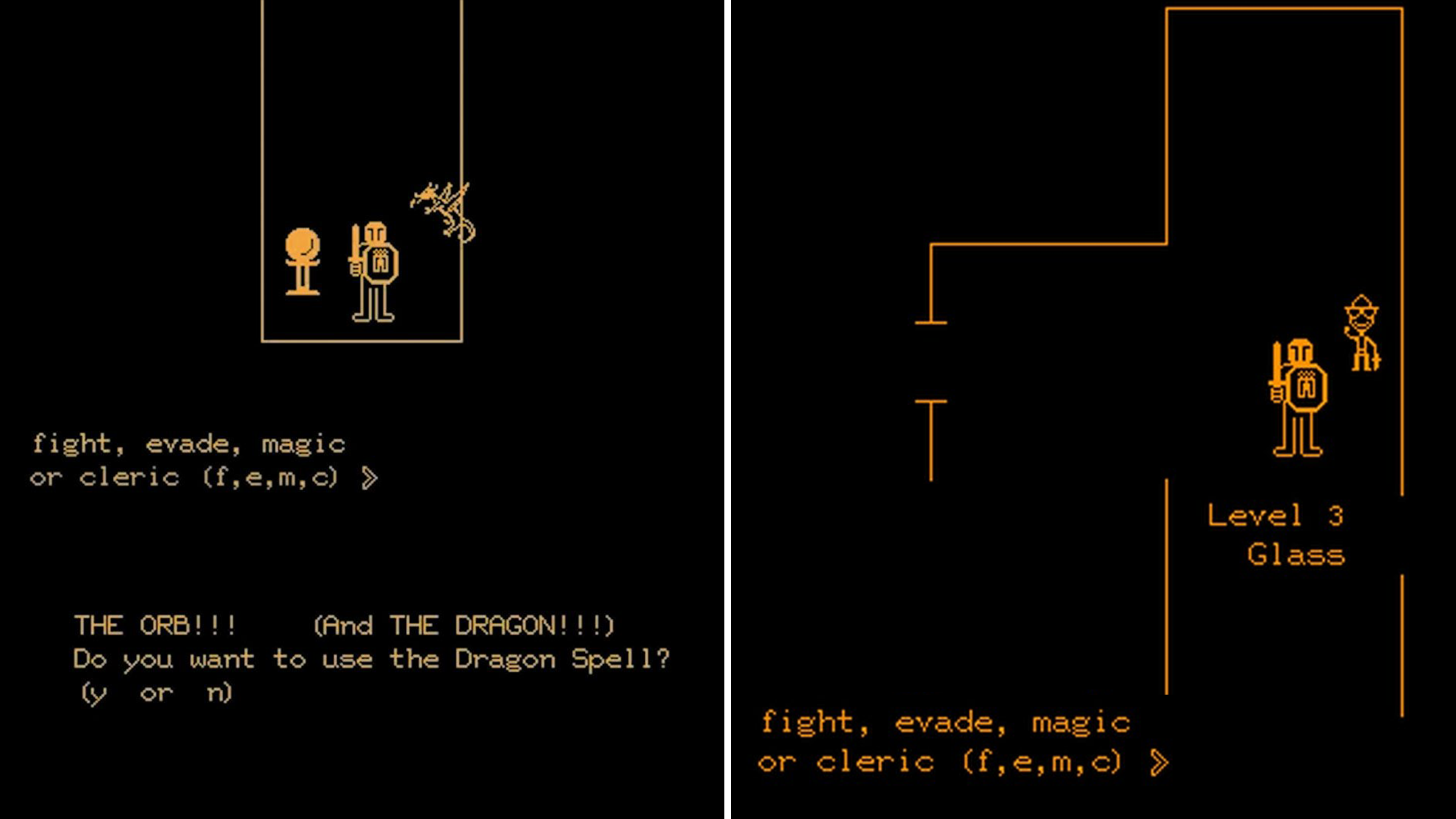
Early role-playing games (RPGs) drew heavy inspiration from the popular tabletop game Dungeons & Dragons. In 1975, Rusty Rutherford created one of the first RPGs, pedit5 (also known as The Dungeon), on his school computer – the name came from the game’s filename. Though it only featured a single level, pedit5 is considered the first “dungeon crawler” and included randomly generated monsters and treasure. Players could use spells or weapons and save their progress. Another early game, dnd, was similar, but it’s notable for featuring the first boss character in an RPG and a simple quest. These games, with their limited graphics, laid the groundwork for the RPG genre.
2) Colossal Cave Adventure (1976)

A major step forward for role-playing games came in 1976 with the release of Colossal Cave Adventure. Unlike many games today, it didn’t use graphics; instead, it was one of the first games where you interacted with the story by typing commands. While not the very first of its kind, Colossal Cave Adventure became the most famous early example of interactive fiction in an adventure game, and helped define the genre. It originally spread through ARPANET, a network that existed before the Internet, so only people with access to that network could play it. The game’s popularity led to the creation of other similar games, such as Zork, Rogue, and Adventure.
3) Aklabeth: World of Doom (1978)

Despite the simple graphics of early video games, Aklabeth: World of Doom was a groundbreaking title. Created by Richard Garriott – who later became famous for the Ultima series – the game was programmed for the Apple II and MS-DOS right after he finished high school. Aklabeth is considered one of the first true role-playing games because it built upon everything that came before it and helped establish the genre. It offered both an overhead view and a first-person perspective when exploring dungeons. The game was also innovative, introducing features like the need to eat to stay alive and the use of keyboard shortcuts.
4) Ultima I (1981)
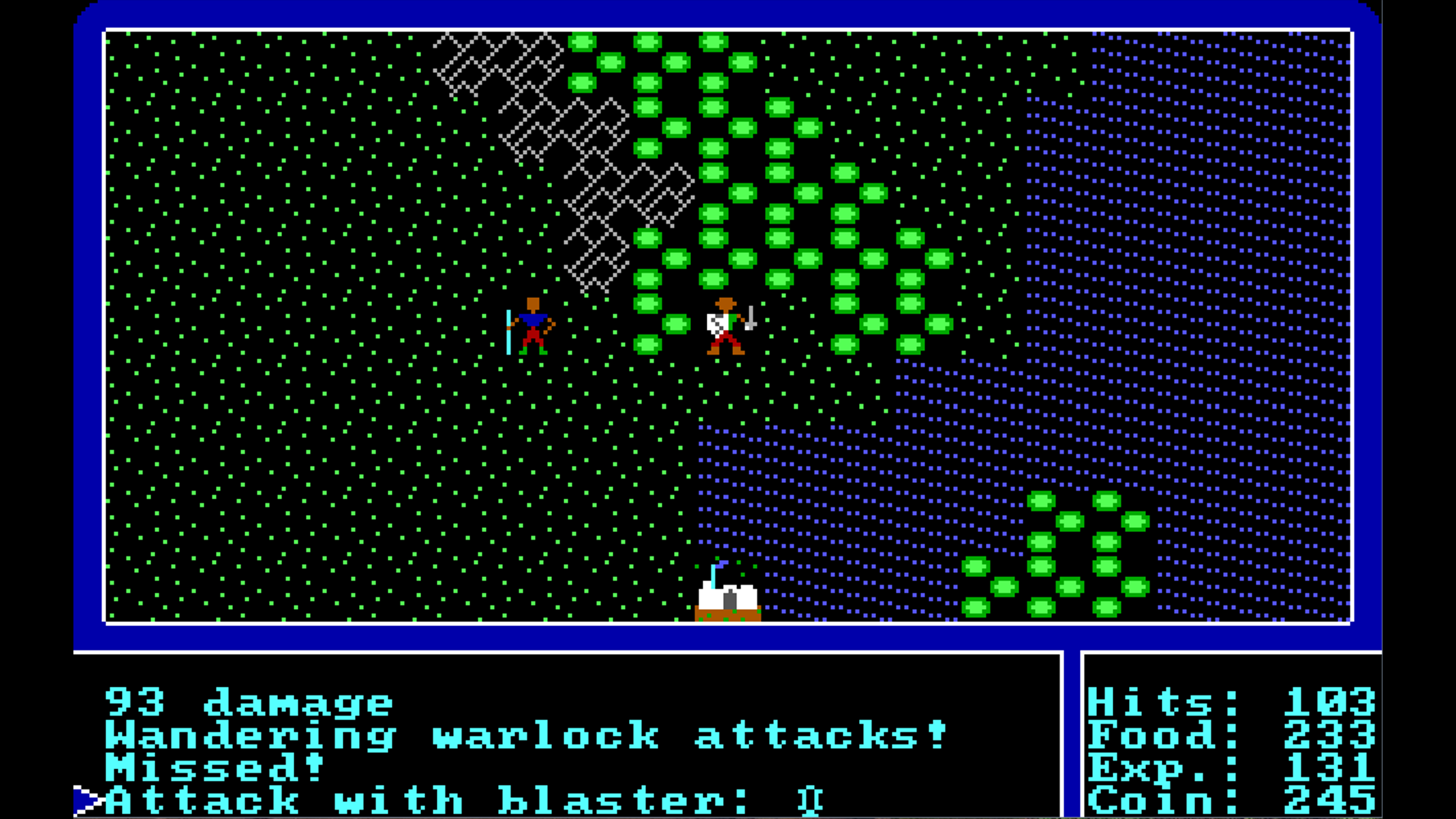
Richard Garriott’s early success with Aklabeth: World of Doom paved the way for more ambitious game development, ultimately resulting in the 1981 release of Ultima I, later retitled Ultima I: The First Age of Darkness. Building on innovations from his previous work, Ultima I is widely considered one of the first commercially successful computer role-playing games (RPGs) and had a profound impact on all subsequent games, including its own sequels. Notably, Ultima I pioneered the open-world concept in computer gaming, a feature that would become hugely popular in the genre. Other influential games from this period included Wizardry, Wizard and the Princess (the first game in the King’s Quest series), and Sword of Fargoal. However, Ultima I truly established the standard for RPGs, solidifying its place as a landmark title in video game history.
5) Dragonstomper (1983)
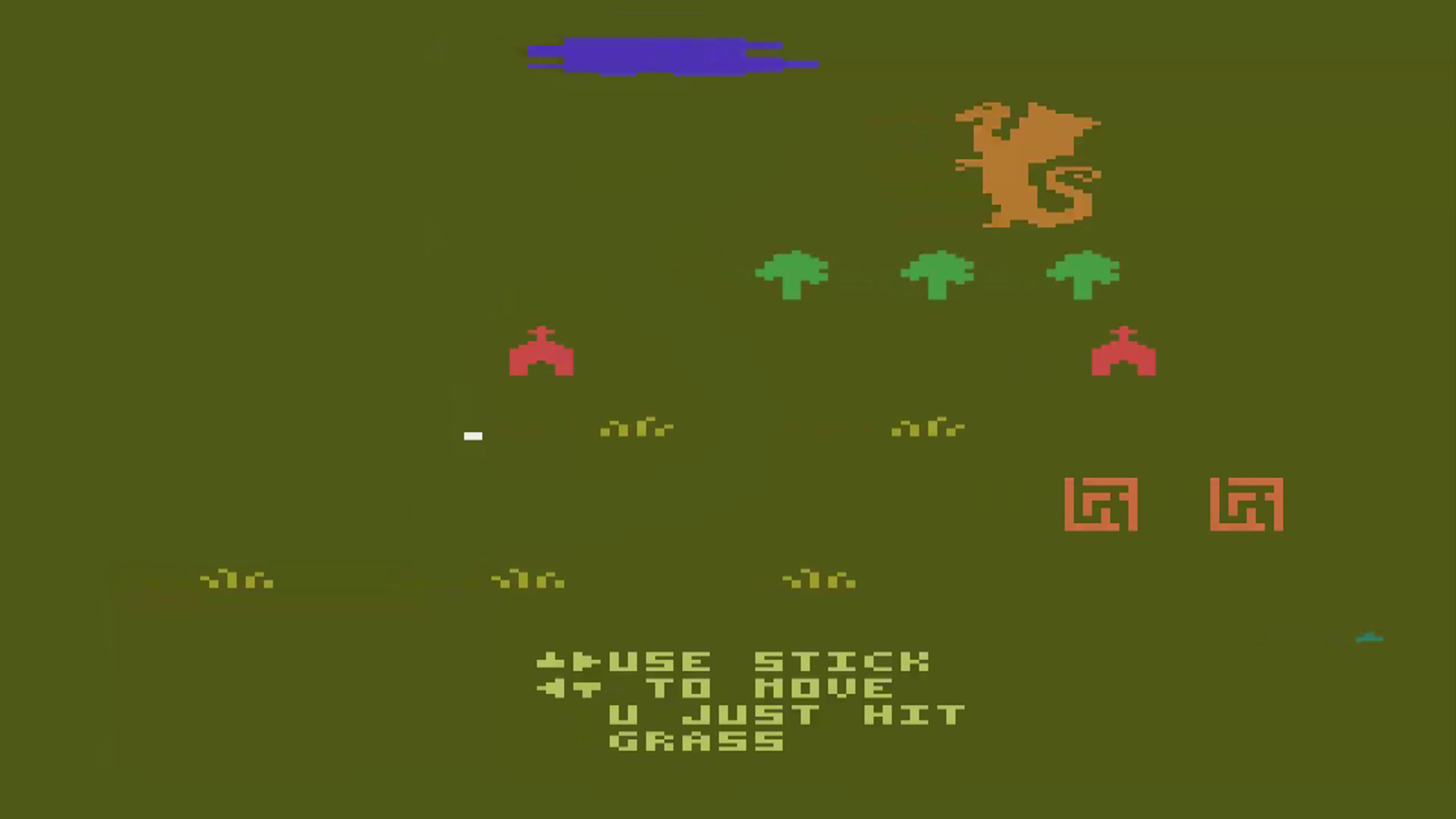
Though role-playing games (RPGs) began on large mainframe computers and personal computers, they quickly made their way to consoles. Many believe the first true RPG on a home console was Dragonstomper, released for the Atari 2600 in 1980. While Adventure is often mentioned, it’s closer to an action game. Dragonstomper puts you in the role of a dragon hunter tasked with saving the kingdom. It featured elements now standard in RPGs, like gaining experience, collecting gold, shopping for items, and hiring helpers. However, playing the game required a special accessory called the Starpath Supercharger, which boosted the Atari 2600’s memory and graphics capabilities.
6) Ultima III: Exodus (1983)
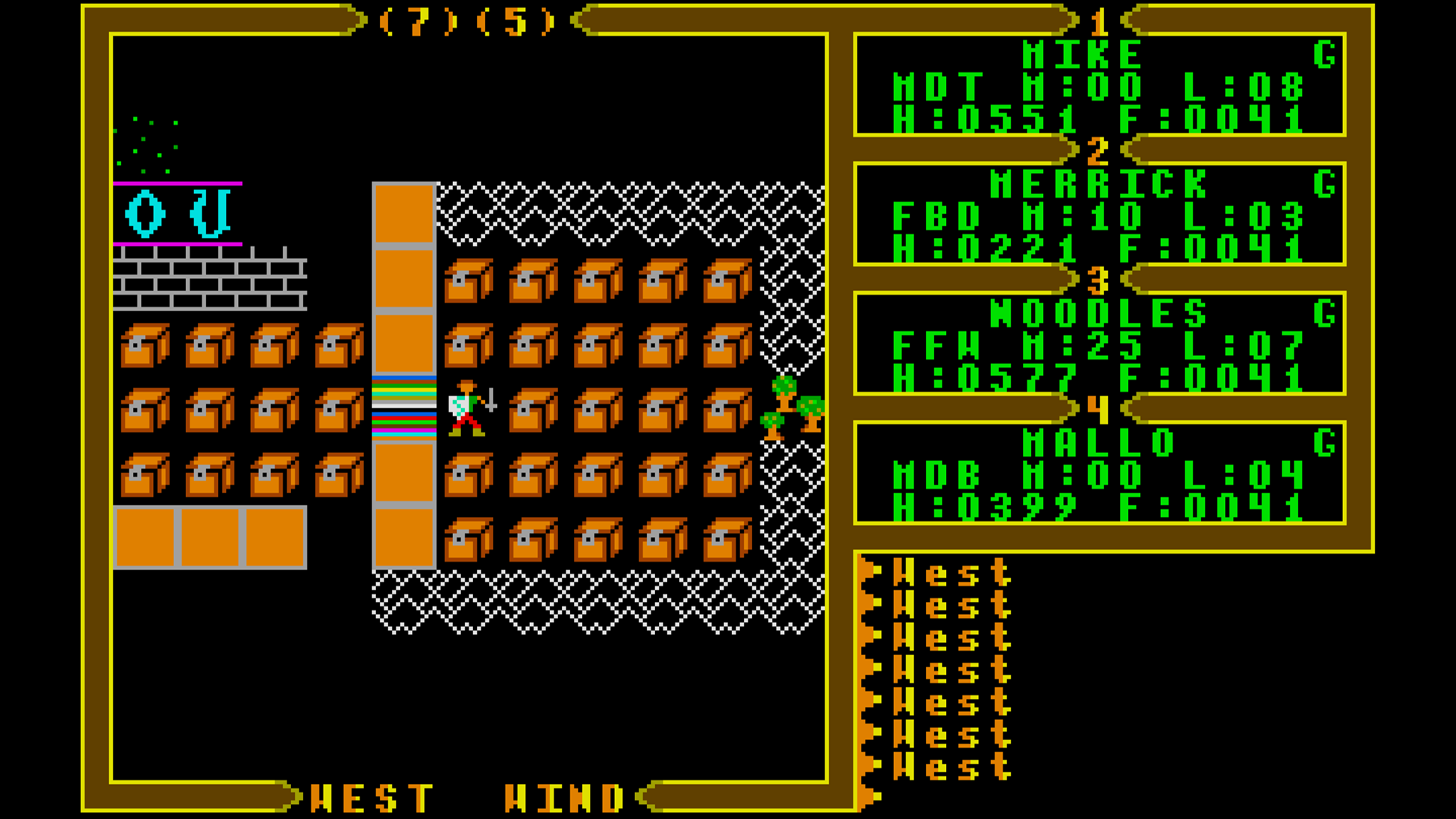
Though Ultima II: The Revenge of the Enchantress helped shape role-playing games, it was Ultima III: Exodus that truly set the standard for future RPGs. Ultima III introduced features now common in the genre, like tiled graphics for creating game worlds and combat with a party of characters. It also boldly combined fantasy with science fiction – a departure from the typically fantasy-focused RPGs of the time – and even incorporated time travel. The game proved that any genre could support a deep, explorable world filled with the elements players expect from an RPG. While Ultima IV: Quest of the Avatar further innovated with its chivalry system, Ultima III is often seen as the first modern computer RPG. Other important games of that era included Dungeons of Daggorath, a fast-paced first-person adventure, and Tunnels of Doom.
7) Phantasie (1985)
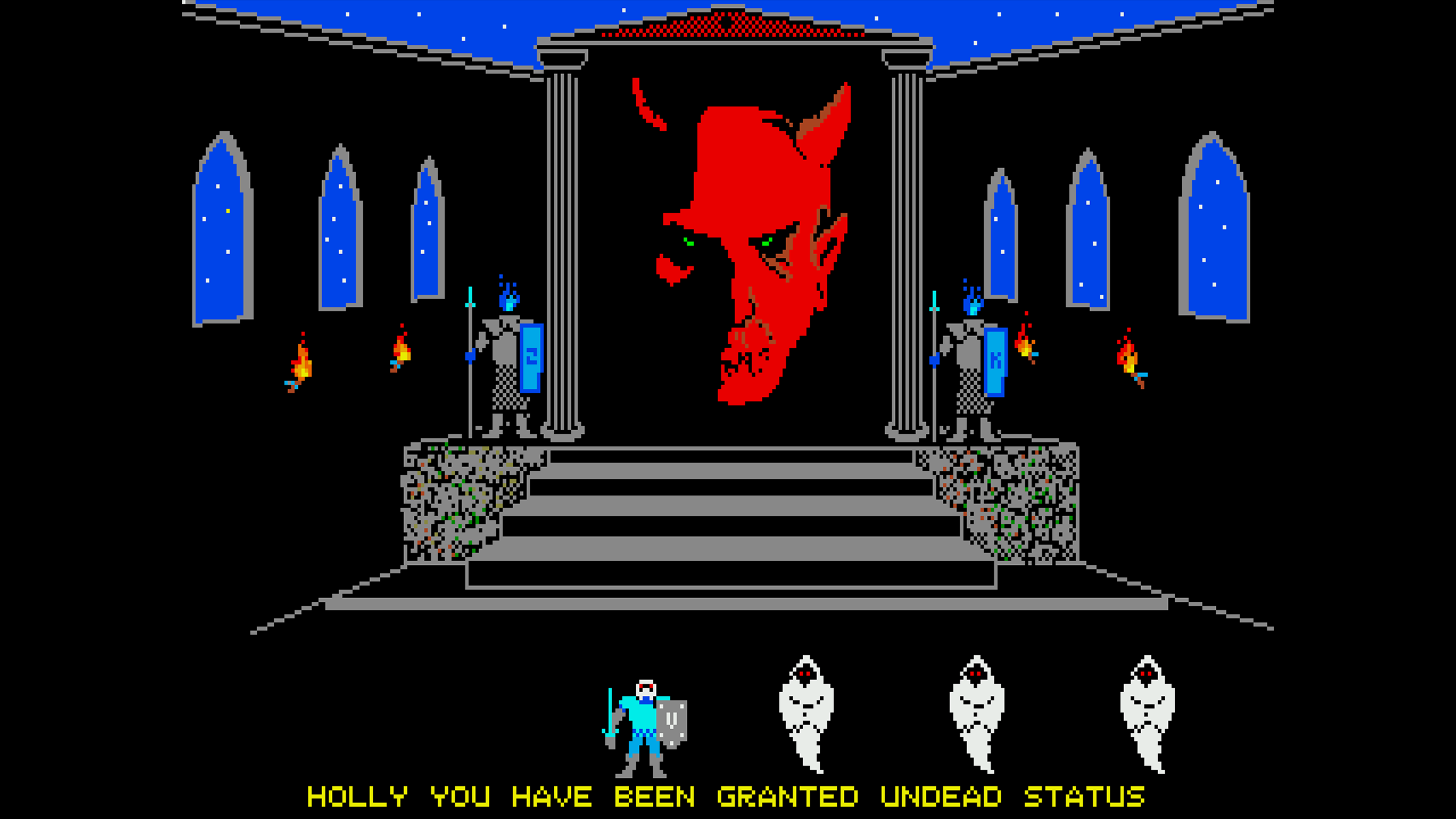
As the Ultima series was defining the early role-playing game (RPG) format, Phantasie arrived and essentially combined all the best elements from Ultima and other games into one package. It offered a variety of ways to play, including exploring dungeons from a top-down perspective, navigating a world map, managing a town, shopping for items, and engaging in turn-based combat that emphasized strategy. The game also included six different character classes, over a dozen races to choose from, and a detailed quest system. Phantasie was a groundbreaking game that significantly influenced the RPG genre, though it’s not as widely remembered today despite its impact.
8) The Legend of Zelda (1986)
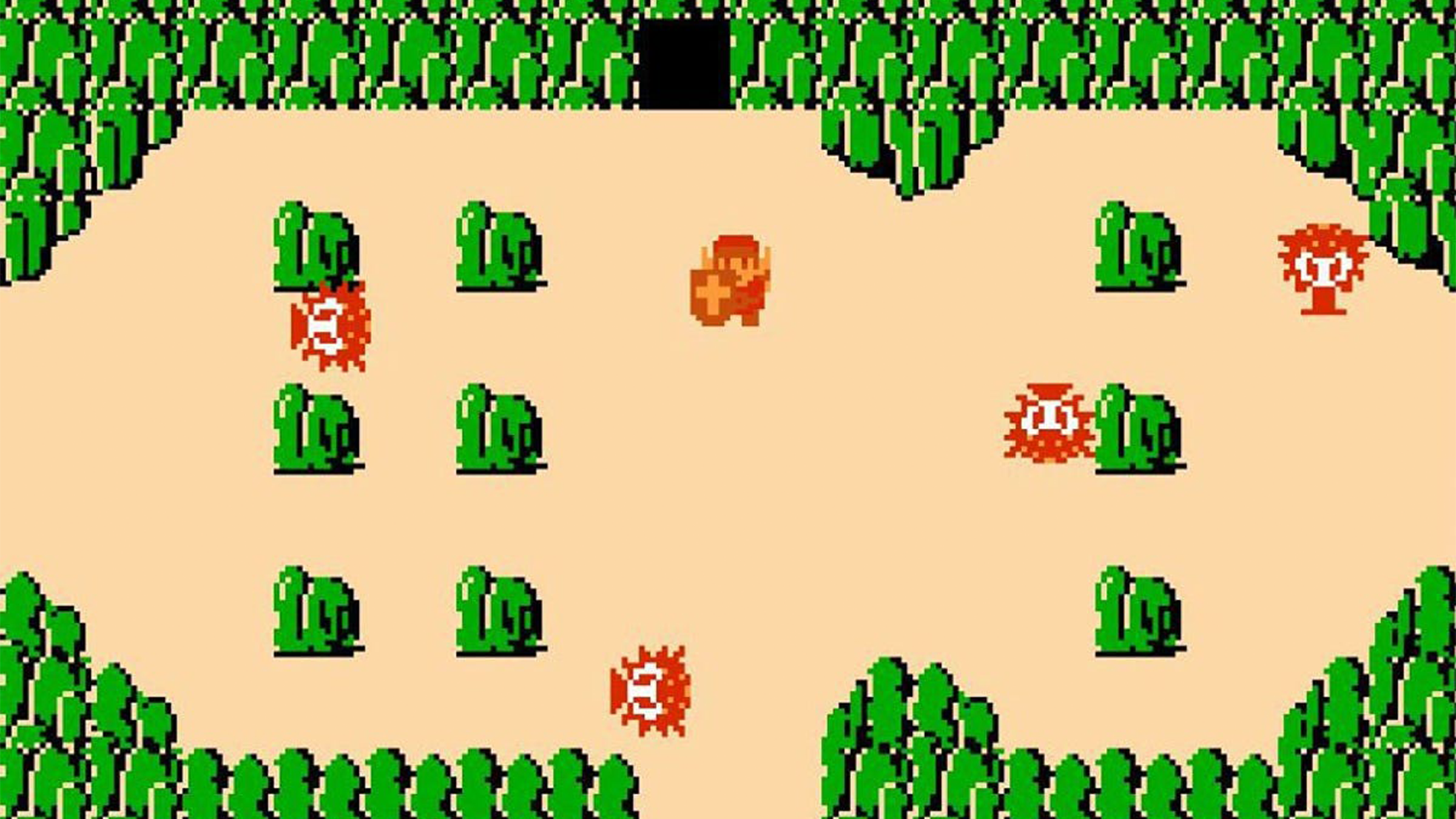
Early console role-playing games (RPGs) were quite simple, although some Ultima games were released on the Nintendo Entertainment System. The Legend of Zelda is a hugely important game in the history of console RPGs, even though it’s often categorized as an action-adventure game with RPG features because it doesn’t use a traditional leveling system. A key innovation of The Legend of Zelda was its internal battery, which allowed players to save their progress, making a large, sprawling world with many dungeons possible. As players progress, Link gains better equipment and becomes more powerful. The Legend of Zelda became a massive and enduring franchise, and its sequel, Zelda II: The Adventure of Link, included even more RPG elements, like experience points.
9) Dungeon Master (1987)
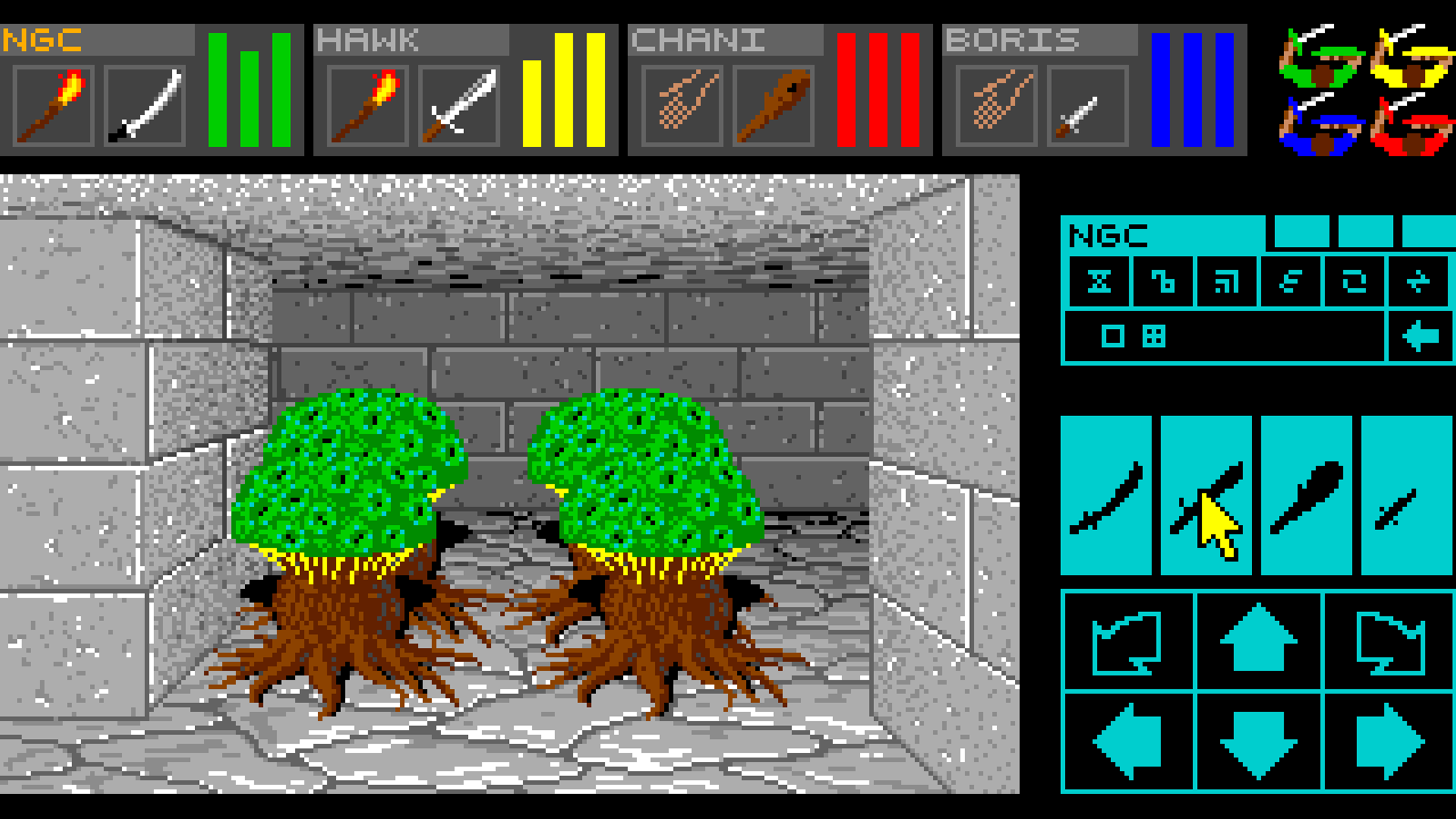
The idea of exploring dangerous dungeons dates back to the mid-1970s and is a core part of many role-playing games (RPGs). While several games updated the visuals, Dungeon Master is widely recognized as one of the first to create a 3D dungeon-crawling experience. It essentially set the standard for the genre, and its impact can be clearly seen in later games like Eye of the Beholder. Unlike many RPGs of the time, it moved away from turn-based battles, opting for a more fluid, real-time combat system. With its immersive sound and dynamic lighting, Dungeon Master created a captivating atmosphere and remains a groundbreaking title that helped shape the RPG genre throughout the 1990s.
10) Fire Emblem: Shadow Dragon and the Blade of Light (1990)

Like many video game genres, role-playing games evolved into different types, and one of the most significant was the tactical RPG. The game that really defined this subgenre was Fire Emblem: Shadow Dragon and the Blade of Light, which started the popular Fire Emblem series. Released in Japan on the Nintendo Famicom in 1990, it wasn’t immediately available to Western audiences. However, it was innovative because it combined the strategy of games like Famicom Wars with classic RPG elements. This combination proved popular and helped create the tactical RPG genre, paving the way for later games like Final Fantasy Tactics, Tactics Ogre: Let Us Cling Together, and Disgaea 5: Alliance of Vengeance.
11) Diablo (1997)
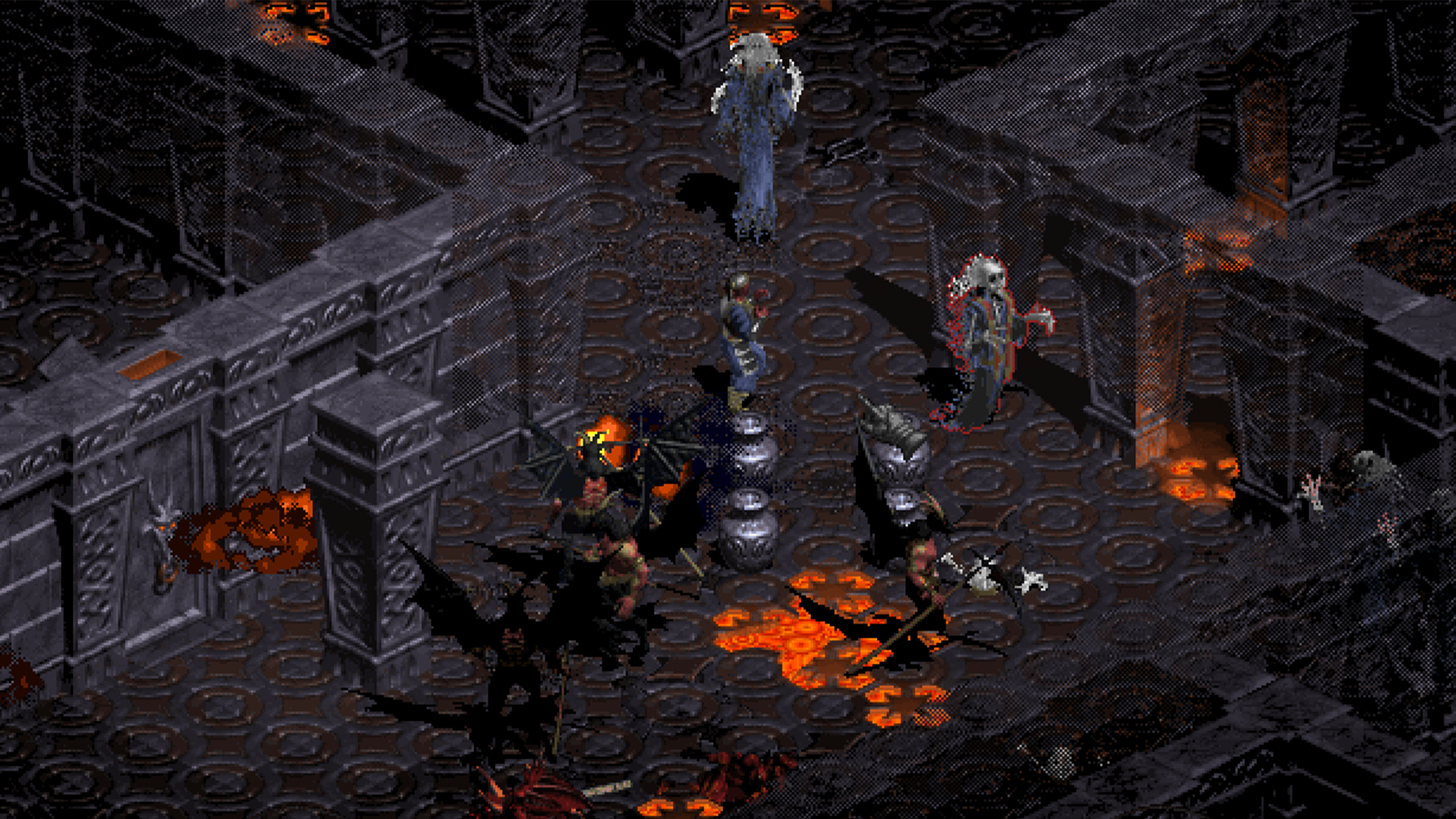
The original Diablo came out in 1997, starting on Windows computers and later expanding to other systems. It set the stage for the entire series with a captivating story told through sprawling dungeons. While innovative in many ways, Diablo is best remembered for its use of randomly generated levels – each dungeon felt unique, yet followed a familiar structure. The game also offered a variable number of optional quests with increasing difficulty, giving players freedom to customize their experience and character progression. This approach to creating ever-changing content has become a common feature in many action role-playing games since Diablo’s release.
12) Baldur’s Gate (1998)
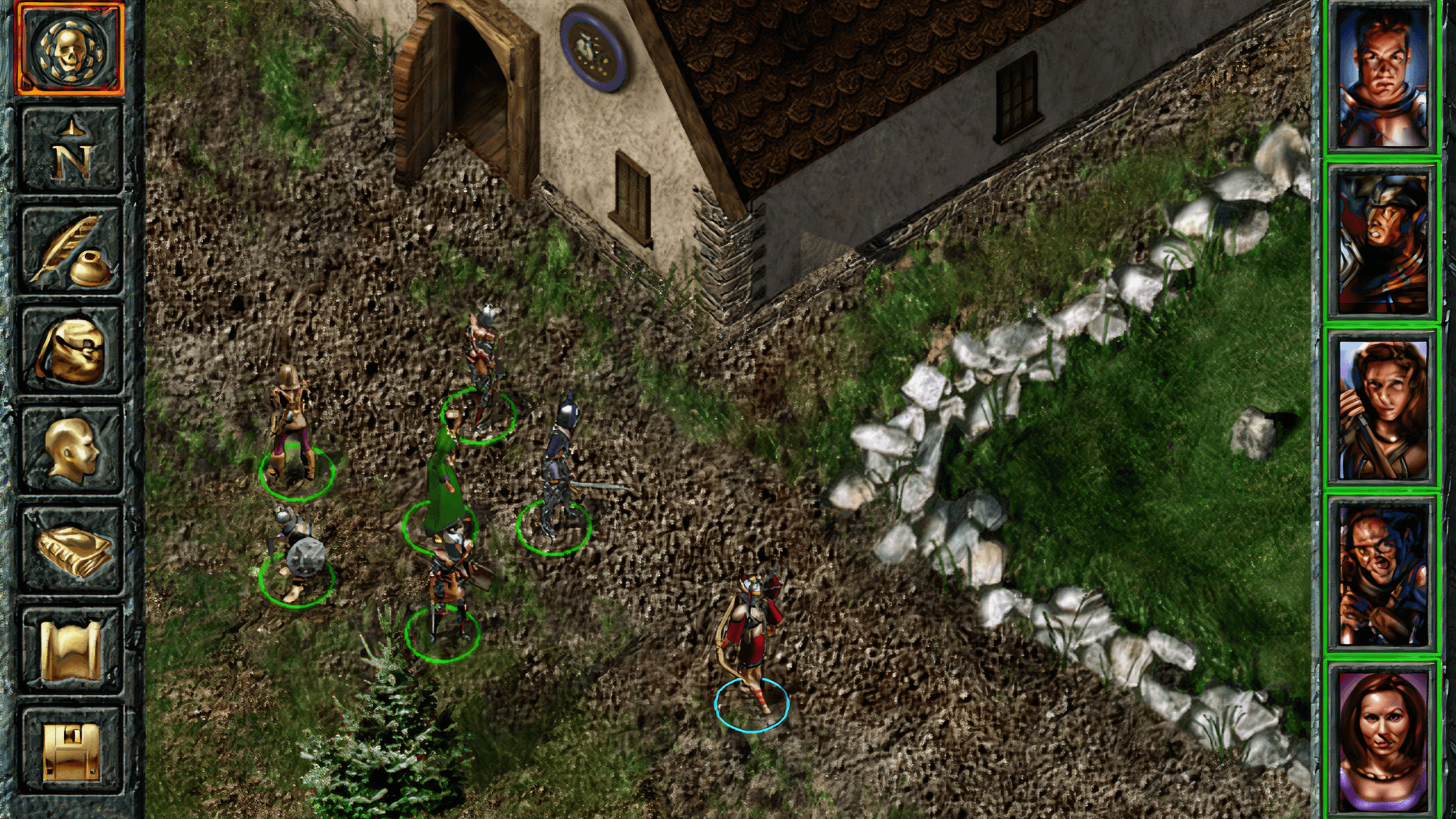
By the end of the 20th century, role-playing games, or RPGs, had established many common features. While the 1990s saw several good RPG releases, Baldur’s Gate truly brought the genre back to life on computers, which was crucial because RPGs have always been more popular on computers than on consoles. Baldur’s Gate is considered one of the best Dungeons & Dragons games, built using a modified version of the Advanced Dungeons & Dragons 2nd Edition rules – a system closely inspired by the game that originally motivated the creation of video game RPGs over two decades before. Its success greatly impacted later game developers, making Baldur’s Gate one of the most influential titles in the genre.
13) The Elder Scrolls III: Morrowind (2002)
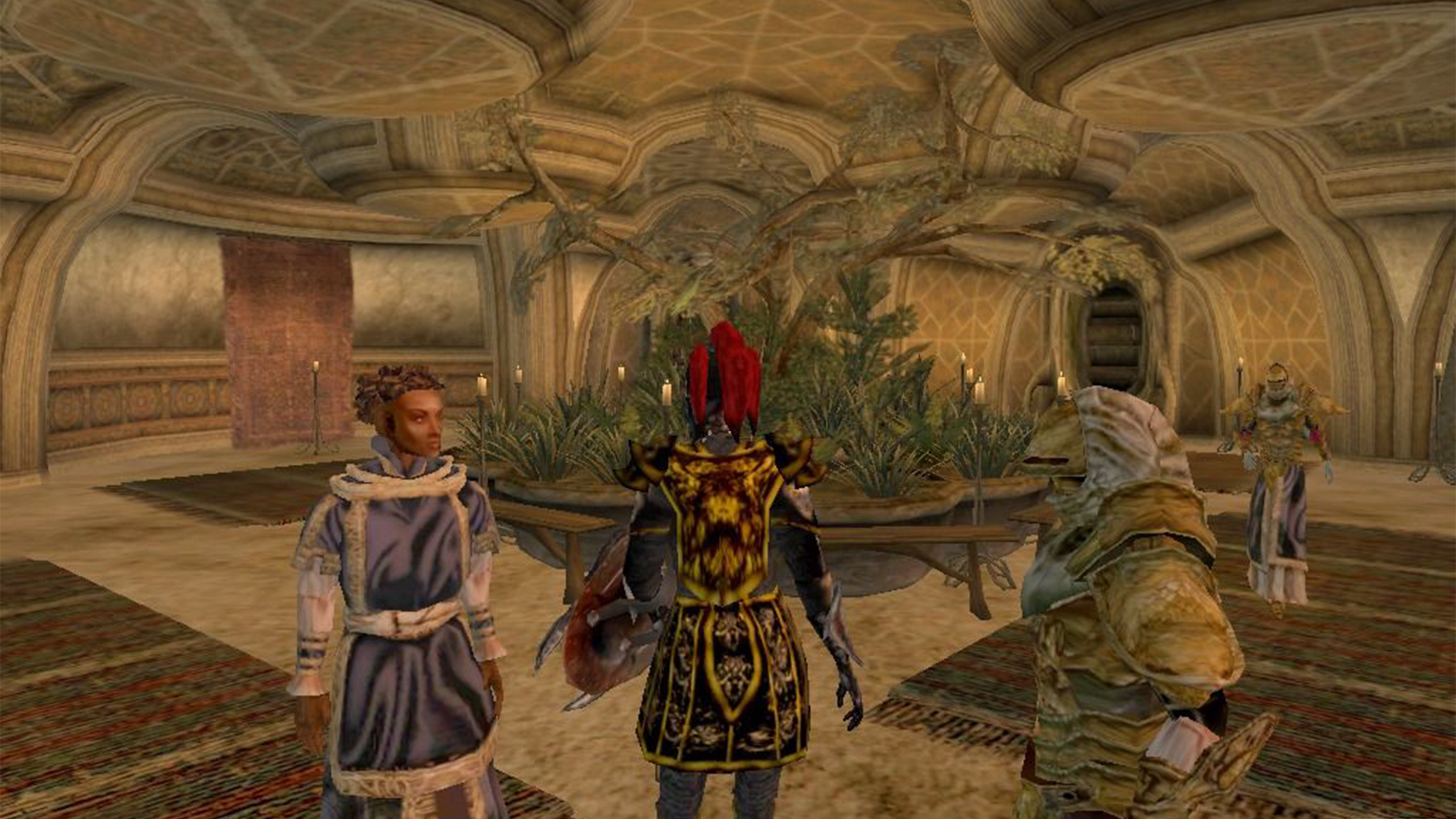
Around the year 2000, game developers started trying new things with RPGs, and one standout example was The Elder Scrolls III: Morrowind. Unlike most action RPGs where the main story takes center stage and side quests are just extras, Morrowind prioritized player freedom and exploration. It didn’t focus as much on a central plot, instead letting players create their own experiences. This was a significant departure for the genre, and it proved successful – Morrowind received both critical acclaim and strong sales, demonstrating that innovative approaches to RPGs could be very well-received.
14) Star Wars: Knights of the Old Republic (2003)
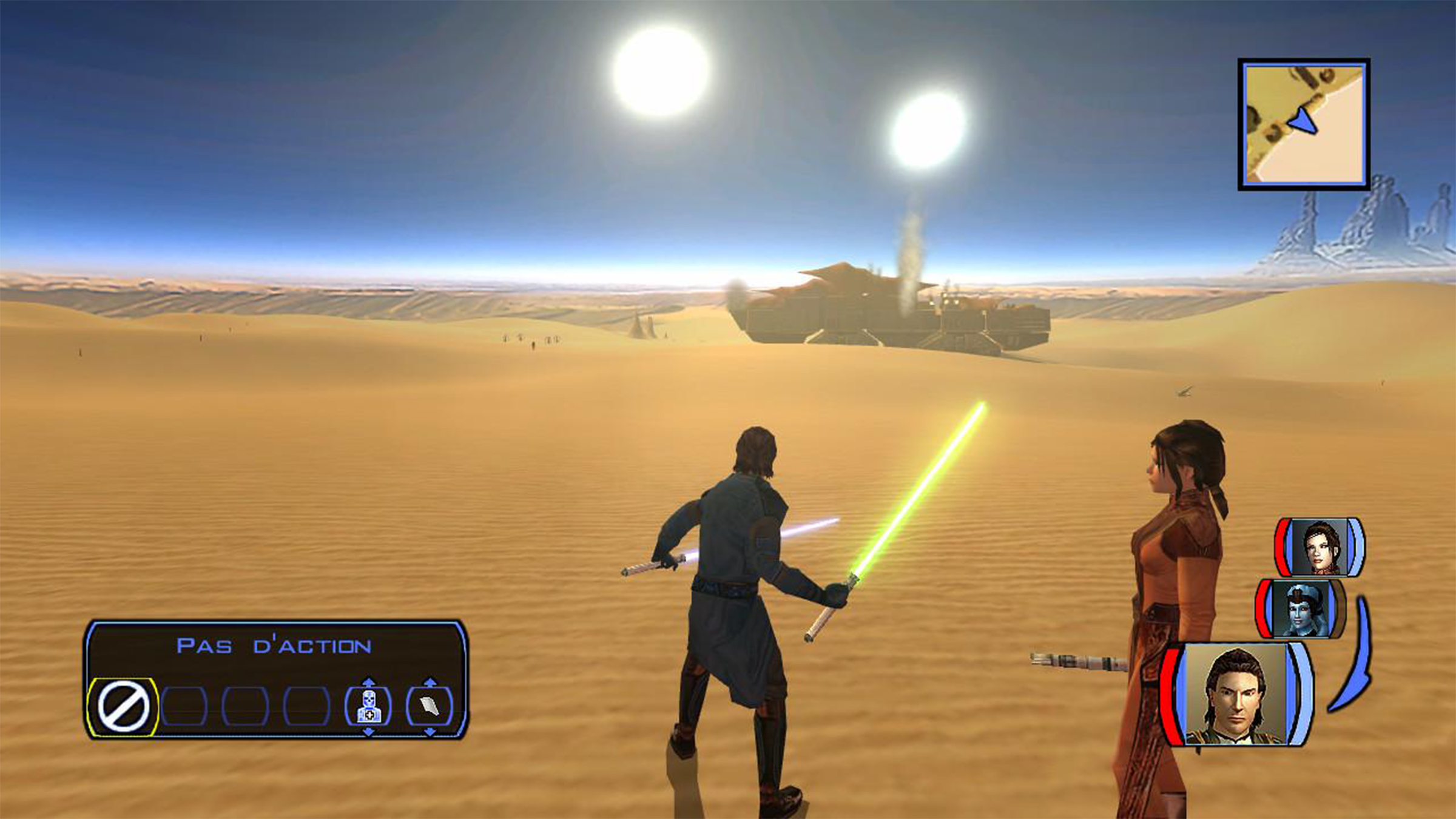
Although Star Wars isn’t usually the first series that comes to mind when people think of role-playing games (RPGs), Star Wars: Knights of the Old Republic completely changed that perception. Widely considered one of the greatest RPGs and Star Wars games ever created, KOTOR had a huge impact on the genre. The game greatly expanded the Star Wars universe – now known as Legends – with its rich story and detailed background. KOTOR’s system of letting player choices shape their character’s alignment, leaning them toward the light or dark side of the Force, was particularly innovative. The following year, Fable used a similar morality system, demonstrating KOTOR’s influence. Both games were crucial in advancing the idea that player decisions can significantly affect a game’s story and outcome, and helped shape the future of RPGs.
15) Fallout 3 (2008)
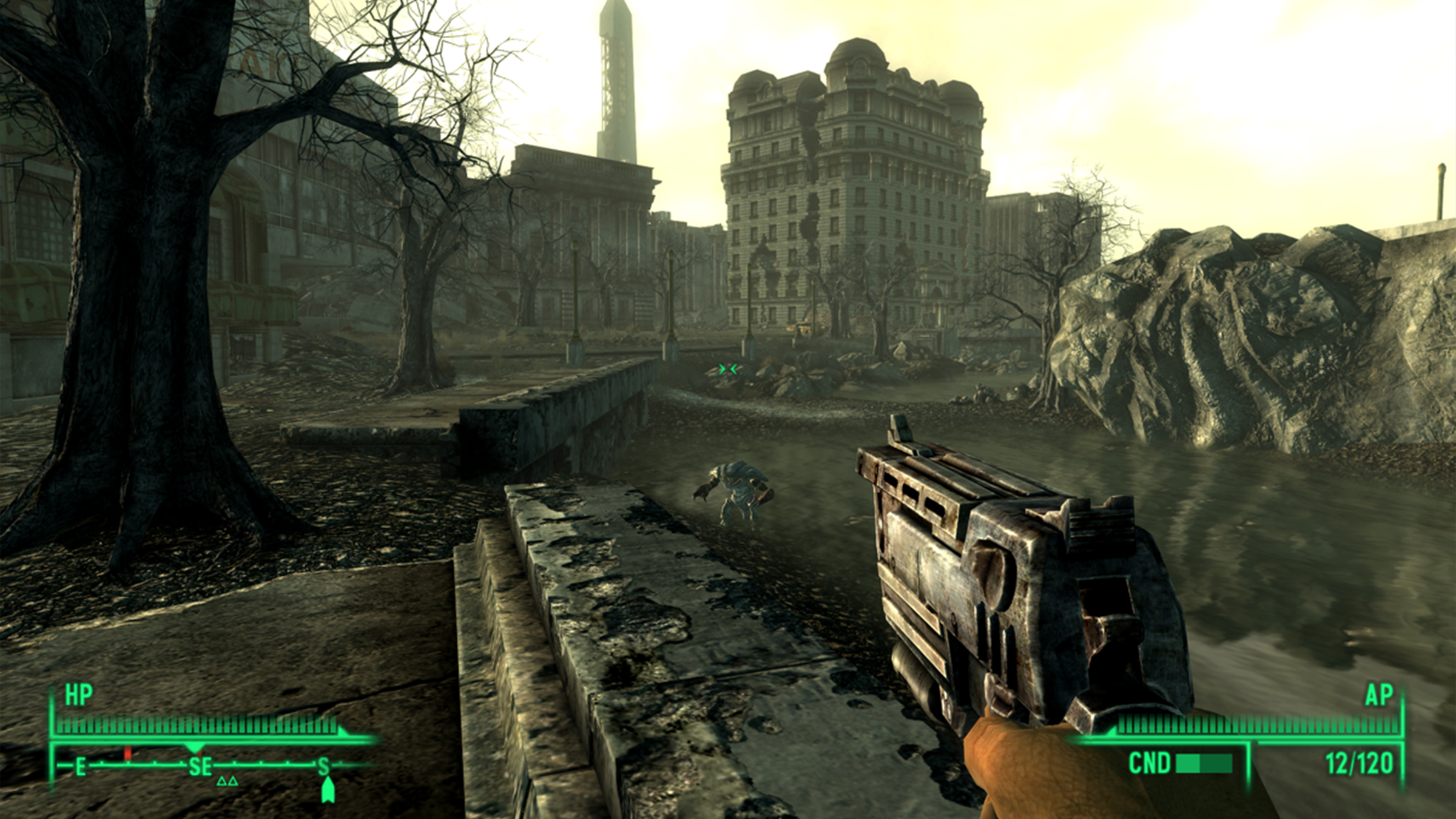
The original Fallout games were highly regarded for their open-world role-playing, but Fallout 3 changed things up in 2008. It moved the series towards a first-person shooter and action RPG style, and became a defining game in the genre, earning Game of the Year awards from many sources. Players loved its rewarding progression system, huge world full of side quests, and memorable characters. Fallout 3 was a major success that inspired many other games and helped make FPS action-RPGs a popular style across multiple franchises.
These games all played a part in shaping role-playing games, but many others deserve recognition too. This includes popular series like Final Fantasy, as well as titles such as EverQuest, Betrayal at Krondor, Dragon Age, Divinity, Ys, Kingdom Hearts, Chrono Cross, Dragon Warrior, Illusion of Gaia, The Witcher, Neverwinter Nights, Undertale, Phantasy Star, Breath of Fire, Mass Effect, The Elder Scrolls, Earthbound, Vagrant Story, Secret of Mana, Planescape, and Chrono Trigger, among countless others.
What game had the biggest impact on role-playing games? Share your thoughts in the comments and discuss it with other fans on the ComicBook Forum!
https://comicbook.com/gaming/news/clair-obscur-expedition-33-review-pc-xbox-playstation/embed/#
Read More
- The Super Mario Galaxy Movie: 50 Easter Eggs, References & Major Cameos Explained
- Surprise Isekai Anime Confirms Season 2 With New Crunchyroll Streaming Release
- 10 Best Free Games on Steam in 2026, Ranked
- Sydney Sweeney’s The Housemaid 2 Sets Streaming Release Date
- Skate 4 – Manny Go Round Goals Guide | All of the Above Sequence
- Why is Tech Jacket gender-swapped in Invincible season 4 and who voices her?
- Preview: Sword Art Online Returns to PS5 as a Darker Open World Action RPG This Summer
- Welcome to Demon School! Iruma-kun season 4 release schedule: When are new episodes on Crunchyroll?
- Overwatch 2 G.I. Joe Crossover Launches July 1: Join the Battle Between Heroes and Villains
- Shonen Jump Officially Cancels Yet Another Major Series in 2026 (& Fans Saw It Coming)
2026-02-06 16:16