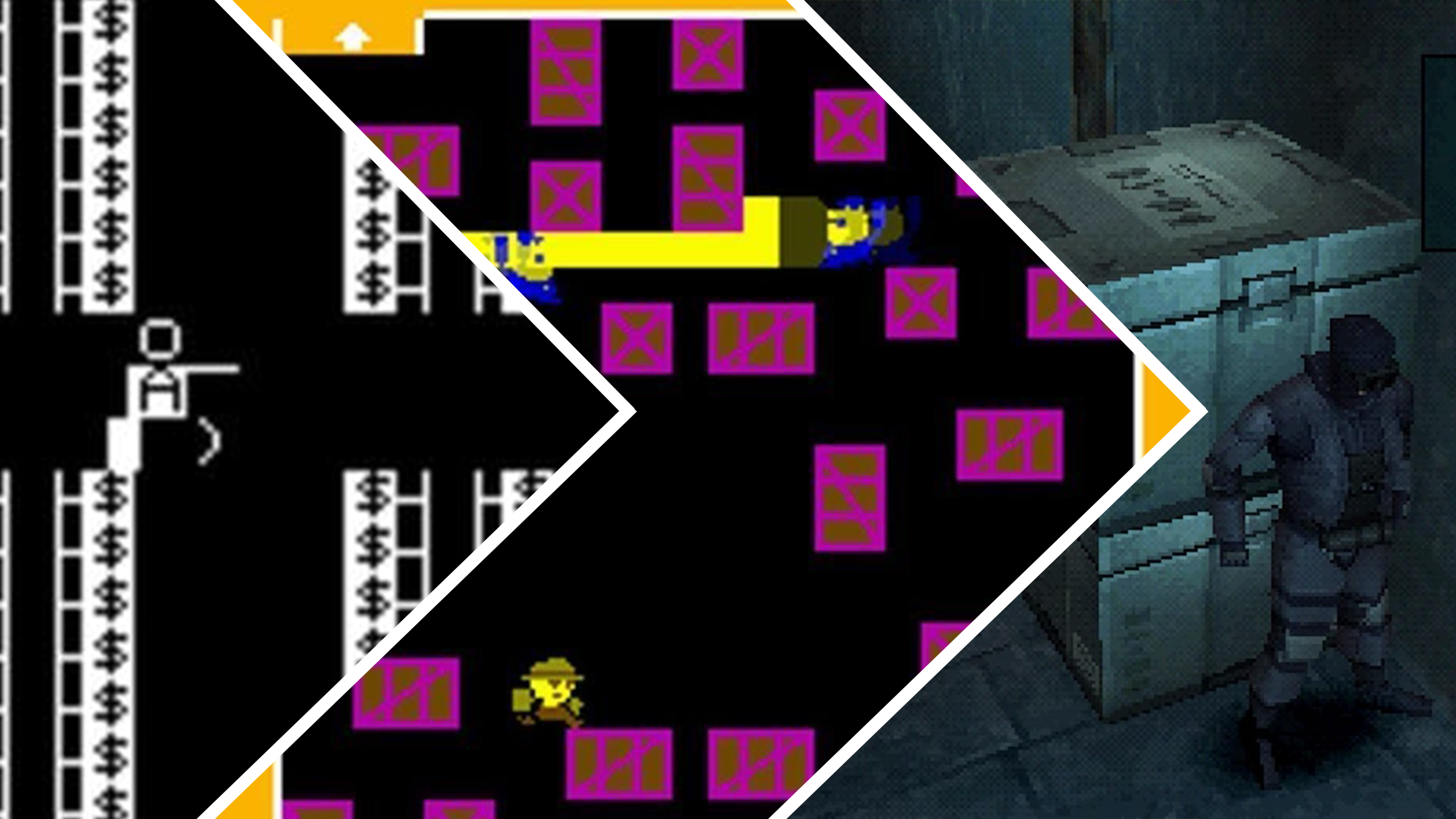
Stealth games, like all video game types, have changed a lot over time. The genre started to take shape in 1979 with the introduction of new gameplay ideas, eventually becoming its own distinct category. Throughout the 1980s, these ideas continued to develop, and by the late 1990s, stealth games were a major force in the gaming world. Common elements include avoiding enemies by hiding, using disguises, sneaking, and other clever tactics. We’ve looked back at the history of stealth games and chosen ten titles that really pushed the boundaries with innovative gameplay, formats, and ideas, ultimately defining the genre.
1) Manbiki Shounen (1979)
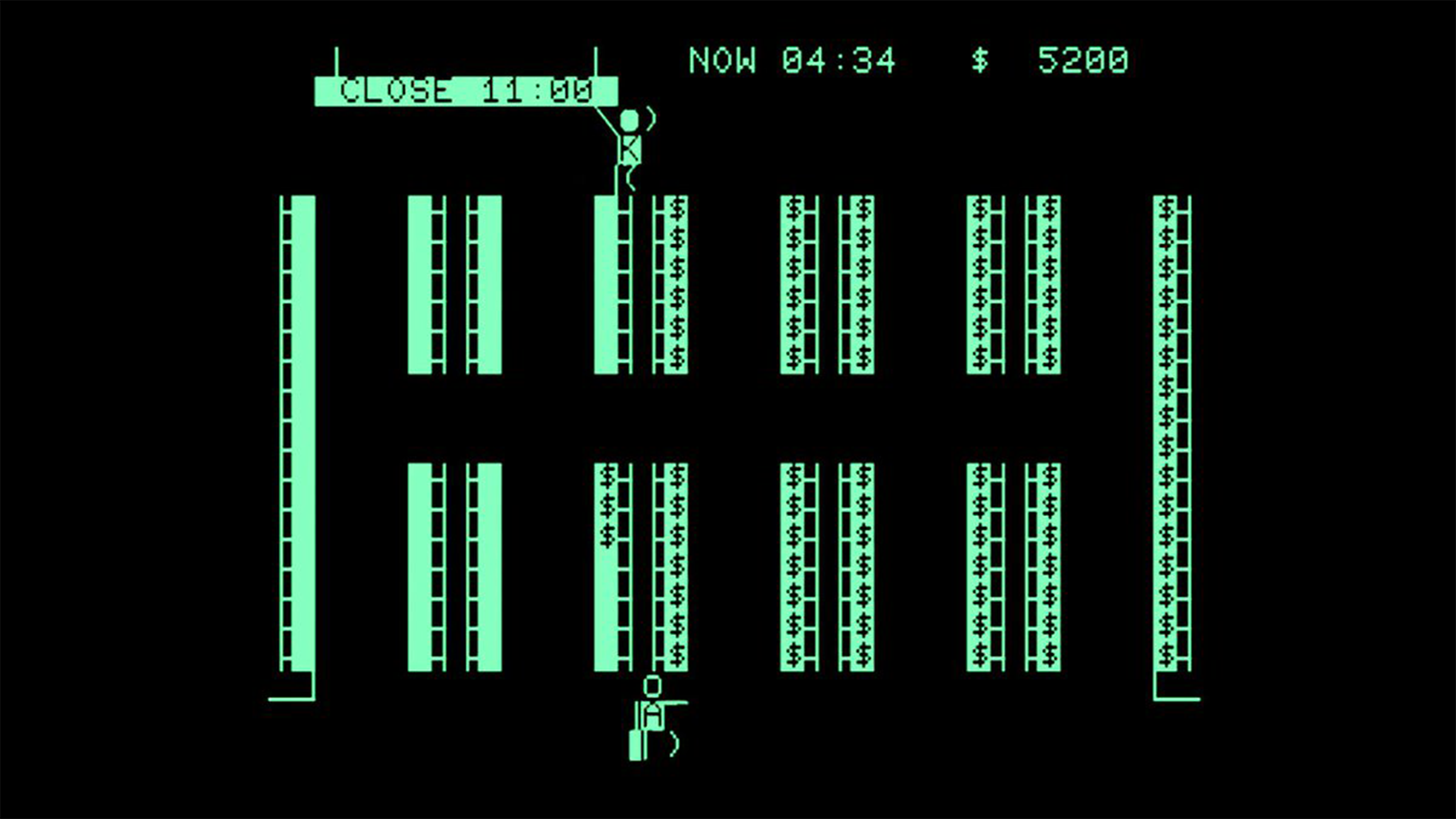
The game often credited as the first of the stealth genre is Manbiki Shounen (meaning “Shoplifting Boy”), a Japanese computer game released in 1979. It was made for the Commodore PET/CBM, one of the earliest personal computers. The game used simple text-based graphics to show a character trying to steal items from a store while avoiding a shop clerk. If caught, the police would arrest the player. This focus on avoiding detection made Manbiki Shounen a pioneering stealth game, as this mechanic later became common in the genre. Over the years, the game has been updated and re-released in different versions.
2) Lupin III (1980)
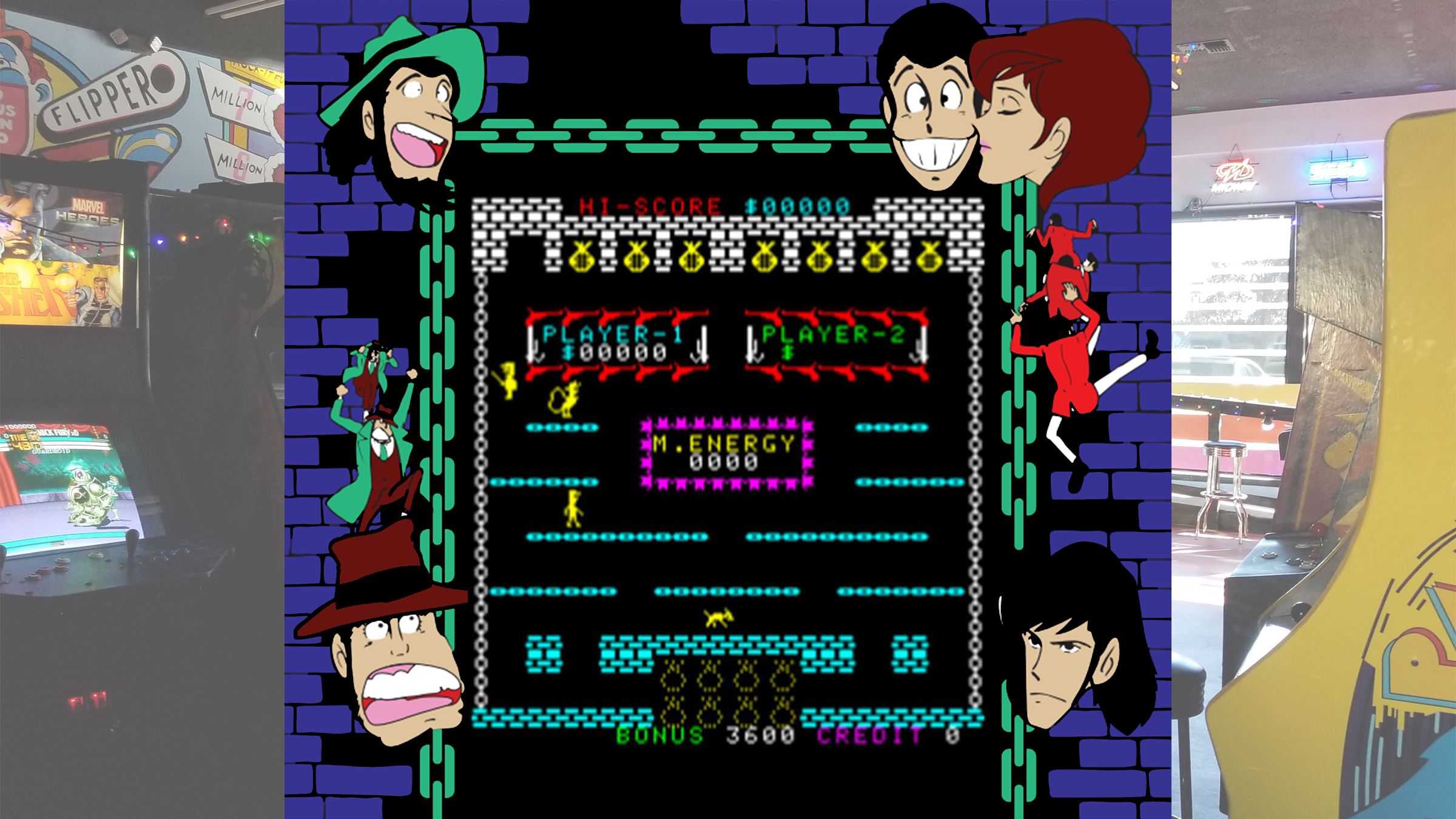
The popular manga series Lupin III, which began in 1967, has spawned countless adaptations, including films, anime, and video games. While Cliff Hanger is an early arcade game based on the series, it wasn’t actually the first. That honor belongs to Lupin III, released by Taito in arcades three years prior. This Lupin III game pioneered stealth gameplay, even though it wasn’t labeled as such at the time. The game’s creator, Hiroshi Suzuki, initially pitched a different game called Manbiki Shounen to Taito. Instead of pursuing that project, Taito decided to develop Lupin III, incorporating similar stealth mechanics.
3) Castle Wolfenstein (1981)
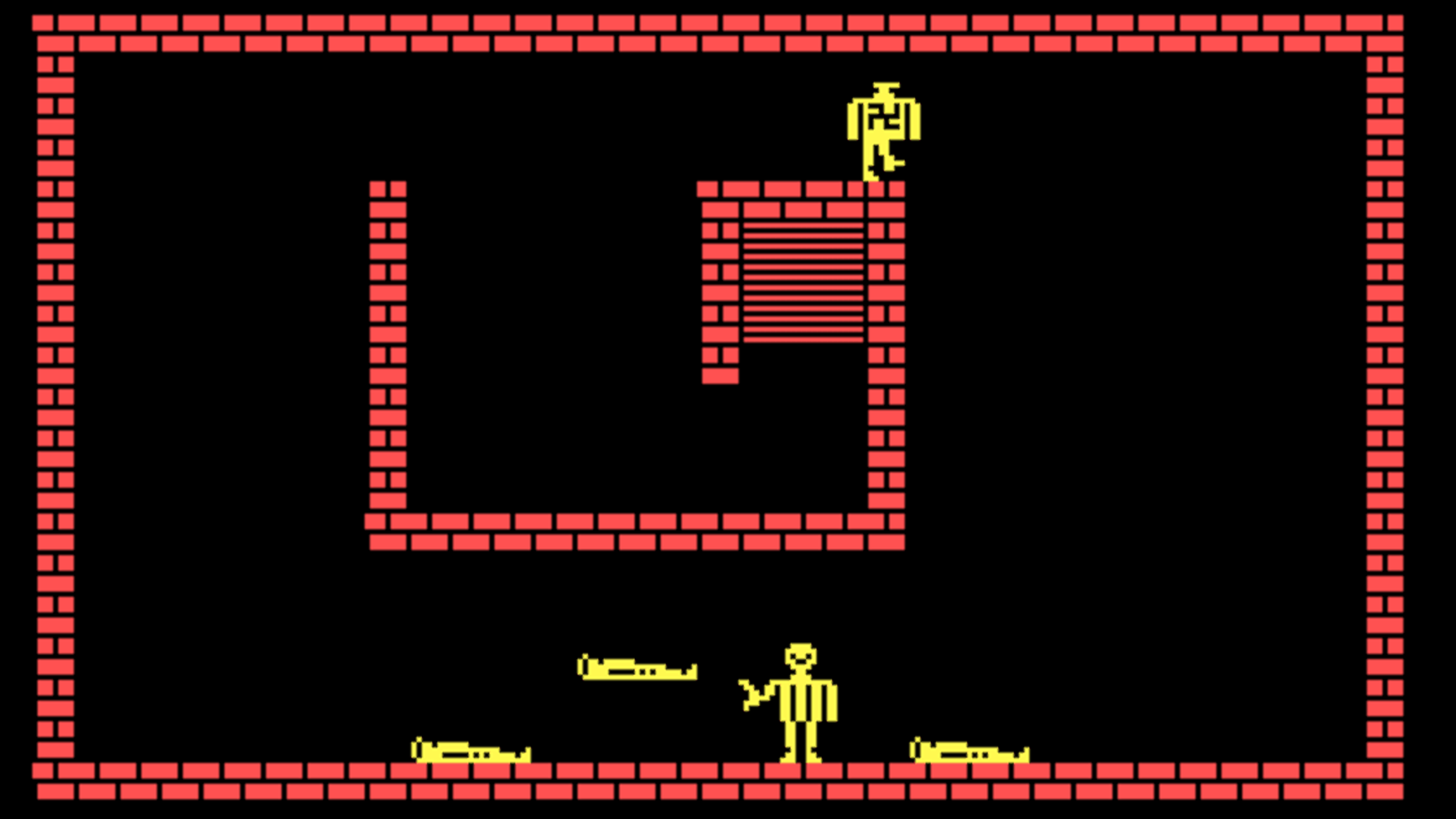
Before the famous first-person shooter Wolfenstein 3D, the Wolfenstein series began as a stealth-based adventure game called Castle Wolfenstein in 1981. Players take on the role of a prisoner of war during World War II, attempting to escape from Castle Wolfenstein. The goal is to steal crucial Nazi plans and break free, which requires using stealth tactics like avoiding guards, disguising oneself, and eliminating enemies when necessary. Castle Wolfenstein was a pioneering game in the stealth genre and laid the foundation for the entire franchise.
4) 005 (1981)
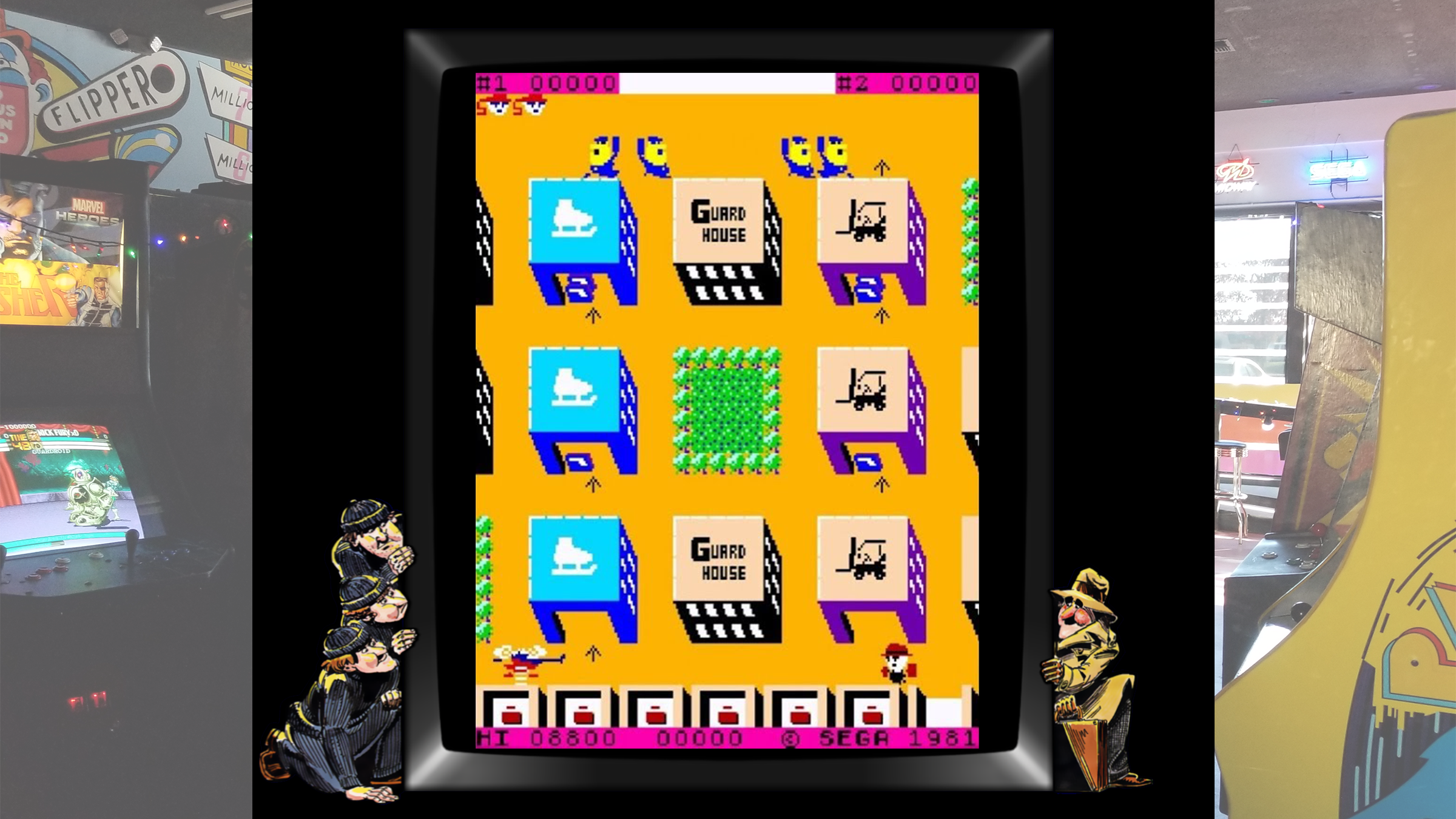
The game 005, released in 1981, is widely considered the first true stealth arcade game – a fact recognized by Guinness World Records. Players control a spy who must deliver classified documents to a helicopter while avoiding guards. These guards use flashlights and have visible detection ranges, encouraging players to use cover – like boxes – to sneak past. Inspired by James Bond, 005 playfully references the famous spy films and proved popular with players. It’s particularly remembered for introducing innovative gameplay that helped popularize the stealth genre.
5) Infiltrator (1986)
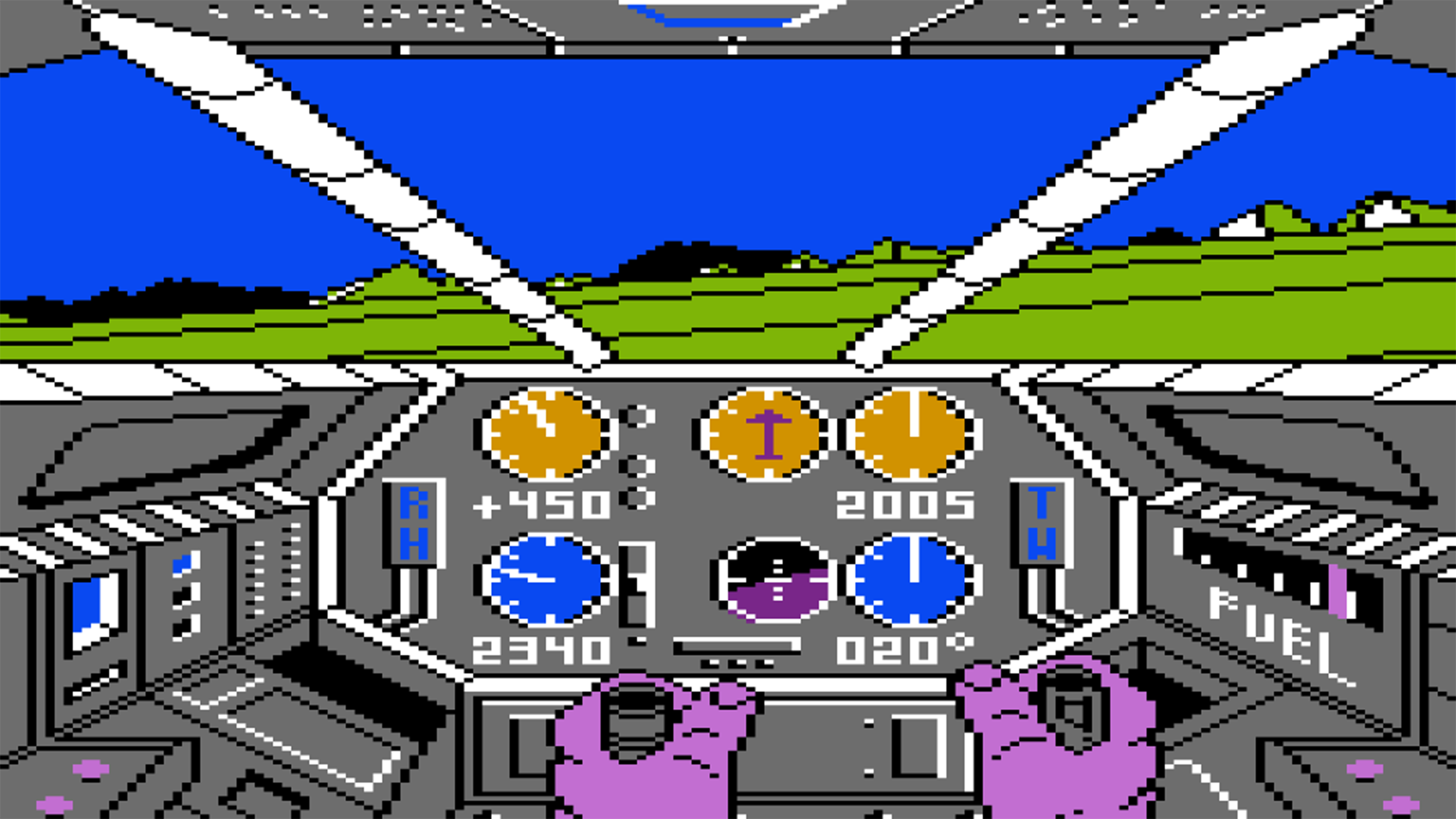
Released in 1986, Infiltrator was the first game to successfully combine different genres with stealth gameplay. It cleverly switched between flight simulation and stealth action, letting players control Johnny “Jimbo Baby” McGibbits as he flew a helicopter to enemy bases. Once landed, the game shifted to a stealth mode where Jimbo Baby had to sneak into compounds, avoid guards, and stop the base leader. The game featured an inventory system to help with missions and demonstrated that stealth games could be more than just sneaking – they could be dynamic and action-packed.
6) Metal Gear (1987)
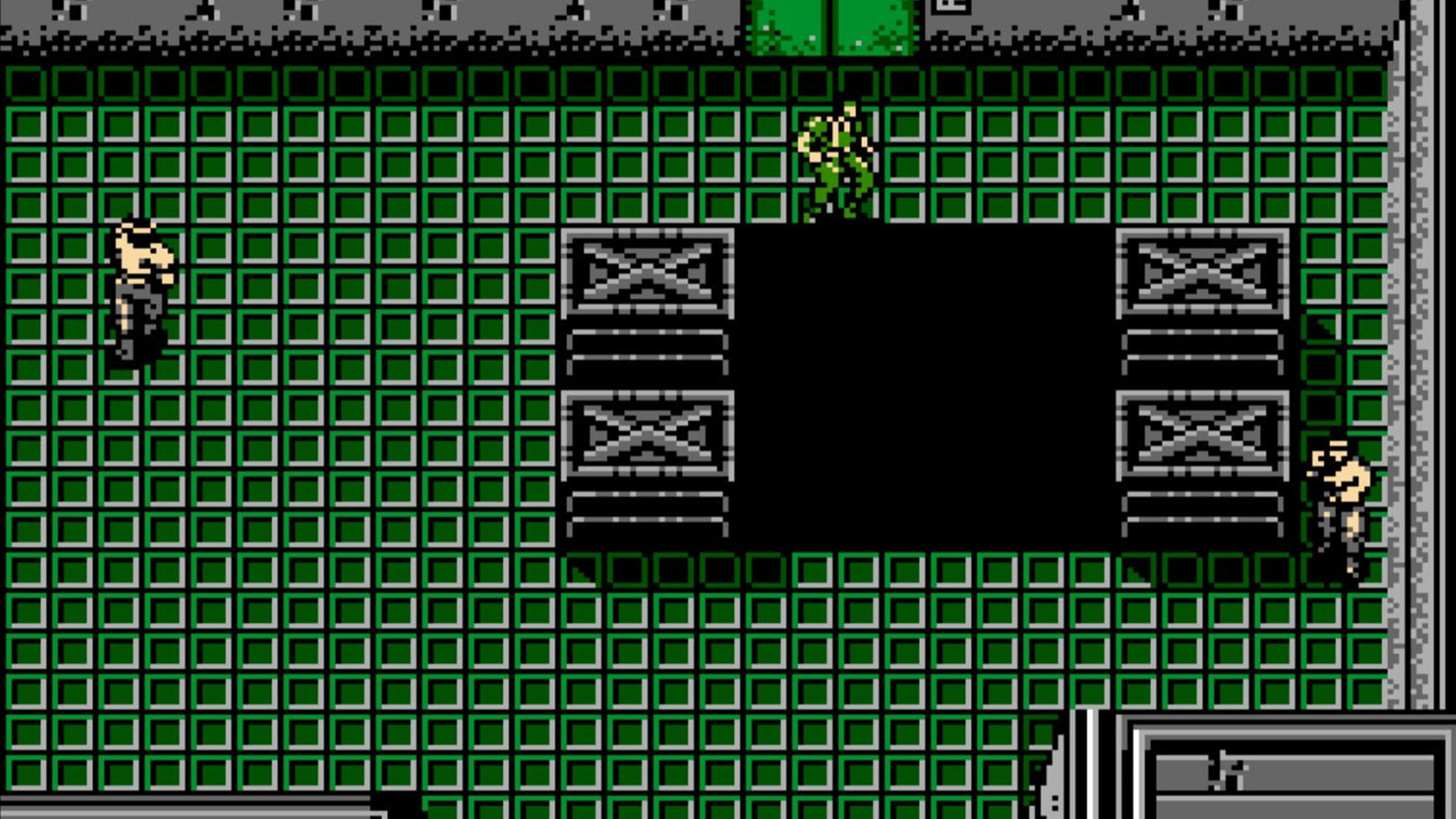
Released in 1987 (and in North America in 1988 on the Nintendo Entertainment System), Metal Gear is widely considered the game that defined the modern stealth genre. Created by Hideo Kojima, the game puts players in control of Solid Snake on a risky solo mission. What made Metal Gear so innovative was its focus on avoiding enemies – Snake starts with no weapons and must rely on sneaking until he can find them. Even then, ammunition is scarce, forcing players to stay hidden and quiet to avoid being detected. Its success made Metal Gear the first mainstream stealth game, and it established many of the core gameplay elements still seen in the genre today.
7) Hostages (1988)
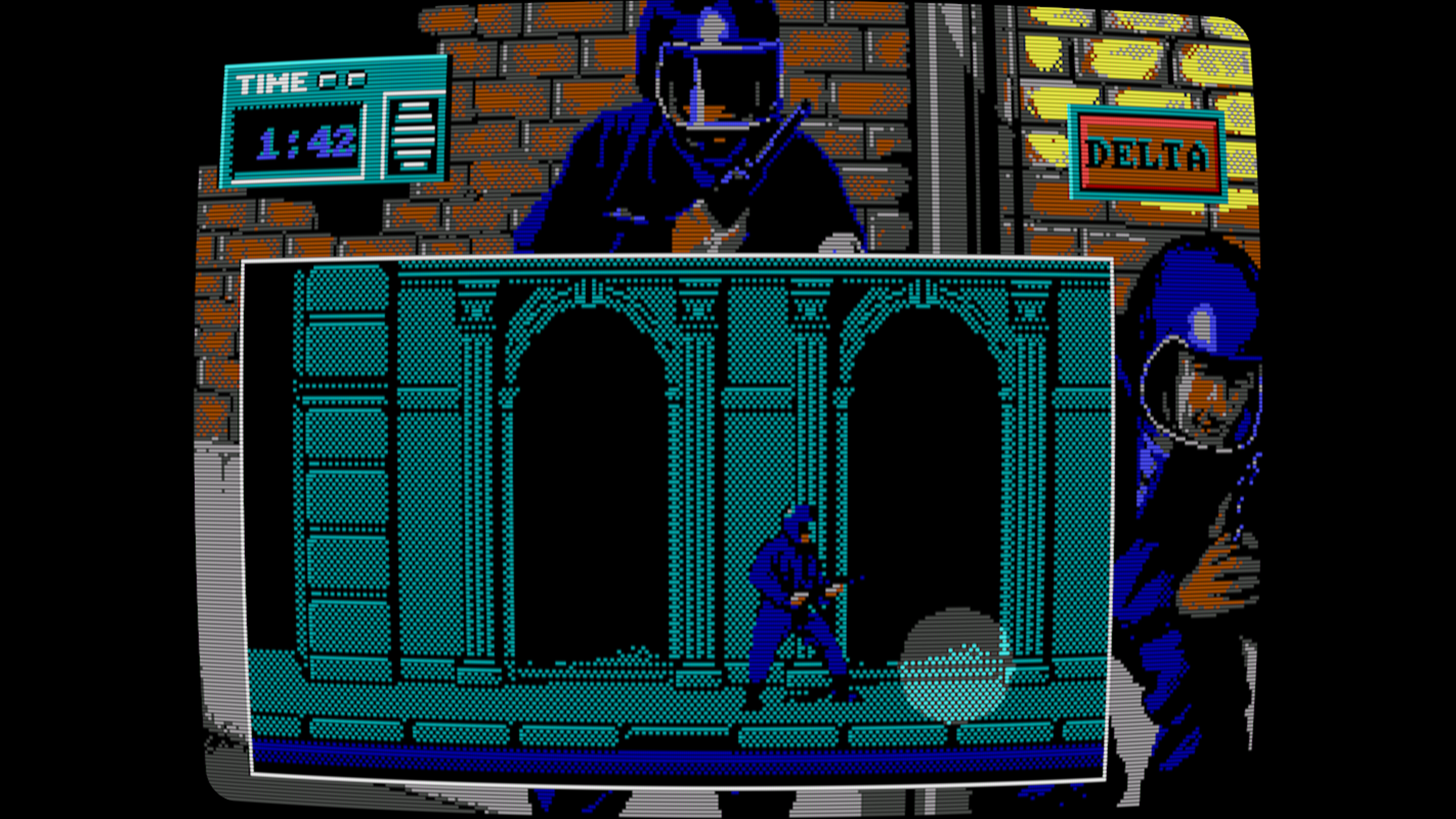
Hostages is a fast-paced tactical shooter where you lead a counterterrorism team responding to a hostage situation at a Paris embassy. Your mission is to eliminate the terrorists and rescue the hostages. Stealth is crucial in certain sections, requiring you to avoid detection by hiding in shadows, using cover like doorways, and carefully timing your movements. The game emphasizes realistic cover mechanics and helped to popularize stealth tactics in shooter games.
8) Metal Gear 2: Solid Snake (1990)
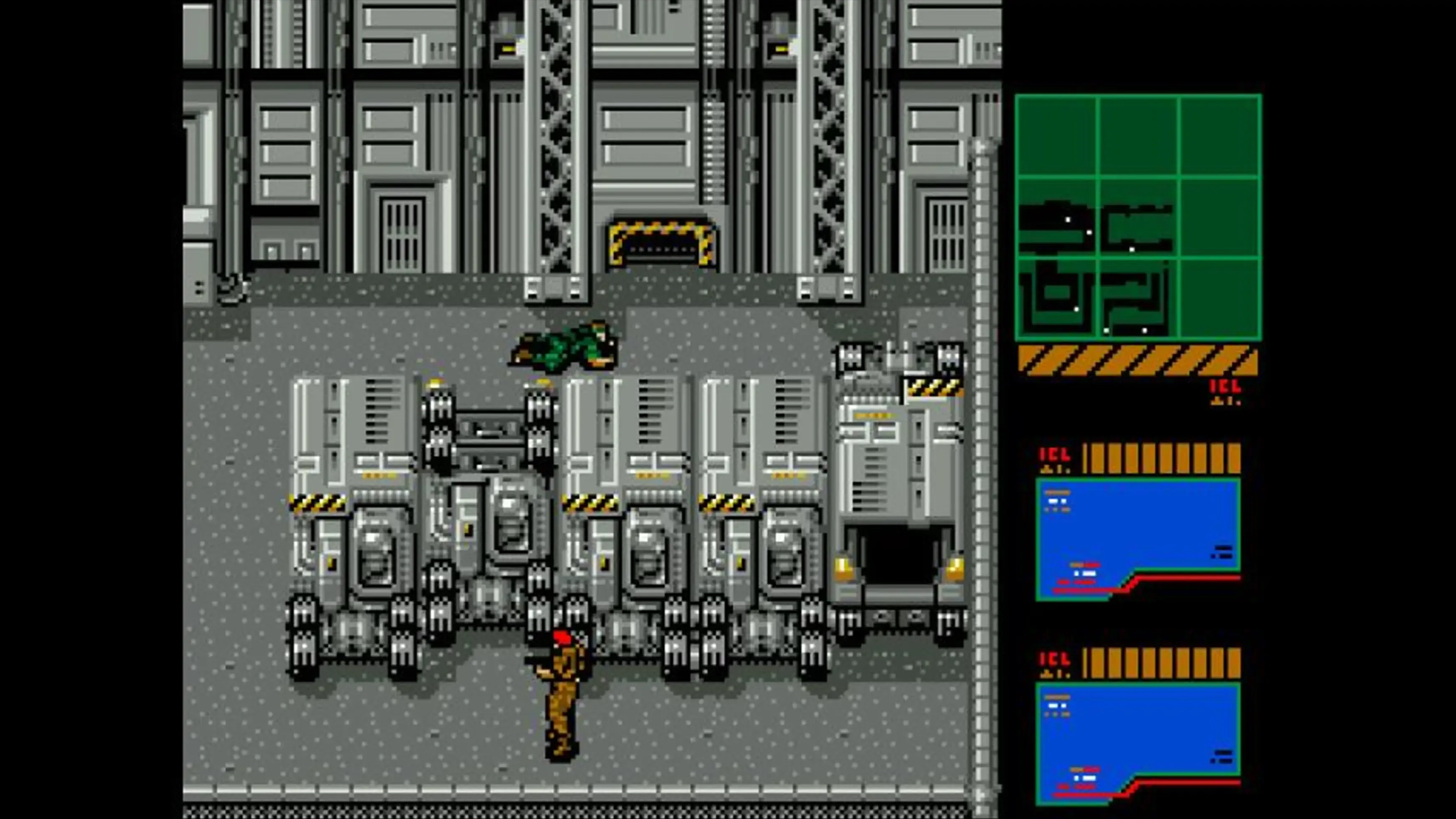
Although the original Metal Gear was groundbreaking, Metal Gear 2: Solid Snake truly pushed the stealth genre forward. Released only in Japan for the MSX2 computer, it introduced many features that would become staples of the genre. Building on the first game, Solid Snake let players crouch, crawl, and hide in more places – like vents and under furniture – making stealth gameplay much more detailed and effective. This was a major step forward and heavily influenced the design of future stealth games.
9) Tenchu: Stealth Assassins (1998)
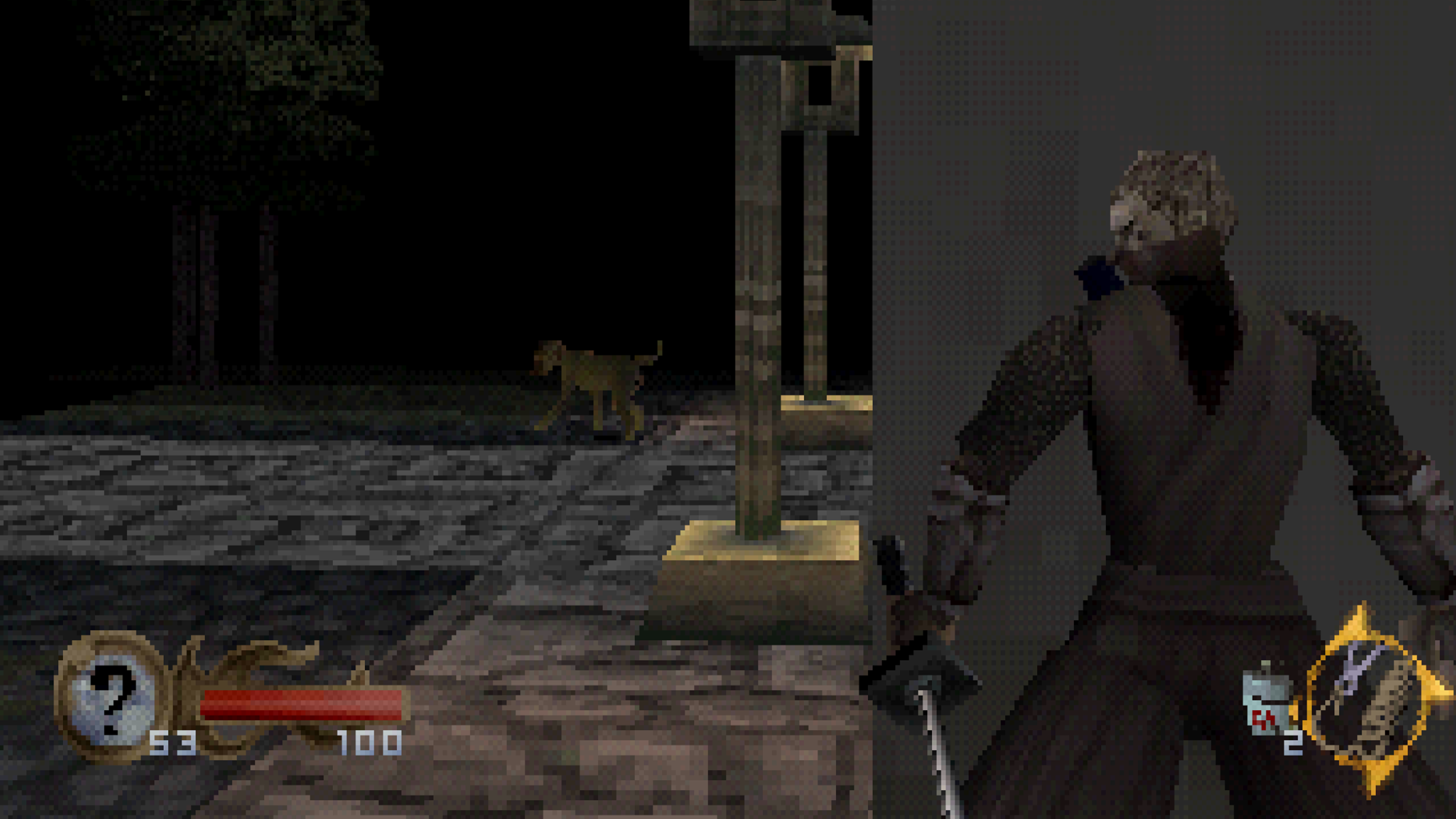
By the late 1990s, many games were trying to capture the success of the Metal Gear series, making the stealth genre quite competitive. Tenchu: Stealth Assassins arrived and, while it didn’t revolutionize how characters moved, it was the first stealth game to fully utilize 3D graphics. This shift to 3D was a major moment for the genre, ultimately becoming the standard for developers looking to create new stealth experiences. While excellent 2D stealth games still exist, like Mark of the Ninja, most mainstream developers focused on 3D graphics to move the genre forward.
10) Metal Gear Solid (1998)

Following the success of Metal Gear 2: Solid Snake, Hideo Kojima didn’t rest. In 1998, he revolutionized the stealth genre again with Metal Gear Solid, a game frequently hailed as one of the greatest stealth and video games ever created. Metal Gear Solid wasn’t just innovative; it refined the core principles of stealth and infiltration, setting a new standard. While the original Metal Gear established the genre, Metal Gear Solid perfected it, profoundly influencing all subsequent stealth games.
What stealth game had the biggest impact on the genre? Share your thoughts in the comments and join the discussion on the ComicBook Forum!
https://comicbook.com/gaming/list/5-stealth-games-you-forgot-were-sneakily-great/embed/#
Read More
- What Song Is In The New Supergirl Trailer (& What It Means For The DC Movie)
- Why is Tech Jacket gender-swapped in Invincible season 4 and who voices her?
- Dune 3 Gets the Huge Update Fans Have Been Waiting For
- Highly Anticipated Strategy RPG Finally Sets Release Date (And It’s Soon)
- TV legend Carol Kirkwood reveals the reasons why she decided to retire after 28 years with BBC
- After 13 Years, Someone Earned One of the Hardest Achievement Trophies in Gaming
- Jaleco Sports: Bases Loaded II announced for PS5, Switch; now available
- Digimon Is Getting a New RPG in 2026 (And You Probably Missed It)
- Kanye West’s Wife Bianca Censori Details New Marriage Milestone
- Butcher’s Transformation Into A “Ruthless Killer” In The Boys Season 5 Explained By Karl Urban
2026-02-24 17:16