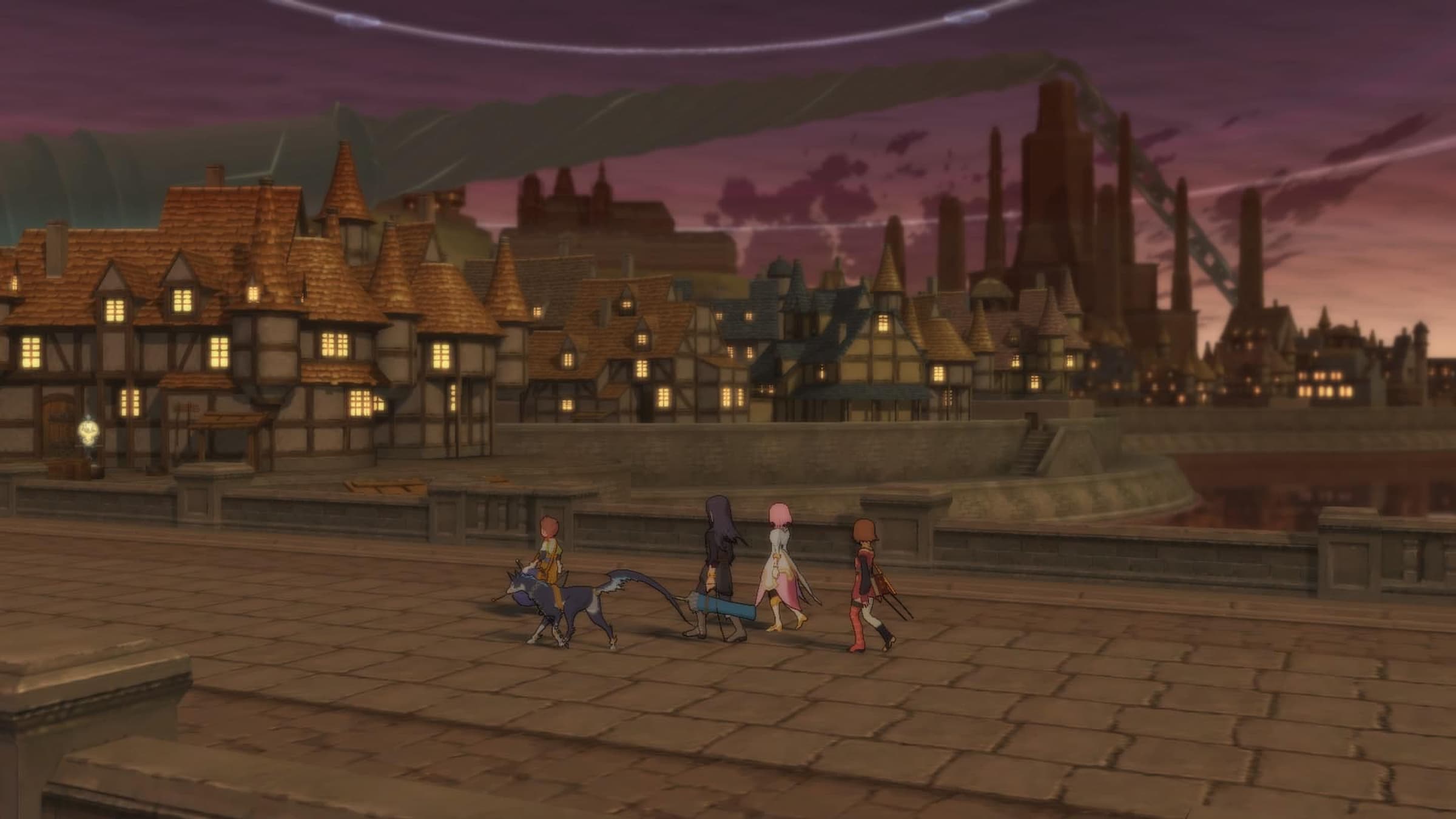
If you played role-playing games in the late 90s and early 2000s, you probably remember a specific way they were designed. Games typically involved exploring towns, venturing into dungeons, battling enemies, and traveling across a large world in a deliberate, step-by-step fashion. This created a feeling of vastness and helped bring the game’s story and world to life – it’s a style I fondly remember from many of the RPGs I enjoyed as a kid.
The classic RPG design of using a separate overworld map is now rarely seen. Today’s role-playing games focus on large, connected open worlds with consistent graphics, leaving the older style behind. This isn’t due to a flaw in the original concept, but simply because tastes and technology have changed. Thankfully, overworld maps haven’t completely vanished, and a few recent games still demonstrate their appeal.
Overworlds Have Been Replaced With Open Worlds
For many years, Japanese RPGs heavily relied on overworld maps – stylized, simplified views of the game world. Games like Final Fantasy VII, Final Fantasy IX, and Chrono Cross used these maps to create a sense of a large world without needing to fully display every detail. A key part of these games was traveling across continents, finding secret places, and opening up new routes. These maps gave players a broad perspective, making it feel like they were exploring a whole world instead of just one connected area.
This technique wasn’t exclusive to Final Fantasy games. Titles like Tales of Symphonia and Tales of the Abyss also used exploration to manage the game’s speed and tell their stories. Developers could cleverly control when players could go next, add new ways to travel, and make players feel like they truly earned their progress. For example, unlocking an airship felt significant because it fundamentally changed how you experienced the game world, and it helped make important moments more impactful. I still remember being terrified when I first saw the Midgar Zolom and having to run for my life!
As gaming consoles got more powerful, developers started moving away from traditional overworld maps. Western studios began creating detailed, seamless open worlds that eliminated loading screens and simplified travel, and Japanese developers soon followed this trend. Even game series famous for their overworld maps, like Final Fantasy, started to change – for example, Final Fantasy VII Remake replaced the original game’s world map with a more detailed and cinematic open environment.
Open-world games give players a lot of freedom, but that freedom can come at a cost. Many recent role-playing games have trouble keeping a good pace, often filling them with unimportant side quests and activities that can lead to players getting bored and quitting. Older games used to have a world map that helped developers control the size and focus of the experience, but that’s largely gone now. Without it, games can feel overly large and stuffed with unnecessary content, causing players to lose interest before finishing them.
Clair Obscur: Expedition 33 Nailed This Classic Concept
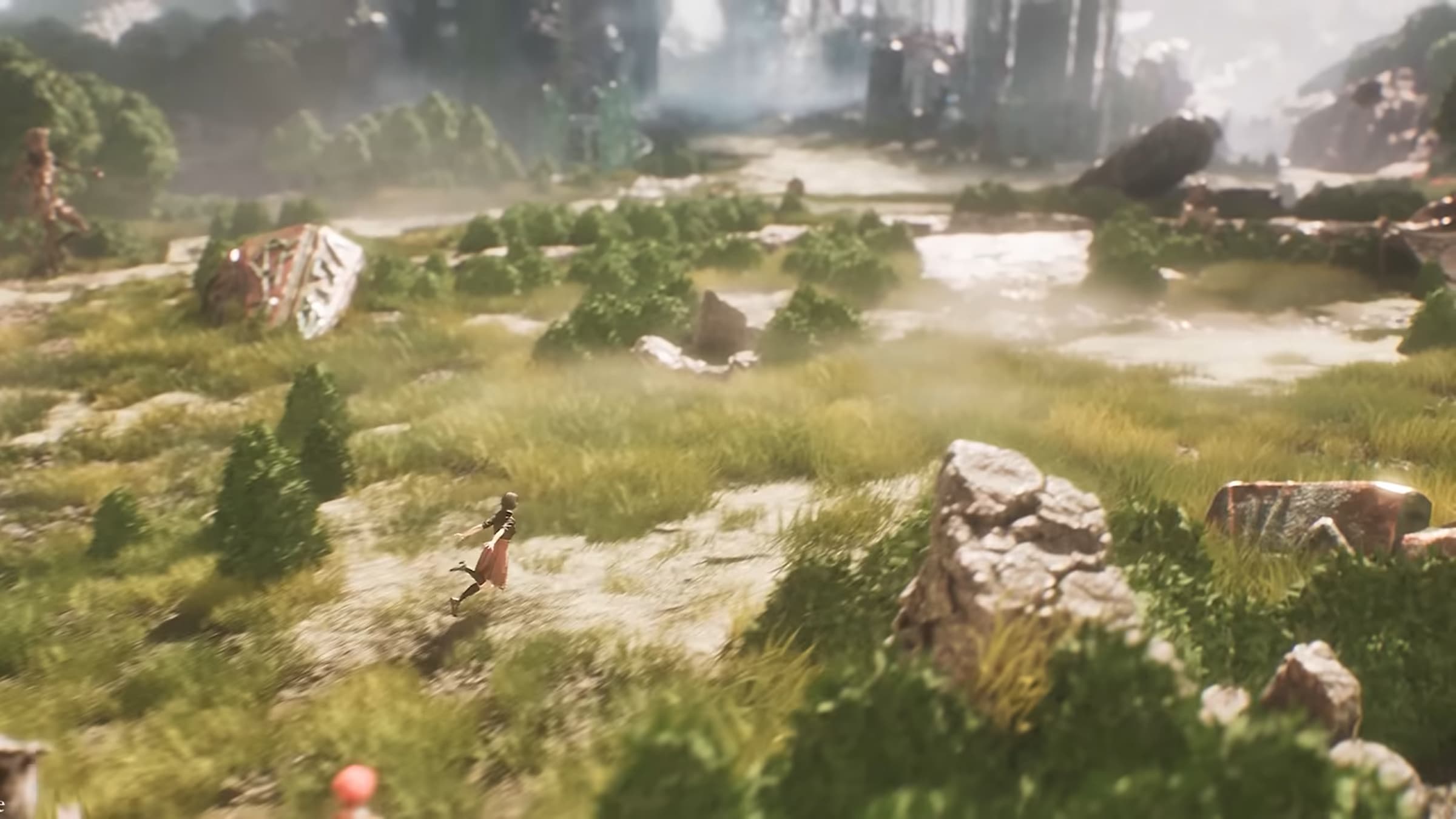
Even though it’s no longer as popular as it once was, Clair Obscur: Expedition 33 boldly stuck with its classic design and was even named Game of the Year. Instead of trying to create a huge, sprawling world like many modern games, it focused on a more deliberate and artistic approach to exploration. The game’s overworld connects carefully designed areas, providing players with a clear sense of direction while still maintaining a feeling of discovery.
This approach works so well because it values the player’s time. Traveling around the game world feels intentional, with each place feeling unique. Getting from one location to another actually moves the story forward instead of feeling like pointless wandering. You always have a clear goal, which is reminiscent of older role-playing games where the trip itself was an important part of the story.
Instead of simply recreating classic overworld maps, the game updates the concept to feel dynamic and immersive. The map isn’t just a static menu; it feels like a living part of the game world, responding to your actions. This smart blend of familiar elements and fresh ideas is what makes Clair Obscur: Expedition 33 so appealing to veteran RPG players and could potentially revitalize the turn-based RPG genre.
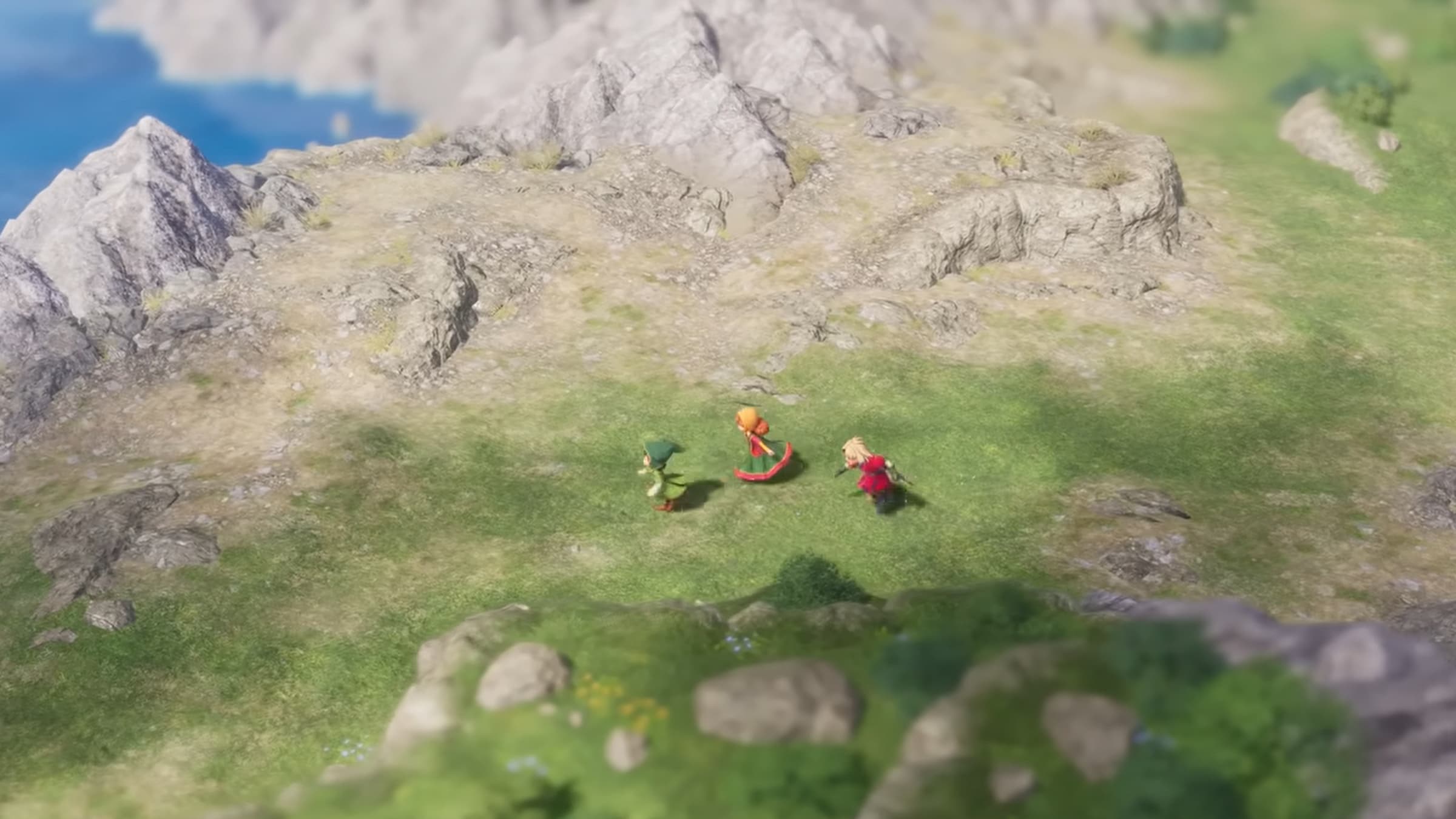
This isn’t a unique situation. Dragon Quest VII Reimagined also features traditional overworld exploration, proving that many game developers still appreciate this design or want to keep it. These games suggest the issue wasn’t with overworlds themselves, but with the industry shifting away from them.
Overworlds Still Have A Place In RPGs
The game Clair Obscur: Expedition 33 demonstrated that traditional, interconnected overworlds still work well in role-playing games. Its design is strong in terms of how the game unfolds, its overall structure, and how clearly it presents both gameplay and story. This approach lets developers carefully guide players, introduce new features at a good pace, and create a feeling of discovery. Crucially, it avoids the feeling of being lost or overwhelmed by too many choices and objectives, which is a common problem in many open-world RPGs.
Overworld maps are great for sparking a player’s imagination. Unlike detailed 3D environments, seeing a simple representation of a mountain or island encourages curiosity and allows players to fill in the details themselves, creating a sense of wonder and scale. This was a key feature of many RPGs from the 2000s, and it’s something I particularly loved about the games I played growing up.
I have really strong memories of exploring the spaces between battles in RPGs. Things like finding hidden islands in Final Fantasy VII, unlocking new areas in Final Fantasy VI, or simply traveling across the world in Tales of the Abyss felt like big accomplishments. These moments were special because the game world made them feel real and within reach. Compared to that, many modern open-world games don’t quite capture the same sense of wonder and discovery.
The popularity of Clair Obscur: Expedition 33 demonstrates that classic overworld maps still have a place in modern game design. When done well, they can complement contemporary styles and actually enhance the player experience. As RPGs continue to develop, there’s no need to abandon these traditional elements – one of the best RPGs of 2025 proved that overworld maps can still create a sense of grand adventure.
What do you think? Leave a comment below and join the conversation now in the ComicBook Forum!
Read More
- What Song Is In The New Supergirl Trailer (& What It Means For The DC Movie)
- TV legend Carol Kirkwood reveals the reasons why she decided to retire after 28 years with BBC
- Highly Anticipated Strategy RPG Finally Sets Release Date (And It’s Soon)
- Why is Tech Jacket gender-swapped in Invincible season 4 and who voices her?
- MOUSE: P.I. For Hire Loops in Caravan Palace for A Catchy New Track Ahead of April 16 Release
- Alan Ritchson’s Reacher Future Looks Hopeful Thanks To Amazon’s 10/10 Action Thriller Series
- How Blake Lively & Ryan Reynolds’ Kids Pranked Her on April Fool’s Day
- The OG Resident Evil 1, 2 and 3 Are Now Available on Steam With a Heavy Discount (and DRM)
- The Monsterverse’s Shocking New Time Travel Story – Monarch: Legacy Of Monsters Season 2, Episode 6 Explained
- Tainted Grail: The Fall of Avalon – Merlin’s Tomb DLC Adds a New End-Game Dungeon for Free
2026-01-13 18:14