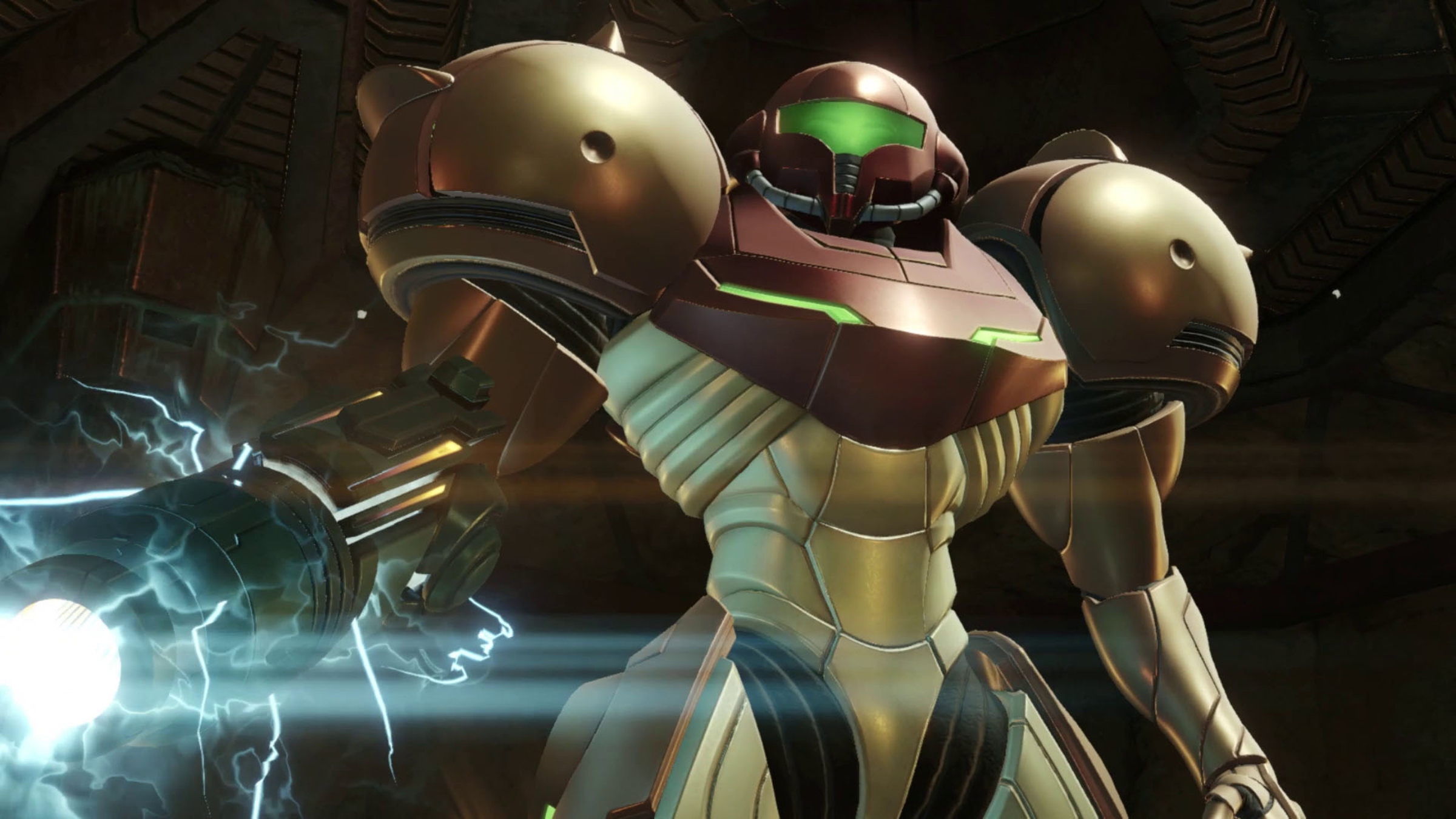
The Metroid series has been a part of Nintendo for a long time, and its releases have seen both successes and challenges over the past 18 years, especially when it comes to new Metroid Prime games. Metroid Prime, which reimagined the 2D Metroid formula, was a critically acclaimed game for the GameCube when it was released in 2002.
The original Metroid Prime trilogy concluded in 2007 with the highly praised Metroid Prime 3: Corruption on the Nintendo Wii. Since then, the six subsequent Metroid games have included updated versions, retro-style remakes, and some more experimental approaches. Now, with a new Metroid Prime game almost here, it’s a good time to reflect on the series’ journey over the past twenty years.
Metroid Prime: Trilogy (2009)

Following the release of Metroid Prime 3: Corruption on the Nintendo Wii, fans were able to experience the first three Metroid Prime games together with Metroid Prime: Trilogy. The first two games’ first-person viewpoint worked perfectly with the Wii’s motion controls, building on the gameplay established in Metroid Prime 3.
Critics consistently praised this game as one of the best on the Nintendo Wii, and it showed players what the Metroid series could be before Metroid: Other M came out. This positive memory might have contributed to the more varied reactions fans had to Other M. With the beloved Prime trilogy having recently been updated so well, expectations for the new sequel were very high, and it may have struggled to live up to them.
Metroid: Other M (2010)
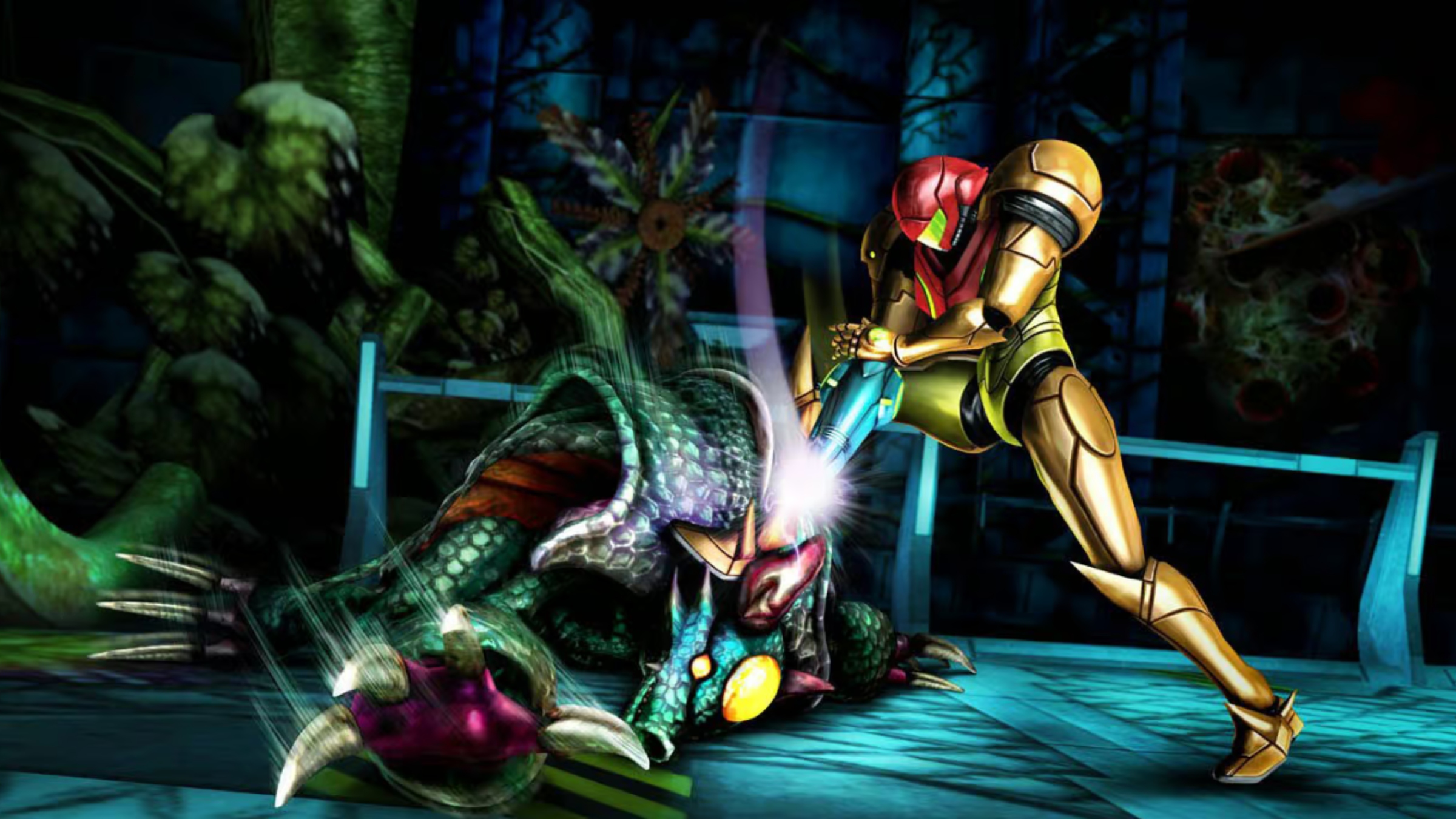
Developed by Team Ninja and Nintendo, Metroid: Other M put a strong emphasis on storytelling, more so than previous Metroid games. The game aimed to recapture the feel of the older titles, moving away from the first-person style of some entries, but received mixed reviews. While many critics praised the game’s core gameplay and simplified controls, the overall reception was varied.
Critics and fans didn’t like the story in Other M, feeling that showing too much of Samus’s inner thoughts diminished the character’s mysterious appeal. Some players also disliked the significant role given to the new character, Adam. Despite Nintendo’s optimism, Other M wasn’t well-received and is generally considered a letdown.
Metroid Prime: Federation Force (2016)

After a six-year hiatus, the Metroid series returned with a surprising change. Metroid Prime: Federation Force, released on the Nintendo 3DS, wasn’t a traditional Metroid game. Instead of playing as bounty hunter Samus Aran, players teamed up as members of the Galactic Federation Marines in a four-player cooperative shooter.
The game was first revealed years ago, but development stalled after the disappointing reception of Metroid: Other M. Critics were divided, and the game didn’t perform well with players. Fans were especially frustrated, as they’d been hoping for a proper continuation of the Prime trilogy. Fortunately, the next installment marked a turning point, bringing the series back to its roots.
Metroid: Samus Returns (2017)
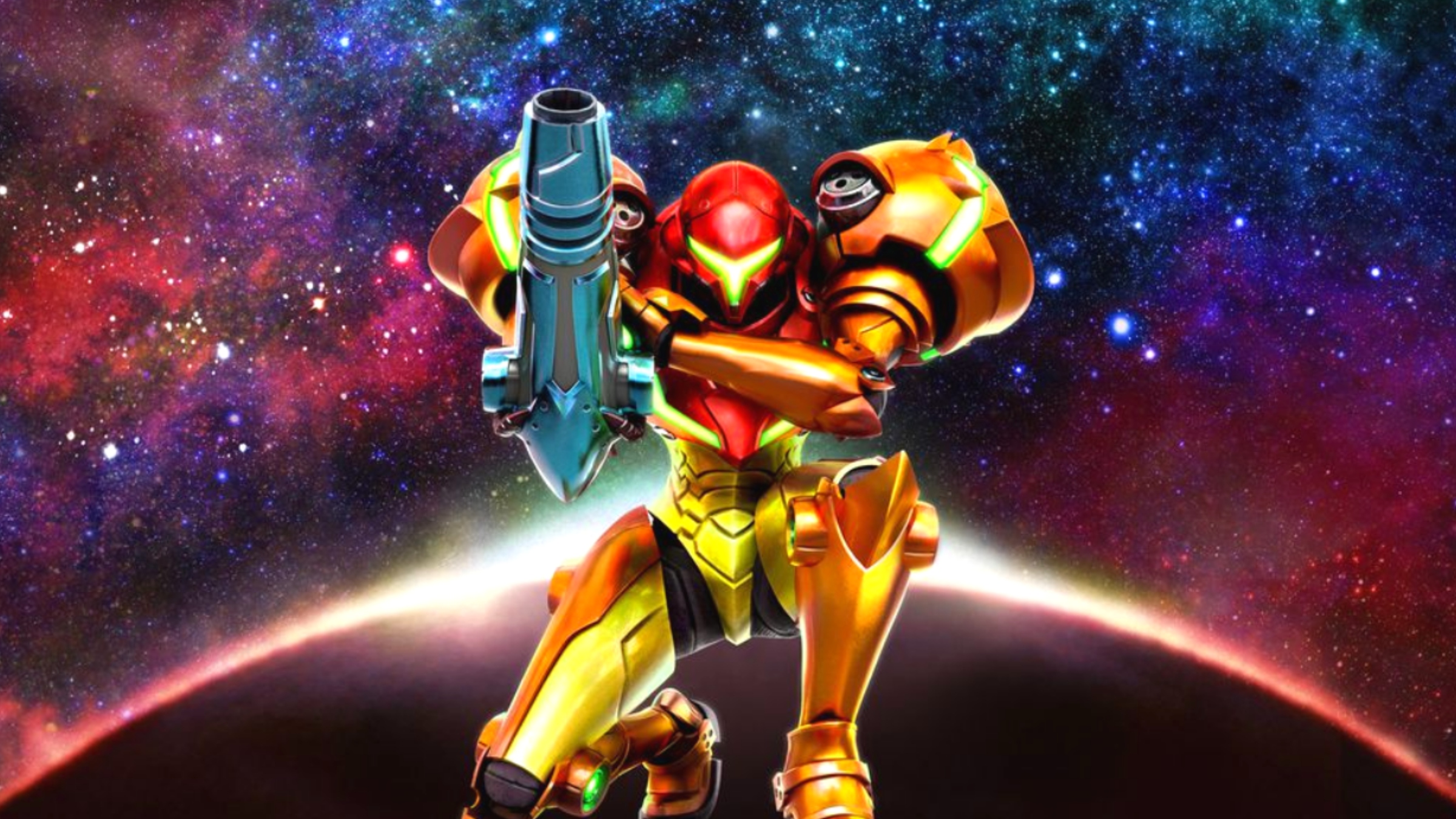
As a huge Metroid fan, I was so excited for Metroid: Samus Returns! It was made by MercurySteam with guidance from the original creators, Yoshio Sakamoto and Takehiko Hosokawa, and it really felt like a return to the roots of the series. It’s a complete remake of the Game Boy game Metroid II: Return of Samus, going back to that classic 2D style we all love. But it wasn’t just a simple re-release – the graphics were totally updated, and they added some really cool new gameplay features. It was awesome to see the classic Metroid formula improved with modern technology and a fresh take on everything.
Nintendo’s use of a 2.5D style in Metroid: Samus Returns proved very successful, receiving positive reviews, strong sales worldwide, and several awards. The game allowed Nintendo to both revive the Metroid series and explore the popular trend of updating classic games. Samus Returns is a great example of a well-done remake, blending new features like counterattacks with the series’ traditional gameplay.
Metroid Dread (2021)
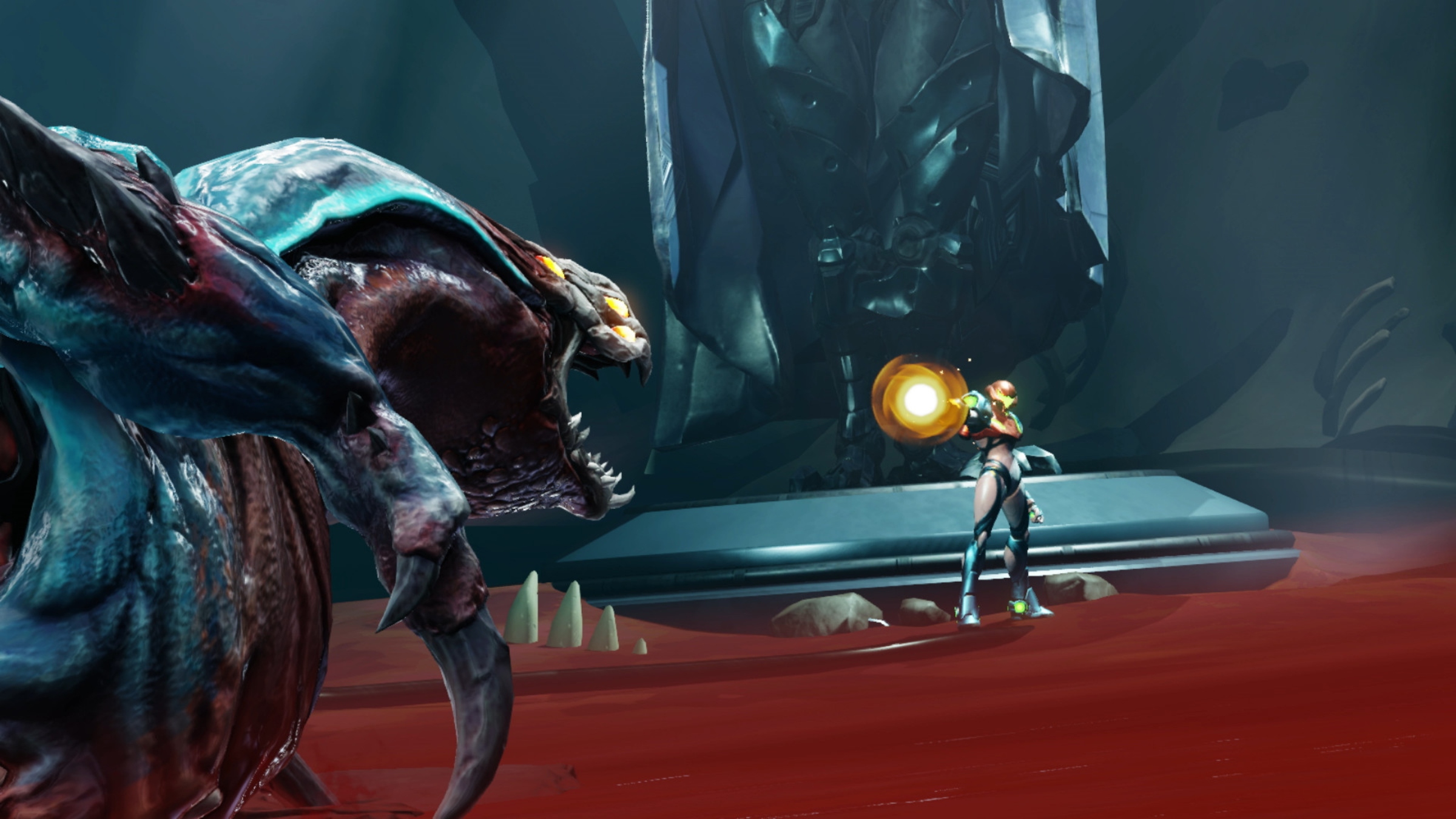
After the positive reception to Metroid: Samus Returns, Metroid producer Yoshio Sakamoto brought in MercurySteam to help him create a new 2D Metroid game. Originally planned for the Nintendo DS, Metroid Dread was designed to fulfill fans’ wishes for a new installment and Sakamoto’s goal of returning the series to its roots with a classic-style game.
Following the story of Metroid Fusion (originally released for Game Boy Advance in 2002), Metroid Dread cleverly blended stealth and action-packed combat. The game was a critical and commercial success, earning numerous awards – including recognition at The Game Awards – and becoming the best-selling Metroid game ever.
Metroid Prime Remastered (2023)
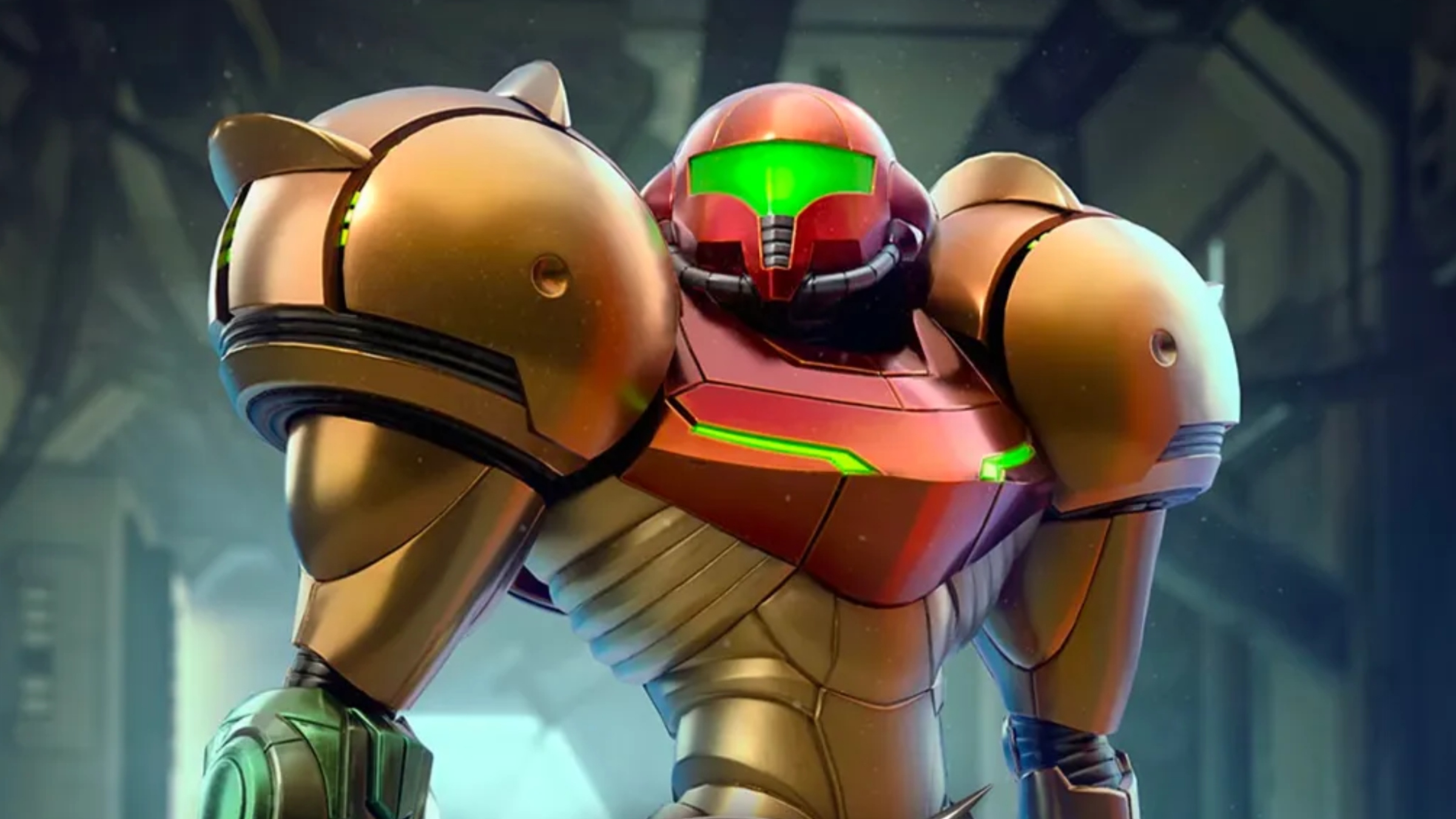
Over two decades after Metroid Prime first gained popularity on the Nintendo GameCube, Metroid Prime Remastered brought the classic game to the Nintendo Switch with updated graphics and controls. While the visuals are impressive, the remaster hasn’t been as praised as some other updated releases.
Like the updated version for the Wii, Metroid Prime Remastered aimed to modernize the gameplay experience. While it wasn’t as expansive as the collection released over ten years ago, Metroid Prime Remastered successfully reignited excitement for Metroid 4: Beyond, sustaining fan enthusiasm for the long-awaited game.
Metroid Prime 4: Beyond (2025)
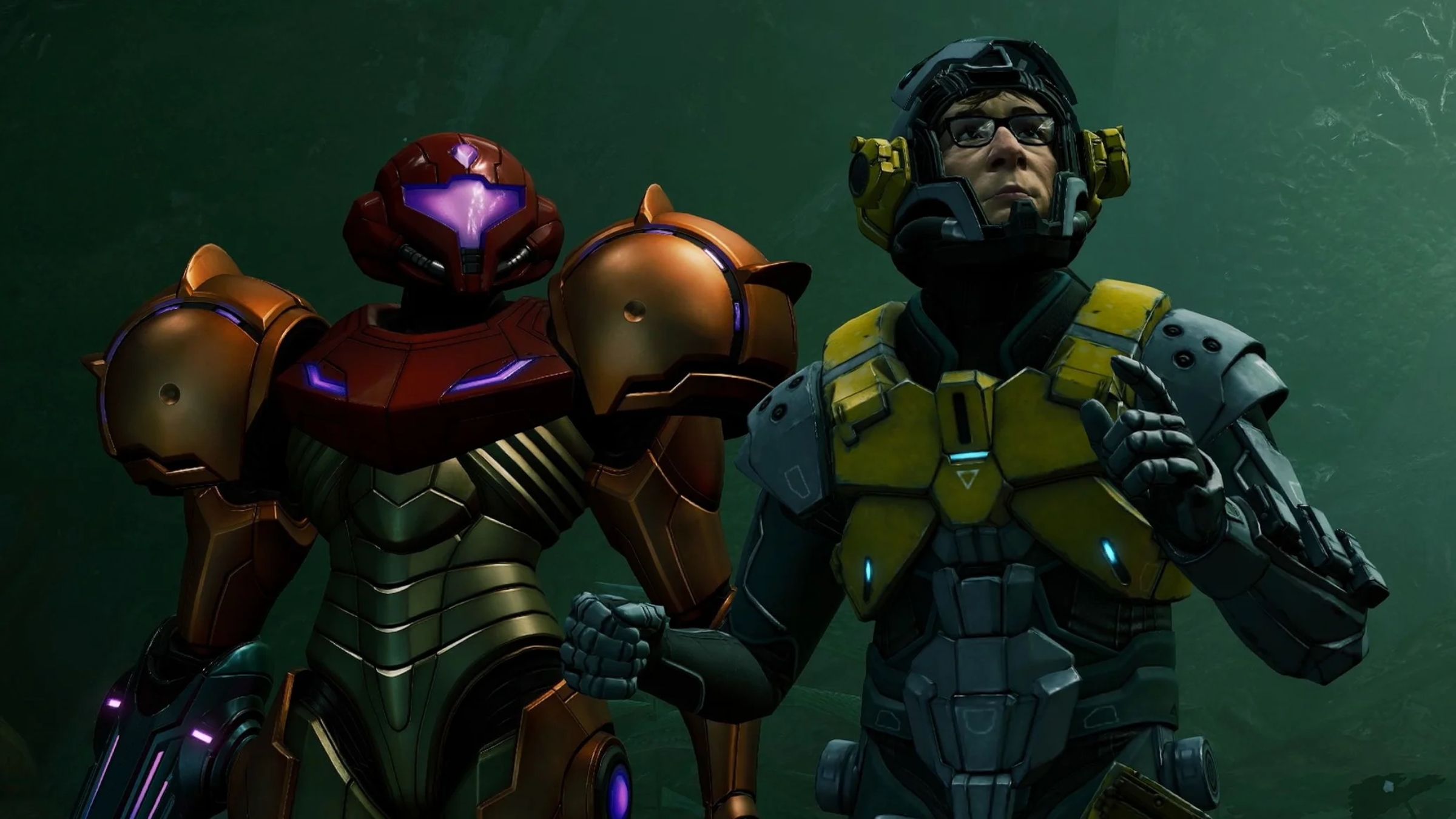
After 18 years, Metroid Prime 4: Beyond has revived the beloved Metroid Prime series. The game faced a lengthy delay because its development started with Bandai Namco, but Nintendo eventually restarted the project with Retro Studios.
Gaming journalists recently had a chance to play a preview version of the game, and they generally praised its fun gameplay and unique psychic abilities. However, many didn’t like the character Myles MacKenzie. The game is scheduled to launch on December 4th for both the Switch and the new Switch 2. It’s unclear if it will be as successful as the popular Metroid Prime series, but it’s great to see this franchise back on Nintendo consoles after nearly two decades since Metroid Prime 3 concluded a highly acclaimed trilogy.
Read More
- Gold Rate Forecast
- Hideo Kojima Says He Was Never Told About The Matrix Creators Wanting Him to Make a Game
- Eurogamer Gives ARC Raiders 2/5 Over AI Voices, Dropping Metacritic Score from 94 to 84
- One of Hulu’s Best New Shows Lands on Disney+ Ahead of Season 2
- Dune 3 Gets the Huge Update Fans Have Been Waiting For
- Guardians of the Globe Members We Want to See in Invincible Season 4
- Kelly Osbourne Slams “Disgusting” Comments on Her Appearance
- What Song Is In The New Supergirl Trailer (& What It Means For The DC Movie)
- ’90s Cartoon Reboot & TMNT Connection!
- The 10 Best Fantasy Movies Of the 2020s (So Far)
2025-11-23 00:15