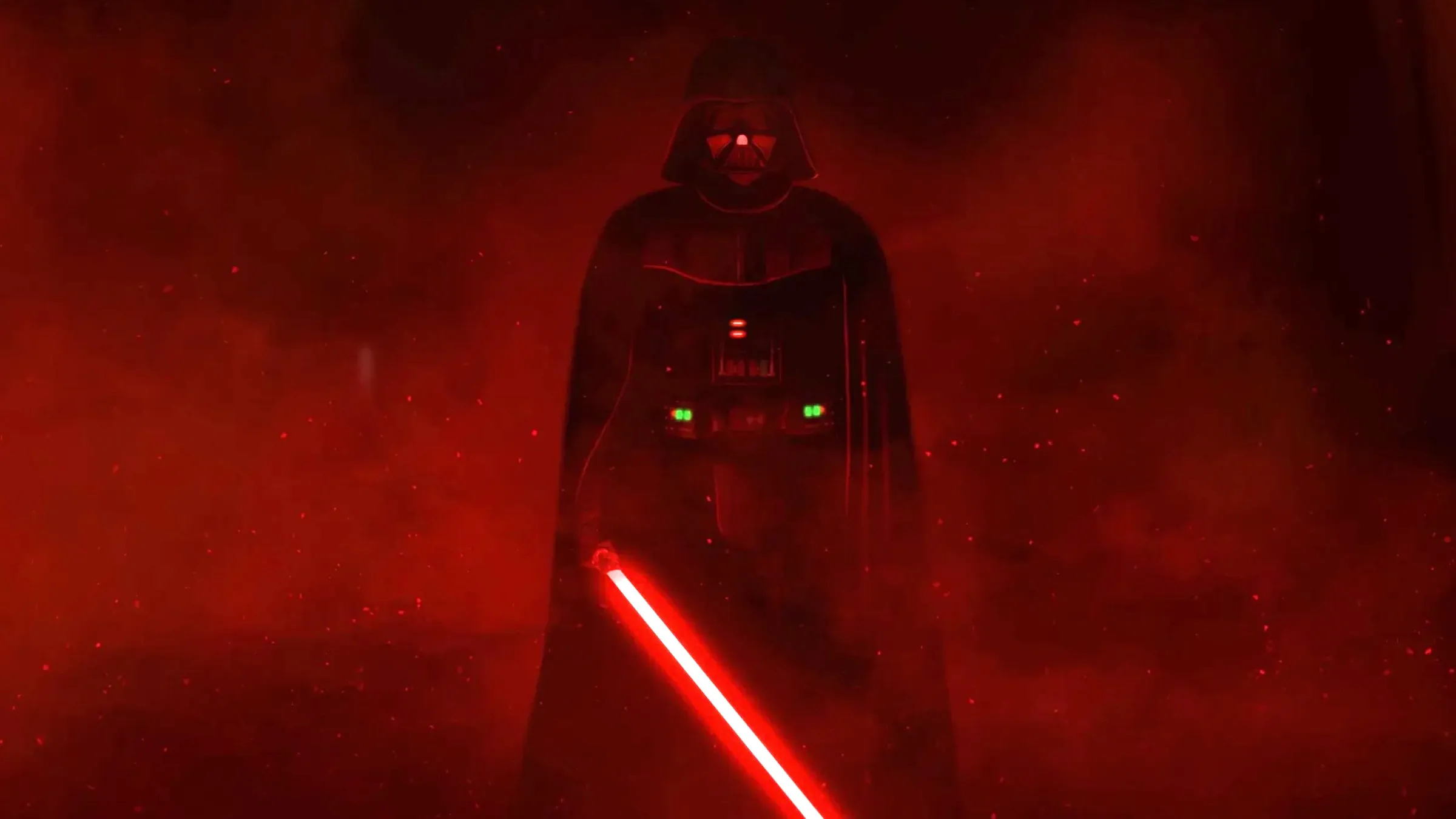
After much anticipation, Kathleen Kennedy is leaving her position as President of Lucasfilm, marking a major change for the studio since Disney acquired it. Kennedy played a key role in the 2012 deal that brought George Lucas’s company to Disney and was chosen to lead the studio forward. Her time at Lucasfilm saw both successes and disappointments. She oversaw popular shows like The Mandalorian and the highly-rated Star Wars: Andor, but also the divisive Star Wars sequel trilogy. Though stepping down, Kennedy will remain involved in filmmaking and continue to explore new technologies like artificial intelligence, remaining a figure of debate within the industry.
Kennedy confirmed to Deadline that she had let people know she’d be staying at her current position a little longer than planned, but she’s now eager to pursue making more films. She wants to return to working on a diverse range of projects like she did in the past, and is excited to collaborate with Frank Marshall again, particularly on his documentary work. She also expressed strong interest in exploring generative AI, which she describes as the ‘new technology’ she’s keen to work with.
Kennedy expressed her enthusiasm for exploring AI tools in Hollywood, emphasizing the need to use them responsibly and protect the rights of artists – a priority she considers crucial. She also highlighted the potential of these tools to revolutionize storytelling and visual effects, drawing on her years of experience witnessing technological advancements. Kennedy believes we’re on the cusp of a new era of creative possibilities, and she finds that incredibly exciting.
Why So Many People Are Against AI in Hollywood?
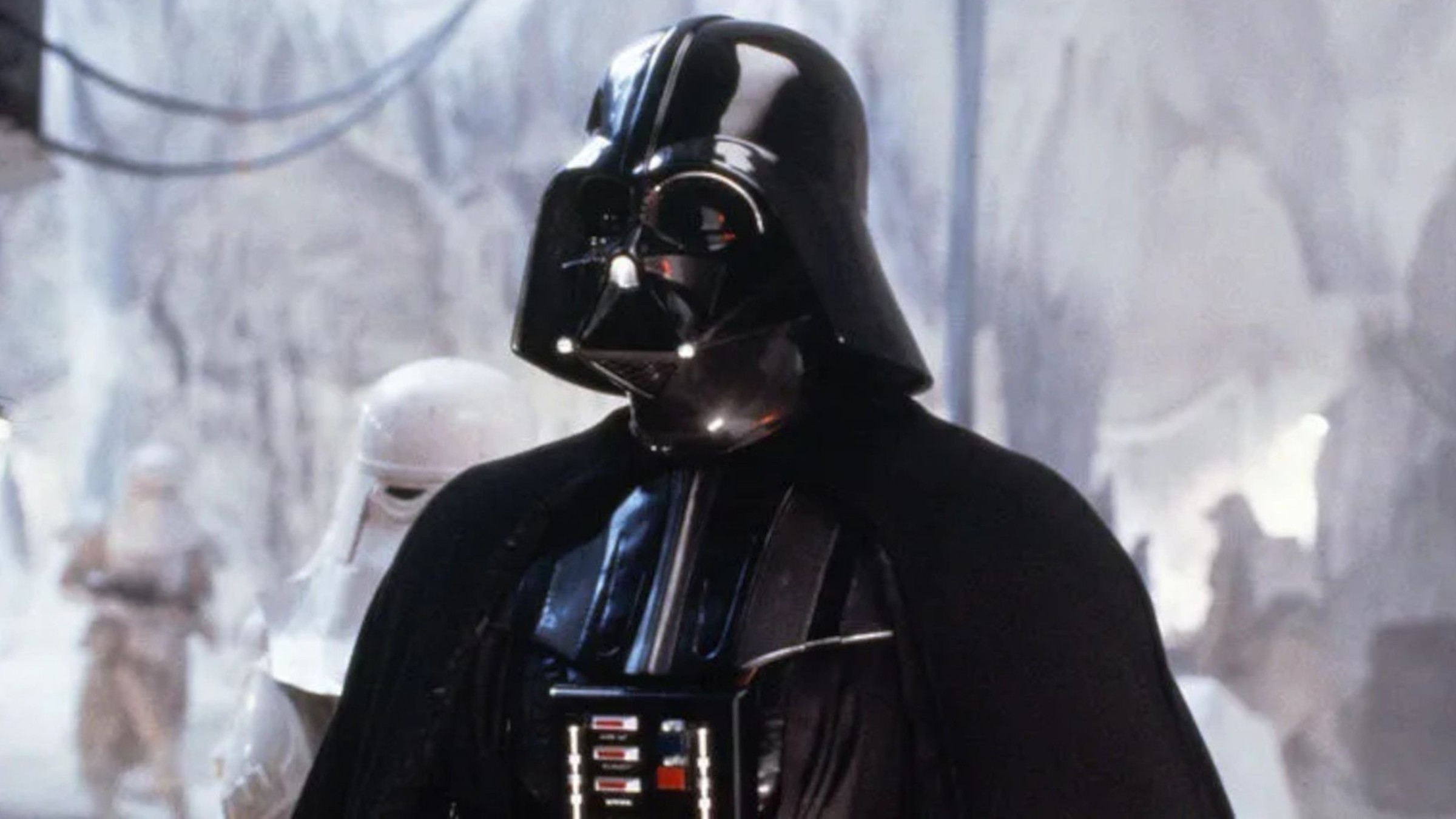
Many in the film industry are wary of using generative AI because they believe movies are, at their core, a form of human expression. Those who oppose the technology – including myself – feel that films and TV shows aren’t just products for a large market; they’re art created from lived experiences. Studios hoping to save money and rely on predictable formulas risk turning storytelling into a purely technical process by removing the human touch. Even without AI, true art needs purpose, hidden meanings, and an understanding of what it means to be human – things a machine can’t provide. When these crucial elements are automated, the final product often feels empty and lacks depth.
As a big fan of creative work, I’ve been thinking a lot about these AI tools. It’s become clear to me that they aren’t actually creating things, not in the way a human artist does. They’re more like super-powered pattern-matchers. They look at almost everything ever made – all the text, images, music – and then predict what response is most likely to satisfy what I ask for. Basically, they remix existing stuff. And that’s a little worrying! It means truly original or groundbreaking work might be harder to come by, and we could end up with a lot of content that feels…samey. It feels like diverse and unique voices might get lost in the process, as the AI leans towards what’s statistically ‘average’.
Even though generative AI has limitations, Kennedy believes it can still be useful in filmmaking. She doesn’t think it will change every movie, but she sees a lot of potential for large-scale, visually ambitious films – especially when it comes to creating new worlds and images that audiences haven’t seen before. She thinks this technology will be particularly helpful in those cases.
What are your thoughts on Kathleen Kennedy’s views on artificial intelligence? Share your opinion in the comments and join the discussion in the ComicBook Forum!
Read More
- The Super Mario Galaxy Movie: 50 Easter Eggs, References & Major Cameos Explained
- 10 Best Free Games on Steam in 2026, Ranked
- Surprise Isekai Anime Confirms Season 2 With New Crunchyroll Streaming Release
- Sydney Sweeney’s The Housemaid 2 Sets Streaming Release Date
- Welcome to Demon School! Iruma-kun season 4 release schedule: When are new episodes on Crunchyroll?
- Preview: Sword Art Online Returns to PS5 as a Darker Open World Action RPG This Summer
- Skate 4 – Manny Go Round Goals Guide | All of the Above Sequence
- Why is Tech Jacket gender-swapped in Invincible season 4 and who voices her?
- Forza Horizon 6 ‘Prologue’ gameplay
- Joel Kinnaman Claims ‘Peacemaker’ Was His Last Time as Rick Flag Jr. in the DCU
2026-01-16 15:21