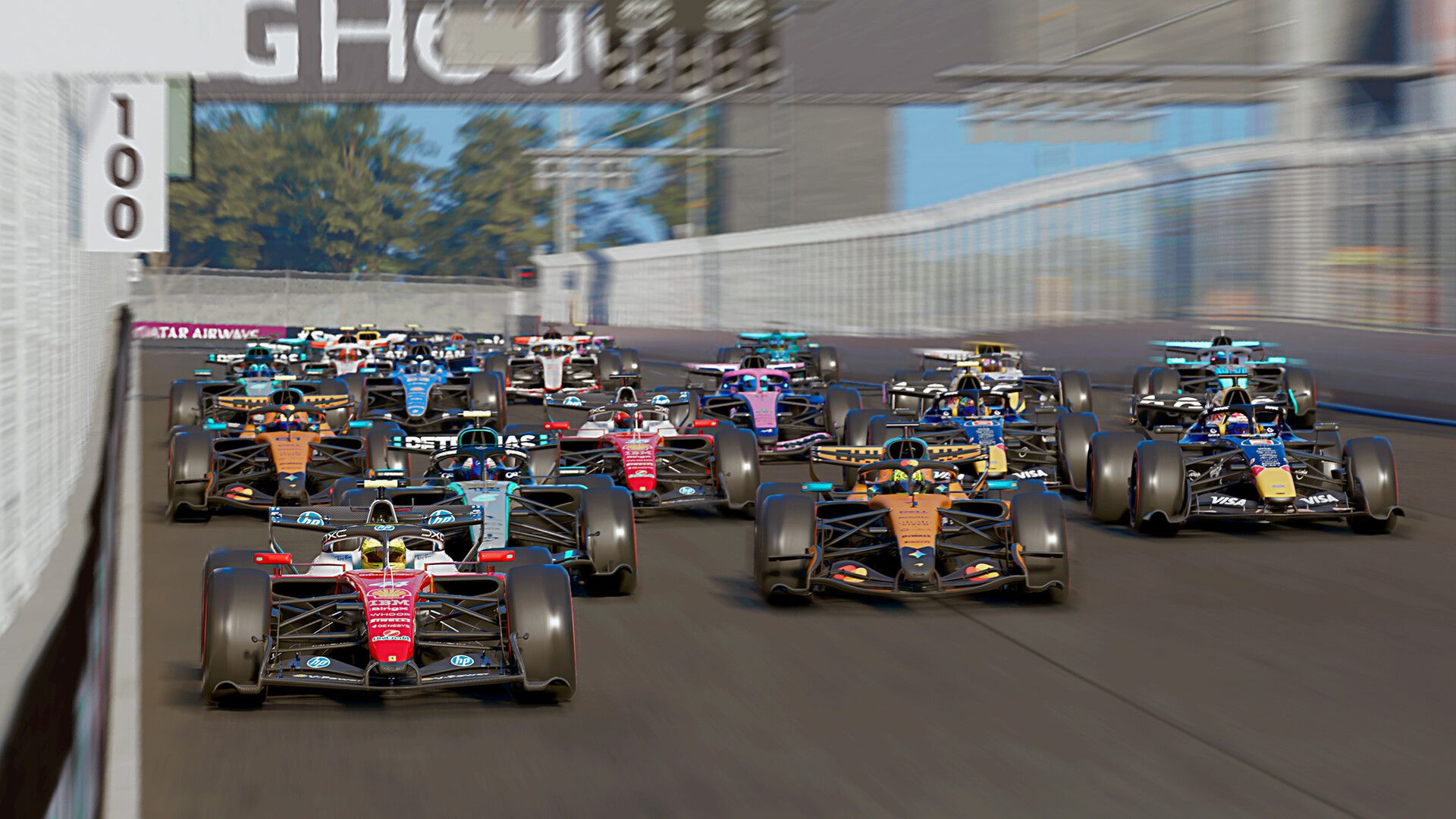
Formula 1 is set for a major transformation in 2026. The sport is introducing its biggest changes ever, with new engines that will balance traditional fuel power with electric energy almost equally. Cars will also be sleeker, designed to improve performance, and built to be smaller, lighter, and more responsive. The goal, according to the sport’s governing body, the FIA, is to create more exciting races with closer competition and increased opportunities for drivers to pass each other.
This season has delivered some thrilling racing with frequent overtaking and immediate counter-overtakes – a back-and-forth effect. However, there’s growing debate about how genuine the racing feels with these hybrid cars. Are things becoming too manufactured? Should drivers be driving at full speed constantly, or does skillfully managing battery power still demonstrate driving ability?
At first glance, the changes in F1 25: 2026 Season Pack feel fairly minor. While the update includes the latest driver rosters, team designs, two new teams, and the Madring circuit, you won’t immediately notice a huge difference in how the cars handle. This pack focuses more on the demands of the new regulations – how you drive and race – rather than a dramatically different ‘feel’ for the cars themselves.
To acclimatise to the 2026-regulation cars I loaded into Time Trial – among F1 25’s modes incorporating 2026’s updates alongside Grand Prix, unranked multiplayer, split-screen, pro challenges, and career – with new teams Cadillac and Audi, the latter swapping Sauber’s lime green for titanium silver and flaming red.
The new Active Aero package works similarly to the old DRS system, allowing both front and rear wings to open and reduce drag for faster speeds. However, unlike the limited DRS zones of the past, drivers will have more opportunities to use this new system throughout each race.
Driving the Cadillac around Austin and Miami, the car handled well, though the improvement wasn’t as noticeable as I’d anticipated. Even so, I felt a slight adjustment to the controls was needed. I adjusted the steering to be less sensitive at high speeds, making it feel smoother and more stable.
These initial experiences weren’t complete until I tried out the updated energy systems planned for 2026. I went to a race weekend to test the new Boost and Overtake Modes. Boost is always available, but Overtake, with its significant power increase, feels like the real successor to DRS. It’s not about aerodynamic adjustments like Active Aero; it’s a huge burst of power you get when you’re within one second of the car ahead at specific points on the track.
What sets Overtake apart is that you have a full lap to recharge after using it. Like in real Formula 1, it allows drivers to quickly pass others, and we’ve seen some surprising overtakes happen with its help. In the game, I found it especially effective on the final section of the Circuit de Gilles-Villeneuve; I was able to pass several cars before the Wall of Champions. But using it meant my battery was drained, leaving me vulnerable to being overtaken on the straightaway.
I quickly passed a car on the back straight of Melbourne’s Albert Park using both Overtake and open aerodynamics. However, my opponent stayed close, likely saving battery on the straight to try and pass me back right away. They successfully overtook me well before the braking zone for turn thirteen, and with my battery low, I couldn’t respond.
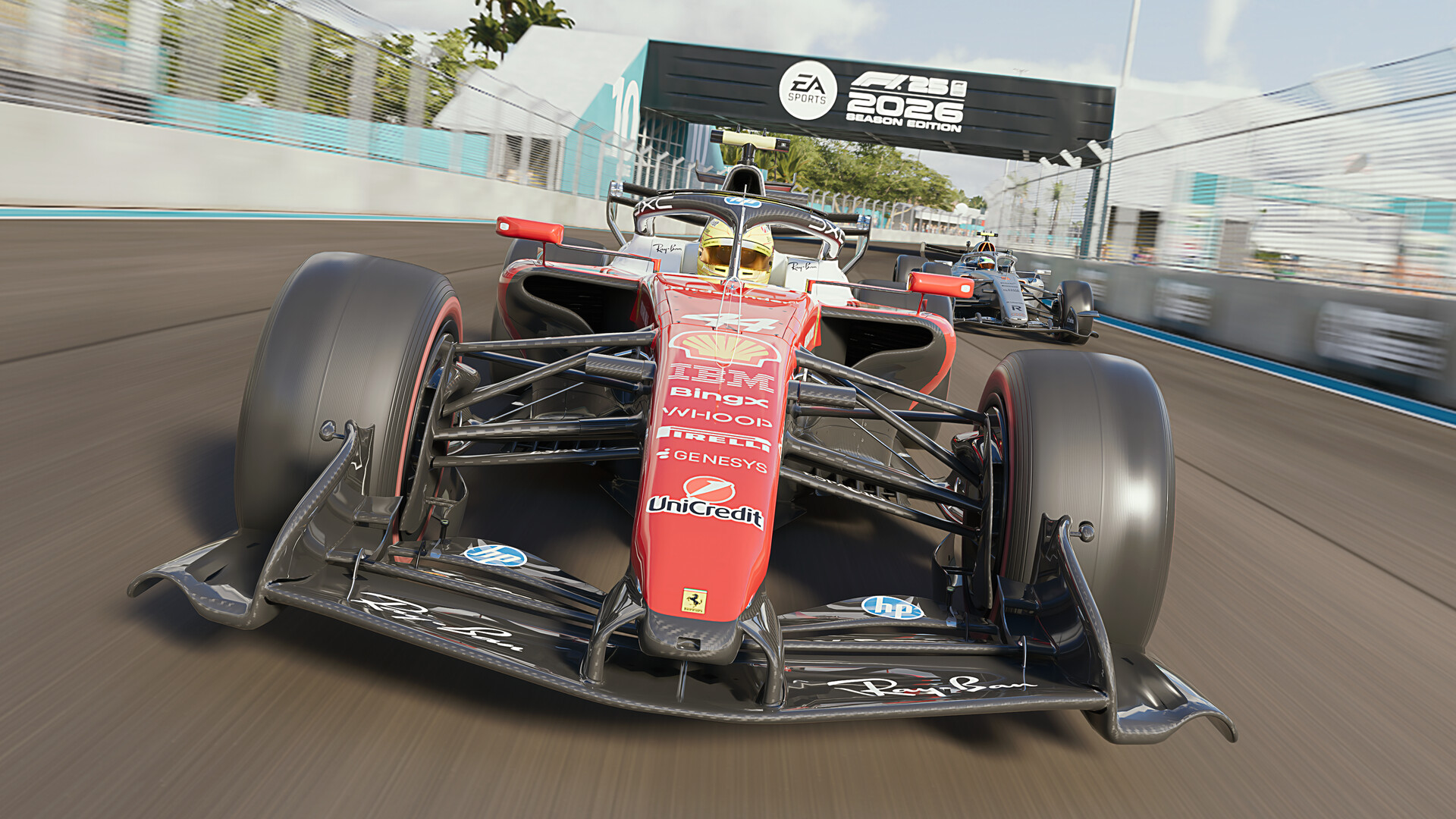
“Clipping in the 2026 Season Pack is inconsistent.”
Here’s a key takeaway: using the ‘Overtake’ boost isn’t a simple, one-time move anymore. While using extra power to attack is still effective, remember you also need battery power to defend. The new battery rules for 2026 highlight this – batteries drain much faster than last year, meaning you’ll need to actively recharge while driving. Real-world cars will do this by braking strategically, lifting off the throttle early to slow down, and through a technique called ‘superclipping,’ where the engine intentionally sends power to the battery, slowing the car while engine revs drop.
The clipping feature in the 2026 Season Pack feels unreliable. While I noticed a helpful power boost and recharge when approaching a tight corner in Austria, I didn’t get the same benefit on Shanghai’s long straightaway – a place where it should be most noticeable. It’s unclear how clipping is supposed to work; my race engineer talked about lifting and coasting and using boost out of corners, but didn’t mention clipping itself. Regardless of personal preference, clipping needs to be a fully implemented and explained feature to create the most realistic racing experience.
So, the most effective recharging is done by lifting and coasting, which for most will mean adapting your driving style. I found that flowing tracks like Qatar’s Losail International Circuit made lifting and coasting – or, in other words, driving deliberately more measured – quite enjoyable. Throughout its long sequences and the absence of heavy-braking zones, Losail became an opportunity to refine my throttle control. And, during races, Qatar doesn’t demand energy management as strictly as the aforementioned Albert Park or Circuit de Gilles-Villeneuve – the latter going further to expose some bad habits too. Now, more than ever, nailing your exit to turn-ten’s hairpin is crucial to securing a pass on the following straight with battery to spare.
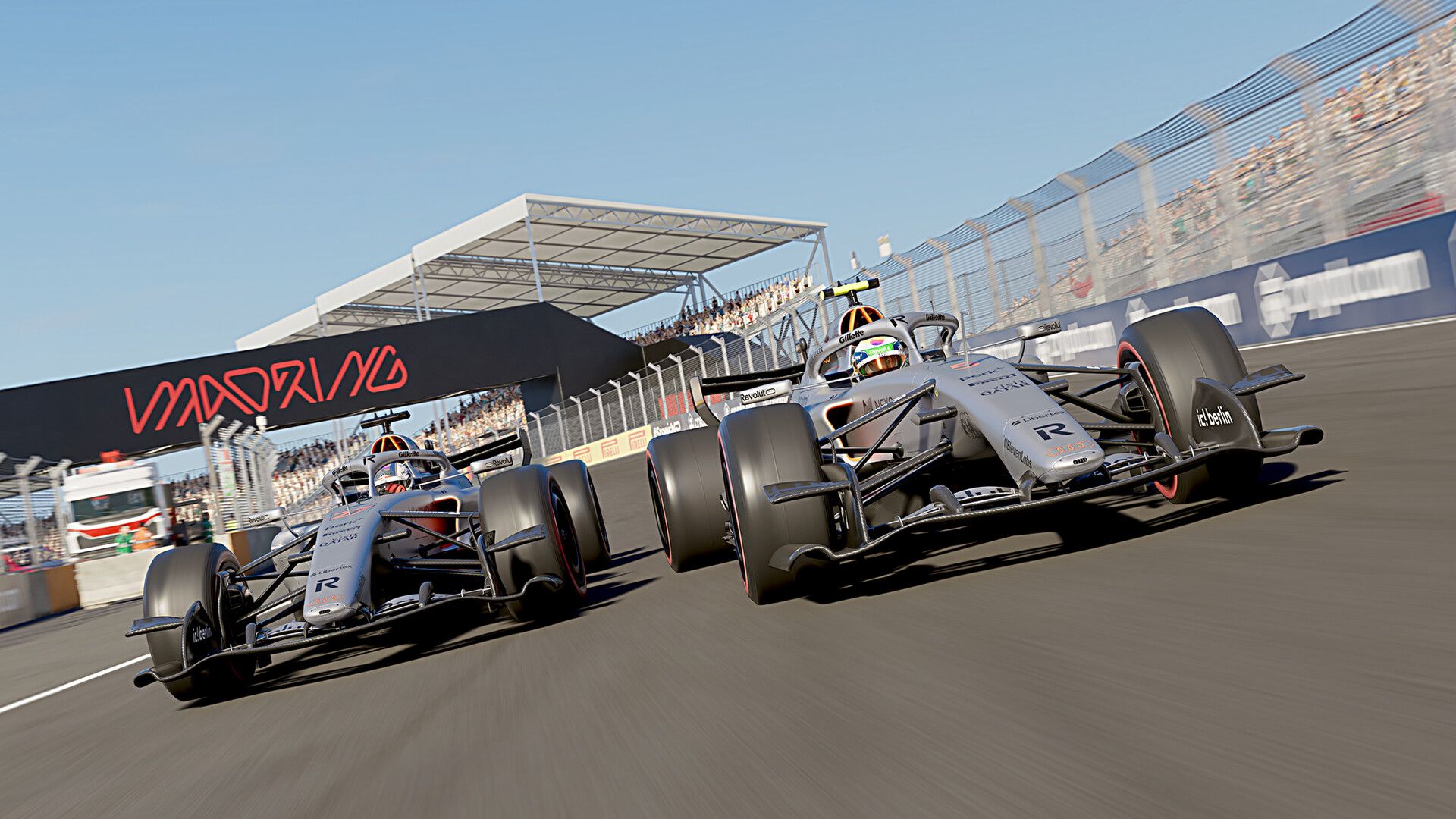
While some race tracks require drivers to really learn the nuances to perform well, the new Madring circuit in Madrid is completely different. It’s narrow, full of twists and turns, and unlike anything drivers have experienced before – it’s strange to race on a track that Formula 1 hasn’t even visited yet! However, this unfamiliarity is actually a good thing, forcing drivers to truly learn the track and offering opportunities for innovative overtaking maneuvers thanks to this year’s battery technology.
Before the street circuits of Las Vegas and Baku, overtaking was famously hard in Formula 1. The potential for passing at the proposed Madring circuit would be questionable without the new regulations coming in 2026. The track offers a chance for drivers to battle for position on the opening laps, with an opportunity to gain an advantage heading into a tight corner using the extra power from electric engines. This kind of pass wouldn’t have been possible on last year’s race schedule.
Likewise, I was caught out on the briefest zip toward the final corner, showing that even marginal straights yield opportunities for passing. Whether these scenarios play out similarly when F1 visits the circuit is unknown, but Madring makes for an enjoyable experience in 2026 Season Pack regardless.
“My only gripe, really, is that the strategic potential in the 2026 regs isn’t fully explained.”
And that’s the thing: the strongest critique of 2026’s regulation changes accuse the FIA of ‘gamifying’ Formula 1. And while that debate is ongoing, in F1 25: 2026 Season Pack those ‘game-like’ changes translate into a tactical tug-of-war, where energy management boils down to a risk-versus-reward mechanic. Whether you’re recharging for one final qualifying lap as the clock ticks down, or you’re desperate to stay ahead of the pack as your battery’s running on empty, F1’s 2026 regulations expand on-track tension. Through refined throttle control, tactical energy use, occasional ERS trains forcing you toward unconventional overtakes, or the dreaded speed differentials between power surging and battery harvesting cars, you’ve more on your plate in F1 25: 2026 Season Pack than ever before.
My main issue is that the game doesn’t fully explain how to use the new 2026 regulations to your advantage. While your engineer explains the basics, the tutorial could offer more concrete advice on using the battery power for attacking and defending. The practice programs also seem the same as before, which is a missed chance to really teach you how to maximize your battery’s potential. The game does introduce mid-race objectives – like asking you to use a certain amount of battery power within a lap – but these come when you’re already focused on the race. I’ve had to rely on my knowledge of Formula 1 to develop strategies, and players who aren’t familiar with the sport will likely have to figure things out on their own.
The 2026 Formula 1 season will bring big changes to the sport, but the F1 25: 2026 Season Pack takes a more gradual approach. While the updates aren’t as extensive as you might think, mastering the new battery system adds a layer of strategy to each race. What’s really impressive is how the pack improves the overall driving experience, encouraging players to be more precise and thoughtful behind the wheel.
This DLC is more than a re-skin, and fans of the series should be eager to access the update before F1 27’s purported revamp.
This game was reviewed on the PlayStation 5.
Read More
- Green Game Jam returns with 70 games teaming up to tackle the climate crisis
- Gold Rate Forecast
- EUR CNY PREDICTION
- USD BRL PREDICTION
- USD TRY PREDICTION
- PI PREDICTION. PI cryptocurrency
- DOGE PREDICTION. DOGE cryptocurrency
- Seven Snipers Review: A Sharpshooter Action Movie That Misses More Than It Hits
- Fairy Tail Creator Teases Natsu & Lucy’s Romantic Future Ahead of Revival
- SUI PREDICTION. SUI cryptocurrency
2026-06-11 20:16