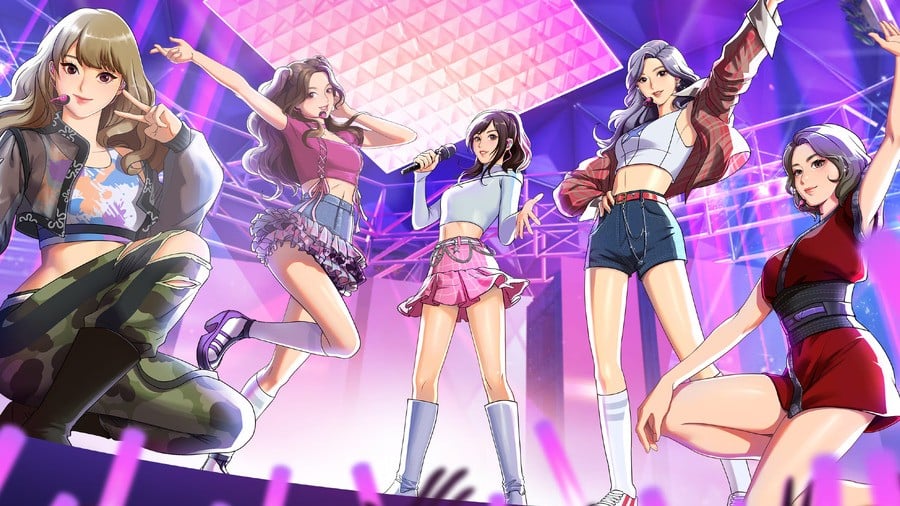
Between Lisa’s performance at the World Cup and the massive success of the Netflix film K-pop Demon Hunters, Korean culture is more popular around the world than ever before.
Things have changed a lot since 2010, when I was at university and first getting into K-pop with songs like Girls’ Generation’s ‘Gee’. But even then, I was a bit behind – dedicated fans had been listening to groups like S.E.S. from SM Entertainment as early as 1997.
No matter how you became a fan – whether you’re a TWICE fan (ONCE) or a LE SSERAFIM fan (FEARNOT/GLLIT) – the new K-pop Idol Stories game sounds amazing. It combines music, running a business, and building an empire, which are all things I really enjoy!
Before the game launches on July 16th, I spoke with Wisageni Studio, the Indonesian team behind it, to find out more about how they made it. I learned about their collaboration with actual songwriters and the manhwa-style artwork they used.
The team answered all my questions really well, and I think you’ll enjoy this if you’re a fan of the game.
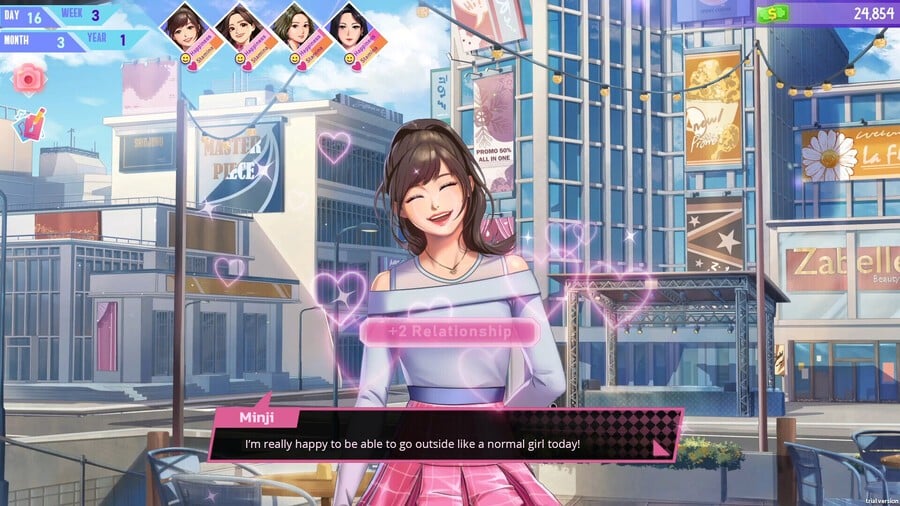
Could you describe what a typical game session looks like? What are players trying to achieve? Do you guide your talent group all the way to their first performance, or do you continue managing them even after they debut?
The whole game leads up to the debut, because that’s when you finally see the consequences of all your choices.
Playing the game involves carefully juggling several tasks: finding promising players, organizing training, helping them improve, and making smart business choices. Each player is unique, with different skills and goals, so you’ll always be figuring out how to best use your time and resources to help them succeed.
We see a group’s debut as the biggest challenge in the music industry. The real question isn’t just whether you can create a new group, but what kind of group you’ve made, and if the effort put in was justified by the results.
Sometimes, when a game finishes, players realize their team isn’t what they initially envisioned. These surprising results can be really insightful, showing how the game itself altered both the team’s development and the player’s goals.
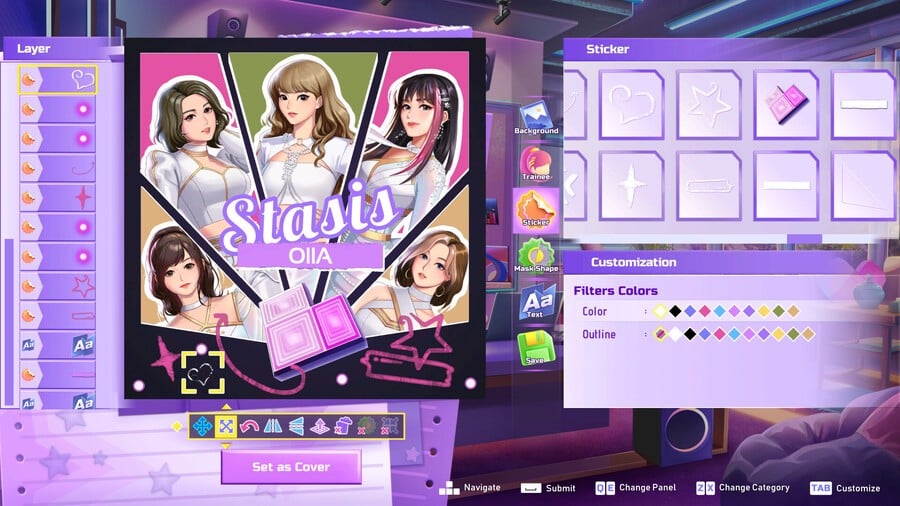
Okay, so as a player, I’m really wondering what keeps me hooked long-term. What rewards are there for sticking around and constantly making new teams? Also, how many different trainees can I actually recruit? And are they all just skins, or do they actually feel different? Like, do their unique personalities affect how I have to train and manage them? That’s what I’m curious about!
The game features eight potential trainees you can recruit. While that might seem like a small number, it’s by design. K-pop Idol Stories takes place in a competitive K-pop training and survival show, where the biggest challenge isn’t discovering talented performers, but choosing which ones will actually get to debut as idols.
K-pop companies usually launch new groups every year or two, though smaller agencies tend to wait three to five years to make the most of their resources. Larger labels are quicker, often introducing a new group annually. Because of this frequent turnover, it’s challenging for trainees to actually debut.
Every character you train starts with a unique history and set of skills. Throughout the game, your decisions will determine how well you lead them and what kind of future they ultimately have.
Sometimes the most difficult decision isn’t who to recruit, it’s who to leave behind.
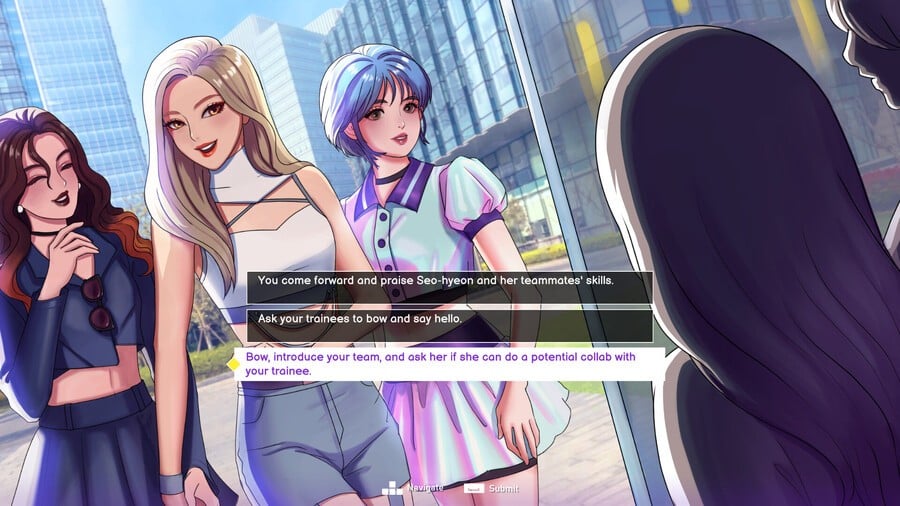
Okay, so when we were making the game, we did a ton of research into K-pop. It’s a really different world with all the trainee systems, scouting, and the way groups are formed. I was super focused on making sure the game felt authentic – like, if you were actually launching a new group, this is what it would really be like. We wanted to get all those details right so players could experience that process accurately.
Our team grew up playing video games, but we’ve also loved K-pop since its early days. We’ve seen the K-pop world change a lot over time, and now it’s much simpler to follow groups from the very beginning thanks to things like survival shows, documentaries, interviews, and online fan communities.
We didn’t want to make a game that simply presented facts like a documentary. Since both games and music are meant to be enjoyable, our goal was to capture the feeling of K-pop within an interactive gaming experience, not just explain how it functions.
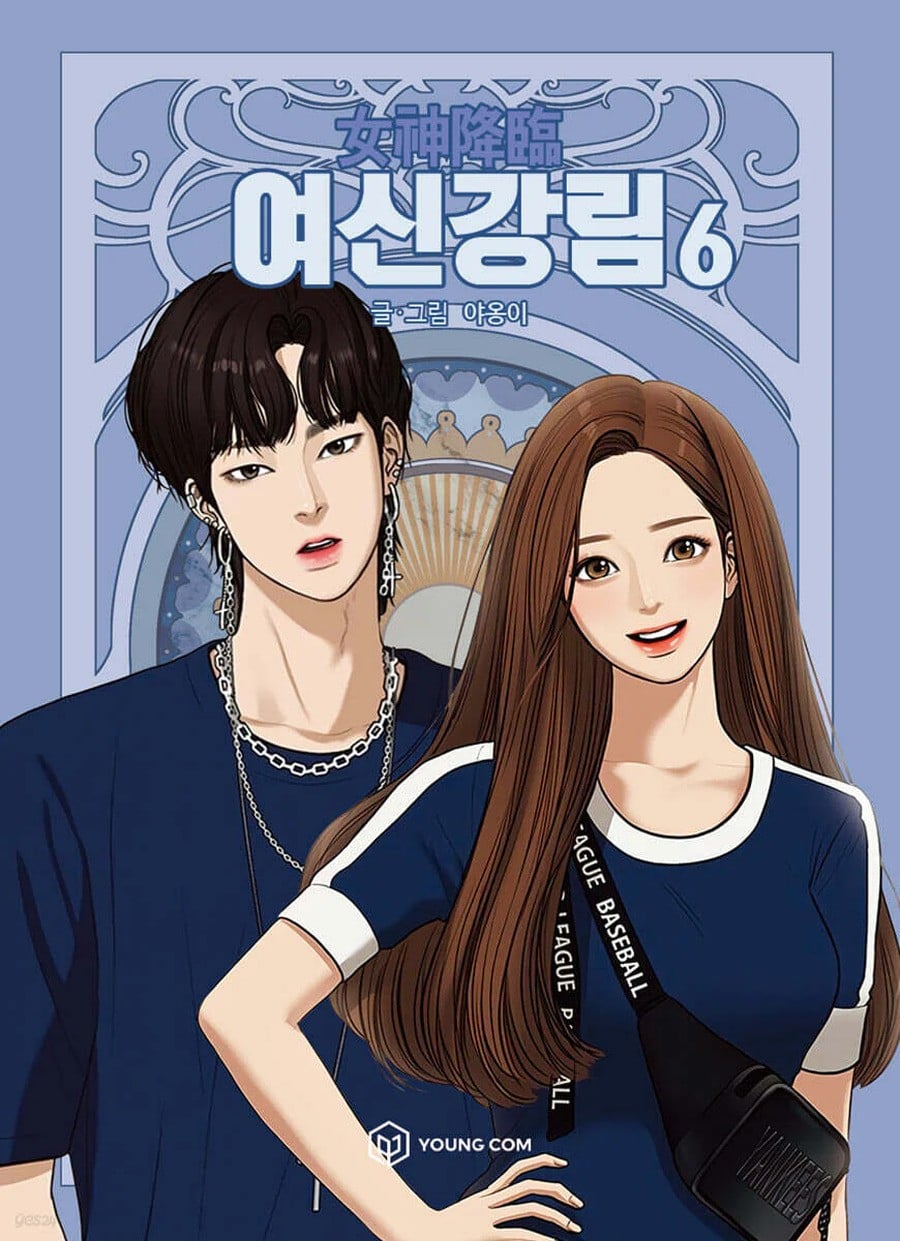
I’m curious about the art style you chose. When I first saw it, I was a little surprised it wasn’t more like the art in Japanese manga, especially since I’ve been reading Girl Crush. But the more I play, the more I notice similarities to Korean webcomics, like True Beauty. Were you aiming for that kind of look?
We’re happy you noticed the similarities to manhwa like True Beauty! We weren’t aiming for a typical anime look for our characters. Instead, we wanted them to feel more grown-up and realistic, like the K-pop idols you see today.
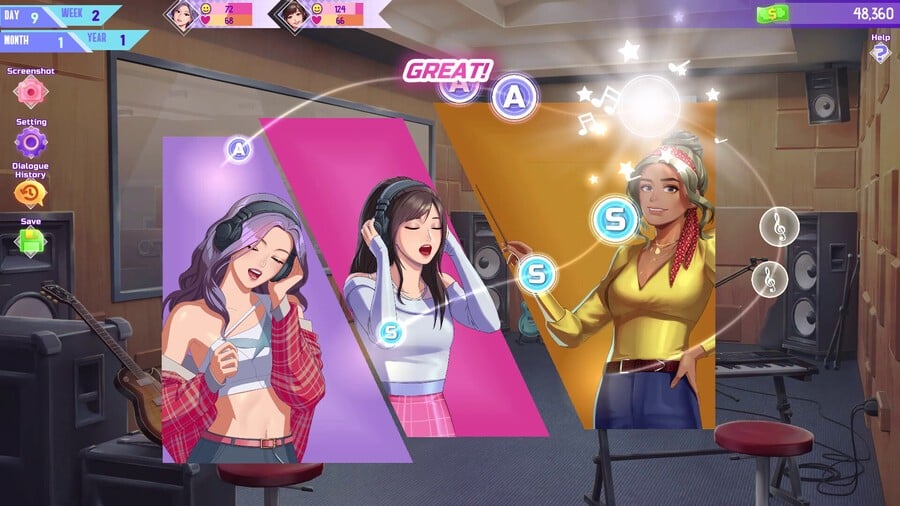
I understand getting licensed tracks from artists like Blackpink and TWICE is unlikely. Since this game focuses on music, could you share some details about the soundtrack? I’m guessing it will feature original compositions – if so, who created the music and what was the reasoning behind that choice? Will there be a diverse range of musical genres available, and will players be able to form groups with unique styles and sounds?
Finding the perfect people for the soundtrack was difficult, but we were lucky to connect with Shorelle and Honi Studios, both with a lot of experience in K-pop. Shorelle, an international talent working in South Korea, has written songs for popular artists like BTS’s Jin, Seventeen, TXT, NCT WISH, TWICE, Nayeon, ITZY, and LE SSERAFIM.
We worked with a variety of singers – both up-and-coming trainees and established artists like Aylah – to create five original songs for the game. We aimed for each track to have its own unique feel and add to the player’s experience.
There are no boy bands here, right? Why did you decide to focus on girl groups?
We view this focused approach as a strength, not a drawback. Starting with girl groups allows us to explore their individual personalities, backstories, overall themes, and unique styles in great detail – something we couldn’t achieve if we tried to cover the entire K-pop world at once. K-pop fans have keen eyes for detail, so we want to excel in one area rather than superficially represent everything.
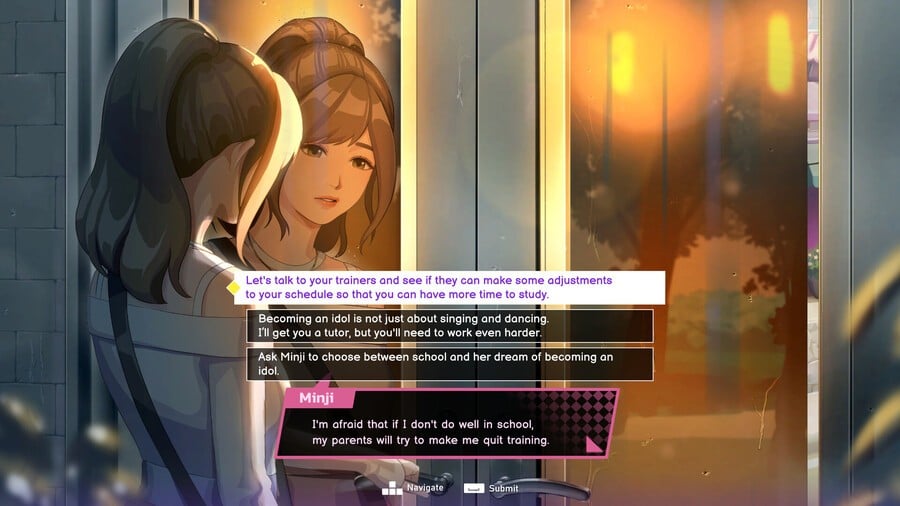
K-pop is incredibly popular, but the industry also faces serious issues like accusations of exploiting young performers, bullying, and extreme pressure to maintain a certain weight. Will this game address those darker sides of the industry, or will it focus purely on the fun and enjoyable aspects for K-pop fans?
We didn’t want to portray the K-pop industry as flawless, nor did we want to exploit its challenges for entertainment. Ultimately, this is a game, so we aimed for a fun and uplifting experience – a celebration of that initial excitement and joy of discovering K-pop.
We aimed to recapture the thrill of finding a new favorite group, the eager wait for their first performance, and the feeling that dedication and effort can make anything possible.
Since you’re developing this game from Indonesia, rather than Korea, I’m interested to hear how that location has influenced your creative process.
Actually, being outside of Korea gives us a unique strength. We see K-pop much like international fans do – we get what makes it so appealing globally, while also being able to step back and ask the basic questions that people deeply involved in the industry might not even think about.
The game feels like a heartfelt tribute to K-pop, created with fans around the world in mind. Today, K-pop’s reach extends far beyond Korea’s borders – it’s a global phenomenon.
Modern K-pop isn’t just Korean anymore – it’s created with contributions from artists, producers, songwriters, and fans globally.
Although K-pop started in Korea, music is a global language understood by everyone, no matter their background or where they’re from.
I want to thank the team at Wisageni Studio for being so helpful and answering all my questions before the game launches. “K-pop Idol Stories: Road to Debut” comes out on July 16th for PS5, and it will be available in both physical and digital formats. I’m excited to get both versions – I plan to put the physical copy on display!
Read More
- Green Game Jam returns with 70 games teaming up to tackle the climate crisis
- Gold Rate Forecast
- PI PREDICTION. PI cryptocurrency
- Black Clover Confirms Special Chapter After Manga Finale
- USD BRL PREDICTION
- EUR CNY PREDICTION
- USD HKD PREDICTION
- USD TRY PREDICTION
- Seven Snipers Review: A Sharpshooter Action Movie That Misses More Than It Hits
- EUR USD PREDICTION
2026-06-13 20:10