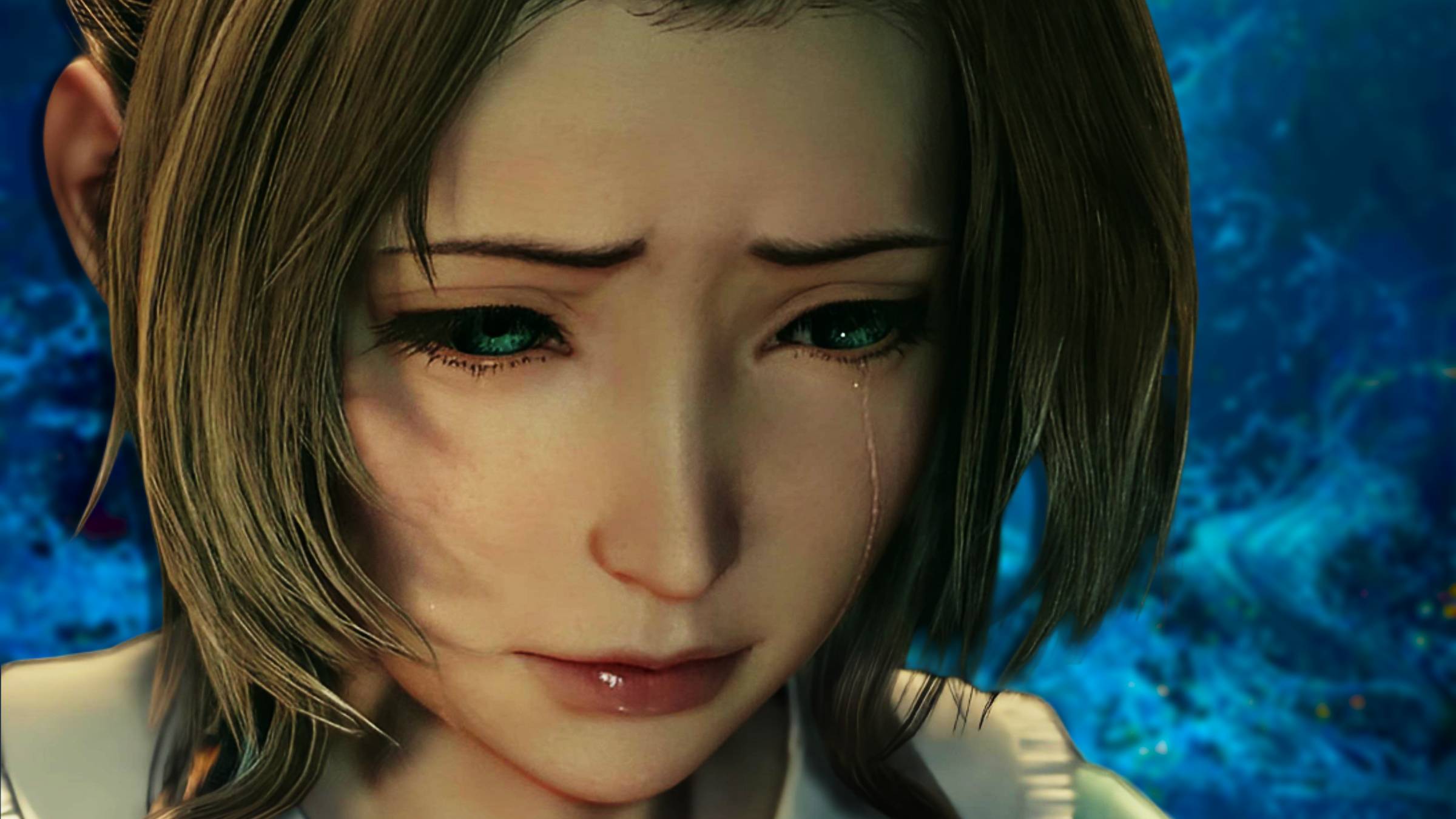
The Final Fantasy series is a gaming icon, a long-standing and incredibly influential RPG franchise. Its history is impressive, and it continues to build a strong legacy. Remarkably, even when a Final Fantasy game isn’t well-received, its devoted fanbase always rallies to support future installments. As a fan myself, I think that unwavering loyalty is well-deserved.
If you grew up with the classic Final Fantasy games, you might be surprised to hear the series is struggling to attract younger players – and that’s becoming a real concern. While we know why this is happening, there haven’t been many discussions about how to fix it. I have some ideas, and I’m passionate about where Final Fantasy needs to go – not just to appeal to a new generation, but to truly revitalize the series for the future.
Final Fantasy’s Yoshi-P Thinks Young Gamers Aren’t Interested In The Series
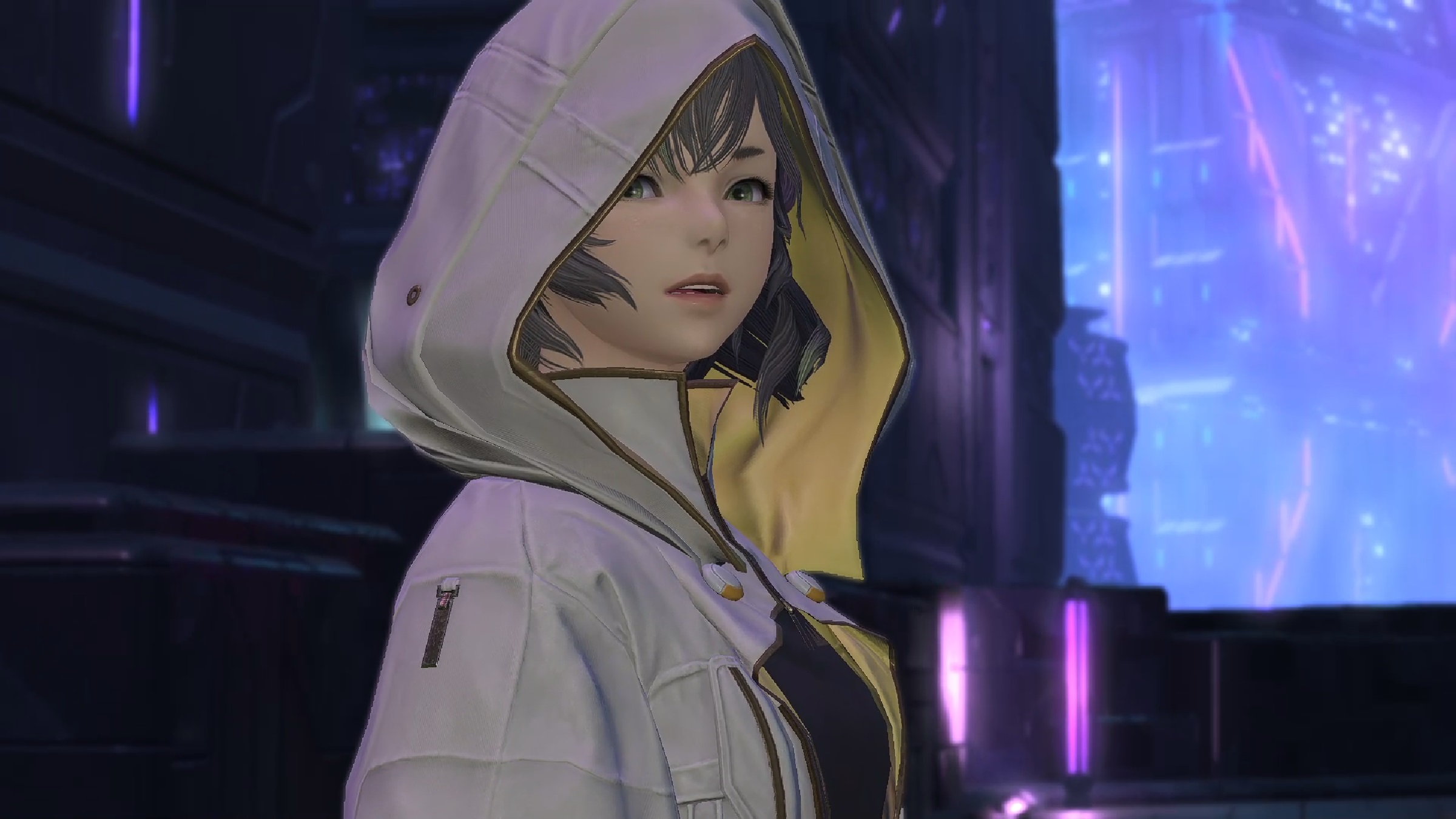
Naoki Yoshida, known as Yoshi-P, recently shared his thoughts on the Final Fantasy series during an interview about the new mobile game, Dissidia Duellum Final Fantasy. He believes that newer Final Fantasy games might be harder for younger players to get into, largely because there haven’t been as many new releases lately. While the internet briefly discussed his comments, it’s a valid point. This isn’t just a Final Fantasy issue—it’s a problem across the gaming industry, but the Final Fantasy series, with its many games released over the years, really highlights it.
It took 14 years for the Final Fantasy series to go from its first game to Final Fantasy X. Interestingly, the same amount of time passed between Final Fantasy XIII and XVI. Square Enix is now taking longer to create new games, which is risky because a poorly received game could be damaging. Several past titles, like Final Fantasy XIII, XIV, and XV, received negative reactions upon release – three disappointments in just seven years. This led to a seven-year gap before another main Final Fantasy game, meaning newer fans might not experience a well-regarded title until they’re adults. However, between 1987 and 2001, even if three out of ten Final Fantasy games weren’t successful, there were still seven strong titles to keep the series going.
This issue isn’t unique to any one game series – many modern games face it. However, it’s especially noticeable in Square Enix’s Final Fantasy series, with some of the weakest entries coming out in the last ten years. While it’s just speculation that recent games aren’t resonating with players, data supports this idea. Circana found that most players of Final Fantasy 7 Rebirth in the US are over 30 – in fact, 62% are over 35. While 30 isn’t necessarily ‘old,’ it shows Square Enix is having trouble attracting the audience that used to love Final Fantasy. There is a potential fix, but it would be difficult to implement and likely unpopular with long-time fans.
Final Fantasy Needs An Urgent Rebrand

The biggest challenge for the Final Fantasy series is a strange balancing act: it relies heavily on nostalgia while simultaneously making significant changes to its classic games. This is especially true with the Final Fantasy 7 Remake trilogy, which seems designed primarily for longtime fans. While newcomers can certainly enjoy FF7 Remake, and many probably do, the project overall feels geared towards those already familiar with the original story and characters. The changes made, and the way the game brings beloved characters to life with modern technology, seem intended to appeal most to players who have that prior knowledge – a point supported by recent sales data.
Square Enix seems determined to revisit its past, even though relying on nostalgia hasn’t always been a huge financial win. Ironically, the company also hesitates to fully embrace what made the Final Fantasy series special, particularly its classic turn-based battles. Final Fantasy 16, for example, moved away from the series’ roots with its action-focused gameplay. It lacked a traditional group of characters, had a very dark and gloomy atmosphere, and spent too much time on conflicts between nations and political intrigue, similar to Game of Thrones. Even familiar Final Fantasy elements didn’t quite resonate the same way. It’s not that Final Fantasy 16 was a bad game, but it simply didn’t feel like a typical Final Fantasy experience.
The main Final Fantasy games need a fresh approach to combat, returning to the series’ classic strengths. This means vibrant worlds, characters we truly connect with, and emotionally powerful stories like those found in games like Final Fantasy VII and Final Fantasy X. Square Enix should also shift its focus from remakes and create more spin-off titles, similar to Final Fantasy Type-0 or even the divisive Dirge of Cerberus. This would keep fans engaged, as many, like Yoshi-P, have suggested. Ultimately, Final Fantasy needs to innovate and be something like Clair Obscur: Expedition 33 – bold and new.
Final Fantasy’s Past Can Save Its Future

It’s become a bit of a running joke how many people think the game Clair Obscur should inspire the direction of Final Fantasy, especially since it seems to have reintroduced turn-based combat to a new audience. But there’s a lot of truth to it. Clair Obscur really captures what Final Fantasy used to be and, arguably, what it should be now. It includes all the elements we’ve been discussing, and does a great job of balancing serious moments with lighthearted character interactions, making the characters truly memorable. What’s even more impressive is that it achieved all this with a much smaller budget, yet it felt like a higher-quality experience.
The Final Fantasy series could benefit from looking at what Sandfall Interactive does well, and also remembering what made its earlier games so popular. It shouldn’t become a franchise only enjoyed by long-time fans; instead, it should aim to be a leader in the JRPG genre again, attracting new players and topping the sales charts. To do this, Final Fantasy needs to refresh its approach, concentrate on its core games, consider bringing back turn-based combat, and recapture the qualities that made the older titles so beloved.
It’s unusual to suggest that going backwards could save a struggling game series, but I think that’s exactly what’s happening with Final Fantasy. It tried to change too much and, in doing so, lost the qualities that made it so popular. Square Enix should look at what attracted players in the late 80s to understand today’s youth. While things like slang and fashion have changed, young people are still drawn to deep, mature stories and immersive worlds filled with hopeful, fun, and relatable characters—something that offers an escape from the challenges of modern life.
Should the Final Fantasy series modernize to attract a new generation of players? Share your thoughts in the comments and join the discussion on the ComicBook Forum!
https://comicbook.com/gaming/list/5-greatest-jrpgs-that-arent-final-fantasy/embed/#
Read More
- What Song Is In The New Supergirl Trailer (& What It Means For The DC Movie)
- Gold’s March Madness: Plumbing, Panic, and Polish Central Banks
- Whales, Channels, and the Inevitable Dance of Folly
- The War Film Harrison Ford Completely Disowned Finally Returns to Streaming – “A Terrible Experience”
- Steam Giving Away Two PC Games for Free for Next 72 Hours
- After Stranger Things’ Conformity Gate Crashed Netflix, Here’s What The Ending SHOULD Have Been
- Jujutsu Kaisen Is Returning With a Special Release After Sequel’s Finale
- Man vs. Baby’s AI-Enhanced Baby Is Still Partly Human, Confirms Netflix Director
- Darwin’s Paradox! drops Switch version for Switch 2, delayed to 2026
- Harry Potter Season 2 Gets a Positive Update as Delayed Release Confirmed
2026-04-04 20:12