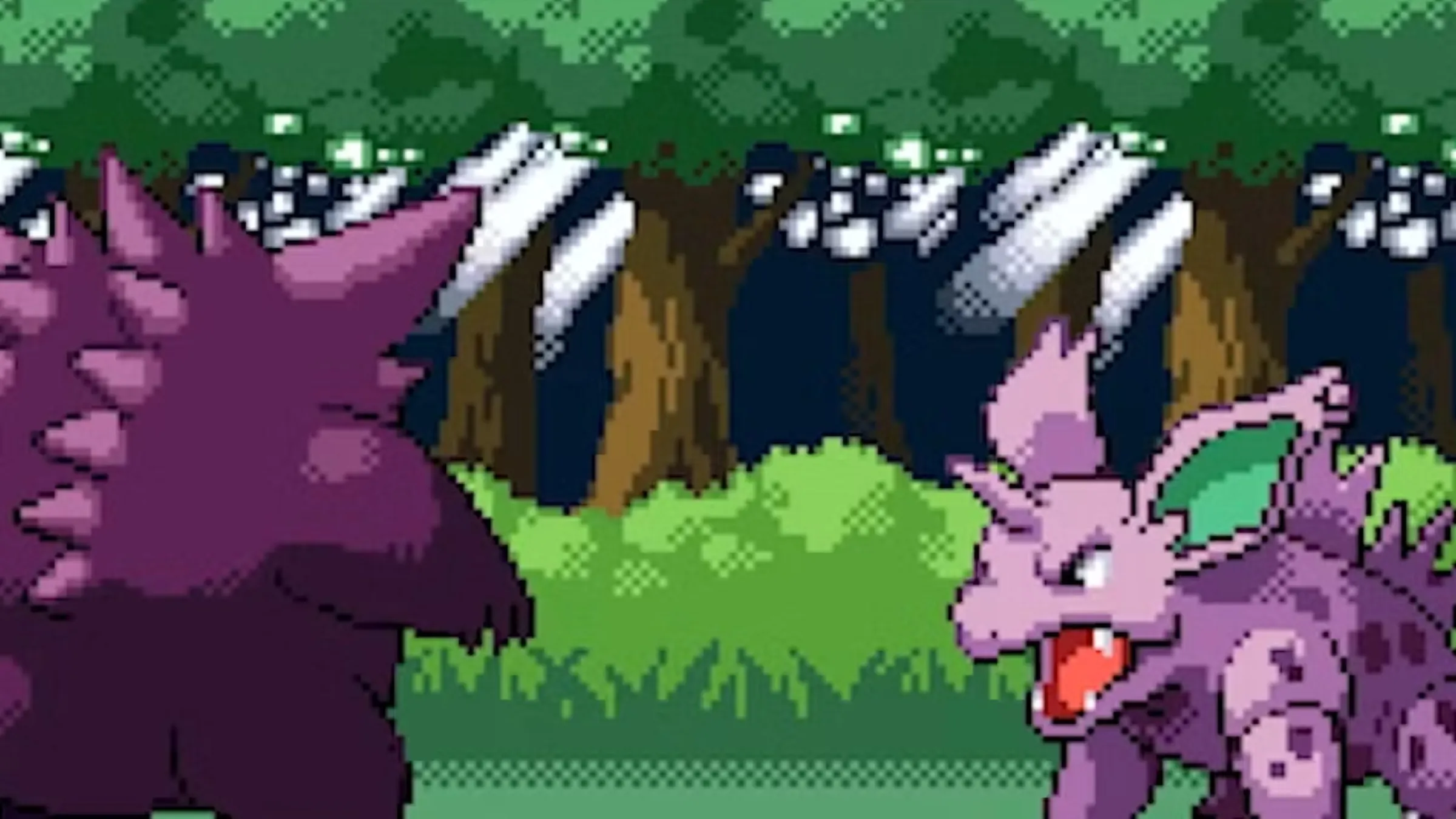
With the recent release of Pokémon FireRed and LeafGreen on the Nintendo Switch 2, a new wave of players are experiencing the Kanto region in these beloved, classic games. Originally updated versions of the very first Pokémon Red and Blue, FireRed and LeafGreen didn’t just offer improved graphics on the Game Boy Advance—they also enhanced many gameplay features that would become staples of the Pokémon series. However, as the franchise continues to grow and reach new fans with each new game, something about what made FireRed and LeafGreen special seems to be fading.
Many fans consider Pokémon FireRed and LeafGreen ideal games to begin with, as they beautifully remake the very first Pokémon games. The Kanto region, where these games take place, is often seen as the heart of the Pokémon world, offering a diverse range of Pokémon to catch, Gyms to battle, and interesting events. Even though they’re older titles, FireRed and LeafGreen still feel fresh and are now more accessible than ever thanks to the Switch 2.
New Players Are Struggling To Beat Some Challenges In Pokémon FireRed & LeafGreen
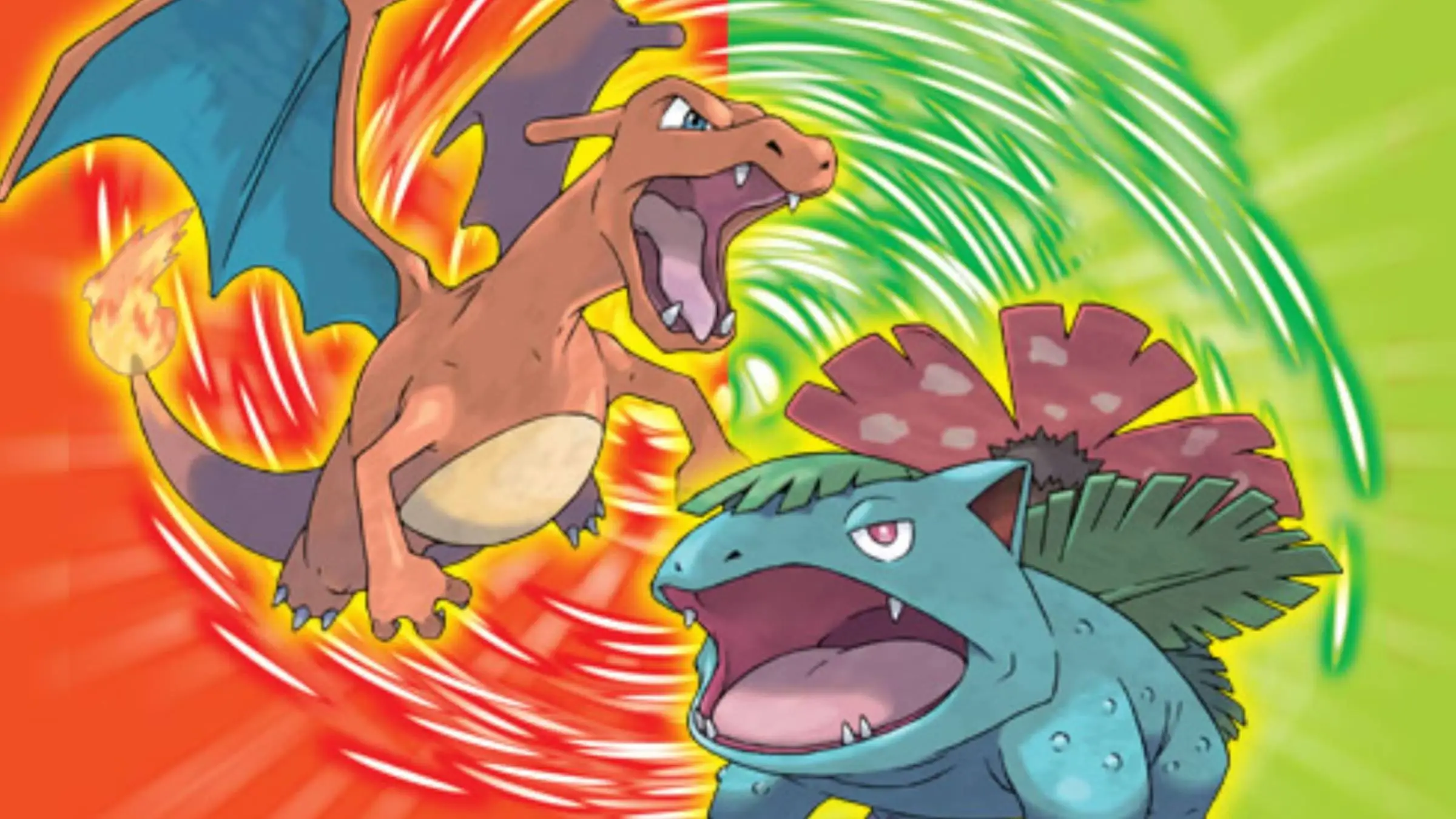
A lot of players are discovering Pokémon FireRed and LeafGreen for the first time, as they haven’t been widely available except through older consoles like the Game Boy Advance or Nintendo DS, or by using emulation. These games offer a very different experience compared to newer Pokémon titles on the Switch, such as Sword, Shield, Scarlet, and Violet. Even Pokémon games set in the Kanto region, like Let’s Go Pikachu! and Let’s Go Eevee!, play more like Pokémon GO than the traditional Pokémon games of the past.
Playing these games for the first time presents new difficulties for many players as they explore the Kanto region. While Kanto is a familiar setting, building a team from the limited selection of Generation 3 Pokémon to defeat the Gym Leaders, Team Rocket, and Elite Four in FireRed and LeafGreen is a real challenge. Unique game restrictions, like Pokémon that evolve through trading or those only available in specific versions, have created some tough obstacles for players.
Players new to the FireRed and LeafGreen games are finding some of the early Gym battles, like the one against Misty, surprisingly difficult. The game’s difficulty jumps significantly at certain points, requiring players to understand how Pokémon types match up – especially depending on which starter Pokémon they chose. Without a lot of Pokémon training, you’ll likely need a strategic advantage to beat the strongest Pokémon each Gym leader has, not just Misty. These games really test your knowledge of the game and can be a tough obstacle to overcome.
Gen 3 Features Far Fewer Tutorials As It Allows You To Learn Through Failure
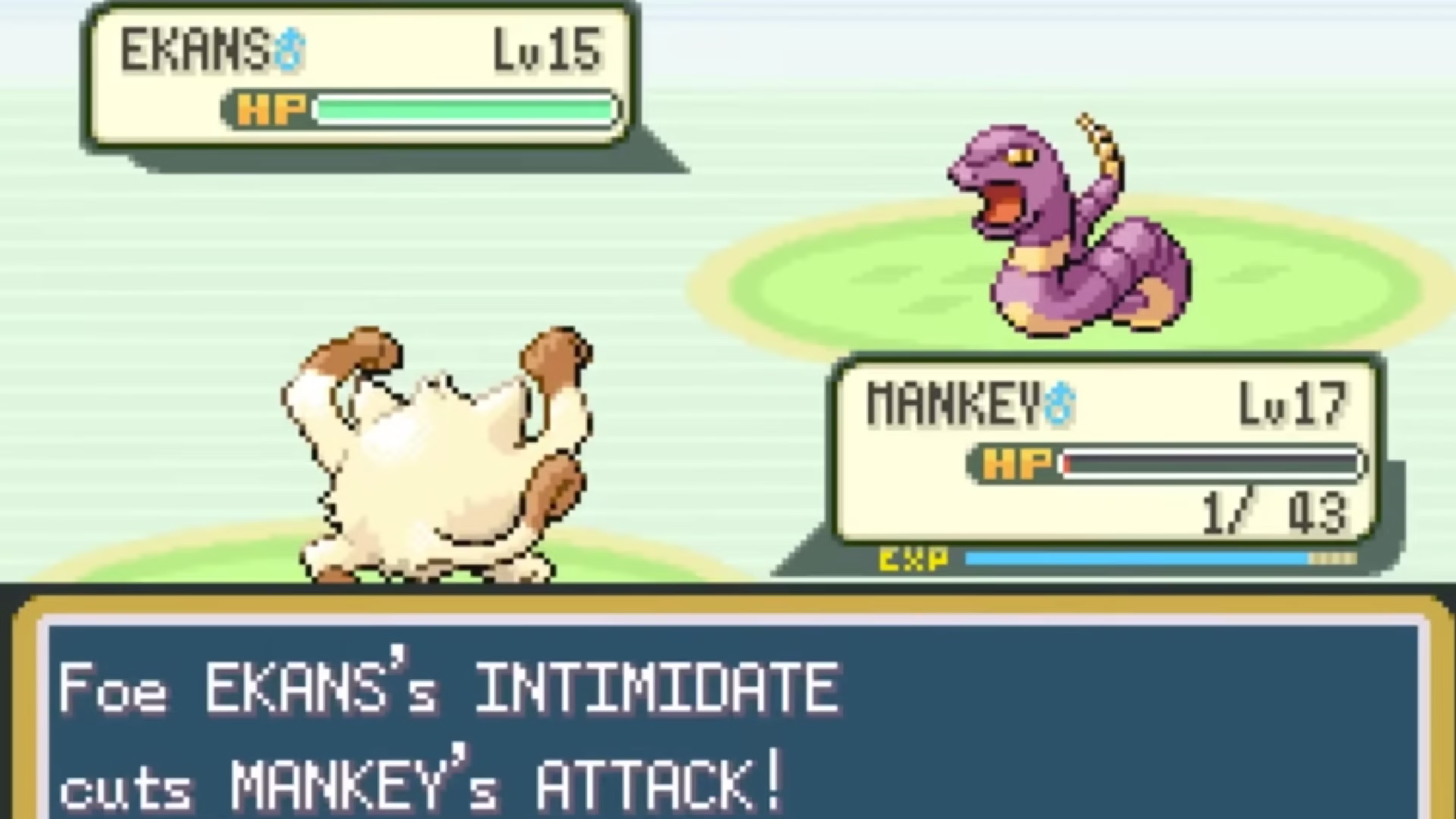
A key feature of FireRed and LeafGreen is how much freedom they give players after the initial tutorial. Unlike many Pokémon games, it doesn’t hold your hand or explain things like type advantages or how to find essential moves. Instead, you’ll need to learn by talking to people in the game world and exploring each location to figure things out on your own.
Facing certain opponents can be really challenging, particularly as you get further into either game. For instance, if you choose Charmander at the beginning of FireRed or LeafGreen, you’ll have an easy time until you reach the Misty Gym. Charmander can learn Metal Claw at level 13, which is super effective against the Rock-type Pokémon in the first Gym. However, even a fully evolved Charizard can be easily defeated by Misty’s Starmie. It’s nearly impossible to beat Misty using only Fire-type Pokémon, so players have to change their strategy and find other options.
Experienced Pokémon players will likely find the game familiar, but newcomers might struggle. FireRed and LeafGreen really focus on teaching core battle mechanics like leveling up, using limited-use moves (TMs), and understanding type advantages – and there aren’t any easy ways around learning them. With fewer Pokémon available and more grinding required to train them, players are encouraged to figure things out on their own, rather than relying on a guided tutorial.
Recent Pokémon Games Hold Player Hands Far More Without Letting Them Find Solutions
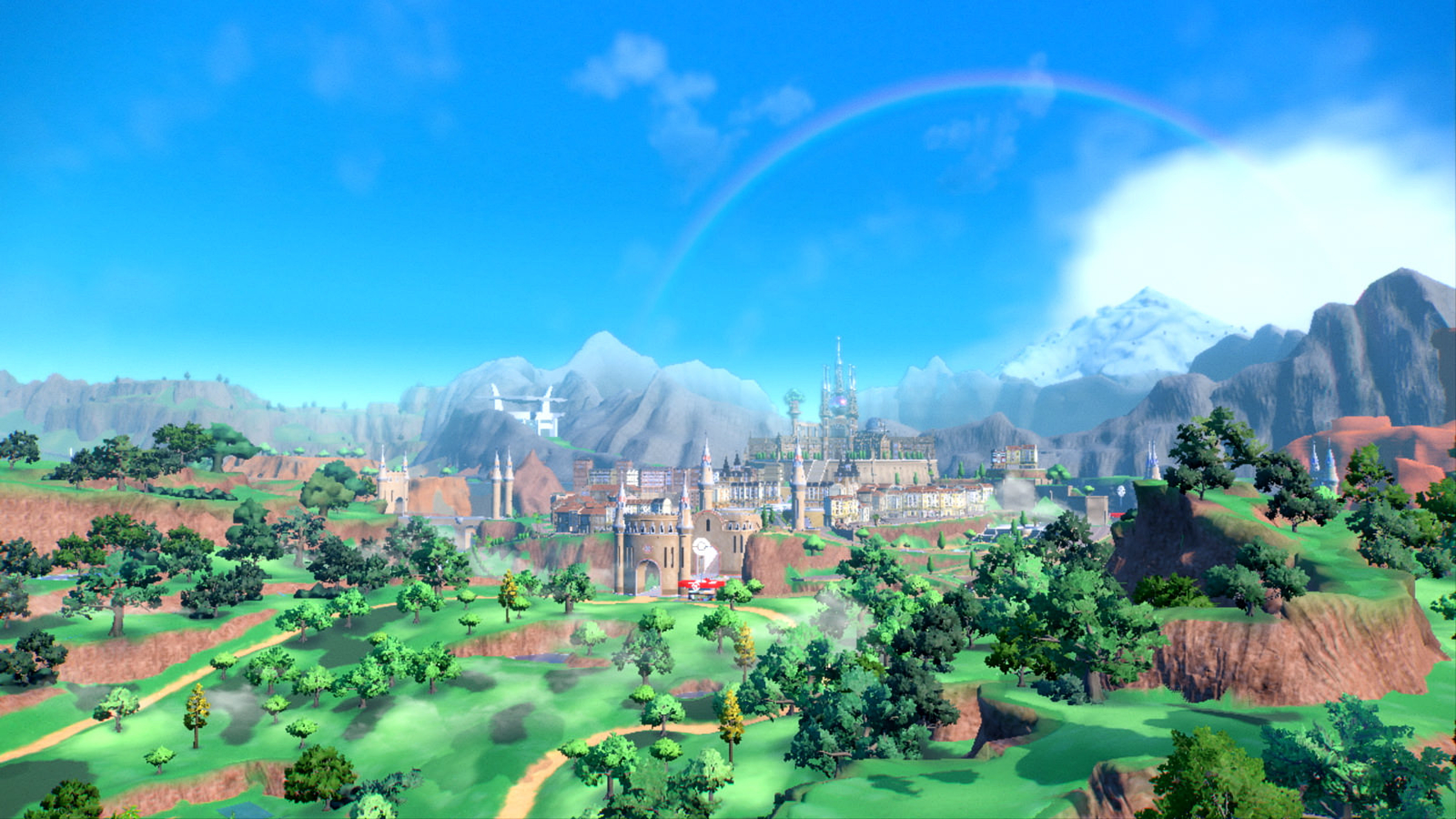
New players often find the original FireRed and LeafGreen games quite challenging, something that’s less common in more recent Pokémon titles, especially those released on the Switch. This change in difficulty might be deliberate – newer games seem to aim for a broader audience by being easier to pick up. A key difference is the amount of guidance: recent games include many more tutorials, directly explaining game mechanics instead of leaving players to figure things out on their own.
Early Pokémon games often left players to figure out type advantages, status conditions, and other mechanics through exploration and conversations with characters. More recent games, however, feature much longer tutorials that explain almost everything you need to know to play. These tutorials usually only omit the obvious – that higher-level Pokémon are more powerful – which most players can easily understand.
Some players feel that too many tutorials slow down the fun parts of Pokémon, like battling and catching Pokémon. Older games, such as Pokémon FireRed and LeafGreen, were appealing because players had to discover things on their own. Modern games, by explaining everything upfront, lose some of that original sense of mystery and discovery that fans loved.
We’d love to hear your thoughts on tutorials in classic Pokémon games and whether they were too hard! Share your opinion in the comments or discuss it with other fans on the ComicBook Forum.
Read More
- What Song Is In The New Supergirl Trailer (& What It Means For The DC Movie)
- Why is Tech Jacket gender-swapped in Invincible season 4 and who voices her?
- Highly Anticipated Strategy RPG Finally Sets Release Date (And It’s Soon)
- TV legend Carol Kirkwood reveals the reasons why she decided to retire after 28 years with BBC
- Starfield PS5 Won’t Play Off Physical Disc without a Download
- The Super Mario Galaxy Movie: 50 Easter Eggs, References & Major Cameos Explained
- Crimson Desert – 15 Things I Wish I Knew Before Diving In
- Welcome to Demon School! Iruma-kun season 4 release schedule: When are new episodes on Crunchyroll?
- New Pokemon Go Event Gives Players A Shot At 11 Rare Shiny Pokemon (With Boosted Odds)
- NFL Heiress Gracie Hunt Engaged to Former Chiefs QB’s Son Derek Green
2026-03-17 00:41