
Five years ago, during the peak of the 2020 pandemic when most films were either postponed or moved to streaming platforms, Christopher Nolan, a well-known filmmaker, decided to release an original, complex film that wasn’t based on a franchise or famous intellectual property. In essence, he dared audiences to visit cinemas amidst the uncertainty of the pandemic, a decision considered bold and almost risky by many. The movie in question was Tenet.
The film immerses viewers immediately in a global mission, as a secret agent, played by John David Washington, finds himself ensnared in a complex plot that revolves around temporal reversals, an attempt to avert World War III, and a narrative that keeps you utterly engaged. Accompanied by Robert Pattinson, Elizabeth Debicki, and Kenneth Branagh, Christopher Nolan brings more than just a spy drama to the table. _Tenet_ essentially represents a visual and conceptual conundrum, crafted to make its debut on IMAX screens during a time when movie theaters were uncertain about their own survival.
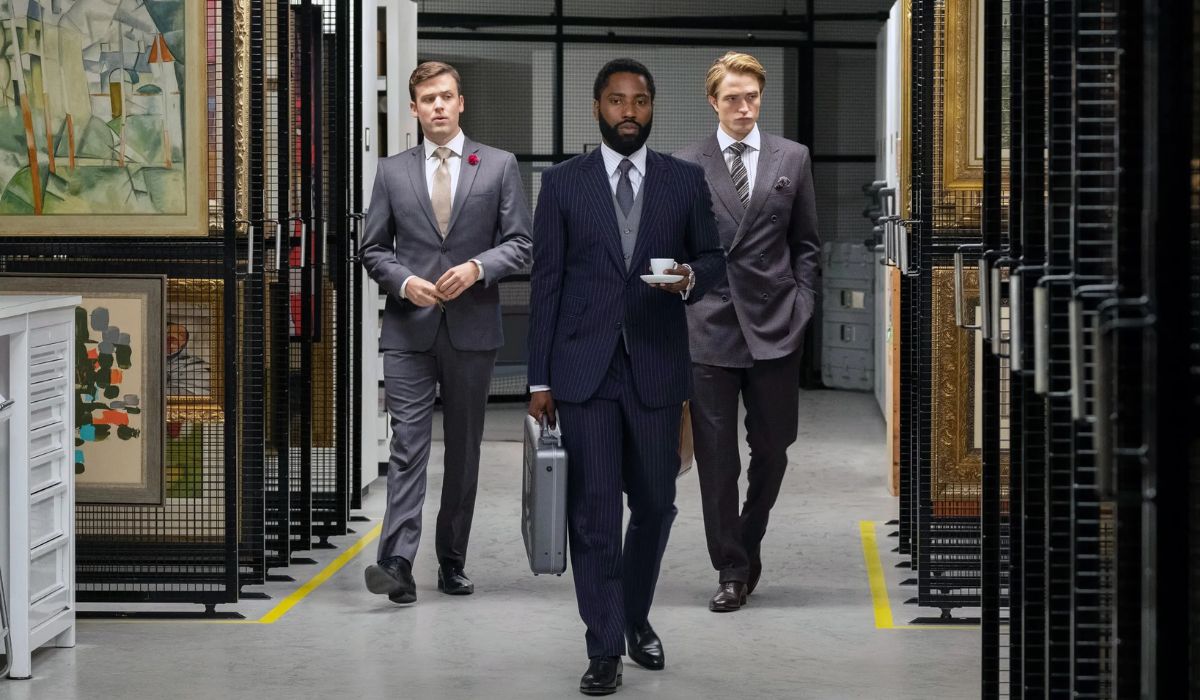
Intriguingly, there’s one question that keeps resurfacing: Was it wise to invest heavily during the pandemic? However, let’s look at the box office figures, which tell an interesting story. The film garnered approximately $365 million globally, yet its production budget was estimated between $200-205 million. Under normal circumstances, such earnings might be considered average. But in 2020? It was both a success and a disappointment. The movie ranked fifth in box office revenue that year, but it didn’t generate substantial profits. Instead, reports suggest losses ranging from $50 to $100 million, a significant shortfall for a filmmaker of such prestige.
Given the impressive work Nolan had previously created, it’s easy to understand why his new project carried significant risk. He had already solidified his status as a cinematic titan. Movies like “Memento” launched his career, while “Batman Begins,” the two “Dark Knight” films, and “Inception” revolutionized superhero movies, complex thrillers, sci-fi, and war dramas respectively. To provide some context, “The Dark Knight Rises” earned over $1.08 billion, “The Dark Knight” was just shy of hitting the $1 billion mark, “Inception” made over $700 million, “Interstellar” brought in $650 million, and “Dunkirk” grossed approximately $533 million. Therefore, when “Tenet” arrived, anticipation was high – Nolan was returning to the big leagues.
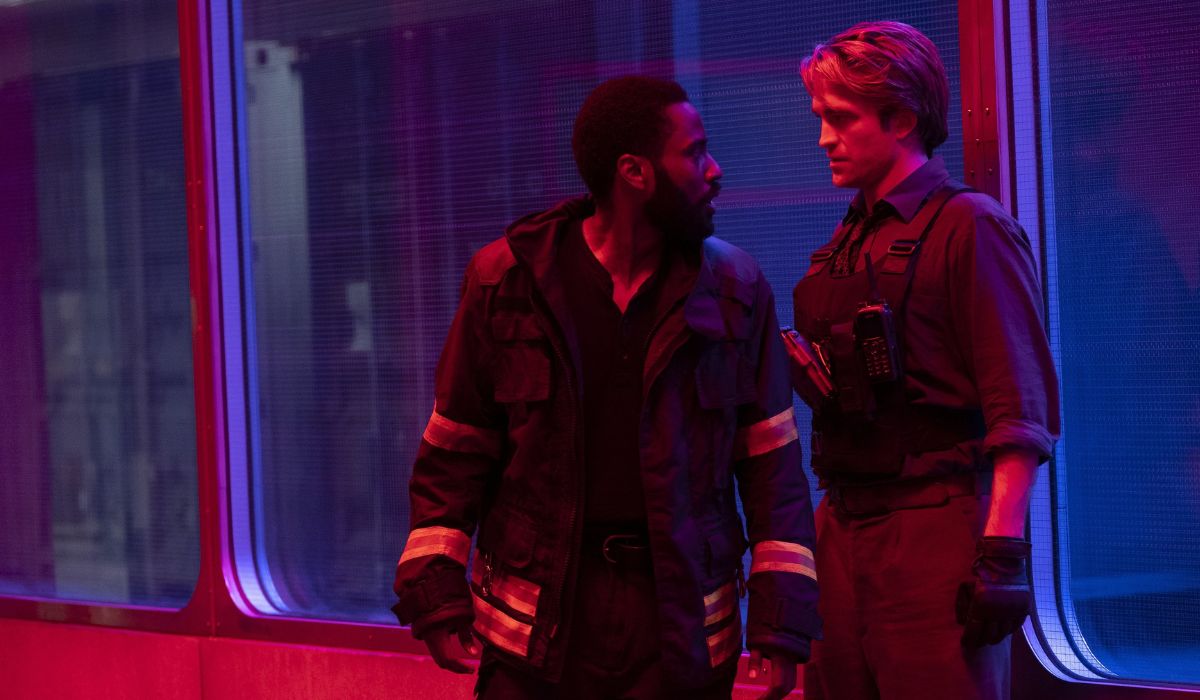
In artistic terms, the movie certainly lived up to expectations with its distinctive style, featuring visually stunning scenes, practical effects, and an impactful sound design that created a multi-sensory experience reminiscent of his signature work. The film even won the Oscar for Best Visual Effects and earned recognition at various technical award ceremonies. However, some viewers and critics noted issues with the sound mix making dialogue difficult to understand, and the plot was considered too ambiguous by many – leaving some audience members puzzled. Despite these criticisms, it further solidified his reputation as a director who offers a one-of-a-kind (and intense) cinematic experience.
Over time, one might question whether the movie Tenet was truly worth the investment. Initially, it appeared to be a financial loss, but later on, its value was reassessed. Last year, Oppenheimer grossed almost $1 billion at the box office, which led to special screenings of Tenet. During these re-releases, viewers were able to appreciate and focus on the production more deeply. This is when it began to be viewed as an experience rather than just a film (although some continue to feel it didn’t receive the impact it deserved). The re-release added a fresh perspective: perhaps you didn’t understand it in 2020, but now you can experience it as Nolan intended.

In essence, let’s face the truth: Taking into account that it was a Christopher Nolan production with a sophisticated script, genuine effects, filmed on film and IMAX – all during a worldwide pandemic – this wasn’t merely a movie release; it served as a test to determine if traditional cinema could hold its ground against streaming services like Barbenheimer.
With The Odyssey approaching and promising grandeur, it’s clear that Tenet was just one milestone in Nolan’s creative journey. He consistently shuns the conventional path and demonstrates through his work that cinema can offer a spectacle far surpassing mere box office figures.
Five years down the line, it’s evident that financially, Tenet didn’t yield immediate box office success. Yet, its significance and Christopher Nolan’s current industry standing tell a different tale. He demonstrated his continued willingness to invest heavily in the cinema-going experience, trusting the power of theaters, and exhibiting bravery to take chances. Initially, he may not have triumphed with the numbers, but he strengthened his reputation by reinforcing that creating films in Nolan’s style is a smart choice – even if it involves risks.
Read More
- The Super Mario Galaxy Movie: 50 Easter Eggs, References & Major Cameos Explained
- All 13 Smash Bros. Characters in the Super Mario Galaxy Movie
- 10 Best Free Games on Steam in 2026, Ranked
- WTH?! Twitter Drops Fake Daredevil: Born Again Season 2 Spoilers as Character Return Confirmed
- Welcome to Demon School! Iruma-kun season 4 release schedule: When are new episodes on Crunchyroll?
- Dune 3 Gets the Huge Update Fans Have Been Waiting For
- Highly Anticipated Strategy RPG Finally Sets Release Date (And It’s Soon)
- Sydney Sweeney’s The Housemaid 2 Sets Streaming Release Date
- Why is Tech Jacket gender-swapped in Invincible season 4 and who voices her?
- Forza Horizon 6 ‘Prologue’ gameplay
2025-09-02 19:58