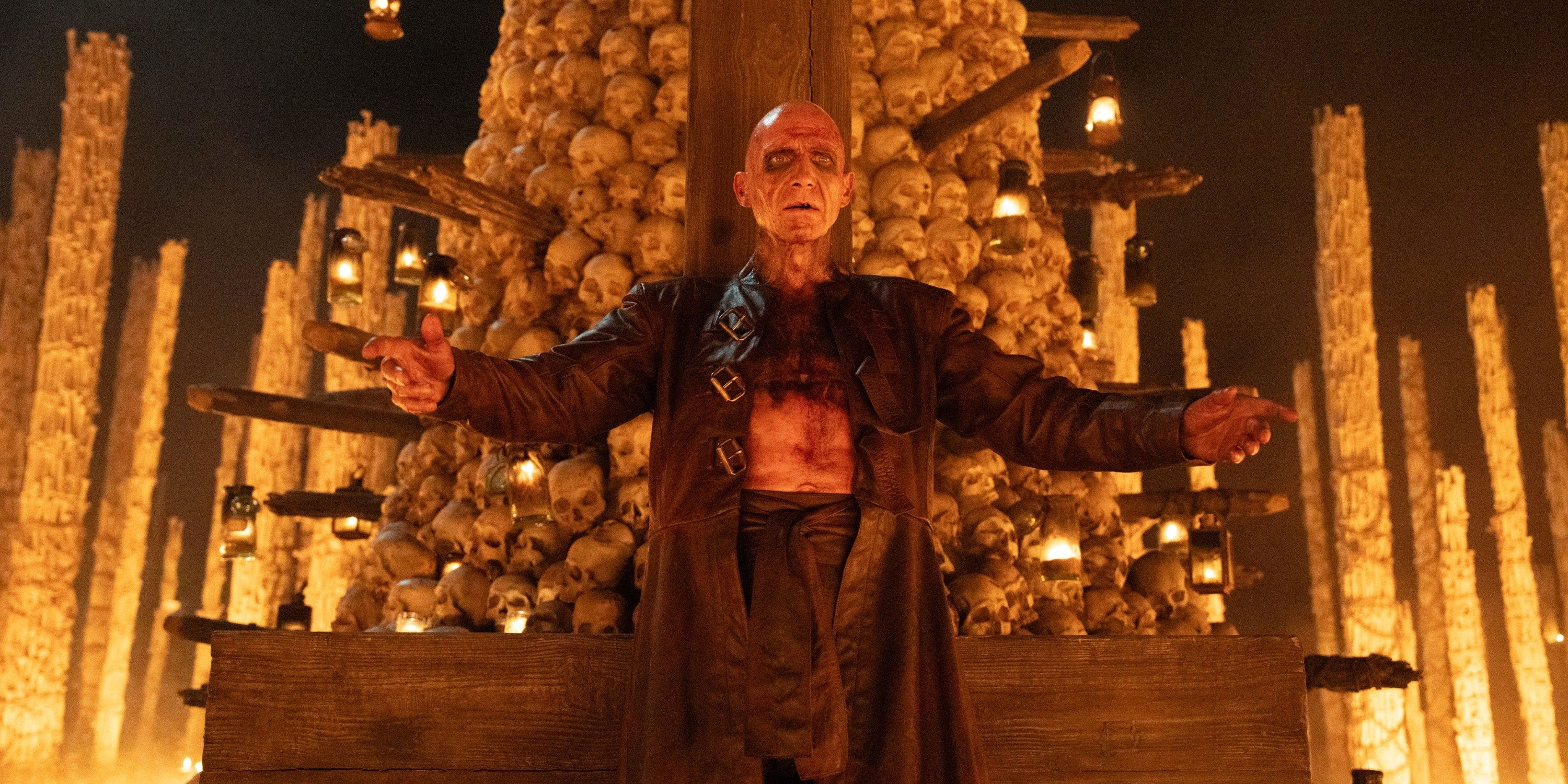
Nia DaCosta’s new film is now streaming on Netflix, and viewers are raving about Ralph Fiennes’ performance as a compassionate, yet troubled, survivor in a world after the apocalypse. Many are now debating whether his performance in this film is even better than his iconic role as Lord Voldemort, leading to discussions about his impressive career.
Although the Harry Potter films made Ralph Fiennes a household name, true artistic success isn’t always guaranteed by fame. His recent horror sequel boasts an impressive 92% rating on Rotten Tomatoes and is challenging everything audiences thought they knew about his acting range. The Bone Temple is a clear triumph, demonstrating that his work in the Harry Potter series was just a prelude to his truly chilling performances.
Ralph Fiennes’ Real Acting Craft Goes Beyond Voldemort
Ralph Fiennes is widely known as Lord Voldemort from the Harry Potter films. However, those familiar with his full career will recall he established himself as a prominent actor well before taking on the role of one of cinema’s most notorious villains.
As a film fan, I’ve always been impressed by how powerfully he could embody true villainy. After that, he deliberately chose more nuanced, understated roles in films like Strange Days and The Reader, even tackling a smart political thriller like Conclave. It’s interesting because when you play a villain in a huge franchise, you’re kind of limited. Everything has to be larger than life to reach a global audience – think broad strokes and booming voices – which doesn’t leave a lot of room for subtlety.
Voldemort remains a static character throughout the series, never evolving or showing depth. After the initial impact of his villainy, he becomes a predictable obstacle for the hero to overcome, losing the genuine fear he once inspired. This is where the story distinguishes itself from typical hero-versus-villain narratives.
Playing Dr. Ian Kelson presented a unique challenge for Fiennes. Unlike roles where actors hide behind elaborate makeup or play boastful characters, he had to portray a deeply vulnerable and exhausted man barely holding onto his mental state. Fiennes largely conveys his character’s decades of isolation through subtle cues – silence, uneasy eye contact, and restless movements – demonstrating that creating a believable, fragile survivor is far more demanding than simply playing someone loud and energetic.
A 109-Minute Horror Film That Leaves No Room To Hide
Clocking in at a concise 109 minutes, the film avoids unnecessary scenes and stays focused. Director Nia DaCosta intentionally steered away from typical blockbuster trends – like lengthy runtimes and heavy CGI – and maintained the franchise’s realistic, independent feel by keeping the story centered around a single setting.
DaCosta reimagines how we think about zombies. Rather than portraying them as simple monsters to defeat, she explores their backstory, presenting them as tragic victims. Her novel, The Bone Temple, focuses more on the psychological impact of the situation than just the fear of zombie attacks.
What’s truly frightening in this new installment isn’t the monsters themselves. Director DaCosta introduces a disturbing group of humans, the Jimmys, highlighting that the real challenge after an apocalypse is surviving each other. This shifts the focus of the series, transforming it into a deep exploration of trauma and the capacity for human cruelty.
Many viewers found the human characters, the Jimmys, far more disturbing than the zombies in the story. The narrative highlights the dark and savage aspects of human nature, and the actor’s intense performance as Sir Jimmy, the cult leader, powerfully embodies that brutality.
Dr. Ian Kelson Is Ralph Fiennes at His Absolute Peak
Ralph Fiennes delivers a stunning performance as Dr. Ian Kelson, fundamentally changing how we see those infected. It’s a perfect ten, a complete departure from his typically commanding roles. Kelson isn’t a villain; he’s a strange, isolated man simply trying to survive. Instead of using a powerful, imposing presence like his portrayal of Voldemort, Fiennes conveys the horror of his situation through subtle acting – silence, body language, and intense eye contact with the infected.
The unsettling atmosphere is amplified by Hildur Guðnadóttir’s music, which she uniquely created using instruments crafted from bone. The contrast between her dark, rhythmic score and the old-fashioned pop songs Kelson enjoys reveals just how fractured his mental state is.
The most memorable part of the film is when the doctor, unexpectedly, puts on demonic makeup and dances to Iron Maiden as a desperate attempt to escape a dangerous cult. It’s completely wild and unexpected! He commits fully to the performance, showcasing a physical energy we never saw when he was wearing those restrictive robes.
《The Bone Temple》isn’t just a continuation of the story; it fundamentally changes how we see Lord Voldemort. While he’ll always be a legendary villain, this new portrayal removes the dramatic flair and reveals the true depth of the actor’s skill. He’s no longer an intimidating, seemingly invincible figure, but a weary man struggling to maintain his grip on reality.
Read More
- What Song Is In The New Supergirl Trailer (& What It Means For The DC Movie)
- Why is Tech Jacket gender-swapped in Invincible season 4 and who voices her?
- TV legend Carol Kirkwood reveals the reasons why she decided to retire after 28 years with BBC
- Dune 3 Gets the Huge Update Fans Have Been Waiting For
- Highly Anticipated Strategy RPG Finally Sets Release Date (And It’s Soon)
- How Blake Lively & Ryan Reynolds’ Kids Pranked Her on April Fool’s Day
- Kanye West’s Wife Bianca Censori Details New Marriage Milestone
- 49 Years Ago Today, Movie History Was Changed by a Film You’ve Never Even Seen
- Butcher’s Transformation Into A “Ruthless Killer” In The Boys Season 5 Explained By Karl Urban
- Starfield PS5 Won’t Play Off Physical Disc without a Download
2026-04-05 04:09