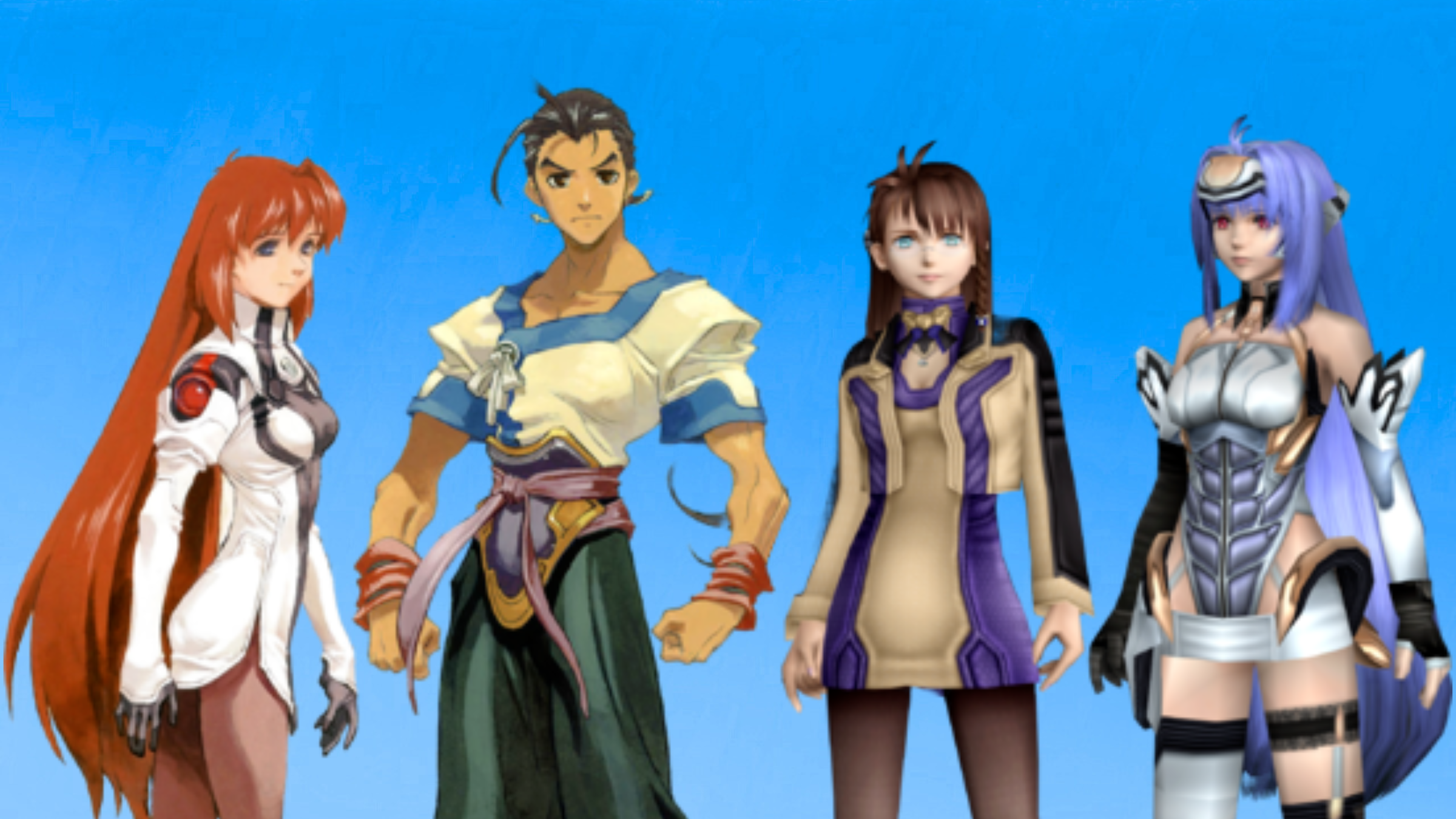
The 1990s were a fantastic time for role-playing games, with classics like *Final Fantasy VI* and *VII*, *Super Mario RPG*, *Vagrant Story*, and *Final Fantasy Tactics*. While many of these games were first played on the Super Nintendo, the PlayStation quickly became the dominant platform towards the end of the decade. The PlayStation’s more powerful hardware allowed developers to push creative boundaries, proving that video games could tell stories as compelling as those found in movies or books. One game in particular really stood out, exploring complex themes of science fiction, psychology, religion, and philosophy. Despite its ambition and quality, it unfortunately didn’t receive the recognition it deserved due to factors beyond its control.
Released in 1998 by the renowned RPG developers SquareSoft, *Xenogears* is still considered one of the most ambitious and thought-provoking role-playing games ever created. I was particularly captivated by its unique combination of giant robots, religious themes, romance, and the search for self. SquareSoft’s storytelling really came into its own with this game, though the ending felt hurried and incomplete. Despite this abrupt conclusion, *Xenogears* remains a deeply moving and impactful story.
Xenogears’ Story and Cast Are Unlike Anything Else

Initially, *Xenogears* starts like many other role-playing games: a character in a small town gets caught up in a war that quickly escalates. But I soon discovered it breaks away from typical RPG storylines. The game centers around Fei Fong Wong, a young man with amnesia who is living a peaceful life. The real story begins when a strange mechanical weapon, called a Gear, appears, leading to the destruction of Fei’s home and forcing him to leave.
As I played through *Xenogears*, SquareSoft really started to unravel the mystery of Fei’s past, and the world around him got more and more complex. It turned out there was this huge, tangled story of people being reborn, dealing with past trauma, and being bound by fate – all leading up to a crazy goal: killing God! *Final Fantasy VII* touched on characters with split personalities, but *Xenogears* went all-in on that idea with Fei, using it to show how broken and conflicted humanity is inside.
The supporting characters are just as well-developed. Elly, who shares a connection with Fei and becomes his lost love, and Citan, a doctor and thinker with secrets, are more than just sidekicks. They each explore different ideas about choice, belief, and what’s right and wrong. Their individual stories add layers to the main plot, raising thought-provoking questions and creating powerful emotional moments that have stayed with me.
What truly made *Xenogears* special wasn’t just its large scale, but the complex ideas it explored. The game almost didn’t come to Western audiences due to its focus on religion and the concept of overcoming a divine power. It also delved into existentialism and human suffering, demonstrating SquareSoft’s willingness to tackle sensitive subjects within a challenging and immersive game. *Xenogears* was remarkably ambitious and told its story with a cinematic flair.
Complex Gameplay That Matched Xenogears’ Depth
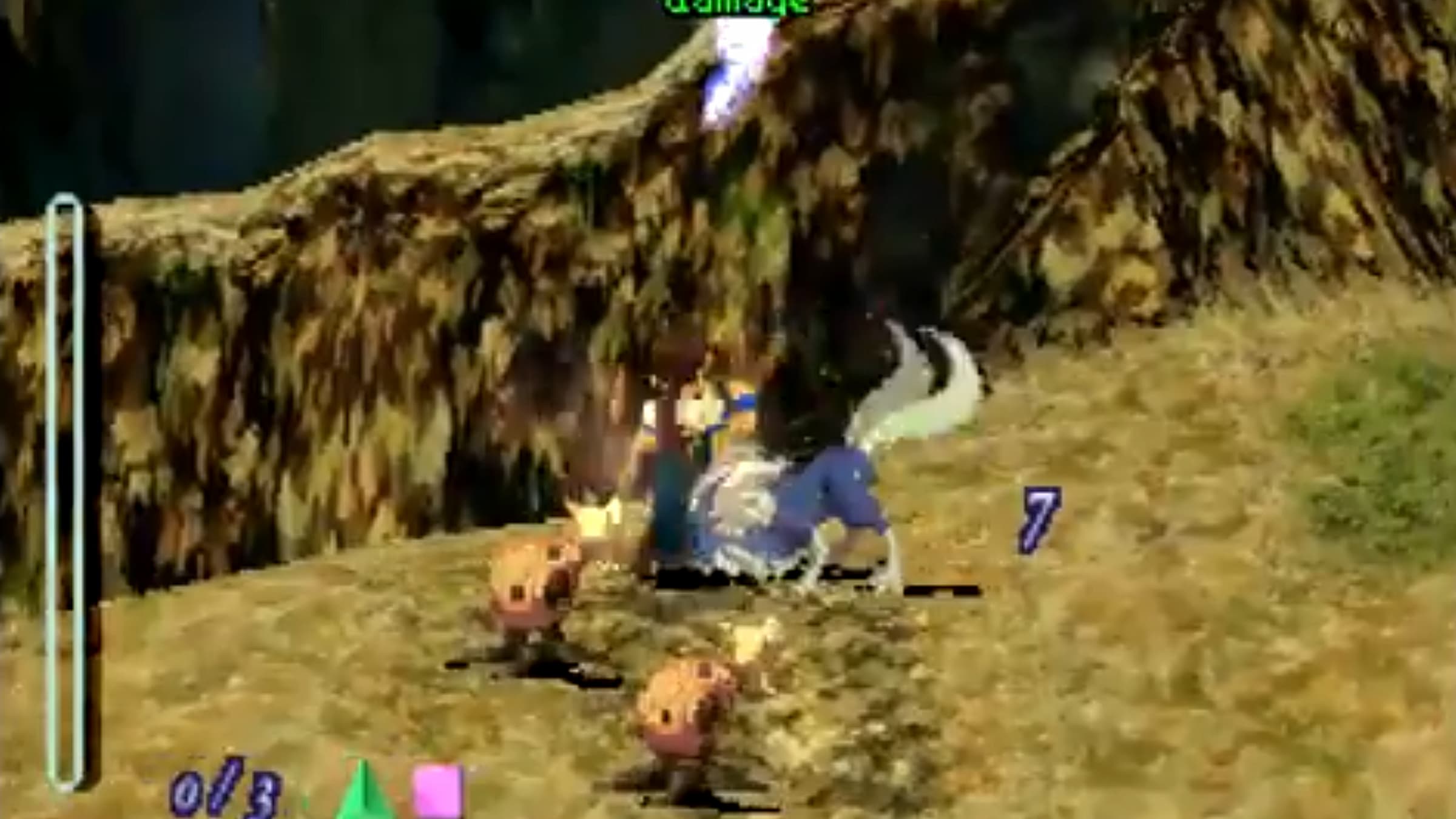
I especially loved the story in *Xenogears*, but the gameplay was excellent too. It used classic turn-based battles, but with a cool combo system where you entered button combinations like a fighting game to perform special attacks. It felt like a blend of Square’s older games, mixing strategic planning with precise timing, almost like a rhythm game. Characters learned new skills based on how you fought, letting you customize and improve their abilities as you played.
SquareSoft went beyond simply including Gears in the story; they made them a core part of the gameplay. Players could actually pilot these huge machines in a unique battle mode, which involved managing fuel to power attacks and improvements. This created a dual combat system – traditional battles and Gear battles – that reflected the game’s central theme of the connection between people and machines, a key element of *Xenogears’* narrative.
The game’s world was a joy to explore, beautifully designed with a unique mix of futuristic and ancient structures that suggested a forgotten history. This setting introduced compelling political groups, religious organizations, and mysterious alien technology – all of which played a meaningful role in the story. Everything came together to create a remarkably cohesive experience, a true masterpiece that, unfortunately, never received the widespread recognition it deserved, despite its strong story and captivating gameplay.
Where Xenogears Went Wrong
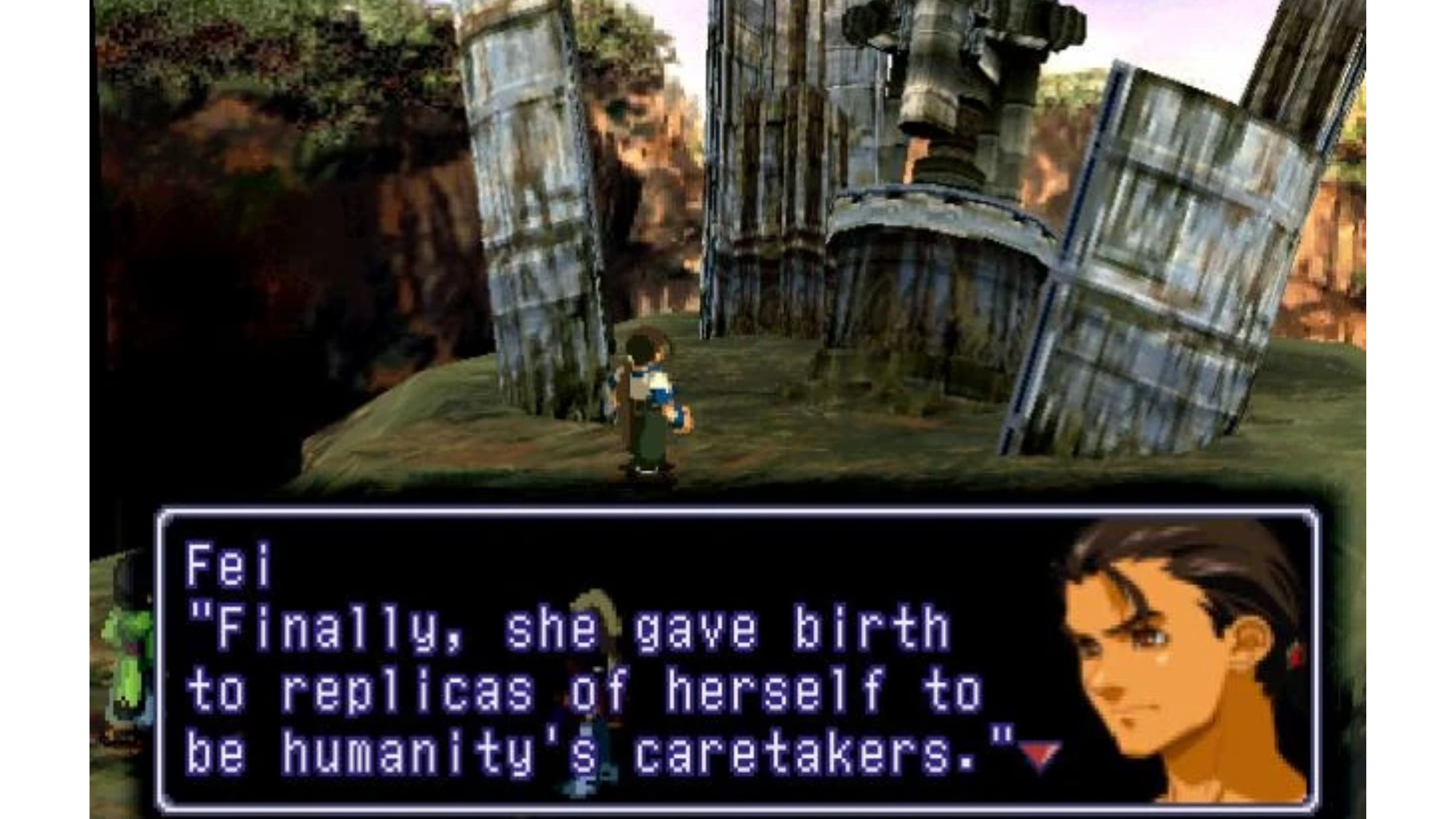
The second half of *Xenogears* is well-known for being a letdown. While the first part of the game expertly builds suspense and introduces mysteries at a good pace, the story quickly becomes rushed and feels incomplete. Instead of letting players experience the conclusion through gameplay, much of it is told through narrated cutscenes and text, like a slideshow presentation. Important storylines are shortened into simple explanations, and key moments lose their emotional impact because they’re *described* instead of *shown*.
The change in quality was really noticeable. Fans were puzzled by the difference between the beautifully made first disc and the rest of the game. Years later, director Tetsuya Takahashi explained that many developers at SquareSoft were working on *Final Fantasy VII*, so he had to work with a team that didn’t have much experience with 3D graphics. *Xenogears* also became much more ambitious than originally planned, almost forcing them to cut the second disc and release it as a separate game.
I’ll never forget how ambitious *Xenogears* was! SquareSoft really tried to pack everything they could into it, but they ran out of time – a lot of the team actually learned things *while* they were making the game! That’s why it felt a little unfinished, and sadly, it led to many of the talented creators leaving to eventually form Monolith Soft and create *Xenoblade Chronicles*. Even with its flaws, *Xenogears* really impacted me and tons of other gamers. It became a beloved cult classic on the PS1 and continues to inspire players even now, though it seems like a proper return is unlikely.
What do you think? Leave a comment below and join the conversation now in the ComicBook Forum!
Read More
- The Super Mario Galaxy Movie: 50 Easter Eggs, References & Major Cameos Explained
- 10 Best Free Games on Steam in 2026, Ranked
- All 13 Smash Bros. Characters in the Super Mario Galaxy Movie
- Sydney Sweeney’s The Housemaid 2 Sets Streaming Release Date
- Welcome to Demon School! Iruma-kun season 4 release schedule: When are new episodes on Crunchyroll?
- Why is Tech Jacket gender-swapped in Invincible season 4 and who voices her?
- Dune 3 Gets the Huge Update Fans Have Been Waiting For
- Highly Anticipated Strategy RPG Finally Sets Release Date (And It’s Soon)
- Almost Five Years, Zero Releases: Sony Has Wasted Bluepoint’s Potential
- Kanye West’s Wife Bianca Censori Details New Marriage Milestone
2025-10-06 21:14