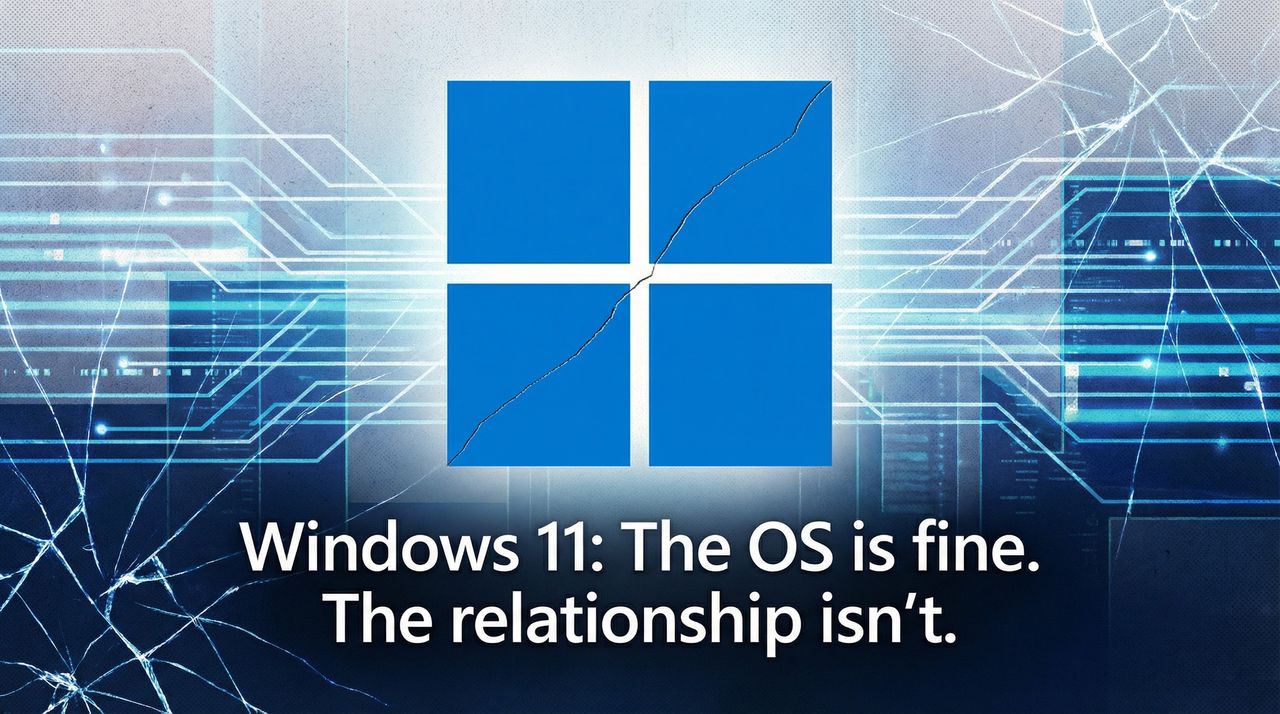
Windows 11 is a solid operating system overall. It’s generally faster, more reliable, and more secure than Windows 10. The developers have done a great job updating the system, though some changes, like customizing the taskbar, have taken a while to arrive.
It’s surprising how much frustration exists within Windows user communities, considering the operating system isn’t actually in terrible shape. The recent issues with this week’s Patch Tuesday are a perfect example – the problems just keep piling up.
The core issue isn’t a lack of features in Windows; it’s a matter of trust. The recent news about the FBI and BitLocker perfectly illustrates this point.
For the past ten years, Microsoft has gradually eroded the trust of its most dedicated users – not through major failures, but through a series of small choices that leave people feeling ignored. They’ve made unwanted changes to the taskbar and Start menu, added ads to places like the Start menu, Settings, and File Explorer, and automatically installed Copilot on the taskbar and in Edge, even if users didn’t request it. It’s also been difficult to understand and control privacy settings, and feedback from users often seems to go unheard.
While none of these issues are deal-breakers on their own, together they give the impression that Windows is being imposed *on* users, rather than created *for* them.
It’s a loss of control – users feel like Microsoft is focusing on what’s best for the company, rather than what they, the people who use the product daily, actually want.
People aren’t resistant to change itself, but they strongly dislike being caught off guard. They want to feel involved and informed. It’s frustrating to find familiar features have been altered or removed without notice – think about unexpected changes to things like the Start menu. What really bothers users is the feeling that their operating system is increasingly becoming a platform for unwanted advertisements and services.
It’s not that Windows 11 is a bad operating system – in fact, it’s actually quite good. The real issue isn’t technical, but how it *feels* to use. Microsoft seems to be focusing more on its own plans than on what its users want, and that’s creating a sense of lost control. Once users stop trusting Microsoft, even helpful features can feel unwelcome.
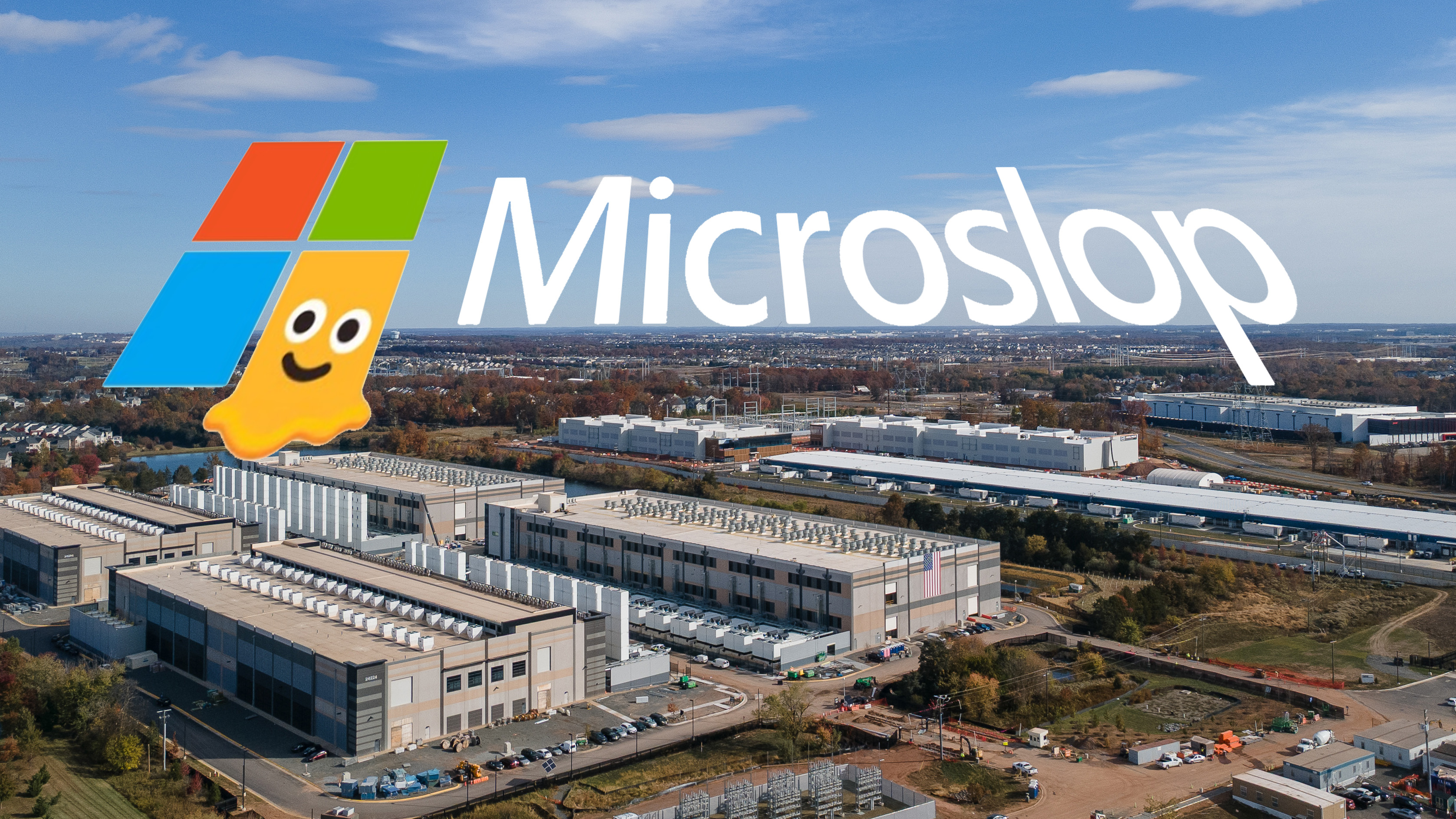
There’s a reason why ‘Microslop’ is trending, after all.
People are asking for a few key things: clear explanations of changes, a consistent experience, and the ability to customize how things work. Specifically, they don’t want ads interfering with the main interface, they want privacy settings that are easy to use, and they want to choose whether or not to use new AI features. They also want the Insider Program to be a collaborative effort, where their feedback truly matters, instead of just a way to report problems.
The fix: Microsoft needs a Windows Social Contract
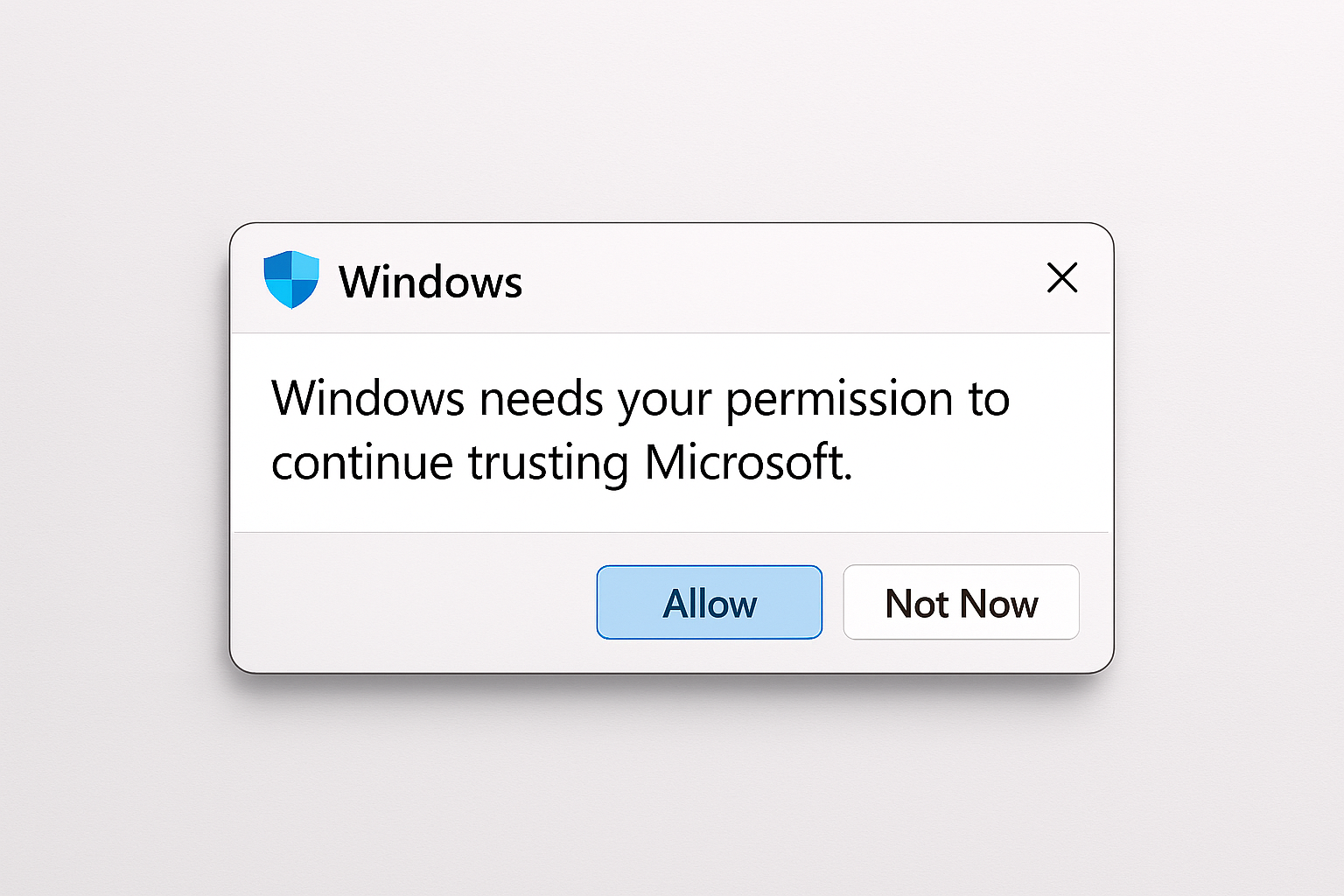
Windows doesn’t need a complete overhaul; it needs Microsoft to improve how it interacts with its users. What’s needed is a clear commitment to openness, respecting user preferences, and keeping marketing separate from the operating system itself. Microsoft needs to promise that Windows will continue to improve, but not by sacrificing user trust. Windows isn’t broken – the Start menu doesn’t need another redesign. Microsoft simply needs to restore user confidence through consistent, transparent choices, because the core operating system is already solid. The real problem isn’t the software; it’s the relationship with users that needs to be updated.
Imagine a simple, public commitment — a “Windows Social Contract” — that includes:
- No ads in core system UI
- No forced feature rollouts without opt‑in
- Clear, centralized privacy controls
- Transparent communication about roadmap changes
- A meaningful Insider feedback loop
- User choice in AI integrations
This isn’t a drastic change, but a considerate one. It would foster much more positive feeling than launching any new product or tool.
Windows isn’t failing, but Microsoft and its users are currently facing some friction. Building trust and fixing problems requires open communication, not keeping people in the dark or pushing out unexpected changes.
They heal through clarity, consistency, and respect.
Microsoft has the skilled engineers to create a truly top-tier operating system. Now, they need to focus on regaining the confidence and enthusiasm of users.
One transparent decision at a time.
Read More
- Looks Like SEGA Is Reheating PS5, PS4 Fan Favourite Sonic Frontiers in Definitive Edition
- Dune 3 Gets the Huge Update Fans Have Been Waiting For
- Gold Rate Forecast
- Pluribus Star Rhea Seehorn Weighs In On That First Kiss
- Kelly Osbourne Slams “Disgusting” Comments on Her Appearance
- Arknights: Endfield – Everything You Need to Know Before You Jump In
- Tomodachi Life: Living the Dream ‘Welcome Version’ demo now available
- Antiferromagnetic Oscillators: Unlocking Stable Spin Dynamics
- 10 Steamiest Erotic Thriller Movies of the 21st Century
- Action Comics #1096 is Fun Jumping-On Point for Superman Fans (Review)
2026-01-26 00:10