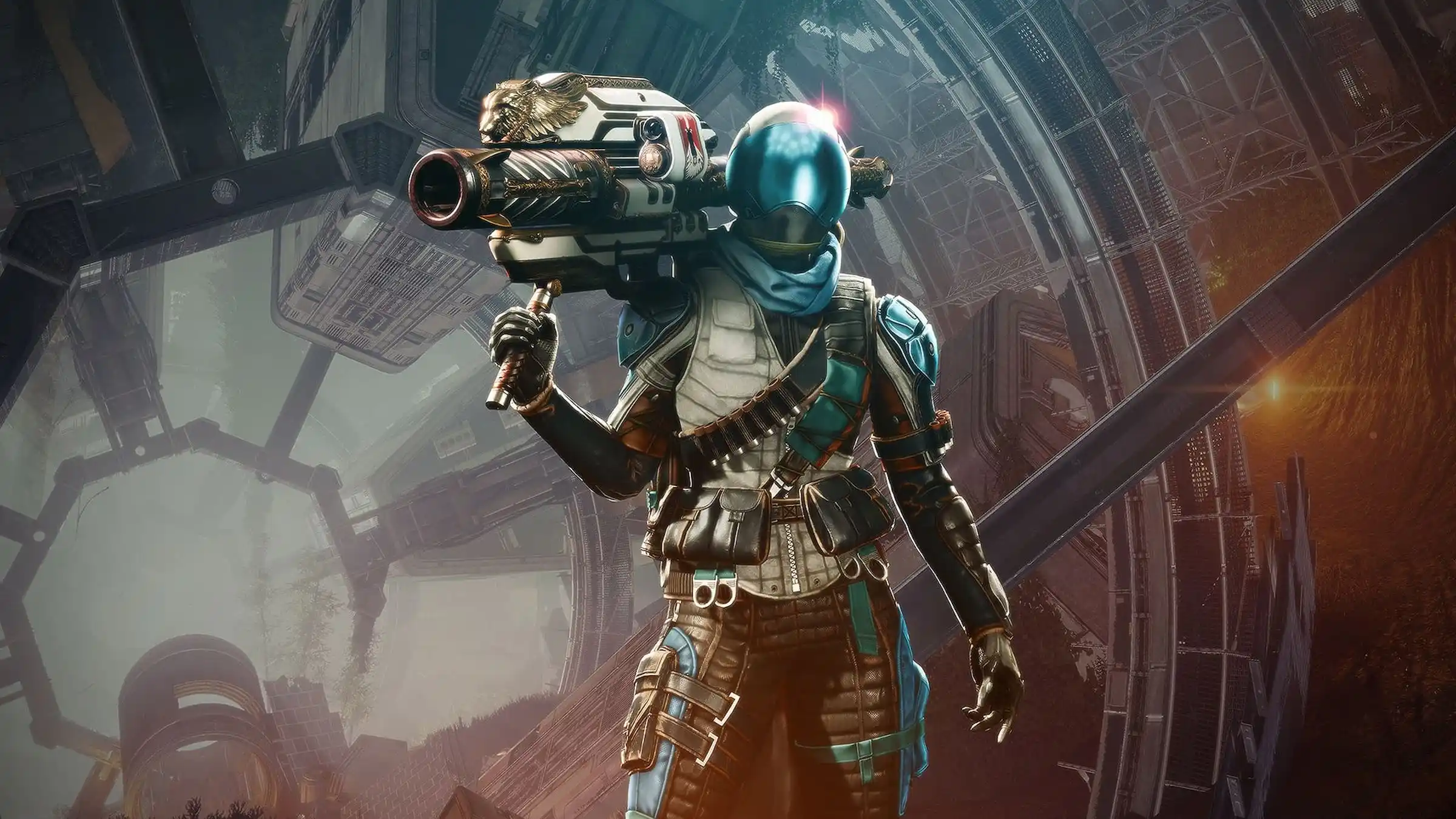
Only a few games truly create a new genre, and even fewer completely redefine what players want from it. Early first-person shooters focused on fast action, chaotic fun, and skillful gameplay. While exciting, these games usually had simple stories and relied on gameplay to keep players engaged, rather than a compelling narrative. Levels were the focus, not the game’s backstory. But that was about to change in a surprising way.
The game Marathon was a turning point for first-person shooters. When it launched 32 years ago, it pioneered immersive storytelling – something rarely seen in the genre at the time. Unlike earlier games where story was secondary, Marathon made narrative a core element, with developed characters, believable factions, and a world that changed over multiple installments. Players were captivated not just by how the game played, but by the story revealed through in-game messages, creating a uniquely tense and meaningful experience. This approach fundamentally changed how shooters could build suspense and deliver narrative, and its influence is still felt today. Now, after a long hiatus, the series is being revived on March 5th with a reboot that respects its origins while pushing the boundaries of its concepts, even though many players may not be familiar with the original Marathon by Bungie.
Marathon Is the Father of Narrative Shooters
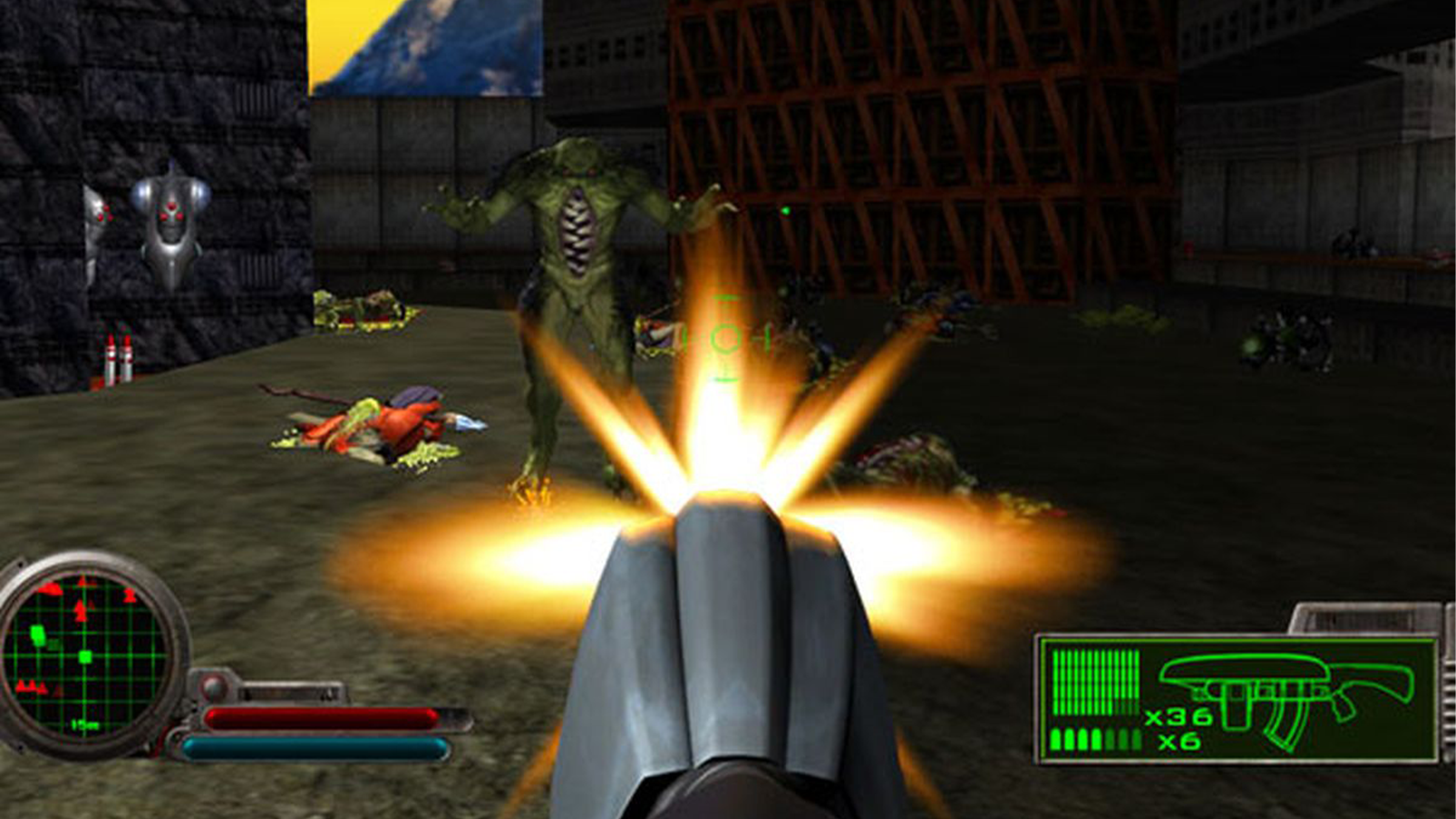
I remember playing Marathon way back when, and it was unlike anything else. Shooters now are all about big stories, but Marathon showed everyone what was possible even then. Instead of just focusing on shooting, it built this amazing world through little details – logs you found on computers, the way the AI characters acted, and secrets that slowly came to light. It wasn’t just about killing enemies; it was about figuring out why you were fighting, and the story actually changed as you played. Honestly, I think a lot of shooters today still use ideas that Marathon came up with!
What truly set Marathon apart was its seamless integration of story into the gameplay. Reading logs wasn’t a distraction from the action—each one provided a crucial clue, a surprising twist, or a reason to rethink everything you knew. This unique blend of storytelling and player involvement was unusual for its time and helped define the Marathon franchise. It’s fair to say Marathon paved the way for today’s narrative-driven shooters, which is why I’m so thrilled Bungie is revisiting it, even with its new direction as an extraction shooter like Arc Raiders.
Bungie’s impact went beyond just their own games. Titles like Half-Life, BioShock, and Halo all followed their lead, proving that shooters could be immersive and story-driven without interrupting the gameplay. Many game developers have looked to Bungie’s early work for inspiration in crafting narrative-focused shooters. Even now, thirty-two years later, Marathon is remembered as the game that demonstrated shooters could offer more than just fast reactions – they could tell memorable stories that lingered long after the action stopped.
Bungie Has Always Pioneered Great Stories Alongside Great Shooting

Many people think Bungie first became known for great storytelling with Halo, but their reputation actually started with Marathon. This earlier game established Bungie’s style of combining a rich, detailed backstory with smooth, engaging gameplay. This became the foundation for all their future projects. When Halo: Combat Evolved launched, players instantly recognized those same qualities – even if they hadn’t played Marathon – because Halo’s characters, expansive story, and immersive worlds were all heavily inspired by Bungie’s previous work.
The link between the game Marathon and Halo is clear. Bungie realized early on that a shooter is more engaging when the game world feels vibrant and real. The Halo series is so popular because of its expansive universe and memorable characters. This focus on creating a living world came from Bungie’s initial work with complex storytelling. They understood that players become more invested in a game when they understand why they’re doing what they’re doing.
Bungie has always prioritized strong storytelling, a tradition that continued with Destiny. For over thirty years, the studio has expertly blended gameplay with rich lore. Even with games that are constantly updated, like Destiny, Bungie showed that shooter games can offer compelling, ongoing stories with characters that grow and change. Their impact on narrative-driven shooters is unparalleled, and it all started with the innovative ideas first presented in Marathon.
Marathon’s Return Is Huge for Storytelling in the Shooting Genre
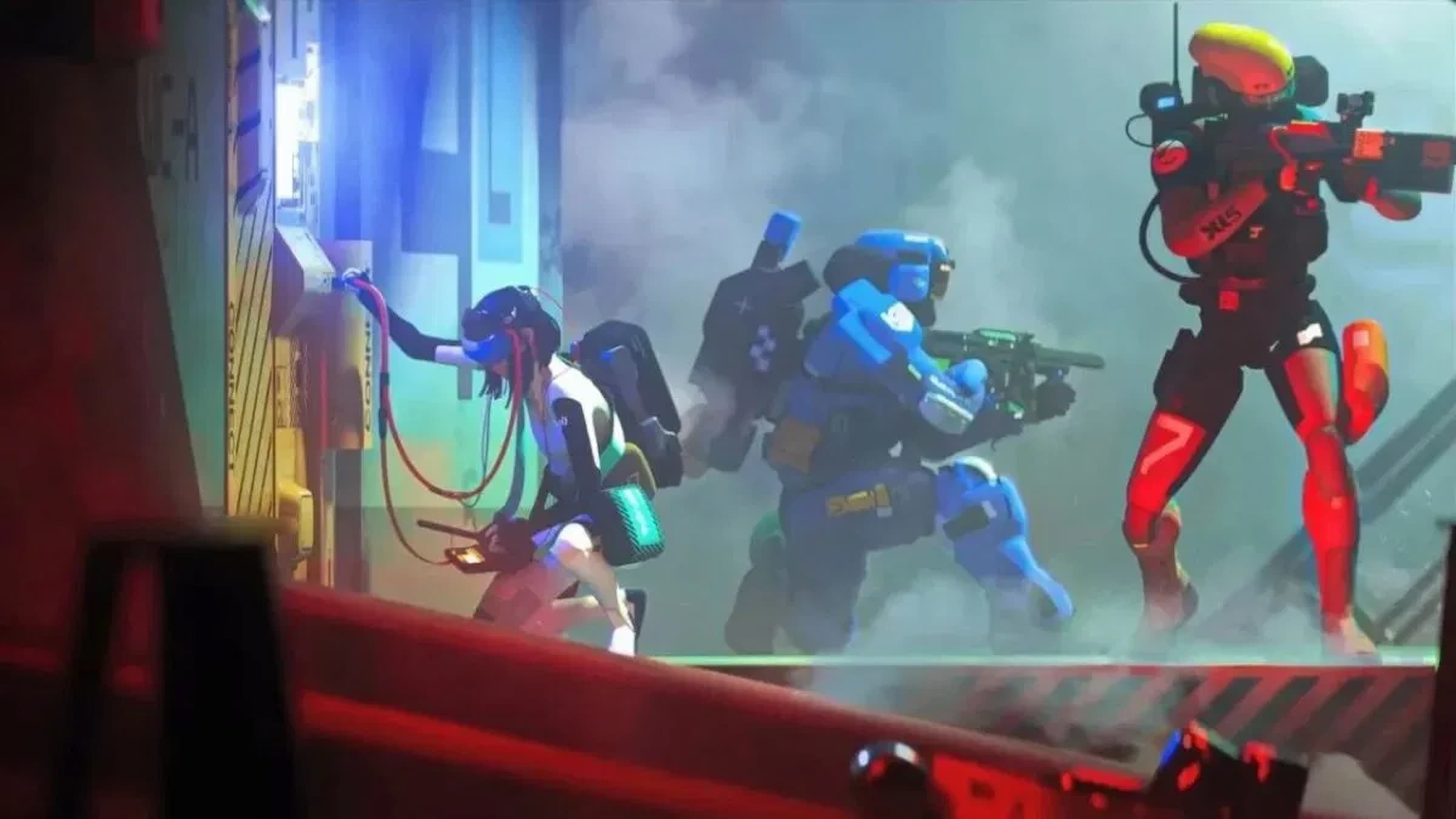
I’m really looking forward to the game’s relaunch on March 5th and seeing where Bungie takes the story, especially with its updated look and change in genre. The original series has been off the radar for a long time, but it’s still influential, even inspiring games made today. This new game builds on the themes of the original while setting everything in a completely new world. Bungie has promised it will connect to the existing universe, but also explore some exciting new paths. That mix of the familiar and the new is what has me most excited.
The revival of Marathon is exciting because the first-person shooter genre needs a fresh direction. While many modern shooters offer great gameplay, they often fall short when it comes to compelling stories, frequently focusing on ongoing multiplayer experiences instead of a strong narrative. Marathon, known for its rich storytelling, is uniquely positioned to change that and remind players how important a good story can be. The original Marathon was groundbreaking over 30 years ago by pushing the boundaries of what shooters could be, and this reboot, with Bungie leading development, aims to do the same.
For those who remember the original game, this isn’t just a trip down memory lane – it’s a continuation of groundbreaking ideas that redefined the first-person shooter genre. New players will discover a universe that was truly ahead of its time and helped shape the shooter experience. While storytelling in games has evolved since 1994, a modern take on Marathon could once again set a new standard. This return isn’t just thrilling for longtime fans; it’s a significant moment for the future of story-driven shooters.
What do you think? Leave a comment below and join the conversation now in the ComicBook Forum!
Read More
- The Super Mario Galaxy Movie: 50 Easter Eggs, References & Major Cameos Explained
- 10 Best Free Games on Steam in 2026, Ranked
- Sydney Sweeney’s The Housemaid 2 Sets Streaming Release Date
- Why is Tech Jacket gender-swapped in Invincible season 4 and who voices her?
- All 13 Smash Bros. Characters in the Super Mario Galaxy Movie
- Welcome to Demon School! Iruma-kun season 4 release schedule: When are new episodes on Crunchyroll?
- Forza Horizon 6 ‘Prologue’ gameplay
- WTH?! Twitter Drops Fake Daredevil: Born Again Season 2 Spoilers as Character Return Confirmed
- Dune 3 Gets the Huge Update Fans Have Been Waiting For
- What happened to Soldier Boy in The Boys?
2026-02-05 19:44