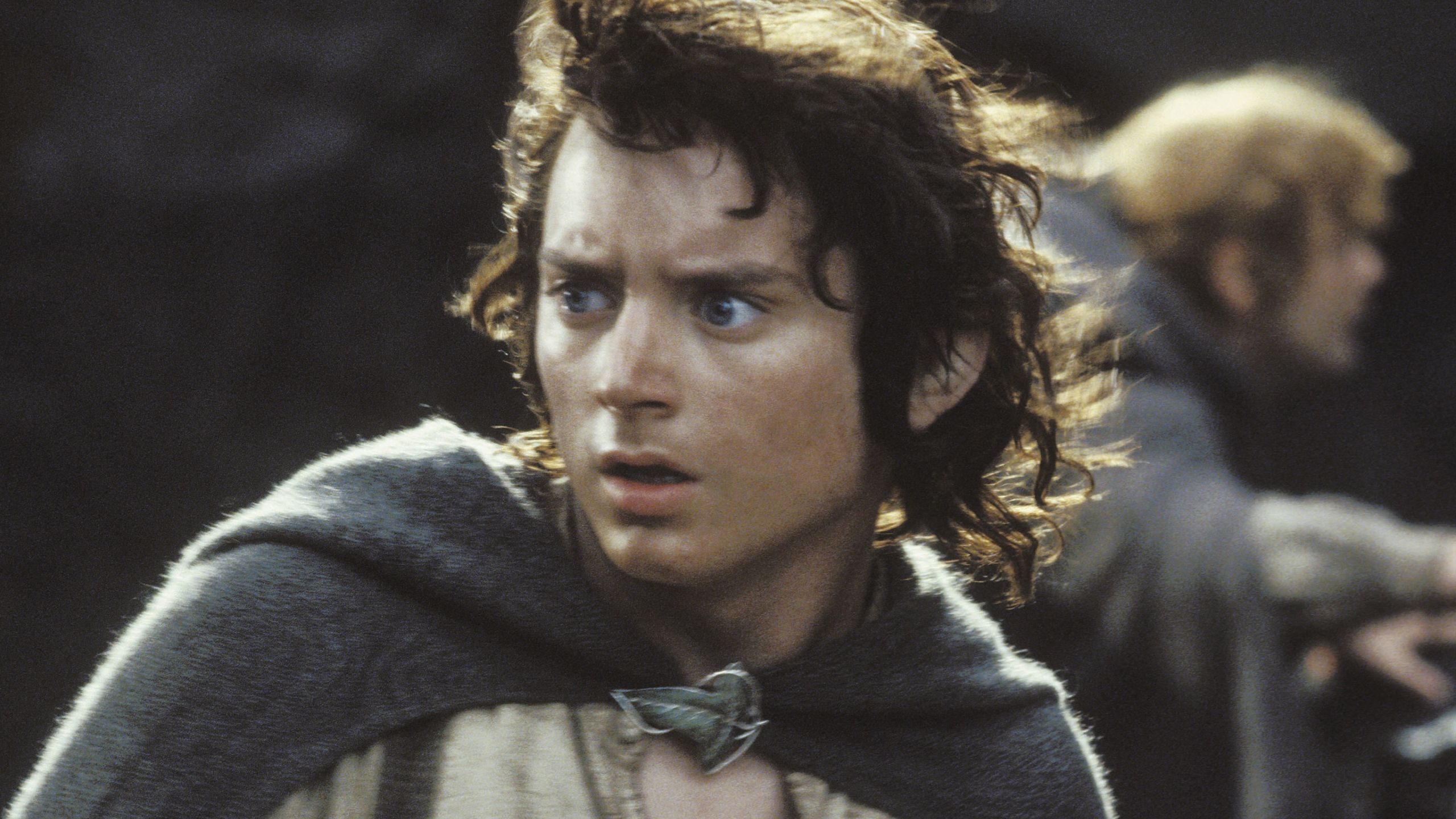
Today, many popular stories are constantly expanded with sequels, spin-offs, and entire cinematic universes. But that wasn’t really the case with The Lord of the Rings. Peter Jackson’s film trilogy treated J.R.R. Tolkien’s work with respect and created a deeply satisfying story. It’s rare to find an epic fantasy that feels so definitively finished.
Even though the previous film faced criticism, Warner Bros. is still planning to release The Lord of the Rings: The Hunt for Gollum in 2027. Having Andy Serkis direct and reprise his role, along with the potential return of other well-known actors, gives the project some confidence. However, it feels like the movie is being made more out of a desire to revisit familiar stories for profit than because there’s a genuine need for it.
The hints that Elijah Wood and Ian McKellen might return are actually worrying some fans. Focusing on bringing back familiar faces seems to miss the point of what made the Lord of the Rings trilogy so beloved: its meaningful themes, subtle storytelling, and the fact that it allowed the story of Middle-earth to conclude naturally, without trying to set up endless sequels or expand the franchise beyond Tolkien’s original vision.
Gandalf And Frodo Are Returning In The Hunt For Gollum
The Reunion Promises Emotional Familiarity While Quietly Reframing The Story’s Scope

Sir Ian McKellen has hinted that Elijah Wood and he will reprise their roles as Frodo and Gandalf in the upcoming film, The Lord of the Rings: The Hunt for Gollum. This news is understandably thrilling for fans. Their performances were central to the emotional impact of the original trilogy, and their return immediately brings back the strong connection audiences felt to their characters and their relationship.
Gandalf’s appearance in the story fits well with the overall narrative. He’s already known to be looking for Gollum and trying to understand the One Ring during this time. Ian McKellen’s portrayal of Gandalf as a wise and patient figure feels natural and consistent with the established history of Tolkien’s world.
Frodo’s reappearance is unexpected, but makes sense within the story. Even though he lived a peaceful life in the Shire, he embodies everything that’s at risk. His purity and unawareness of the Ring’s power highlight the difference between him and Gollum, emphasizing the story’s moral themes without needing large-scale action or dramatic displays.
For fans of The Lord of the Rings, seeing these characters return is deeply moving. Peter Jackson’s original movies felt like a true ending, so revisiting these beloved figures evokes strong feelings built up over the three films. Warner Bros. is smart to acknowledge how much longtime fans will appreciate this.
Yet, this very familiarity is also where a need for caution arises. Gandalf and Frodo weren’t important simply for who they were, but because they helped Tolkien explore bigger ideas about power, sacrifice, and being humble. If their return only serves to remind us of the story, instead of adding new depth, the reunion could feel like a nice addition, but not a necessary one.
The Hunt For Gollum Is An Unexpected Lord Of The Rings Project
A Narrow Character Focus Feels At Odds With Tolkien’s Expansive Mythology

J.R.R. Tolkien created a richly detailed world, Middle-earth, filled with history, conflict, and diverse cultures – more than enough material for epic movies. Considering all that, focusing a film on Gollum’s story, which isn’t fully explored in the books, feels like a surprisingly small-scale idea.
The movie The Hunt for Gollum takes place in the time between The Hobbit and The Fellowship of the Ring. While these events are only briefly mentioned in the books, the film tells the story in full, meaning it had to add new details. This approach might not appeal to fans who prefer a strict adaptation of Tolkien’s original work.
Gollum is a fascinating character, but he was originally intended to highlight the story’s tragedy, not to be a central figure. His strength comes from the fact that Tolkien keeps his background and feelings largely a secret. If we focus on him for too long, it could lessen his impact, as we’d learn too much about what’s already implied.
I was a little surprised to hear they were making a whole movie about finding Gollum. It feels different from the huge, legendary stories Tolkien usually tells. Honestly, when I thought about a return to Middle-earth, I pictured something massive and sweeping! This new focus on a very specific time and quest… well, I worry it might feel like it’s just filling in gaps between bigger stories, rather than being a truly new adventure on its own.
The idea for The Hunt for Gollum isn’t without merit. A focused story, centered on characters and set within the world of The Lord of the Rings, could be successful with careful writing and a consistent tone. However, the story’s limited scope raises a bigger question: does this particular story really need to be a full-length movie?
The Lord Of The Rings Doesn’t Have To Be A Marvel-Like Franchise
Middle-earth’s Strength Lies In Finality, Not Perpetual Expansion

A subtle concern about The Hunt for Gollum is that it might indicate a move towards the kind of endless franchise-building seen with Marvel movies, which isn’t really suitable for The Lord of the Rings. The way the marketing emphasizes returning actors and familiar faces suggests they’re trying to create more content just for the sake of it, rather than because the story truly needs it.
Unlike some modern franchises, The Lord of the Rings had a clear start, middle, and finish. Tolkien’s original story was complete, and Peter Jackson’s film adaptation respected that, delivering a trilogy with a satisfying conclusion instead of setting up future installments.
As a huge fan, I think trying to make a Tolkien universe like the MCU just wouldn’t work. The MCU is all about things getting bigger and more explosive, which is fun! But Middle-earth is special because it feels real. It’s about the weight of choices, accepting loss, and how things change over long periods. Those two approaches are just too different, and I think trying to force them together would really miss what makes Tolkien’s world so amazing.
Understanding the audience is key. Many fans of The Lord of the Rings are deeply committed to Tolkien’s original writings and appreciate them just as much, if not more than, any movies or shows based on those works. Because of this, they might not be thrilled with a constant stream of new spin-offs.
A truly great work of art doesn’t need to be constantly added to. Peter Jackson’s Lord of the Rings trilogy is a remarkable achievement in big-budget movies, successfully blending artistic vision, strong acting, and faithfulness to the original books. Continuing to expand the story endlessly doesn’t pay tribute to that success—it weakens it.
If Warner Bros. decides to move forward with more projects, it’s crucial they do so carefully. Middle-earth shouldn’t be treated as a source of endless content. The strength of the story lies in knowing when to end it, and allowing audiences to value that conclusion.
The Hobbit Should Have Taught Warner Bros. A Lesson
Comparisons To Greatness Have Already Proven How Difficult Middle-earth Is To Revisit
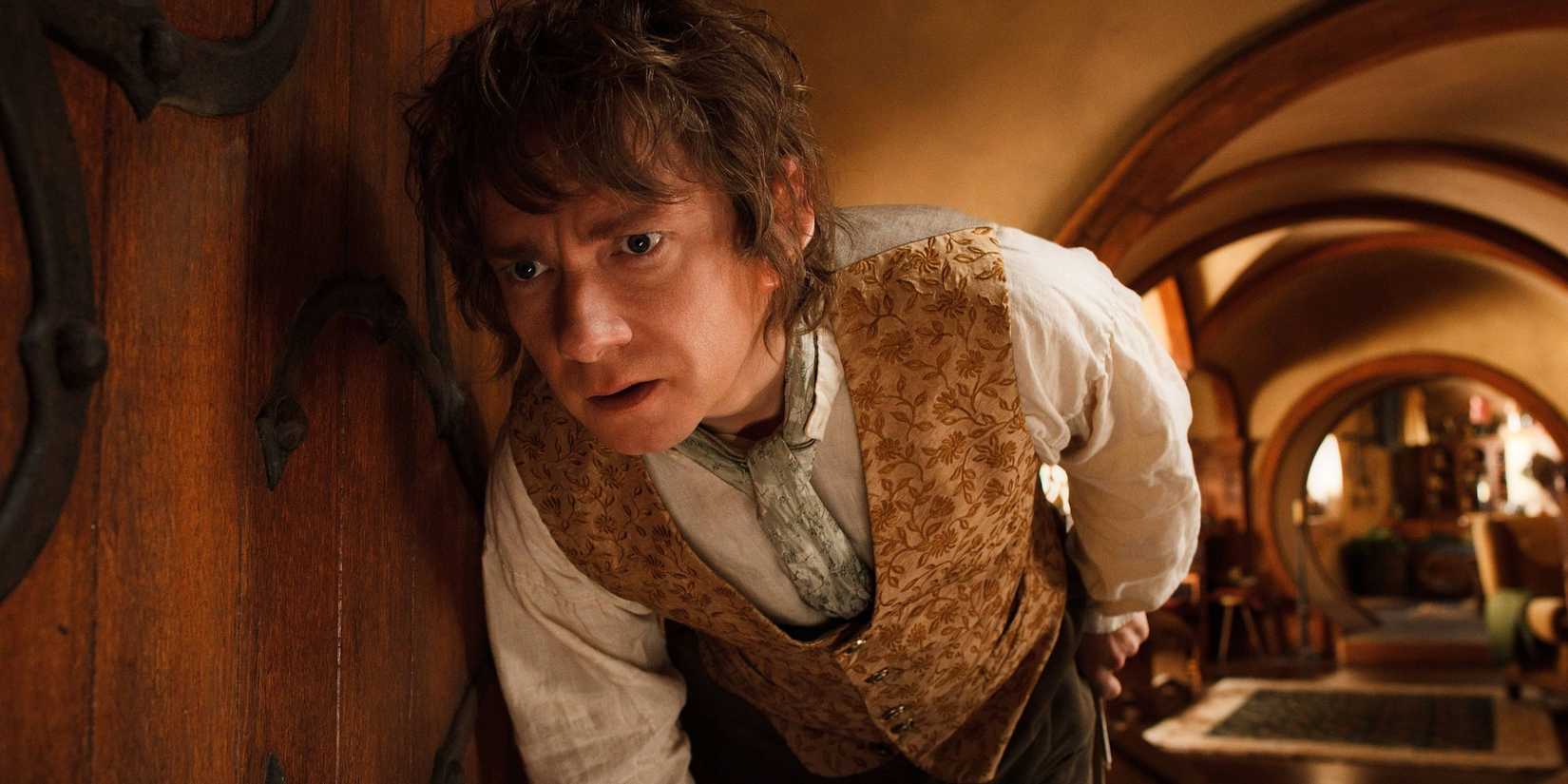
Peter Jackson’s The Lord of the Rings trilogy is considered a landmark achievement in film. It has had a huge impact on how fantasy movies are made, and its popularity continues to increase. However, its incredible success makes it very difficult for any other fantasy film to compare.
The Hobbit movies, taken on their own, are visually impressive with good acting and exciting scenes. They could have been considered excellent fantasy films if judged separately. However, when considered as part of the larger story, they presented some issues.
Compared to The Lord of the Rings, these films didn’t measure up. Their uneven tone, overly long story, and overuse of special effects became especially noticeable because the original trilogy was so well-made, consistent, and understated.
Both The Lord of the Rings: The Rings of Power on Amazon and Warner Bros.’ animated film, The War of the Rohirrim, struggled with the same problem: every creative choice was constantly judged against Peter Jackson’s original movies. This should have been a lesson learned, as it proved to be a significant hurdle for both productions.
Now, The Hunt for Gollum finds itself in the same difficult position. Regardless of its quality or what it tries to achieve, it will always be compared to the incredibly popular and well-regarded original trilogy. Viewers will have high expectations, and any flaws, real or imagined, will be heavily scrutinized due to fond memories of the previous films.
There’s still reason to be optimistic, particularly with Andy Serkis directing and familiar actors returning from The Lord of the Rings – which should please even skeptical fans. However, past experiences suggest we should be cautious. Attempts to recapture the magic of Middle-earth have often highlighted how special the original was. Sometimes, it’s best to leave a classic untouched.
Read More
- What Song Is In The New Supergirl Trailer (& What It Means For The DC Movie)
- Gold Rate Forecast
- One of Hulu’s Best New Shows Lands on Disney+ Ahead of Season 2
- Eurogamer Gives ARC Raiders 2/5 Over AI Voices, Dropping Metacritic Score from 94 to 84
- Digimon Is Getting a New RPG in 2026 (And You Probably Missed It)
- Czech Bank’s Crypto Comedy: $1M for a Digital Farce! 🎭💰
- Beyond Paradise confirms character exit – with potentially damaging consequences
- Unpacking the Controversy Around Amy Griffin’s Memoir The Tell
- MMOs Usually Take Up Too Much Time, But One Returning Classic Could Change That
- Pokemon Go Unveils Precious Paths Season Details With New Masterwork Research, Pokemon Debuts & More
2026-01-07 02:04