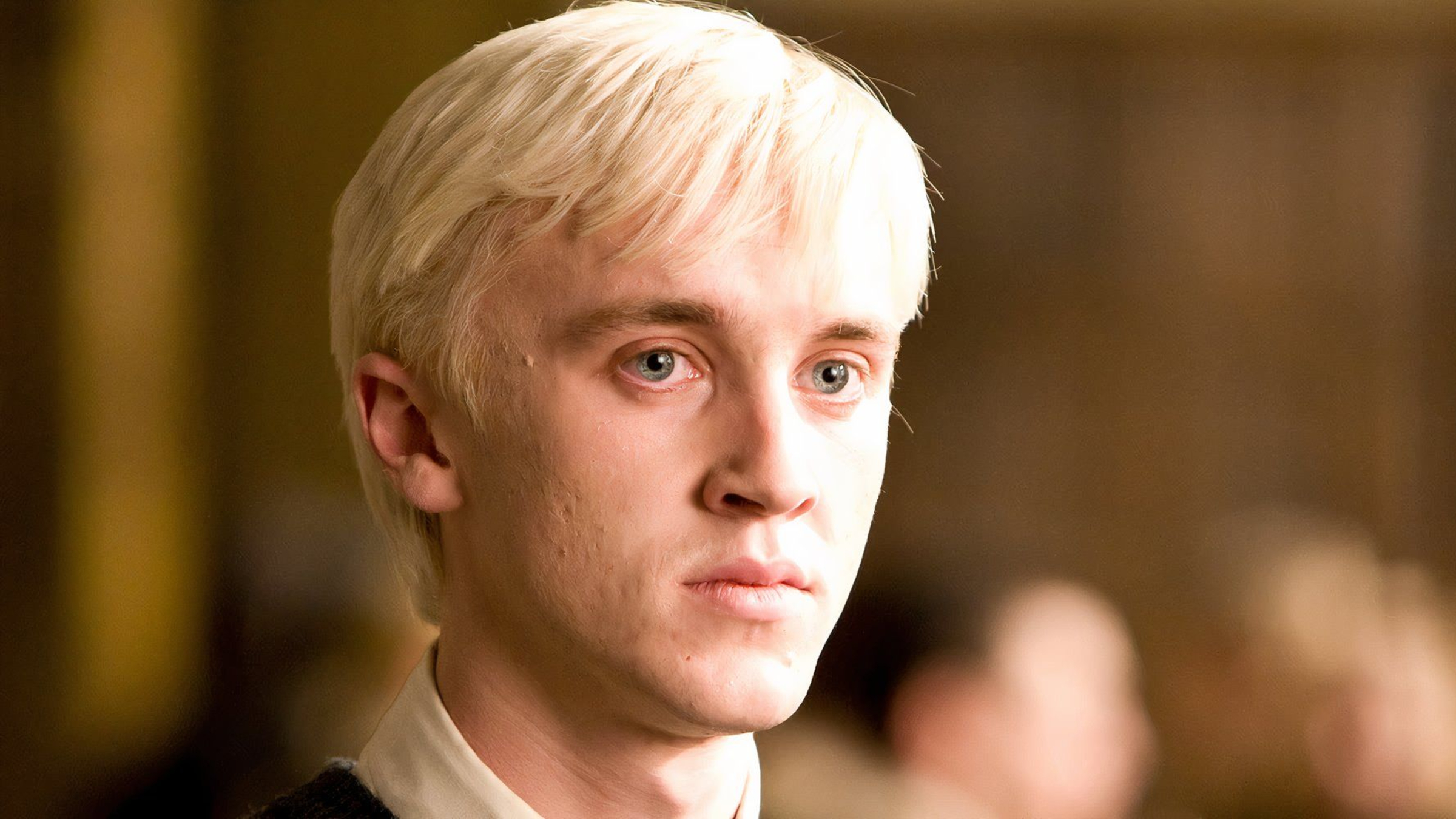
In the Harry Potter series, Slytherin is one of the four houses at Hogwarts School of Witchcraft and Wizardry, and it’s been around for a long time. Students are typically sorted into Slytherin if they’re ambitious, intelligent, resourceful, and think strategically.
The house of Slytherin has a complicated past, as its founder’s beliefs unfortunately became linked to prejudice and power struggles, leaving a lasting mark on the school’s atmosphere. While this history is intriguing to consider, it creates problems when you think of Slytherin as a genuine part of Hogwarts. Many details simply don’t make sense if you treat it as a real, functioning house.
5. Cunning… or Just Cruel?
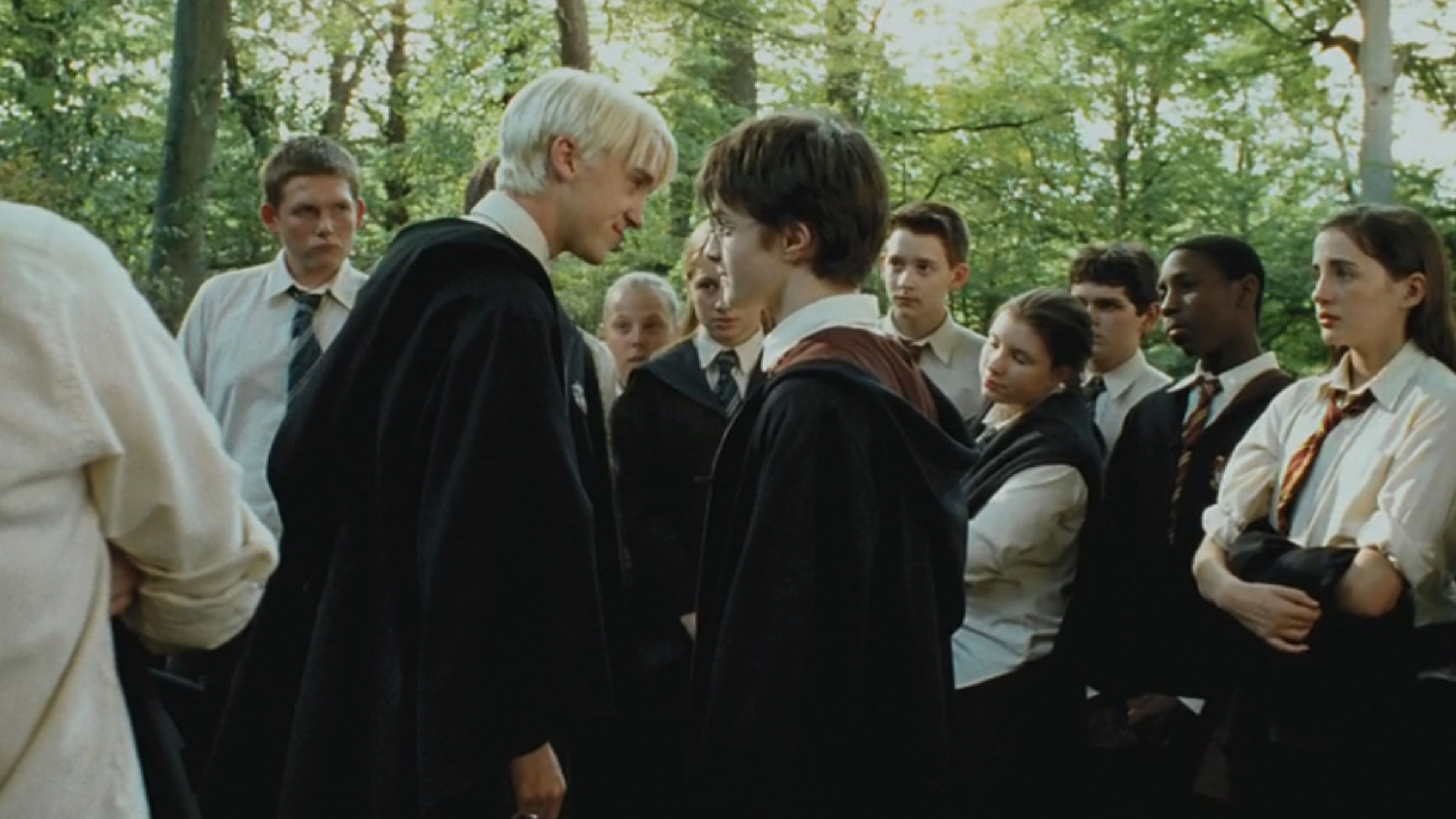
Slytherin House prizes ambition, cleverness, and perseverance, and the Sorting Hat suggests these qualities can lead to success. However, the series often shows Slytherin students expressing these traits through obvious and damaging acts of cruelty, often in public where they’re likely to get caught. Draco Malfoy’s behavior in the first two books is a prime example, but this pattern extends throughout the house. Slytherin often seems less about smart, calculated choices and more about openly showing off how mean they can be.
There’s a disconnect between what Slytherin House claims to value and how its students actually behave. If they’re meant to be strategic, openly mocking and embarrassing others in public doesn’t fit. Even with advantages like a supportive Head of House, it’s strange why so many Slytherins consistently choose actions that harm their reputation. Typically, ambition involves carefully managing your image, building alliances, and knowing when to be discreet – qualities Slytherin students often seem to overlook.
4. The Slytherin Bubble
Students at Hogwarts are constantly interacting – they attend the same classes, eat together, share common areas, participate in the same activities, and live in a castle designed for frequent encounters. Friendships between students in different Houses – like Gryffindor and Ravenclaw, or Gryffindor and Hufflepuff – are clearly possible and happen often, even between students of different ages and backgrounds. However, Slytherin is portrayed as being very separate, almost like its own school with its own unique social rules and pressures.
The way Slytherin students are depicted as isolated doesn’t quite ring true, considering how much they’d benefit from making connections. Slytherins are driven by ambition, and Hogwarts is a direct path to important jobs at the Ministry, Gringotts, and connections with powerful families. However, the books mostly show them keeping to themselves, only interacting with others to cause trouble. If they were truly clever and thinking about the future, you’d expect to see them building relationships with students from other houses, forming secret alliances, and seeing school rivalries as unimportant.
3. Sorted Into a Bad Rap
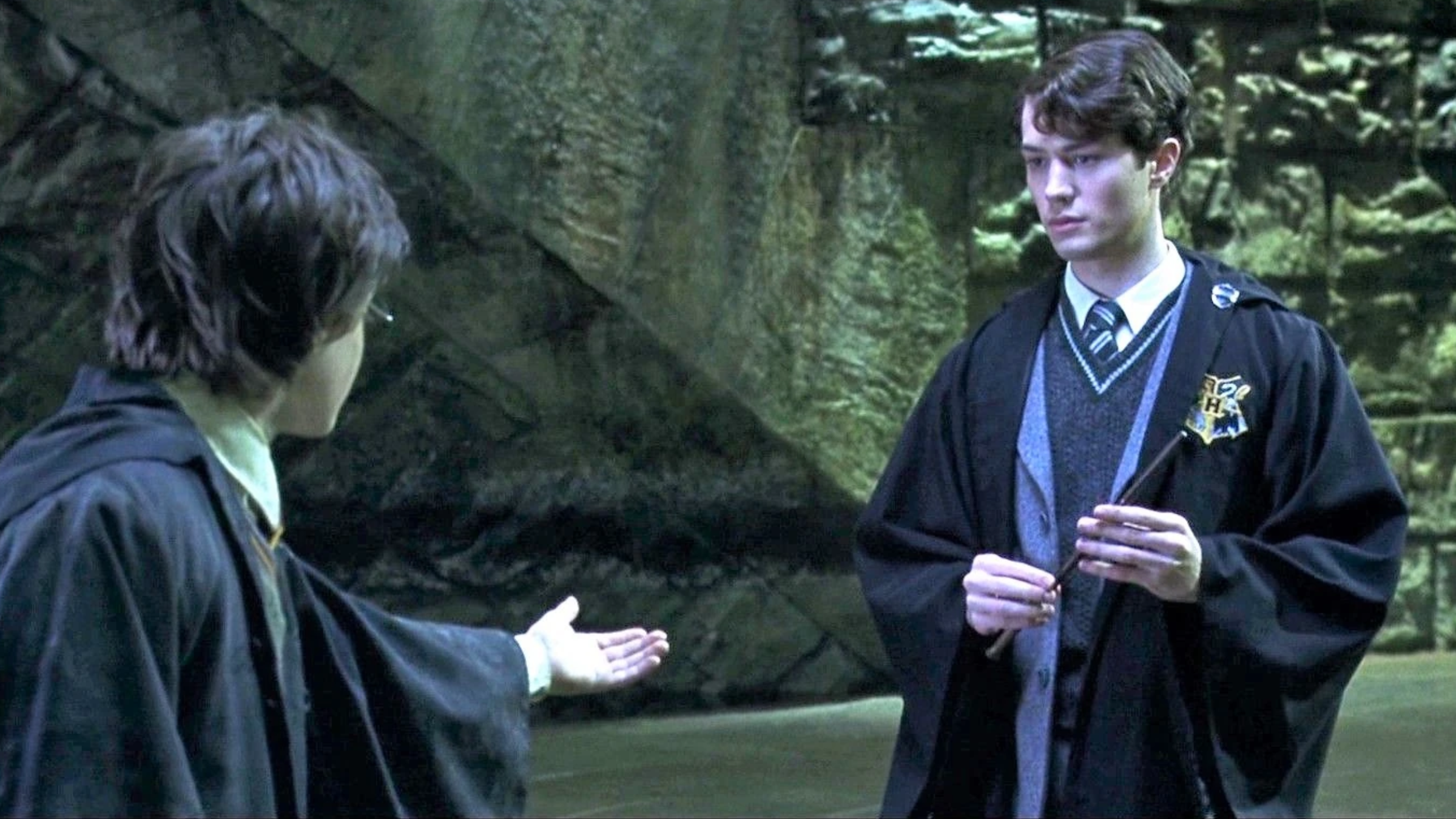
When Harry arrives at Hogwarts, Slytherin House already has a bad name. Ron even repeats a common saying that anyone who becomes a dark wizard was likely a Slytherin student. While not entirely true, this shows how the school generally views the house. The Sorting Hat is aware of Slytherin’s history – its founder’s focus on pure-blood wizarding families and the rumors surrounding the Chamber of Secrets. Despite knowing this, the Hat continues to sort eleven-year-olds into Slytherin, meaning many students are prejudged before they even have a chance to speak.
The system breaks down when it starts to feel like it’s limiting students instead of helping them grow. Labeling students based on certain traits can create a cycle where those labels become true, especially if a House gets a negative reputation – like being known as the place for those who might become villains. When you put kids in a House that others distrust and give them a history of conflict, it’s natural to expect them to become defensive, form tight-knit groups, and even become more extreme in their views. While the Sorting Hat sometimes admits it might be wrong, Hogwarts doesn’t seem to address the underlying problem. If a school knows a House is widely feared, it should change how the Houses work or actively fight against that negative image, instead of just continuing the same system.
2. Pure-Blood Logic Crash
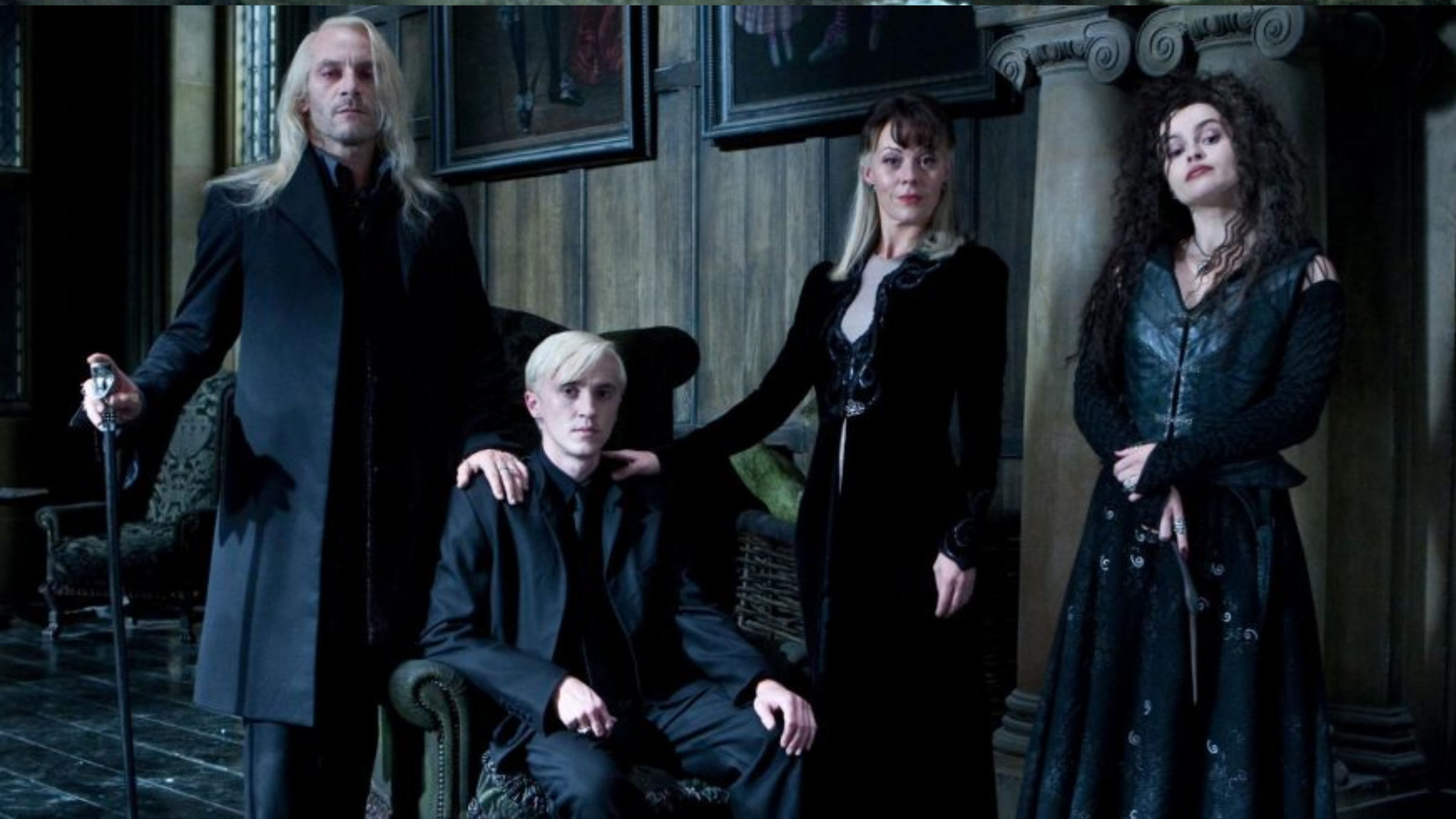
In the Harry Potter books, Slytherin House is largely defined by family history – a focus on old, ‘pure-blood’ families and a prejudice against those with non-magical parents. However, the books themselves show this view isn’t entirely accurate. We see that witches and wizards are still born to non-magical parents, ‘pure’ family lines aren’t actually that clear-cut, and many families claiming pure-blood status have complex histories. Plus, characters like the Weasleys demonstrate that being a pure-blood doesn’t guarantee social standing or make someone morally superior.
Why does the Slytherin ideology continue to be so strong among its students, year after year, with so little disagreement from within? Hogwarts isn’t just a school for a select group; it’s where most British magical children are educated. You’d think as students socialize, form relationships, and make friends from different backgrounds, the House’s beliefs would evolve. And you’d expect some Slytherins, especially after Voldemort’s initial defeat, to realize that prejudice is a disadvantage when trying to gain power and influence in a post-war society. However, the House seems stuck in a way of thinking that should ultimately undermine anyone who truly wants to be influential.
1. A House, A Security Risk
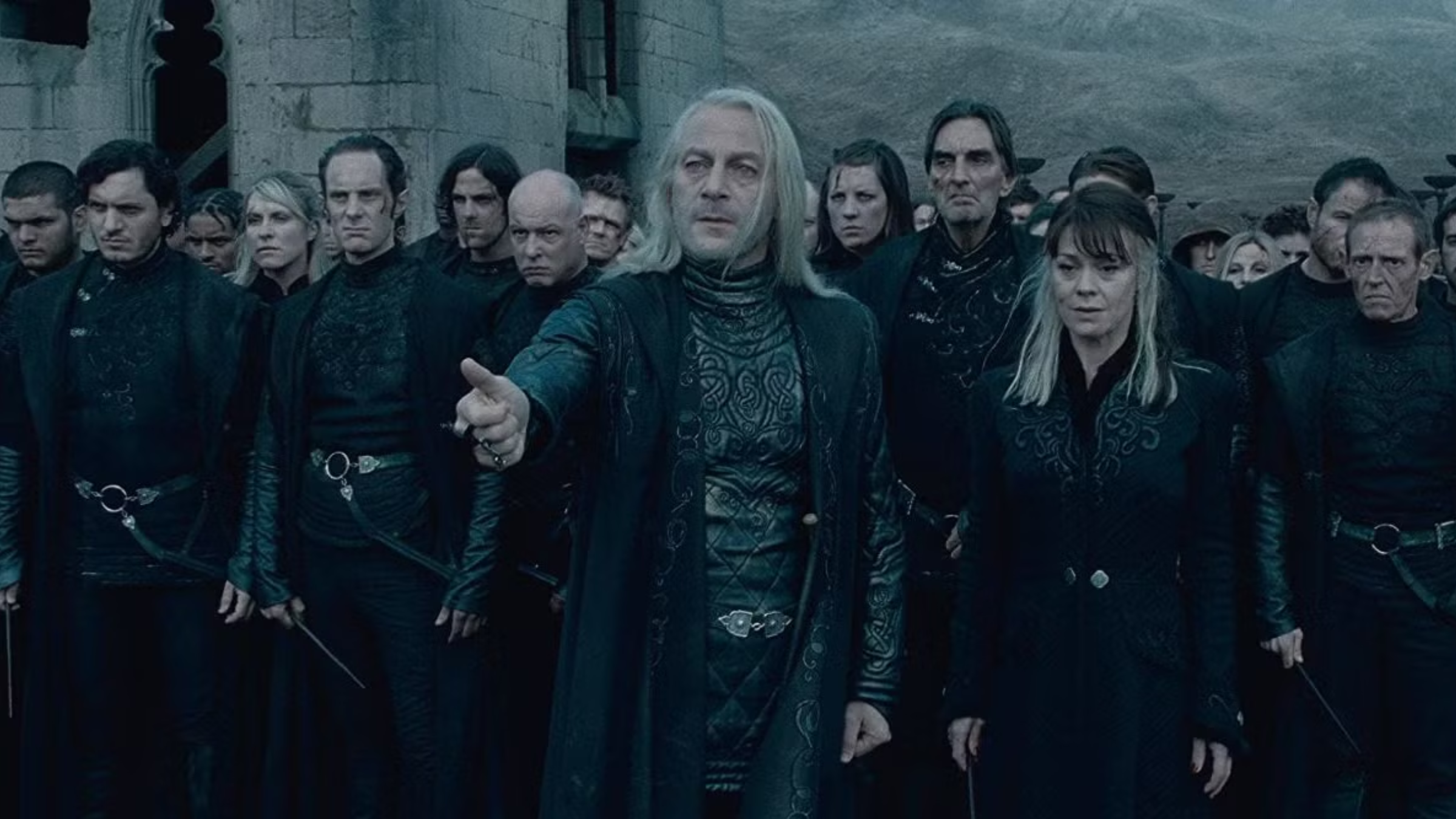
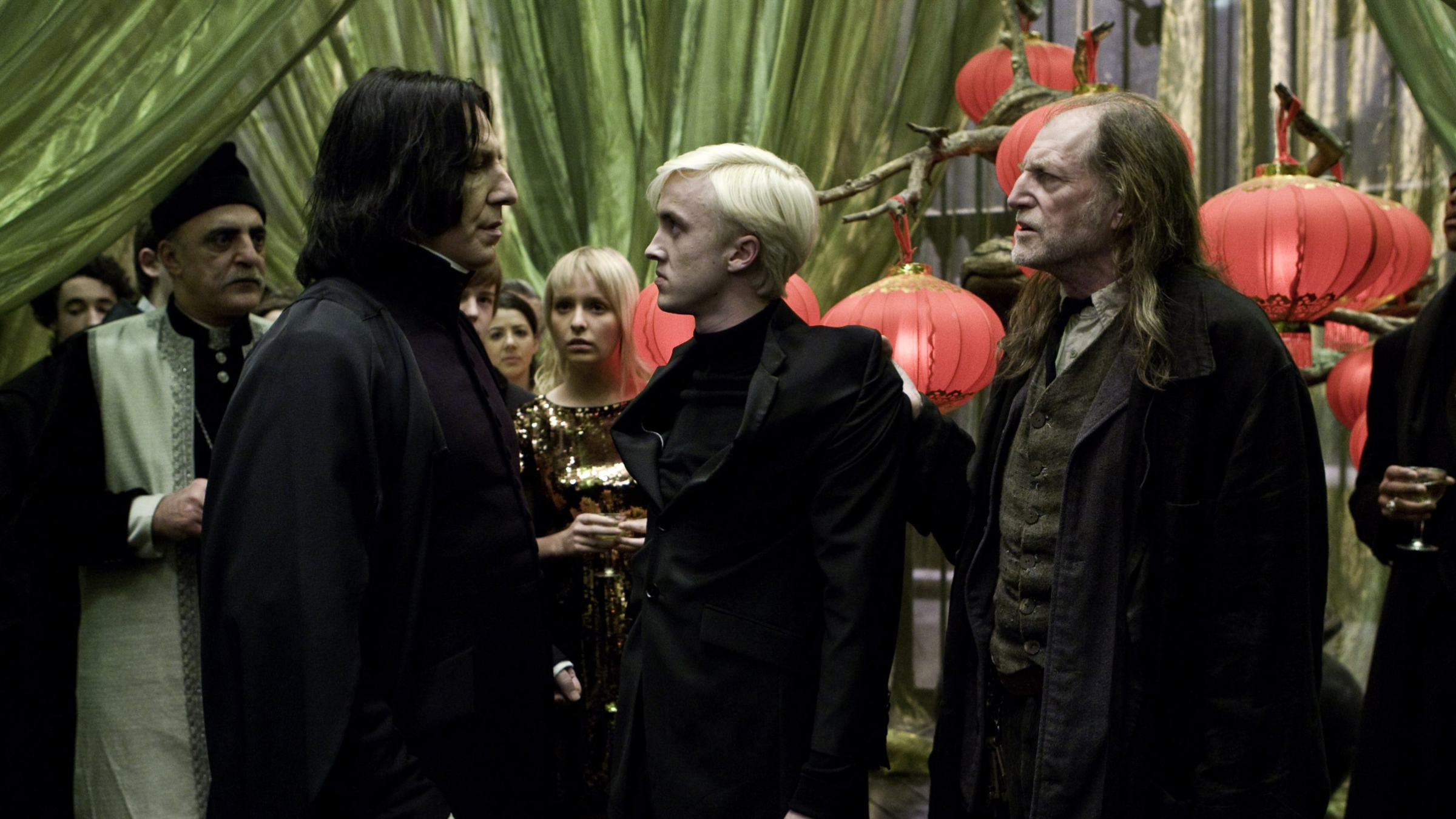
As a huge fan, I’ve always been struck by how Slytherin isn’t just about personality – it actually impacts what happens in the story. It’s not just that Slytherin has a reputation for producing dark wizards; it’s a real pattern! Think about Voldemort and all his key followers coming from Slytherin families. During the war, it becomes clear that Slytherin almost feeds the Death Eater cause. It’s terrifying to see how someone like Draco isn’t just a bully, but is actively given a dangerous mission, and how the school itself doesn’t realize what’s happening right under its nose, letting him use the Slytherin environment to hide his actions. It really highlights how deeply ingrained the problem is.
The Battle of Hogwarts really highlights the problem with the school’s history. In Deathly Hallows, the Slytherin students react angrily to Harry’s return, with Pansy Parkinson even demanding he be turned over. While not every Slytherin was a supporter of Voldemort, the staff felt it necessary to remove the entire House from the Great Hall, signaling a serious security risk. This is a harsh criticism of Hogwarts’ leadership – to reach a point where an entire House is considered a threat suggests deep-rooted problems that have existed for years. It’s puzzling why the school didn’t address these issues sooner, given the warning signs that were present during both Tom Riddle’s and Harry’s time as students.
What do you think? Leave a comment below and join the conversation now in the ComicBook Forum!
Read More
- Gold Rate Forecast
- 22 actors who were almost James Bond – and why they missed out on playing 007
- Every Creepy Clown in American Horror Story Ranked
- Hazbin Hotel Secretly Suggests Vox Helped Create One of the Most Infamous Cults in History
- Everything We Know About Gen V Season 3 (& Why It’ll Be a Very Different Show)
- Jason Statham’s Hit Creature Feature Is Heading to Streaming for Free
- Best X-Men Movies (September 2025)
- Blue Protocol Star Resonance: Goblin Lair Dungeon Guide
- As Dougal and friends turn 60, Radio Times explores the magic behind The Magic Roundabout
- Arknights: Endfield – Everything You Need to Know Before You Jump In
2026-02-10 20:15