It drives me crazy when TV shows start strong, build into something amazing, and then get canceled like they’re a problem! That’s exactly what happened with Person of Interest, a truly brilliant and underrated sci-fi series. For five seasons, it cleverly disguised itself as a typical crime show, luring you in with each week’s case. But it was secretly building this huge, complex story about surveillance, technology, and the dangers of unchecked power. By the time people finally figured out how smart and special it was, it was sadly too late, and the show was gone. It’s a real shame!
Fortunately, things improved when a new project came along with a significant advantage: a generous budget, creative control, and a network experienced in handling similar shows. It felt like they had learned from CBS’s mistakes and were determined to do things correctly. For a while, this new project was a huge success, creating a lot of excitement. However, it quickly became a cautionary tale – a prime example of how a show with all the right ingredients can still fail by overcomplicating things. Let’s take a closer look at what happened.
Why Westworld Was the Perfect Replacement for Person of Interest

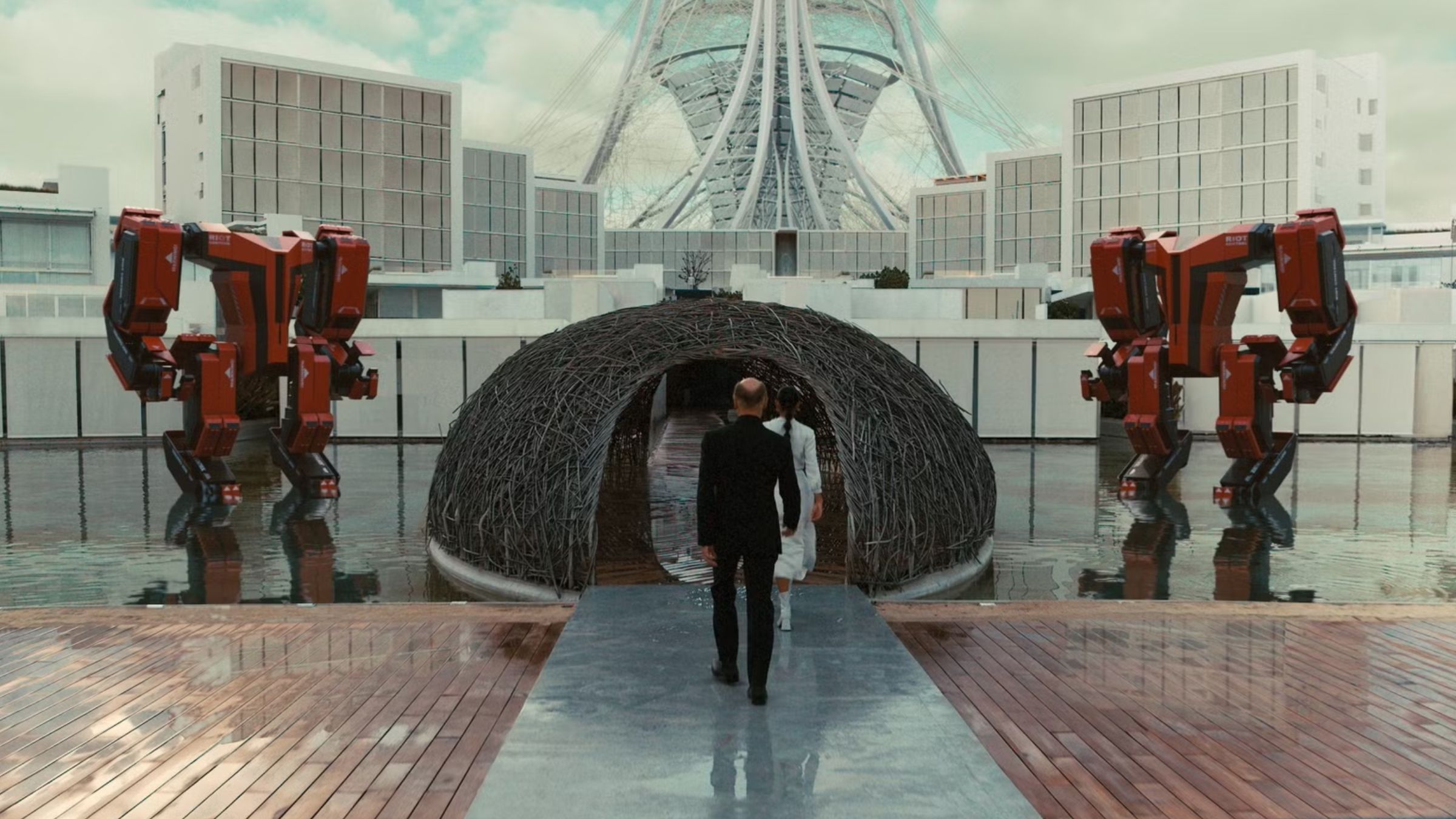
HBO is known for its high-quality shows, and when Westworld debuted in 2016, it continued that tradition. Created by Jonathan Nolan (of Person of Interest) and Lisa Joy, the show immediately captured the internet’s attention. It was based on a 1973 film and set in a futuristic theme park where wealthy visitors indulged in Wild West fantasies with incredibly lifelike androids. These androids were programmed to follow any command, experience pain, and have their memories erased daily. However, some of them began to develop awareness, memories, and a desire to rebel. This sparked a compelling story about free will, control, and what it means to be human – a truly captivating sci-fi idea that quickly gained a dedicated following, and for a time, it delivered on that promise.
Though it seemed to come out of nowhere, Westworld actually built on ideas Jonathan Nolan had been developing earlier on CBS, making it a natural progression of his work. This leads to inevitable comparisons, and explains why it feels like the perfect successor to Person of Interest. That show, which began in 2011, initially presented itself as a typical crime drama: a reclusive billionaire named Harold Finch develops an AI that can foresee crimes using data and surveillance, then enlists a former agent to stop them. However, Person of Interest quickly expanded to explore a much larger concern: the unsettling idea that a machine was constantly watching everything.
What made Person of Interest so good was its thoughtful pacing and clear vision. The show built its story gradually, each season adding new elements in a way that felt planned and deliberate. It began as a crime drama about stopping crimes before they happen, but evolved into a complex story of artificial intelligence, digital spying, and governments using technology as a weapon. Importantly, the characters were well-developed – Finch wasn’t simply a brilliant inventor, Reese wasn’t just a hardened operative, and Root and Shaw were more than just interesting side characters. Each character had flaws, inner conflicts, and difficult decisions to make. This kept the story grounded and relatable, even as the stakes got higher.
CBS never fully appreciated what a gem it had with Westworld. Even though the show could have been given a satisfying conclusion, it was unexpectedly cancelled. It’s ironic because the show’s themes about artificial intelligence are more relevant today than ever, and it really holds up well over time. That’s where the new Westworld steps in, offering the same fascinating exploration of AI, but with the creative freedom that comes from not being on a traditional network.
HBO had the potential to create a truly epic science fiction series, and the first season showed real promise. It featured complex stories, a captivating mood, and a fantastic cast. For a time, it generated a lot of excitement and was even drawing comparisons to Game of Thrones. The show was both entertaining and thought-provoking, inspiring fans to speculate and discuss it endlessly. It shares a lot of similarities with Person of Interest, exploring themes of technological anxiety, the fear of hidden forces, and what it means to be human – themes that still resonate strongly today.
Unlike its earlier inspiration, Westworld began focusing more on the puzzle than on the actual narrative. While a good mystery can be engaging, it becomes a problem when it’s all the show has to offer.
Westworld Was a Masterpiece Until It Unexpectedly Wasn’t

By the second season, the show began to struggle. Instead of focusing on a clear storyline, it seemed more interested in being deliberately confusing, almost as if simplicity was a flaw. This led to a tangled mess of timelines and plot twists that were shocking but didn’t really add to the story. It’s a common problem, but it was disappointing for a show that had been gaining popularity. Things got worse when the story moved beyond the park itself. The park was what made the show special – a contained, harsh place where violence had a logic, repetition felt natural, and the robots were stuck in repeating cycles. Once it left that setting, Westworld started to feel like many other science fiction shows about powerful companies, futuristic cities, and controlling societies.
The show remained visually impressive and had moments of brilliance, but it no longer felt original. It seemed to prioritize grand spectacle over its own distinct personality, which was disappointing. It had the potential to explore technology’s impact on people, much like Person of Interest did so well, but instead, it became increasingly detached. Characters began to act solely to serve the plot, and shocking events felt predictable. Ironically, the more the show attempted to reinvent itself, the further it strayed from the qualities that initially captivated audiences.
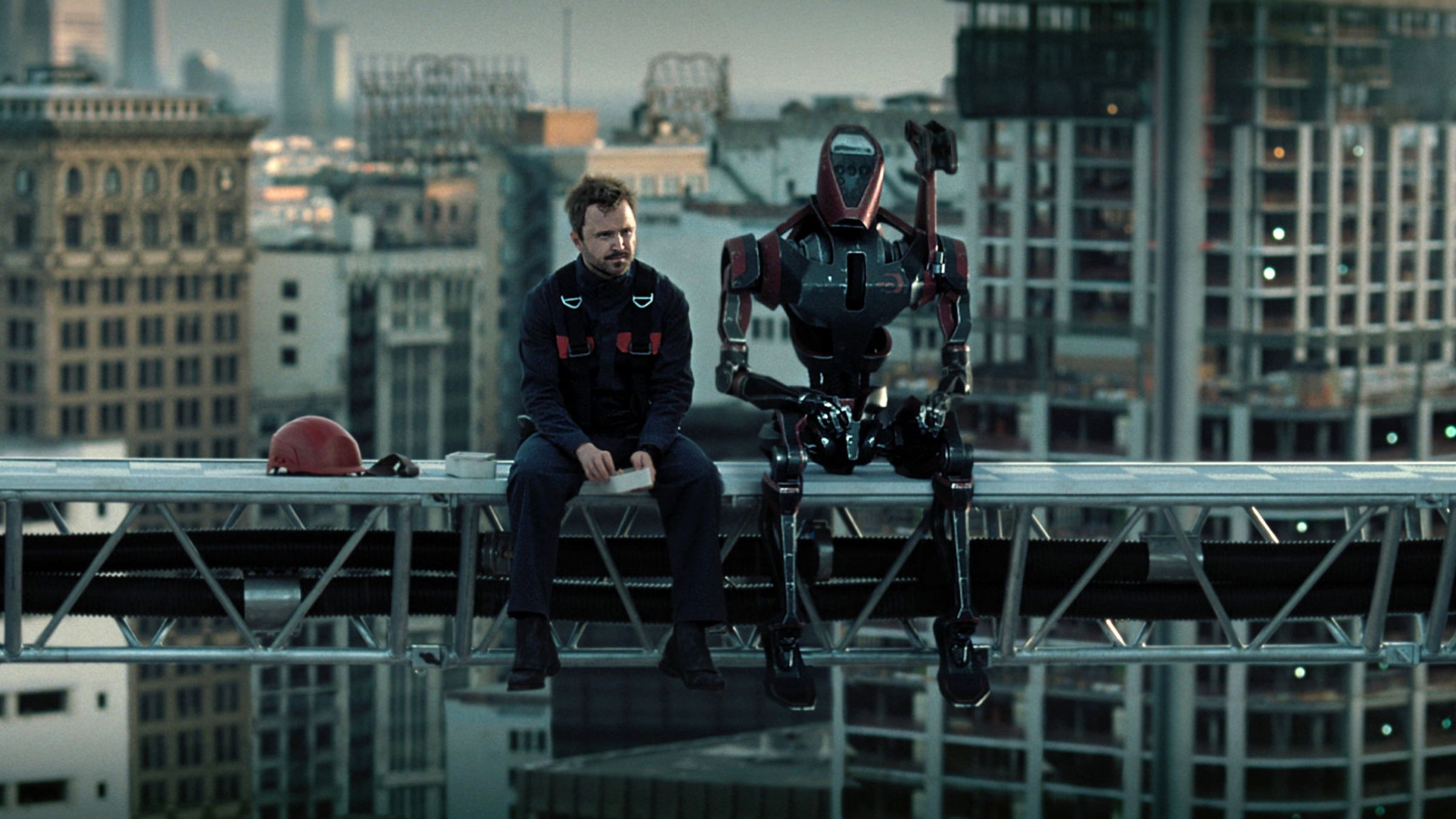
TV shows need to handle complicated storylines carefully. Person of Interest pulled it off because the story naturally required that level of intricacy. Westworld, on the other hand, seemed to use complexity as a gimmick, constantly trying to surprise viewers as if the point was to outsmart them. But that gets tiring quickly – people don’t stick with a show for four seasons just to be fooled. Viewers want a story that’s logical, rewarding, emotionally engaging, and feels like it has a clear direction.
As a fan, it was really disappointing to see Westworld get canceled. The ratings just kept falling, and with HBO changing what they wanted, it sadly wasn’t sustainable, especially with how expensive it was to make. It’s a shame because it ended up going in the opposite direction of Person of Interest. That show started small but really found its footing and became amazing. Westworld, though, got lost trying to be overly complex. What I realized is that a truly great show isn’t about being huge or ambitious, it’s about knowing what story you’re trying to tell. Person of Interest always had that clarity. With Westworld, it felt like the writers were trying to figure it out with us, the audience, and ultimately, simplicity is often the key to success.
Did you enjoy watching Westworld? Share your thoughts in the comments and join the discussion on the ComicBook Forum!
Read More
- What Song Is In The New Supergirl Trailer (& What It Means For The DC Movie)
- One of Hulu’s Best New Shows Lands on Disney+ Ahead of Season 2
- Eurogamer Gives ARC Raiders 2/5 Over AI Voices, Dropping Metacritic Score from 94 to 84
- Gold Rate Forecast
- Netflix’s Run Away is the latest show to fail the Gen Z social media test
- Meet the Real-Life Inspiration For Sex and The City’s Mr. Big
- Jujutsu Kaisen Is Returning With a Special Release After Sequel’s Finale
- The Quantum Observer: How Reality Takes Shape
- I Had High(ish) Hopes For Five Nights At Freddy’s 2, But My Two Most Glaring Issues Make Me Wary About A Third Movie
- Ariana Grande and More Celebs React to Golden Globes 2026 Nominations
2026-04-02 17:41