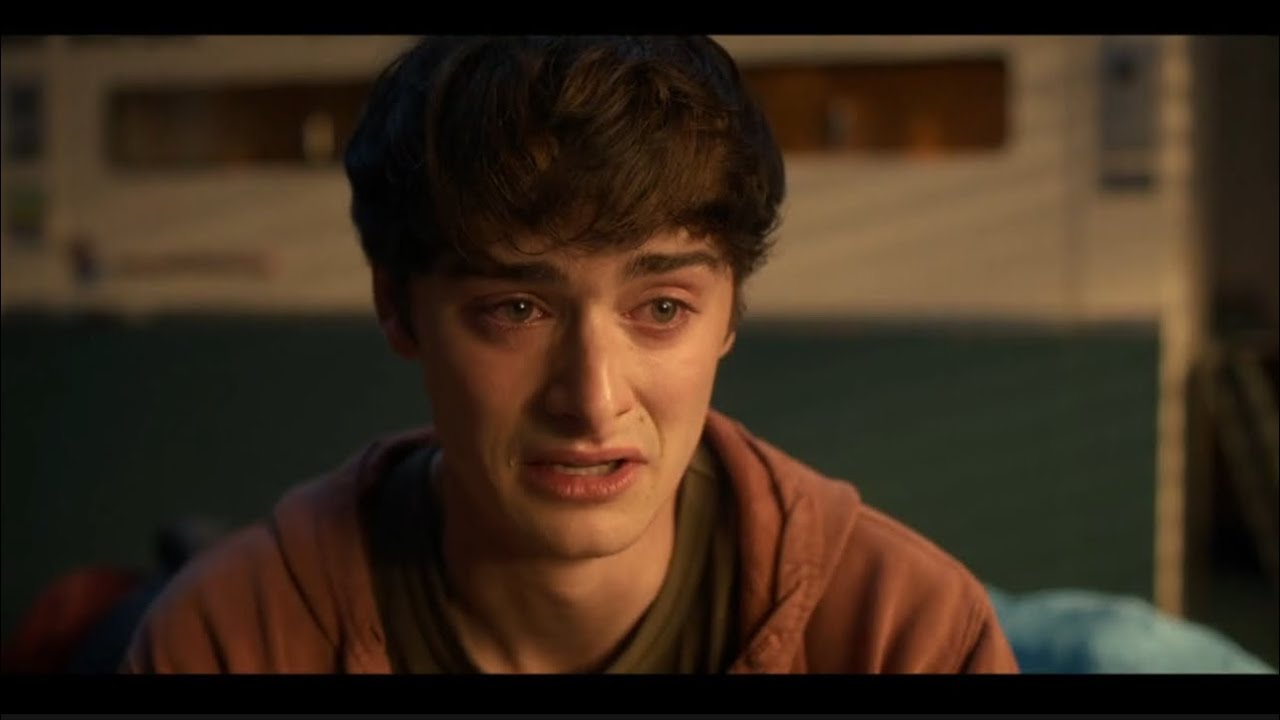
Hollywood is once again defending a major property, this time the latest season of Netflix’s Stranger Things. Instead of addressing criticisms about the show’s slow pace, complicated plot, or how characters are handled, reports in Variety claim the negative feedback is simply the result of “review bombing”—a coordinated effort to unfairly lower the show’s ratings.
Whenever people don’t respond well to a creative choice that industry insiders believe is good, there’s a quick reaction to dismiss the criticism. It’s labeled as unfair, motivated by hate, politically driven, or simply dishonest. This has become the standard response within the industry.
It can’t possibly be that people just didn’t like what they were served…
The Numbers Tell a Story — And It’s Not the One Variety Wants
After the new episodes came out, the audience score for Season 5 on Rotten Tomatoes quickly fell to the mid-50s, meaning the season is now considered “rotten” by their standards. This isn’t a small difference or a random fluctuation – it’s a significant drop from previous seasons, which consistently received scores in the 80s and 90s from fans.
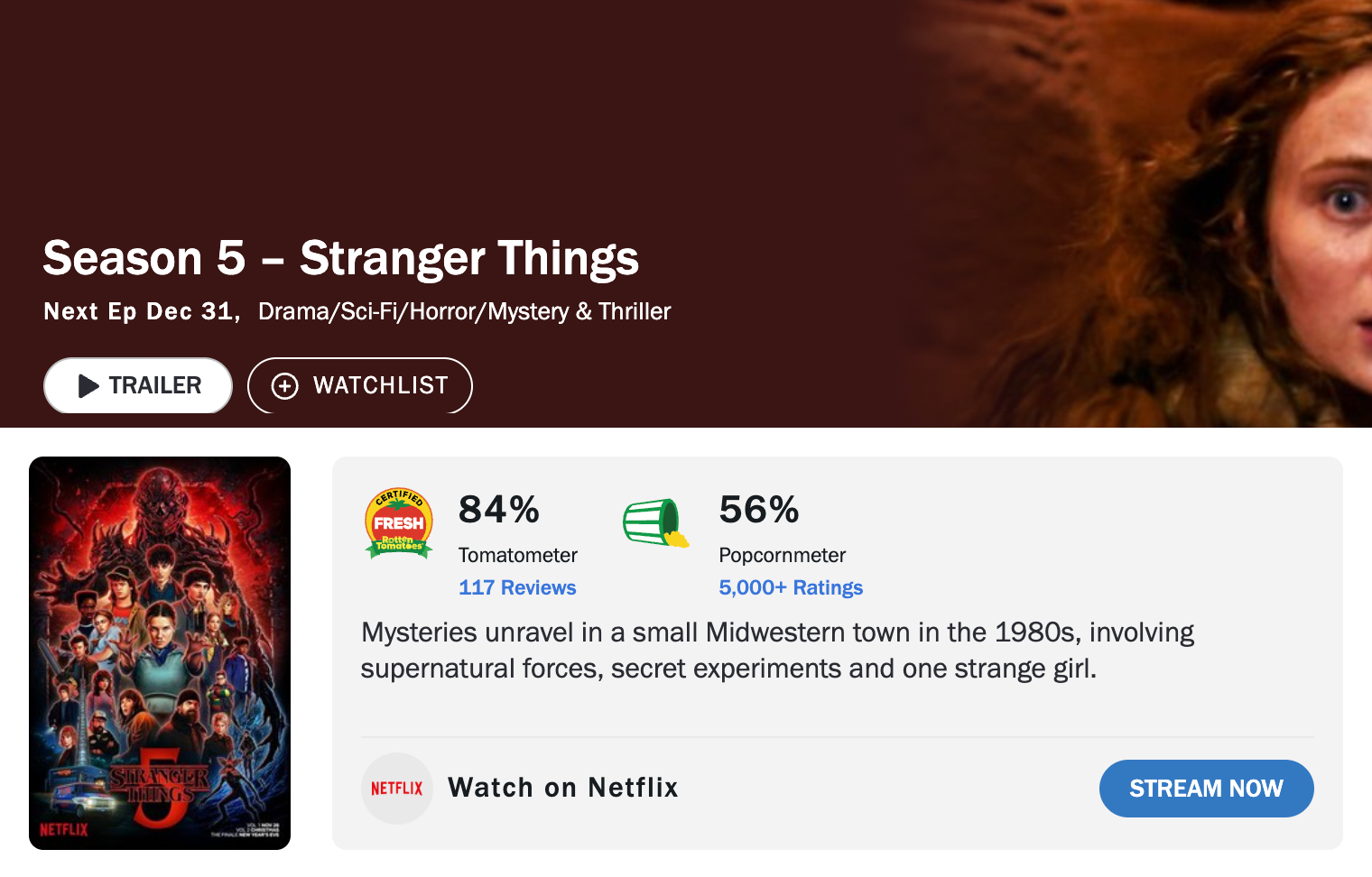
The IMDb rating for the episode “The Bridge” – the one Variety believes received unfair criticism – is now the lowest of any episode in the series. It’s significantly below the show’s typical quality and is a clear outlier compared to the rest of this season.
And yes, it has far more user reviews than the surrounding episodes.
But that isn’t evidence of malice. It’s evidence of engagement.
More Reviews Don’t Mean Bad Faith — They Mean People Cared Enough to Speak
Websites that collect reviews are useful because they give people a place to share their opinions when they really love something, or when they think it’s gone wrong.
If a restaurant consistently serves good food but then has a truly awful night – like serving soup with hair in it – you can expect a lot of negative reviews. This isn’t necessarily a case of a “review bomb,” but simply customers sharing their legitimate, bad experience.
That’s what happened here.
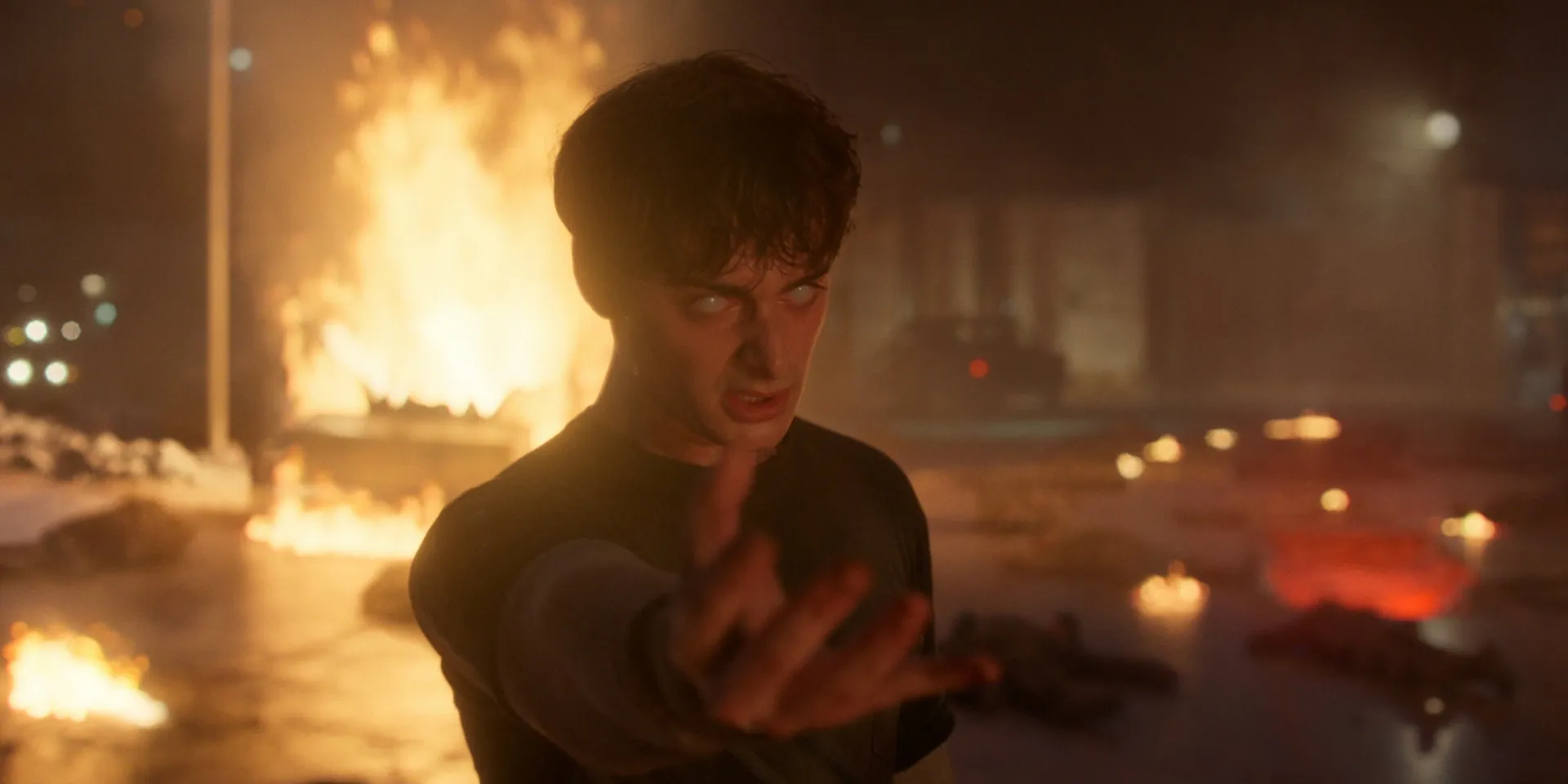
Viewers were disappointed with the finale of “The Bridge.” The show paused a major, dramatic storyline for a long, uninterrupted speech that the creators seemed unwilling to change. Many felt this was a misstep, and they voiced their opinions online, using social media platforms designed for sharing feedback.
Calling that “bad faith” is insulting.
The Real Sin: Treating Identity as Narrative Armor
Variety is portraying the negative reaction to Will Byers’ storyline as if it were a surprise, even though the show has hinted at his feelings for a long time. This portrayal is intentionally misleading.
The problem isn’t the content of the message itself, but rather the timing, presentation, and the reason it was given so much importance.
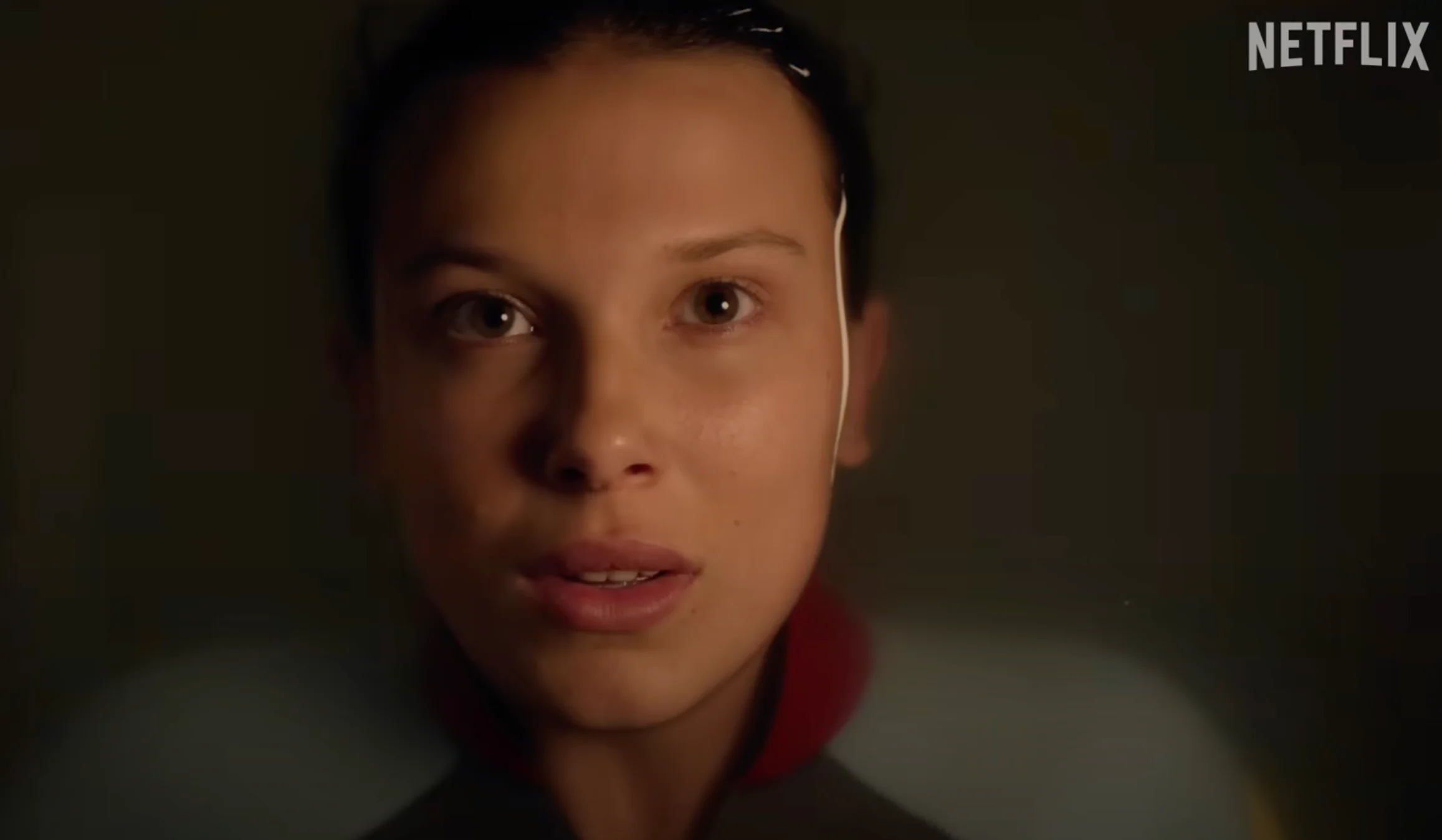
This isn’t the first time a character on the show has revealed their sexual orientation. Robin came out to Steve earlier in the series, and it was handled as a private conversation without major disruption. Unlike this recent instance, it didn’t overshadow the plot or present someone’s sexuality as crucial to the story’s outcome.
The changes the characters went through didn’t feel organic to the story; instead, they felt forced and overly emphasized, as if presented for attention. When viewers didn’t accept these changes, critics quickly defended them, suggesting the serious nature of the story should have excused any flaws.
That isn’t criticism. That’s activism disguised as entertainment journalism.
Variety Doesn’t Just Report — It Polices
The most important aspect of the Variety article isn’t the information it presents, but how it interprets that information. The piece actively portrays disagreement as harmful, unfairly groups upset viewers with online radicals, and consistently suggests that criticism comes from a lack of character, not from flaws in the content itself.
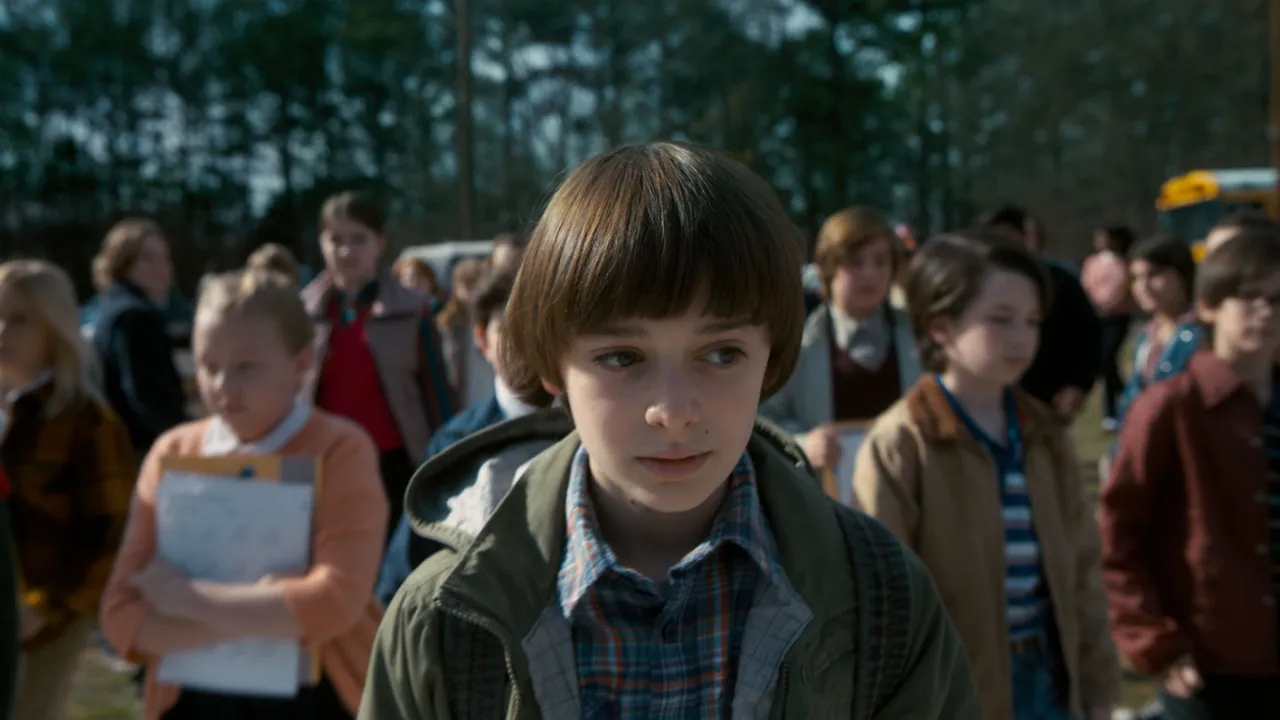
Look, I’ve seen this movie before, and it’s not playing on the screen. Whenever critics and general audiences disagree – and really disagree – Hollywood’s go-to move is to essentially tell the audience they’re wrong. They try to spin things, downplay dissenting opinions, and ultimately just pretend those voices don’t matter. It’s a frustrating pattern, honestly, because it feels like they’re not listening to what people actually think of the film.
Here’s a simple truth: people are free to dislike movies, shows, or books. They can feel disconnected from something, and it’s okay for them to say they didn’t enjoy it, even if creators or the media would prefer they did.
Review Bombing Is the Excuse — Not the Explanation
Labeling this backlash as “review bombing” isn’t analysis. It’s damage control.
This lets publications like Variety skip asking difficult questions about whether Stranger Things has become overly long, self-indulgent, and more focused on making points than on crafting a focused narrative.
It also sends a clear message to viewers: your feedback only matters when it aligns with ours.
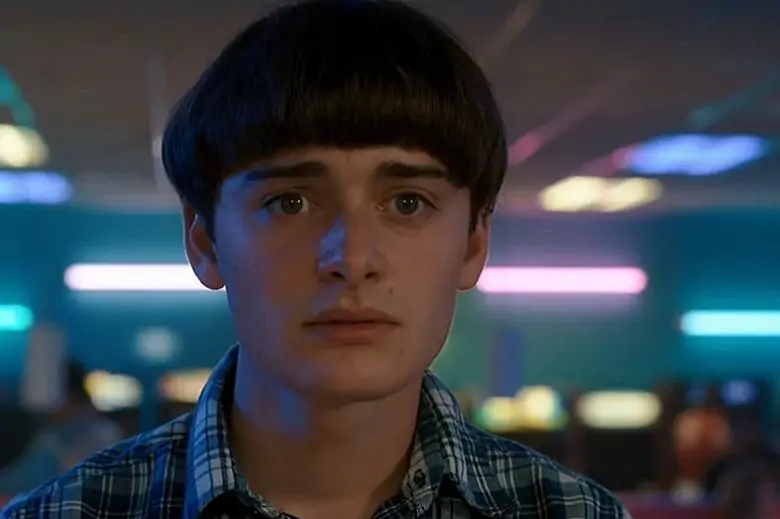
That’s not giving the audience a voice. It’s telling them to sit down and be quiet.
And after five seasons, it looks like a lot of people have decided they’re done listening.
Read More
- Gold Rate Forecast
- Hazbin Hotel Secretly Suggests Vox Helped Create One of the Most Infamous Cults in History
- Every Creepy Clown in American Horror Story Ranked
- 22 actors who were almost James Bond – and why they missed out on playing 007
- Arknights: Endfield – Everything You Need to Know Before You Jump In
- Chill with You: Lo-Fi Story launches November 17
- Kingdom Come: Deliverance 2 – Legacy of the Forge DLC Review – Cozy Crafting
- Blue Protocol Star Resonance: Goblin Lair Dungeon Guide
- Best X-Men Movies (September 2025)
- Everything We Know About Gen V Season 3 (& Why It’ll Be a Very Different Show)
2025-12-30 15:58