
Marvel started its year-long campaign for Avengers: Doomsday, their biggest movie in five years, with a simple countdown clock.
The official YouTube channel for the movie now features a video called “DOOMSDAY CLOCK” that counts down the time until the film comes out, showing the remaining months, days, hours, minutes, and seconds. As of right now, the video simply displays the Avengers logo with a green backlight and a ticking clock counting down to December 18th.
This follows Marvel’s recent, elaborate social media reveal of the Avengers: Doomsday cast. They spent over five hours slowly panning across a long row of chairs in an empty studio, gradually showing each actor’s name. Finally, Robert Downey Jr. walked on set, signaled for quiet, and then left – a brief appearance after a very long wait.
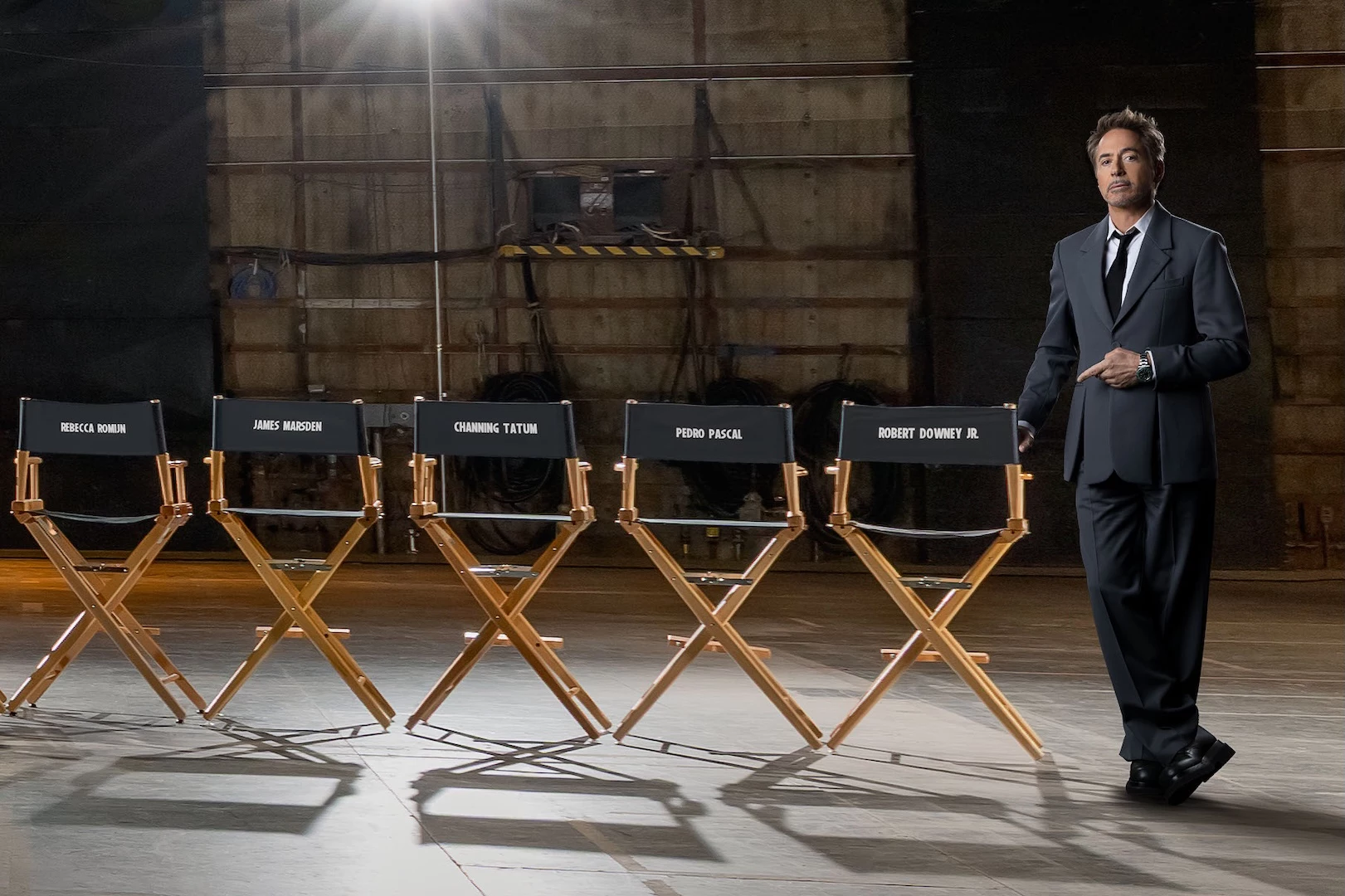
We’re not revealing anything about Avengers: Doomsday. Consider it a privilege that we’re even showing you this much. You’ll have to wait until December 18th to see the rest of the movie for yourself.
Marvel is famous for being extremely careful to keep plot details secret. When I visited the set of Spider-Man: Homecoming, I noticed signs everywhere – in the hallways and near the elevators – reminding everyone who worked there to protect sensitive information and avoid leaks.
Marvel movies benefit from a sense of mystery, which builds excitement. Fans and online communities eagerly analyze even the smallest details and hints, creating a cycle of speculation that further fuels their enthusiasm.
I’m confident this strategy will be successful with Avengers: Doomsday, just as it was with Spider-Man: Homecoming and many other Marvel Cinematic Universe films. However, the sheer emptiness of these promotional teasers – like simply showing a ticking clock – was particularly noticeable to me. It feels very different from how big movies were promoted in the past.
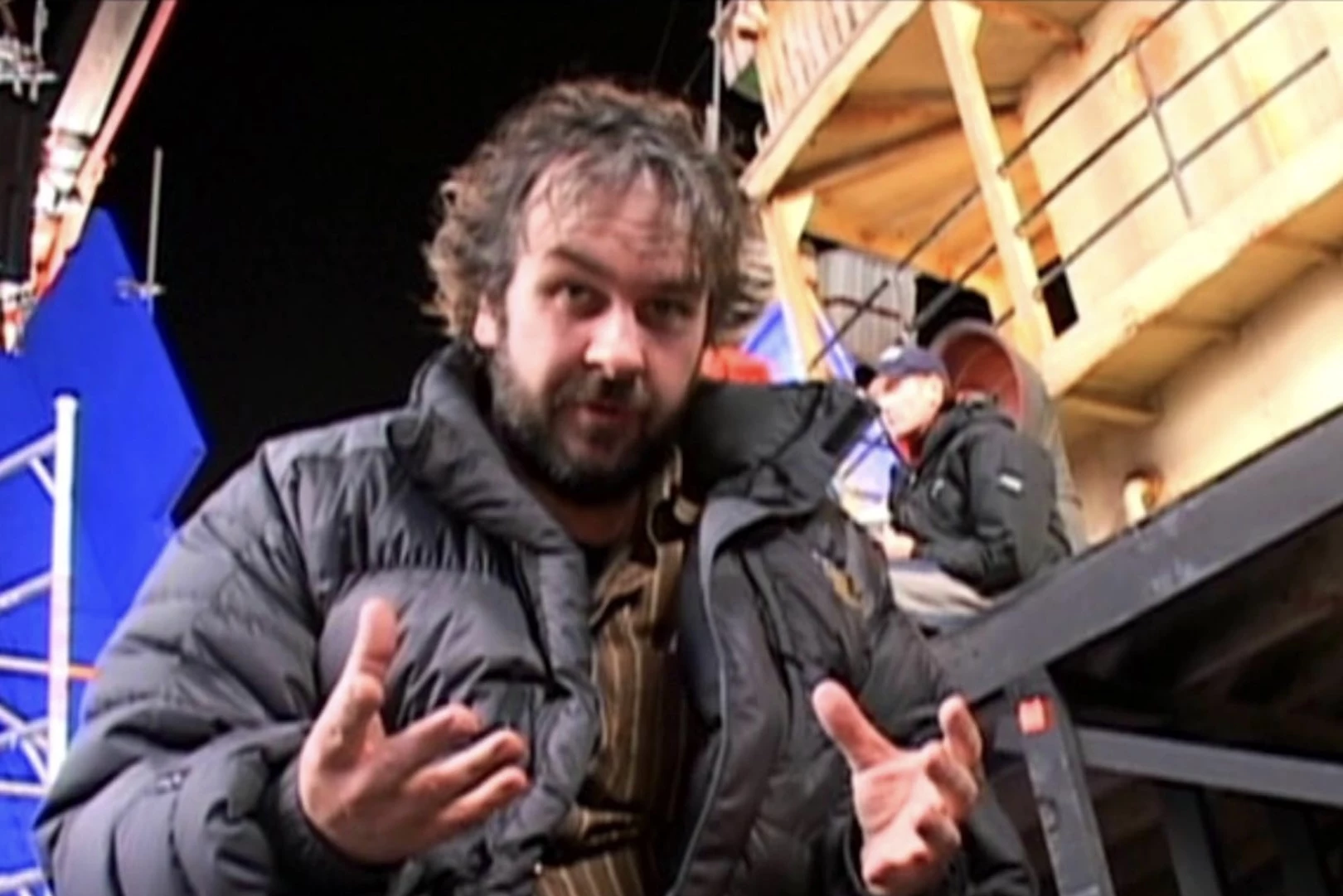
Twenty years ago, fans of director Peter Jackson could get regular updates on his remake of King Kong through videos posted online. Jackson himself appeared in almost every video, sharing details about the daily shoot and what the crew was working on.
I absolutely loved stumbling across these “Production Diaries” on the old KongIsKing.net site! They were usually about five minutes long and posted pretty regularly. While some were lighthearted – I remember one hilarious clip of Jack Black, Adrien Brody, Andy Serkis, and Colin Hanks playfully debating video playback on set – they actually covered a really impressive range of topics, and often went into a surprising amount of detail. It was a fantastic peek behind the scenes!
We’ve added a few interesting videos. One is a guide to using 35mm cameras, covering everything from loading film to checking the film gate. Another takes a behind-the-scenes look at how the team created the steam effects for the New York City scenes in King Kong, detailing the pipes used and even where the city’s natural steam comes from – or if it’s just a common trope in historical films. Finally, there’s a video about the surprisingly important job one crew member had: warning everyone when a plane was about to fly overhead and disrupt the audio recording.
After the initial post-production work, new diary entries will be released each week leading up to the film’s premiere, offering a behind-the-scenes look at how visual effects, sound, and other elements are finalized.
The behind-the-scenes footage for King Kong totals almost six and a half hours. That’s surprisingly long – I don’t think all the new Blu-rays and digital copies I bought in 2025 even had that much extra content combined.
Of course, this is a particularly dramatic case. King Kong was a remake of a very well-known film, so most viewers already knew the story and characters – spoilers weren’t a concern. Peter Jackson also had a lot of creative freedom when making King Kong because his Lord of the Rings films had been so successful. However, behind-the-scenes documentaries about movie production are becoming increasingly rare in 2026, almost as rare as the dinosaurs Kong battles on Skull Island.
A major factor was the decline of the home-video market. Peter Jackson didn’t create his production diaries just to promote the initial theatrical release of King Kong; he learned from his experience with The Lord of the Rings that he could later release the footage as bonus features on the DVD. He filmed so much behind-the-scenes material for King Kong that he was able to compile it into its own separate DVD release, King Kong: Peter Jackson’s Production Diaries, packaged in a large box designed to resemble the briefcase of the film’s director, Carl Denham.
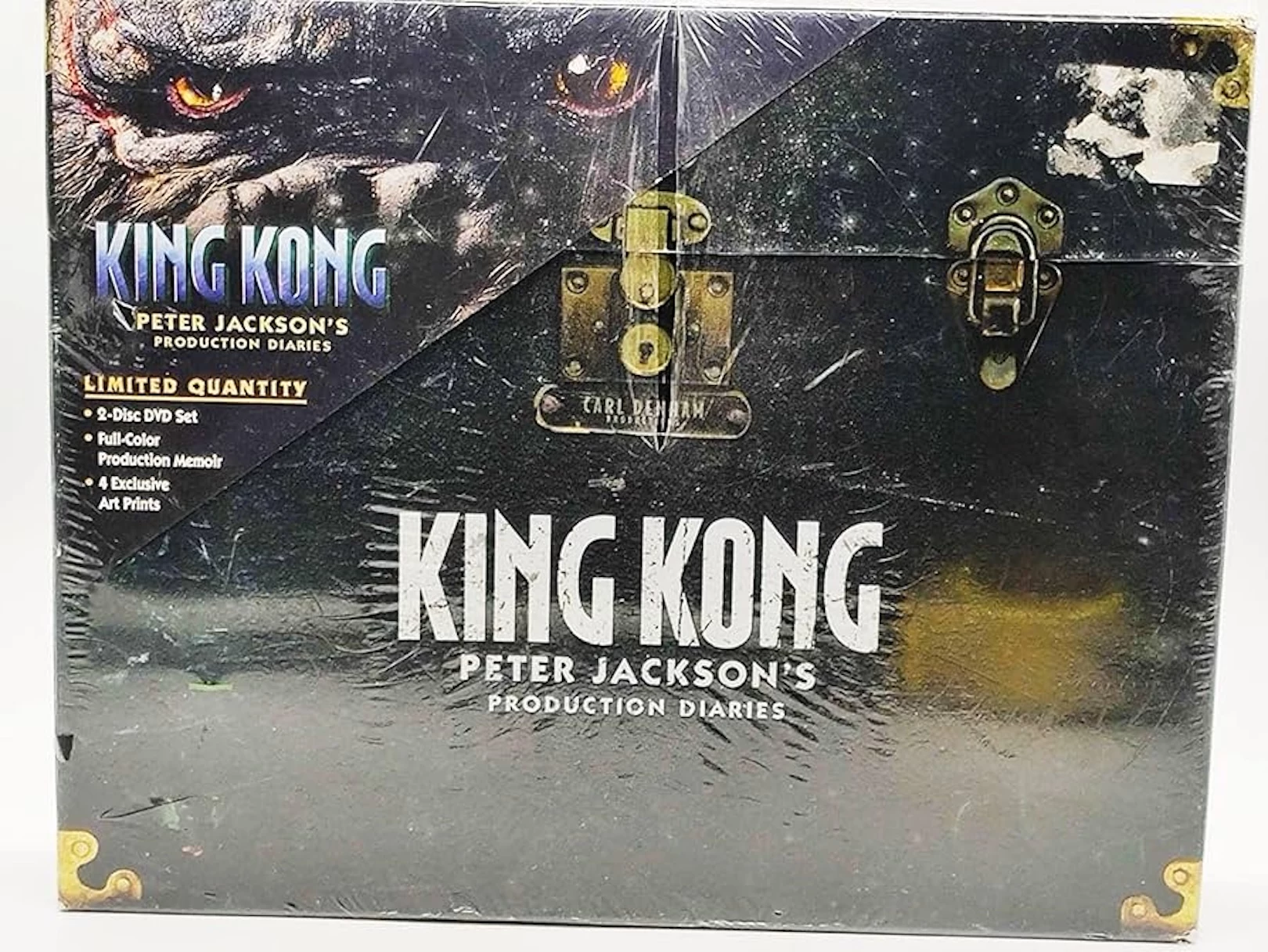
Okay, so I was so excited to get this movie, but when I opened it, there was no actual film inside! Seriously, it was just a box full of bonus features – behind-the-scenes stuff, deleted scenes, that sort of thing. It really felt like a product of 2005, when they were still figuring things out with home video releases. It was a strange experience, to say the least!
This is a particularly stark example, but most Hollywood studios have stopped funding special features on their releases. Their current priority is streaming, and it seems bonus content doesn’t attract viewers there – none of the streaming services are investing in it either. There’s no technical barrier to including things like director’s commentary or extra features; it’s simply a matter of choice.
Occasionally, we get a behind-the-scenes look at filmmaking. Disney+ recently released a documentary series called Fire and Water: Making the Avatar Films, which, similar to Peter Jackson’s production diaries, provides a fascinating look at the complex technology used to create the Avatar movies. Like those diaries, it was released to coincide with a new film, Avatar: Fire and Ash. The series features director James Cameron and his team explaining the motion capture process and their innovative adaptation of it for underwater filming – a first in the industry.
I might be showing my age, but I really miss how common it used to be to get a peek behind the curtain. I loved watching a film and then immediately being able to learn how all the amazing scenes were made – those special features on DVDs and Blu-rays were the best! It feels like that kind of extra content is rare now, and I wish it wasn’t.
I do purchase older Blu-rays, especially those from companies like Criterion, Kino Lorber, Arrow, and Vinegar Syndrome, who are known for adding great new content to their releases. However, these companies have limited budgets and face a challenging market for physical media. There’s a significant difference between bonus features created long after a film’s release and the original, immersive experience—like the bonus materials on the old King Kong releases—which are now rare since most people watch movies through streaming services instead of buying discs.
I’m certain Marvel is filming behind-the-scenes footage during the making of Avengers: Doomsday. However, I doubt we’ll see much of it beyond short, basic clips on platforms like YouTube, or perhaps a little more on 4K releases. They could use this footage to promote Avengers: Secret Wars next year, but I’d be more surprised to see Forbush Man appear to help the Avengers than to see Marvel actually use that behind-the-scenes material as a promotional strategy.
What bothers me most is that it feels like I’m the only one who cares about this. If Marvel revealed their biggest plans, fans wouldn’t have anything to guess about or discuss. They wouldn’t be able to come up with theories about what villains like Doctor Doom are up to, or how the Fantastic Four and Avengers might team up. And honestly, that seems to be what everyone wants these days – the fun is in not knowing. Being in the dark isn’t just pleasant; it’s become a hobby.
The Best Horror Movie of Every Movie of the 1980s
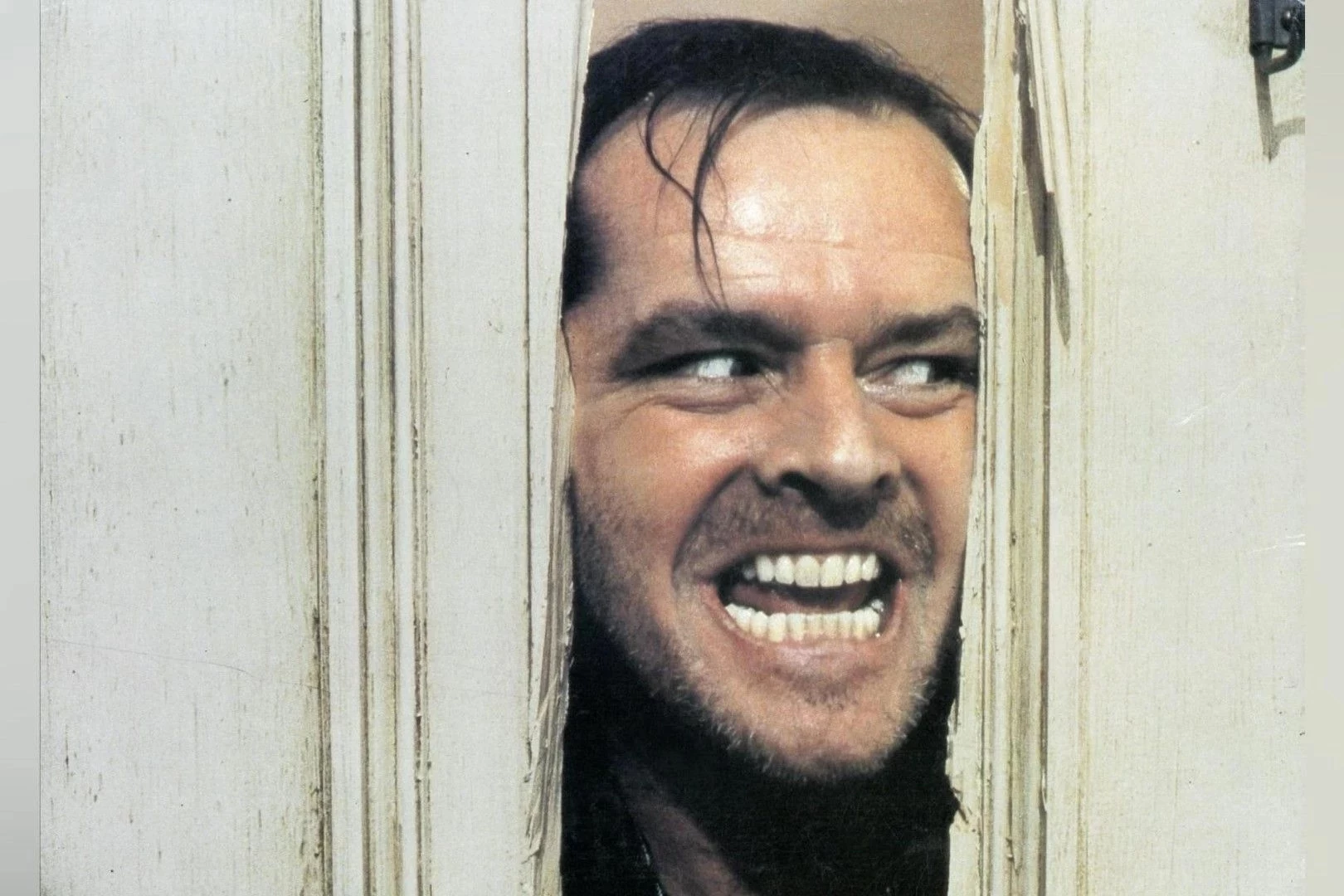
1980: The Shining
When Stanley Kubrick’s film version of The Shining was first released, the book’s author, Stephen King, publicly criticized it. He disliked the casting choices and the changes Kubrick made to his story, and most critics didn’t like it either! Incredibly, the film even received several Razzie nominations, including one for Worst Director – imagine nominating Stanley Kubrick for that! Now, most viewers consider Kubrick’s The Shining a fascinating, unsettling, and intensely suspenseful horror film – though Stephen King still seems to disagree.

1981: An American Werewolf in London
John Landis is famous for directing comedies like Kentucky Fried Movie, The Blues Brothers, and National Lampoon’s Animal House. However, his film An American Werewolf in London is genuinely terrifying – and surprisingly funny, too. The story centers on two backpackers attacked by a wolf; one dies, and the other is left to transform into a werewolf during the full moon. The special effects, created by Rick Baker, are still considered some of the best practical horror effects from the 1980s, and the movie doesn’t shy away from a dark, realistic ending.

1982: The Thing
Some horror movies are frightening, but John Carpenter’s The Thing is truly terrifying. It’s famous for its incredibly disturbing monster effects, but it’s also a deeply unsettling story about fear and suspicion. The film follows an isolated Antarctic research base as it’s destroyed by a shapeshifting alien – and makes you question who, if anyone, you can trust. A flamethrower might be your only friend…

1983: Videodrome
If you’re looking for a film that really messes with your head and makes you think, you have to check out Videodrome. It’s about a cable TV executive – a pretty sleazy one, played by James Woods – who stumbles across this underground broadcast called Videodrome. It’s full of shocking, disturbing stuff, and he gets completely obsessed. He starts airing it on his station, and as he tries to figure out where it’s coming from, things get really weird. It’s not just about entertainment in this world; TV actually becomes something like a religion, or even a new form of life. Honestly, David Cronenberg’s Videodrome still feels incredibly relevant today – it’s a brilliant and unsettling look at how TV can totally warp our minds.
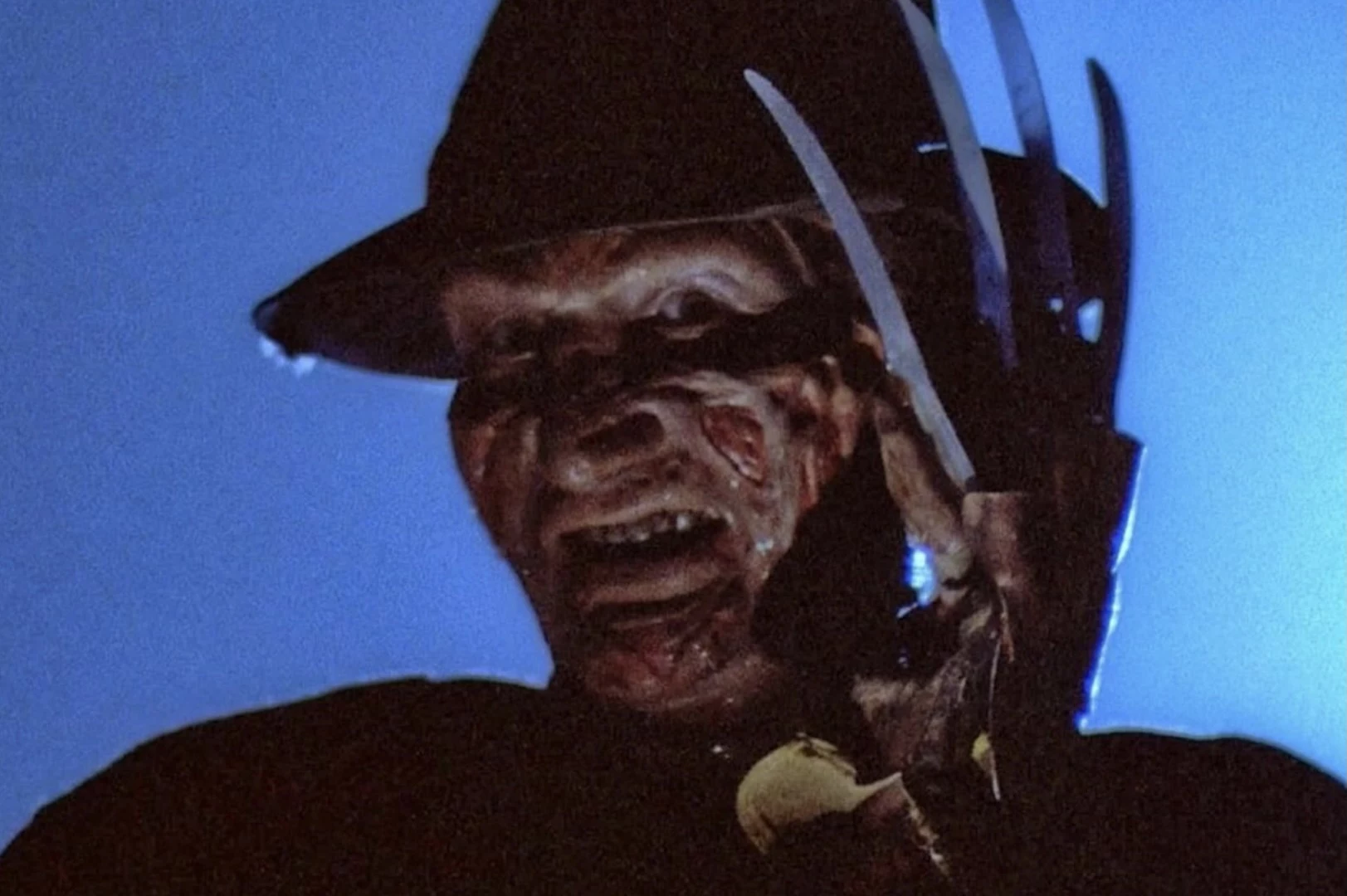
1984: A Nightmare on Elm Street
Movies often feel like dreams, and few are as unsettling as A Nightmare on Elm Street. This terrifying film by Wes Craven is a classic of the horror genre. While it spawned many sequels, none capture the raw, frightening impact of the first movie. Robert Englund became famous as Freddy Krueger, the iconic villain with the bladed gloves, who haunted teenagers in their sleep on Elm Street.

1985: The Return of the Living Dead
Although George A. Romero is often most recognized for Night of the Living Dead, he actually co-wrote the film with John Russo. Russo then created Return of the Living Dead in 1985, a horror-comedy where zombies crave human brains. The story begins when two punks unintentionally release a deadly toxin that revives all the corpses in their town. Directed by Dan O’Bannon, who also co-created Alien, the movie is known for being dark, gruesome, and surprisingly funny.

1986: Aliens
According to director James Cameron, he originally pitched the idea for an Aliens sequel to Fox with a simple visual: he wrote the word “alien” on a piece of paper, added an “s” to make it plural, and then turned the “s” into a dollar sign – creating “ALIEN$.” Fox approved the concept, and Cameron was hired to direct what would become one of the most celebrated sequels ever made. While Aliens features significantly more of the creatures than Ridley Scott’s original Alien, the film still centers on Sigourney Weaver’s character, Ellen Ripley, and explores powerful themes of motherhood and trauma.

1987: Evil Dead II
Blending sequel and remake, Evil Dead II improved upon the original The Evil Dead with more blood, laughs, and scares. Director Sam Raimi and star Bruce Campbell created a unique space in horror by combining gruesome effects with wild, slapstick comedy. While a bit raw around the edges, Evil Dead II remains hugely influential and delightfully over-the-top.

1988: Dead Ringers
David Cronenberg’s Dead Ringers isn’t quite as visually intense as Videodrome, but it’s still deeply unsettling. The film centers on identical twin gynecologists – both brilliantly played by Jeremy Irons – whose close bond begins to unravel when they both become involved with the same patient, Genevieve Bujold. As their lives spiral out of control, the movie features some truly disturbing and frightening scenes involving the human body, and even the surgical tools are enough to be genuinely creepy.

1989: Tetsuo: The Iron Man
Rounding out our list of body horror films is 1989’s Tetsuo: The Iron Man. It’s packed with bizarre and unsettling imagery that even David Lynch might admire. This low-budget, but ambitious, film centers on the disturbing changes people undergo as mechanical parts begin to grow from their bodies. At just 67 minutes long, it’s not your typical horror movie—or even a typical movie at all. However, its strange and haunting visuals will stay with you long after it ends.
Read More
- The Super Mario Galaxy Movie: 50 Easter Eggs, References & Major Cameos Explained
- Sydney Sweeney’s The Housemaid 2 Sets Streaming Release Date
- 10 Best Free Games on Steam in 2026, Ranked
- All 13 Smash Bros. Characters in the Super Mario Galaxy Movie
- Why is Tech Jacket gender-swapped in Invincible season 4 and who voices her?
- Welcome to Demon School! Iruma-kun season 4 release schedule: When are new episodes on Crunchyroll?
- Forza Horizon 6 ‘Prologue’ gameplay
- Highly Anticipated Strategy RPG Finally Sets Release Date (And It’s Soon)
- WTH?! Twitter Drops Fake Daredevil: Born Again Season 2 Spoilers as Character Return Confirmed
- Dune 3 Gets the Huge Update Fans Have Been Waiting For
2026-01-16 18:29