The console gaming market has always been competitive. Since the 1980s and 90s, just two or three companies have typically controlled the hardware side of things, with Nintendo consistently being a major player since the NES in 1983. Other large companies have entered and exited the market over time. Recently, there are signs that Microsoft, which was a leader in the late 2000s, may be struggling with its Xbox business.
Xbox’s current struggles are mainly due to poor decisions from its leaders, inconsistent communication about its consoles, and a lack of compelling reasons for gamers to choose Xbox over competing systems. To understand how things got to this point, it’s helpful to look back at Microsoft’s original entry into the gaming industry and trace its journey since then.
video here
Chapter 1 — Debut: The audacity to enter
By the mid-1990s, Nintendo and Sega were established players in the video game console market, but that was about to change with Sony’s arrival. A complex deal between Sony and Nintendo unexpectedly collapsed, causing Sony to abandon its plan to create a CD-ROM add-on for the Super Nintendo. Instead, Sony used the technology it had already developed to build its own console, the PlayStation.
When the PlayStation launched in 1995, it quickly became incredibly popular. Its ability to use CDs allowed for games with much more storage space, enabling developers to create richer, more detailed stories than were possible on consoles like the Sega Saturn or Nintendo 64, which used cartridges. The PlayStation was also very affordable, which significantly hurt Sega’s chances with its Saturn console, released around the same time. This period saw major advancements in console gaming, particularly in storytelling, with games like Metal Gear Solid and Final Fantasy 7 leading the way.
Around the year 2000, several companies were developing their next generation of gaming consoles. Microsoft joined this competition, hoping to use its strong background in PC gaming to also succeed in the console market. It’s easy to overlook now, but Microsoft was once a major player in PC gaming.

This era marked significant advancements in console gaming, particularly in how stories were told. Games like Metal Gear Solid and Final Fantasy 7 really led the way in this new approach.
The company played a key role in creating and releasing popular PC games, from intricate titles in the late 1990s to the long-running Microsoft Flight Simulator series. This experience, combined with their work on low-level graphics technology – widely known as DirectX – proved valuable as they began developing a console. They were secretly working on a gaming console, nicknamed the ‘DirectX Box,’ designed to take full advantage of Microsoft’s technical strengths.
The console market was thriving, even as some companies struggled. Microsoft was preparing to enter the scene with the Xbox, boasting features like easy online play with Xbox Live and faster loading times thanks to its hard drive. Sega had recently exited the market after the Dreamcast didn’t succeed, and Nintendo was trying to stay competitive with the GameCube. Meanwhile, Sony was dominating with the PlayStation 2, largely due to its popular, highly-rated games and the fact that it also functioned as an affordable DVD player – a big selling point back then.
The original Xbox finally launched with a huge marketing push – it was truly over the top, even featuring Dwayne “The Rock” Johnson at the height of his wrestling career. The launch also gave us our first look at Halo, a game that would become a cornerstone of the Xbox brand. Microsoft also successfully attracted developers from the PC gaming world, as the console’s development tools were similar to the DirectX APIs they already used when creating Windows games.
Although the original Xbox had many strengths, it didn’t quite achieve the level of success Microsoft hoped for in challenging the PlayStation 2’s dominance. It sold around 21 million units, which is a good number, but far less than the PS2’s massive sales. Despite this, Microsoft had established a presence in the console market and was determined to build on that foundation.
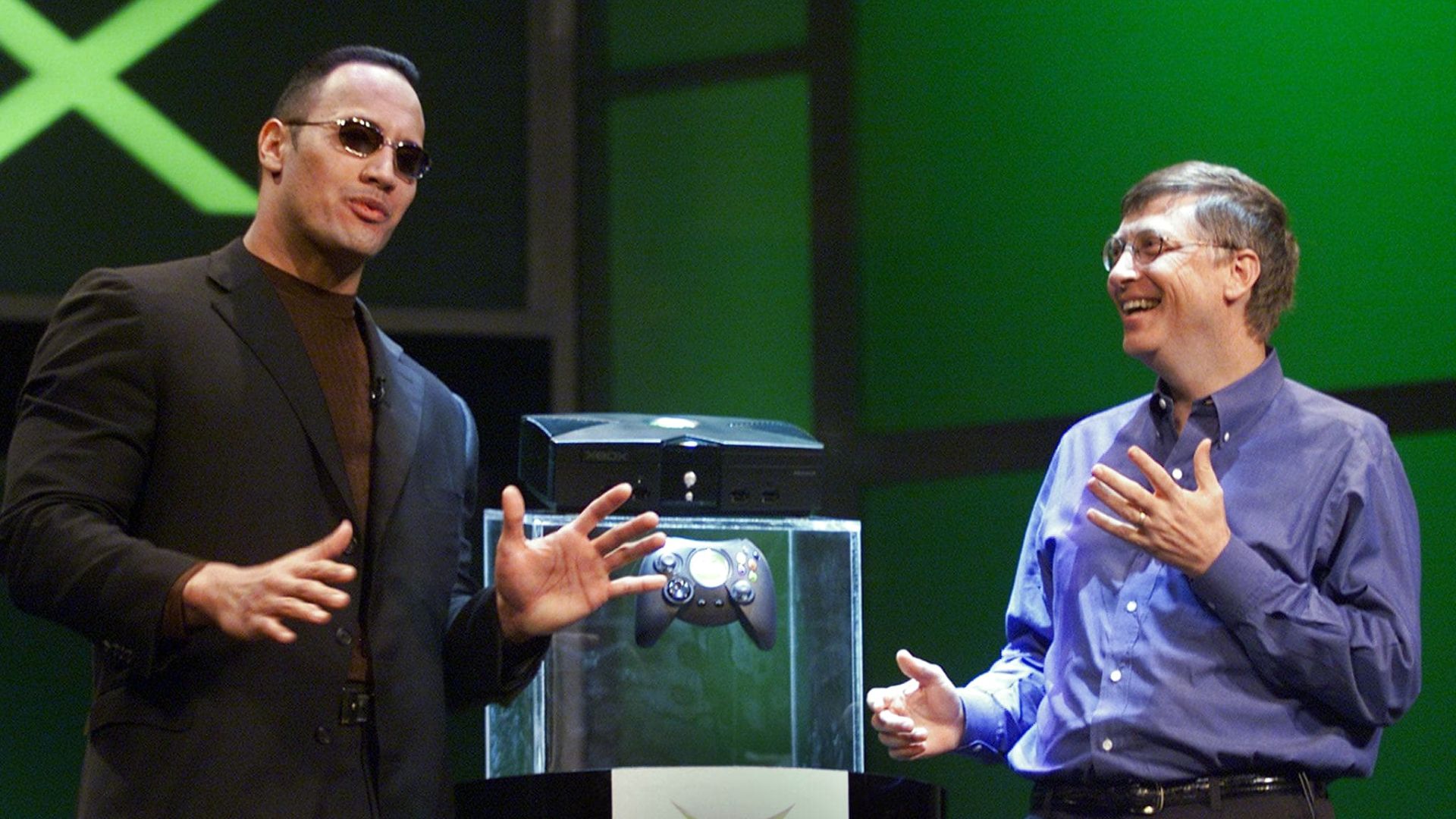
Even at the height of his wrestling career, Dwayne “The Rock” Johnson appeared in one of the live WWE stage shows.
Chapter 2 — The 360 Rise
Even while the original Xbox was still being sold, Microsoft continued developing its next console. They understood the first Xbox, though moderately successful, wasn’t as strong as offerings from Sony and Nintendo. To truly compete, Microsoft needed to release its next console ahead of the competition. That’s what they did with the Xbox 360, launching it in 2005 before both the PlayStation 3 and Nintendo’s Wii.
It’s no surprise this gave Microsoft a big boost. Console gamers were already eager for better graphics, as the original Xbox, PlayStation 2, and GameCube were beginning to look outdated. Graphics technology was improving quickly at the time, so console games tended to look dated fairly soon after release.
The Xbox 360 launched with a strong lineup of games, capitalizing on the popularity Microsoft had established with the first Halo. Many people bought the console specifically to play the next Halo game, but while they waited, they enjoyed other titles like FIFA 06, Madden NFL 06, and NBA 2K6. Beyond sports, the 360 also offered hidden gems like the scary and well-regarded Condemned: Criminal Origins and the popular racing game Project Gotham Racing 3.
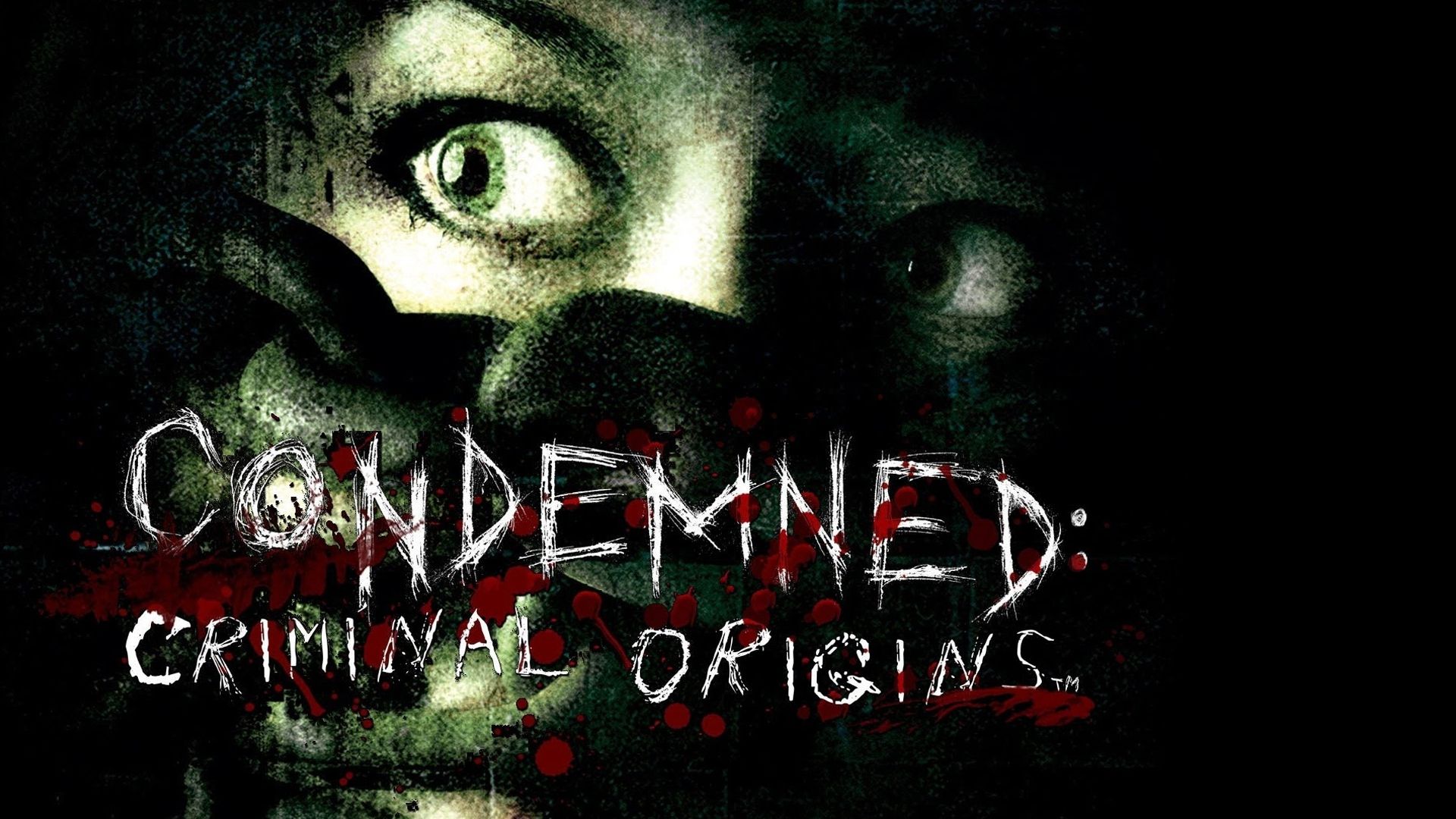
“We also got underrated horror classic Condemned: Criminal Origins“
Beyond the games themselves, the Xbox 360’s underlying technology was also remarkable. Microsoft introduced several innovations, significantly expanding Xbox Live with features like Achievements, a strong party system for online gaming, and Xbox Live Arcade. This platform proved crucial to the console’s early success, attracting indie developers and bringing us memorable titles like Braid, Bionic Commando Rearmed, Castle Crashers, Geometry Wars, and Shadow Complex.
The Xbox 360 was initially very successful, boosted by its early popularity, strong games like Halo, Forza Motorsport, and Gears of War, and good relationships with game developers. However, this success wouldn’t last. Microsoft rushed the console to market, which led to manufacturing problems. These problems eventually became known as the Red Ring of Death (RROD). Microsoft responded quickly by offering generous, no-questions-asked warranties for affected consoles and improving its manufacturing and quality control to prevent similar issues in the future.
Around this time, two major events dramatically changed the console gaming landscape. First, many third-party developers began focusing on the Xbox 360 as their main platform for games released on multiple consoles. This was a big win for Microsoft, as some games received downloadable content (DLC) earlier on the Xbox 360 than on the PlayStation 3. Second, the Nintendo Wii became unexpectedly popular. This success ultimately led Microsoft to develop the Kinect.
“Some games started getting earlier DLC releases on the Xbox 360 than the PS3”
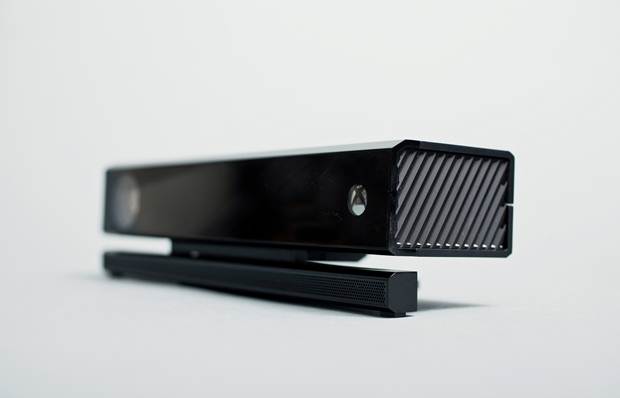
The Kinect was a great piece of technology, and it inspired some unique games. But it also led to a lot of poorly made dancing and children’s party games, as Microsoft tried to capitalize on the success of Wii Sports. Microsoft believed the motion-sensing camera – which was very advanced for its time – was so central to the Xbox brand that it continued to influence their console design for years to come.
I remember being cautiously optimistic about Microsoft after how they handled the Red Ring of Death, and I really liked that Xbox 360 owners often got DLC for games before anyone else. But a lot of that good feeling started to fade in 2013. That’s when Microsoft was getting ready to show off the Xbox One, and the presentation was a big deal with companies like EA and Activision involved – it just didn’t quite land the way they hoped.
Chapter 3 — Arrogance & the Xbox One Faceplant
Looking back at the Xbox One reveal, it’s clear Microsoft had a very specific idea of where things were headed. They really thought everyone would have an Xbox One hooked up to every TV in their house, with the Kinect doing all the heavy lifting for entertainment. Remember, cable was still king back then, and streaming services like Netflix were just starting to gain traction. Smart TVs weren’t really a thing yet either. So, they were trying to position the Xbox One as the center of your entire living room experience – basically replacing your cable box and everything else.
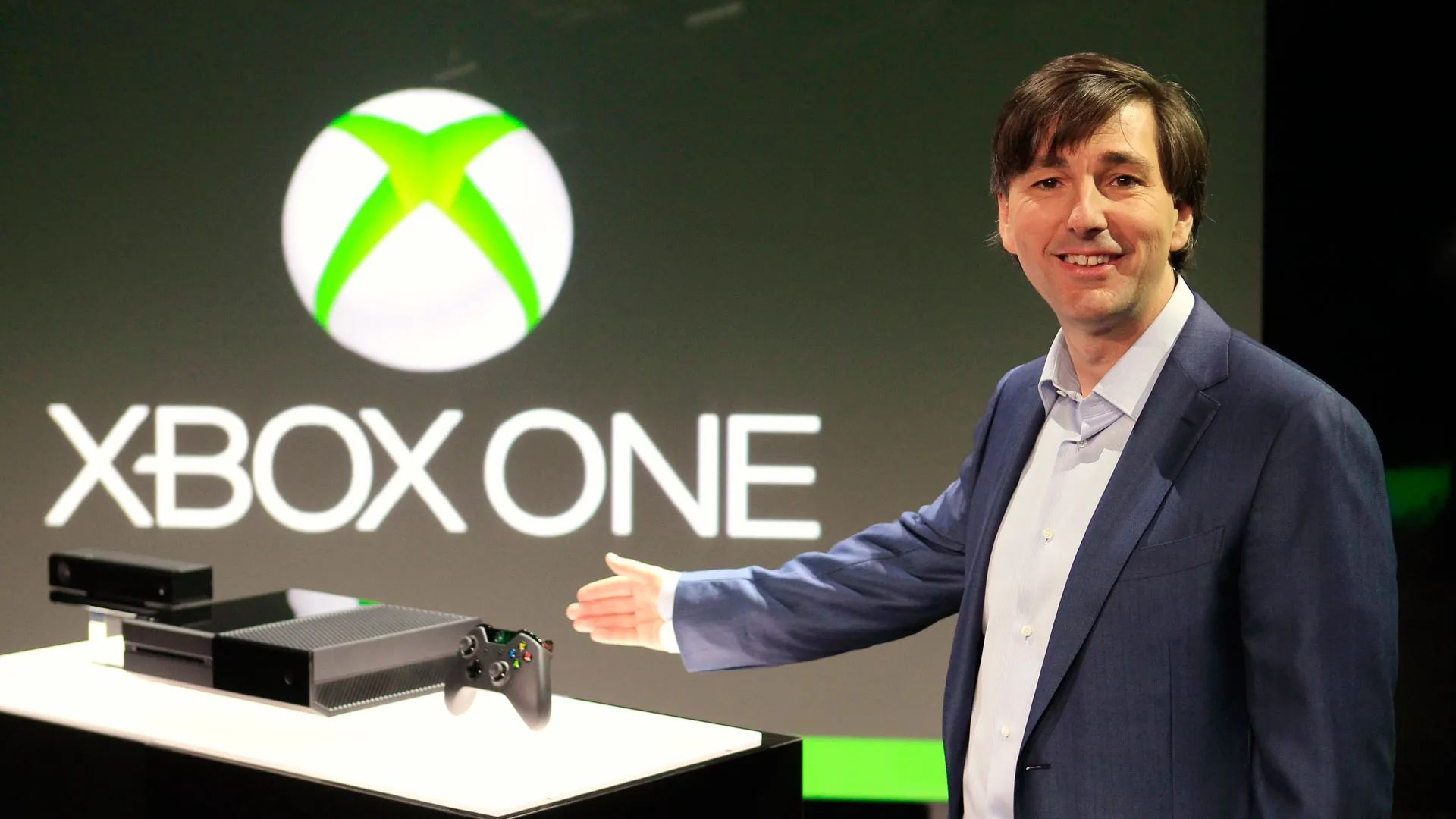
This resulted in Microsoft promoting the Xbox One as the hub of your home entertainment system.
The Xbox One launch event is now famously remembered as a misstep. Don Mattrick, then head of Microsoft’s gaming division, focused heavily on the console’s TV features. Critics disliked it for many reasons: very few games were shown (mainly Call of Duty: Ghosts and the latest Madden NFL), the $499 price included a mandatory Kinect accessory, and features like controlling cable TV didn’t work outside the US. However, a major point of contention was that the Xbox One needed an internet connection even to play games designed for a single player.
When most console players still bought games on discs, Microsoft tried to control how those games were used. With the Xbox One, each game would come with a code linked to your Xbox Live account, preventing you from lending or reselling it. While players without reliable internet could play for a short time without checking in online, Microsoft’s communication about this feature was poorly received. In fact, a Microsoft executive suggested that fans without consistent, fast internet should stick with the older Xbox 360, which alienated many loyal Xbox users.
This was highlighted by a funny Sony ad featuring Adam Boyes and Shuhei Yoshida, then-executives at PlayStation, simply exchanging a copy of Killzone: Shadow Fall to playfully demonstrate how easily games could be bought, sold, or shared on the PS4. The Xbox One faced significant criticism from loyal fans, and its reputation suffered long-term. Even though Microsoft later reversed its initial plans for always-online requirements and digital rights management, many people continued to believe those restrictions were still in place for years after the console launched.
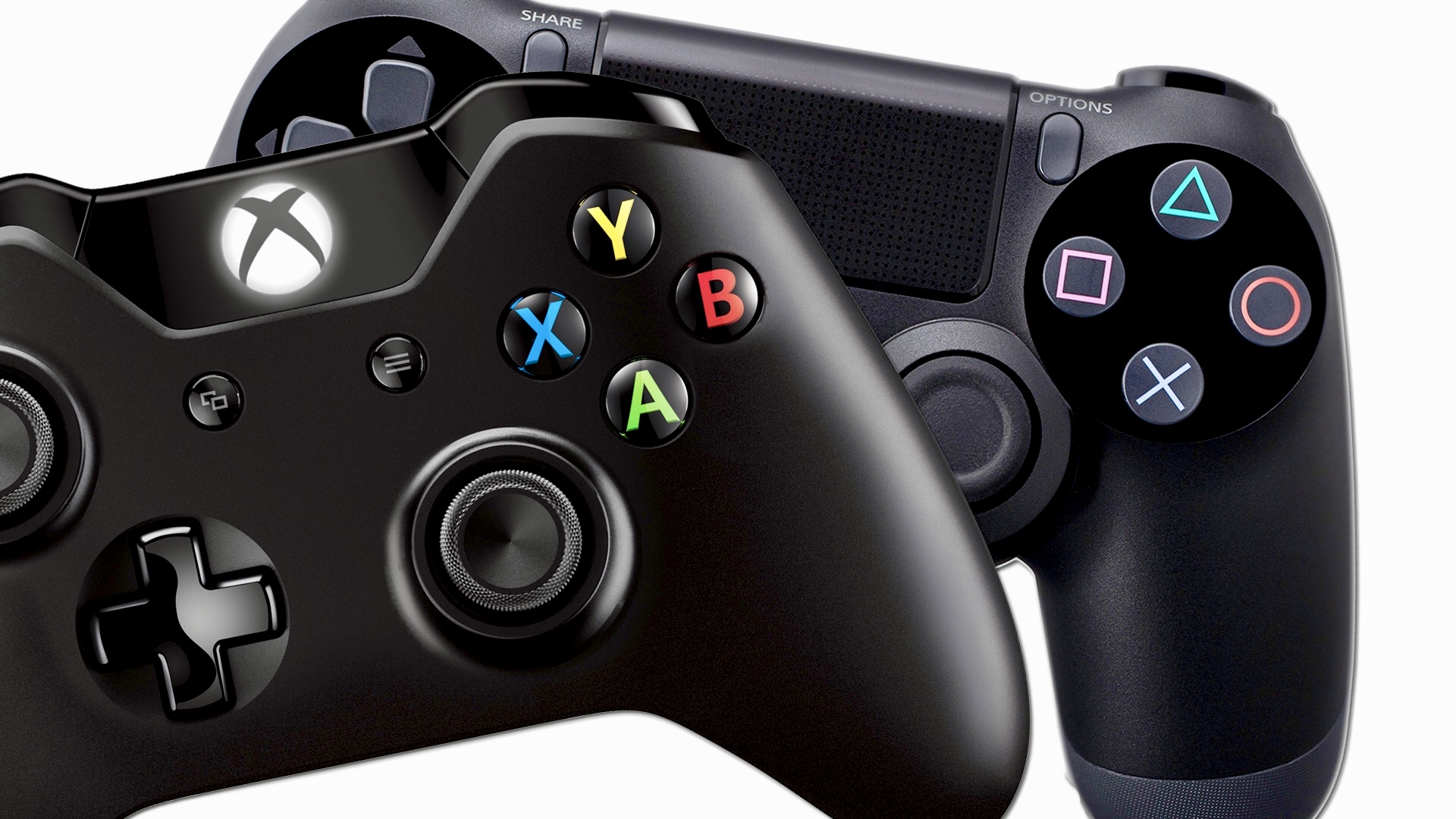
During the Xbox One’s lifespan, Microsoft consistently tried to win back players they’d lost, hoping these efforts would benefit them with the release of their next consoles.
After the poor reception of the Xbox One, Phil Spencer became the public face of the Xbox brand, but the brand’s reputation was severely damaged. Microsoft didn’t give up, though. Throughout the Xbox One’s lifespan, they consistently tried to win back lost fans, hoping these efforts would benefit them when the next generation of consoles arrived.
Chapter 4 — “Flip the Switch”
Sony’s PS4 dominated the market, but under Phil Spencer’s leadership, Xbox began to recover its reputation after a rocky start. Spencer positioned himself as a leader who prioritized gaming, and launched the highly successful Game Pass service. He also worked to address the shortage of exclusive games, notably by introducing backwards compatibility, allowing players to enjoy titles from the original Xbox and Xbox 360 on the Xbox One.
Microsoft followed up two announcements with Xbox Play Anywhere, a program letting customers play games on both their PC and Xbox One if purchased through the Microsoft Store. This, combined with the growing Game Pass service, helped Xbox stay relevant throughout the console generation, even though the Xbox One sold significantly fewer units than the PS4. These strategies, along with Microsoft’s purchases of game studios like Double Fine, suggested the company was heading in a similar direction as Sega. Despite this, Microsoft still intended to continue developing new consoles.
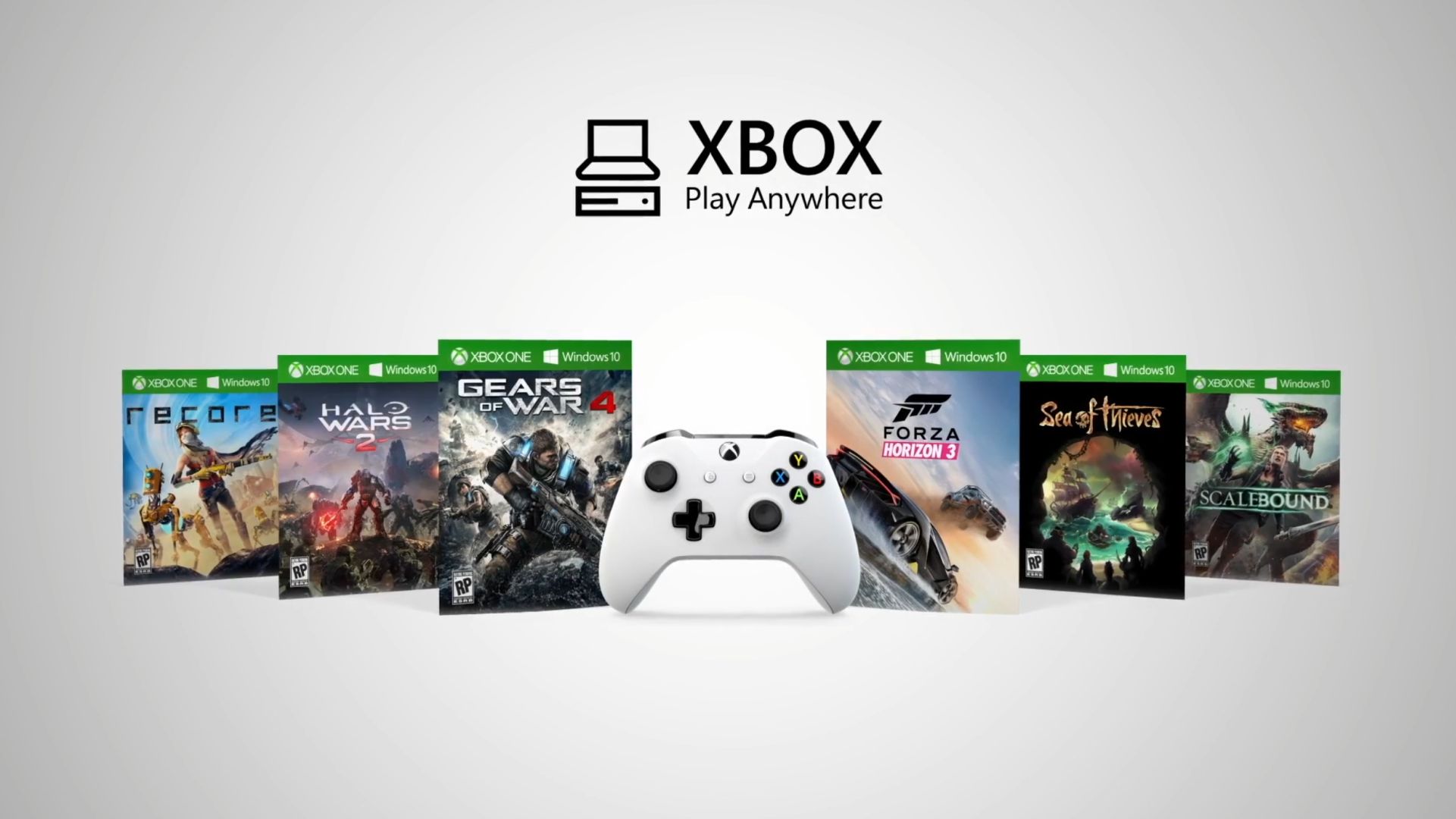
“In the meantime, however, Microsoft still had plans to make more consoles.”
Chapter 5 — Series X|S and the 2021 High
The year 2020 marked the beginning of a challenging period for the world, as the COVID-19 pandemic emerged and rapidly spread. Many countries responded by implementing lockdowns in their major cities to control the virus. Amidst this, Sony and Microsoft prepared to launch their new gaming consoles – the PlayStation 5 and Xbox Series X/S. Both consoles became available towards the end of the year, and initially, it seemed like Microsoft was poised for a comeback.
Although many of Xbox’s signature games were still unavailable, 2021 brought the release of Forza Horizon 5. Combined with the fact that many people were still staying home, this led to a significant increase in Game Pass subscriptions on both consoles and PC. Even though Sony had launched its new console, it faced problems with a shortage of exclusive games and global hardware difficulties caused by the pandemic.
Xbox was gaining momentum, and despite ultimately losing the console war, it was making significant progress. The growing popularity of Game Pass and promising new games, including a new Halo, were key factors. Features like Smart Delivery and Quick Resume made the Xbox Series X a strong performer, and the affordable price of the Xbox Series S appealed to younger gamers who weren’t focused on 4K resolution.

“Things were looking up for Xbox”
Chapter 6 — Slippage, Stumbles, and Strategy Drift
Xbox started to fall further behind Sony and Nintendo in the console market due to a series of setbacks. Several projects were cancelled, and problems with management at studios like 343 Industries caused delays and issues with games like Halo Infinite. At the same time, Xbox invested heavily in acquisitions, spending $7.5 billion in 2021 to buy ZeniMax, the parent company of Bethesda. A year later, they began the process of acquiring Activision Blizzard, the creators of Call of Duty and World of Warcraft, in a deal worth $69 billion.
As Microsoft spent a lot of money and didn’t have many exclusive games of its own, company leaders began to closely examine Xbox’s performance. Things became more challenging when Halo Infinite received mixed reviews, and Sony responded with a series of successful exclusive titles like Horizon Forbidden West. This led Microsoft to change its strategy. Seeing the popularity of games like Fortnite and Destiny 2, Microsoft started prioritizing the development of ongoing, live-service games. This shift meant that teams known for creating strong single-player games, such as Arkane, were asked to focus on multiplayer experiences instead.
Honestly, Redfall was a disaster – pretty much everyone who played it hated it, and it ended up causing Arkane Lyon to close down. It was a really rough time because even after Tango Gameworks made something awesome like Hi-Fi Rush, they got shut down too! After all those layoffs and studio closures, Xbox clearly needed to rethink its whole approach.
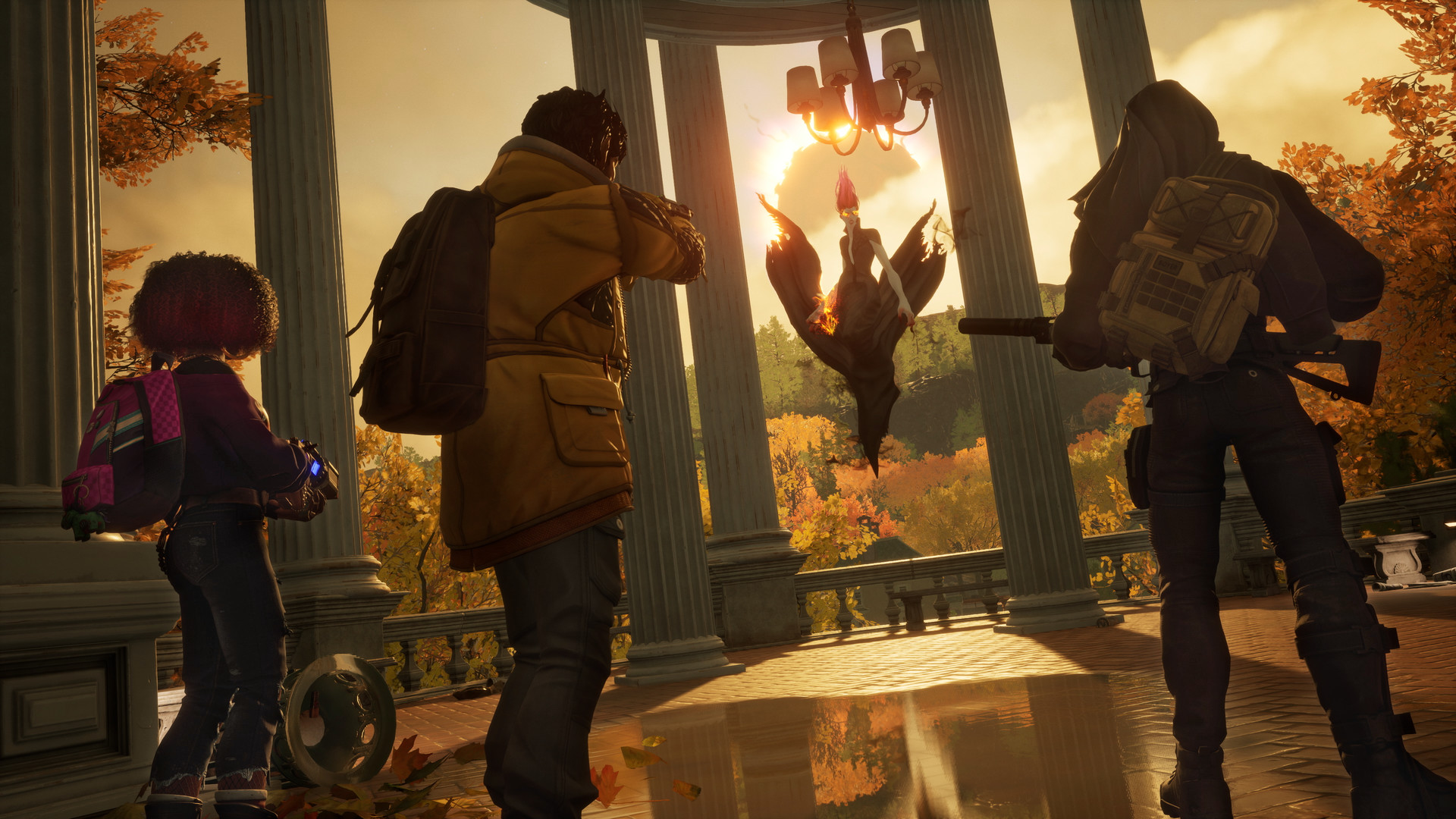
This required development studios with a history of creating excellent single-player games, such as Arkane, to shift their focus and work on a game designed for multiplayer.
Chapter 7 — The Multiplatform Pivot
Similar to what Sega did around the year 2000, Microsoft has shifted its focus with Xbox to be more of a gaming brand overall, rather than just a console maker. This also means expanding the Xbox Play Anywhere program to reach as many players as possible. A key part of this strategy is releasing games that were once exclusive to Xbox on other platforms like PlayStation and Nintendo Switch, as seen with the game Hi-Fi Rush.
It wasn’t long before most of the big games made by Xbox Game Studios began appearing on other platforms, including titles like Forza Horizon 5, Gears of War, and Halo. Gradually, the label of “console exclusive” that used to be common on Xbox games started to become less and less accurate.
At the same time, Microsoft leaders have directed Xbox to increase its revenue. This is largely because Microsoft has invested heavily in Xbox Game Studios, acquiring both smaller studios like Double Fine and major companies like Activision Blizzard. This focus on revenue growth is what’s driving the current situation.

Over time, the small print stating that many older Xbox games were only available on consoles would become less and less relevant.
Chapter 8 — Xbox and Game Pass Repriced
Xbox recently increased prices on many of its products and services to generate more revenue. The Xbox Series X/S consoles experienced two price increases: one due to US trade tariffs, and another aimed at increasing profits from gamers in the US. Game Pass, a very popular Xbox service, also saw a significant price increase.
Game Pass didn’t just become more expensive; the pricing changes were significant. While the price of Game Pass Ultimate nearly doubled – a move many people disliked – Microsoft also introduced new, more limited versions of the service called Essential and Premium. These new tiers offered fewer games and, unlike previous Game Pass subscriptions, didn’t include immediate access to new Xbox games when they were released.
As a long-time Xbox fan, it was clear they really needed to figure out their console strategy. Having their own hardware has always been key to getting games made for the system. Plus, let’s be honest, Xbox has always been about the consoles themselves. They even tried to expand to PC with Games for Windows Live, but that… didn’t really work out. Ultimately, Xbox needed to keep making consoles to stay true to its roots and ensure games kept coming.
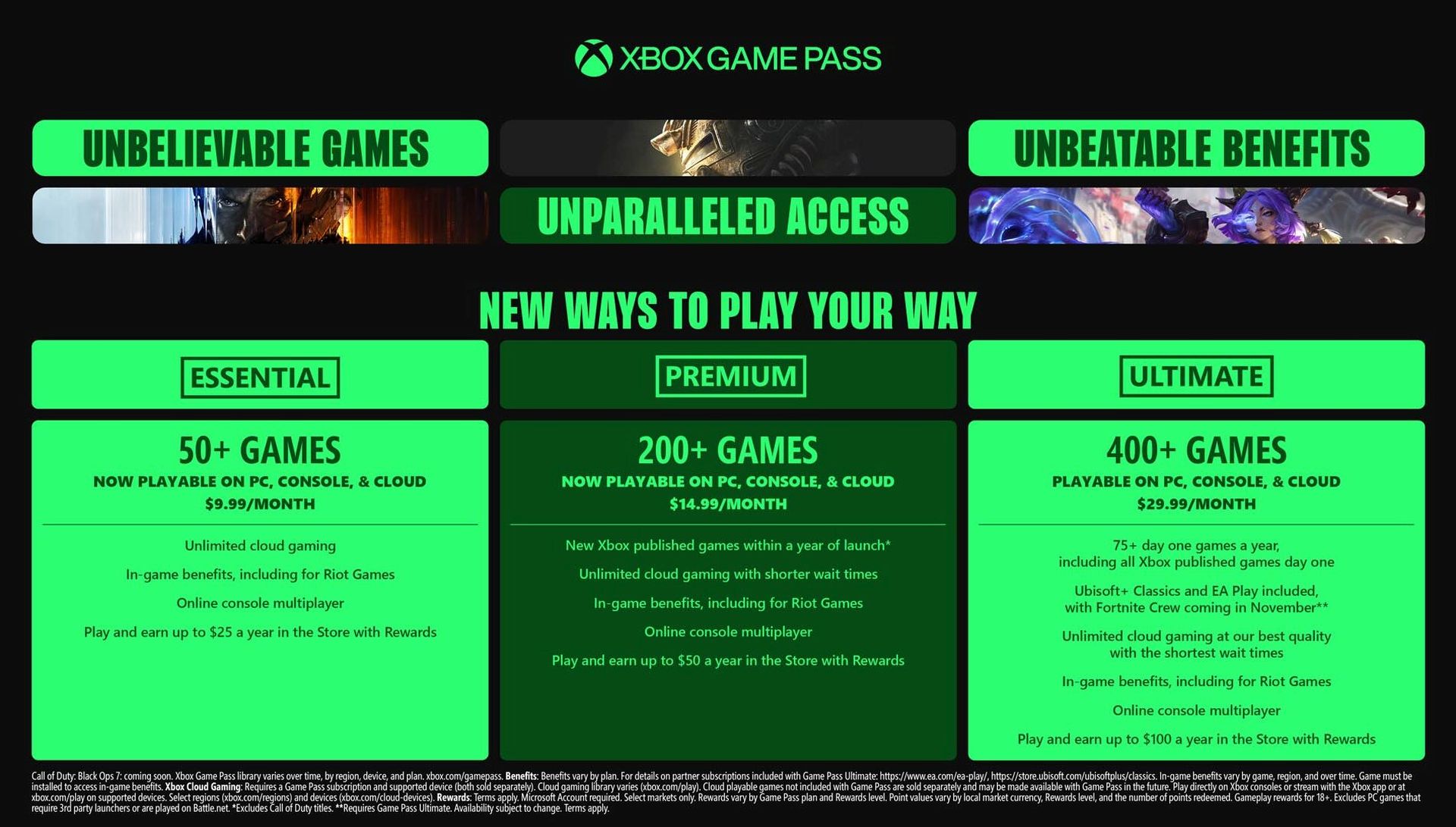
The Essential and Premium tiers didn’t offer a key benefit that made previous Game Pass subscriptions so popular: new Xbox games weren’t available to play on the service from the moment they were released.
Chapter 9 — Play Anywhere and the Future of Xbox Hardware
Gaming became even more popular during the pandemic, and we also saw a surge in handheld gaming PCs. The Steam Deck led the way, followed by devices from companies like Asus (ROG Ally), Lenovo (Legion Go), and MSI (Claw). Around the same time, Microsoft began focusing on making Windows easier to use with controllers instead of just keyboards and mice. Rumors also started circulating that Microsoft was developing its own handheld gaming device under the Xbox brand.
Despite the rumors, the company ultimately shifted its focus to improving controller compatibility with Windows. Instead of creating their own gaming hardware, they partnered with another company to release the Xbox handheld – the Asus ROG Ally and the Xbox Ally X. These devices are essentially Windows 11 PCs designed for gaming, with some optimizations to help games run more smoothly by prioritizing system resources.
Xbox has been increasingly focused on PC gaming, expanding its Xbox Play Anywhere program and introducing new features like the Handheld Compatibility Program and the Xbox Full Screen Experience. The Full Screen Experience specifically aims to improve the user experience for devices like the Xbox Ally, making it easier to navigate and identify compatible games. While the full impact of these changes remains to be seen, there’s still an important issue that needs to be addressed.
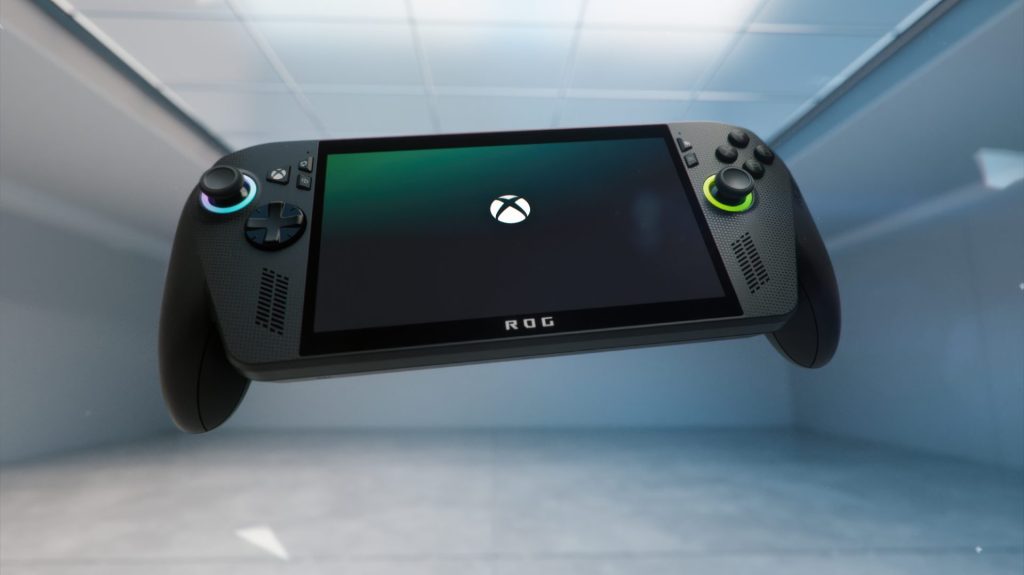
This led to the creation of the Asus ROG Ally and the Xbox Ally X, which are essentially handheld computers running Windows 11.
We’re hearing a lot of speculation about the next generation of gaming consoles, and it sounds like Microsoft has big plans for the next Xbox. According to Sarah Bond, a company president, the new Xbox will be a powerful, high-end machine. Rumors suggest it will be even more powerful than the current Xbox Series X, thanks to a very strong AMD processor. Interestingly, reports indicate this new Xbox might also function like a pre-built PC, allowing users to access games from platforms like Steam, Epic Games Store, and GOG. It’s still unclear how this will affect the price or Microsoft’s future software plans.
Finale — What Was Lost… and What Remains
I clearly recall when whispers began about Microsoft building a gaming console to rival the PlayStation. It was a funny idea at the time – Microsoft was famous for software, not hardware, and PlayStation had a huge advantage with lots of developers making games for it. But a few years later, the Xbox 360 exploded onto the scene, completely surprising people like me who owned a PS2. It quickly became the go-to console in the late 2000s, thanks to its great exclusive games and the fact that many multiplatform games actually ran better on the Xbox 360 than on the PS3.
The launch of the Xbox One was a significant misstep for the brand, and its negative impact lingered for years despite Microsoft’s attempts to recover. Around this time, digital game purchases were becoming increasingly popular on consoles. This meant that by the end of the PlayStation 4 and Xbox One generation, most gamers had already decided on their next console – they wanted the one where they could still play their existing digital games.
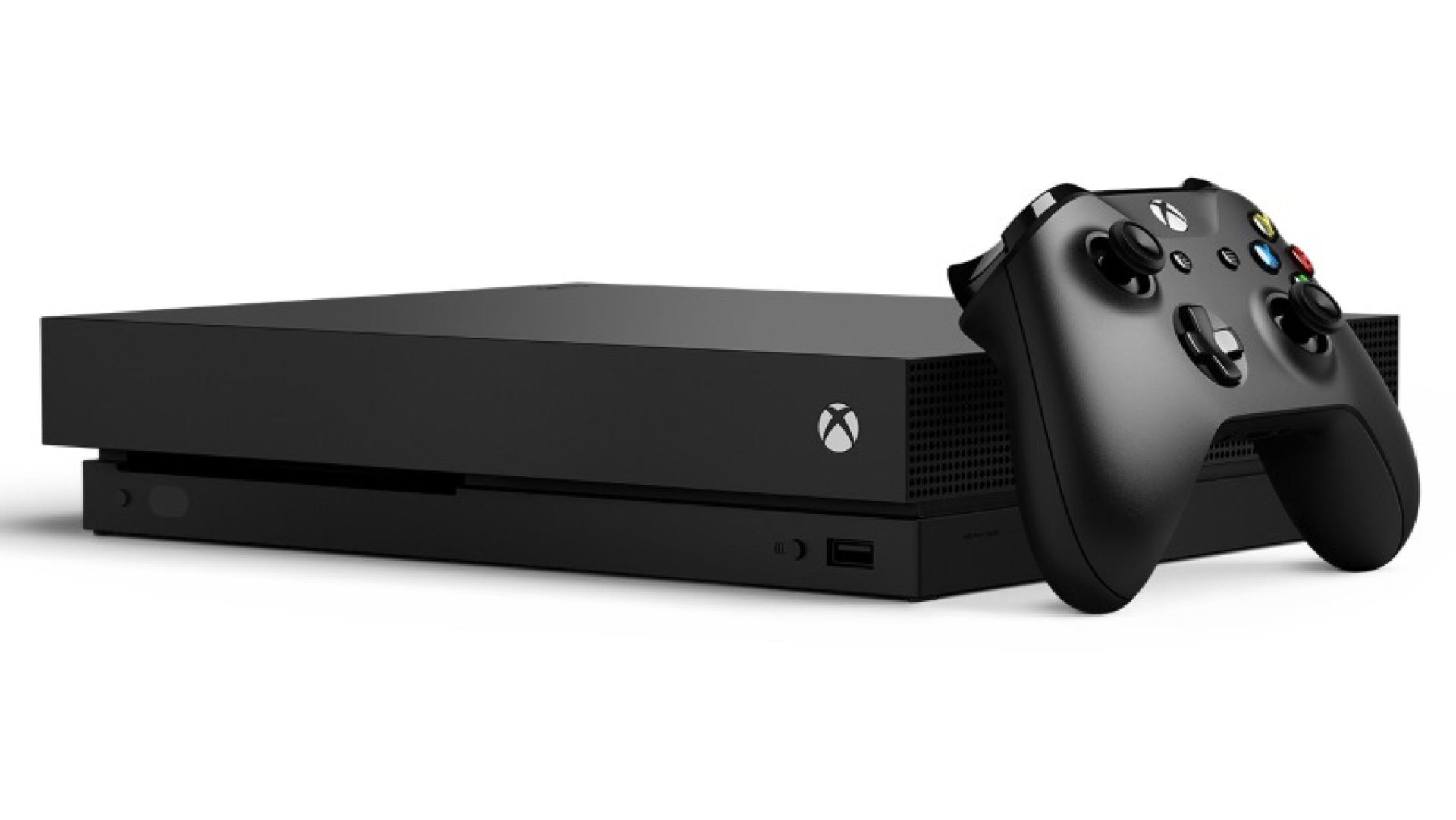
“Even thinking about it now, in hindsight, it remains a major stain on the reputation of Xbox”
It still feels surreal to look back on Xbox’s time as a major force in the console world. Microsoft seemed unprepared when they first entered the market, but they did anyway – and for a while, they even became the clear leader. Sadly, that success didn’t last, and Xbox lost its top spot to competitors within less than ten years.
Xbox is facing a lot of criticism right now, and many fans have lost trust in the brand. This is largely due to recent price increases and the closure of several successful and well-regarded game development studios, despite those studios being profitable and creating popular games.
Right now, many people have lost trust in the public faces of Xbox – Phil Spencer, Sarah Bond, and Matt Booty. They’ve mostly offered vague corporate statements, especially when announcing layoffs and studio closures, even when games like Hi-Fi Rush were considered successful by the company itself.
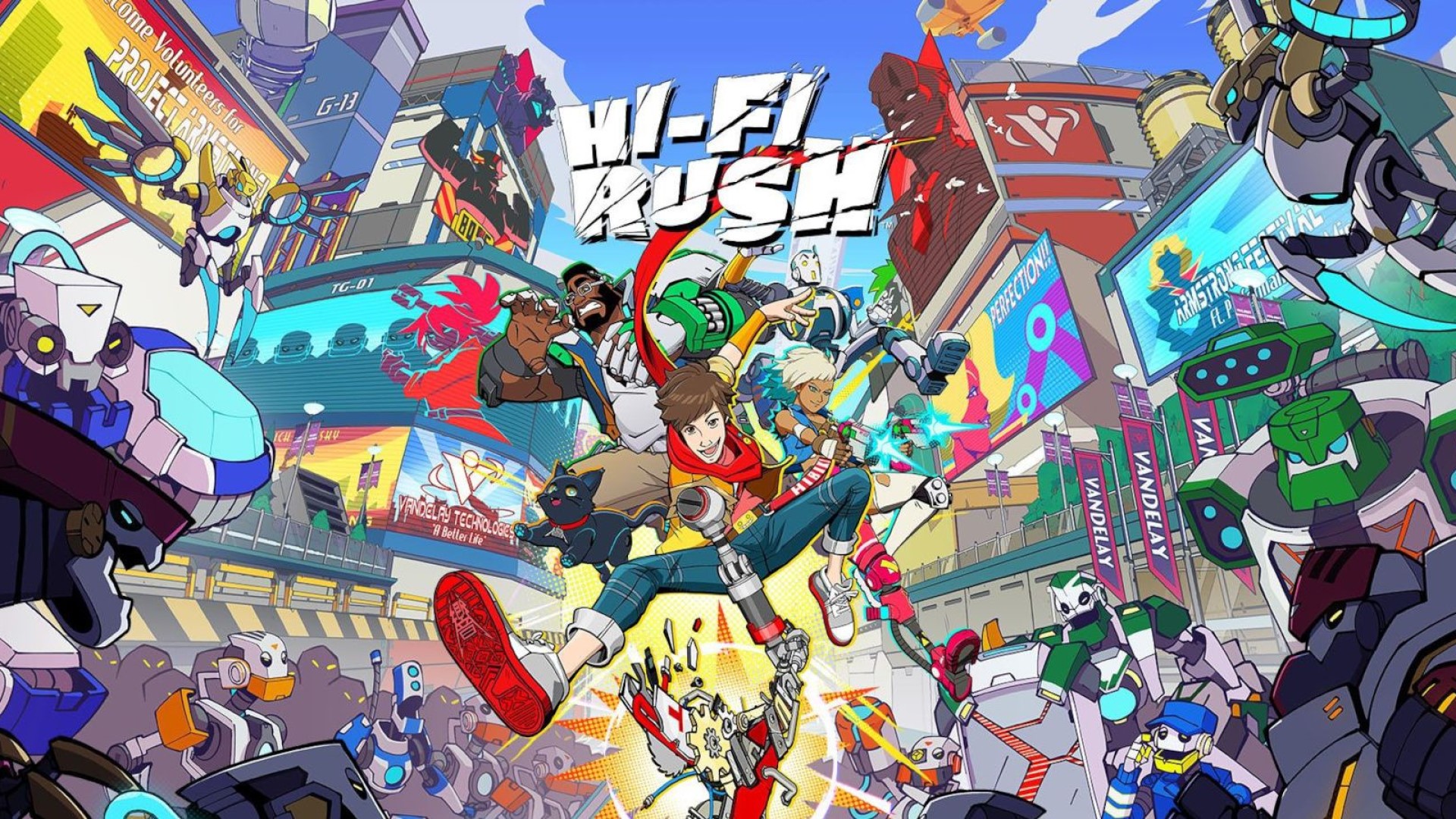
The leadership team consistently relies on vague corporate language, particularly when making difficult decisions like layoffs and studio closures. This is especially frustrating considering they’ve publicly acknowledged the success of games like Hi-Fi Rush.
Honestly, I have no idea what Xbox is planning next, but the buzz about their next console being basically a powerful PC that can play all my Steam games is really interesting. If that’s true, I could see Xbox eventually moving away from making their own consoles completely. Instead, they might just put the Xbox name on hardware built by other companies – kinda like what they’re doing with the Xbox Ally handheld. It’s a big shift, but it could make sense.
Xbox Game Studios is home to many talented developers, like Double Fine, known for their unique games, Bethesda, famous for large-scale role-playing games, and id Software, creators of exciting first-person shooters. However, recent trends suggest more studios could close and developers could lose their jobs, as Xbox has unfortunately gained a reputation for such actions in recent years.
It’s tempting to focus on the Xbox One launch as the source of all the problems, but the company has faced challenges even when it was doing well. While that event was particularly damaging, the current situation feels even more critical. Microsoft is now reportedly pushing for increased revenue and profits to justify its significant investments in gaming acquisitions.
Read More
- Gold Rate Forecast
- Dune 3 Gets the Huge Update Fans Have Been Waiting For
- Looks Like SEGA Is Reheating PS5, PS4 Fan Favourite Sonic Frontiers in Definitive Edition
- Arknights: Endfield – Everything You Need to Know Before You Jump In
- Jack Osbourne Shares Heartbreaking Tribute to Late Dad Ozzy Osbourne
- Disney Promotes Thomas Mazloum To Lead Parks and Experiences Division As Josh D’Amaro Prepares To Become CEO
- Hazbin Hotel Secretly Suggests Vox Helped Create One of the Most Infamous Cults in History
- Antiferromagnetic Oscillators: Unlocking Stable Spin Dynamics
- Dungeon Stalkers to end service on June 9
- 22 actors who were almost James Bond – and why they missed out on playing 007
2025-12-05 14:17