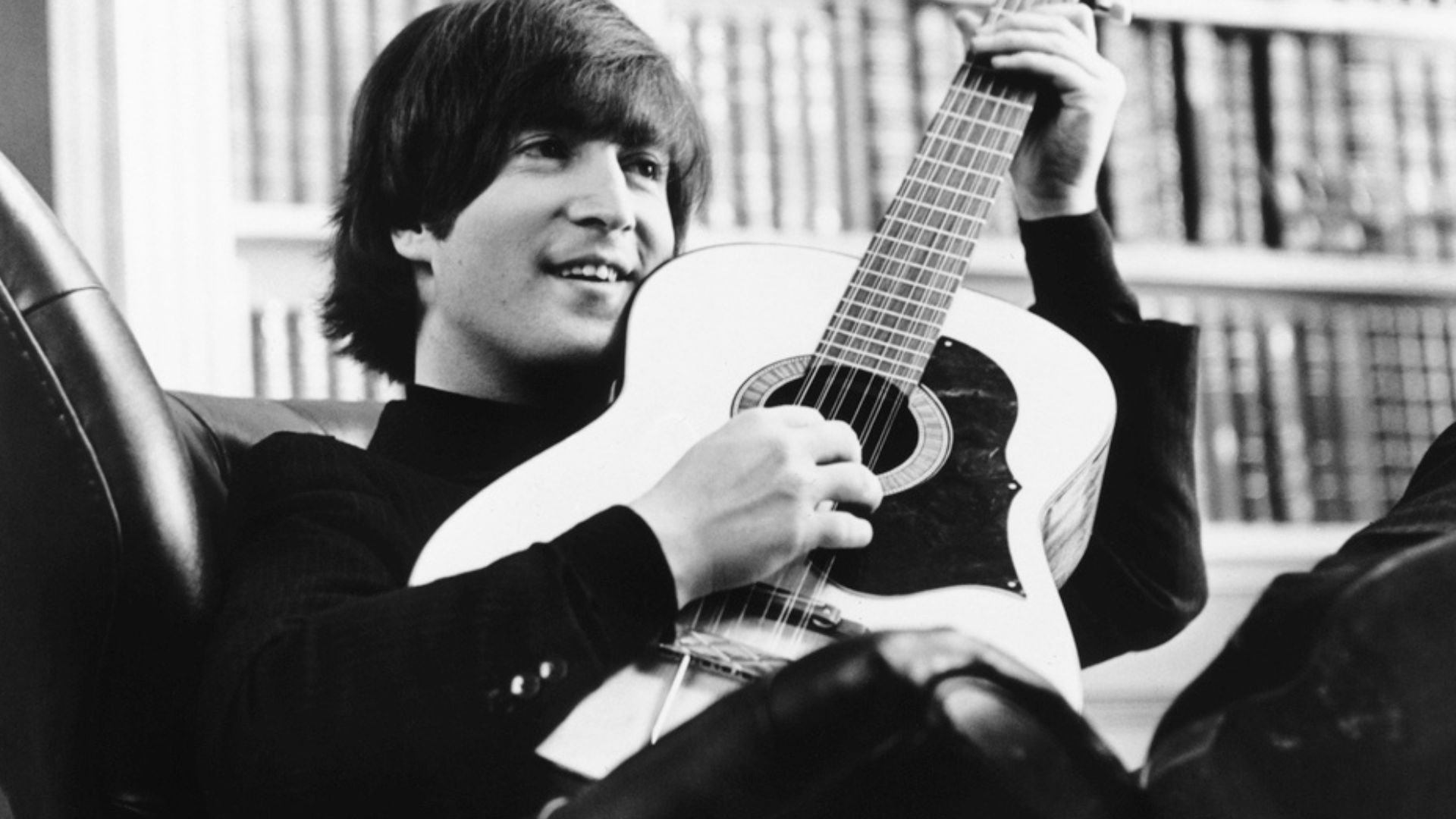
The show For All Mankind carefully balances small adjustments with major departures from real history, starting in the late 1960s. While some changes are obvious, the show also keeps viewers informed about more subtle shifts in the timeline. A prime example of these smaller changes is the continued survival of John Lennon. The Season 5 premiere offers another glimpse into what Lennon has been doing with his life in this alternate reality over the past few decades.
John Lennon’s contributions were key to The Beatles becoming one of the most successful bands in history. Even though their career wasn’t very long, The Beatles left a lasting mark on music and popular culture, and they’re still incredibly popular today – the use of their song “Two of Us” in the Project Hail Mary soundtrack is a great example. While fans still deeply feel the loss of Lennon after his murder in 1980, the show For All Mankind offers a touching way to remember him. This tribute is subtle, though, so let’s explore it together.
1940–1979: Largely Unchanged
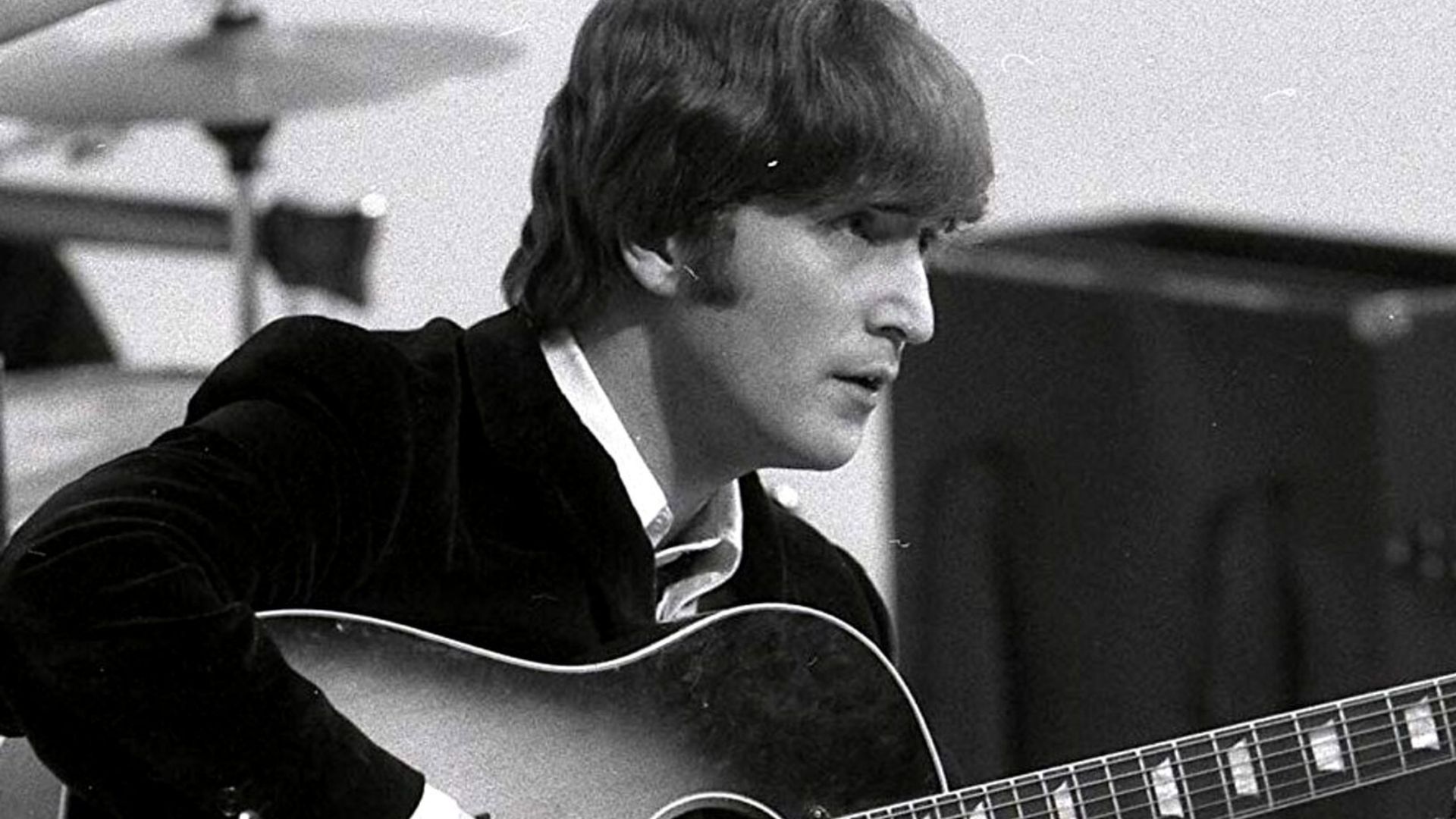
In our world, the United States won the Space Race in 1969, but in the alternate history of For All Mankind, the Soviets were the first to land on the moon. This single event is what sets the two timelines apart. Up until that point, everything happened the same way in both worlds. That means John Lennon’s life, for about ten years after 1969, was very similar to what we know of it. He was born in Liverpool, England, in 1940, and he still formed the Beatles, who were nearing the end of their time together when the Soviets achieved their lunar victory. While Lennon would have certainly known about the Soviets winning the Space Race, it wouldn’t have immediately changed his life or career. The ripple effects of this altered history would have taken much longer to significantly impact him.
1980: Failed Assassination Attempt
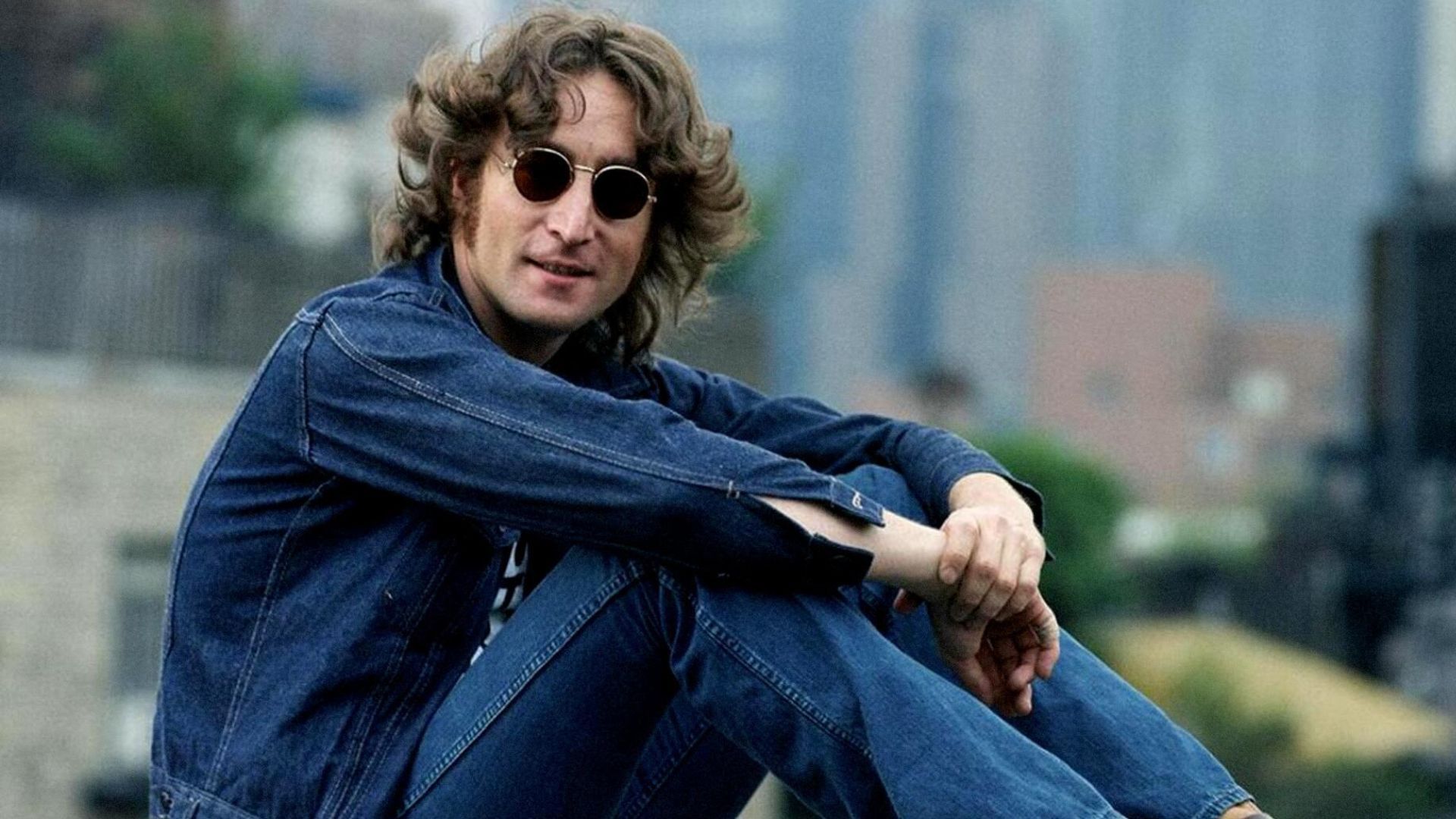
The show For All Mankind shares updates on John Lennon’s life through news reports within the show’s world. It doesn’t focus heavily on what he’s doing, and his continued existence isn’t presented as unusual. In December 1980, a shooting similar to the one that tragically took his life in our world did occur, but in For All Mankind, Lennon survived thanks to successful surgery. This is the key difference between the real John Lennon and his counterpart in the show’s timeline – his story continues, unlike the heartbreaking reality.
1987: The Beatles Reunion Tour
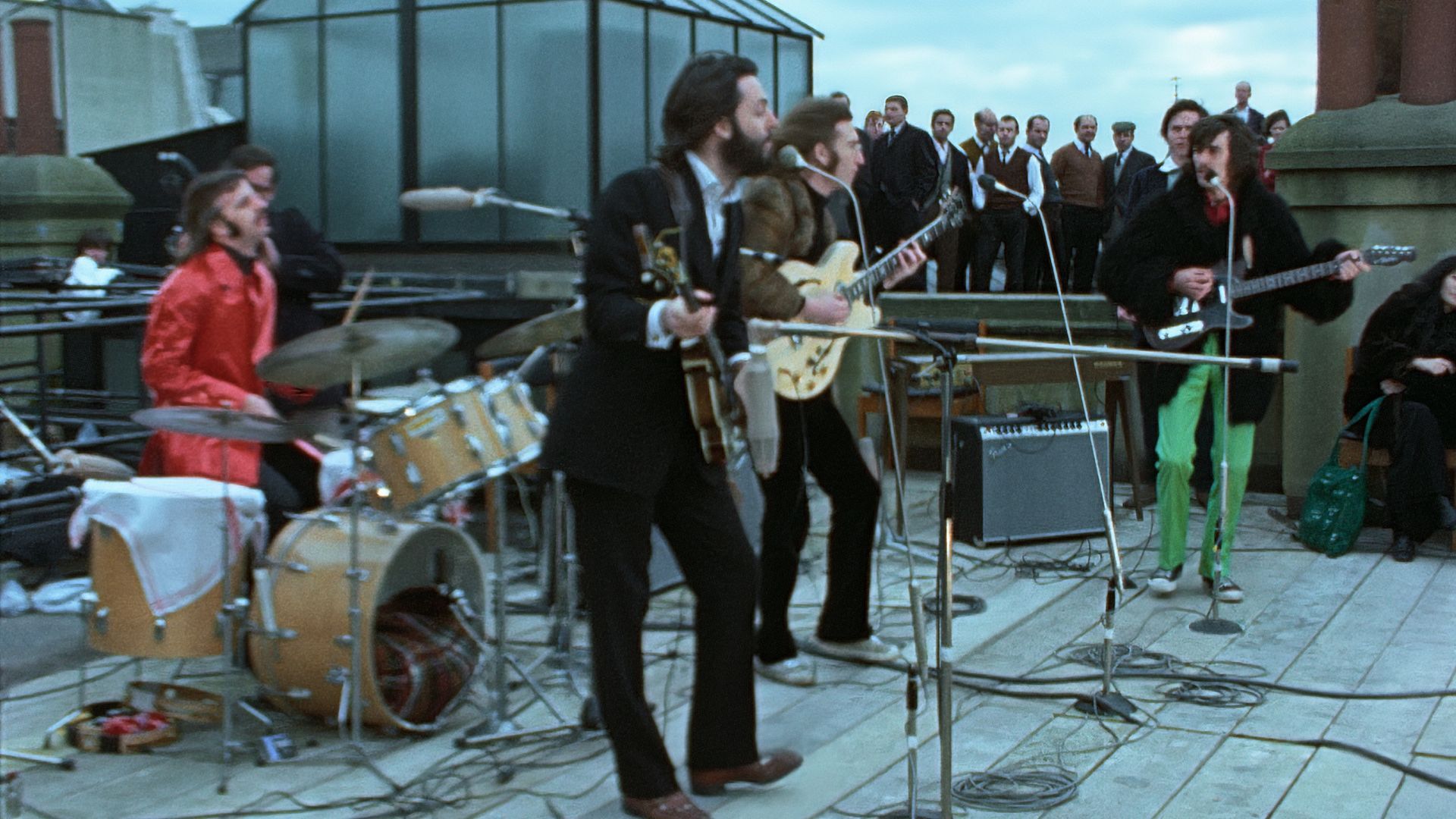
Although the show doesn’t explicitly state whether The Beatles officially broke up in 1970, it’s safe to assume they did. Tensions within the band were already high around the time of the 1969 moon landing, meaning the split was likely already happening when the Soviets achieved their victory. That event wouldn’t have brought them back together. The fact that they were able to reunite in the show proves they had broken up at some point, even if not in 1970. While John Lennon’s death prevented a reunion in our timeline, that wasn’t a factor in the show’s version of events. As a result, in 1987, The Beatles famously reunited for a US tour – their first in over twenty years. It’s unclear how long this reunion lasted.
2002: Super Bowl XXXVI Halftime Show
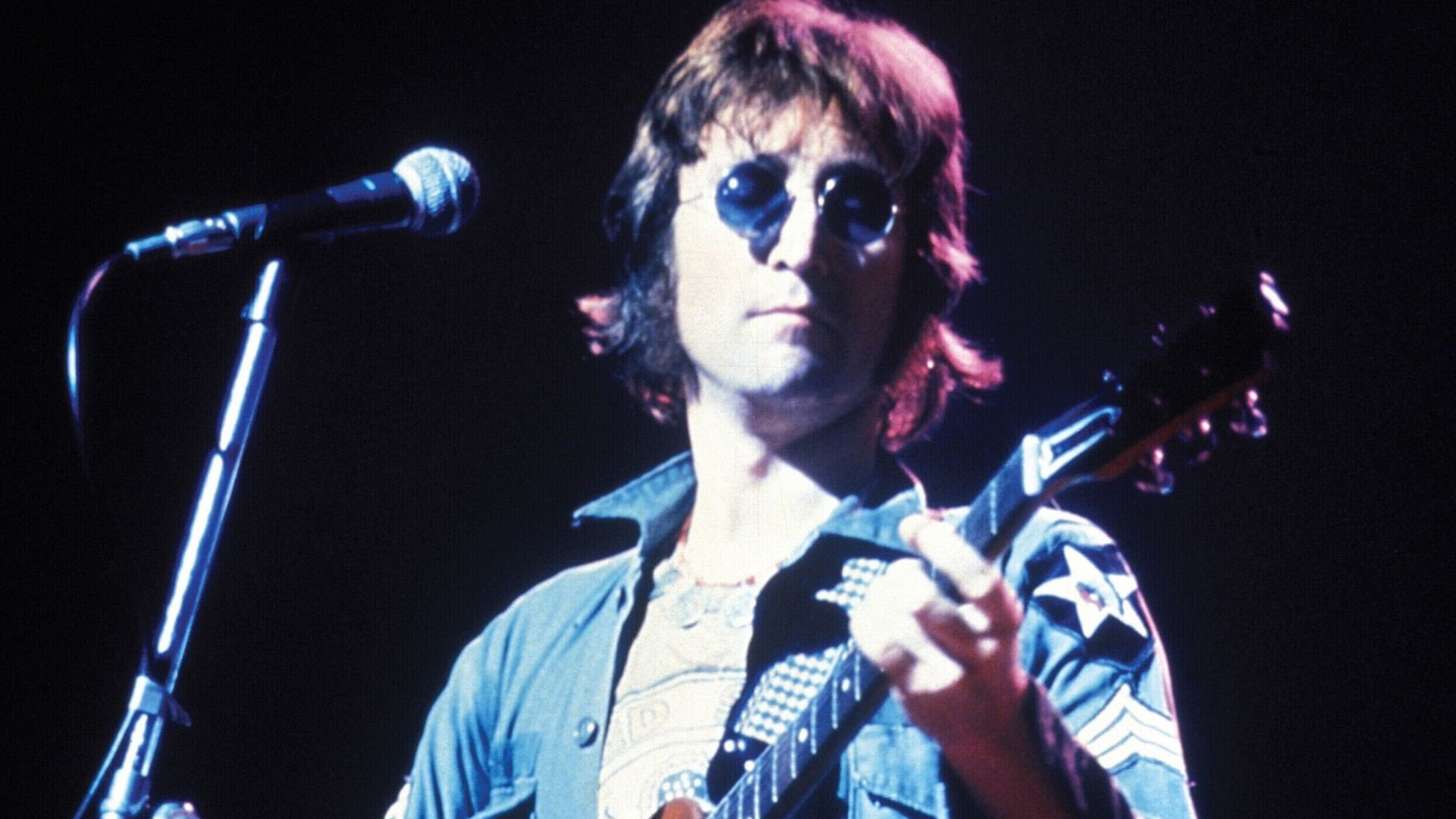
Following the Beatles reunion depicted in For All Mankind, John Lennon continued to pursue his solo career. Interestingly, the story shows him performing at the Super Bowl XXXVI halftime show – though U2 actually played that year. It’s fun to imagine what Lennon’s performance would have been like, especially considering his friend and bandmate George Harrison still passed away in 2001 in this alternate timeline. It’s likely Lennon would have included a tribute to Harrison in his show.
2005: Grammys Performance (& “Album of the Year” Win) With Jay-Z
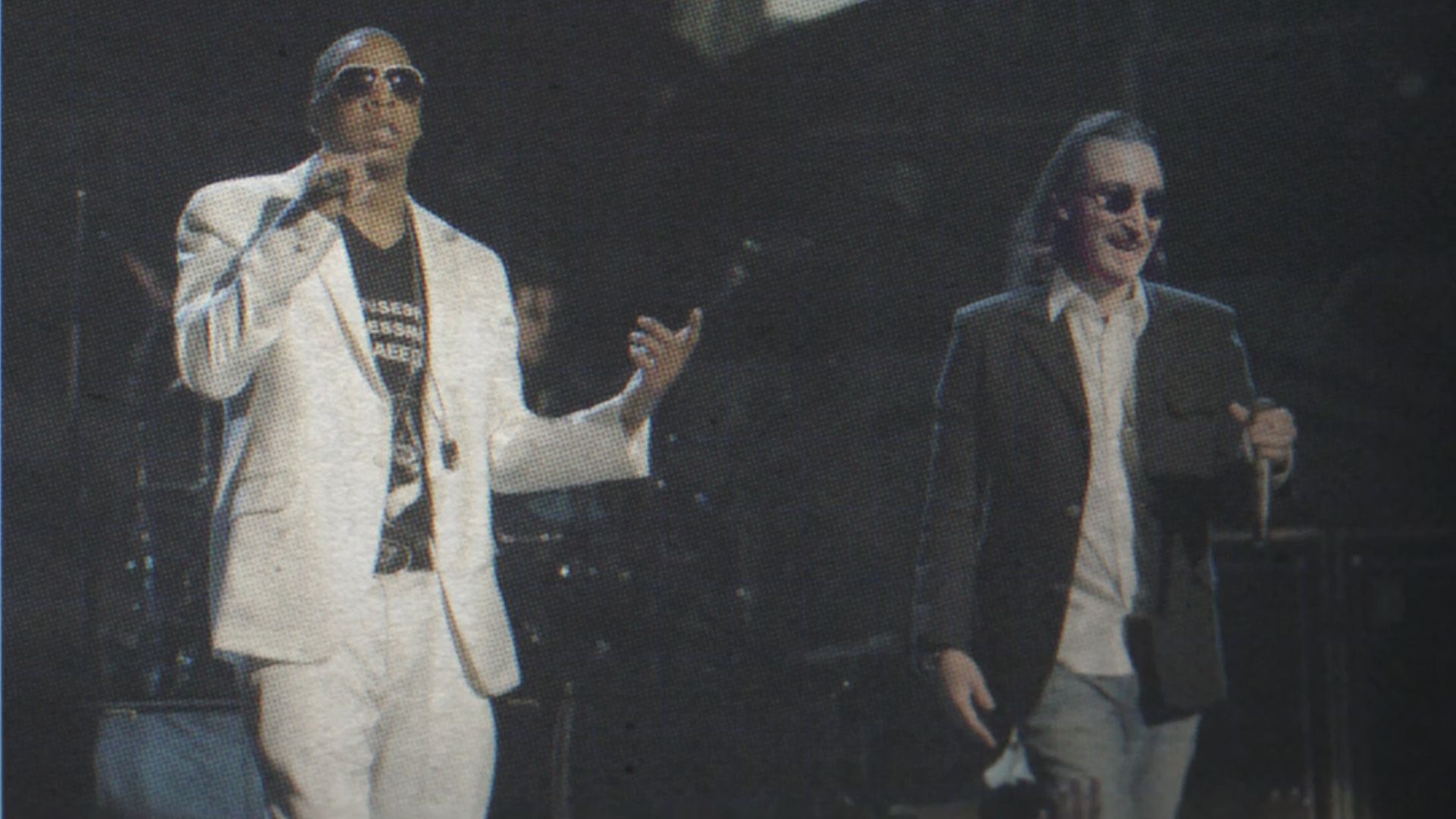
The start of For All Mankind Season 5 uses a fast-paced news montage to quickly update viewers on events since the last season. Amidst global political issues and economic hardship, the show reveals that John Lennon and Jay-Z have surprisingly collaborated on a successful album called The Grey Album. While a similar album, created by producer Danger Mouse, actually existed in our world, neither artist was officially involved. Danger Mouse created The Grey Album by mixing samples from Jay-Z’s The Black Album and The Beatles’ The White Album without permission, which caused some controversy. The album’s name is a clever nod to the source material.
As a critic, I’ve always been fascinated by how For All Mankind plays with alternate history, and the show’s take on music is particularly clever. We see a fully realized, official version of Danger Mouse’s The Grey Album, a collaboration between John Lennon and Jay-Z, and it actually wins Album of the Year at the Grammys! The show even planned a performance with Lennon and Jay-Z, though only Jay-Z showed up to the ceremony itself – The Black Album got a nomination, but Ray Charles took home the prize posthumously. It’s a poignant detail – Lennon would have been 65 at that point. While Season 5 has moved forward to 2012, I’m holding out hope that For All Mankind will revisit this fascinating musical timeline and give us even more details as the series unfolds.
Read More
- What Song Is In The New Supergirl Trailer (& What It Means For The DC Movie)
- Why is Tech Jacket gender-swapped in Invincible season 4 and who voices her?
- The Super Mario Galaxy Movie: 50 Easter Eggs, References & Major Cameos Explained
- Sydney Sweeney’s The Housemaid 2 Sets Streaming Release Date
- Welcome to Demon School! Iruma-kun season 4 release schedule: When are new episodes on Crunchyroll?
- Highly Anticipated Strategy RPG Finally Sets Release Date (And It’s Soon)
- Dune 3 Gets the Huge Update Fans Have Been Waiting For
- TV legend Carol Kirkwood reveals the reasons why she decided to retire after 28 years with BBC
- Fleetwood Mac’s Lindsey Buckingham Attacked With Unknown Substance
- We Need More Open World Games to Feature This Genre
2026-04-07 16:18