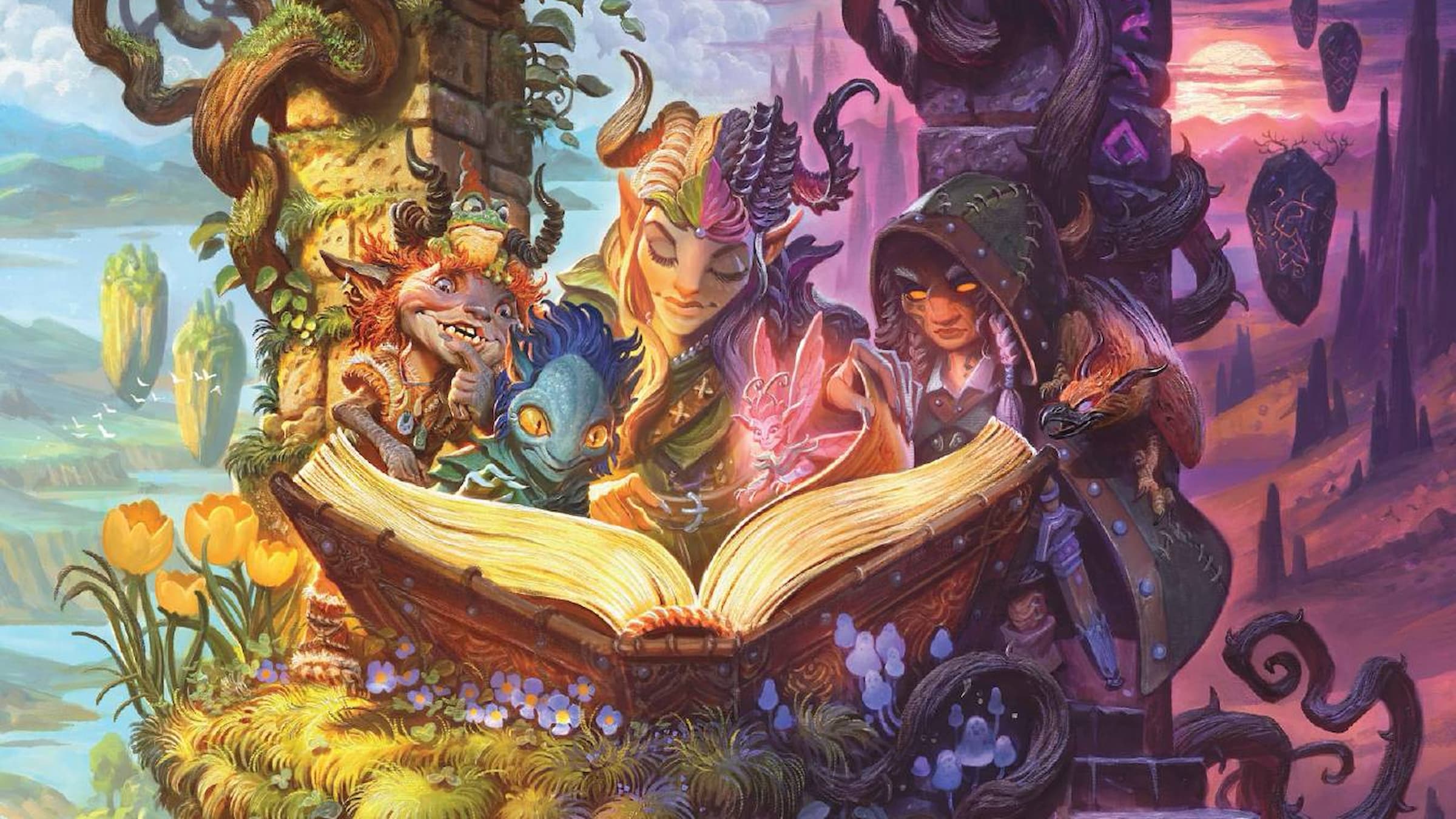
Unlike video games that limit the number of players, tabletop role-playing games like *Dungeons & Dragons* are very flexible – you can theoretically have any number of people playing. However, not all group sizes work equally well. Since *D&D* became popular, a common question has been: what’s the best number of players for a group? The answer depends on the situation, but group size definitely impacts the game.
Every Dungeons & Dragons (D&D) group needs someone to act as the Dungeon Master, or DM, to guide the game. Usually, there’s just one DM, though some groups experiment with having co-DMs. Beyond that, figuring out the right group size can be challenging. While recent D&D materials allow for games with a single player, most groups prefer having several player characters (PCs) to form a party. But how many PCs is too many? Having played with both small and large groups, I’ve formed some clear ideas about this. Here’s a look at how party size impacts a D&D campaign’s success, and how to find the ideal number of players.
Drawbacks of Too Many Players at the Table
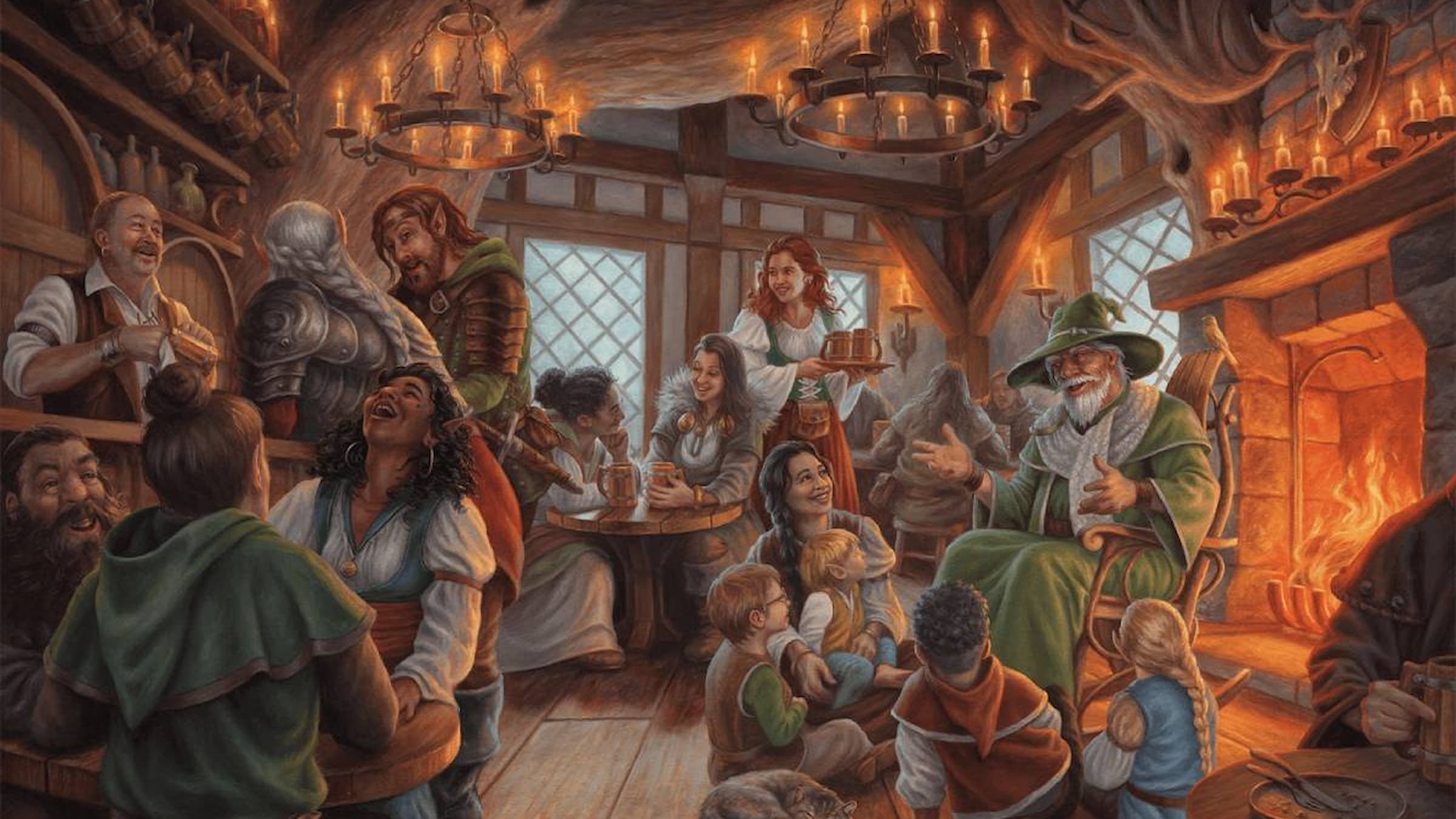
A common problem for Dungeons & Dragons players is finding enough people who want to play. Actually *getting* everyone together for a session can be the biggest hurdle! But with D&D becoming more popular, you sometimes face the opposite issue: one player tells a friend, and suddenly your small group explodes in size. I’ve seen this happen firsthand – a promising campaign fell apart because too many people wanted to join, making it impossible to play effectively.
A large group in a *Dungeons & Dragons* game can make combat drag on. Each player takes a turn based on initiative, and even though each turn represents just six seconds in the game world, it can take a while for everyone to complete their turn. With more players, it takes longer for each person to get another turn, which can be boring and makes it harder to stay focused. This also puts extra pressure on the Dungeon Master to keep everyone involved.
It’s hard to strategize during a turn-based fight when several players haven’t acted yet. Things can change quickly, and a plan that seemed good one moment might not work the next. This often leads players to get distracted and check their phones while waiting for the battle to reach a point where they can actually make a useful move.
Too many players trying to lead can slow down a group, even when they’re not fighting. If everyone wants to have a say, simple decisions can take a long time, and a single plan might take an entire game session to finalize. This isn’t fun for players, and it also puts the Dungeon Master in a tough spot because they need to know what the party will do before they can prepare for the next part of the adventure.
Creating a good story becomes difficult when you have a lot of player characters. A Dungeon Master might want to reference each character’s past, but it’s challenging to do that effectively with a large group. Ultimately, the ideal number of characters depends on the specific game and group.
Your Ideal Party Size Will Vary, But It Does Matter
It’s hard to say exactly how many players are ideal. The best group size really depends on the personalities of everyone involved, not just the number of people. Also, some Dungeon Masters prefer running games with more or fewer players than others.
When deciding how many players to include in your game, there are a few practical things to keep in mind. First, consider the physical space available. Does the host have enough table space for everyone to comfortably play? It’s important that all players can easily see the game map during battles and have room for their dice. If not, you might run into problems before the game even starts.
As a longtime RPG fan, I’ve learned that how well everyone clicks together is HUGE. If you’ve got a group of players who *always* have strong opinions, a smaller group – maybe four or five – is best. That way, everyone gets a chance to really contribute. But if your group is newer to the game, or everyone’s pretty easygoing, you can often handle more players because not everyone will need a ton of time to roleplay. Honestly, if your group just *gets* each other, party size isn’t as big a deal. Sometimes, adding a new person is exactly what the group needed to really come alive!
A small group of players can also cause problems. It’s difficult to run a good game with only the Dungeon Master and one or two players. When someone can’t make it, a smaller group can lose momentum easily. It’s also harder to create balanced challenges and keep the story interesting with so few player characters. A strong party usually benefits from having a variety of skills and abilities, which is tough to achieve with limited players.
There’s no single ‘best’ size for a Dungeons & Dragons group – it really depends on the players. I’ve found that a group of 5 or 6 people usually works best: one Dungeon Master and 4-5 players. This allows for a diverse party without slowing down combat too much. However, smaller or larger groups can be successful too, as long as everyone is engaged and the Dungeon Master can keep things moving.
How to Manage A Larger Party to Keep Players Engaged
When running a game with a lot of players, it’s important to keep everyone entertained. While it’s natural for the Dungeon Master to feel responsible for this, remember that players also need to contribute to keeping the game engaging. If someone is distracted by their phone or chatting with others, that’s usually a matter of personal engagement, not something the DM can fix. However, there are still a few things to consider when managing a larger group.
To make combat more fun for everyone, think about ways to add interesting challenges beyond just making fights last longer. Instead of simply adding more monsters, focus on creating situations that require players to think strategically. This will help keep them engaged, even if battles take a few extra turns.
For bigger groups, it’s really helpful to have a strong focus on storytelling and letting everyone participate like a character in the story. When I played with eight people, our Dungeon Master was excellent at giving each player a reason, connected to the story, to contribute. This made sure everyone felt included and had a chance to help shape what happened.
Keeping things organized is key. Since everyone has different schedules, someone will likely miss a session now and then, so plan for that. A visual tracker for combat turns can also be really helpful, letting everyone easily see when it’s their turn. Using a map and miniatures can make complex situations with lots of action easier to follow.
Ultimately, Dungeons & Dragons is all about creating a fun story together with friends. The ideal number of players depends on your group, but finding the right size can make your campaign last much longer.
How many players do you think is the perfect number for a *Dungeons & Dragons* game? Share your thoughts in the comments and join the discussion on the ComicBook Forum!
Read More
- The Super Mario Galaxy Movie: 50 Easter Eggs, References & Major Cameos Explained
- Surprise Isekai Anime Confirms Season 2 With New Crunchyroll Streaming Release
- 10 Best Free Games on Steam in 2026, Ranked
- Preview: Sword Art Online Returns to PS5 as a Darker Open World Action RPG This Summer
- Skate 4 – Manny Go Round Goals Guide | All of the Above Sequence
- The Punisher: One Last Kill Trailer Review: MCU Special Could Be a Game Changer
- The Super Mario Galaxy Movie Is An Amusing Sequel (And an Improvement) [Review]
- Why is Tech Jacket gender-swapped in Invincible season 4 and who voices her?
- All 13 Smash Bros. Characters in the Super Mario Galaxy Movie
- Best coins for today
2025-10-12 21:12