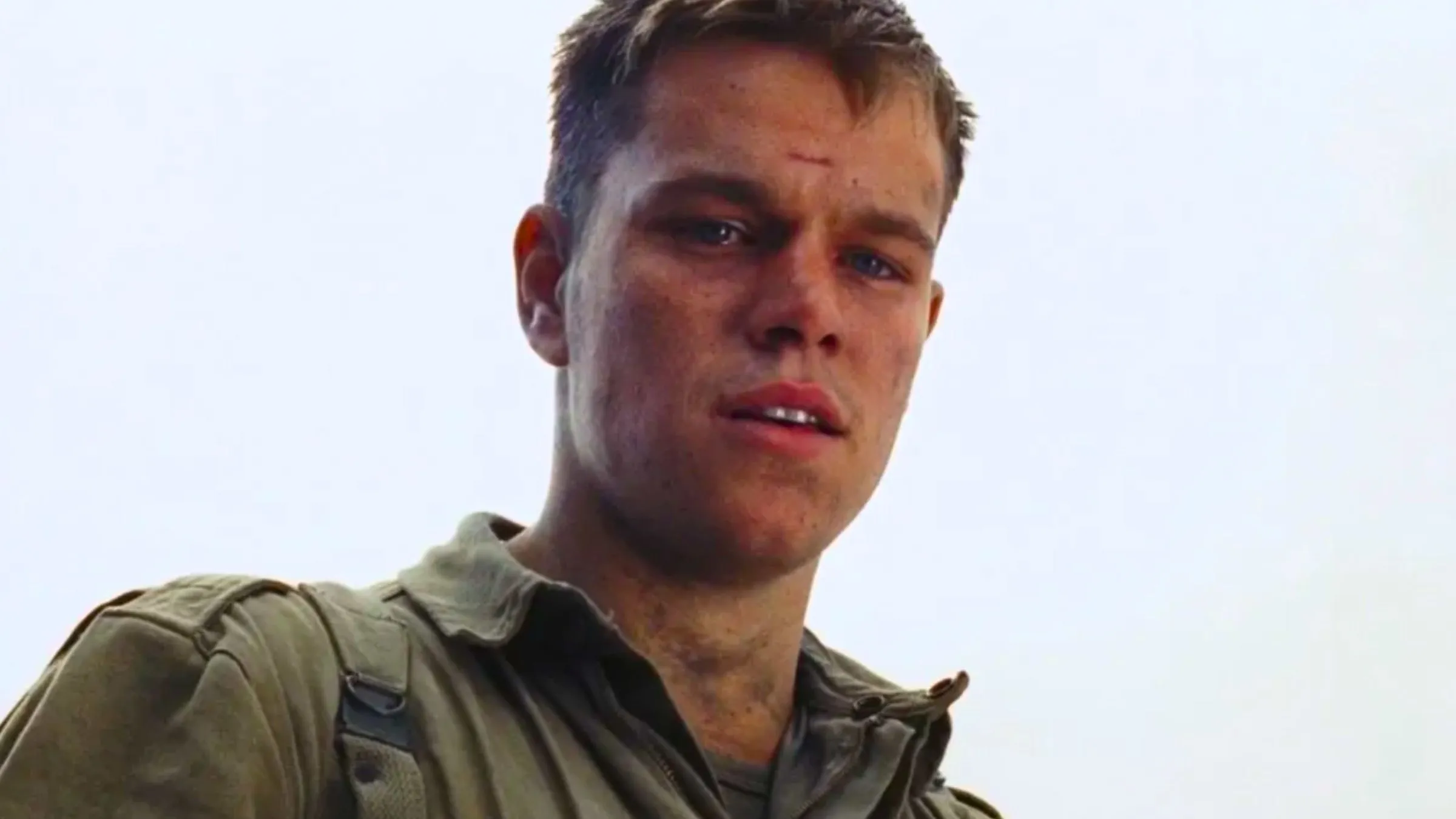
As a huge movie fan, I’ve always noticed how war films changed a lot towards the end of the 20th century. They moved away from those classic, almost polished depictions of battle and started trying to really put you there, right in the thick of things. It wasn’t just about how they looked either; filmmakers began to explore war in a much more honest and gritty way, moving beyond just celebrating heroes. Look, war is a tough subject, and it’s understandable some movies want to offer a hopeful view. But the truth is, it’s brutal, and for a long time, it felt like films were too focused on making it seem glamorous instead of showing how heavy that experience truly is.
As a film buff, I’ve always felt a clear turning point in war movies, and it all comes down to one film. It completely redefined what the genre could be, setting a new standard for realism and emotional weight that we still see today. Before this movie, war films often felt…distant. This one changed everything by trusting the audience to feel the experience, not just be told about it. And honestly, its impact wasn’t limited to the big screen – you can see its influence all over modern war-themed TV shows too.
Saving Private Ryan Made History in Cinema
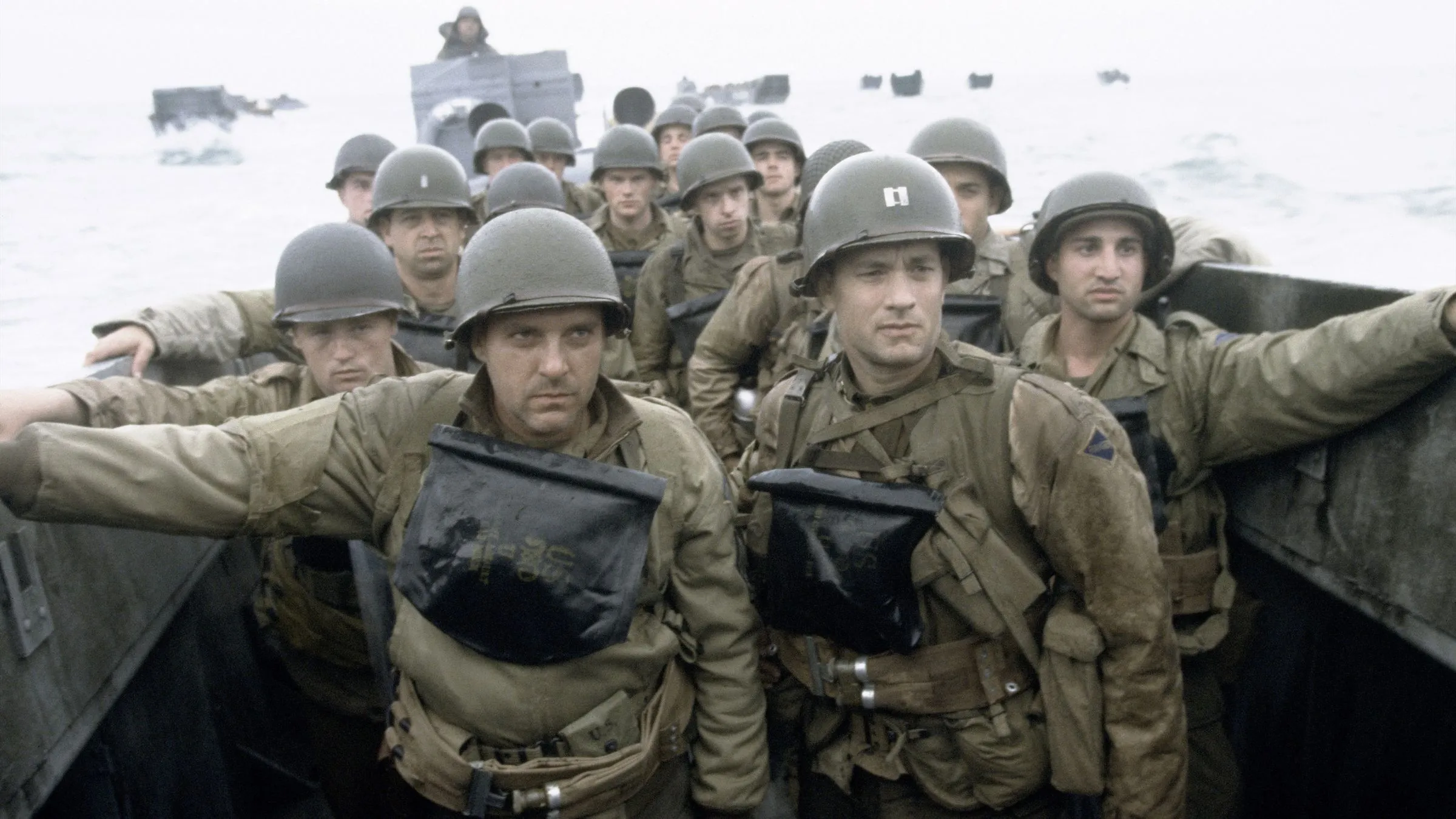
If you enjoy war movies, you’ve likely seen Steven Spielberg’s Saving Private Ryan, released in 1998. The film centers on a team of American soldiers sent into the midst of World War II to rescue a single paratrooper whose brothers have already died in battle. However, the movie evolved into a powerful exploration of what it takes to survive, lead, and cope with the intense psychological toll of war. Spielberg’s direction is often incredibly realistic, particularly in the famous opening sequence depicting D-Day on Omaha Beach. It immediately immerses viewers in the brutal action, offering no buffer from the horrors of war – you’re instantly thrown into the middle of it.
Why did Spielberg strive for such realism in his war films? The reason is simple: he was dissatisfied with how war was typically portrayed. Many war movies from the 1940s and 50s focused on heroic bravery, which isn’t necessarily a flaw, but presented an unrealistic view of conflict. Spielberg, known for creating strong emotional experiences – as seen in films like Jurassic Park, Schindler’s List, E.T. the Extra-Terrestrial, and Close Encounters of the Third Kind – wanted Saving Private Ryan to show the chaotic and brutal reality of war, and to help audiences truly understand the hardships faced by soldiers.
Spielberg has said that Saving Private Ryan wasn’t intended as a simple retelling of history, but as a fully immersive experience. He achieved this through techniques like shaky camerawork, stark lighting, and a visual style reminiscent of a documentary. The film aims to put viewers directly into the chaos of war, making them feel like participants rather than distant observers. This is why the movie is still so powerful, memorable, and important from a historical perspective.
Shortly after, it inspired a TV show that was just as popular and well-regarded.
How Saving Private Ryan Led to Band of Brothers
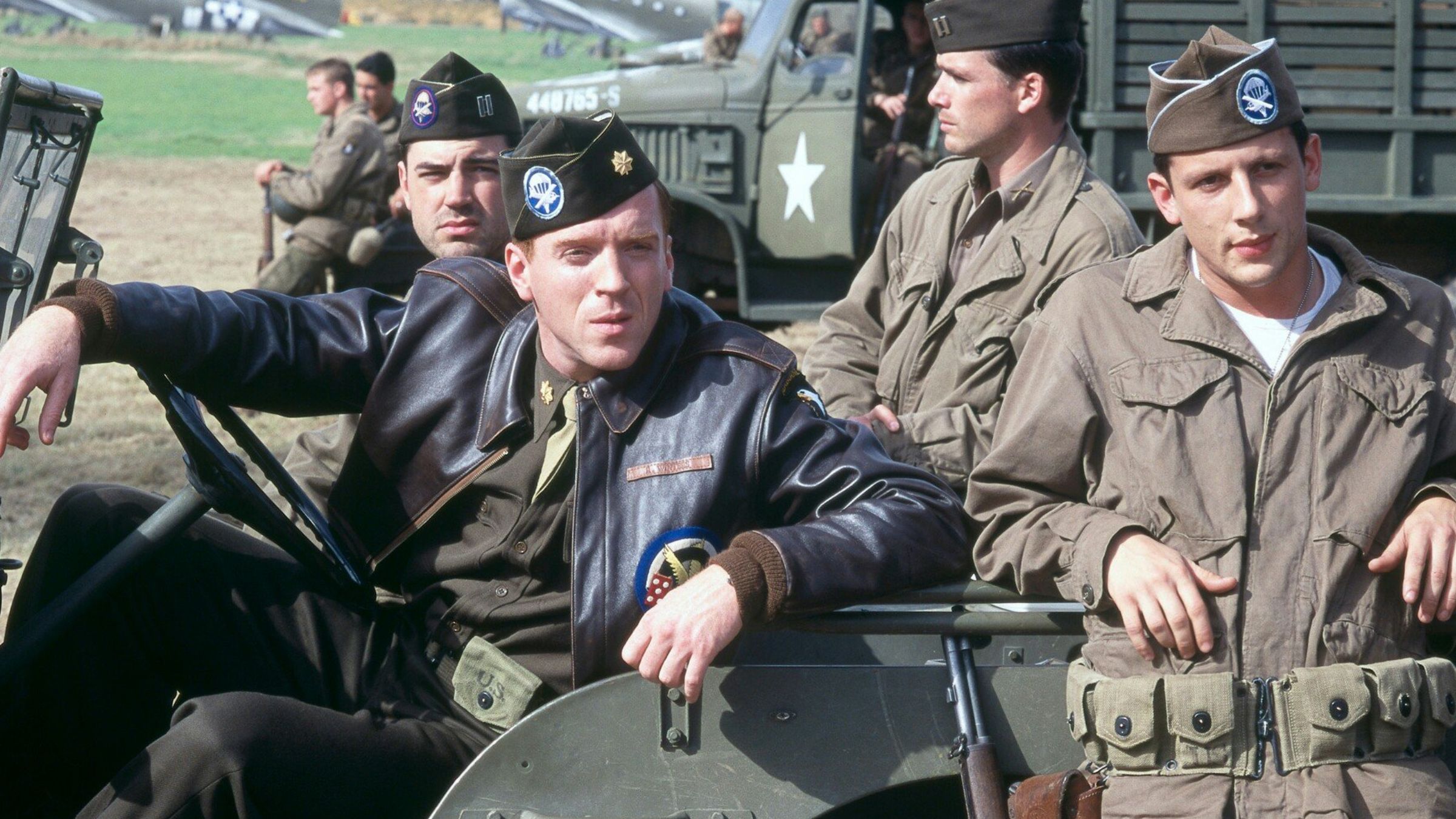
The year 2001 brought a shift to television with the arrival of Band of Brothers, which took a remarkably similar approach to storytelling as Saving Private Ryan. This miniseries follows a group of American paratroopers from their initial training all the way through the end of World War II in Europe. Created by Steven Spielberg and Tom Hanks (who also starred in Saving Private Ryan), the series doesn’t just echo the film’s style—it takes it further, showing war as a continuous experience rather than a series of separate incidents. Band of Brothers wasn’t just popular; it paved the way for more in-depth explorations of the subject, which is why it remains one of television’s most highly regarded classics.
How did these productions impact each other? A key connection lies in their filming locations. Much of Saving Private Ryan was shot in the UK and Ireland, including the D-Day sequence at Curracloe Beach in Ireland, which served as a stand-in for Omaha Beach for practical and ethical considerations. Scenes were also filmed in locations like Thame Park and Hertfordshire, England, where the movie’s fictional village was built. This approach – creating detailed, controlled sets – was then expanded upon for Band of Brothers, which used British airfields and rural areas to recreate various European war zones.

The series borrowed heavily from the filmmaking techniques used in the original film. You’ll quickly recognize similar camera angles, the close-up focus on soldiers, and the realistic portrayal of the confusion of battle. However, the series had the advantage of time, allowing it to build these ideas slowly and delve into the everyday lives of soldiers and the war’s progression over multiple episodes – something a movie can’t do. In many ways, Band of Brothers feels like an improved version of what Saving Private Ryan started. The creators aimed for the series to feel like a seamless continuation of the same war, presented with the same artistic vision.
As a movie and TV buff, I always thought one of the really brilliant things about Band of Brothers was how much it doubled down on making everything feel real. Both it and Saving Private Ryan were built on tons of historical research and talking to vets, but the show really went the extra mile, using direct interviews and stories from the actual guys in Easy Company. What’s cool is, without Saving Private Ryan first showing everyone just how powerful that kind of realism could be – and getting all the praise it deserved – I don’t think TV networks would’ve been willing to spend so much money on such a big, movie-like series.
It’s also important to remember that Band of Brothers came out at a time when TV miniseries weren’t usually seen as a place for big-budget, movie-quality productions. That’s now common in almost every genre, but Band of Brothers was a pioneer. Even more significantly, it established a way of telling war stories that focuses on the personal experiences of soldiers, rather than just the large-scale events – and that makes a real difference.

While it’s fine to be captivated by exciting war stories or action sequences, stories feel more meaningful when they’re realistic and explore the human side of conflict. Film and television aren’t just entertainment – they can also powerfully convey important messages. The best stories have depth and encourage us to think, and truly immersive experiences can help achieve that.
With Saving Private Ryan, a new standard for war films was set, and Band of Brothers built upon that foundation. What’s truly impressive is how effectively the unique creative approach translated from film to television without sacrificing its power or distinctiveness. This is likely why both productions continue to be key examples whenever people talk about war stories. Their importance isn’t just about how good they are individually, but how they changed the way these stories are told, across all platforms. In short, they redefined the modern war genre, and their influence remains significant even today.
As a big fan of these incredible series, I’m excited to share that you can now stream Saving Private Ryan on Paramount+ and Band of Brothers on HBO Max. It’s fantastic that they’re both so easily accessible!
Read More
- Gold Rate Forecast
- 10 Most Powerful Versions of Superman, Ranked
- GBP CNY PREDICTION
- 007 First Light: Release Date, Story, Gameplay, Cast, Editions, and Platforms
- Forza Horizon 6 Car List So Far: Confirmed Highlights, Cover Cars, DLC, and Rewards
- Superman’s 7 Best Power-Ups, Ranked
- DOGE PREDICTION. DOGE cryptocurrency
- What happened to Soldier Boy in The Boys?
- Fishbowl Is a Charming and Heartfelt Indie You Won’t Want to Miss (Review)
- 10 Greatest Wii U Games of All Time, Ranked
2026-06-02 01:12