
The Legend of Zelda: The Wind Waker is a great example of how opinions about a game can shift over the years. Generally, the Legend of Zelda series is considered one of Nintendo’s strongest franchises, with only a few entries causing disagreement. The most popular Zelda games, like Ocarina of Time and Breath of the Wild, are often seen as defining games for their consoles and benchmarks for the gaming industry as a whole.
Like previous games in the series, The Legend of Zelda: The Wind Waker for the Nintendo GameCube offered a huge adventure, this time taking place across a vast ocean. Players embark on a magical journey to uncover the secrets of the fallen kingdom of Hyrule. The game is known for being inventive, endearing, and surprisingly deep, especially for its time. However, when it was first released, The Wind Waker actually caused a lot of debate among fans.
Why Zelda Fans Turned Against Wind Waker Before It Even Came Out

Originally released in Japan on December 13, 2002, The Legend of Zelda: The Wind Waker faced some initial criticism but is now widely considered a masterpiece. Following the popularity of The Ocarina of Time, Nintendo hoped the next Zelda game would be a major draw for their new GameCube console. While a 2000 video showing a more realistic Link and Ganondorf excited fans, the development team wanted to try a different artistic direction. Game designer Yoshiki Haruhana proposed a cartoonish look, and the team enthusiastically adopted the idea, using cel shading to bring it to life. Despite needing to gain approval from Shigeru Miyamoto, they were ultimately able to pursue their vision.
The game’s first public demo appeared at the 2001 Space World event and received a surprisingly divided reaction. While some liked the cartoon style, many fans – particularly in Western countries – were disappointed by the change from a more realistic look. This was especially true for teenage boys, which significantly hurt the game’s early buzz. Nintendo then began highlighting the gameplay in previews instead of the graphics, but discussions about the visuals stayed very negative until the game launched. Despite this, critics loved the game, and even Famitsu gave it a perfect score.
While some fans initially disliked the unique cartoon-like graphics of The Wind Waker, critics praised its innovative style and how it cleverly utilized the GameCube’s capabilities. The game received excellent reviews overall, ranking among the best in the Zelda series. Although popular in Japan, Western audiences were divided. Many players were turned off by the new art style, and the GameCube wasn’t selling as well as the PlayStation 2, leading to lower sales – about 3 million fewer copies than Ocarina of Time. As a result, plans for a sequel were cancelled, and the developers instead created The Legend of Zelda: Twilight Princess, which featured a darker tone and a more traditional art style similar to Ocarina of Time.
Wind Waker’s Legacy Is Far Brighter Than Its Release
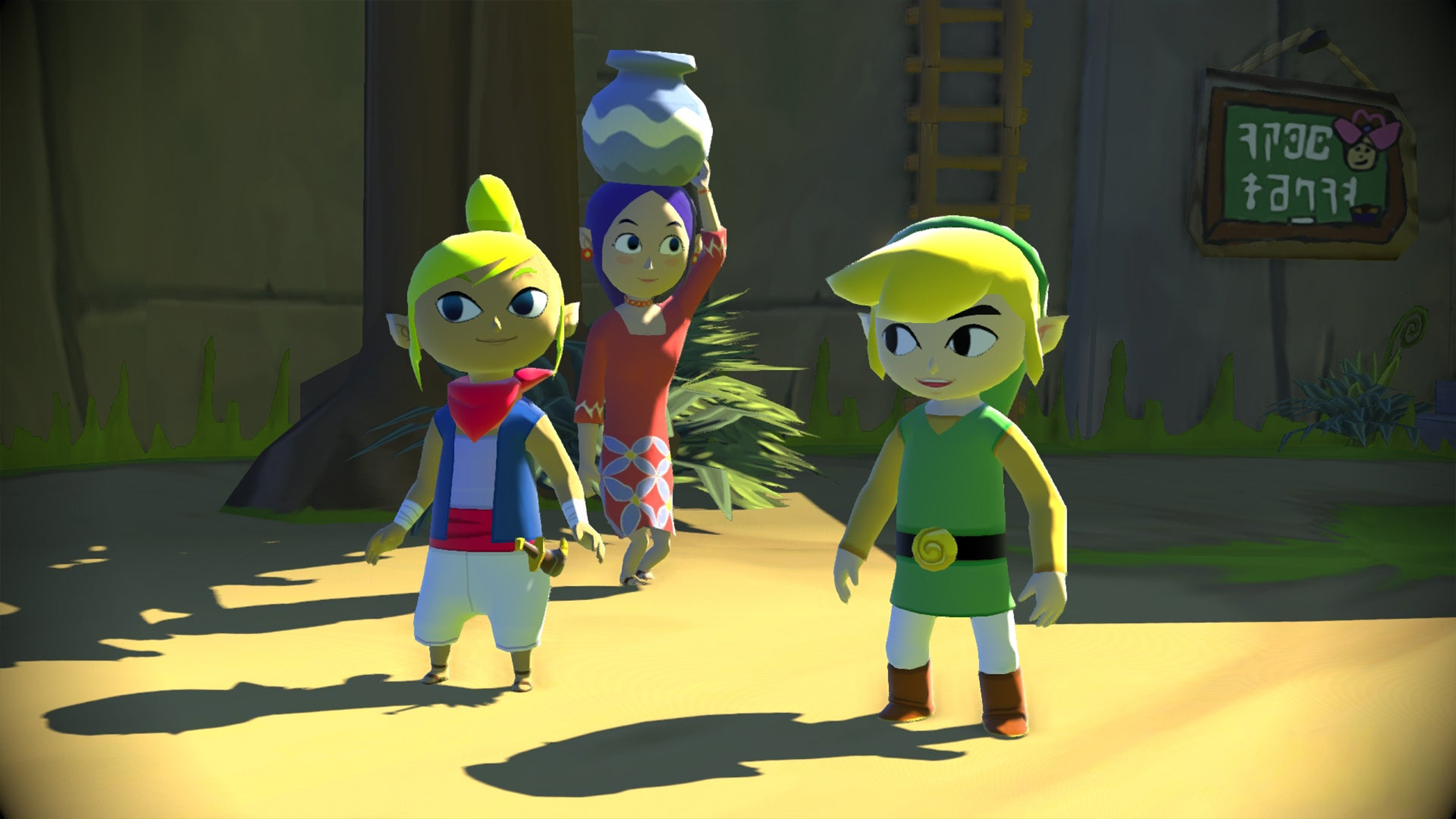
While Wind Waker didn’t immediately win everyone over, it’s become increasingly popular with both players and critics over time. Currently, it ranks as the third highest-rated Legend of Zelda game on Metacritic, surpassed only by Breath of the Wild and Ocarina of Time. The game’s unique, cartoonish style led to two direct sequels – Legend of Zelda: Phantom Hourglass and Legend of Zelda: Spirit Tracks – which expanded on the story and world. The version of Link from Wind Waker, known as Toon Link, also became a regular character in the Super Smash Bros. series, first appearing in Super Smash Bros. Brawl and continuing to be featured in every subsequent game.
While the detailed graphics of many other GameCube games haven’t held up over time, Wind Waker‘s unique, cartoon-like style still looks great. The game has been re-released multiple times, both reminding longtime fans of its appeal and introducing it to a new audience. Many Zelda fans consider Wind Waker to be one of the very best games in the series, alongside classics like Ocarina of Time and Breath of the Wild, and often rank it higher than other popular titles like Twilight Princess.
I recall the strong negative reaction when the art style for Wind Waker was first shown, especially considering how popular Ocarina of Time had been. However, I quickly became a fan after playing it, and I grew to love the game’s cartoonish look. Wind Waker is still one of the most delightful games in the series, with a lighthearted spirit and a well-developed world. The game subtly explores themes of loss and the importance of protecting the future, creating a moving and memorable experience. It also features one of the most complex and compelling versions of Ganondorf ever created. From the start, Wind Waker had a timeless quality, even though it took some fans a while to appreciate it.
Read More
- Gold Rate Forecast
- Dune 3 Gets the Huge Update Fans Have Been Waiting For
- Every Creepy Clown in American Horror Story Ranked
- 22 actors who were almost James Bond – and why they missed out on playing 007
- Jack Osbourne Shares Heartbreaking Tribute to Late Dad Ozzy Osbourne
- Hazbin Hotel Secretly Suggests Vox Helped Create One of the Most Infamous Cults in History
- As Dougal and friends turn 60, Radio Times explores the magic behind The Magic Roundabout
- Arknights: Endfield – Everything You Need to Know Before You Jump In
- Everything We Know About Gen V Season 3 (& Why It’ll Be a Very Different Show)
- Jason Statham’s Hit Creature Feature Is Heading to Streaming for Free
2025-12-13 20:14