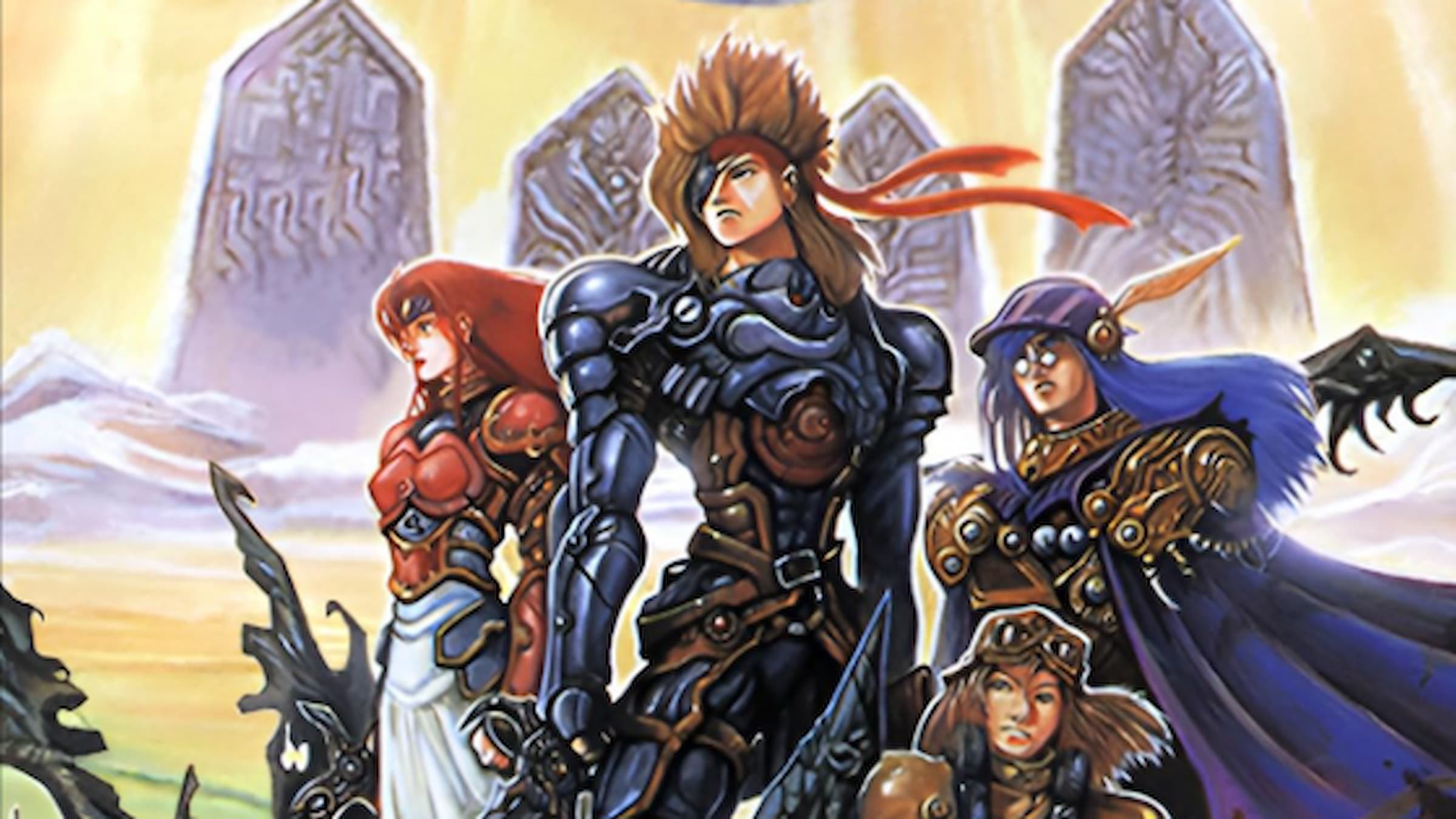
The Super Nintendo Entertainment System boasts a wealth of memorable games, particularly Japanese Role-Playing Games, or JRPGs. Nintendo’s console was the perfect platform for this genre, and Squaresoft really capitalized on that. Final Fantasy VI, Chrono Trigger, Super Mario RPG, and several others were released on the SNES and became huge successes in Japan and around the world. However, one standout and very ambitious JRPG, originally released on the Super Famicon (the Japanese name for the SNES), never made it to players in Western countries. If it had been translated and released here, it likely would have become just as famous as those other classic titles. Luckily, it’s not too late – a remake or remaster could introduce it to both a new generation of gamers and modern gaming systems.
In 1996, Squaresoft launched Treasure of the Rudras for the Super Famicom. This release came shortly before the groundbreaking Final Fantasy VII debuted on the PlayStation. Unfortunately, being released between some of Square’s most popular games made it difficult to bring Treasure of the Rudras to other countries, which is unfortunate. Treasure of the Rudras is actually a very ambitious game from Square, expanding on ideas from titles like Chrono Trigger and Live A Live.
Treasure of the Rudras, A Late-Era SNES RPG Bursting With Bold Ideas
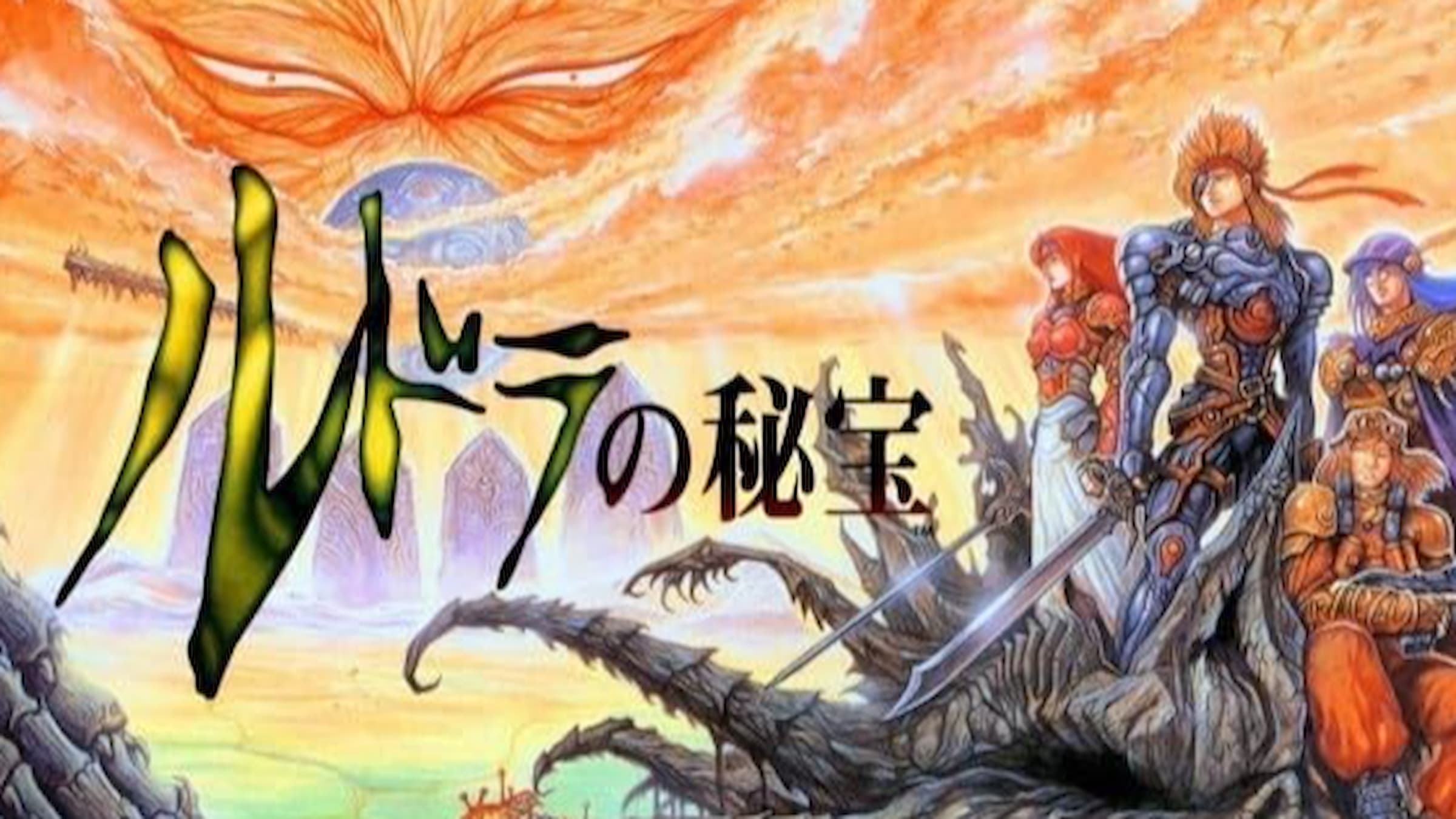
The mid-1990s were a very successful period for Square. Chrono Trigger uniquely combined time travel with a diverse group of characters, and Live A Live boldly tried out a collection of short stories spanning various genres. Treasure of the Rudras arrived during this creative time. It took inspiration from these games, building on the ideas they introduced and further exploring new concepts. By doing so, it paid tribute to earlier JRPGs while also establishing its own distinct style.
The game centers around three connected stories, each experienced through the eyes of a different character. These stories ultimately come together in a grand finale. What sets this apart from Live A Live is the way these stories influence each other. Players aren’t locked into a single narrative; they can switch between them at will, and their choices in one story will have consequences in others. For instance, if you leave a valuable item in one storyline, another character might discover it. However, that’s not the only intriguing aspect of the game’s story.
Treasure of the Rudras offered a unique story and world, drawing heavily from Indian mythology instead of the more typical European sources. The game is set within a 4,000-year cycle where the world is repeatedly destroyed by the Rudras and repopulated with new beings. The story begins with just 15 days remaining before humanity faces destruction. As players progress through the three main paths, they learn more about the world’s rich history, going back before the 4,000-year cycle and the civilizations that came before humans. Successfully completing these paths unlocks a fourth storyline and a new character for the game’s conclusion.
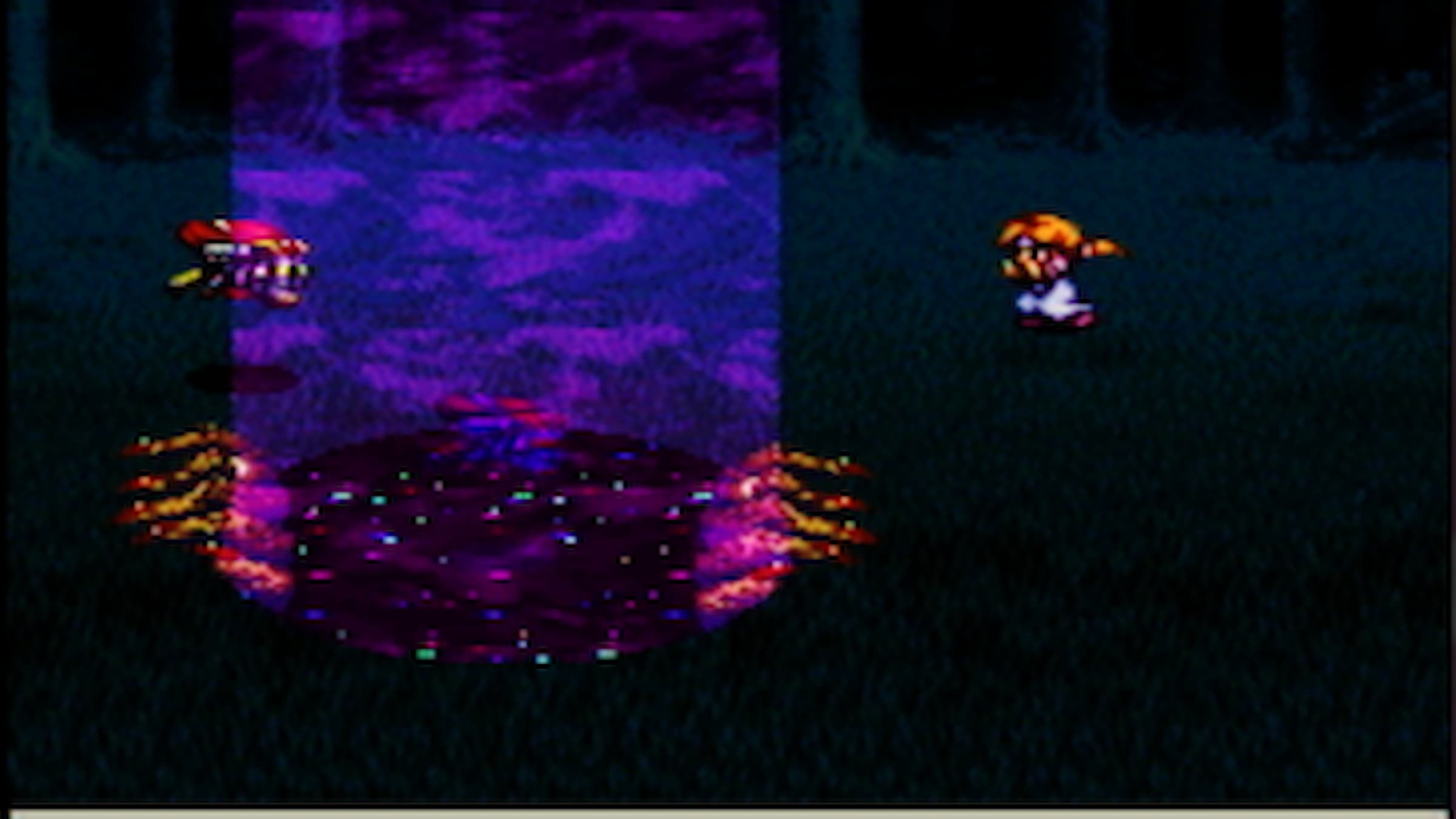
Another key feature of Treasure of the Rudras is how magic works. Instead of using pre-made spells and leveling them up like in many other JRPGs, players could design their own spells with unique effects and strengths. By mixing prefixes, suffixes, and basic elements, you could create a nearly endless variety of spells. This system was innovative for its time, encouraging players to experiment instead of just seeing the typical progression of spells like Fire 1, Fire 2, and Fire 3.
Why Western Audiences Missed Out on Squaresoft’s Classic
You might be asking yourself why you haven’t heard of Treasure of the Rudras, or even played it. The main reasons are when and where it was released, along with some technical challenges. By 1996, the SNES was becoming outdated, and Square was already focusing on the PlayStation. It didn’t make good business sense to translate such a large, text-filled RPG so late in the SNES’s lifespan, particularly with the huge success Final Fantasy VII was about to achieve. This is why Treasure of the Rudras remained exclusive to the Super Famicon in Japan.
Another key issue was the game’s magic system. While incredibly innovative and forward-thinking, it created difficulties when trying to release the game internationally. Specifically, it posed challenges for translators, as players constructed words as part of gameplay, and for programmers, who needed to adapt it for Western audiences. These hurdles ultimately limited the game’s reach, though it did receive a re-release on the Wii and Wii U virtual console in Japan. Fortunately, dedicated fans later created an unofficial translation, enabling players to experience this groundbreaking game through ROMs.
How Treasure of the Rudras Could Thrive Today
These days, we’re seeing a lot of older games get updated with remasters and remakes, and Square Enix’s classic Final Fantasy Tactics is no exception. Modern consoles are a great chance to bring back the unique gameplay and innovative features of Treasure of the Rudras. The 3-day time loop in The Legend of Zelda: Majora’s Mask and the spell creation in The Elder Scrolls IV: Oblivion show that the complex systems in JRPGs would be a hit with players now. Plus, better artificial intelligence could take the magic system even further, making the already diverse range of spells even more interesting.
The game’s setting feels full of potential and deserves to be revisited. There aren’t enough games with fantasy inspired by India, and I think Dev Patel would be a fantastic addition if Square Enix ever includes voice acting. Delving deeper into Indian mythology and cultures could really enrich Treasure of the Rudras. Ensuring the game feels genuine would make it stand out in a market currently overflowing with European fantasy, typically featuring castles and knights.
I’d really love to see Treasure of the Rudras remade with the beautiful HD-2D style of games like Octopath Traveler and the soon-to-be-released The Adventures of Elliot: The Millennium Tales. However, I’d also be happy if Square Enix simply re-released the original game. Being able to play it with good English translation for the first time would be fantastic, but adding updated graphics and some helpful improvements could turn it into a timeless classic. Square Enix has shown they’re willing to bring back older games, and Treasure of the Rudras is definitely one that deserves another chance.
What do you think? Leave a comment below and join the conversation now in the ComicBook Forum!
Read More
- The Super Mario Galaxy Movie: 50 Easter Eggs, References & Major Cameos Explained
- 10 Best Free Games on Steam in 2026, Ranked
- All 13 Smash Bros. Characters in the Super Mario Galaxy Movie
- Dune 3 Gets the Huge Update Fans Have Been Waiting For
- Control Resonant’s Hiss and Mold Are “Way More Complex” Than Before (and More Aggressive)
- Welcome to Demon School! Iruma-kun season 4 release schedule: When are new episodes on Crunchyroll?
- Highly Anticipated Strategy RPG Finally Sets Release Date (And It’s Soon)
- TV legend Carol Kirkwood reveals the reasons why she decided to retire after 28 years with BBC
- Sydney Sweeney’s The Housemaid 2 Sets Streaming Release Date
- Why is Tech Jacket gender-swapped in Invincible season 4 and who voices her?
2025-10-05 21:42