
When Hajime Isayama finished Attack on Titan in 2021, the world was already facing increasing instability. The aftermath of the pandemic, a rise in nationalistic feelings, concerns about surveillance, and complex moral questions – all themes Isayama had explored for years in his work – contributed to this atmosphere.
With global tensions, widespread false information, and deep disagreements at an all-time high in 2025, the ending of Attack on Titan doesn’t feel finished. It feels like a raw, ongoing pain. Perhaps now, more than ever, we need a continuation of the story – not to repeat the sadness, but to understand how its effects continue to linger and worsen.
Attack On Titan’s End Wasn’t the End
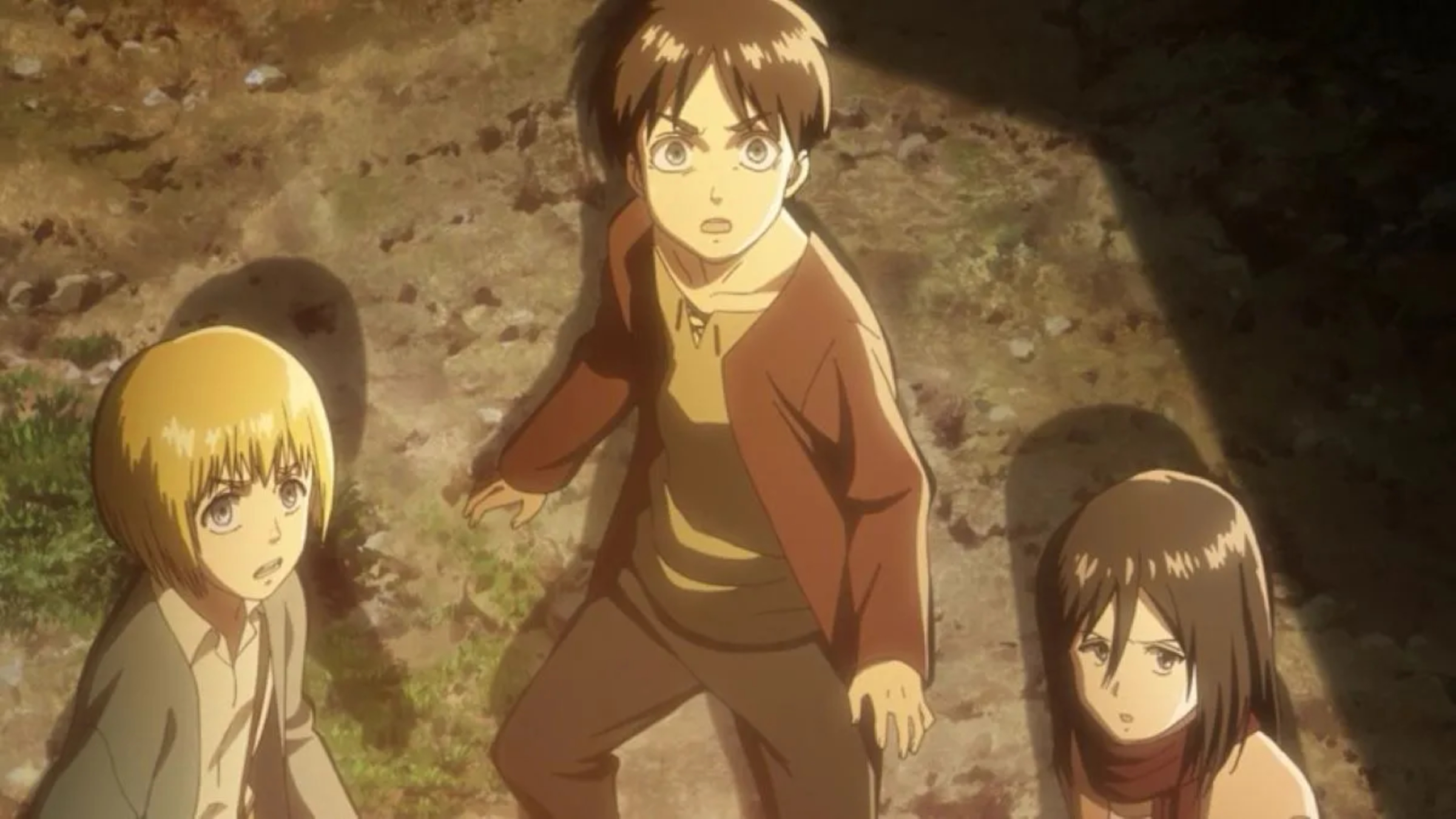
For those who haven’t seen the ending of Attack on Titan (beware of spoilers!), the series concluded with Eren Yeager completing his devastating plan, known as the Rumbling, which involved nearly wiping out humanity. Though his friends initially understood his motives, they ultimately killed him to stop the cycle of hatred. The ending shows a shaky peace that feels unlikely to last. Paradis Island begins to recover, countries reorganize, and eventually, we see hints that war will break out again – Eren’s world becoming nothing more than a distant memory. It’s a beautiful, but deeply pessimistic conclusion, suggesting humanity doesn’t learn from its mistakes. In fact, the ending feels less like a true conclusion and more like a pause in a never-ending story.
The Mirror That Stared Too Long
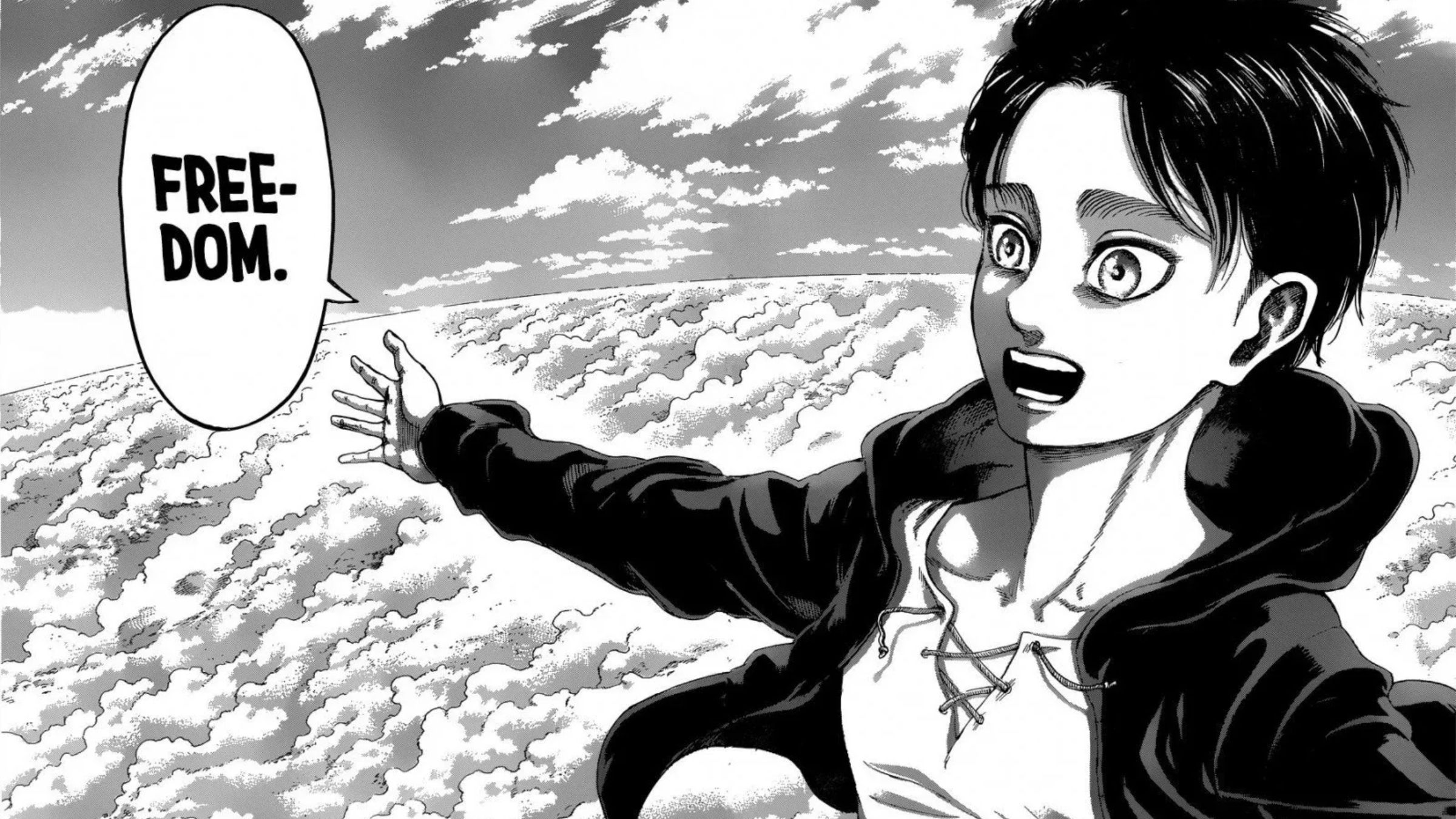
Hajime Isayama’s Attack on Titan always felt uncomfortably realistic, reflecting issues in our own world. When viewers noticed the parallels between the Eldians and Marleyans and real-world conflicts – like those between oppressors and the oppressed, or colonizers and the colonized – it was disturbing. Then, the show took an even darker turn when Eren, once a hero seeking freedom, became a mass murderer. Suddenly, Attack on Titan stopped being simple entertainment and became a mirror reflecting our own anxieties. In today’s world, with the rise of populism, the spread of radical ideas online, and a willingness to do anything to achieve political goals, the show feels eerily prophetic. It warned us about how trauma can lead to extremism, how history can be twisted to justify terrible acts, and how easily we lose our compassion when we feel threatened. Just look at the news: conflicts are growing, countries are building up their militaries out of fear, and entire groups of people are being dehumanized. Attack on Titan’s fictional world doesn’t feel so fictional anymore.
Sequels often rely on familiar feelings from the past to draw audiences in. But a continuation of Attack on Titan, if one were made, wouldn’t need to repeat the exciting action scenes with Eren and Levi. Instead, it could offer a thoughtful look back at the aftermath of war – something anime rarely explores. It could ask difficult questions: What does peace truly look like after it’s been achieved through terrible violence? How do people cope with trauma and reshape history to make it bearable? Historians might call this forgetting, politicians might call it creating a national story, but the creator of Attack on Titan, Hajime Isayama, would likely see it as simply human behavior.
Why a Sequel Isn’t Just Fanservice

A continuation of the story could explore the lives of children, both Marleyan and Eldian, in the world after the Rumbling. We might see schools teaching a carefully revised history and monuments attempting to honor everyone involved, even those who committed terrible acts – potentially obscuring the truth. It’s easy to imagine propaganda starting a new cycle of conflict. While it might seem like a stretch, such a story could actually be quite insightful, just like Attack on Titan itself. Beneath all the action, the original series made us think about difficult issues like the dangers of militarizing young people, how fear controls us, and the illusion of complete freedom. If a sequel captures even a little of the original author’s thoughtfulness, it could offer another important, though perhaps unwelcome, reflection of our own world.
When Titans Look Like Us

Everywhere we look, countries are fighting over resources while people are bombarded with misleading information. Social media companies expertly create anger and division, and surveillance technology is becoming increasingly common. This constant monitoring mirrors the all-seeing Eye of Marley from Attack on Titan. Just like the show explores, international conflicts often repeat cycles of revenge. The character Eren thought destroying his enemies would bring peace, but it actually made things worse. Similarly, countries today claim their aggressive actions are simply self-defense, justified by ideals like freedom and justice. Each nation, like Eren, sees itself as trapped and believes total destruction is better than finding a middle ground.
The ending of Attack on Titan, though powerful, sparked endless debates about who was in the right, turning a thoughtful exploration of difficult moral questions into divisive online arguments – essentially recreating the conflict between Marley and Eldia. Perhaps that’s the genius of the story: it doesn’t offer easy answers because life rarely does. In a time of extreme political division and forgetful storytelling, we need stories that challenge us – a reminder that losing our ability to understand each other is scarier than any monster. While a continuation of the series is unlikely, if it were to happen and reflect our current world through the lens of Paradis, it could be more than just entertainment. It could force us to confront uncomfortable truths, and maybe, just maybe, fiction could warn us before we repeat the mistakes of the past – again and again.
What do you think? Leave a comment below and join the conversation now in the ComicBook Forum!
https://comicbook.com/anime/list/7-overhated-anime-that-deserve-more-appreciation/embed/#
Read More
- The Super Mario Galaxy Movie: 50 Easter Eggs, References & Major Cameos Explained
- 10 Best Free Games on Steam in 2026, Ranked
- Surprise Isekai Anime Confirms Season 2 With New Crunchyroll Streaming Release
- Sydney Sweeney’s The Housemaid 2 Sets Streaming Release Date
- Preview: Sword Art Online Returns to PS5 as a Darker Open World Action RPG This Summer
- Why is Tech Jacket gender-swapped in Invincible season 4 and who voices her?
- Welcome to Demon School! Iruma-kun season 4 release schedule: When are new episodes on Crunchyroll?
- Skate 4 – Manny Go Round Goals Guide | All of the Above Sequence
- Highly Anticipated Strategy RPG Finally Sets Release Date (And It’s Soon)
- Shonen Jump Officially Cancels Yet Another Major Series in 2026 (& Fans Saw It Coming)
2025-11-18 01:12