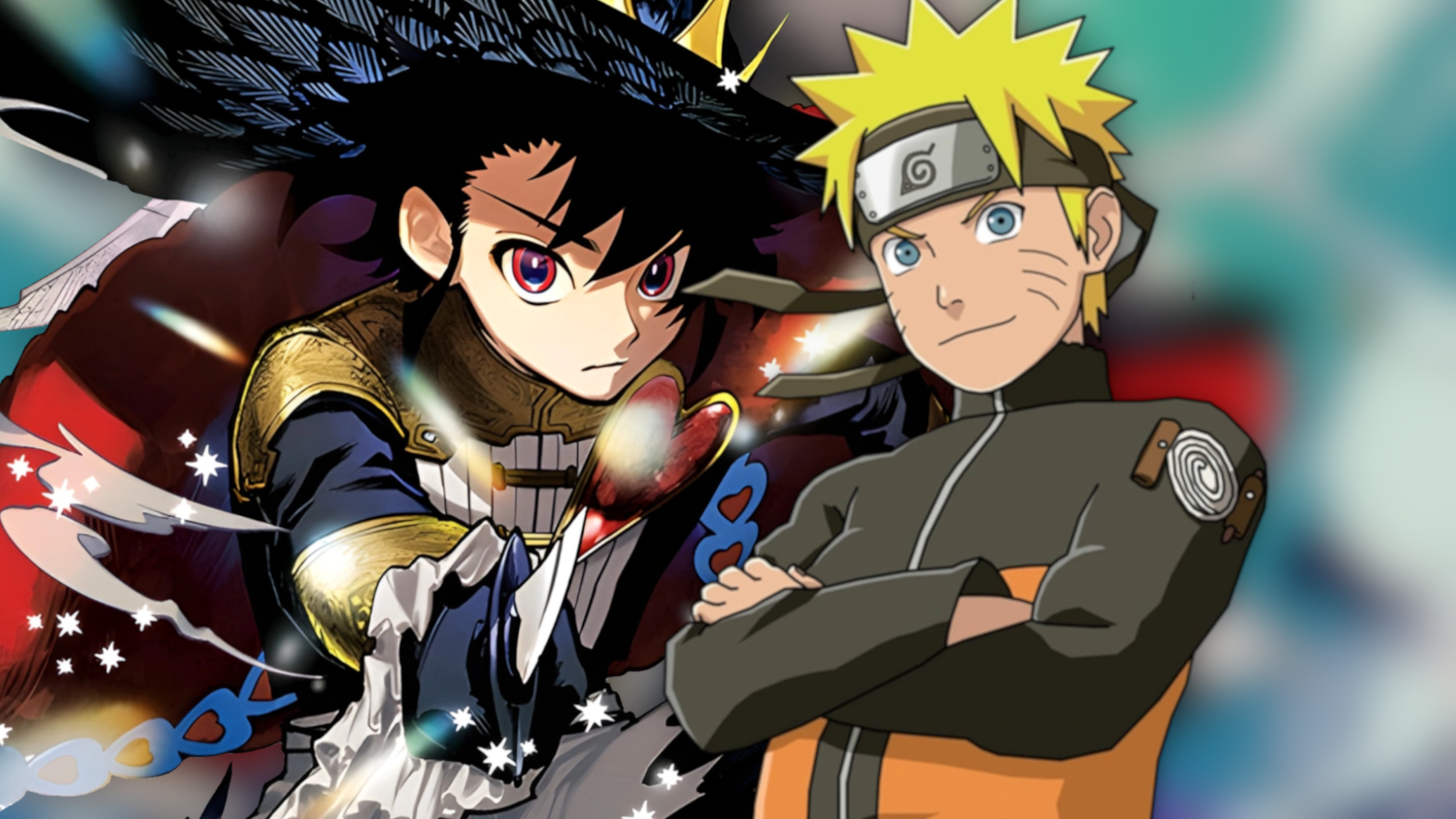
Ichi the Witch,” penned by Osamu Nishi, is rapidly gaining recognition as one of Shonen Jump’s promising new manga series. It seems to be attempting, in a subtle manner, to challenge established giants within the genre. While “Welcome to Demon School, Iruma-Kun!!!” by the same author was well-received for its comedy aspects, it never garnered the level of acclaim that “Ichi the Witch” has received. The latter is shaping up to be a formidable contender for Shonen Jump’s next top battle manga. With its clever blend of humor, shonen elements, creative storytelling, and stunning artwork by Shiro Usazaki (formerly of “Act-Age”), “Ichi the Witch” is not to be missed.
Warning: Spoilers ahead for Ichi the Witch Chapter 42!
In its initial stages, the series titled “Ichi the Witch” is already challenging traditional shonen themes by subtly criticizing them. One convention that might be under fire in this show could be the well-known trope from “Naruto“, known as “Talk-no-Jutsu”, where conflicts are resolved through dialogue and understanding rather than physical violence. Given Ichi’s newly acquired magic that manipulates and transforms emotions, it seems plausible that it could serve as a counterpoint to the “Talk-no-Jutsu” concept.
Ichi the Witch‘s Bakugami Has a Horrifying Power
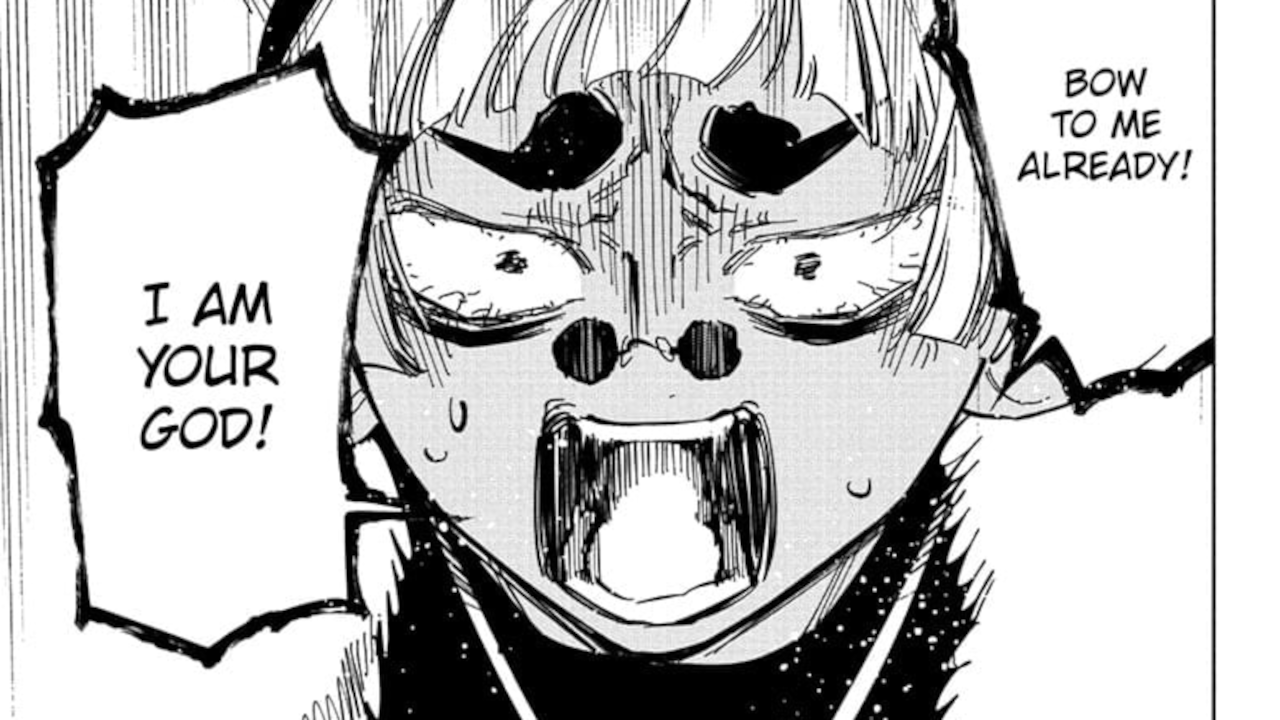
In the latest installments of “Ichi the Witch“, Ichi and his team embarked on a mission to gather a dormant magic called “slumbering majik”. This magical entity was believed to aid Ichi in his impending confrontation with the World-Hater. To everyone’s surprise, the slumbering majik turned out to be a tapir. When embraced, this special tapir alleviated people of their sorrows and burdens. The tapir had played a crucial role in restoring peace in the once-devastated kingdom of Kagami, earning it such reverence that the kingdom was renamed “Bakugami” in its honor, reflecting the tapir’s new status as a deity.
The key point here is that Bakugami’s intentions were clear: he was fixated on the World-Hater and intended to inflict a gruesome massacre upon him. In its humanoid form concealed within a tapir’s snout, Bakugami sought out a struggling nation, aiming to gain their trust, accumulate their sorrows, and then unleash them all at once, overwhelming the people with despair and death.
In their confrontation with Bakugami, the terrifying extent of its power becomes evident, placing a heavy burden of accumulated sadness upon Gokuraku, threatening to strip him of his humanity. However, through some heartwarming displays of camaraderie, Ichi manages to rescue Gokuraku and seize control over Bakugami. The progression of Bakugami’s storyline evokes a strange resemblance to the character development and handling of sorrow in the Naruto series.
Naruto Made Empathy A Nonviolent Weapon
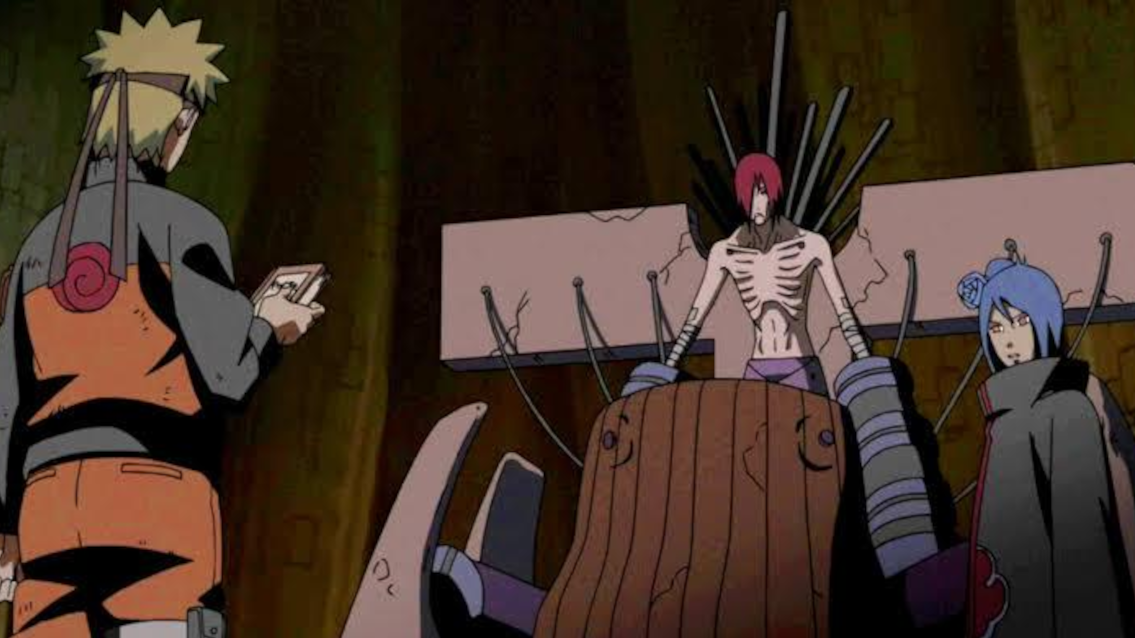
In the anime series Naruto, Masashi Kishimoto consistently aimed to humanize both protagonists and antagonists by revealing their underlying emotional struggles. Often, these characters’ evil actions could be traced back to personal tragedies that drove them down a dark path. For instance, one of the most vicious acts in the series, Pain’s brutal attack on the shinobi world, has a hint of sympathy-inducing background: the difficult lives of war orphans who grew up amidst the debris of a village constantly embroiled in proxy wars. Even the seemingly malevolent character Orochimaru from Naruto, often portrayed as evil for its own sake, is given context through his intellectual pursuits and ultimately undergoes (off-screen) rehabilitation following the Fourth Great Ninja War.
These endeavors are deliberately planned, and they’re clearly demonstrated throughout the series as well as beyond it. For instance, within the series, there’s the Will of Fire’s ideology which emphasizes love and communication as means to achieve peace. And even outside the series, the creator Kishimoto expressed this idea in an interview with French distributor Kana, stating that shonen manga should promote sentimental idealism. Essentially, Naruto is built on a foundation of promoting an idealistic view of humanity in everyone.
Talk? No Jutsu!” represents empathy used as a weapon, while Ichi’s power embodies the destructive force of overwhelming sadness.
Ichi the Witch Might One-Up Talk-No-Jutsu With A Terrifying Twist

It appears that the character Ichi the Witch may potentially challenge Naruto’s ideals, although it seems somewhat unexpected at this point. However, there are hints in the story suggesting a possible future twist where conventional wisdom about communication and salvation might be subverted.
For instance, one piece of evidence is presented more playfully in chapter 9. Ichi’s squad encounters Uruwashi, a shark who undergoes an acquisition trial that involves making her look attractive. Desscaras attempts to outsmart the trial by emphasizing “inner beauty,” arguing that nobody can be beautiful if they’re ugly on the inside.
Laughably, Uruwashi abruptly cuts in and insists she stop with her “didactic, lofty rhetoric.” Although it’s not directly referencing Naruto, there’s a playful echo of one of Shonen Jump’s most acclaimed manga—known for concluding fights with “didactic, lofty rhetoric” and giving birth to a well-known meme.
This evidence aligns with another, focusing on mechanical aspects: in essence, Ichi’s Bakugami doesn’t appear to draw from negative emotions, especially when dealing with magic. Interestingly, all the villains in “Ichi the Witch” have thus far shown resistance towards being tamed or humanized. In fact, they find compassion and empathy offensive. Some characters even lack the potential for humanization, like the World-Hater, who functions as a natural disaster, seemingly designed to destroy and vanish (at least based on what we know so far).
Ever since I learned about Bakugami, I can’t help but wonder how it could aid Ichi in his battle against the World-Hater. At this stage, it’s still unclear how Ichi will utilize Bakugami or what it might look like under his command. For instance, we’ve observed that harnessed negativity doesn’t necessarily need to be weaponized; instead, it could potentially extract a villain’s malevolent emotional drivers without directly attacking them.
When Ichi eventually employs Bakugami, will Uroro’s Ultra Amplification boost the harvesting or deployment of emotions, or both? These questions swirl in my mind as I eagerly anticipate the unfolding events!
From my perspective as an observer, the acquisition of Bakugami by Ichi, the central character in “Ichi the Witch,” has been an intriguing development that seems to have slipped under the radar amidst other notable events. While fans have primarily focused on Gokuraku’s arrival in Chapter 41 and Uroro’s ominous hint of freedom in Chapter 42, the potential consequences of Bakugami have remained largely unaddressed. Given its status as Ichi’s deadliest weapon to date, it appears that whatever plans Ichi has for Bakugami will likely involve minimal dialogue and certainly not any “preachy, idealistic nonsense.
Feel free to share your thoughts on where the character “Ichi the Witch” might utilize Bakugami in future stories. If you’re eager to see evidence of Shonen Jump’s affection for “Ichi the Witch,” simply follow the provided link!
https://comicbook.com/anime/news/shonen-jump-promo-ditches-big-three-one-piece/embed/#
Read More
- The Super Mario Galaxy Movie: 50 Easter Eggs, References & Major Cameos Explained
- All 13 Smash Bros. Characters in the Super Mario Galaxy Movie
- 10 Best Free Games on Steam in 2026, Ranked
- TV legend Carol Kirkwood reveals the reasons why she decided to retire after 28 years with BBC
- Highly Anticipated Strategy RPG Finally Sets Release Date (And It’s Soon)
- Welcome to Demon School! Iruma-kun season 4 release schedule: When are new episodes on Crunchyroll?
- Sydney Sweeney’s The Housemaid 2 Sets Streaming Release Date
- Dune 3 Gets the Huge Update Fans Have Been Waiting For
- Control Resonant’s Hiss and Mold Are “Way More Complex” Than Before (and More Aggressive)
- Why is Tech Jacket gender-swapped in Invincible season 4 and who voices her?
2025-07-25 23:11