
Valve has a unique talent for building anticipation. They often go silent for years, offer no hints, and then surprise everyone with a sequel that completely changes your expectations of what a game can be. For example, Half-Life 2 revolutionized storytelling in first-person shooters, and Team Fortress 2 made multiplayer shooters incredibly engaging and full of hidden details. Playing these two games one after the other makes it clear: they both set the standard for their respective genres.
Let’s talk about Half-Life 3. It’s become the most legendary unreleased game in the industry, and if it ever actually appears, it would be more than just the end of Gordon Freeman’s story. Its release would also put enormous pressure on Valve to finally create Team Fortress 3. Valve has always developed these two games in tandem, using new technology and creative ideas to improve both. If Half-Life 3 were to be a groundbreaking title, Team Fortress 3 would likely have to follow suit and be equally innovative.
How Half-Life and Team Fortress Have Always Evolved Together
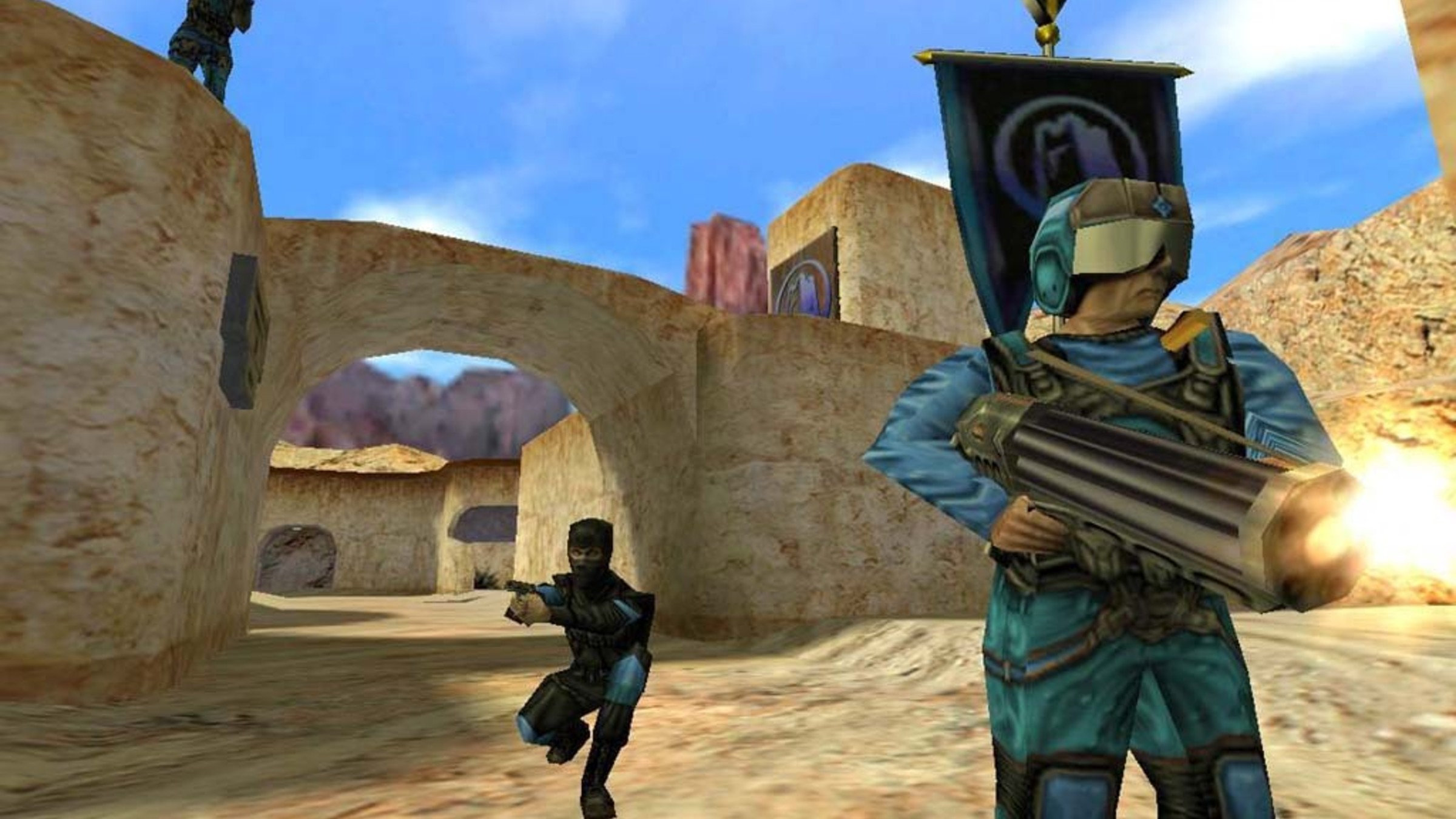
Looking back at the development of these games reveals a clear pattern. Both Half-Life and Team Fortress Classic started as modifications of the Quake engine, and they were more about establishing new ideas than polishing existing ones. Half-Life was groundbreaking for its immersive story, realistic physics, and convincing artificial intelligence. Team Fortress Classic built on Quake’s team-based gameplay by adding distinct character classes, individual roles, and clear multiplayer goals. While neither game was flawless, they both paved the way for significant advancements in the industry.
Man, it took forever, but when the sequels finally came out, they were game-changers. Half-Life 2 just blew everyone away with how it used physics, the smartness of the enemies, and how it told a story – nobody was doing that stuff at that level. Then Team Fortress 2 came along and totally switched gears, going from gritty realism to a really fun, cartoonish style. But it wasn’t just about looks; it completely revamped how classes worked, how you moved, and what you were trying to achieve. It felt like Valve was really pushing boundaries with both games, seeing just how far they could take things without losing what made them special. They weren’t just making games, they were showing everyone how games could actually evolve.
Team Fortress 2’s Art Shift Was the Real Revolution
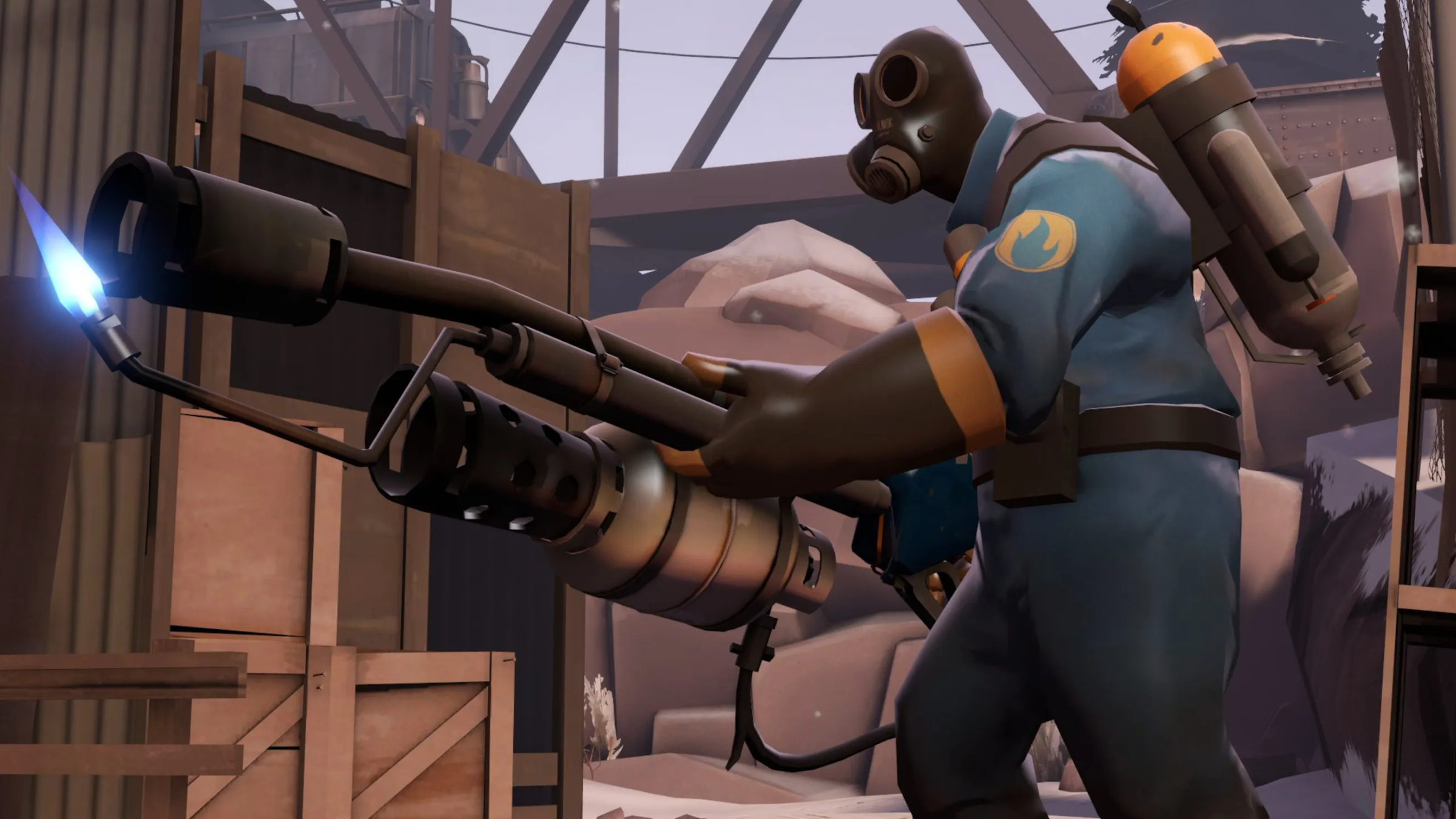
I remember when Team Fortress 2 first came out, and honestly, I didn’t think the art style would be the thing everyone talked about! A lot of us who loved Team Fortress Classic were worried at first, because it was so different. But that bright, colorful look quickly became what defined the game. It was a big risk to move away from the realistic military style to these over-the-top, cartoonish characters, but it totally worked. Not only did it make the game easier to read, but it also gave it a really strong identity that’s lasted for over ten years, and kept updates feeling new and exciting. What’s really cool is how the art style actually changed how the game played. Each class felt unique, every map felt like a set piece, and every match just felt… dynamic, like a cartoon come to life. TF2 really proved how much a game’s art style can impact how we actually experience it.
This change in approach was similar to how Valve handled the physics and gameplay of Half-Life 2. The art style allowed Team Fortress 2 to expand and improve without losing what made it special, much like the Half-Life 2 engine and scripting enabled more detailed and complex game worlds. In retrospect, it’s obvious that Valve views sequels as opportunities for innovation. They’re willing to try new things and deviate from established patterns, but always while staying true to the core elements that fans love. This approach naturally leads to speculation about what Half-Life 3—and, by extension, Team Fortress 3—might be like.
If Half-Life 3 Redefines the Formula, Team Fortress 3 Would Have to Follow
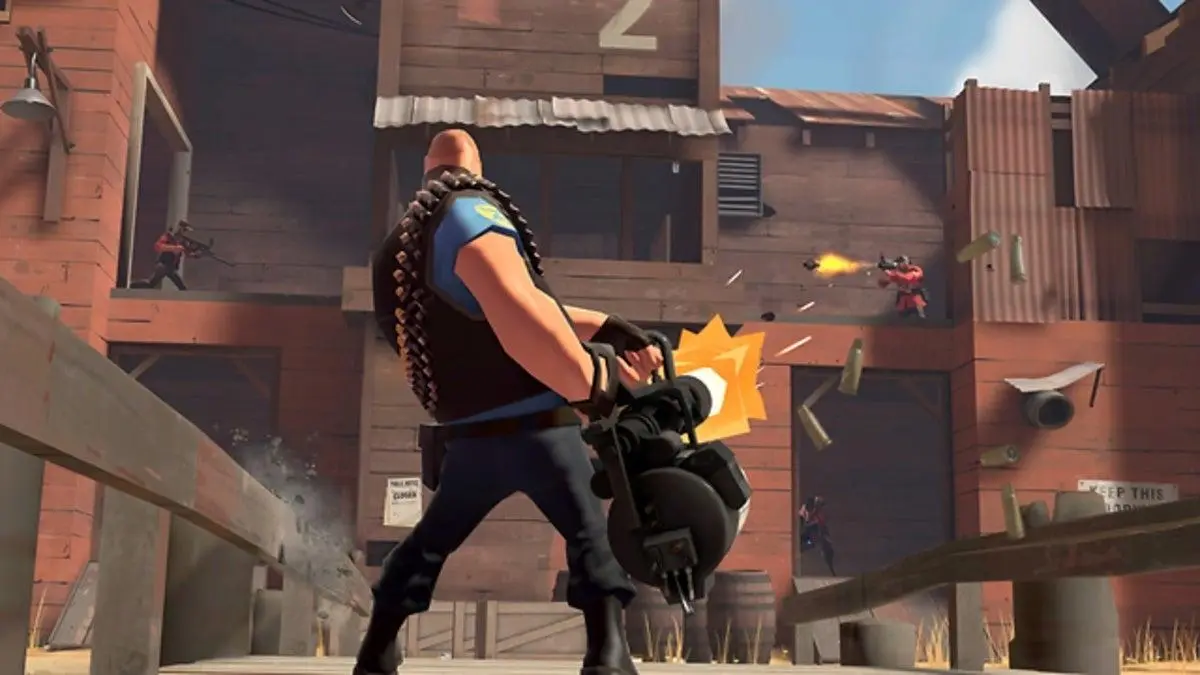
The big question is: what if Half-Life 3 actually comes out and changes everything? Valve has always made sure that when one of their major series takes a big step forward, the others do too. If Half-Life 3 is a massive hit, Team Fortress 3 can’t be a simple, underwhelming follow-up. It would need to be just as ambitious, break its own established norms, and prove it’s on the same level as a game that’s once again revolutionized the industry. TF3 would have to evolve its gameplay alongside HL3, or it risks feeling old-fashioned. Players would expect the same innovation, willingness to experiment with core gameplay, and high quality that made TF2 feel groundbreaking when it was released.
It’s increasingly clear that Half-Life and Team Fortress have grown up together. Half-Life has always focused on a strong narrative, while Team Fortress has been about fun, multiplayer action. Valve seems to develop them as connected projects, where progress in one series pushes the other to improve. If Half-Life 3 is ever released, it won’t just satisfy fans who have been waiting a long time – it will also challenge Team Fortress 3 to be just as innovative and ambitious as the original Team Fortress 2 was. As a longtime player of both games, I’m really excited about the possibilities.
What do you think? Leave a comment below and join the conversation now in the ComicBook Forum!
Read More
- What Song Is In The New Supergirl Trailer (& What It Means For The DC Movie)
- TV legend Carol Kirkwood reveals the reasons why she decided to retire after 28 years with BBC
- Highly Anticipated Strategy RPG Finally Sets Release Date (And It’s Soon)
- Dune 3 Gets the Huge Update Fans Have Been Waiting For
- 10 New Spring 2026 Anime Sequels to Watch This April (Ranked By Hype Level)
- Unforgotten legend Nicola Walker stars in first look at all-new “outrageously witty” comedy drama series
- The Most Surreal Moments From the O.J. Simpson Murder Trial
- The Super Mario Galaxy Movie: 50 Easter Eggs, References & Major Cameos Explained
- Crimson Desert – 15 Things I Wish I Knew Before Diving In
- New Pokemon Go Event Gives Players A Shot At 11 Rare Shiny Pokemon (With Boosted Odds)
2026-02-03 23:10