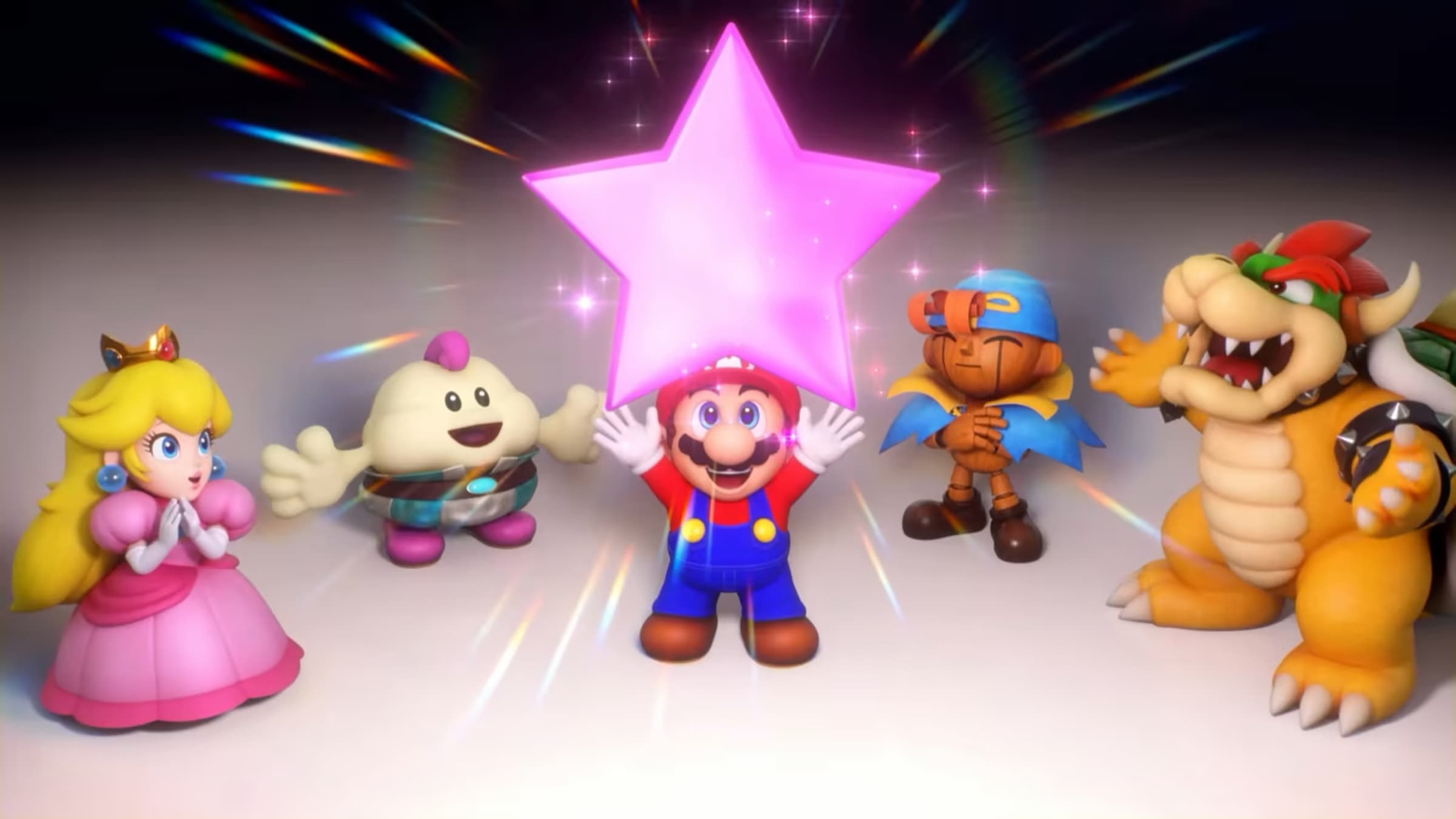
Square Enix is a leading game developer and publisher today, but it started as simply Square. The company dramatically reshaped role-playing games with Final Fantasy VII. Before that, it was already famous for fantastic titles, including Final Fantasy VI, which many consider to be one of its greatest Japanese role-playing games ever. Nintendo was also a major player, renowned for its classic franchises like The Legend of Zelda and Super Mario Bros., as well as its gaming consoles. Much to the delight (and surprise) of fans, these two companies teamed up for an unusual project that became not only the most unique Mario game, but also a beloved cult classic.
Super Mario RPG was a completely fresh experience for fans. It moved away from the typical running, jumping, and Goomba-stomping gameplay. Instead, it introduced new and intricate mechanics, alongside both well-known and brand-new characters. This turn-based RPG played similarly to Final Fantasy, but was set in the Super Mario universe, effectively blending the strengths of both Square and Nintendo into a truly amazing game.
Nintendo & Square, A Collaboration No One Saw Coming
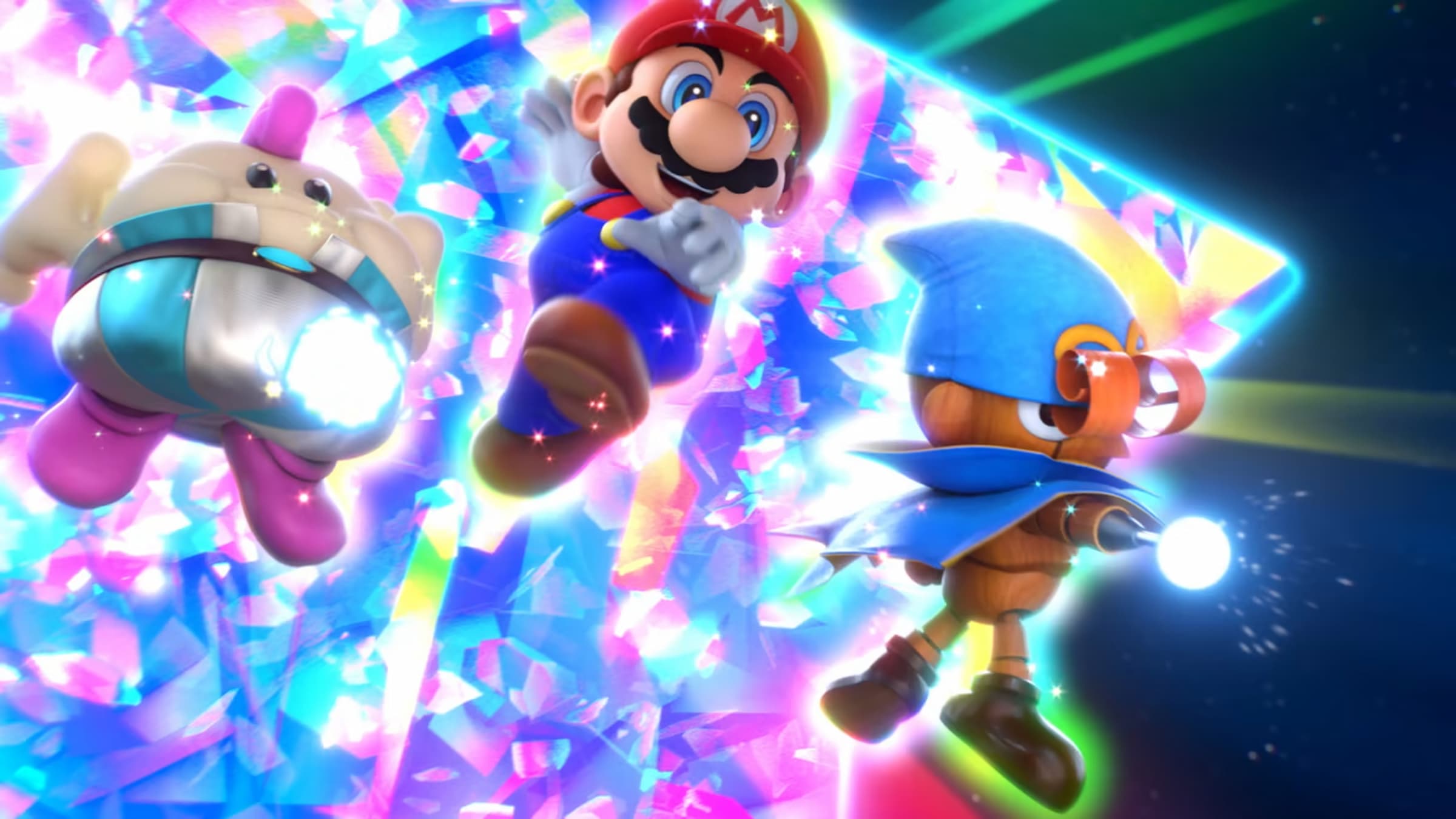
Super Mario RPG came out in 1996, fitting in between Final Fantasy VI and Final Fantasy VII. It was the last Mario game for the SNES and one of Square’s final titles before moving to PlayStation. This team-up between the two companies felt unusual at the time, but now it seems logical. As the SNES was reaching the end of its lifespan, both companies were able to really maximize the console’s capabilities and create one of the platform’s most outstanding and original games.
You could see influences from both Nintendo and Square. Nintendo’s signature style was clear in the characters and world, especially with the well-known Mario and his friends. However, the game offered much more depth, thanks to Square’s experience with RPGs and storytelling. Players weren’t simply running from left to right to save Peach; they could freely explore a larger Mushroom Kingdom. This version included towns, new characters to team up with, memorable enemies, and a variety of quests – things Nintendo fans hadn’t typically seen, but were standard in Square’s titles. On paper, blending Nintendo’s lightheartedness with Square’s intricate gameplay seemed unlikely to succeed, but it worked brilliantly and continues to be celebrated as a classic today.
What Made Super Mario RPG So Different

Okay, so unlike most Mario games I’d played, Super Mario RPG did things a little differently – it had a turn-based battle system. Basically, I picked commands for Mario and whoever was on my team, kinda like in a Final Fantasy game. But here’s the cool part: it wasn’t just about picking the right move. It was a big departure for Square, because you actually had to *time* your button presses! If I hit them at just the right moment, I could deal more damage or take less – it was awesome! It really blended the strategy of Final Fantasy with the quick reactions you need in Super Mario Bros., and honestly, it felt like the best of both worlds. It was a really fresh take on RPG battles.
The game was special in many ways, not just how it played. It was visually appealing and beautifully designed, using a slightly more mature color scheme. The unique angled viewpoint and pre-rendered images gave Mario’s world a fresh, distinctive style, borrowing ideas from both Square and Nintendo. Places like Nimbus Land and Booster Tower felt much larger than in other Super Mario RPG games. This was all enhanced by Square’s fantastic music, which blended the cheerful sounds of Mario with the feel of RPG soundtracks.
Initially, Super Mario RPG appeared to be a risky move, but it turned out to be a remarkably successful new direction for the series. It proved that Mario could thrive in a genre beyond traditional platforming and paved the way for many more spin-off titles. The game’s surprisingly deep story, unique sense of humor, and satisfying gameplay mechanics revealed a charming side of the Mushroom Kingdom that captivated me and countless other players.
The Lasting Legacy of a Cult Classic
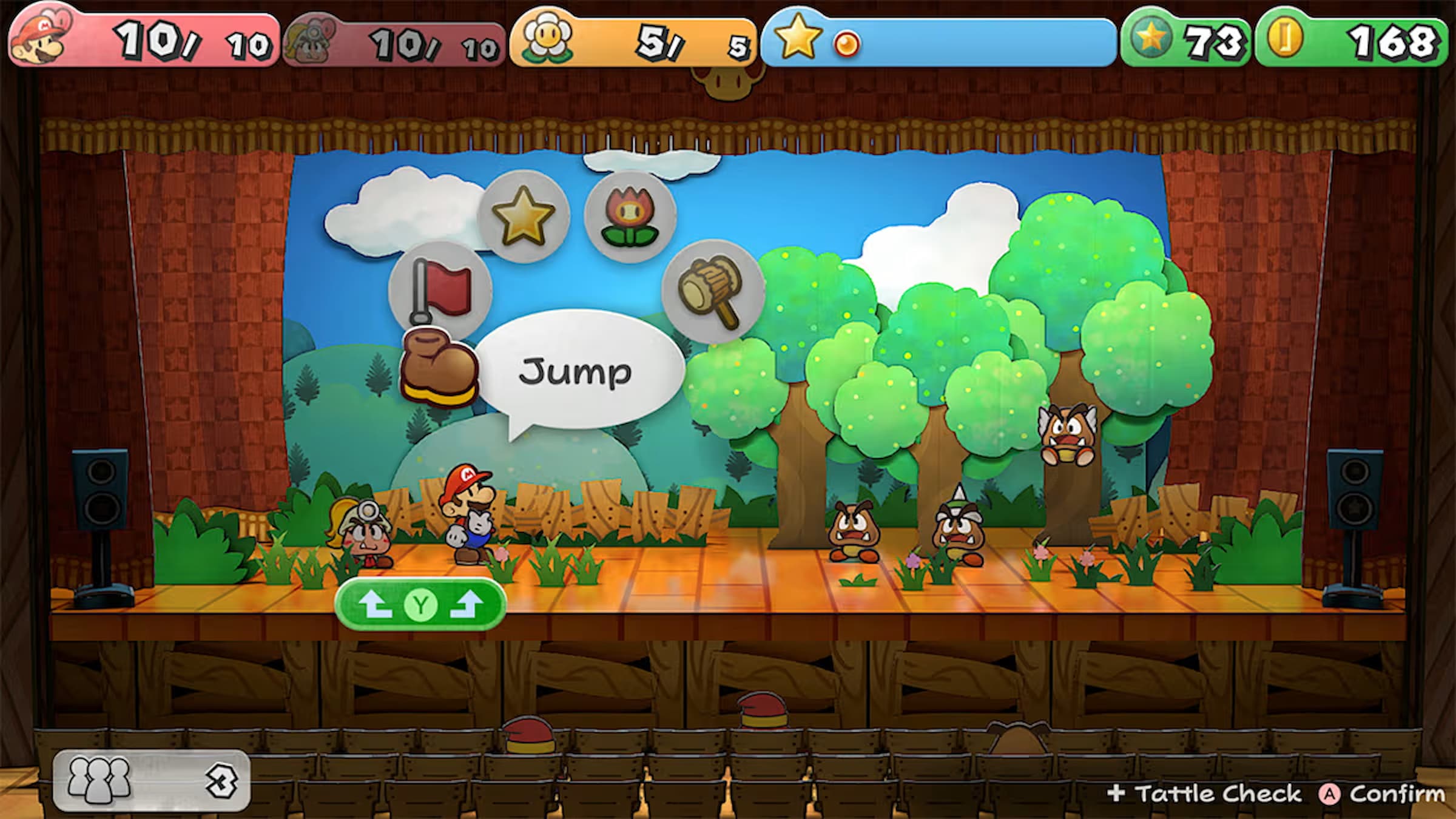
Super Mario RPG was a huge hit for both Nintendo and Square. Although it didn’t get a direct sequel, Paper Mario and Paper Mario: The Thousand-Year Door followed, acting as spiritual successors. These games expanded upon the original’s ideas while also developing their own unique style. Characters like Geno and Mallow quickly became popular with fans and influenced companion characters in later titles. The Mario & Luigi series built on this even more, with a greater focus on Mario and his brother. If it weren’t for the strong characters and timing-focused battles in Super Mario RPG, Nintendo’s games would likely be quite different today.
Eventually, Nintendo and Square parted ways when Square made a new agreement with Sony, effectively ending the development of Super Mario RPG. Today, the game isn’t just seen as unusual; it’s considered a significant milestone in gaming. It showed that Nintendo’s main game series could explore new possibilities. Much later, a remake allowed long-time fans to revisit the world and introduced it to new players who first experienced Paper Mario or a more recent title.
Square, now Square Enix, is still revisiting its beloved classic role-playing games, and Nintendo has been doing the same. It makes me think about what might have happened if Nintendo and Square had kept working together. Perhaps we would have finally seen a real Super Mario RPG sequel. Maybe characters like Geno and Mallow would be officially part of the story. Unfortunately, we can only imagine these possibilities, but Super Mario RPG is still one of my most cherished games and truly stands out as one of the most original ever made.
What do you think? Leave a comment below and join the conversation now in the ComicBook Forum!
Read More
- What Song Is In The New Supergirl Trailer (& What It Means For The DC Movie)
- Highly Anticipated Strategy RPG Finally Sets Release Date (And It’s Soon)
- TV legend Carol Kirkwood reveals the reasons why she decided to retire after 28 years with BBC
- Why is Tech Jacket gender-swapped in Invincible season 4 and who voices her?
- The Super Mario Galaxy Movie: 50 Easter Eggs, References & Major Cameos Explained
- Sydney Sweeney’s The Housemaid 2 Sets Streaming Release Date
- Welcome to Demon School! Iruma-kun season 4 release schedule: When are new episodes on Crunchyroll?
- Dune 3 Gets the Huge Update Fans Have Been Waiting For
- Starfield PS5 Won’t Play Off Physical Disc without a Download
- The Biggest Week In Geek TV Officially Starts Today (What to Watch, When and Where)
2025-10-01 23:17