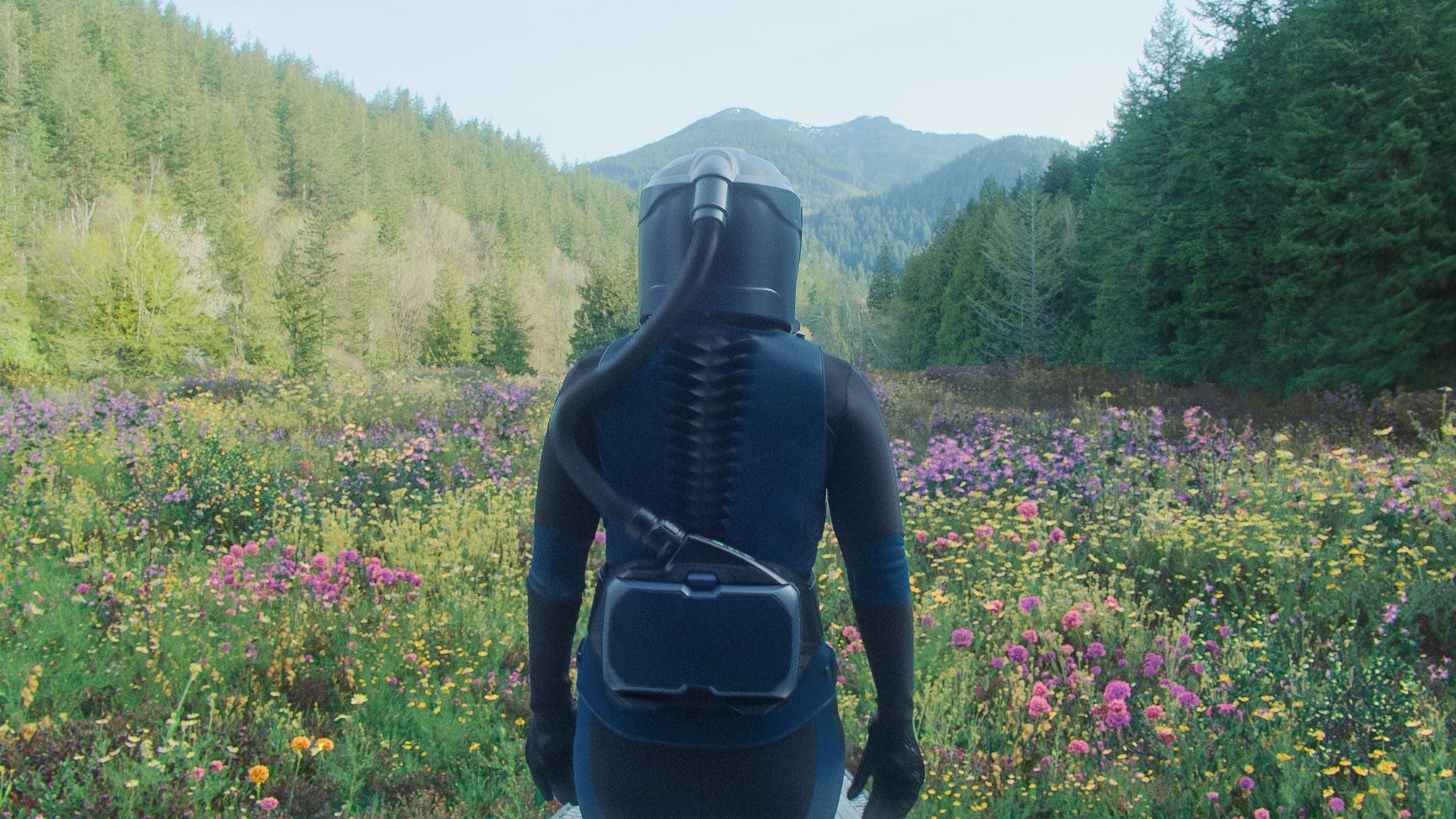
In the Blink of an Eye suffers from prioritizing its message over a compelling narrative and well-developed characters. The film jumps across vast stretches of time to emphasize a central idea, but traditional storytelling techniques are largely ignored. That idea—that everything in the universe is interconnected—will feel familiar to those who have read Paulo Coelho’s The Alchemist, enjoyed Terrence Malick’s The Tree of Life, or were moved by the trailer for Cloud Atlas.
The film falls short when it comes to connecting with the audience on an emotional level. While Rashida Jones and Kate McKinnon are the leads, they don’t quite bring the depth needed to make their somewhat underdeveloped characters truly resonate. These characters mainly exist to express the idea that life’s beauty isn’t diminished by death—it’s actually enhanced by it.
Andrew Stanton, the creative force behind gems like WALL-E and much of the Toy Story franchise, returns with In the Blink of an Eye. It’s a project that feels… perplexing, especially considering his last foray into live-action, John Carter, was a major misstep. He took on Colby Day’s script, a Black List selection brimming with philosophical ideas, and honestly, it just doesn’t work. What should be profound feels hollow, and moments aiming for wonder fall flat. It’s a real shame because you can tell Stanton had good intentions, but good intentions aren’t enough. It reminds me a little too much of Gal Gadot’s Imagine cover – well-meaning, sure, but ultimately… disappointing. He’s a visual storyteller at heart, and this script simply doesn’t translate that strength to live-action.
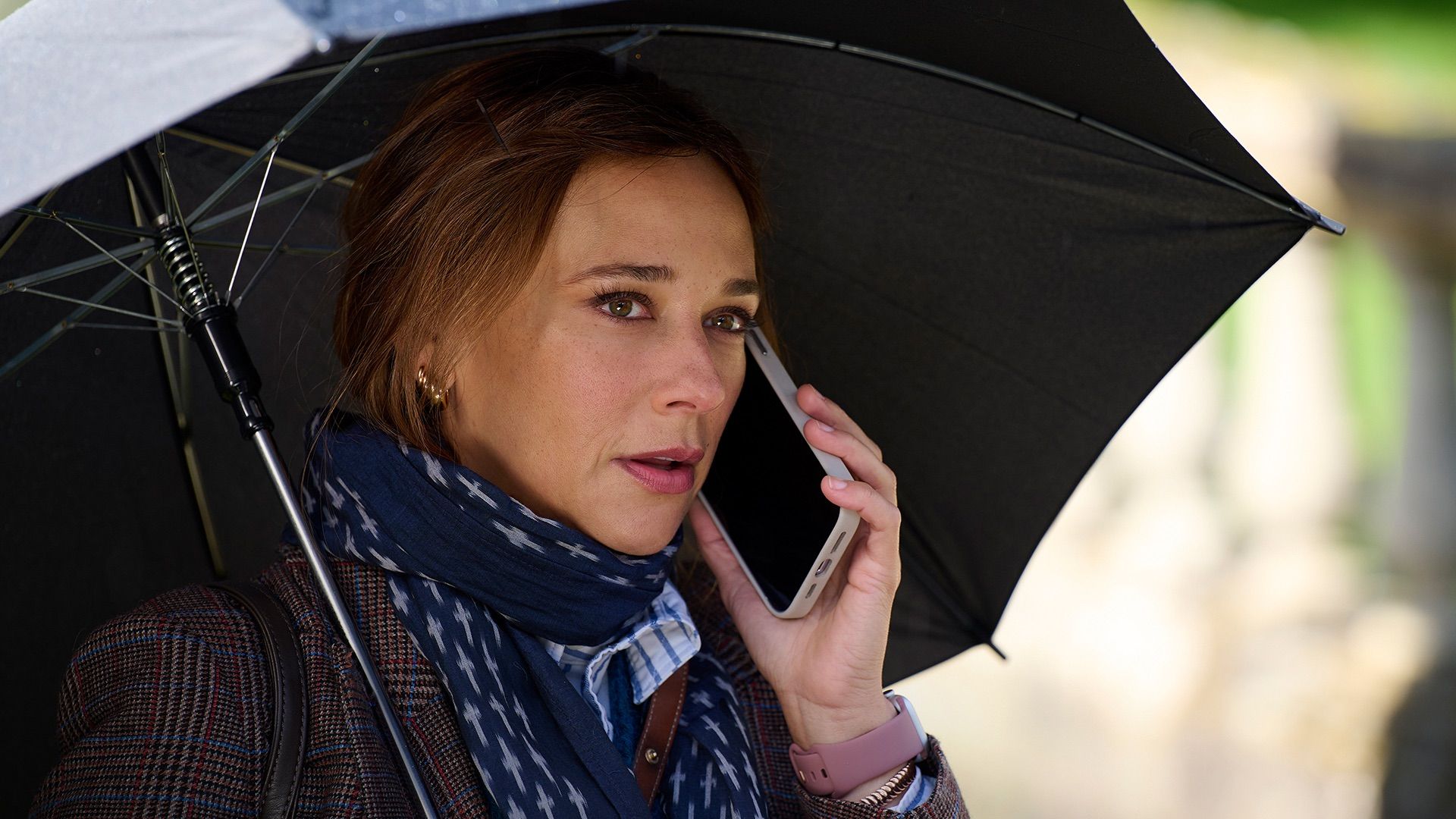
A film that starts with yet another depiction of the Big Bang and a quote from Sylvia Plath isn’t likely to be a comedy. And this one, directed by Stanton, doesn’t shy away from that expectation. It immediately transports us back to 45,000 BCE, where we meet a Neanderthal family grappling with basic needs and feelings that resonate through the ages – including the urge to reproduce. When Thorn and his partner Hera begin a family, the film uses a clever editing technique to show the connection between their experience and our own, jumping forward to 2025 and the chilly bedroom of anthropologist Claire Robertson. She rejects the advances of Greg, played naturally by Daveed Diggs, highlighting the enduring complexities of human connection.
20th Century Studios
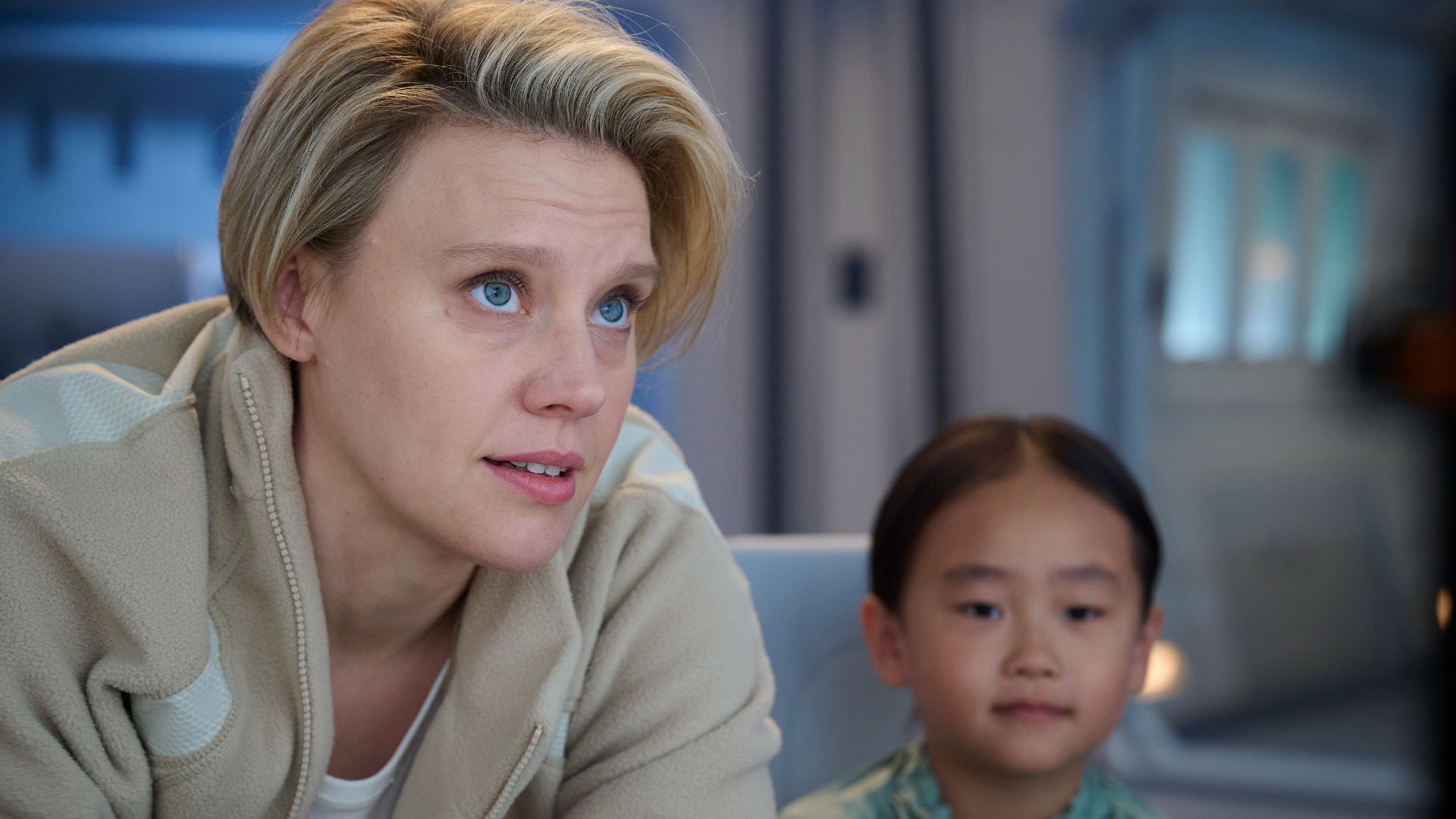
The story then jumps to the year 2417, where pilot Coakley (McKinnon), who has been kept alive through advanced technology, is talking to ROSCOE (Rhona Rees), her AI companion. They’ve been traveling for 200 years on a mission to deliver human embryos to the planet Kepler-16b, hoping to save humanity from extinction.
Stanton attempts to cover 45,000 years of human history in just 94 minutes, primarily using clever editing to link the three narratives. He highlights parallels between the stories – for example, when a character’s mother is diagnosed with cancer, similar crises happen in the others, and when one character joins a new community, it’s mirrored by changes in the lives of the other two. While this technique is initially effective, it feels superficial when it doesn’t connect with the audience on an emotional level. The film also relies heavily on obvious symbolism, like an acorn representing growth and potential, which appears throughout all time periods, feeling heavy-handed and unsubtle.
20th Century Studios
Honestly, I struggled to connect with any of the storylines in this film. The characters just felt…flat. The anthropologist, played by Jones, wasn’t convincing, and her romance with Diggs’ character felt like something you’d stumble across on a basic cable channel – seriously, it felt that predictable. And McKinnon, who is usually hilarious, felt totally miscast. She’s normally so quick with a joke, it felt like she was about to break character, and she just couldn’t capture the weight of her character’s lonely, important mission. That mission, thankfully, was somewhat engaging – the plot thickens when a plant infestation threatens the oxygen supply on the spacecraft, forcing the crew to consider a heartbreaking sacrifice to reach Kepler-16b. That part, at least, had me hooked.
Subscribe for sharper film criticism and movie analysis
Join the newsletter for sharper film criticism: deeper reviews, director analysis, and cinematic context that will sharpen how you watch movies. Subscribe for more thoughtful takes on storytelling, theme, and filmmaking craft.
While well-meaning and beautifully presented, In the Blink of an Eye doesn’t quite succeed as a film. It attempts to explore the universal aspects of being human, but its arguments feel overly sentimental and lack depth, making it ultimately unpersuasive. Even a gentle score by Thomas Newman can’t evoke much emotion. Still, it’s admirable that director Stanton aimed for something ambitious and heartfelt, rather than relying on empty blockbuster formulas like he did with John Carter. It’s a bit surprising, though, that a filmmaker so skilled at portraying human emotions in animation couldn’t connect with audiences on such a personal story.
Read More
- The Super Mario Galaxy Movie: 50 Easter Eggs, References & Major Cameos Explained
- 10 Best Free Games on Steam in 2026, Ranked
- All 13 Smash Bros. Characters in the Super Mario Galaxy Movie
- Sydney Sweeney’s The Housemaid 2 Sets Streaming Release Date
- Dune 3 Gets the Huge Update Fans Have Been Waiting For
- Why is Tech Jacket gender-swapped in Invincible season 4 and who voices her?
- Control Resonant’s Hiss and Mold Are “Way More Complex” Than Before (and More Aggressive)
- Welcome to Demon School! Iruma-kun season 4 release schedule: When are new episodes on Crunchyroll?
- TV legend Carol Kirkwood reveals the reasons why she decided to retire after 28 years with BBC
- Highly Anticipated Strategy RPG Finally Sets Release Date (And It’s Soon)
2026-02-26 01:22