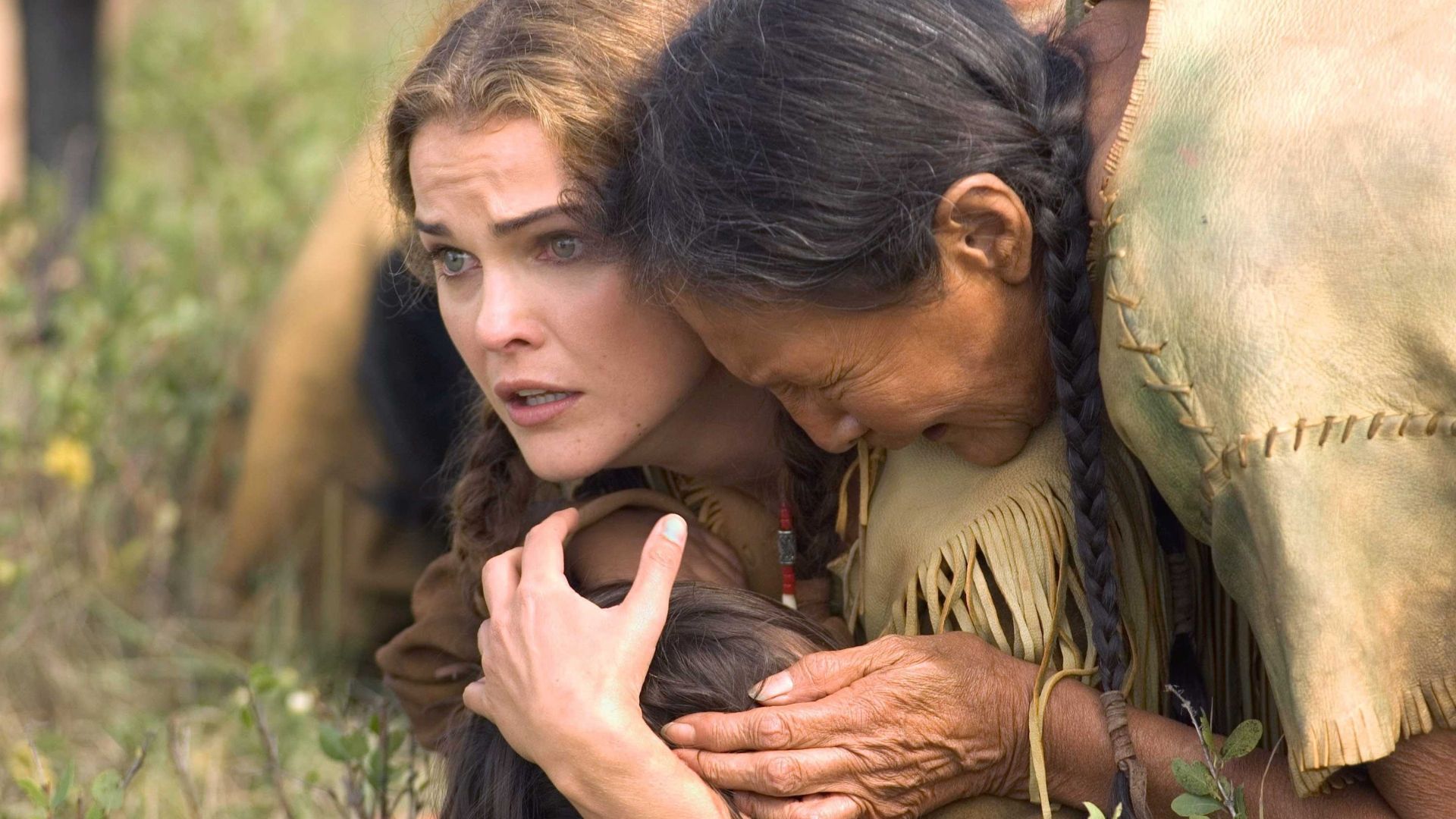
Steven Spielberg is known for directing many kinds of films – war stories, science fiction adventures, historical dramas, and huge blockbuster hits that shaped filmmaking for years. Surprisingly, he’s never actually directed a Western. However, in 2005, he came very close with a six-part miniseries called Into the West. Spielberg served as an executive producer for the TNT show, and it shares many qualities with his most famous films: a grand scale, attention to historical detail, emotional storytelling, and a large ensemble cast. Despite all this, it remains largely unknown to audiences, even 21 years after its release.
If you’re looking for something truly memorable to watch over a weekend, look no further than Into the West. Each of its twelve-hour story’s episodes are two hours long, and it tackles a weighty topic with impressive depth and confidence. Spielberg’s series is a perfect choice and easily deserves a 10/10 rating.
Why ‘Into the West’ Deserves More Recognition Than It Gets
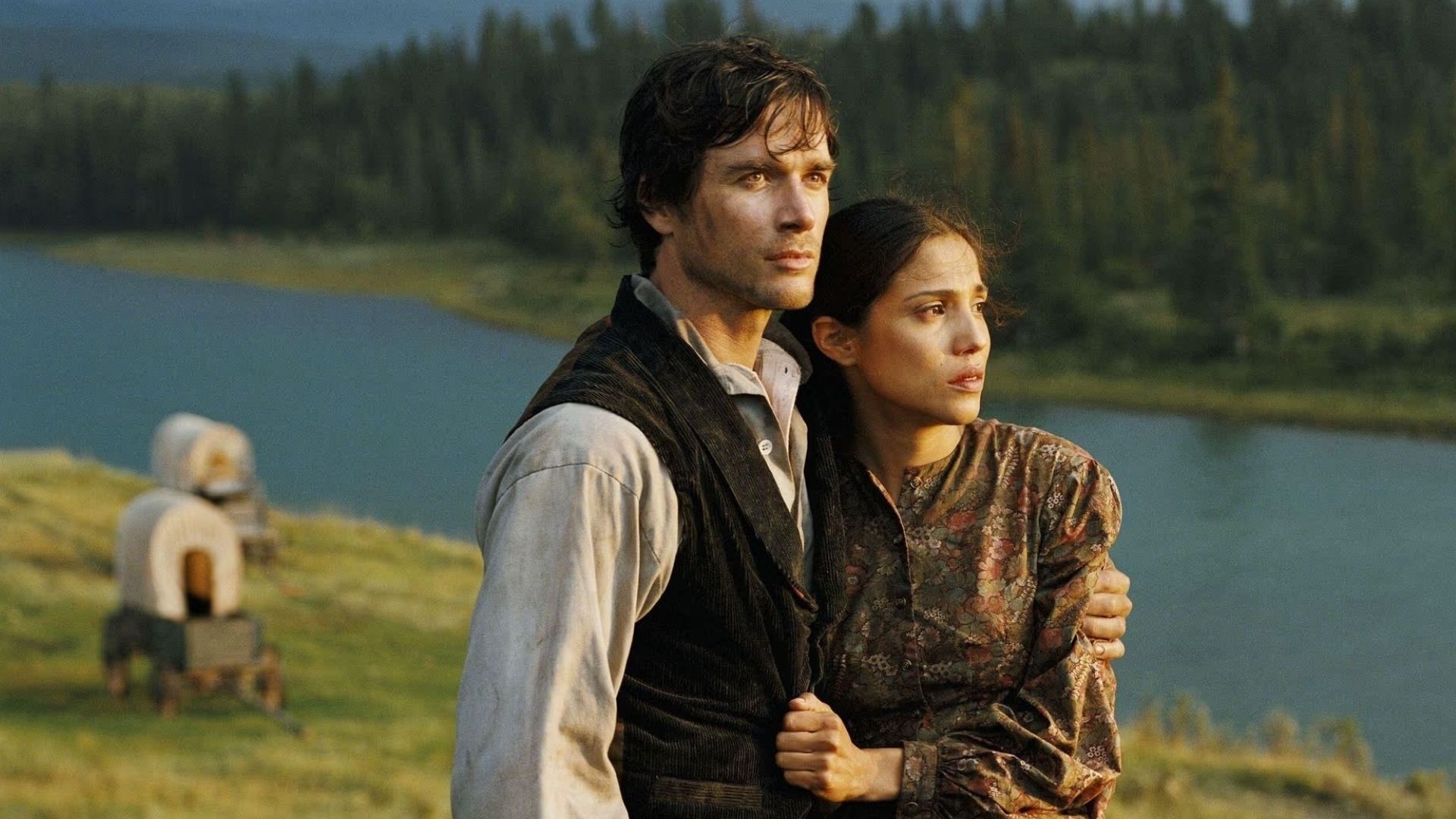
The television series Into the West premiered on TNT in the summer of 2005. It tells the story of two families – the Wheelers, a family of white American settlers, and Loved by the Buffalo’s Lakota family – and how their lives connect over 65 years as the United States expanded westward, from 1825 to 1890. The series depicts key historical events like the California Gold Rush, the Mexican-American War, the Battle of the Little Bighorn, and the impact of Indian boarding schools. These events aren’t just settings for the story; they are the story.
The show features a strong cast including Josh Brolin, Keri Russell, Gil Birmingham, Zahn McClarnon, Beau Bridges, and Lance Henriksen, with over 200 actors having speaking roles. Importantly, the Lakota characters are portrayed by Indigenous actors who perform in their native language, with subtitles provided for viewers. This commitment to authenticity greatly enhances the Western’s realism. As Matthew Settle put it at the time:
Most Westerns focus on a clear distinction between heroes and villains, and that’s perfectly fine. However, what I appreciate about Into the West is that it explores all aspects of our history and portrays Native Americans as complex people, rather than simple stereotypes.
Released in 2006, the Western miniseries Into the West received significant critical acclaim and numerous awards. It was nominated for 16 Primetime Emmys, winning two, and also earned a Golden Globe nomination. Praised for its detailed historical accuracy, the series won nine awards from the Online Film & Television Association, including Best Miniseries. Despite this success, it remains relatively unknown today.
The miniseries successfully weaves together two viewpoints over its 12-hour runtime. If viewed solely as the story of the settlers, it would feel like a typical Western. Focusing only on the Lakota perspective would be powerfully sad, but wouldn’t give the full picture. It’s the way the two stories run alongside each other, making each more complex, that truly makes the show special. Both the Lakota and the Wheeler families are shown struggling with an impossible situation. Achieving this balance is difficult, but Into the West handles it exceptionally well.
The Western Spielberg Never Made (& Why It Will Be Worth Watching)
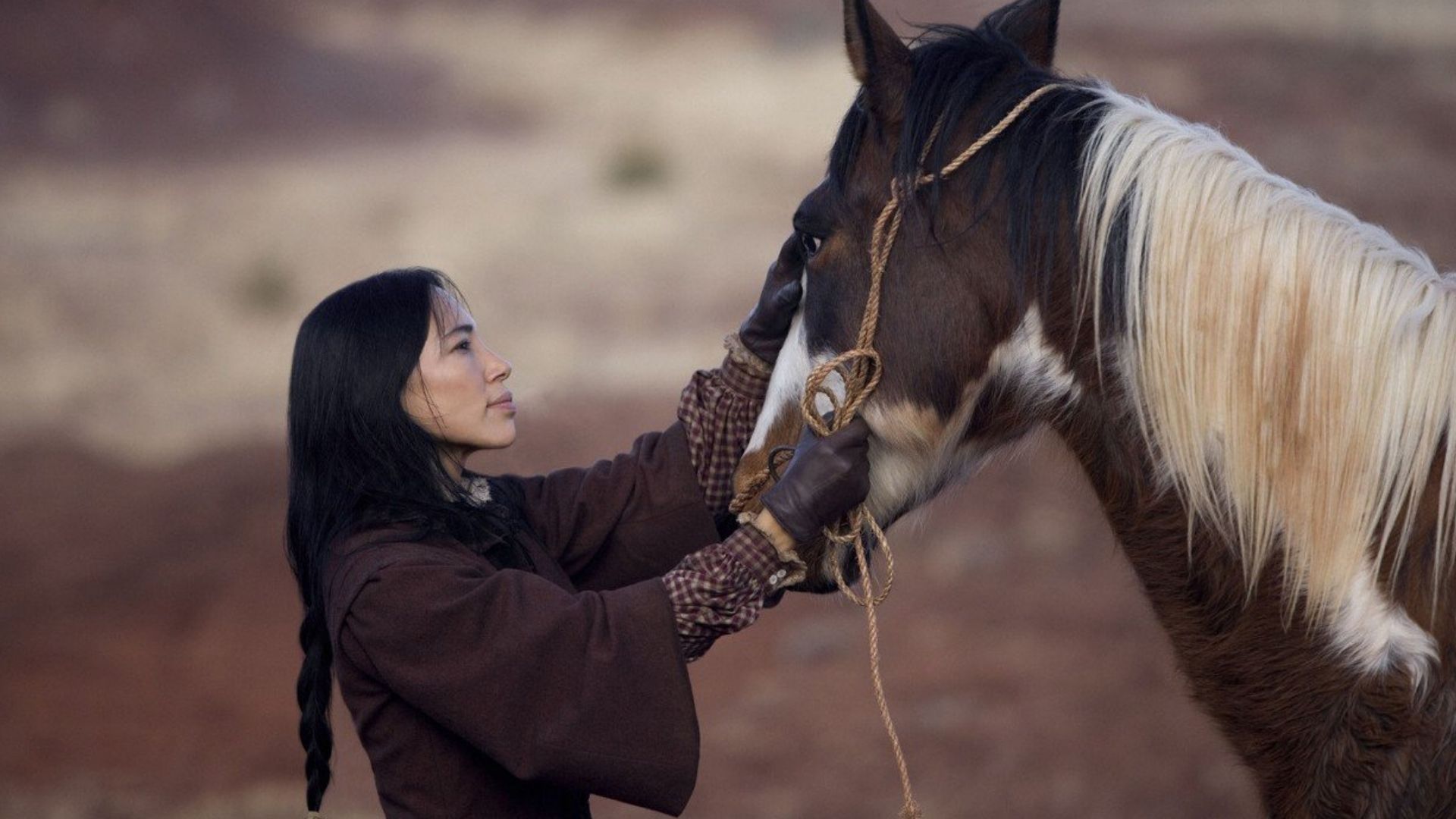
Though Steven Spielberg loves Westerns and has produced many, he’s never actually directed one himself – a surprising gap in his impressive career. After seeing Into the West, it feels like a chance he should have taken, as it’s the closest he’s come to making a true Western, even though he wasn’t the director.
Steven Spielberg has a long-standing connection to Westerns, even though he isn’t always directly credited with directing them. Currently, he’s an executive producer on the Apple TV+ series Cape Fear alongside Martin Scorsese – a project with an interesting history. Spielberg originally developed the idea for Cape Fear in 1991 but traded it to Scorsese in exchange for Schindler’s List. The two directors essentially swapped projects after realizing they were stuck on their current films at Universal. Spielberg was eager to win his first directing Oscar, while Scorsese needed a commercially successful movie. This trade proved pivotal for both of their careers. The film Into the West hints that if Spielberg had applied the same level of passion to a Western, he could have created a similarly impactful film.
We can imagine what a Western directed by Steven Spielberg might be like. For now, the film Into the West gives us the best idea of why such a movie would be worth seeing.
Read More
- What Song Is In The New Supergirl Trailer (& What It Means For The DC Movie)
- After 13 Years, Someone Earned One of the Hardest Achievement Trophies in Gaming
- Eurogamer Gives ARC Raiders 2/5 Over AI Voices, Dropping Metacritic Score from 94 to 84
- Designing Magnetism with Molecular Architecture
- Crimson Desert – 15 Things I Wish I Knew Before Diving In
- New Pokemon Go Event Gives Players A Shot At 11 Rare Shiny Pokemon (With Boosted Odds)
- The Most Surreal Moments From the O.J. Simpson Murder Trial
- New Open-World “AAAA” Game Coming From Tomb Raider Developer
- TV legend Carol Kirkwood reveals the reasons why she decided to retire after 28 years with BBC
- After Stranger Things’ Conformity Gate Crashed Netflix, Here’s What The Ending SHOULD Have Been
2026-04-05 00:33