
The recent death of Iran’s Supreme Leader in a military strike has revealed a significant disagreement within global arts and culture. It highlights the difference between how political issues are viewed by activists in places like Hollywood, and how they are experienced by those who have actually lived under oppressive governments. Many Iranian filmmakers, artists, and activists responded to the news with joy, hope, and a cautious belief that the Islamic Republic’s long reign might be coming to an end.
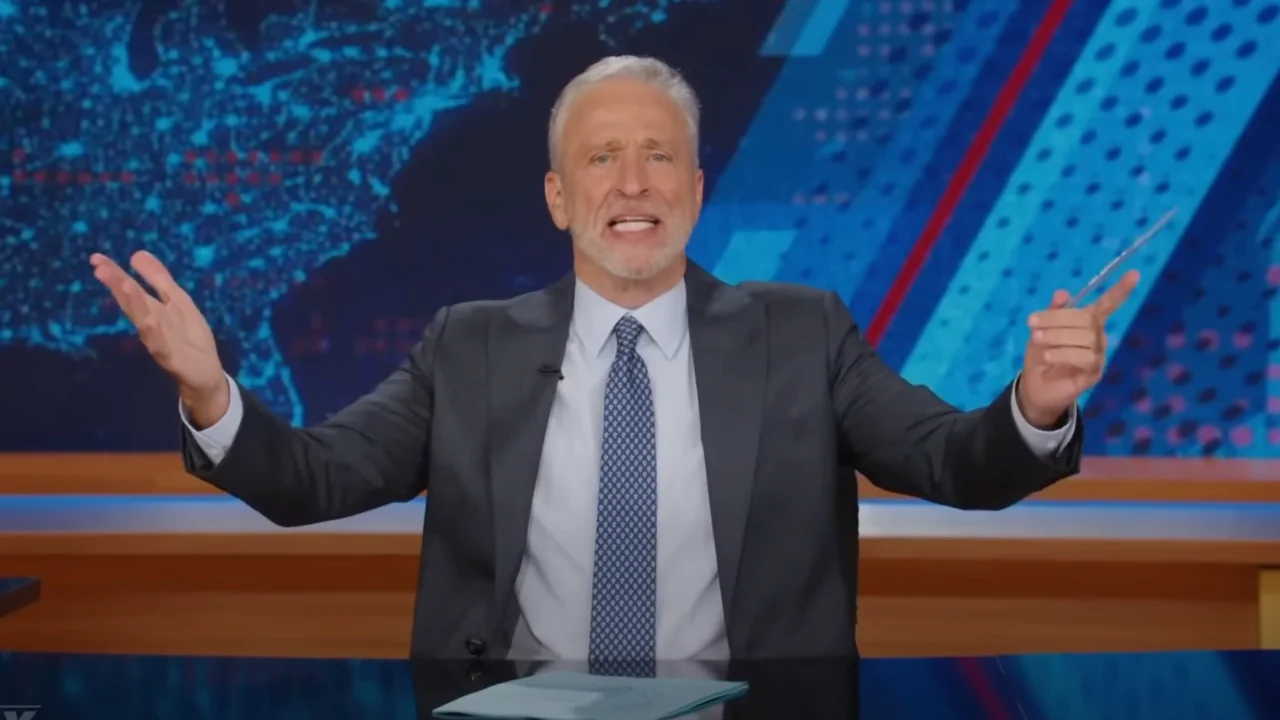
In the United States, many well-known actors and TV personalities – including Mark Ruffalo, Rosie O’Donnell, Cynthia Nixon, and the hosts of most late-night shows – immediately criticized the operation. They warned it could worsen the situation, called the decision a dangerous move in foreign policy, and used it as another opportunity to criticize President Trump.
The difference in these reactions highlights a difficult truth for the American entertainment world: people who are directly impacted by the Iranian government frequently have a different perspective than those advocating for them.
Iranian Filmmakers and Dissidents React With Relief
Among Iranians living outside of Iran – especially those creative professionals like filmmakers, writers, and artists who left due to censorship and political oppression – the response to the strike wasn’t what many Western viewers anticipated.
For Iranian artists and creatives who had to leave their homeland due to censorship or mistreatment, the current government has always been seen as the main obstacle to artistic expression.
For decades, the Iranian film industry has faced heavy government control. Filmmakers must follow strict guidelines, and their scripts are often censored. Those who challenge these rules can experience harassment, imprisonment, or forced exile.
I wasn’t shocked to learn that many Iranian filmmakers and artists who now live outside of Iran didn’t respond with anger to the news. Instead, they seemed cautiously hopeful – a reaction that really resonated with me.
For these people, the decline of the government isn’t just a political shift – it’s a possible chance for the freedom their country has long been without, something Hollywood often misses when telling their stories.
Hollywood’s Familiar Response
At the same time, American entertainment figures quickly moved to criticize the strike.
Celebrities – including actors, musicians, and hosts from late-night TV – used social media and their shows to portray the action as a risky move that could make things worse. Some worried it might lead to a wider conflict or derail efforts to find a peaceful resolution.
This response follows a trend seen more and more often with Hollywood celebrities. For many years, prominent people in the entertainment industry have consistently opposed getting involved in international conflicts, often criticizing U.S. military operations, especially those started by the Trump administration.
I think a lot of the strong pushback we’re seeing probably comes from a real worry about war and things falling apart. Honestly, some of it also feels like it’s just political – people are still reacting to past events. But what really strikes me is that it seems like we’re missing something important, overlooking a key part of the picture.
The Same Disconnect Played Out in Venezuela
This situation isn’t exclusive to Iran. We’ve seen a similar cultural split recently in Venezuela during the time of leader Nicolás Maduro.
Earlier this year, when Maduro was ousted from power by a U.S. military intervention, the response from Venezuelans living abroad mirrored what we’re currently seeing from Iranian protesters. Across the globe, Venezuelans took to the streets to celebrate, displaying their flags, singing, and expressing their relief and thankfulness to the United States and then-President Trump, hopeful that the government responsible for forcing millions into exile was finally nearing its end.

However, in Hollywood, the reactions from celebrities who speak out on issues and those with progressive viewpoints were notably different.
Celebrities and influential public figures swiftly criticized the action, arguing it was an unlawful interference and demanding the freedom of Maduro. Surprisingly, some activists portrayed Maduro as a target of U.S. hostility, overlooking his government’s reputation for political oppression, rigged elections, and economic failure.
For many Venezuelans who had fled the country, the contrast was bewildering.
For years, Venezuela faced severe problems like shortages, runaway inflation, political imprisonment, and brutal responses to protests. While many Venezuelans hoped for change, discussions in Western media and among some celebrities often focused more on the role of the United States than on the hardships faced by the Venezuelan people themselves.
This situation highlighted a common trend in how Western celebrities get involved in important issues: those who speak the loudest are often the least affected by them.
People who directly experienced life under the Maduro regime in Venezuela often felt frustrated that many Western activists appeared more focused on supporting the government than on hearing the stories of those who had fled. This dynamic is similar to how Iranian filmmakers, who left due to censorship and oppression, have reacted differently to the changes in their country than those in Hollywood.
The Disconnect Between Celebrity Activism and Lived Reality
The discussion appears quite different for Iranian artists and those who oppose the government, especially when viewed from Los Angeles.
For decades, the Iranian government has faced accusations of suppressing political opposition through censorship, executions, and harsh responses to protests. It also heavily controls cultural expression, leading many artists who disagree with its rules to leave the country.
Many Iranian artists – including filmmakers, writers, and musicians – have left Iran because the government restricted their ability to create and work freely.
That context fundamentally shapes how they view events that weaken the regime’s leadership.
Western celebrities frequently discuss these events in terms of global politics or opposition to Donald Trump. However, many Iranian artists and creators view them as deeply personal, stemming from their own experiences with a system that suppressed their voices.
A Conversation Hollywood Rarely Has
The contrasting reactions of Iranian filmmakers, who see hope in the regime’s struggles, and American celebrities, who criticize the situation, highlight a significant difference in cultural perspectives.
As a longtime movie fan, I’ve noticed a pattern: Hollywood often jumps in to champion causes and speak for people facing hardship globally. But sometimes, it’s really clear that what they’re saying doesn’t quite align with what those communities actually want or need. It feels a bit disconnected, honestly.
For Iranian artists who have lived under years of censorship, monitoring, and forced exile, the potential for change in the current government is deeply personal – it’s about more than just politics.
It embodies the hope that their homeland will one day offer the same freedoms they sought elsewhere.
And that’s a perspective many Hollywood activists rarely seem to consider.
Read More
- Gold Rate Forecast
- Dune 3 Gets the Huge Update Fans Have Been Waiting For
- Jack Osbourne Shares Heartbreaking Tribute to Late Dad Ozzy Osbourne
- Disney Promotes Thomas Mazloum To Lead Parks and Experiences Division As Josh D’Amaro Prepares To Become CEO
- 22 actors who were almost James Bond – and why they missed out on playing 007
- Antiferromagnetic Oscillators: Unlocking Stable Spin Dynamics
- Action Comics #1096 is Fun Jumping-On Point for Superman Fans (Review)
- Arknights: Endfield – Everything You Need to Know Before You Jump In
- Dungeon Stalkers to end service on June 9
- 5 Weakest Akatsuki Members in Naruto, Ranked
2026-03-04 17:59