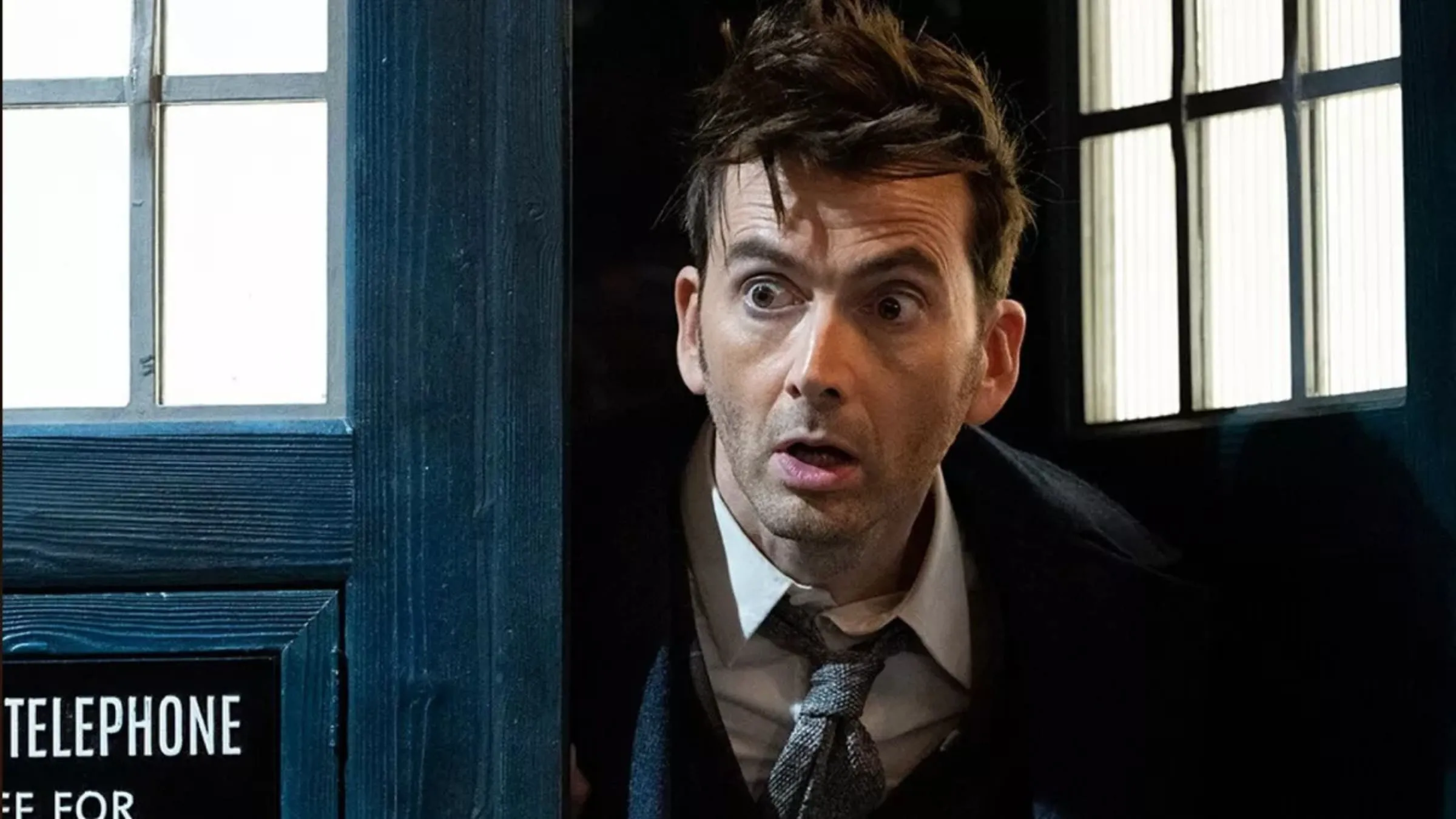
Doctor Who, the longest-running science fiction show on television, has faced some challenges in the last ten years. The show’s ability to ‘regenerate’ – where the Doctor takes on a new form – is a key reason it’s lasted since 1963, despite a break from 1989 to 2005. Regeneration allows the series to refresh itself dramatically. More recently, a change in the Doctor has usually meant a new team of writers and producers taking over the show’s overall creative direction.
After Steven Moffat left as head writer in 2017, things have been difficult for Doctor Who. Now, with a major agreement between Disney and the BBC falling apart, the show’s future is uncertain. The planned Christmas special has been delayed, adding to the concerns of fans. This raises the questions: what’s causing these problems, and can Doctor Who be saved?
Doctor Who Has Lacked a Creative Vision for Almost Ten Years

As a lifelong fan, one thing people always used to tease about Doctor Who was how it was made on such a tiny budget – I remember one story where the whole Dalek invasion was just a few models filmed with mirrors! But the last couple of showrunners, Chris Chibnall and now Russell T. Davies, really wanted to change that. Chibnall aimed for a more polished, big-budget feel, and Davies went even further, actively seeking funding from Disney+ to compete with modern streaming shows. The result? Visually, the recent seasons of Doctor Who have been some of the most stunning I’ve ever seen.
Despite some excellent episodes, like “Rosa” and “Wild Blue Yonder”, the series hasn’t consistently delivered. Overall, the storylines have felt disjointed and lacked a strong, unifying theme. It seemed the focus was just on creating a big-budget show for prime time, without really considering what Doctor Who should be about. This resulted in individual stories and character developments that didn’t connect well, leading some viewers to even suggest watching Season 15 in a different order. Often, stories didn’t offer any meaningful insight into the Doctor or their companions, or they contradicted previous developments.
Recent eras of Doctor Who, particularly those led by Chris Chibnall and Russell T Davies’s return, have heavily emphasized intricate backstory and established lore. Chibnall’s time on the show is best known for the divisive “Timeless Child” storyline, which dramatically altered the Doctor’s origins and suggested she wasn’t a Time Lord as previously believed. Ironically, the very episode revealing this also showed Jodie Whittaker’s Doctor realizing her identity wasn’t defined by her past. Essentially, the change was focused on expanding the show’s history, referencing a relatively obscure plot point from a 1976 episode, rather than significantly impacting the Doctor’s character.
The recent series of Doctor Who heavily relied on references to older episodes, specifically “The Three Doctors” (1973) and “The Pyramids of Mars” (1975). Without knowing those stories, many plot points and character introductions didn’t make sense. This focus on established lore happened at a time when, according to Christopher Nolan, audiences are moving away from long-running franchises. Now, people are more interested in strong ideas and compelling characters – things that have often been missing from Doctor Who over the last ten years.
Can Doctor Who Be Saved?

BBC leaders have consistently affirmed their commitment to the future of Doctor Who. In February, Lindsay Salt, the BBC’s Director of Drama, emphasized that the show is a highly valued asset for the BBC, but the conversation quickly shifted to how it will be funded. She explained they are exploring different production options and want to ensure the show is made sustainably. Currently, the main priority seems to be determining the best funding approach, which is why it’s taking time to move forward.
Once the decision to continue Doctor Who is made, simply securing funding isn’t enough. The real challenge is developing a compelling creative vision for the show’s future. It’s not sufficient to produce a series of unconnected episodes that could feature any Doctor, or to have companions who feel one-dimensional. The next showrunner needs a strong, well-defined plan for their time on the show, both in terms of storytelling and overall direction.
Doctor Who has the potential to be incredibly versatile, moving between historical settings, science fiction, musicals, and even horror. Looking back at recent seasons, there’s been a wealth of strong ideas, though not all of them were fully developed – sometimes with understandable reasons, like the challenges COVID-19 presented to the ambitious ‘Doctor Who: Flux.’ For the show to truly thrive, it needs a lead creative with a grand vision for a cohesive story spanning time and space, and a team that can build memorable, well-developed companions whose journeys feel unique and essential.
It’s unclear if the new season of Doctor Who will air next year. However, this iconic sci-fi show, the longest-running of its kind, still has a lot of life left and can definitely be reinvented for a modern audience. If the BBC needs more time to plan, that’s a good thing – after years of challenges, Doctor Who needs to be truly innovative again.
Read More
- Gold Rate Forecast
- 10 Most Powerful Versions of Superman, Ranked
- GBP CNY PREDICTION
- 007 First Light: Release Date, Story, Gameplay, Cast, Editions, and Platforms
- DOGE PREDICTION. DOGE cryptocurrency
- Superman’s 7 Best Power-Ups, Ranked
- 10 Best Free Games on Steam in 2026, Ranked
- 10 Greatest Wii U Games of All Time, Ranked
- Forza Horizon 6 Car List So Far: Confirmed Highlights, Cover Cars, DLC, and Rewards
- What happened to Soldier Boy in The Boys?
2026-05-31 17:45