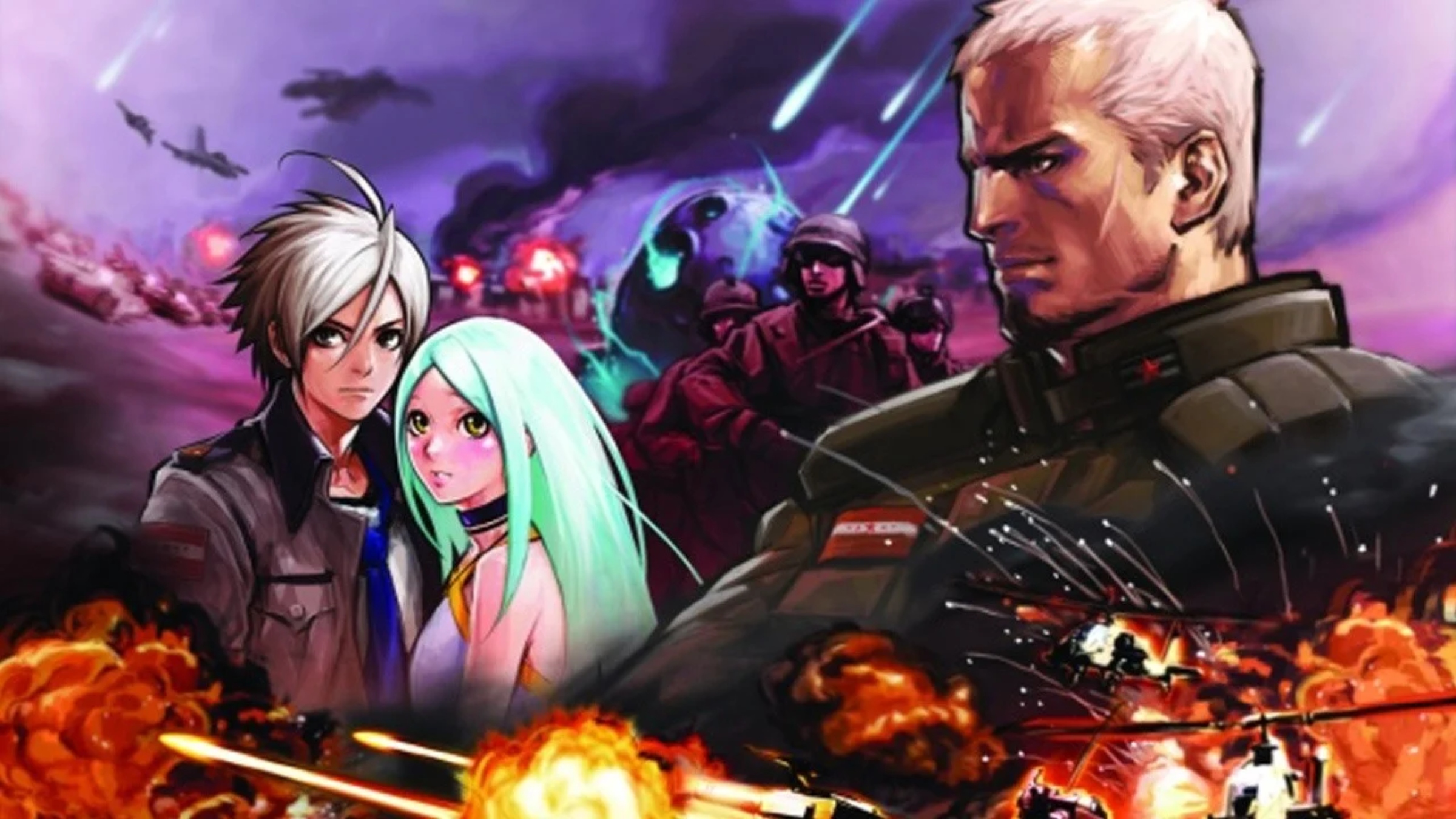
Although Advance Wars was the first game in the series to gain popularity in Western countries, the original Famicom Wars games had been popular in Japan for years. The first game came out in 1988, and over the next two decades, twelve games were released. While players in America didn’t get to experience those earlier titles, Advance Wars became a global hit, introducing the series to Western audiences and paving the way for the international success of Fire Emblem. Since 2008, however, there’s only been one new release – a remake and compilation called Advance Wars 1+2: Re-Boot Camp.
Before the recent Switch release, the last Advance Wars game was Advance Wars: Days of Ruin, which came out on the Nintendo DS in 2008. While Days of Ruin played like a typical Advance Wars game, it had a noticeably darker and more serious tone. Despite positive reviews, it didn’t sell very well, likely because it was released around the same time as other popular Nintendo games. It’s disappointing that the Advance Wars series stopped after Days of Ruin.
Days Of Ruin Was A Major Depature For Advance Wars

Developed over ten years in Japan, Advance Wars brought a fresh, lighthearted take to the strategy genre with a memorable cast of characters. The game featured nations clashing in battle, but ultimately focused on how diverse personalities could overcome differences and unite against a common enemy – a greedy warmonger. This charming presentation, combined with unique commanding officer abilities, appealed to a wide range of players and defined the game’s strategic depth. The world of Advance Wars was explored through three handheld games released between 2001 and 2005.
Although the series gained a dedicated following and received positive reviews, strategy games weren’t a mainstream focus for Nintendo. In 2008, Days of Ruin tried a new approach, going back to the serious tone of the first games in Japan. However, it created a world that was so bleak and dark, it almost felt like a joke. Previous installments explored complex ideas about power and conflict, but they still maintained Nintendo’s signature bright art style and charming characters.
Set in a post-apocalyptic world shattered by an asteroid impact, Days of Ruin followed a small group of survivors leading a makeshift army. This marked a significant shift from previous games in the series. While it still included humorous dialogue and character moments, the game’s overall tone was much darker and more serious. To reflect this, the typically over-the-top personalities of the commanding officers were toned down, and their special abilities were greatly limited. Despite retaining much of the core gameplay, it didn’t quite feel like a traditional Advance Wars title.
Why Days Of Ruin Was The Only Advance Wars Game For 15 Years
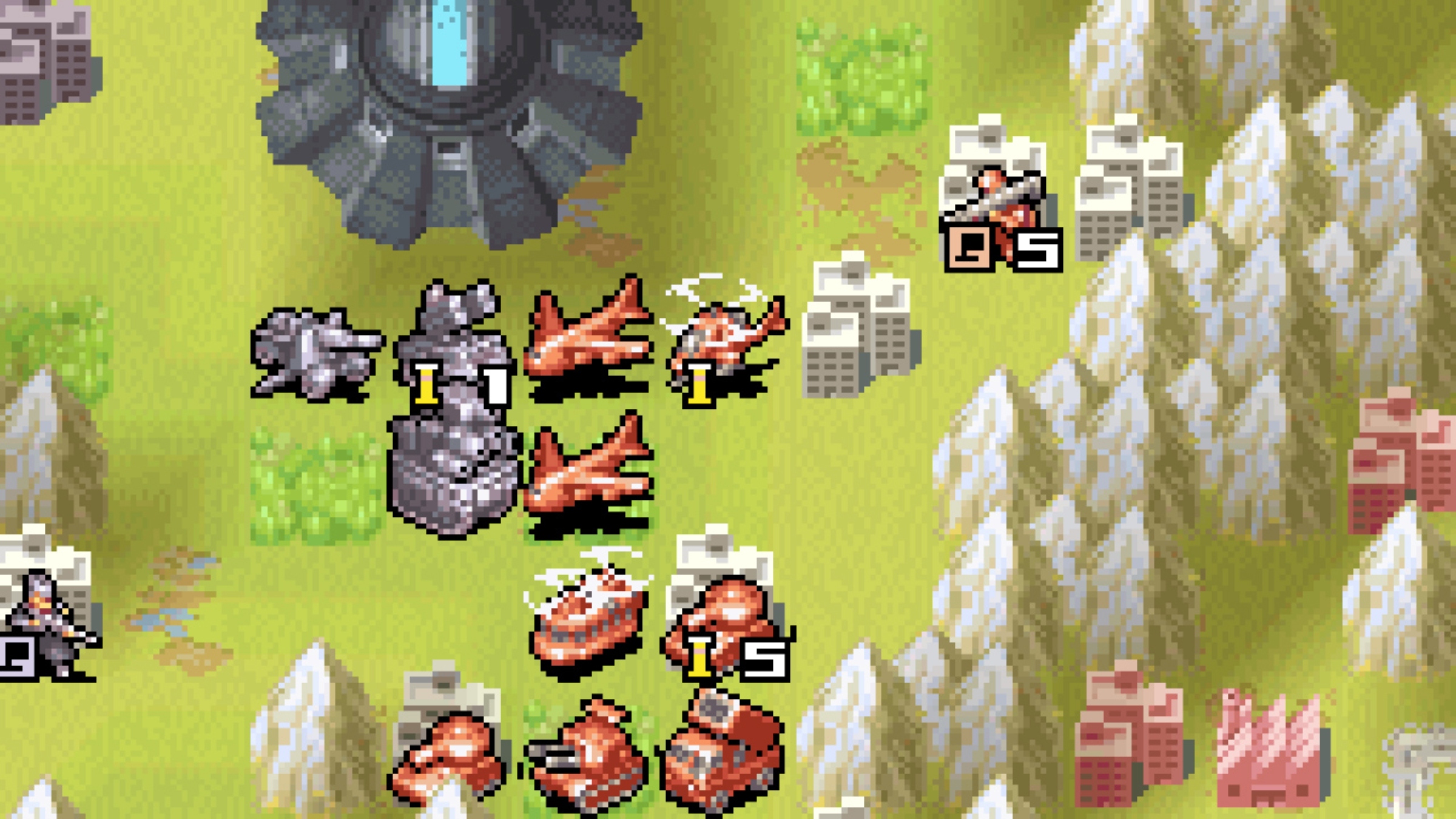
Days of Ruin was the last game in the popular Advance Wars series released during a high point for the franchise. Alongside the handheld Advance Wars titles, Battalion Wars and its sequel appeared on the GameCube and Wii in 2006 and 2007. These real-time tactics games were given a different name to highlight their distinction from the turn-based battles of the core Advance Wars games. Though sales were modest, the games were well-received by critics and helped broaden Nintendo’s catalog. Days of Ruin specifically aimed to cater to the growing Western fanbase, as sales in America had surpassed those in Japan.
Unlike previous games which drew heavily from Japanese portrayals of war, Days of Ruin took more cues from American depictions of conflict, aligning it with Western pop culture trends. This resulted in a grittier tone that disappointed some longtime fans, particularly in Japan, where the game wasn’t released until after its American launch—an unusual move for Nintendo.
Despite positive feedback and improvements over previous installments, Days of Ruin didn’t perform as well commercially as the original Advance Wars games. With other successful franchises like Fire Emblem, Paper Mario, and WarioWare to work on, developer Intelligent Systems likely decided that the modest sales of this Advance Wars title meant it would be the last one for the foreseeable future.
Any Future Advance Wars Games Need To Avoid Days Of Ruin’s Influence

In a 2008 interview, Tim O’Leary, who led localization for Nintendo of America, discussed how the team developed Days of Ruin with Western audiences in mind. They noticed that American players loved the Advance Wars series more than players in Japan. While the core gameplay was popular, fans asked for something fresh. Dual Strike tried experimenting with new ideas, but disappointing sales indicated players wanted a different narrative. Ultimately, Days of Ruin didn’t gain enough traction to revive the series like Fire Emblem did after becoming popular in the West.
It’s disappointing that the Advance Wars series stalled, especially since the characters and world are still delightful. The recent Advance Wars 1+2: Re-Boot Camp didn’t sell much better than the original games. A real letdown was Days of Ruin, which had a much darker story that didn’t fit the series’ usual lighthearted tone. Ironically, Days of Ruin still had excellent gameplay – it even improved on the core mechanics and focused less on over-the-top special abilities. Despite being a good game, its different feel alienated some fans and didn’t attract new players. Ultimately, this led to the series being put on hold for over ten years, and it’s still frustrating to think about.
Read More
- Gold Rate Forecast
- Dune 3 Gets the Huge Update Fans Have Been Waiting For
- Every Creepy Clown in American Horror Story Ranked
- Antiferromagnetic Oscillators: Unlocking Stable Spin Dynamics
- Disney Promotes Thomas Mazloum To Lead Parks and Experiences Division As Josh D’Amaro Prepares To Become CEO
- RimWorld Odyssey DLC & Free Update Have Players Racing Back to RimWorld
- Jack Osbourne Shares Heartbreaking Tribute to Late Dad Ozzy Osbourne
- Action Comics #1096 is Fun Jumping-On Point for Superman Fans (Review)
- Hazbin Hotel Secretly Suggests Vox Helped Create One of the Most Infamous Cults in History
- 22 actors who were almost James Bond – and why they missed out on playing 007
2026-01-22 02:11