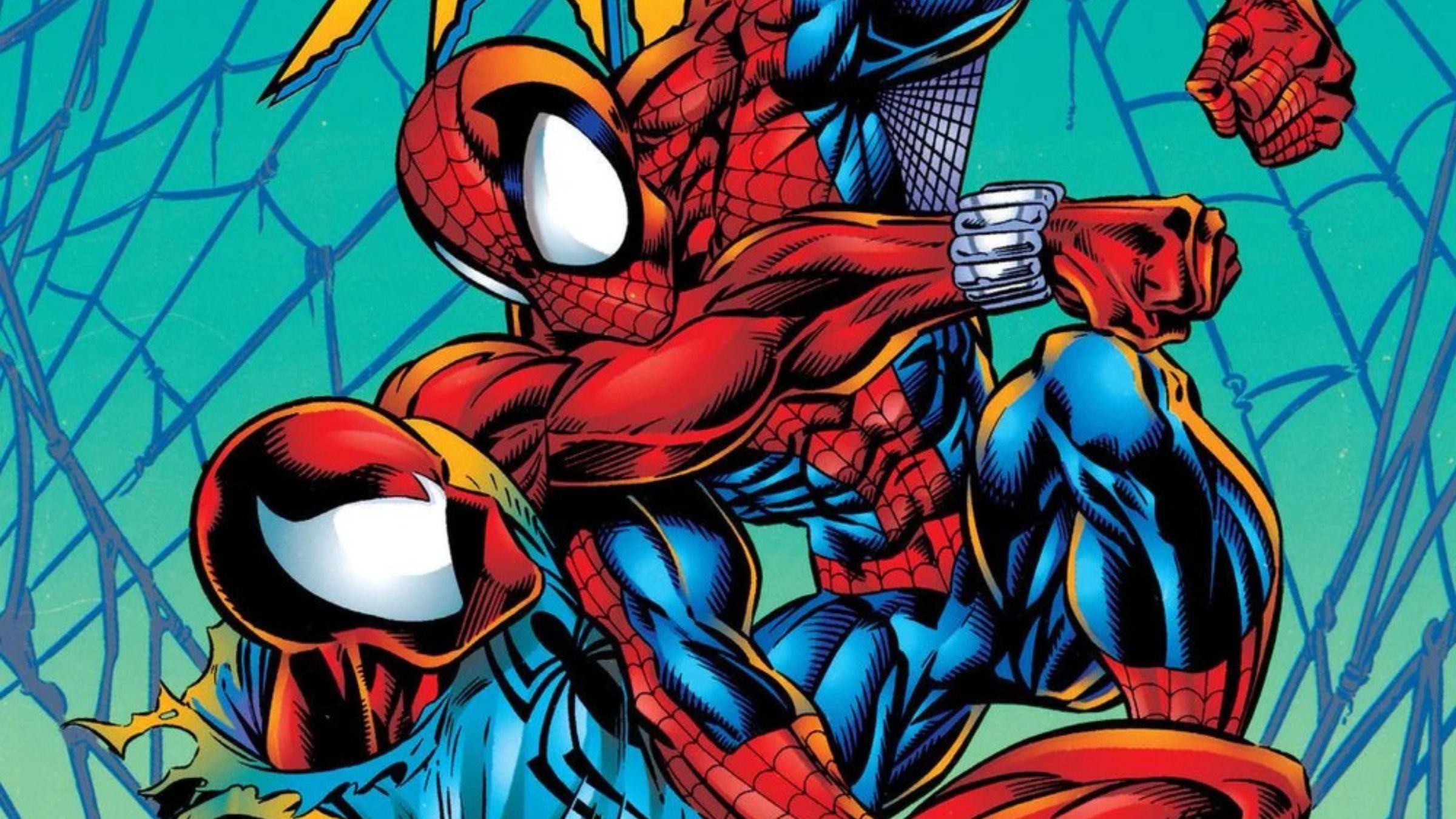
As a huge Spider-Man fan, it’s always been weird to me how much love there is for the character, but also how often fans hate the comics. It’s a total paradox! Spidey’s always been popular, but his comic book adventures have had these periods where fans just really turned on them. This has been happening for decades, but it really became noticeable in the ’90s with something called the Clone Saga. There have been plenty of missteps in Spider-Man’s history, but for a lot of us who grew up reading him, the Clone Saga was the point where things really went off the rails. It all started with a reference back to The Amazing Spider-Man #149, where the Jackal created clones of both Gwen Stacy and Peter Parker. Turns out, the Spider-Clone from that issue wasn’t dead and had come back! What started as a promising idea just dragged on for two years and two months, and honestly, it lost its way after about a year.
Many Spider-Man fans consider the “Clone Saga” to be the biggest misstep in the comic’s history, even more so than the more recent “One More Day” storyline. It severely damaged the Spider-Man comics for years, which was particularly shocking given how well they were selling beforehand. Having read the series when it originally came out, I think it’s actually not as bad as its reputation suggests. While it definitely has flaws, revisiting the issues reveals it wasn’t consistently terrible – in fact, it was genuinely good at times throughout its lengthy run.
The Clone Saga Was Mostly Standard Quality ’90s Comics

Everyone agrees the Clone Saga wasn’t a success. The issue wasn’t simply bringing back a Spider-Clone, or even presenting it as the genuine Spider-Man. It wasn’t even the deception surrounding Aunt May. The real problem was starting the storyline without a clear plan for how it would end, and then removing the original writers and artists who had been developing compelling stories across the four Spider-Man titles – including the highly acclaimed J.M. DeMatteis and Sal Buscema run on Spectacular Spider-Man.
The biggest issue with the story is that it never had a proper ending. The writers who took over didn’t have a clear plan either, because the comic books were still selling well, and Marvel didn’t want to risk damaging that success. It was essentially a case of prioritizing profits over good storytelling. Even Dan Jurgens, known for his work on Death of Superman, didn’t realize he was writing a clone storyline until after he’d agreed to the project. Sales were decent for a while, but really dropped in the final year, and didn’t recover until 2001.
Having read a lot of early 1990s Marvel Spider-Man comics, I don’t think they were as bad as some people remember. The four main titles – Amazing Spider-Man and Spectacular Spider-Man (the most popular), Spider-Man, and Web – generally maintained a good standard and featured some very talented creators. The early storylines were strong, and moments like Aunt May’s death in The Amazing Spider-Man #400 were surprisingly effective. The mystery surrounding the clone and its eventual reveal as Peter Parker was also well done. Plus, Spider-Man: The Lost Years was a highlight, and the character Kaine was a fantastic addition.
The storyline faltered after it was revealed Ben Reilly was actually Peter Parker, but even then, the stories were fairly typical Spider-Man adventures. Essentially, Ben as Spider-Man felt like the current trend of portraying a struggling young adult in New York, and fans weren’t thrilled with Peter and Mary Jane being absent. These stories weren’t groundbreaking, and if you didn’t connect with Ben Reilly, you likely wouldn’t enjoy them. However, they weren’t bad stories overall. The conclusion is actually better than people remember; while the fate of Peter and MJ’s child was never addressed, bringing back Norman Osborn was a good move, and the final fight is truly spectacular.
The Clone Saga’s Problems Have Always Been Bigger Than the Story

The Clone Saga definitely has its flaws. Reveals like the Judas Traveler and Scrier were huge letdowns, and the “Maximum Clonage” storyline lived up to its bad reputation. The fake-out surrounding Aunt May was also poorly handled and foreshadowed the controversial “One More Day” arc. While the saga dragged on for too long, revisiting the comics reveals they’re generally consistent with typical Spider-Man stories. A major highlight is the art – the series featured work from legendary artists like Mark Bagley, Tom Lyle, Sal Buscema, Bill Sienkiewicz, John Romita Jr., and Dan Jurgens, ensuring the books always looked fantastic. Overall, the saga wasn’t quite as awful as its reputation suggests.
The Clone Saga isn’t disliked because of the story itself, but rather due to issues with how it was created and handled. Had it been shorter – maybe a year or eighteen months – fans likely wouldn’t have reacted so strongly. Initially, sales were actually good, suggesting Marvel had a promising concept. However, poor management led to a widespread negative perception, though in reality, it’s just a fairly mediocre story.
https://comicbook.com/comics/list/the-10-best-spider-man-stories-in-marvel-history/embed/#
Read More
- Looks Like SEGA Is Reheating PS5, PS4 Fan Favourite Sonic Frontiers in Definitive Edition
- Pluribus Star Rhea Seehorn Weighs In On That First Kiss
- Kelly Osbourne Slams “Disgusting” Comments on Her Appearance
- Gold Rate Forecast
- Dune 3 Gets the Huge Update Fans Have Been Waiting For
- Arknights: Endfield – Everything You Need to Know Before You Jump In
- Tomodachi Life: Living the Dream ‘Welcome Version’ demo now available
- Ahsoka Season 2 Will Officially Include 3 Marvel Actors
- Paradise producer hints that series will end with third season as season 2 premieres
- Borderlands 4 – BEST Amon Leveling Build (1 – 50)
2026-03-10 01:12