
Science fiction is a powerful way to explore the challenges we face today. By combining ideas about science and technology, it lets us think through current social issues by imagining where existing trends might lead. From the moral questions raised by genetic engineering to the effects of constant monitoring, sci-fi helps us picture the future consequences of our advancements. This makes it more than just entertainment – it’s a way of looking at our fears and concerns through the lens of possible futures.
Science fiction can be quite complex, which can be intimidating for newcomers. Many classic sci-fi stories and films deal with difficult ideas like time travel, alternate realities, and what it means to be human in the age of artificial intelligence. Plus, sci-fi often breaks away from typical movie formulas, favoring thought-provoking and sometimes unsettling themes. While these films are essential for sci-fi fans, they might be best enjoyed after you’ve had some experience with the genre.
7) Under the Skin

Jonathan Glazer’s Under the Skin isn’t your typical sci-fi blockbuster. Forget a neatly packaged story – this film is all about feeling. It follows an alien, played by Scarlett Johansson, cruising around Scotland and, well, collecting men…but not for reasons that are immediately clear. What really struck me was the atmosphere – it’s genuinely unsettling and dread-filled. Glazer uses a really interesting technique, almost like a documentary, with hidden cameras and a lot of non-actors. It really puts you inside the alien’s head, making you feel as detached and observant as she is. It’s a truly unique and masterful piece of filmmaking.
Jonathan Glazer’s Under the Skin isn’t a typical science fiction film. It relies heavily on visuals and atmosphere, offering very little in the way of traditional dialogue or explanation. This makes it a challenging watch, as the film asks viewers to interpret the story and the alien character’s emotional journey on their own. Newcomers to the genre might find this frustrating, as the movie deliberately avoids clarifying its mysteries or providing easy answers. Though a deeply thoughtful exploration of humanity from a unique perspective, Under the Skin‘s slow pace and dreamlike visuals are likely to appeal most to those already familiar with experimental science fiction.
6) A Scanner Darkly
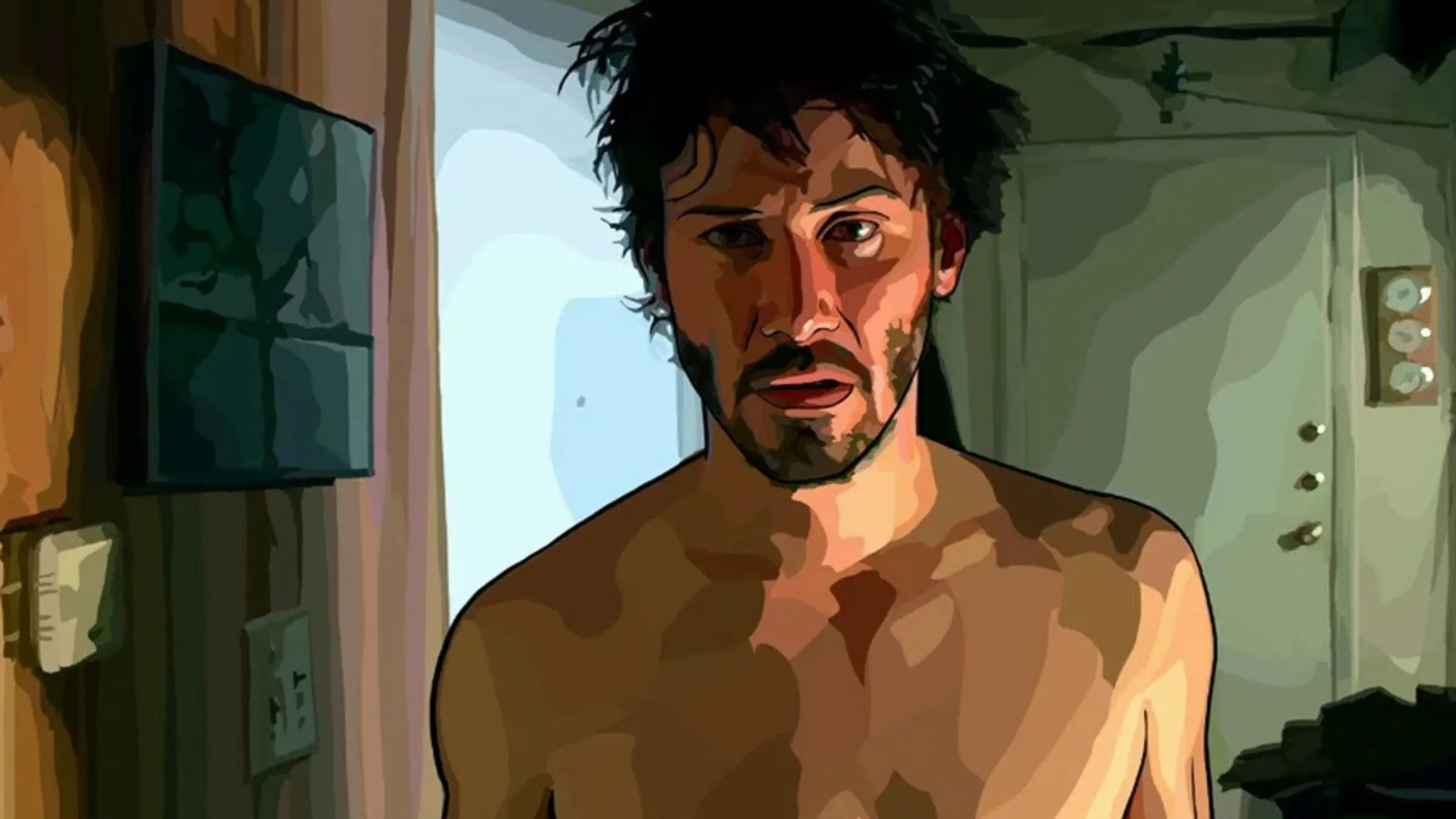
Richard Linklater’s film, A Scanner Darkly, based on the novel by Philip K. Dick, has a distinctive look thanks to an animation technique called “interpolated rotoscoping.” This style perfectly reflects the story’s unsettling and paranoid atmosphere. Set in a near-future America struggling with a drug crisis, the film follows Bob Arctor (Keanu Reeves), an undercover cop who starts to lose himself while investigating his friends. It’s a key science fiction film because it thoughtfully examines government surveillance and the damaging effects of drugs on the human spirit, with excellent performances from Robert Downey Jr. and Woody Harrelson. However, the film’s often confusing, drug-influenced conversations and constantly changing animation might be a bit much for viewers who aren’t used to more experimental sci-fi.
The story in A Scanner Darkly is deliberately confusing, reflecting the fractured minds of its characters, and this can make the plot difficult to follow. Though the film is a fantastic take on a classic science fiction work, its constantly shifting visuals and focus on complex conspiracies might not appeal to viewers who prefer more straightforward sci-fi stories.
5) Annihilation

After gaining recognition for his first film, Ex-Machina, Alex Garland directed Annihilation, a movie exploring the frightening idea of life destroying itself. The film follows Lena (Natalie Portman), a biologist, and her all-female team of scientists as they venture into a mysterious, quarantined area called “The Shimmer.” Inside, an alien force is changing the DNA of every plant and animal.
As a huge sci-fi fan, I still think Annihilation is one of the best of the genre, especially when it comes to horror. What really sets it apart is how beautiful and unsettling it looks, and the fact that the ‘villain’ isn’t some monster trying to take over the world. It’s more like a force of nature, changing everything it touches into these bizarre, terrifying versions of life. The ending is… well, it’s something else. It’s not a neat and tidy resolution, and a lot of people don’t get it, which is a shame. It’s more about ideas and feelings than a straightforward story. Honestly, it can be a pretty heavy watch – it deals with some dark stuff about loss and how things break down. It’s a brilliant film, but you really have to think about it, and it’s not exactly a light and easy experience.
4) Blade Runner
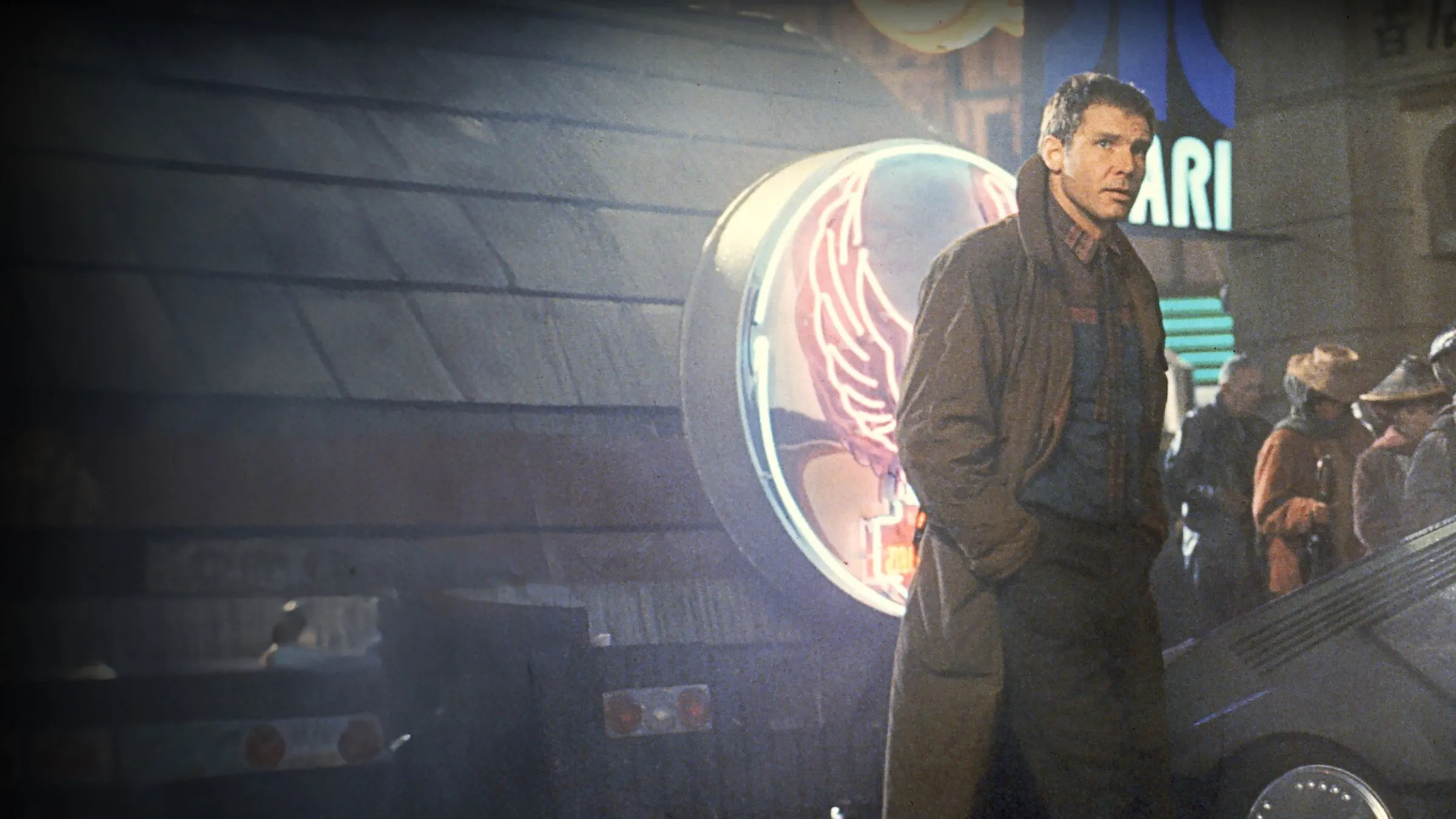
Although the Blade Runner universe will grow in 2026 with the new Blade Runner 2099 series on Prime Video, the original Blade Runner film is still considered the most important and impactful work in that world. The movie centers on Rick Deckard (Harrison Ford), a police officer who hunts down and deactivates a group of escaped, highly advanced androids called Replicants. However, viewers expecting a fast-paced, action-packed space adventure might be surprised by Blade Runner‘s slow, atmospheric style, which focuses more on creating a mood than delivering constant thrills.
Rather than a straightforward adventure, Blade Runner is a detective story that explores deep philosophical questions. The film focuses on the emotional impact of Deckard’s job and the heartbreaking situation of Roy Batty, the leader of the Replicants. Its complexity comes from the uncertainty surrounding Deckard himself and the lack of clear heroes. New viewers might find the slow pace and detailed world-building a bit challenging compared to today’s faster, more action-packed sci-fi films.
3) Metropolis
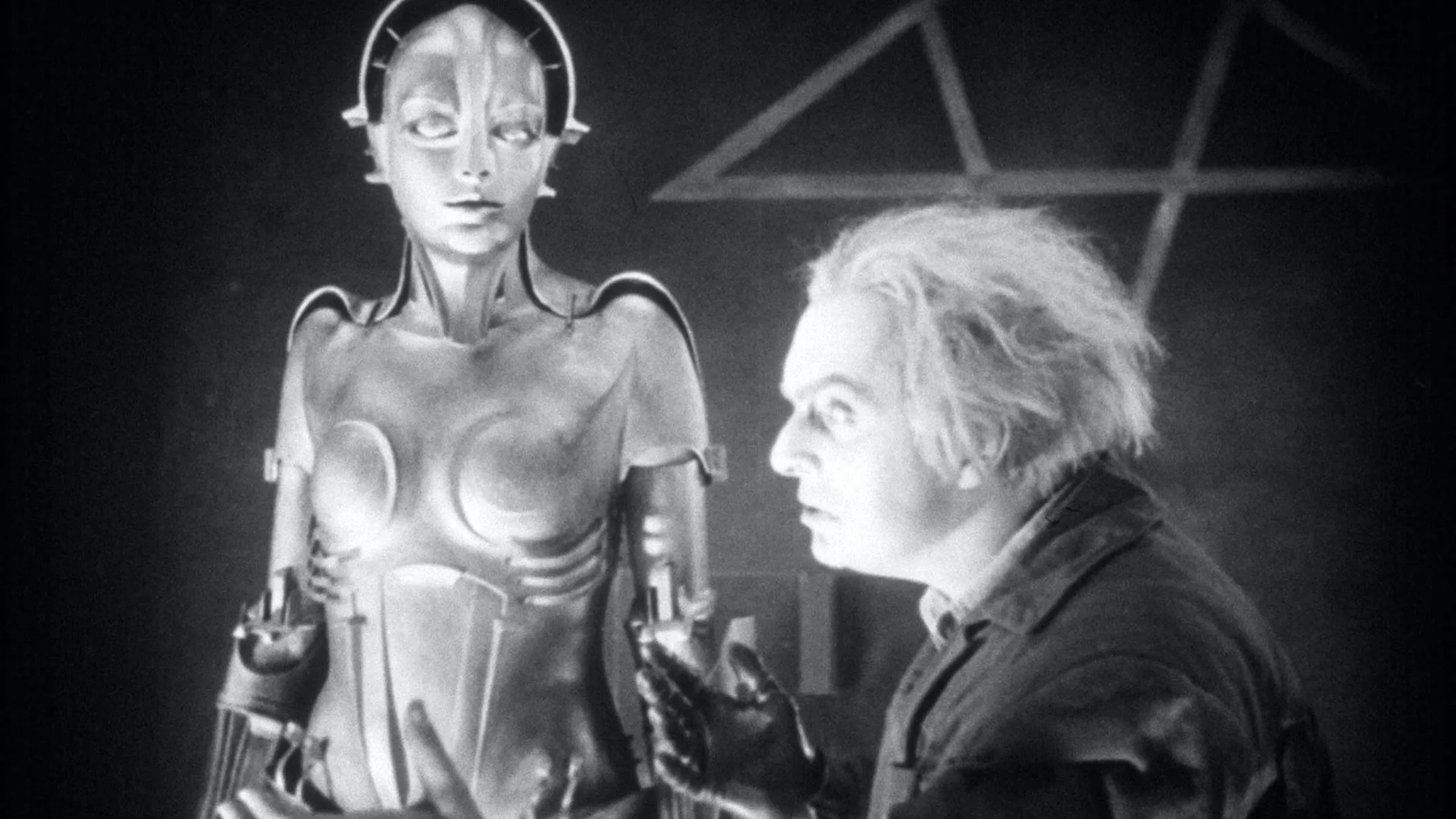
Fritz Lang’s Metropolis is a landmark science fiction film that has influenced the look and themes of countless movies for almost a hundred years. The story takes place in a futuristic city sharply divided between the wealthy and the working class. It centers on the son of the city’s creator (played by Gustav Fröhlich) who falls in love with a working-class woman named Maria (Brigitte Helm) and sees the birth of a dangerous robotic copy. Though a recent television adaptation was cancelled in 2023, the original 1927 Metropolis is still impressive for its innovative special effects and enormous sets, which powerfully depict the harsh realities of industrial labor.
It can be hard for today’s viewers to fully enjoy Metropolis because it was made using the style of silent films and opera. The movie is also quite long and uses a lot of visual symbols to express its complicated political themes, which demands patience. Though Metropolis is essential viewing for any sci-fi fan—it’s where the idea of robots and humans first took shape—its age and over-the-top acting make it a difficult film to get into for newcomers.
2) Primer
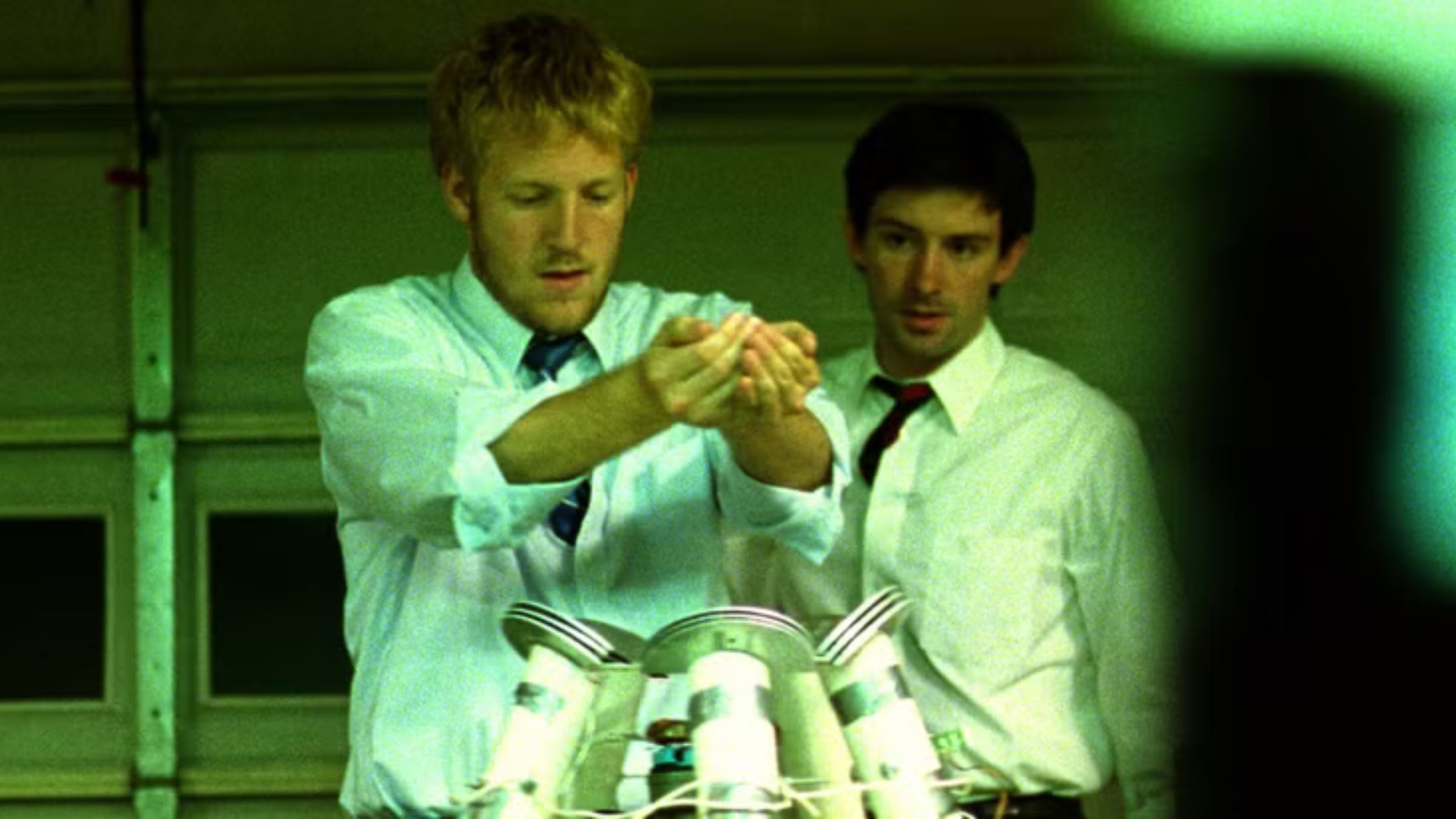
Shane Carruth’s Primer is famous for being a remarkably complex and scientifically accurate time travel film, especially considering it was made with a tiny $7,000 budget. The movie centers on two engineers, Aaron and Abe, who stumble upon a way to manipulate time while working on a project in their garage. Unlike many other time travel stories, Primer doesn’t shy away from complicated details. It uses technical language and a confusing, non-linear plot with multiple timelines, challenging viewers to piece everything together without much explanation.
The movie Primer stands out because it portrays time travel as a messy, complicated problem handled by ordinary people, rather than an exciting quest. The film focuses on how time travel damages the relationship between the two main characters. However, the story is incredibly complex, often requiring viewers to watch it several times and even use outside resources like diagrams to understand what’s happening. This can be overwhelming for new viewers and might turn them off from similar sci-fi films. Despite being made on a small budget, Primer is a clever film, but its focus on scientific accuracy makes it difficult for those unfamiliar with the genre to get into.
1) 2001: A Space Odyssey
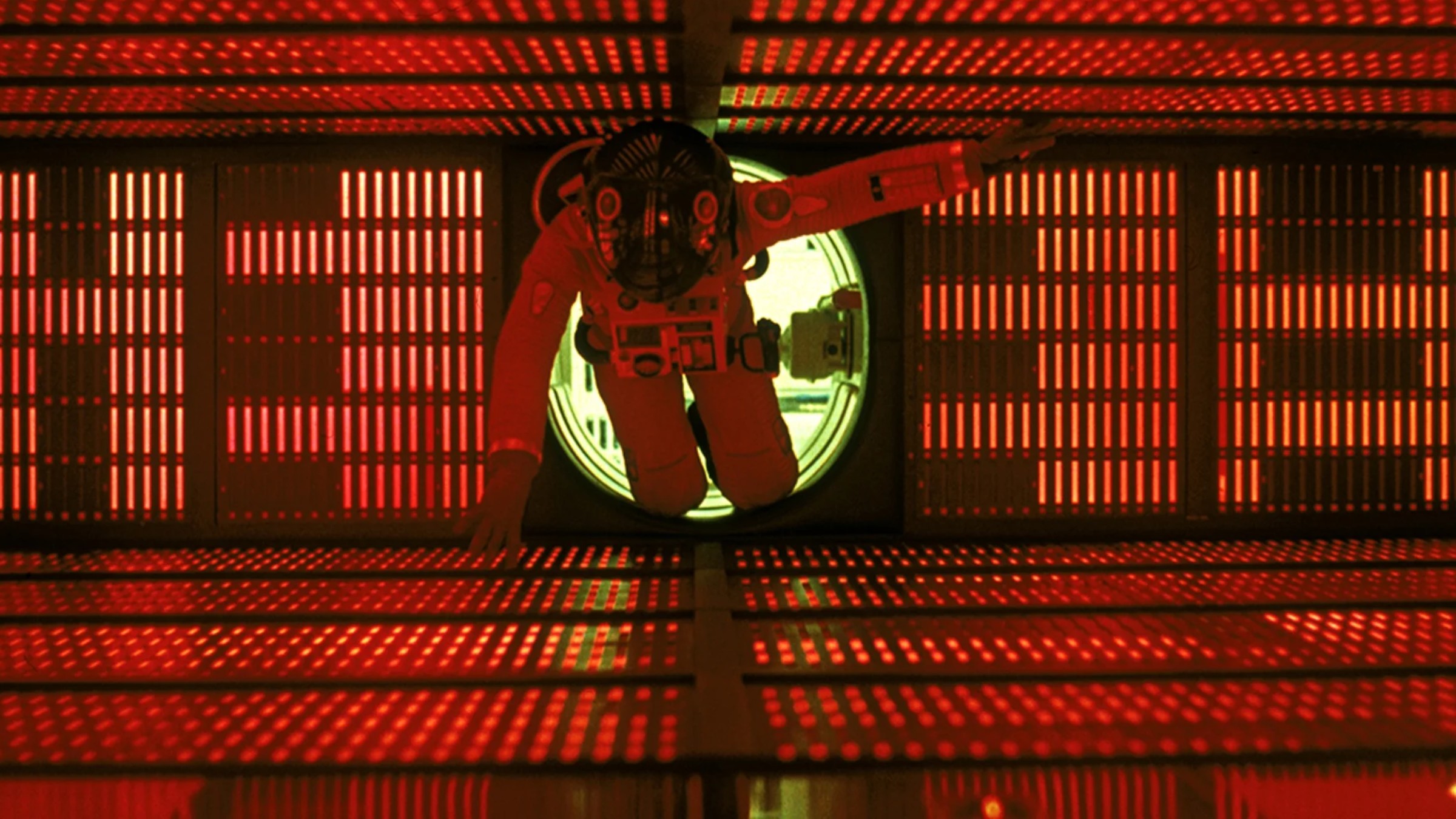
Stanley Kubrick’s 2001: A Space Odyssey is considered essential viewing for science fiction fans. The film tells a sweeping story of human evolution, starting with the first tools used by our ancestors and culminating in a futuristic space mission to Jupiter, guided by the intelligent computer HAL 9000 (voiced by Douglas Rain). It’s celebrated for its stunning visuals and sound, which include classical music and long stretches of silence that capture the awe-inspiring and sometimes frightening nature of space. However, its lack of dialogue in many scenes and ambiguous ending can make it challenging for viewers who prefer more straightforward narratives.
David Bowman’s (Keir Dullea) final trip through the “Star Gate” is a visually stunning and thought-provoking sequence that invites many different understandings, moving beyond simple storytelling into a more symbolic and spiritual journey. Though widely considered a classic of science fiction, 2001: A Space Odyssey is known for its slow pace and unconventional narrative, setting it apart from typical modern films. Many believe it to be the greatest sci-fi movie ever created, but it’s also a demanding watch, best appreciated by those already interested in the genre rather than serving as an easy introduction.
What difficult or complex science fiction books should people new to the genre steer clear of? Share your thoughts in the comments and join the discussion in the ComicBook Forum!
https://comicbook.com/movies/list/7-best-sci-fi-movies-about-astronauts-ranked/embed/#
Read More
- Gold Rate Forecast
- Dune 3 Gets the Huge Update Fans Have Been Waiting For
- Looks Like SEGA Is Reheating PS5, PS4 Fan Favourite Sonic Frontiers in Definitive Edition
- Pluribus Star Rhea Seehorn Weighs In On That First Kiss
- Arknights: Endfield – Everything You Need to Know Before You Jump In
- Jack Osbourne Shares Heartbreaking Tribute to Late Dad Ozzy Osbourne
- 10 Steamiest Erotic Thriller Movies of the 21st Century
- Disney Promotes Thomas Mazloum To Lead Parks and Experiences Division As Josh D’Amaro Prepares To Become CEO
- Every Upcoming Transformers Movie: Release Dates, Details, & Everything We Know
- 5 Weakest Akatsuki Members in Naruto, Ranked
2026-02-14 22:16