
Okay, so I’ve been playing Forspoken, and honestly, it’s a good game, but it feels like it was holding back. It’s got a lot of cool stuff going for it – the world looks amazing, and when you really get to use the combat system, it’s fantastic. There are a few issues here and there, but they didn’t ruin the experience, especially when I was just exploring and fighting freely.
Even before the game was released, it faced problems. Online discussions about the conversations between the characters Frey and Cuff quickly turned negative, leading many gamers to form a poor opinion of the game’s story and the relationship between its main characters.
Maybe focusing so heavily on one weakness wasn’t the best way to judge a game that actually offered a lot of interesting content in important areas. While it’s possible that wasn’t the right approach, Forspoken suffered because of a trend where public opinion can quickly decide the fate of new games trying to succeed in a crowded market.
After almost three years and a great expansion, we’ve finally become big fans of Forspoken. It’s a genuinely good game with a few small issues and deserves a chance to be enjoyed. Still unsure? Let us show you what it has to offer.
Bad Publicity
Early previews and some lines of dialogue revealed a key problem with the game: the main character, Frey, wasn’t very well-developed. Specifically, the frequent conversations between Frey and her companion, “Cuff,” highlighted this weakness as they journeyed together.
I really loved how the game started with this character being thrown into an adventure she never asked for! I thought her backstory as an orphan, and the tough childhood that came with it, was a fantastic way to build her personality. Honestly, some people weren’t thrilled with how bluntly she spoke and her kind of rough attitude when the game came out, but I think a lot of that initial reaction was based on what people expected rather than who she actually was in the story.

The game was flooded with memes mocking its story and dialogue, often taking lines out of context to exaggerate flaws. While the writing wasn’t perfect, the criticism was far more extreme than justified. Before anyone could even play it, Forspoken had lost the battle for public opinion.
One notable aspect of the situation was how Forspoken was marketed. The game’s engine was designed to showcase the power of the PlayStation 5, aiming for impressive graphics and engaging gameplay – a strong combination for an action-adventure title. However, being presented as a key PS5 launch title created unrealistic expectations that the game couldn’t fulfill upon its release.
Forspoken faced tough competition from popular games like Elden Ring, which remained a major topic of discussion even after being out for almost a year. Things were made worse by performance problems with the PC version, which was especially disappointing given the game’s expensive price.
All of these issues combined caused Forspoken to quickly become forgotten, even though it initially seemed promising. However, players who actually finished the game had a slightly different experience.
The Hidden Potential of Forspoken
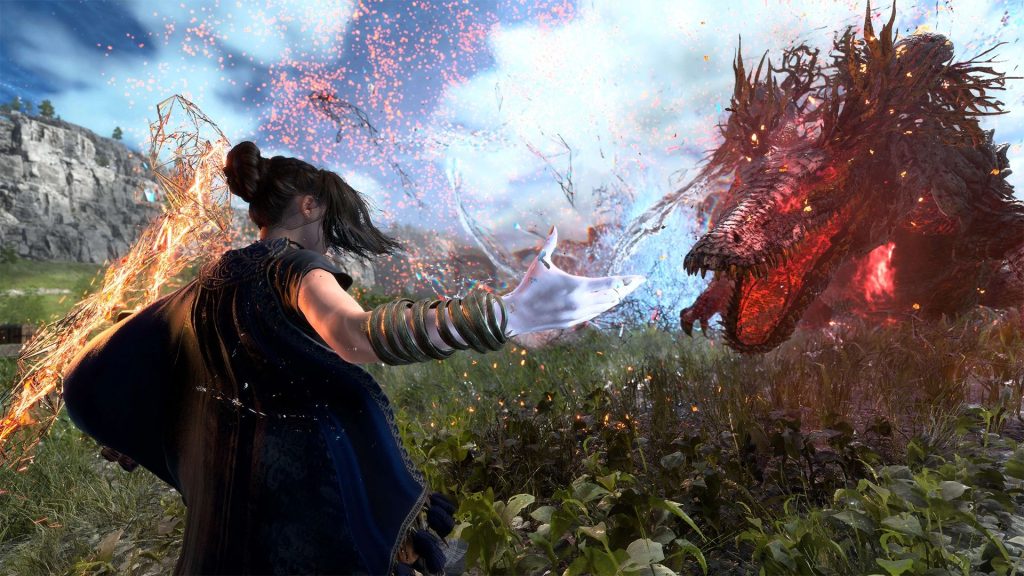
Okay, so everyone was trashing Forspoken, but honestly? I actually had a pretty good time with it. It really went for a specific vibe – a beautiful open world that was fun to explore, combined with fast-paced action – and it actually pulled it off. It wasn’t perfect, but it was way better than the hype made it out to be.
The game’s combination of magic and parkour is easy to pick up and visually impressive. Frey’s new abilities let her move around the world with incredible freedom, jumping, climbing, and gliding in a way that’s still really fun. It’s refreshing when an open-world game encourages you to explore and travel on foot instead of just fast-traveling everywhere.
The combat in the game is surprisingly deep. Frey has a wide range of skills to unlock and master, including elemental attacks, area-of-effect powers, and abilities that let her move quickly. Discovering and using these skills, especially cool ones like a fast-firing lightning gun, makes the action-packed gameplay really enjoyable for those who like a robust, skill-based combat system.
The game’s visuals were strong, with impressive special effects for spells and a compelling depiction of its bleak world and powerful bosses, all of which enhanced the storytelling. While some found Frey’s personal journey to be a typical coming-of-age tale, it actually fit well within the overall narrative.
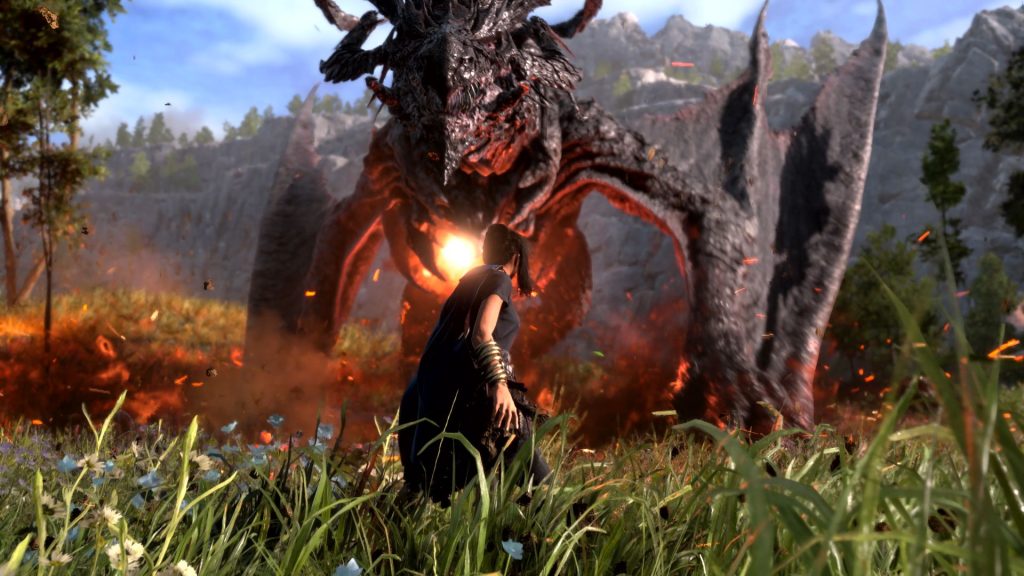
Honestly, after learning about her tough past, it totally makes sense why she’d fight against her fate. I mean, if I was ripped away from my life and told to save a kingdom I didn’t even know existed, I’d be pretty upset too! When you put her dialogue in the context of the whole story, even the parts that seem a little off on their own, it all clicks. Those little snippets online just don’t capture how much is going on with her and why she’s acting the way she is.
Despite its strengths, Forspoken wasn’t perfect and had some problems. To be fair, let’s discuss those now.
Room for Improvement
Although Frey’s dialogue wasn’t consistently poor, some of her lines felt out of place in the game’s fantasy world. A few moments were genuinely awkward, and this was made worse by how much she talked to Cuff. Their repeated, scripted conversations quickly became irritating rather than helping to develop their characters and the story.
Although the game’s world was beautiful, the activities within it quickly felt samey. Many of the open-world tasks used old-fashioned game design, and the side quests were too basic to be truly engaging. This, combined with the game’s slow pace, made it hard to fully enjoy the experience.
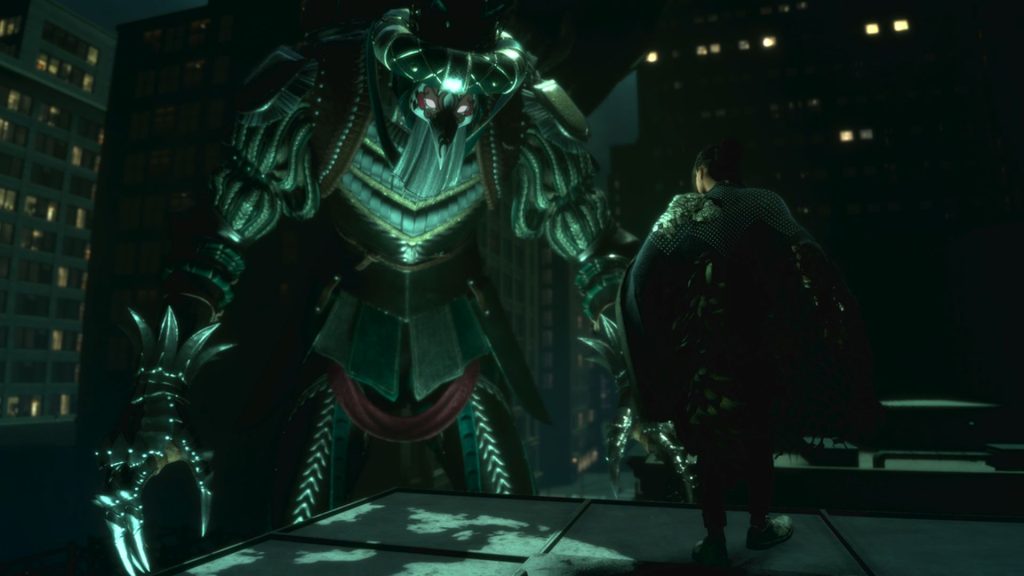
The game often presented opportunities for exciting combat, as many optional areas were filled with enemies. Unfortunately, key abilities were locked behind story moments, and the narrative focused too heavily on lengthy explanations rather than letting players experience the adventure firsthand. This ultimately meant the engaging combat system wasn’t fully utilized.
The game starts slowly, and it takes a while to get to the enjoyable parts. Some minor technical issues also held it back. However, the negative reaction to the game was far too strong, which was unfair to the developers. Fortunately, the story expansion improved the experience significantly, delivering a tighter narrative, better combat, and a clearer vision of what the game should have been all along.
After just a couple of months, the studio was reabsorbed into its parent company. While the official reason given was to support future high-budget game development, the move likely also aimed to address the disappointing performance of Forspoken and the financial burden of continuing to support the Luminous game engine without a clear path to recoup the investment.
As a fan, it’s really disappointing to see where things landed with Forspoken. I honestly think if people had given the game a fair chance to show what it did well – and where it needed improvement – things could have been different. Now, it looks like the engine it used, which cost a lot to develop, won’t get a sequel to fix the problems with the first game. It’s a shame, because I was hoping to see what they could do with a second try.
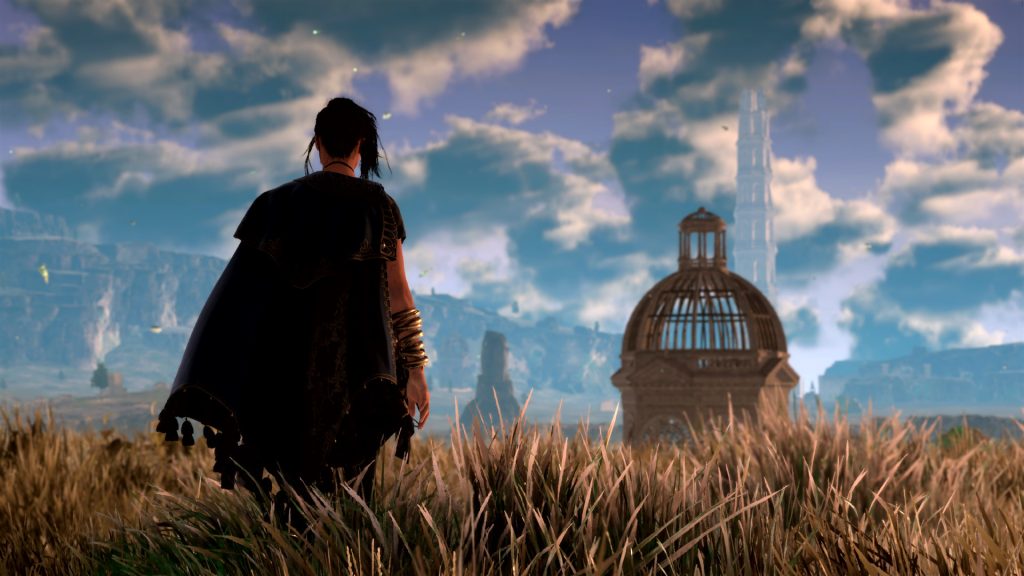
Forspoken is a disappointing game with a lot of unrealized promise. With stronger marketing, a clearer focus, and a smoother release, it could have been much more successful. Ultimately, though, it’s a game that’s easy to suggest, but it probably won’t get the recognition it deserves despite its strengths.
If you can overlook its shortcomings, this could be a fun option for the holidays, especially if you’re looking for something to do when you have free time.
Just so you know, the opinions in this article are the author’s own and don’t reflect the official stance of GamingBolt.
Read More
- Gold Rate Forecast
- Kelly Osbourne Slams “Disgusting” Comments on Her Appearance
- What Song Is In The New Supergirl Trailer (& What It Means For The DC Movie)
- One of Hulu’s Best New Shows Lands on Disney+ Ahead of Season 2
- ’90s Cartoon Reboot & TMNT Connection!
- Dune 3 Gets the Huge Update Fans Have Been Waiting For
- Hideo Kojima Says He Was Never Told About The Matrix Creators Wanting Him to Make a Game
- Guardians of the Globe Members We Want to See in Invincible Season 4
- Why Gideon Emerges as Resident Evil Requiem’s Most Compelling Character
- 7 Great Justice League Villains Nobody Talks About
2026-01-02 23:18