
In today’s gaming world, player numbers feel incredibly important. They’re constantly watched when a new game comes out, acting as a sign of how well it will do – high numbers suggest success, while lower or unexpected numbers can create uncertainty.
The new shooting game, Marathon, has had a solid start, reaching around 88,000 players at its peak on Steam. While that’s a good number for many games, it’s causing some concern because Marathon is a huge, ongoing live service game. Developed by Bungie and backed by Sony, reports suggest it cost between $200 and $250 million to create. Given that massive investment, some are questioning whether Marathon can be successful in the long run.
Steam’s Top Sellers Chart Doesn’t Reflect All Player Activity
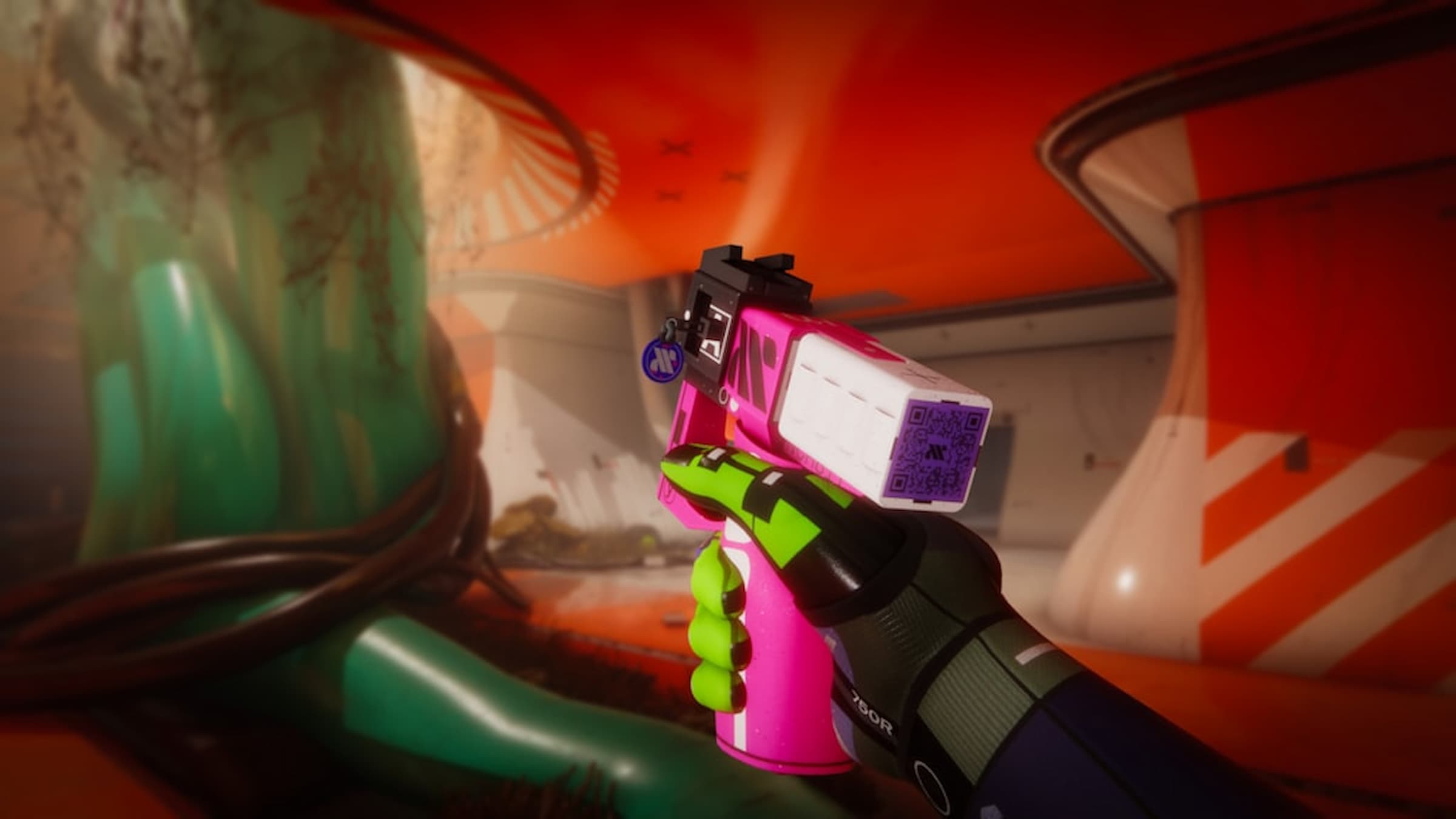
It’s great to see Marathon doing well on Steam’s best-selling games list, and it seems like the game is currently successful. While this is encouraging, it’s important to understand what this success means. Being high on the chart primarily shows that a lot of people are buying the game right now, especially soon after its release, and indicates strong initial interest.
While Steam’s Top Sellers list shows how much money games are making, it doesn’t show how many people are actually playing them, so it’s an incomplete measure of success. A game might have strong initial sales but then lose players over time. This difference between sales and ongoing player activity isn’t a big concern for typical single-player games, but it’s very important for games designed to be played for a long time, like online shooters.
Keep in mind that the number of players on Steam is just a portion of the total. Marathon isn’t exclusive to Steam and its players are spread across various platforms. Therefore, the peak of 88,000 players on Steam doesn’t show the game’s full popularity.
While not a perfect measure, the number of players online at the same time is still a good indicator of a game’s long-term success. It shows how many people are actively playing, which affects how quickly you can find matches, how much social interaction there is, and whether the game feels lively and growing, or empty and declining. Higher player counts can also help prevent a game from entering a negative cycle where it’s perceived as failing, leading to even fewer players.
Live Service Games Like Marathon Need Big Player Bases to Succeed
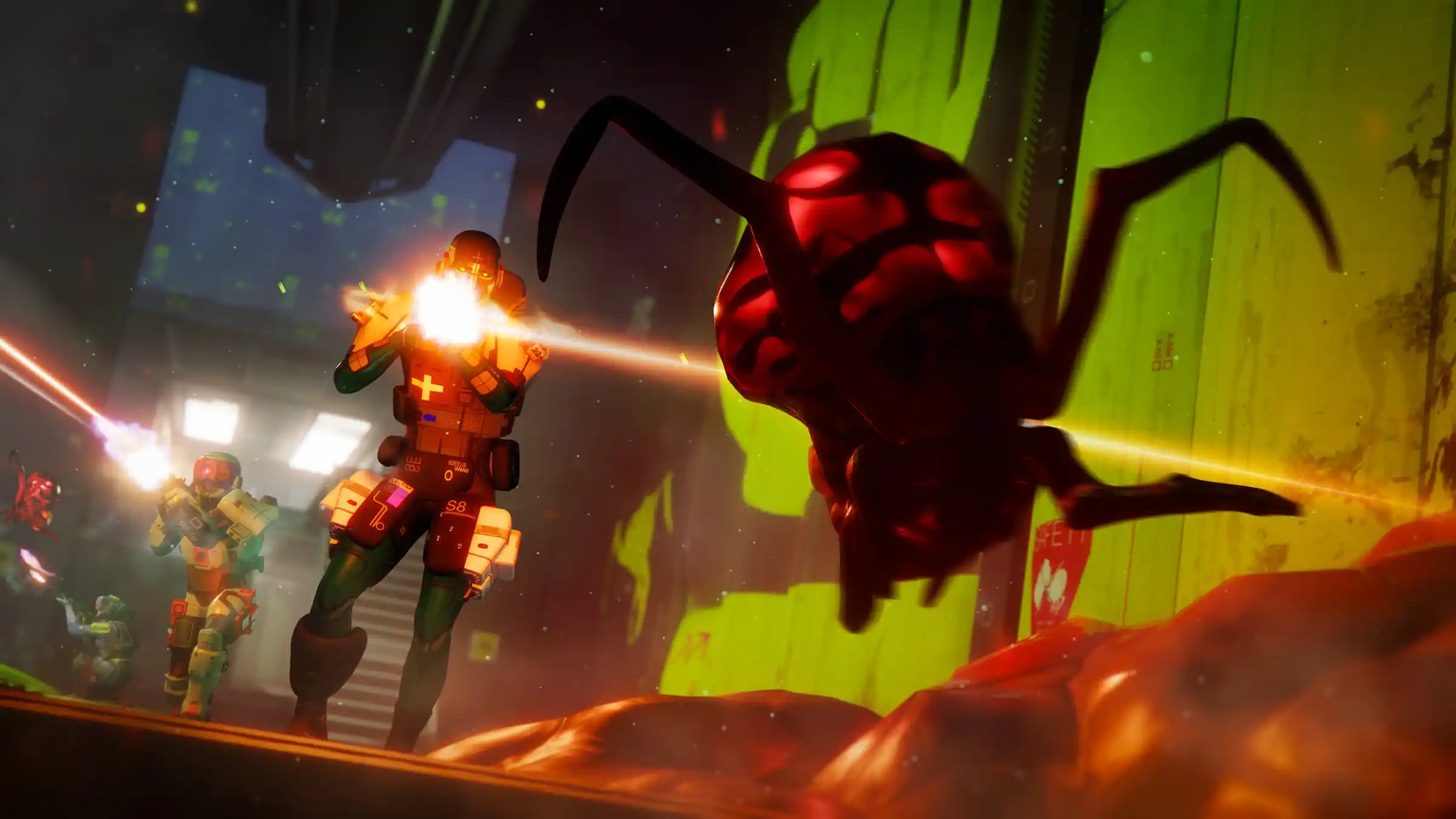
It might seem unimportant to look closely at Marathon’s player numbers, but it’s crucial to remember that games updated over time—or ‘live service’ games—succeed or fail based on how many people are playing. A strong and consistent player base means fast matchmaking, exciting new content, and a healthy game overall. But if the player count drops quickly, problems start appearing everywhere, and it’s hard to fix them.
Looking at the initial player numbers for Marathon is both encouraging and a little worrying. The game had a solid launch, especially for a new title in a crowded genre. However, given the game’s large budget, there’s concern about whether it can maintain a large, active player base long-term. Investors expect a big return on such a significant investment, and that’s what’s driving the scrutiny of these early numbers.
The gameplay in Marathon is genuinely exciting. The shooting mechanics are precise and satisfying, and matches create a thrilling experience that encourages repeat play. These qualities indicate the game has the potential to foster a loyal, long-term community, rather than just generate initial excitement at launch.
Whether Marathon will become a long-term success depends on if it can keep most of its initial players. While the launch numbers were promising, they don’t guarantee future success. If player numbers fall quickly, the game’s future will be in doubt. For now, it’s still too early to tell if Marathon will thrive in the long run.
What do you think? Leave a comment below and join the conversation now in the ComicBook Forum!
Read More
- Looks Like SEGA Is Reheating PS5, PS4 Fan Favourite Sonic Frontiers in Definitive Edition
- Gold Rate Forecast
- Dune 3 Gets the Huge Update Fans Have Been Waiting For
- Pluribus Star Rhea Seehorn Weighs In On That First Kiss
- Kelly Osbourne Slams “Disgusting” Comments on Her Appearance
- Antiferromagnetic Oscillators: Unlocking Stable Spin Dynamics
- Tomodachi Life: Living the Dream ‘Welcome Version’ demo now available
- Arknights: Endfield – Everything You Need to Know Before You Jump In
- 10 Steamiest Erotic Thriller Movies of the 21st Century
- Fantastic Four: First Steps’ Rotten Tomatoes score finally revealed after wave of reviews
2026-03-08 17:13